Selection
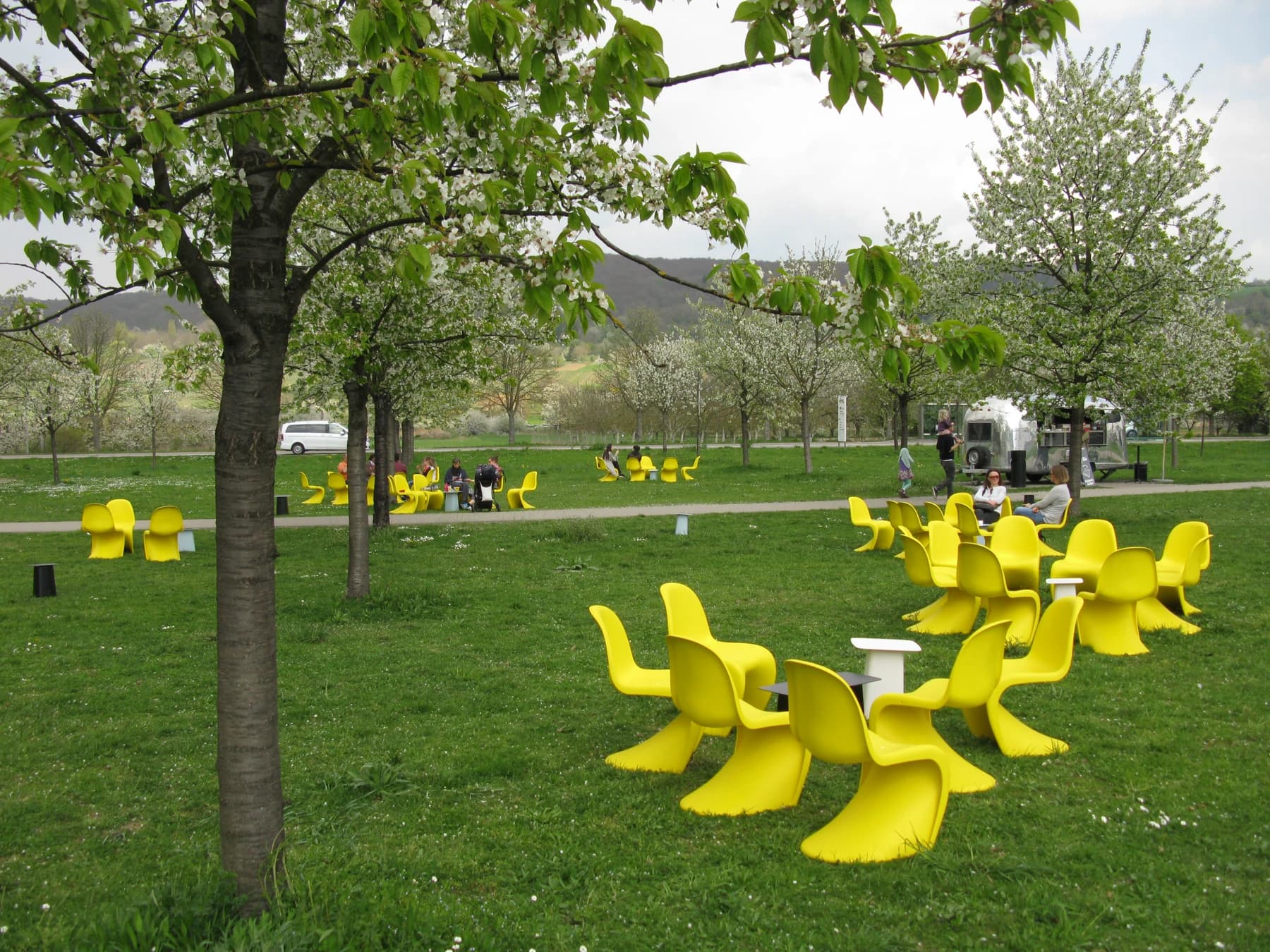
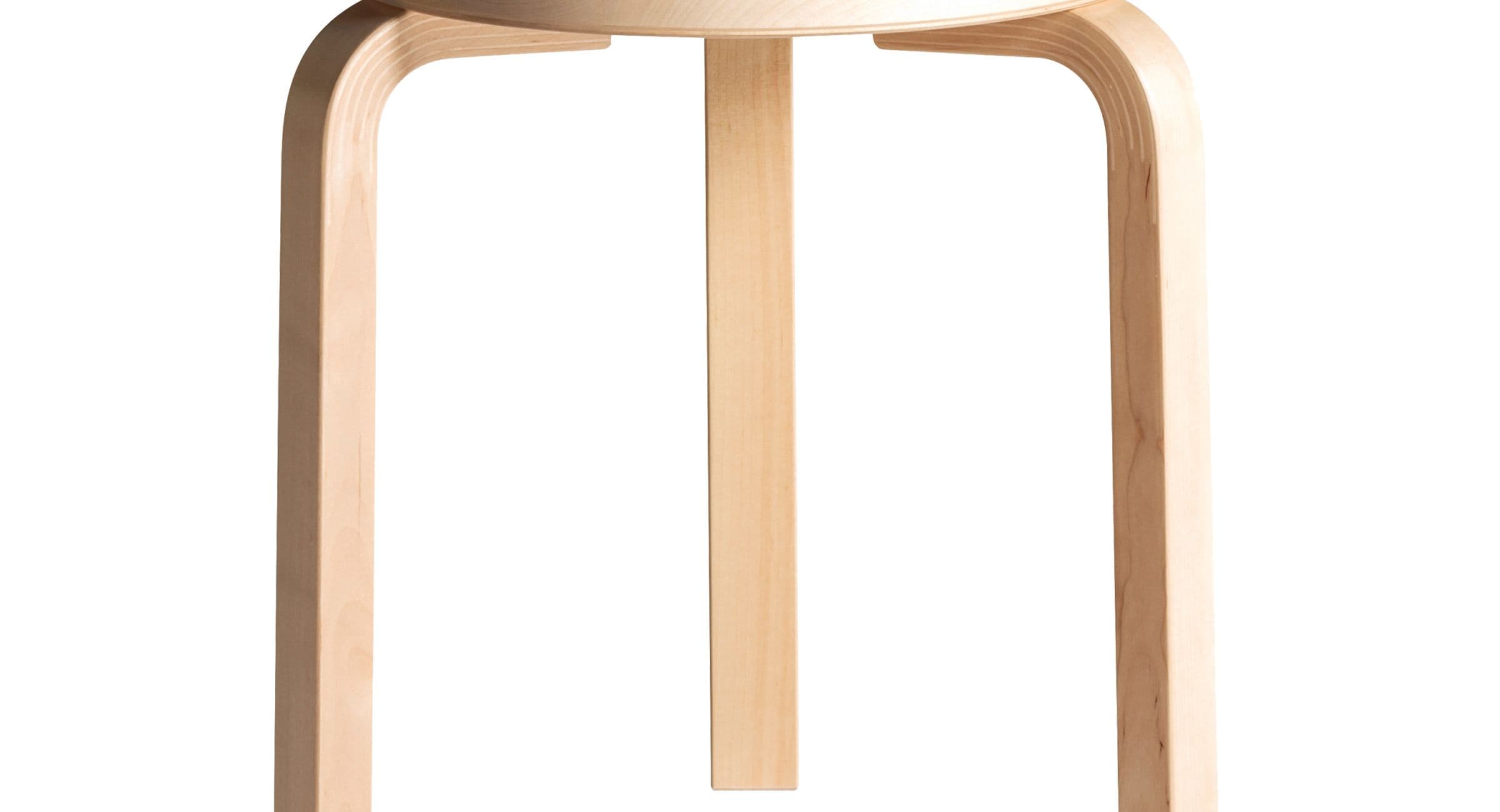
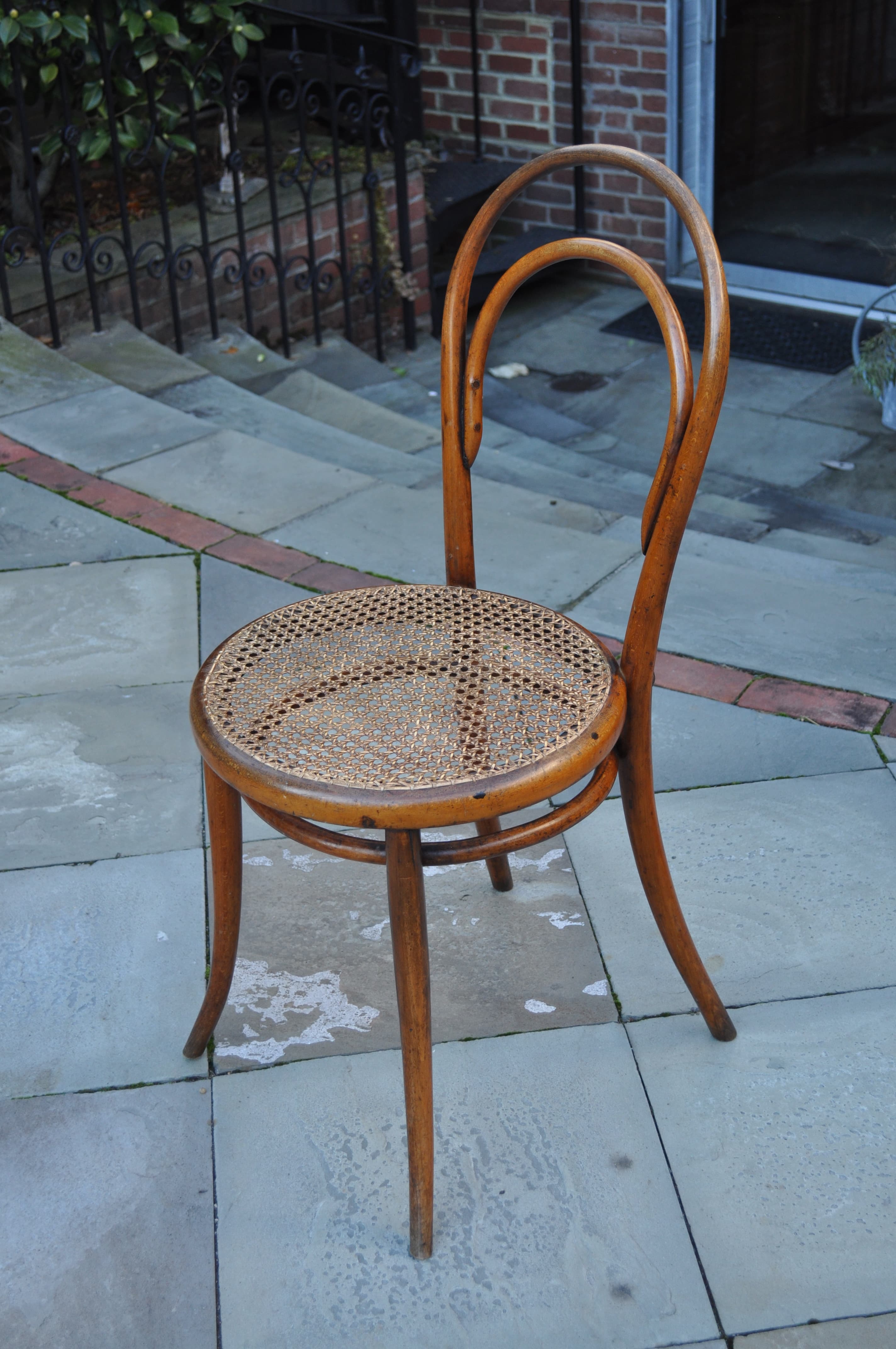
A chair with a way back.
A familiar café chair makes a larger point: lasting value needs a practical route back into use.
Read the storyTHE WHV WORLD
A point of view, made tangible.
THE QUESTION WE BRING
OUR FIELD OF VIEW
Each selection begins with a specific subject, a reason to care and evidence worth examining.
Selection
A familiar café chair makes a larger point: lasting value needs a practical route back into use.
Read the storyDiscovery
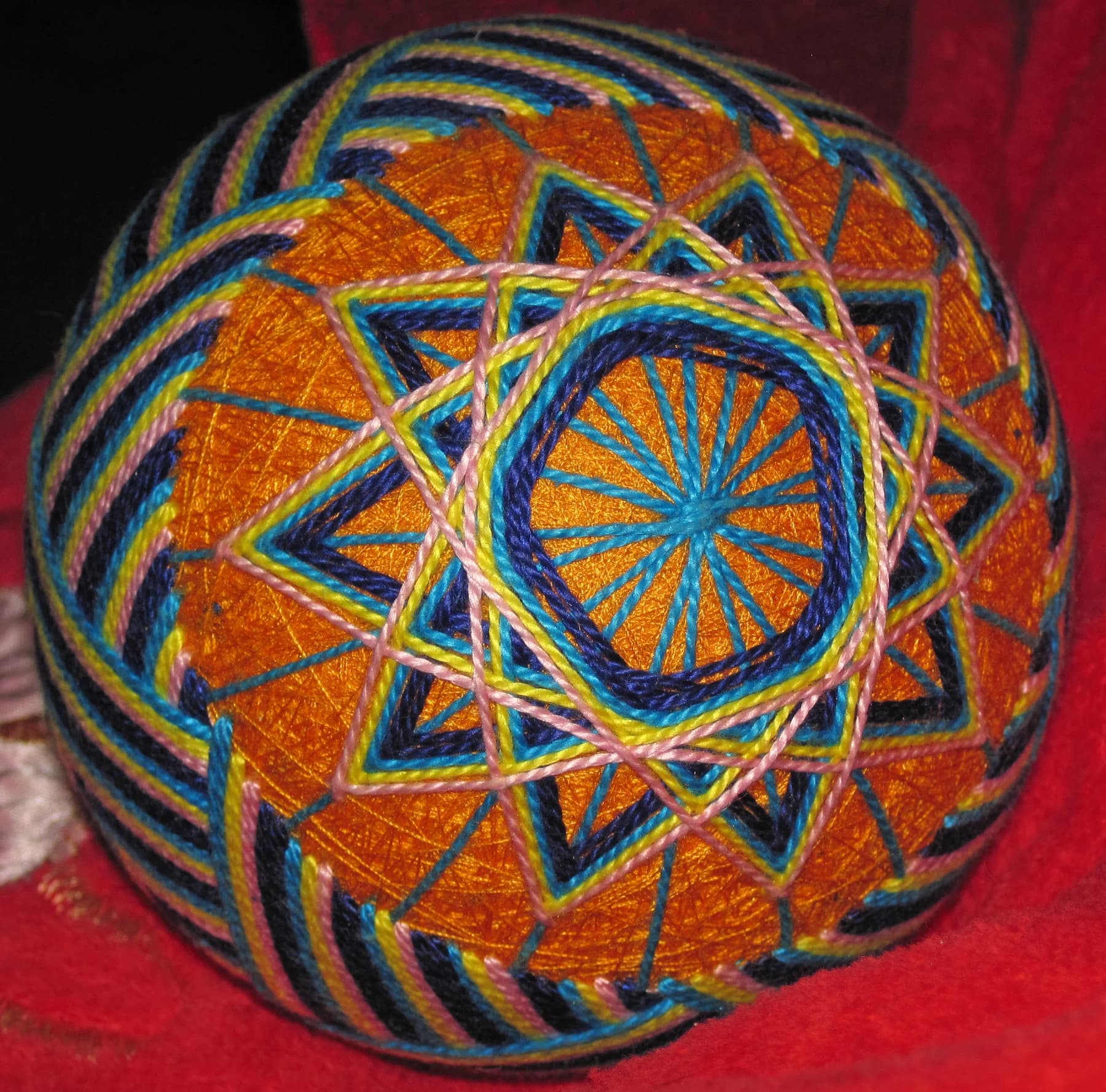
Temari turns a small sphere into a complex field of stitched geometry. In the Sanuki tradition, the materials beneath the pattern are part of the achievement.
Read the noteDiscovery
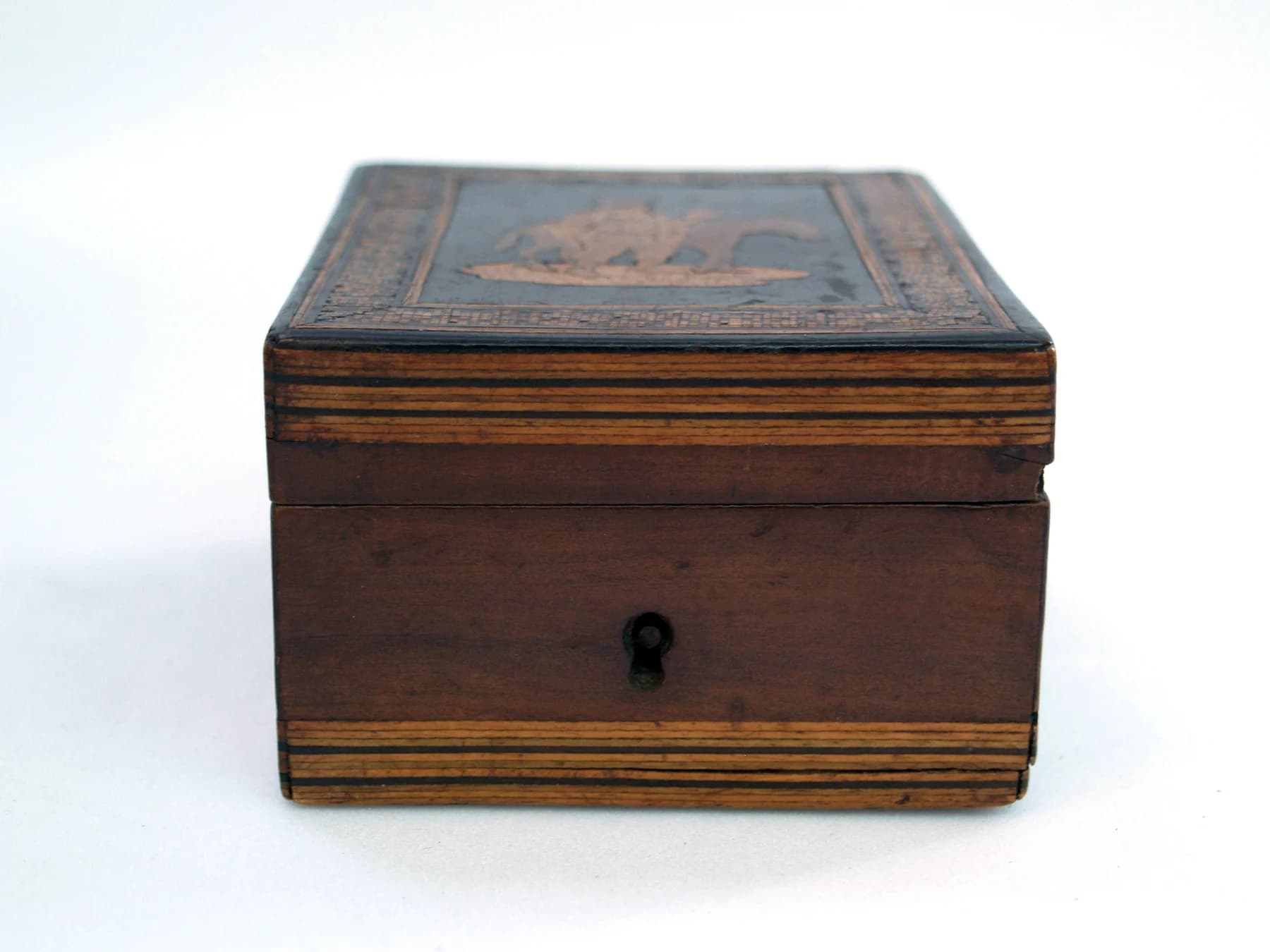
Tunbridge ware builds images from small pieces of wood rather than painting them onto a surface. A nineteenth-century watch box turns that technique into something unexpectedly useful.
Read the noteDiscovery
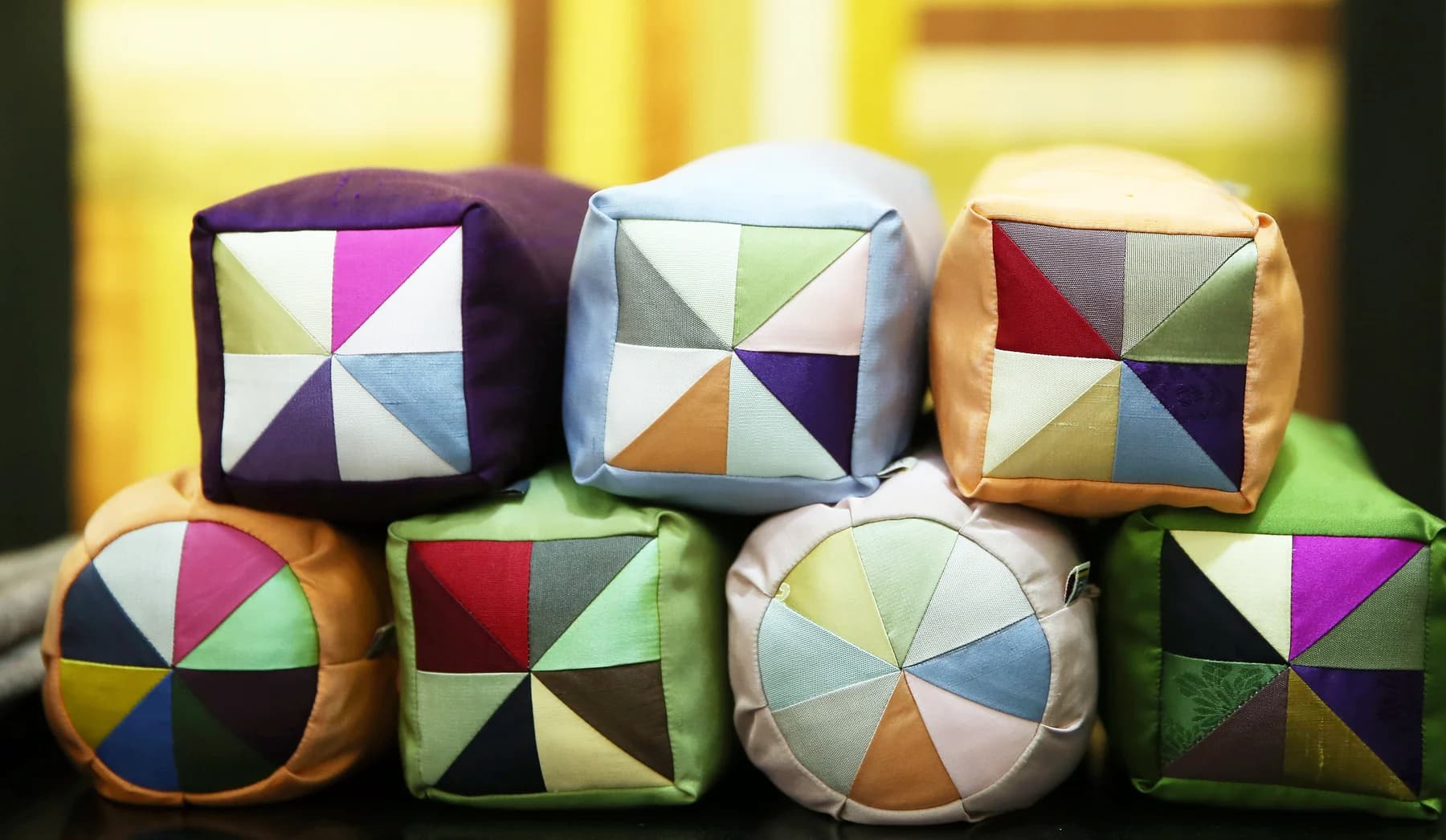
Jogakbo turns joined pieces of cloth into a deliberate arrangement of colour and seams. Kang Keum Seong’s documented work shows how that language can enter everyday objects.
Read the noteDiscovery
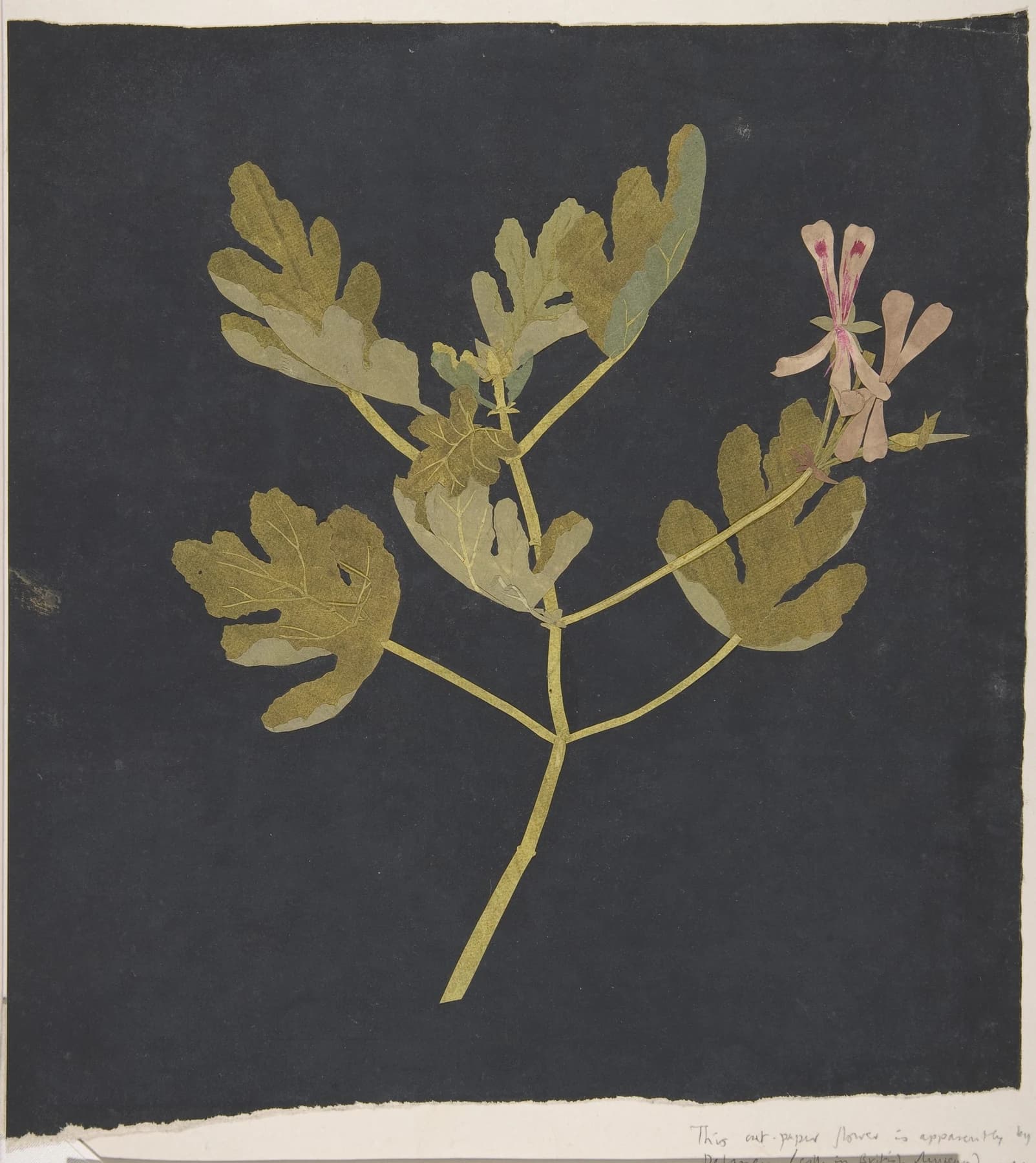
Mary Delany’s Botanical Study is not simply a painted flower. Its paper construction turns close looking into a material practice, begun when the artist was already in her seventies.
Read the noteDiscovery
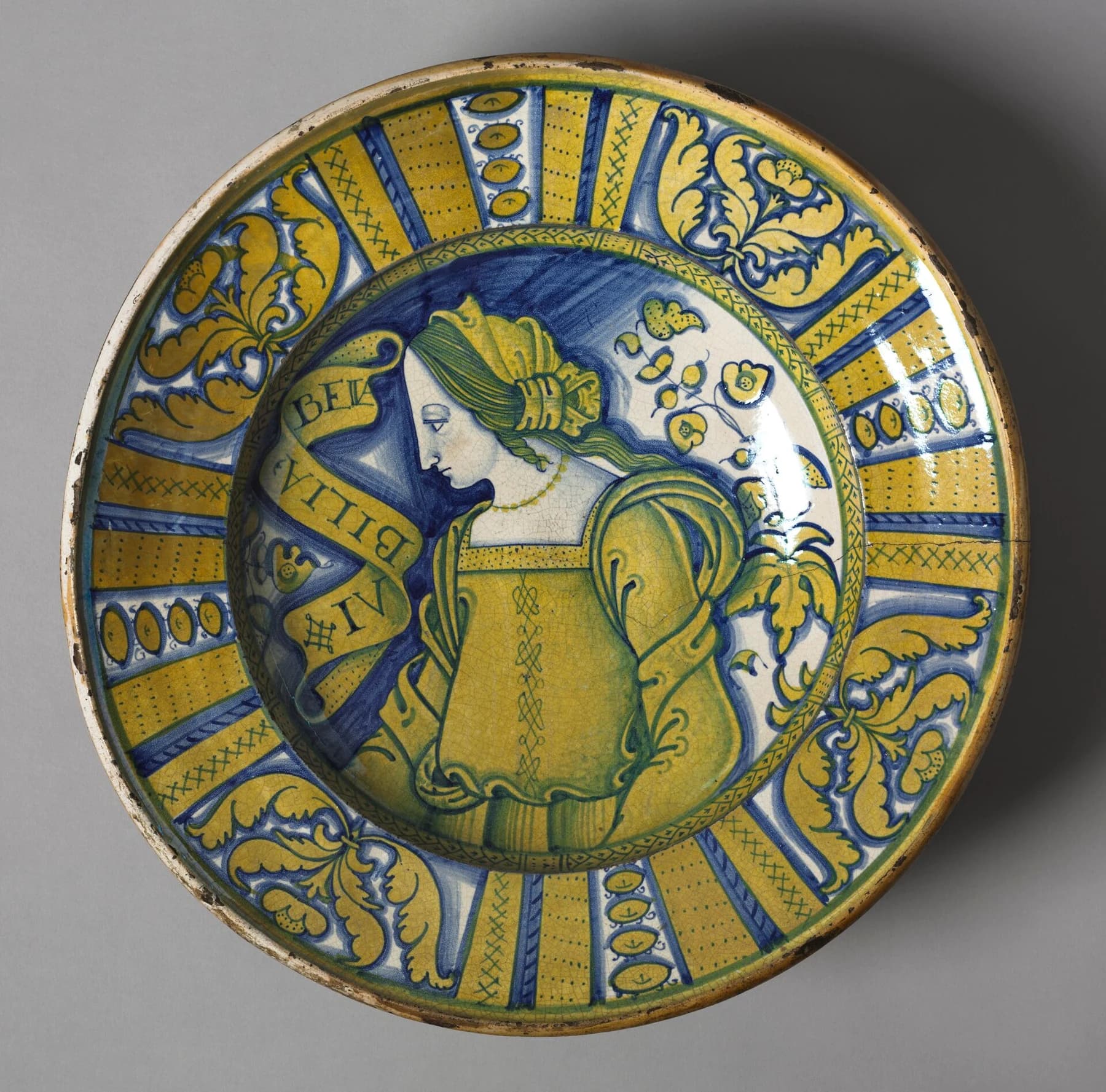
Deruta’s lustre maiolica adds another transformation after the glazed object seems complete. The historical plate is a starting point for understanding a technique still taught and practised.
Read the noteDiscovery
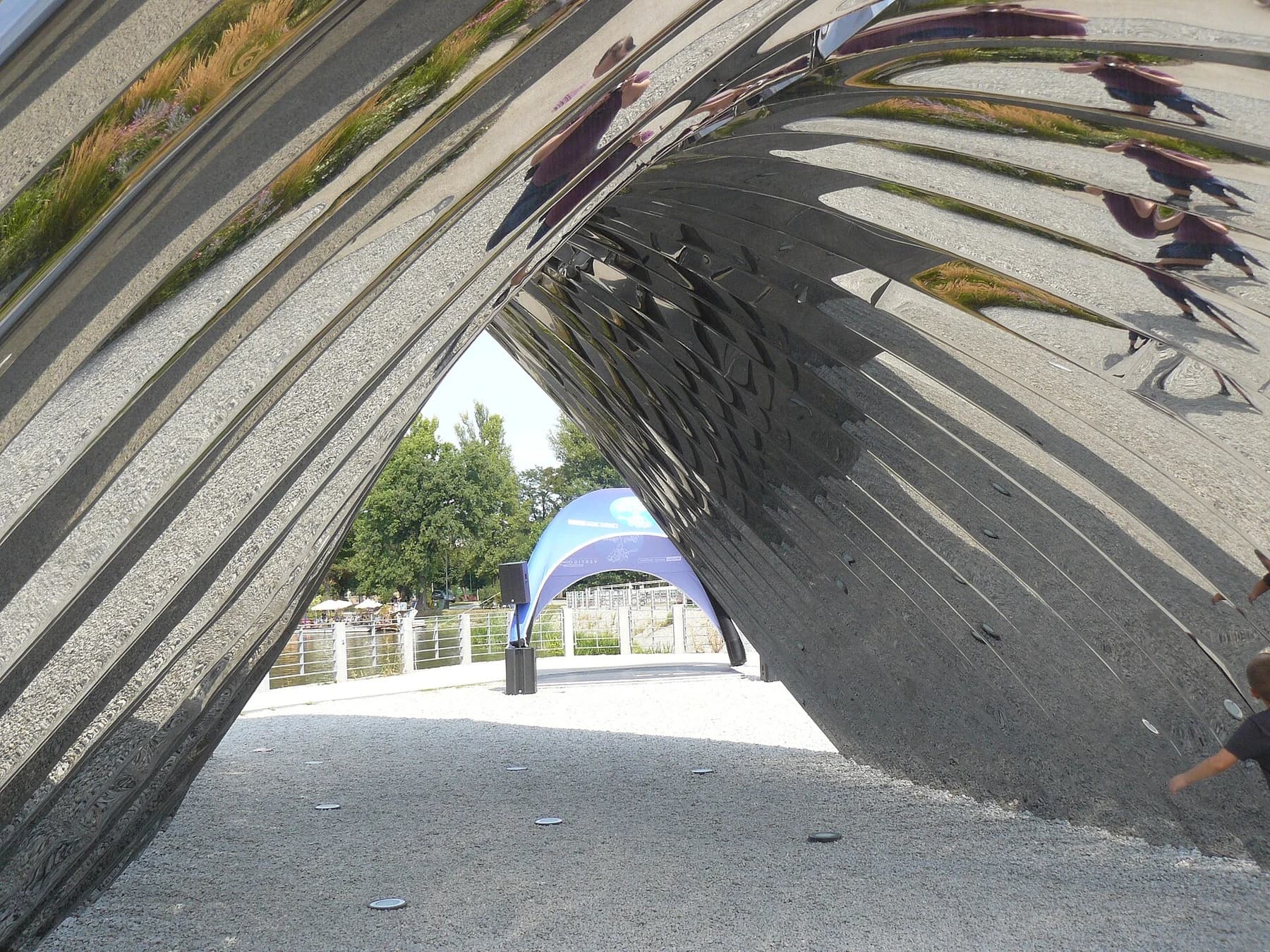
Oskar Zięta’s NAWA turns inflated steel into a place to walk through. A manufacturing experiment becomes a changing encounter with a city, rather than an object behind glass.
Read the noteDiscovery
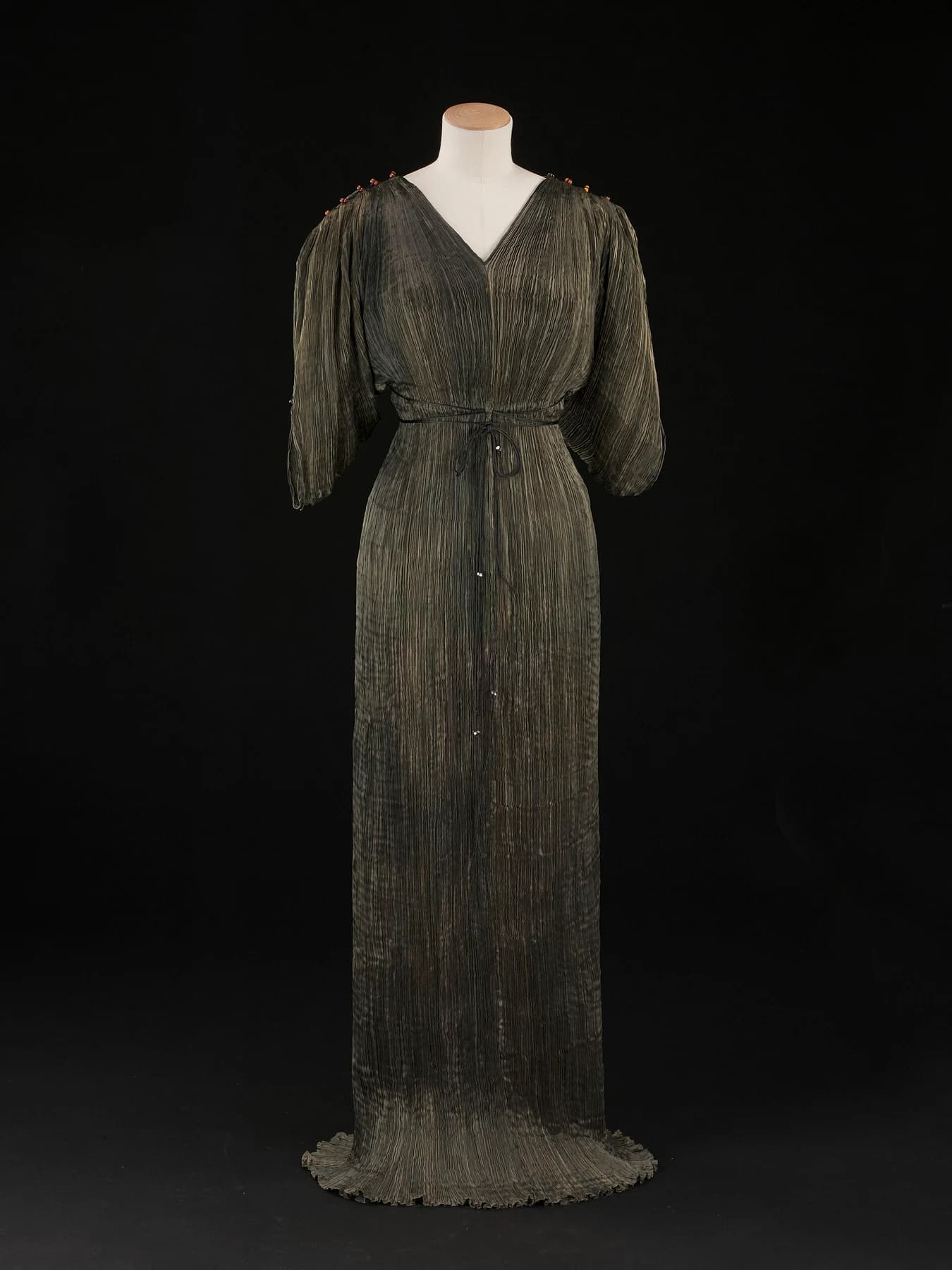
Fortuny’s Delphos puts pleating, weight and movement ahead of a rigid silhouette. It remains a useful lesson in how a garment can carry value through the intelligence of its construction.
Read the noteDiscovery
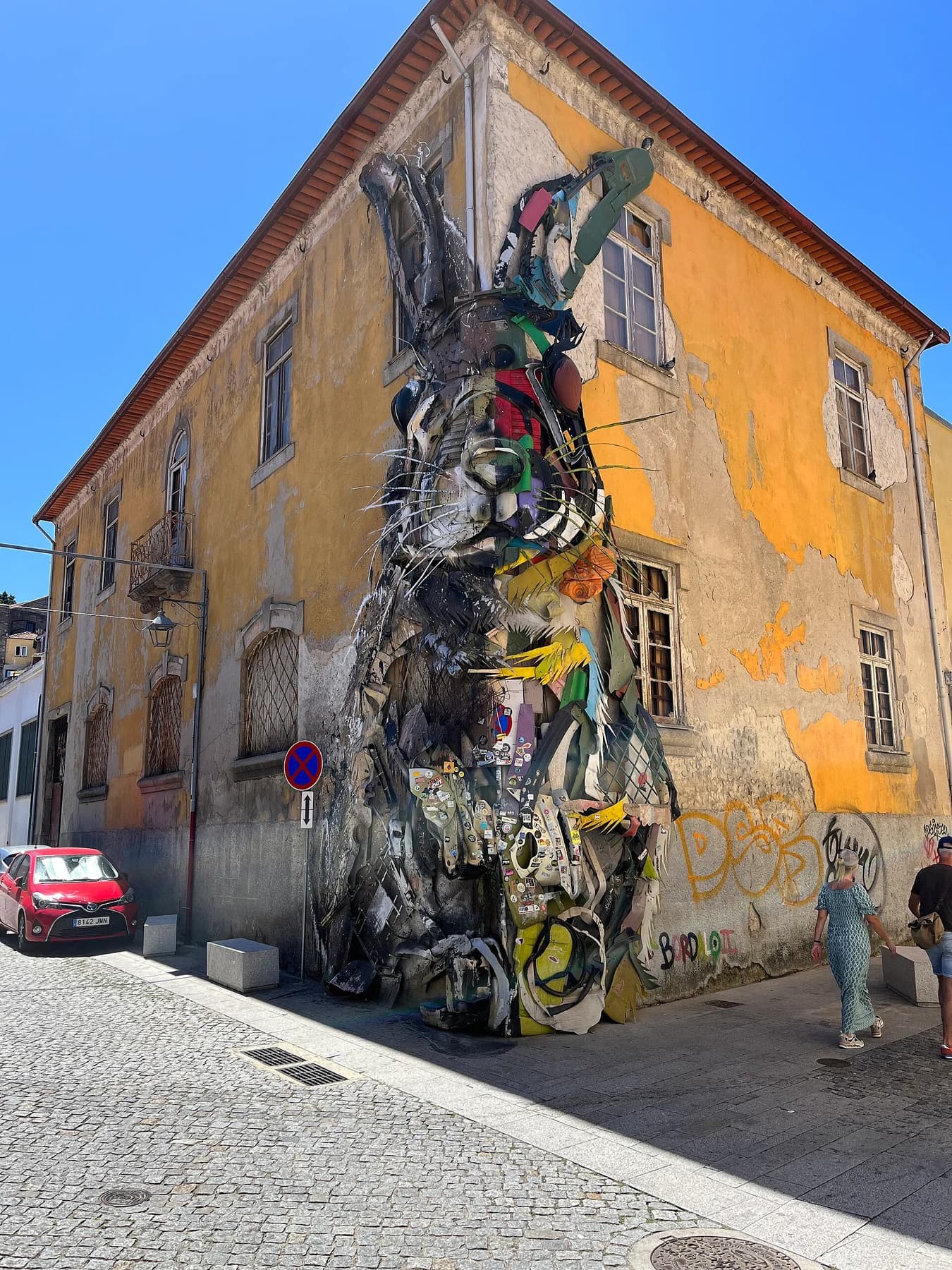
Bordalo II’s Half Rabbit makes an animal appear from discarded things on a corner in Gaia. The second look, when the materials become recognisable, is where the work begins.
Read the noteDiscovery
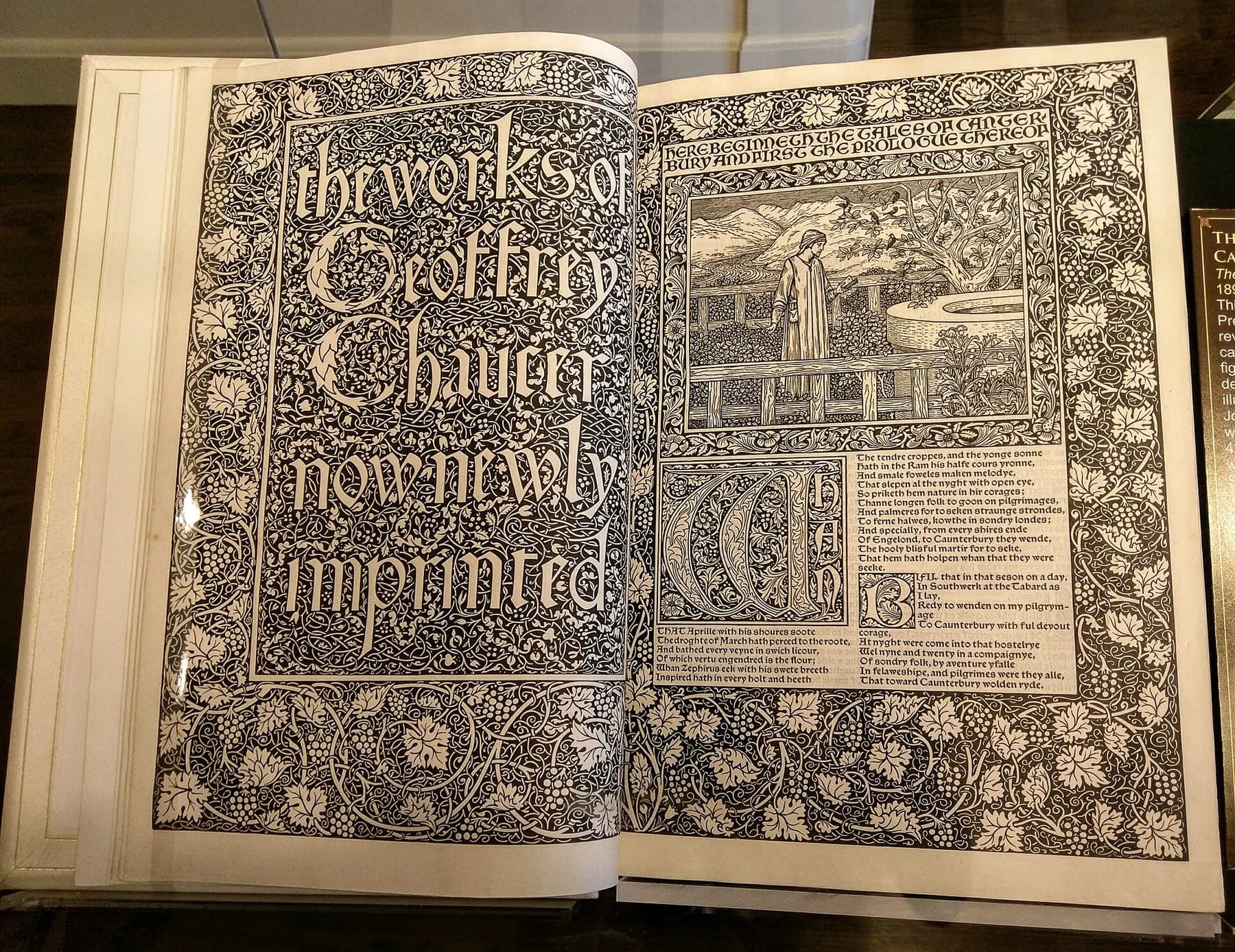
The Kelmscott Chaucer makes type, illustration and the printed page inseparable. Its lesson is available through close looking, even when the original is far beyond reach.
Read the noteDiscovery
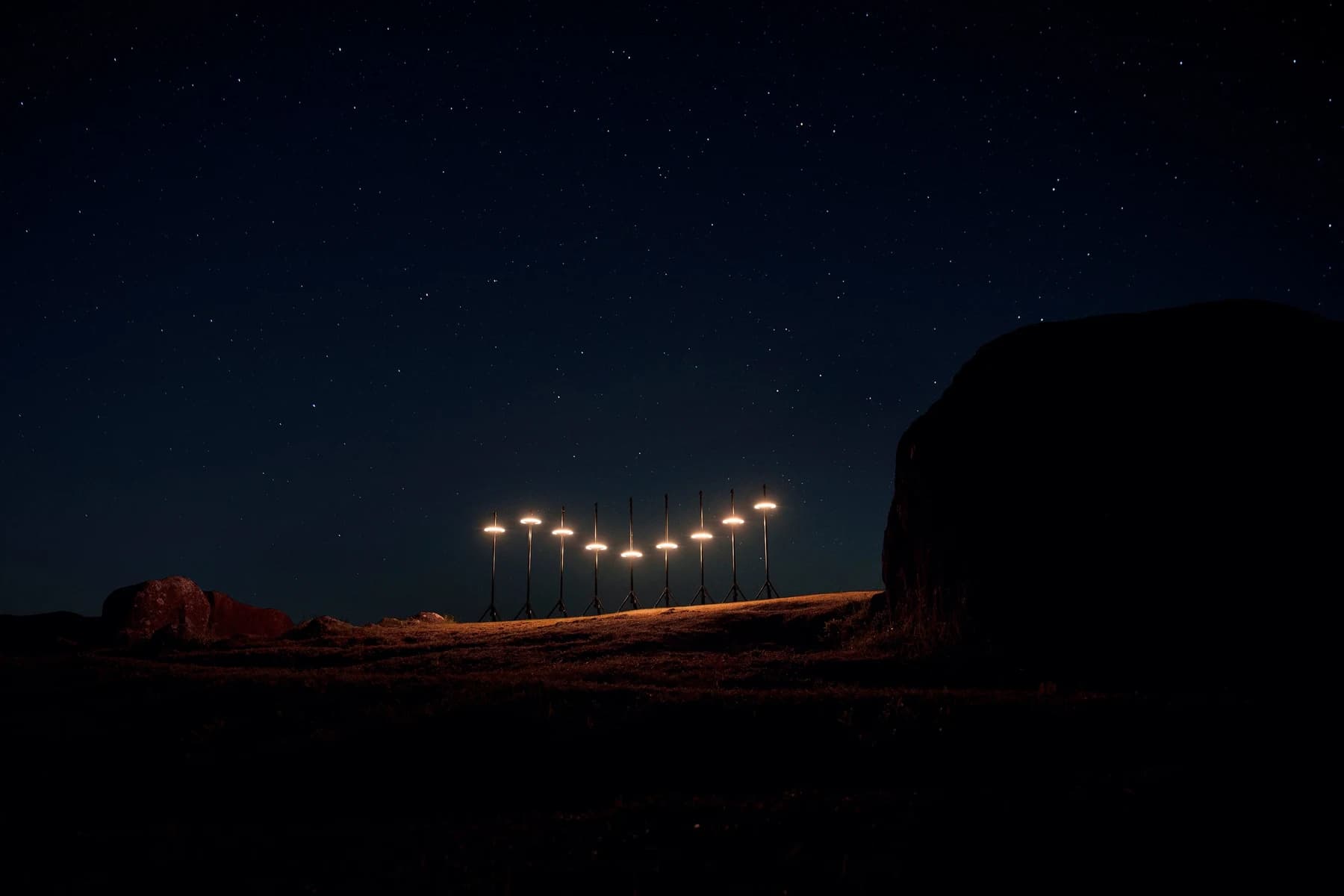
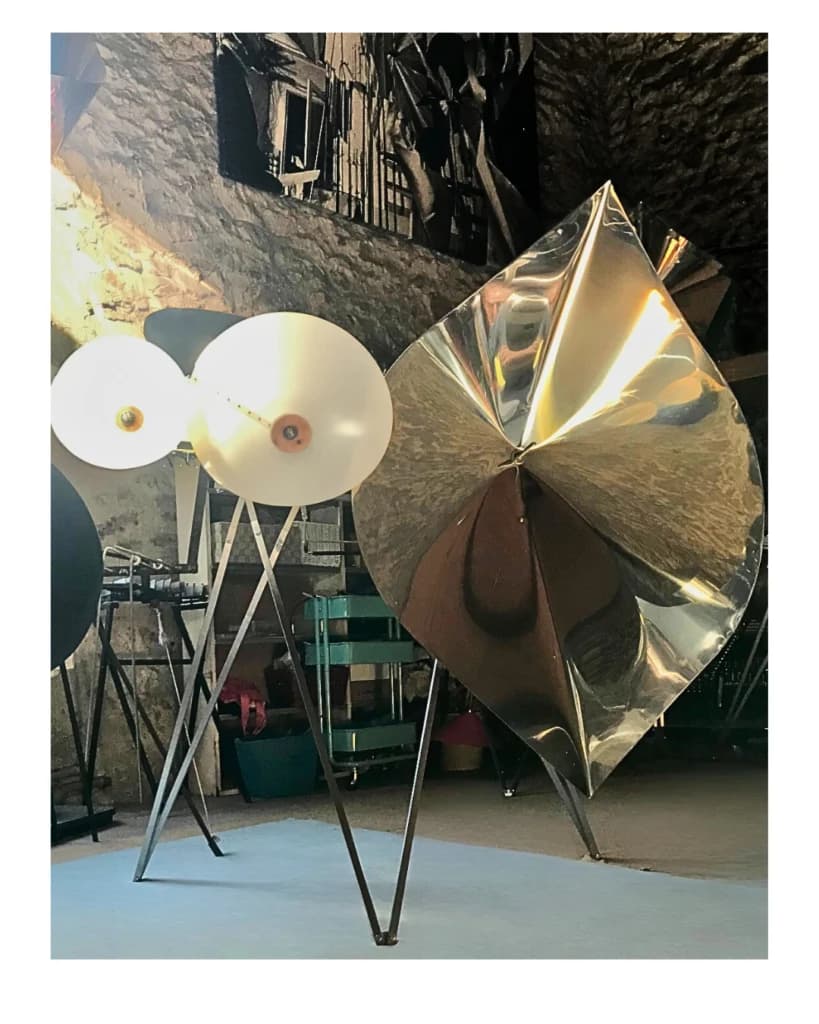
FLIGHTGRAF’s LOOP makes light move through physical space. Its forthcoming collaboration with HAL ca offers a contemporary reason to think about value that depends on attention rather than possession.
Read the noteDiscovery
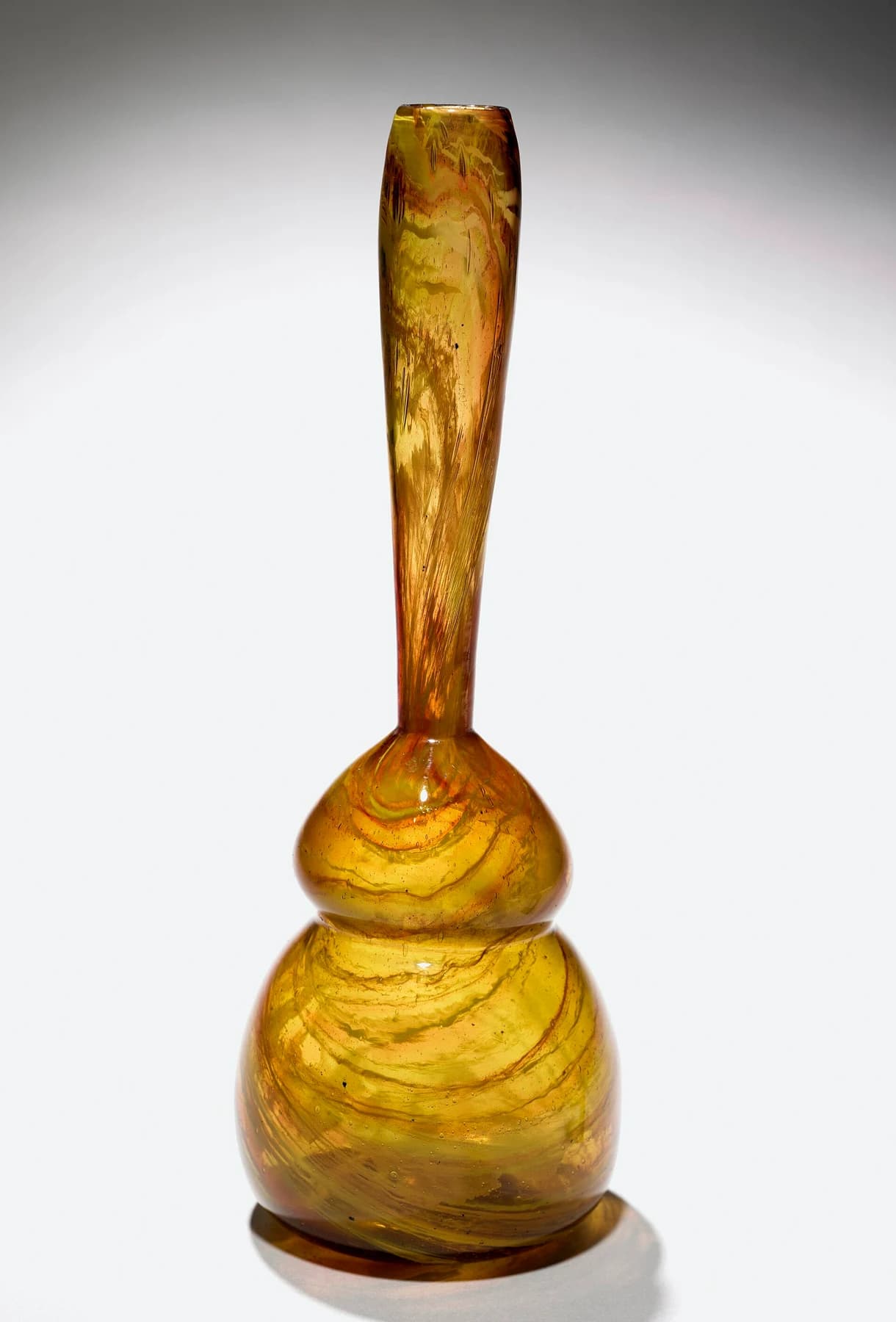
Christopher Dresser’s Clutha glass allows colour, streaks and the character of molten material to become the ornament. A small historical object opens a large design question.
Read the note Image: © Hiroshi Sugimoto / Object © Christian Dior Couture collection, Paris (opens source in a new tab)
Discovery
Hiroshi Sugimoto’s Stylized Sculpture changes how a garment is seen. His 2026 Dior photographs turn historical couture into a study of form, light and human absence.
Read the noteDiscovery
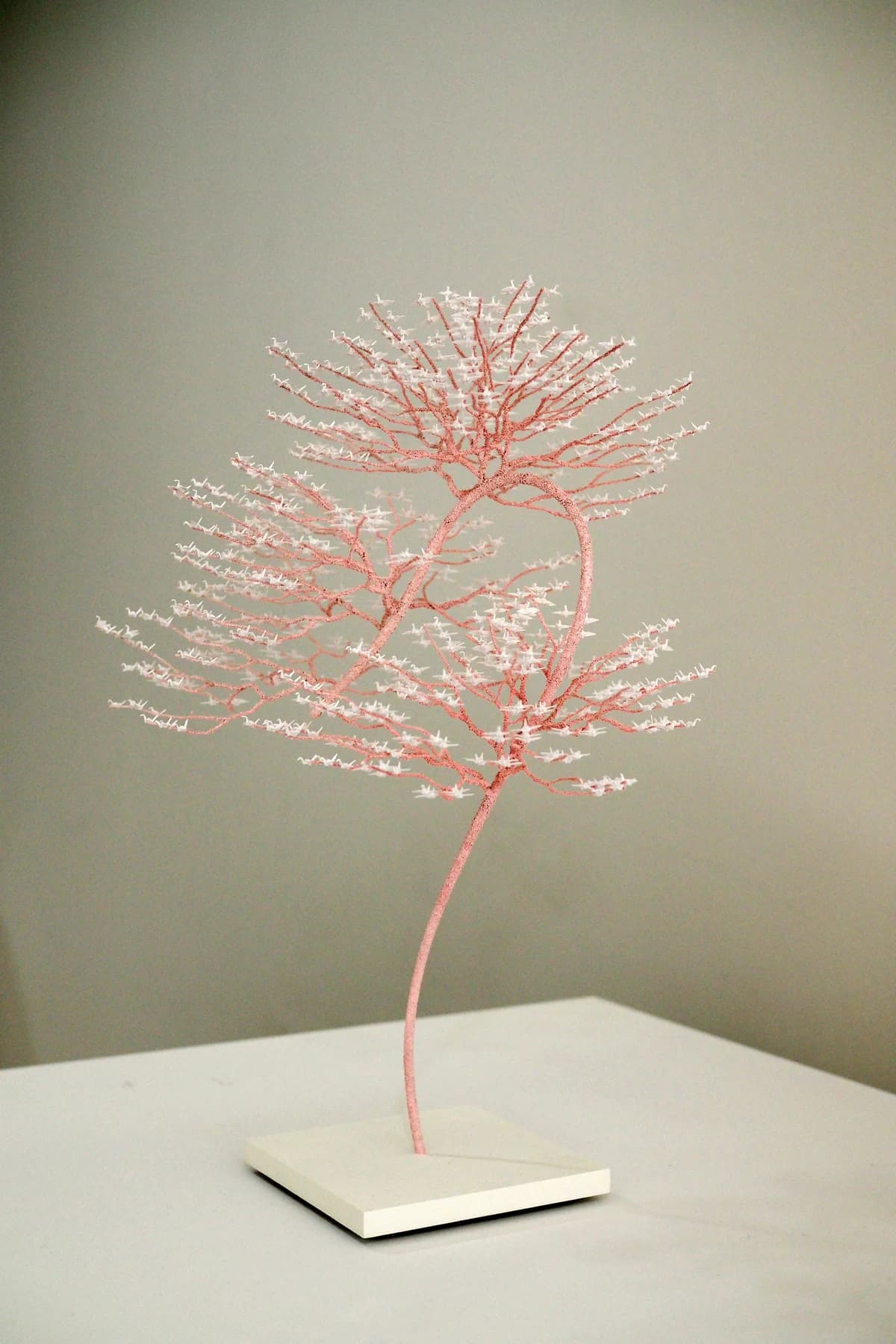
Naoki Onogawa builds tree-like sculptures from tiny folded cranes. Look closely and a familiar silhouette becomes an accumulation of individual acts.
Read the noteDiscovery
For Hikari, Kensaku Kakimoto photographed through glass works by Ritsue Mishima. The glass is not only the subject. It becomes part of how the image is made.
Read the noteDiscovery
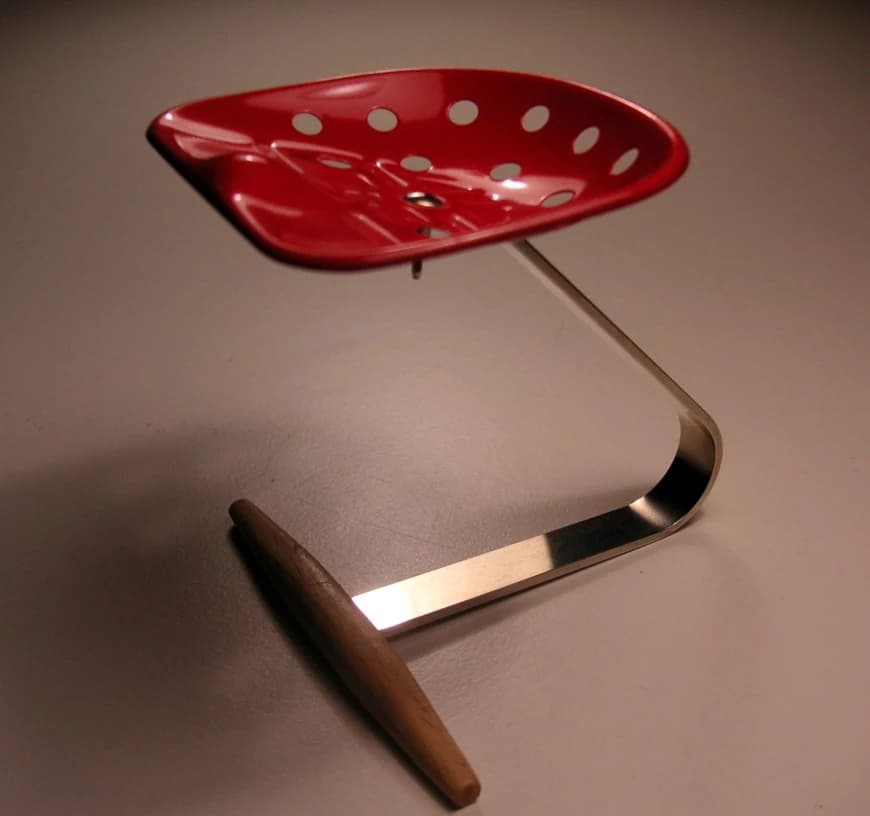
The Castiglioni brothers’ Mezzadro moves an agricultural silhouette into the home. Its wit depends on how the parts work together, not simply where the seat came from.
Read the noteDiscovery
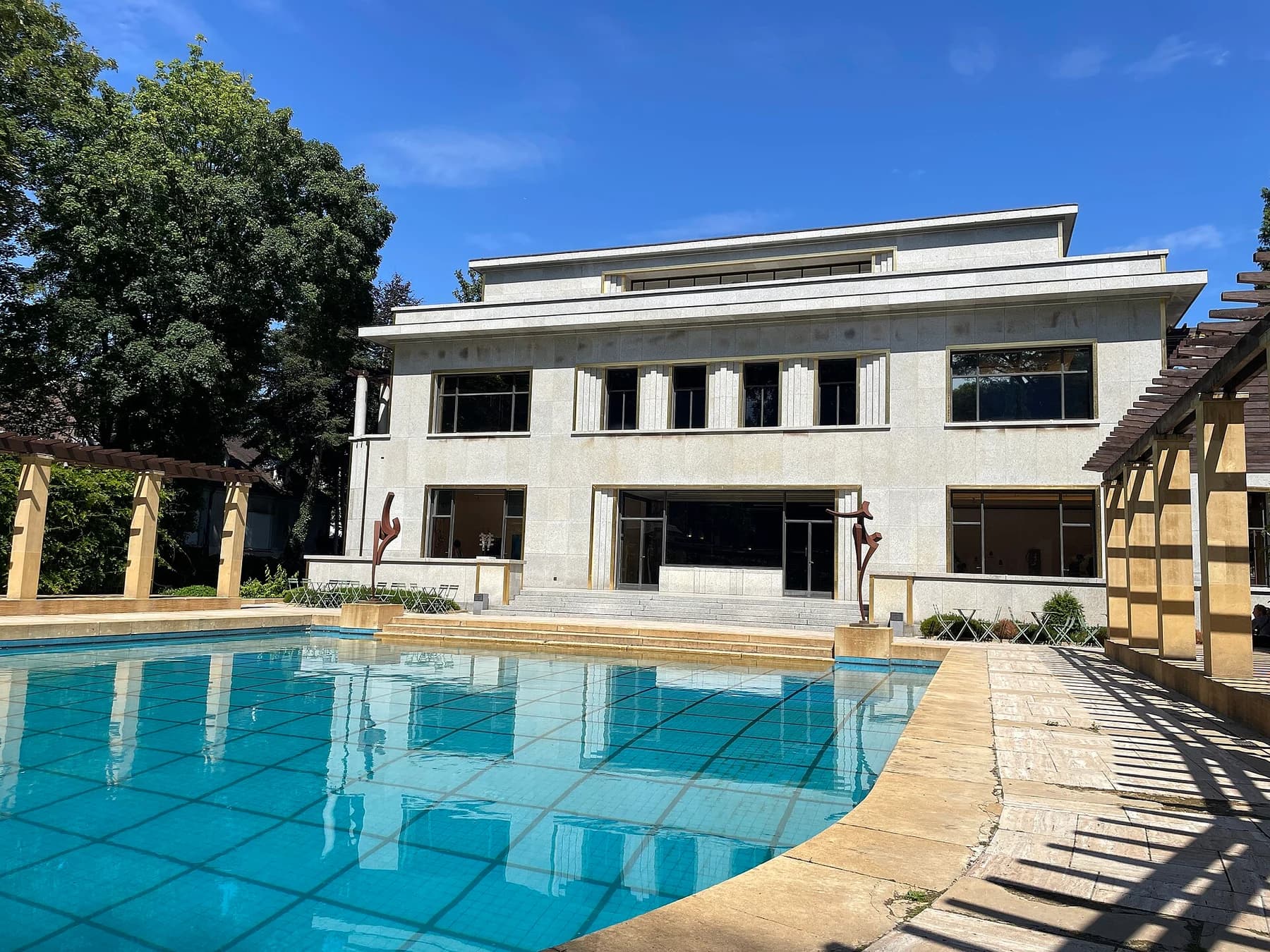
Villa Empain in Brussels is more than a restored Art Deco interior. Its continuing public life shows what preservation has to do after the photographs are taken.
Read the noteDiscovery
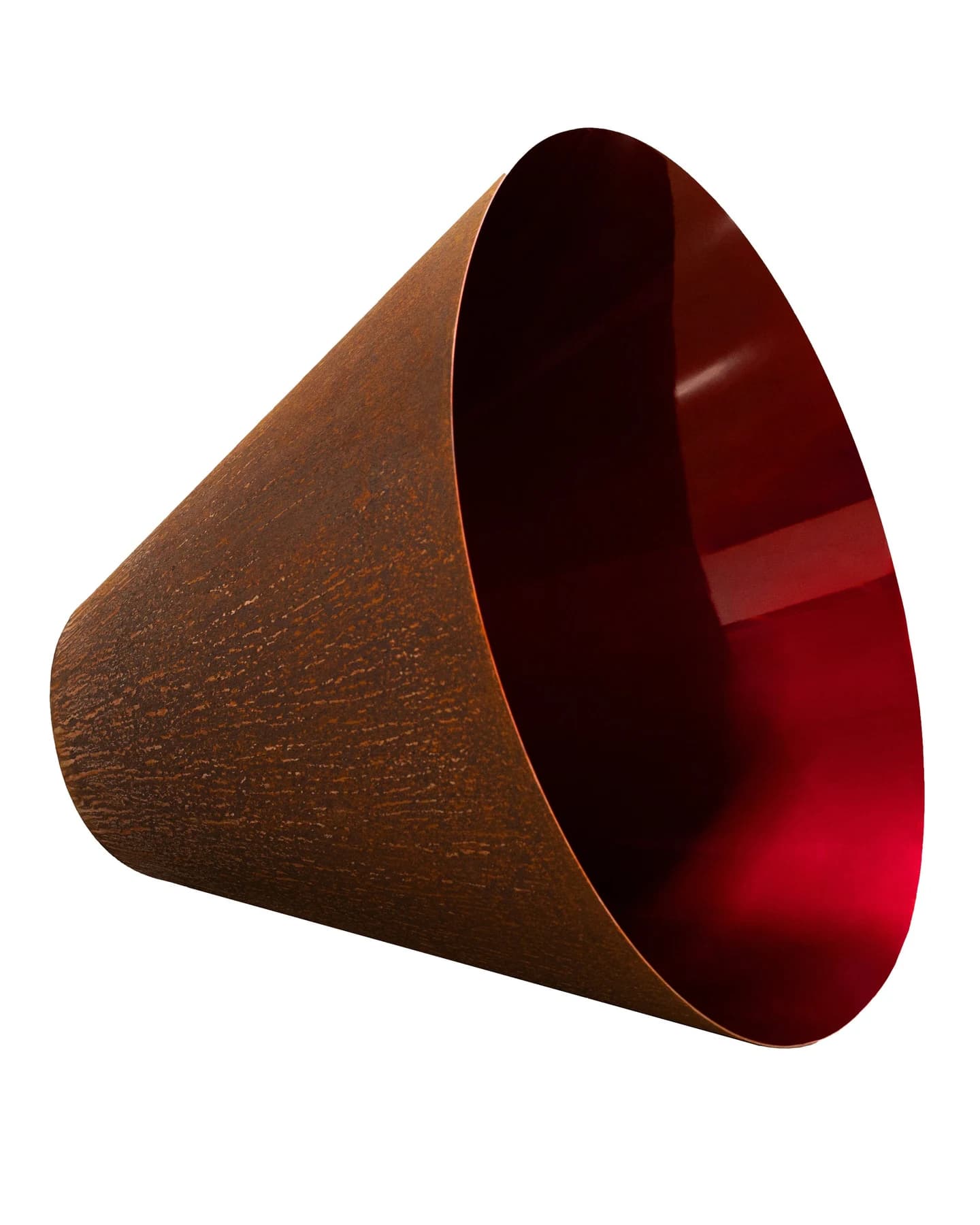
Jobe Burns’s Laying Vessel carries metalworking knowledge into contemporary sculpture. The contrast between its rusted shell and red interior is only the beginning.
Read the noteDiscovery
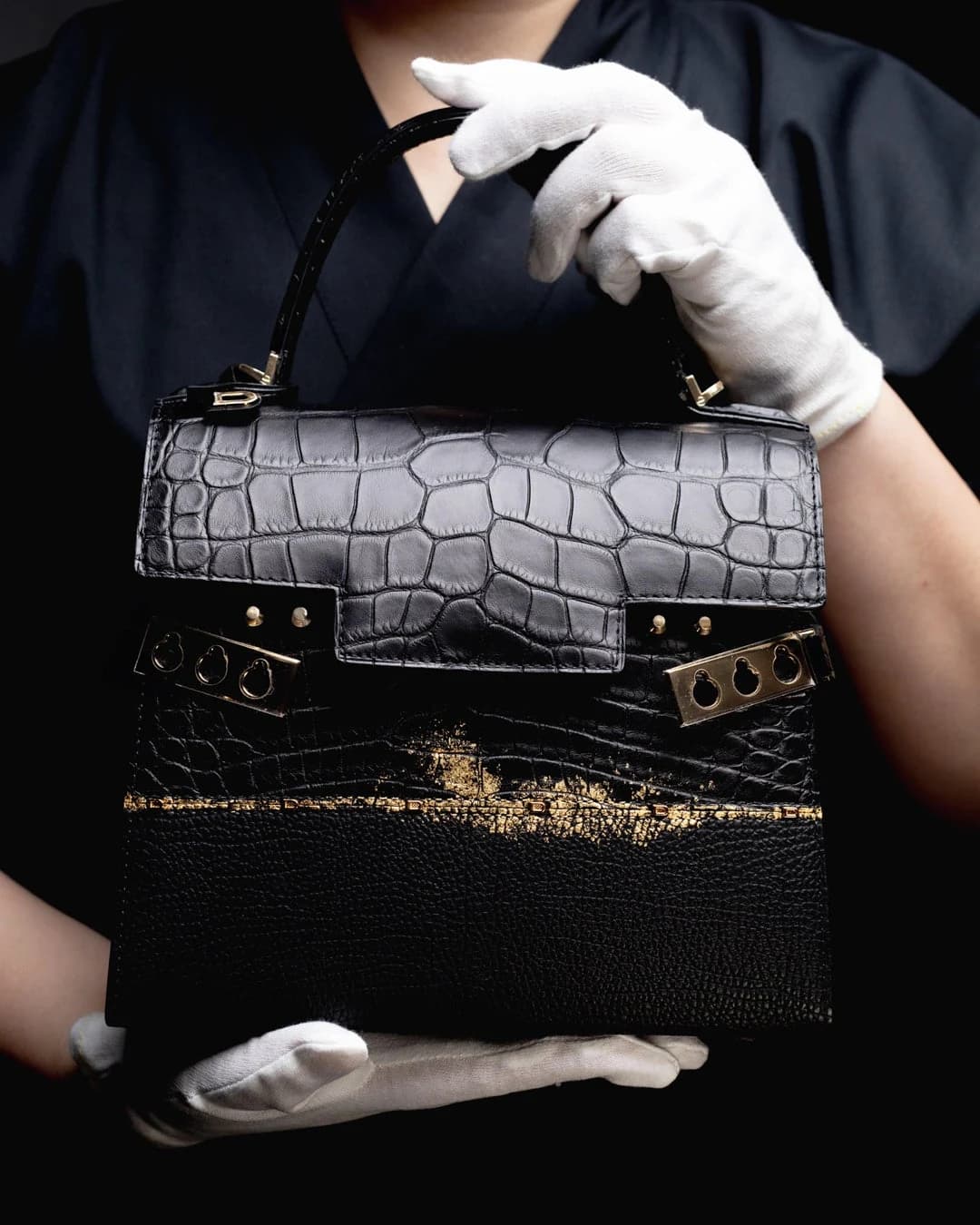
A Delvaux Tempête brings Kanazawa leaf work to the joins of a leather bag. The interesting detail is where two craft traditions meet.
Read the noteDiscovery
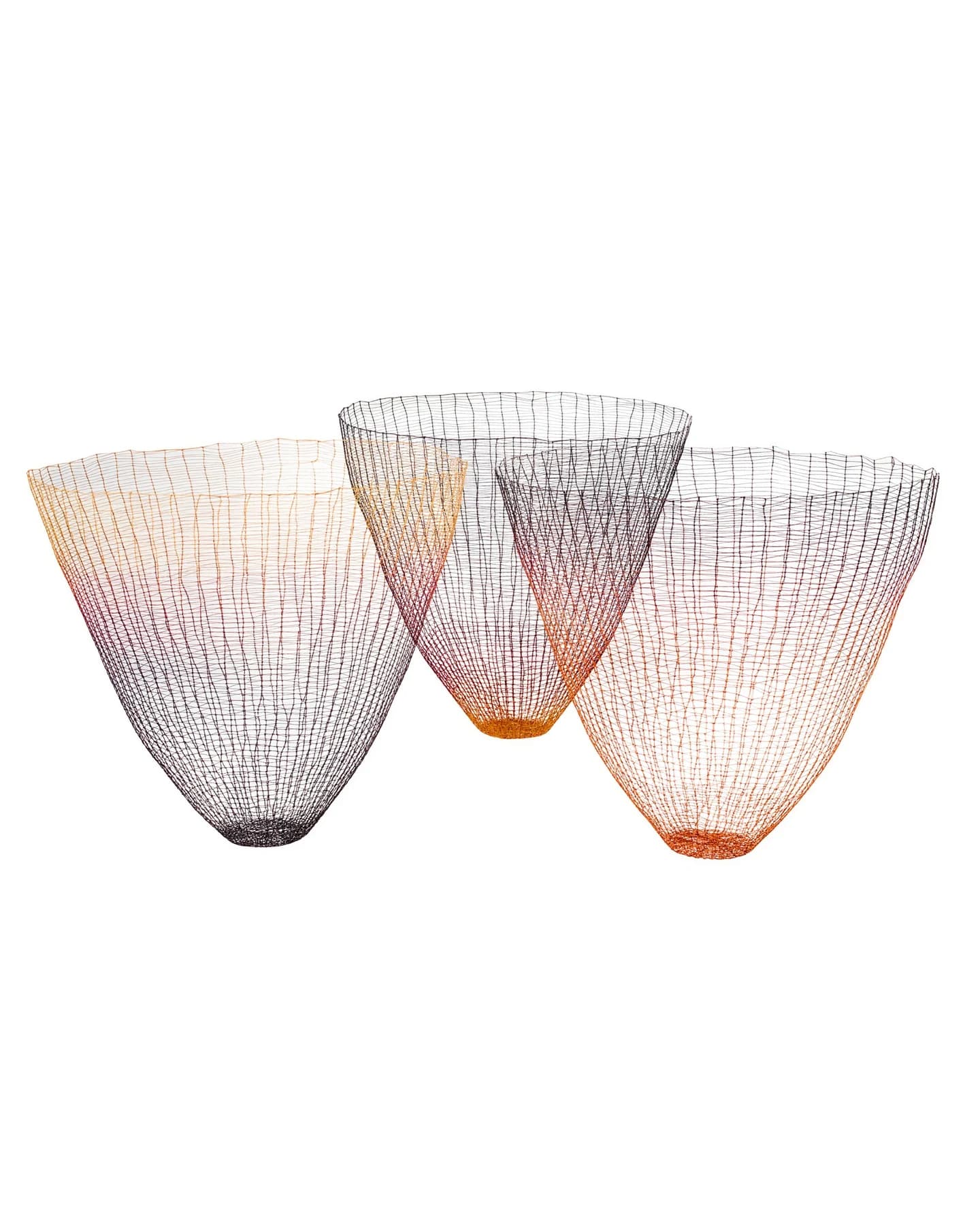
Gjertrud Hals’s Scala gives thread a sculptural presence. Open structure, rather than a solid wall, allows the vessels to occupy space.
Read the noteDiscovery
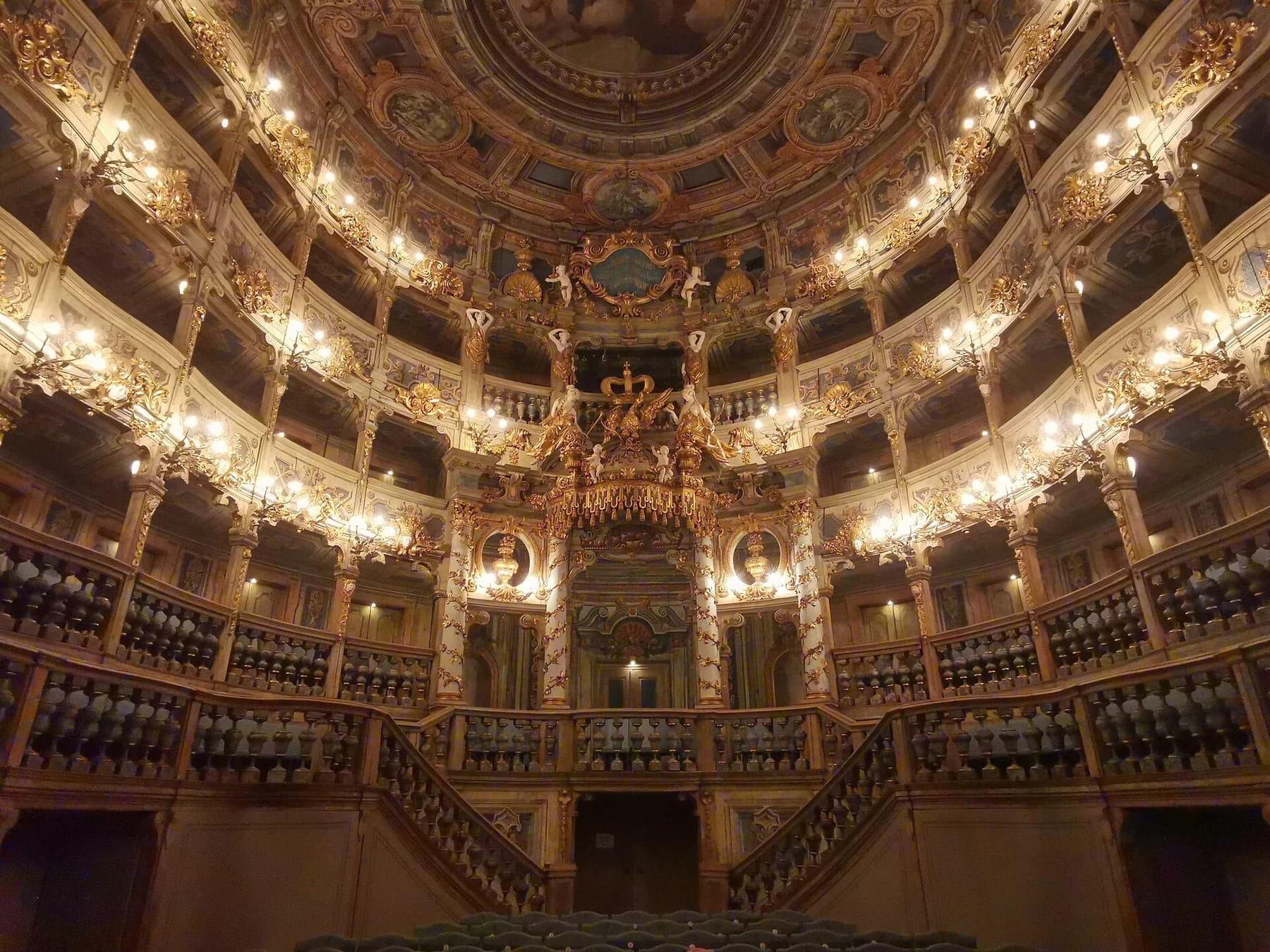
Bayreuth’s Margravial Opera House is a remarkable preserved theatre. Its living value becomes clearer when you distinguish looking at the room from hearing a performance in it.
Read the noteDiscovery
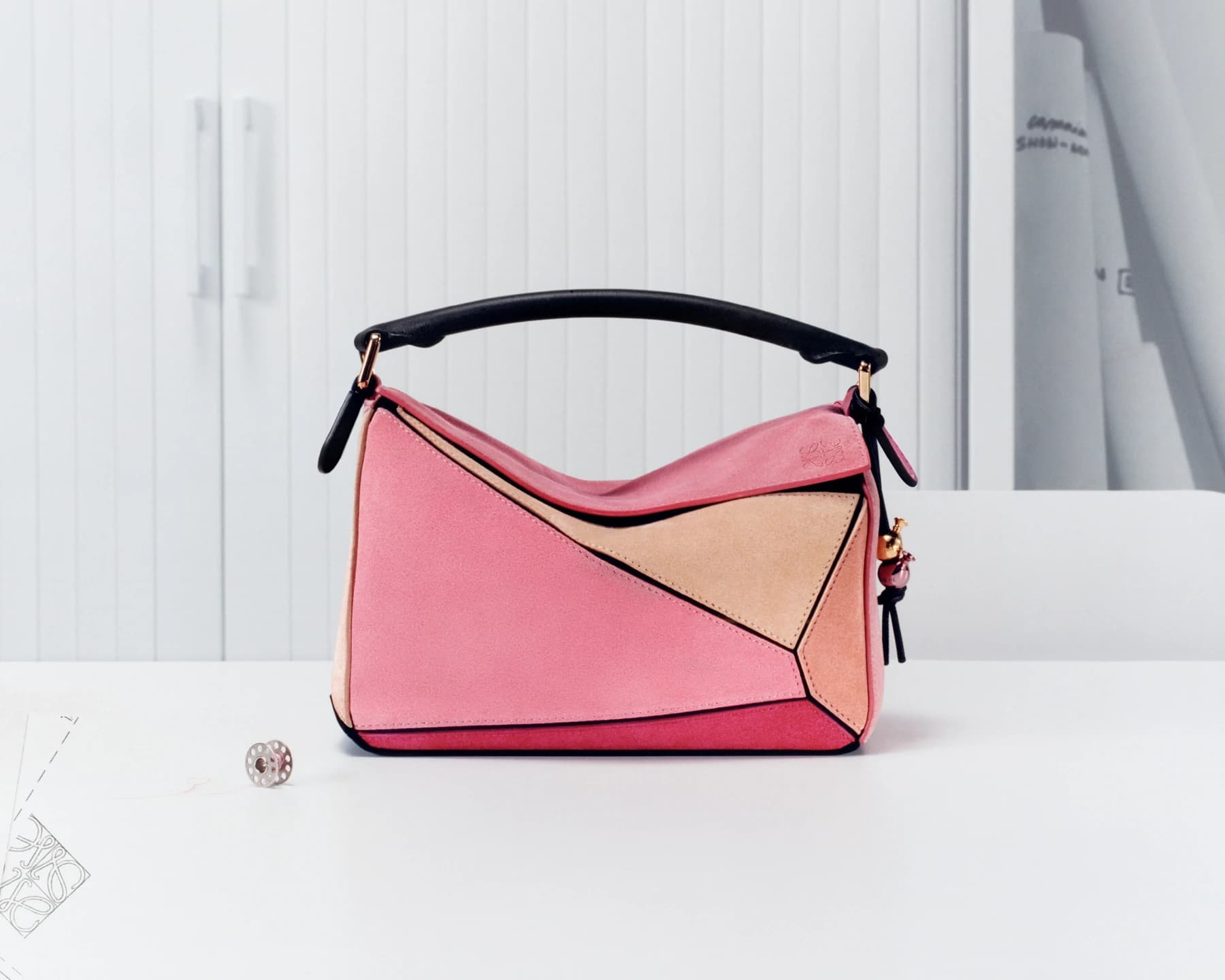
LOEWE’s Puzzle 10 makes a decade of experiments in leather visible through one recognisable construction. The interest is in the making, not the anniversary badge.
Read the noteDiscovery
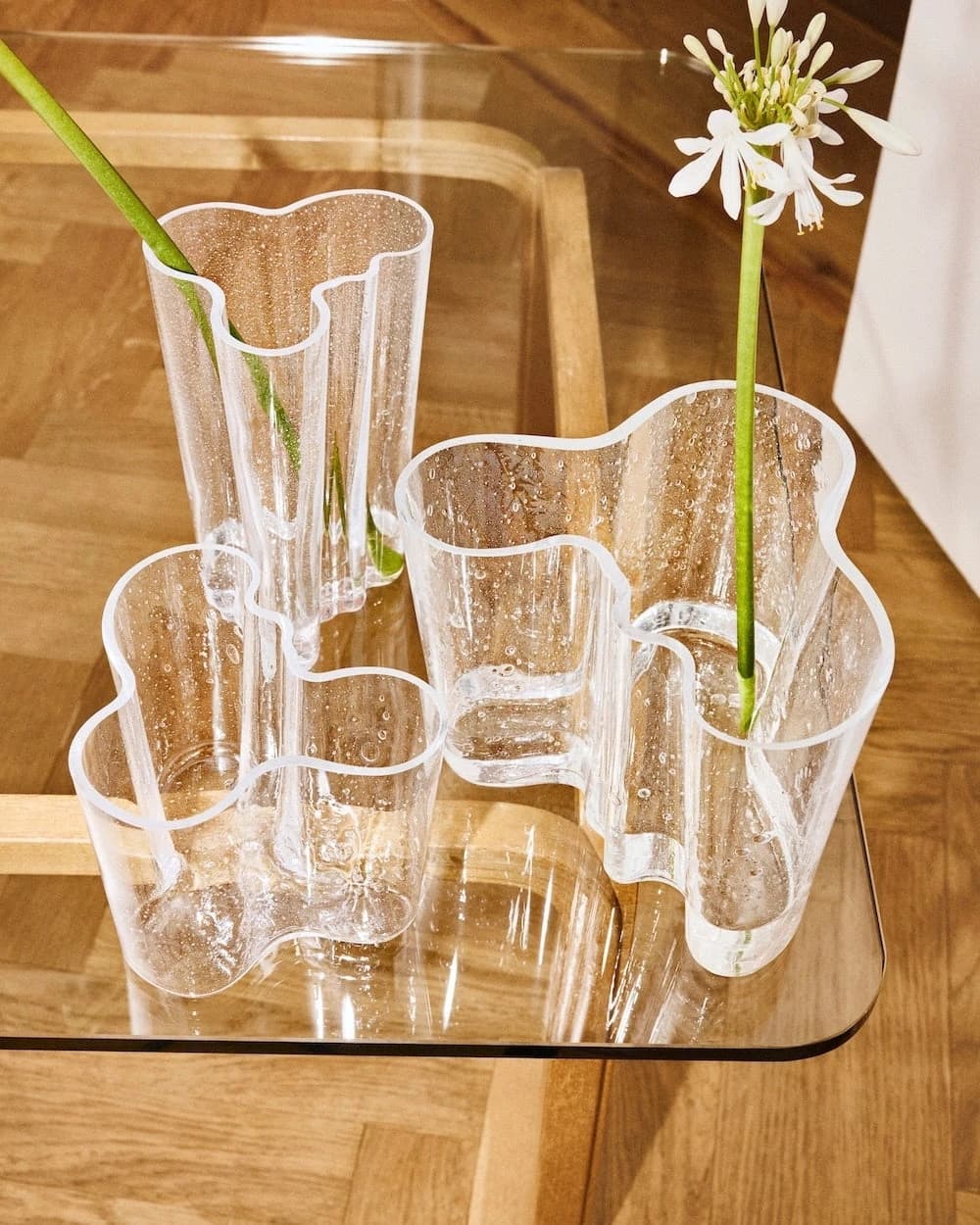
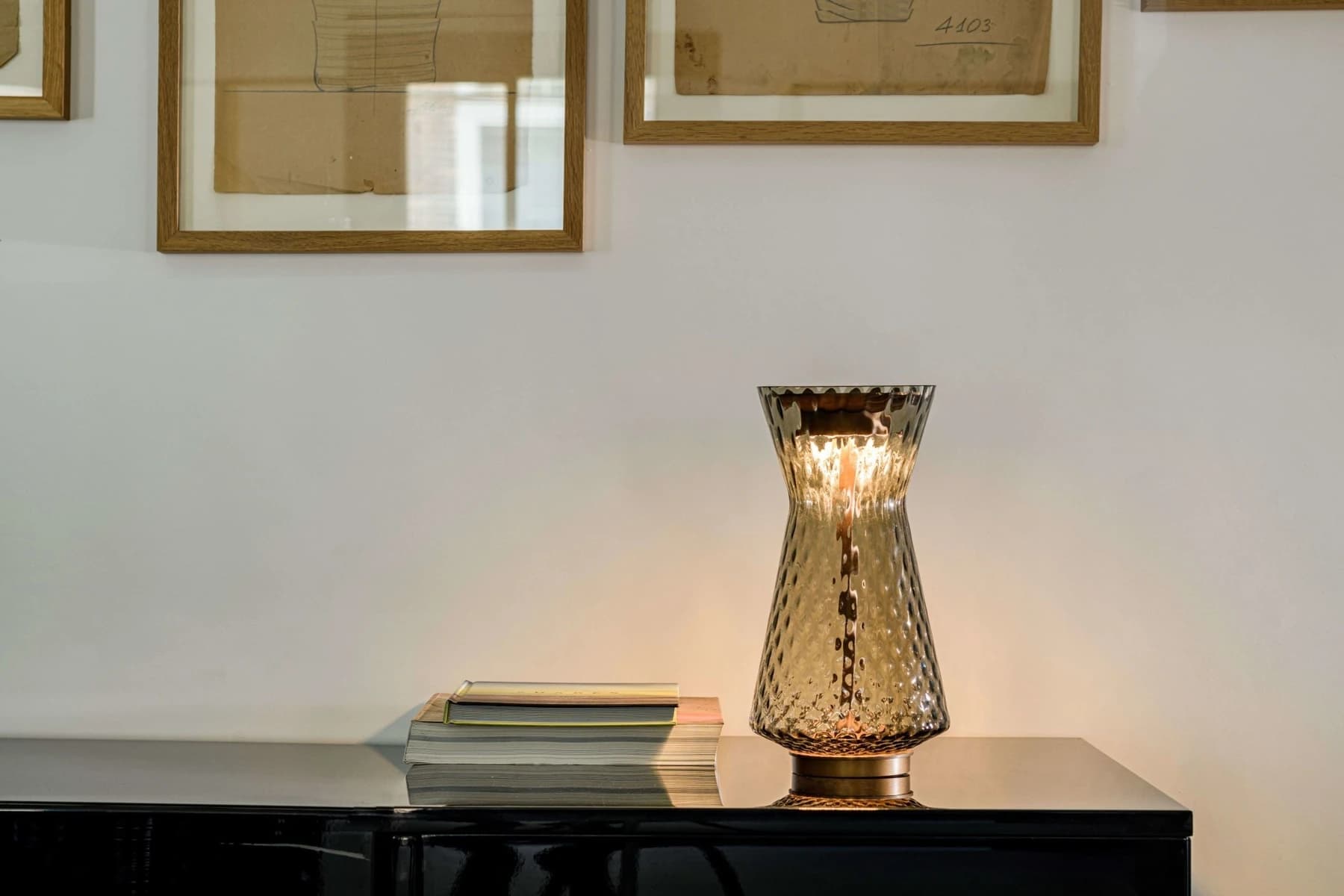
The 2026 Aalto Bubble Vase keeps a familiar contour but changes the way light moves through it. The anniversary is less interesting than the glassmaking.
Read the noteDiscovery
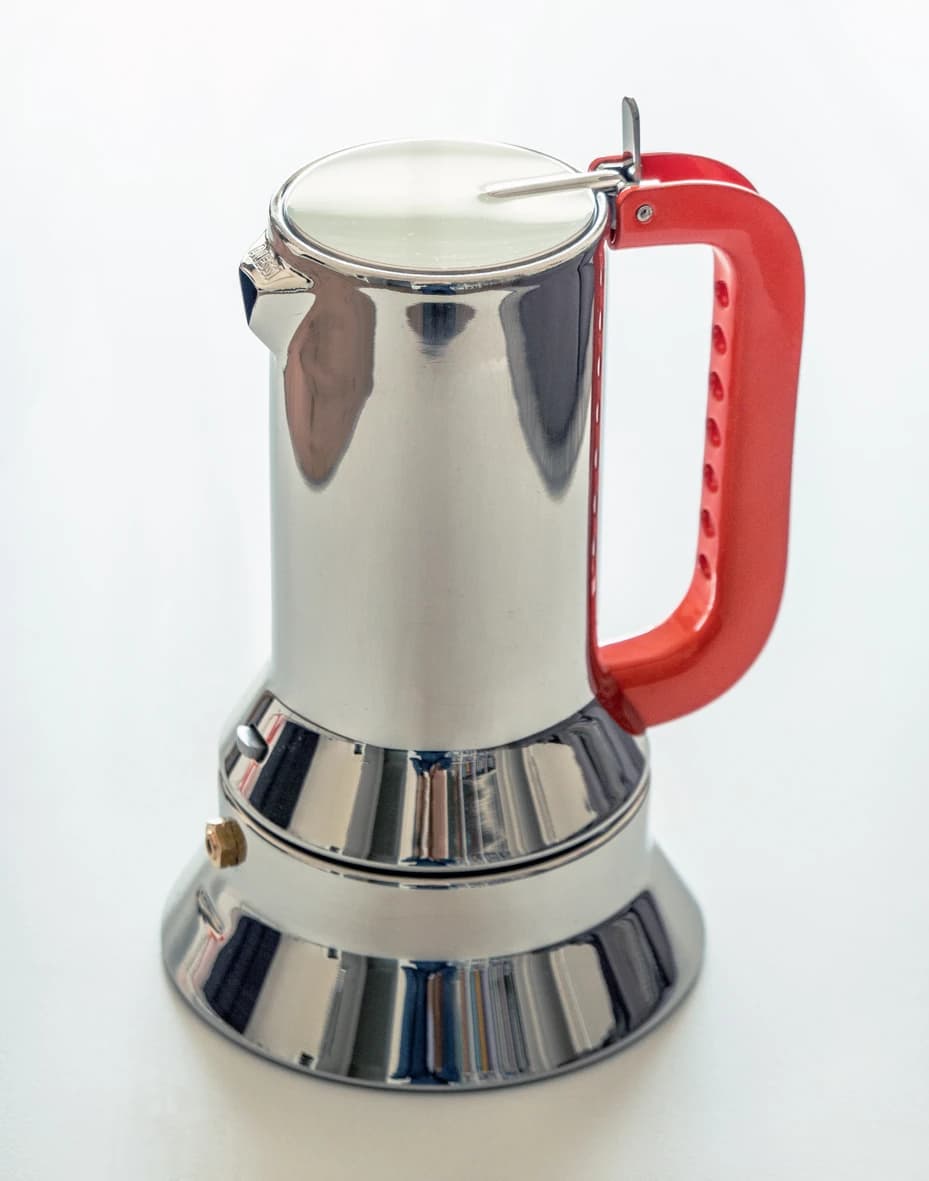
Richard Sapper’s Alessi 9090 makes a familiar coffee ritual slightly different. Its handle is part of the closing mechanism, not just something to hold.
Read the noteDiscovery
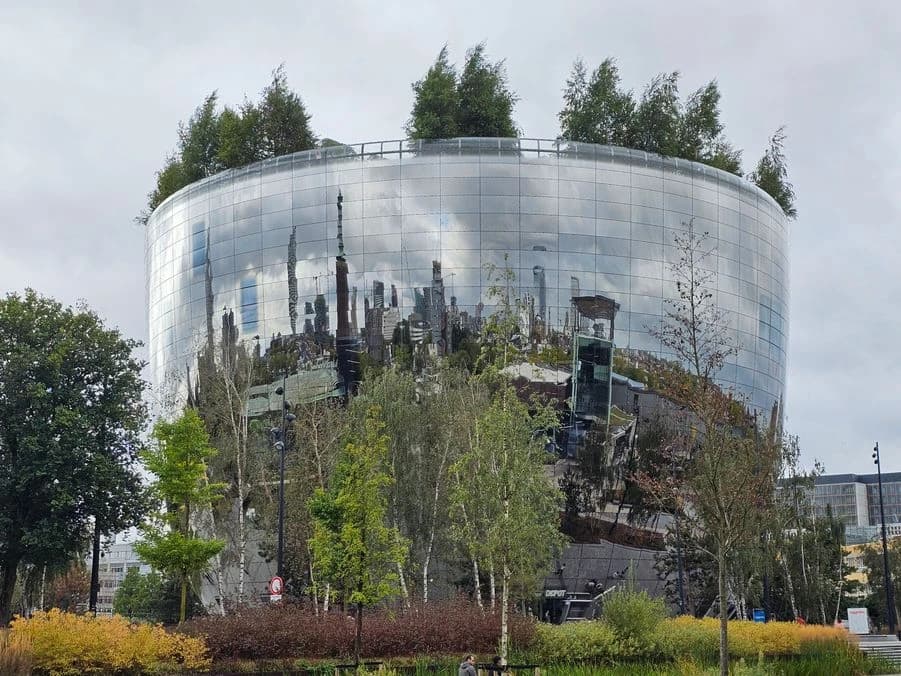
Rotterdam’s Depot Boijmans Van Beuningen turns art storage into a public encounter. The most important exhibit may be the work that keeps a collection alive.
Read the noteDiscovery
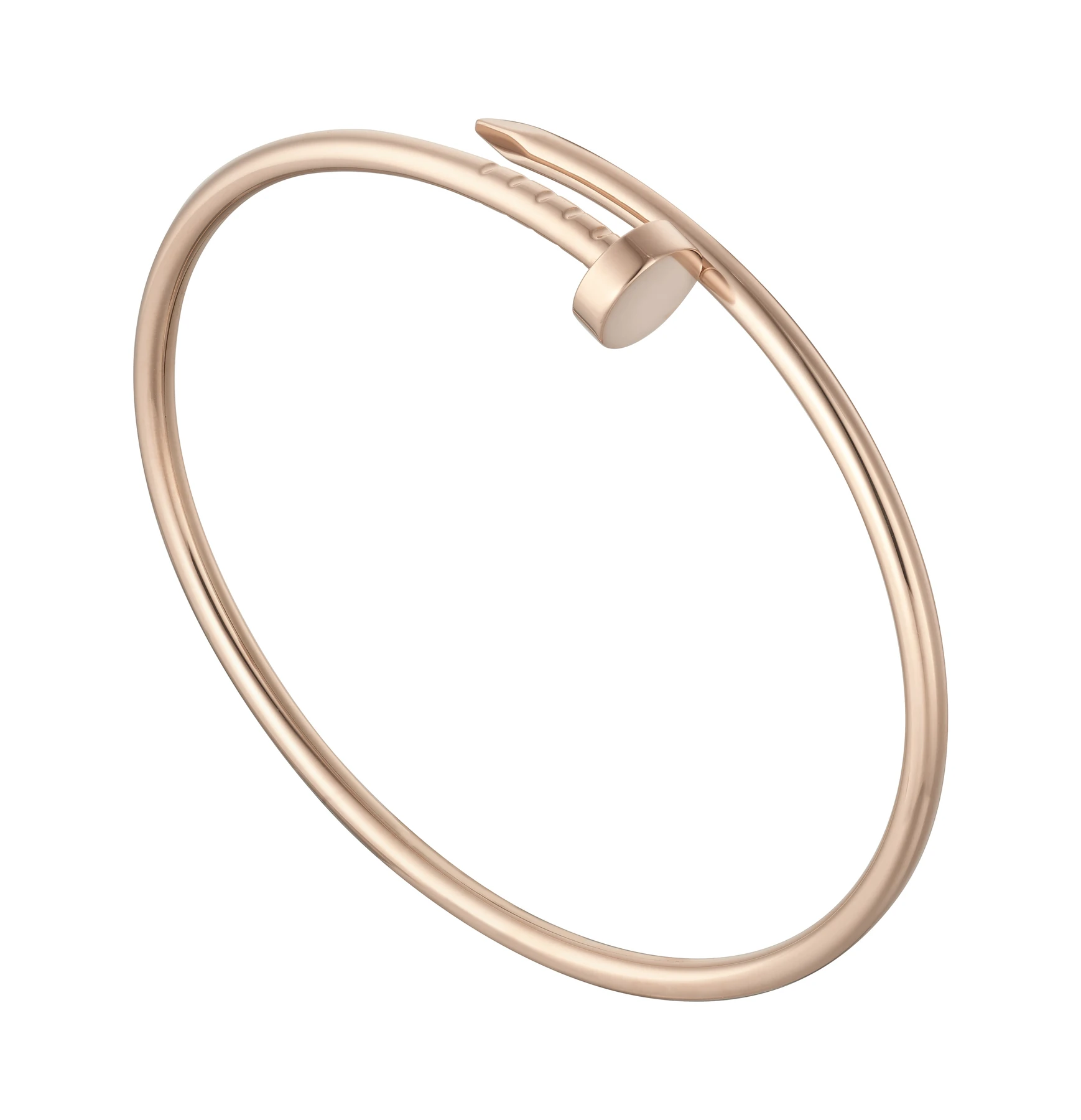
Cartier’s Juste un Clou turns a nail into jewellery. Its enduring idea is not that gold makes anything valuable, but that proportion can change how we see a familiar object.
Read the noteDiscovery
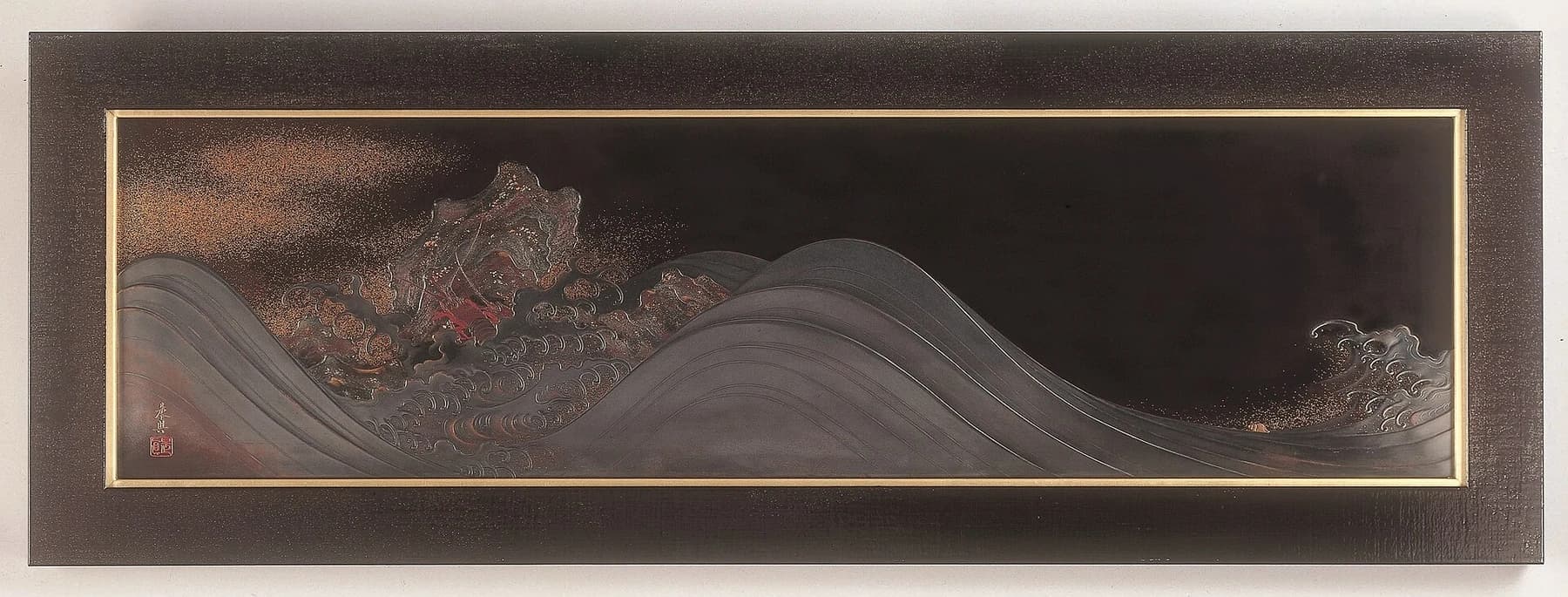
Shibata Zeshin used lacquer for more than the surface of a box. A late panel of breaking waves shows a craft changing the scale of its ambition.
Read the noteDiscovery
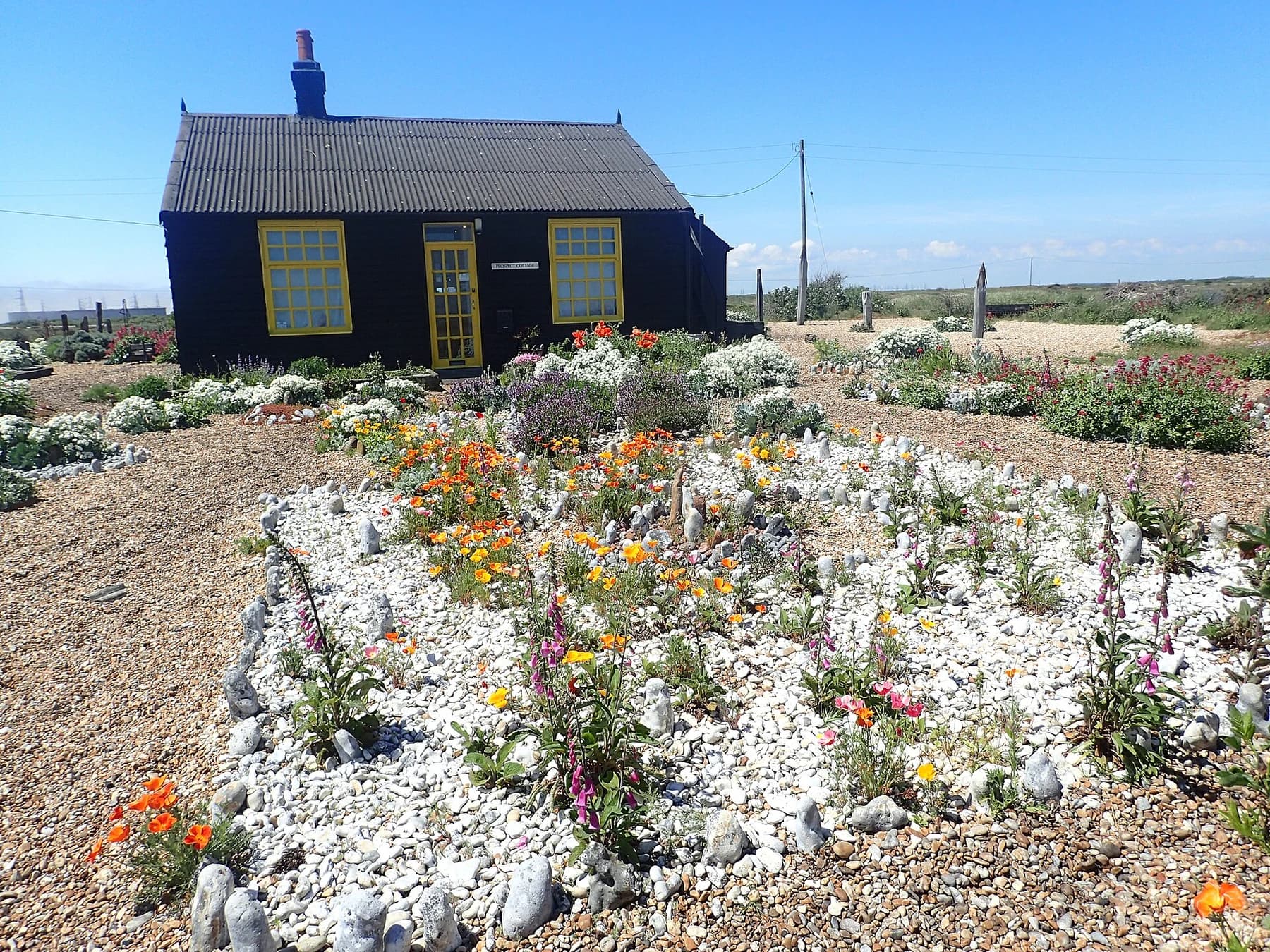
Derek Jarman’s Prospect Cottage is more than a photogenic black house. Its garden and working rooms show how attention can turn an unlikely setting into a creative world.
Read the noteDiscovery
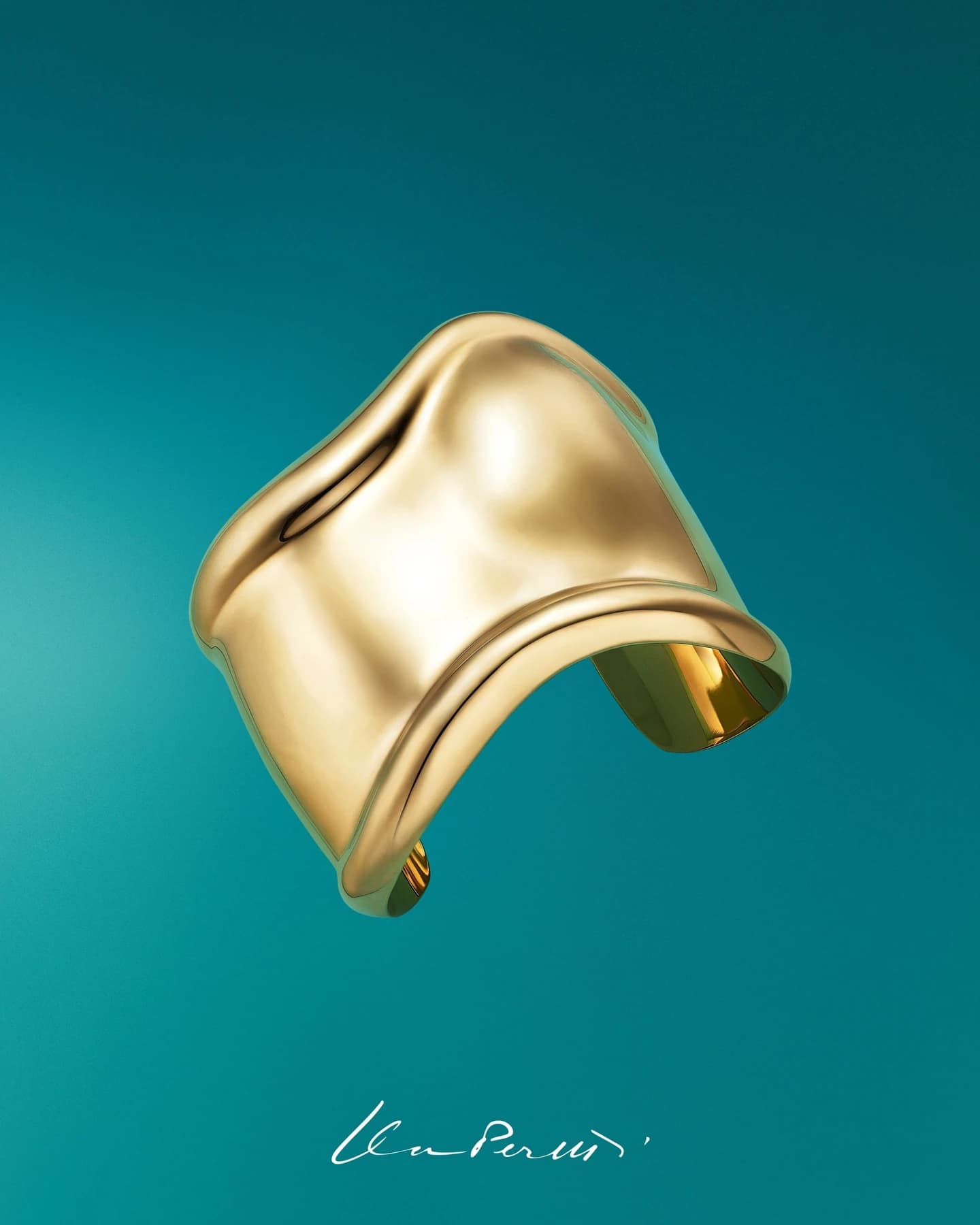
Elsa Peretti’s Bone Cuff makes anatomy part of jewellery design. Its left and right versions are not a minor ordering detail.
Read the noteDiscovery
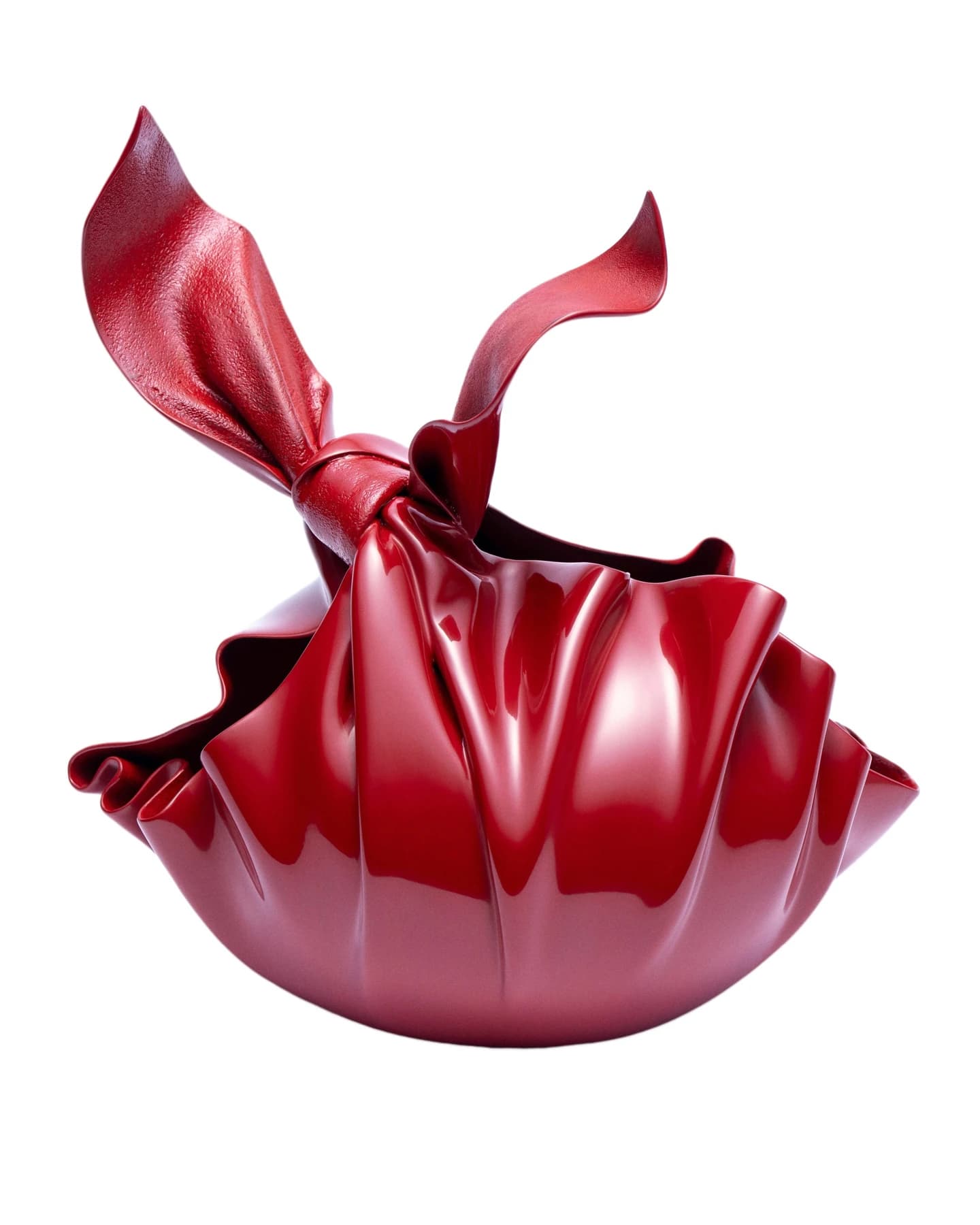
Nan Wei’s Knot-Loving looks unexpectedly solid. Its red, looping form begins with cow leather, linen and lacquer rather than ceramic or carved stone.
Read the noteDiscovery
The Panton Chair survived as an idea partly because its material did not stay the same. Its history includes a failure worth understanding.
Read the noteDiscovery
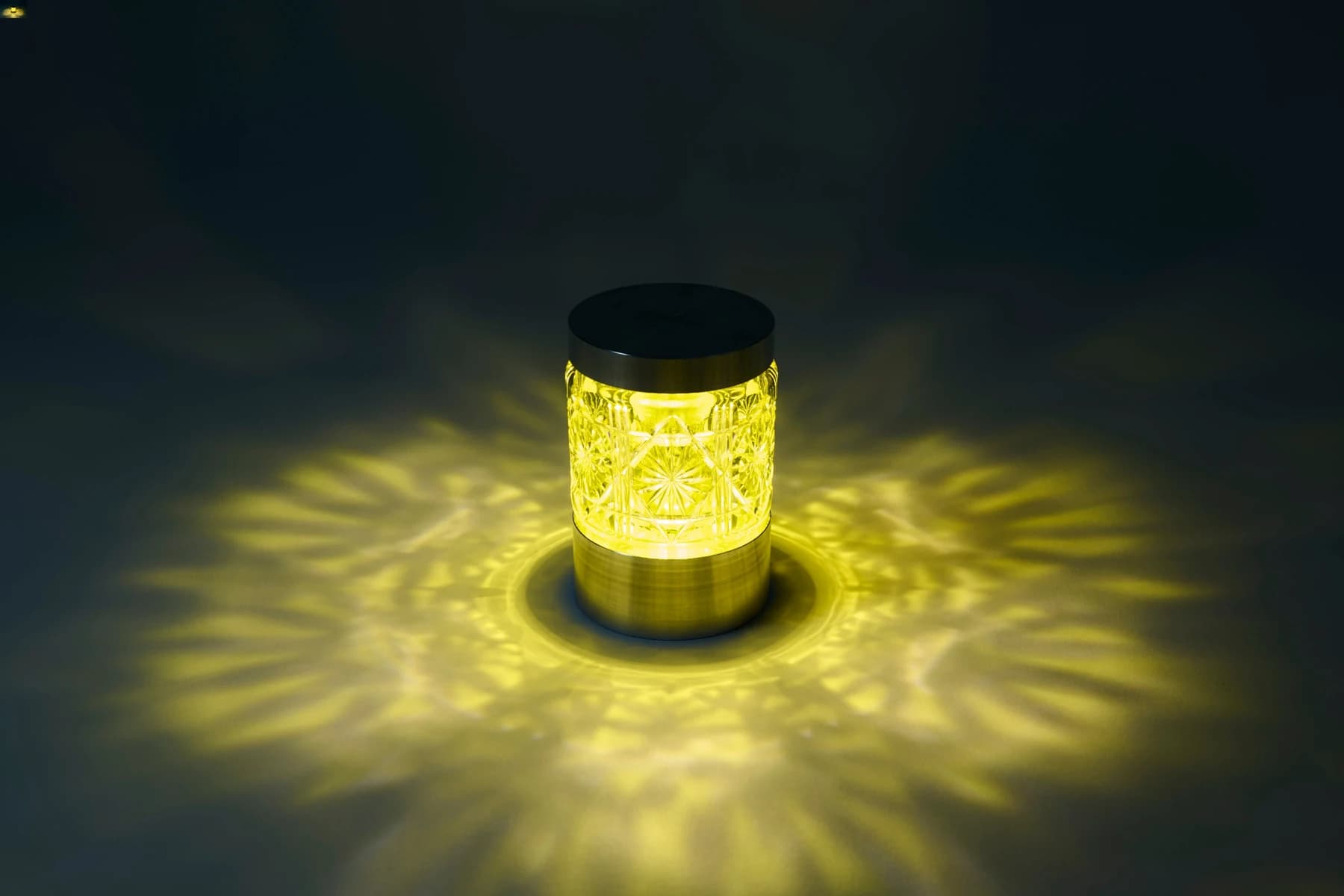
A 2026 TOKIMEKI collaboration places Shimadzu Satsuma Kiriko glass above a machined metal base, giving the cut surface a different role in a room.
Read the noteDiscovery
Mugaritz’s 2026 season treats familiar assumptions as material to work with. Its appeal is not the promise of a universally pleasing dinner.
Read the noteDiscovery
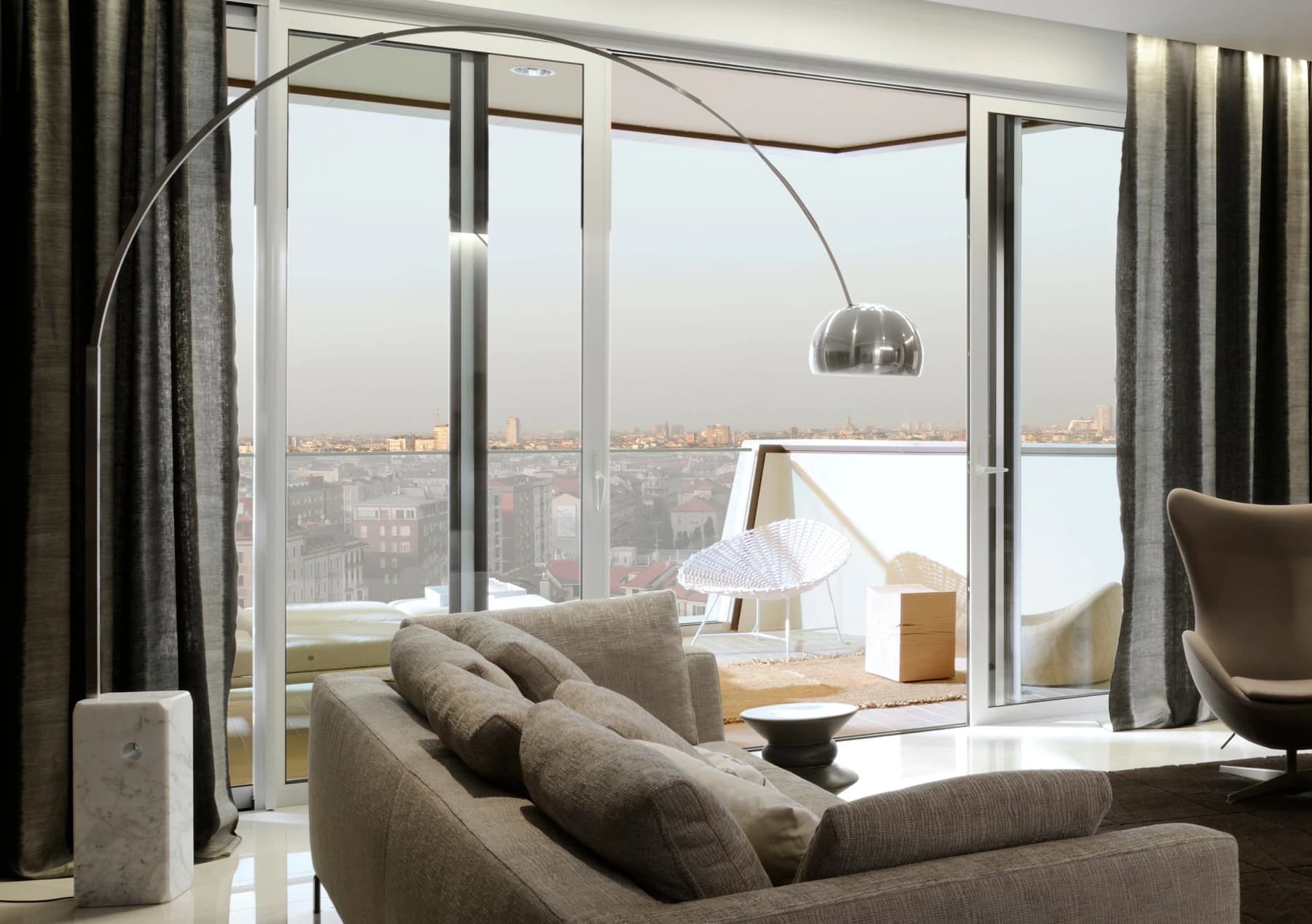
Flos Arco puts overhead light where there is no ceiling fitting. Its most revealing detail may be the hole through its heavy marble base.
Read the noteDiscovery
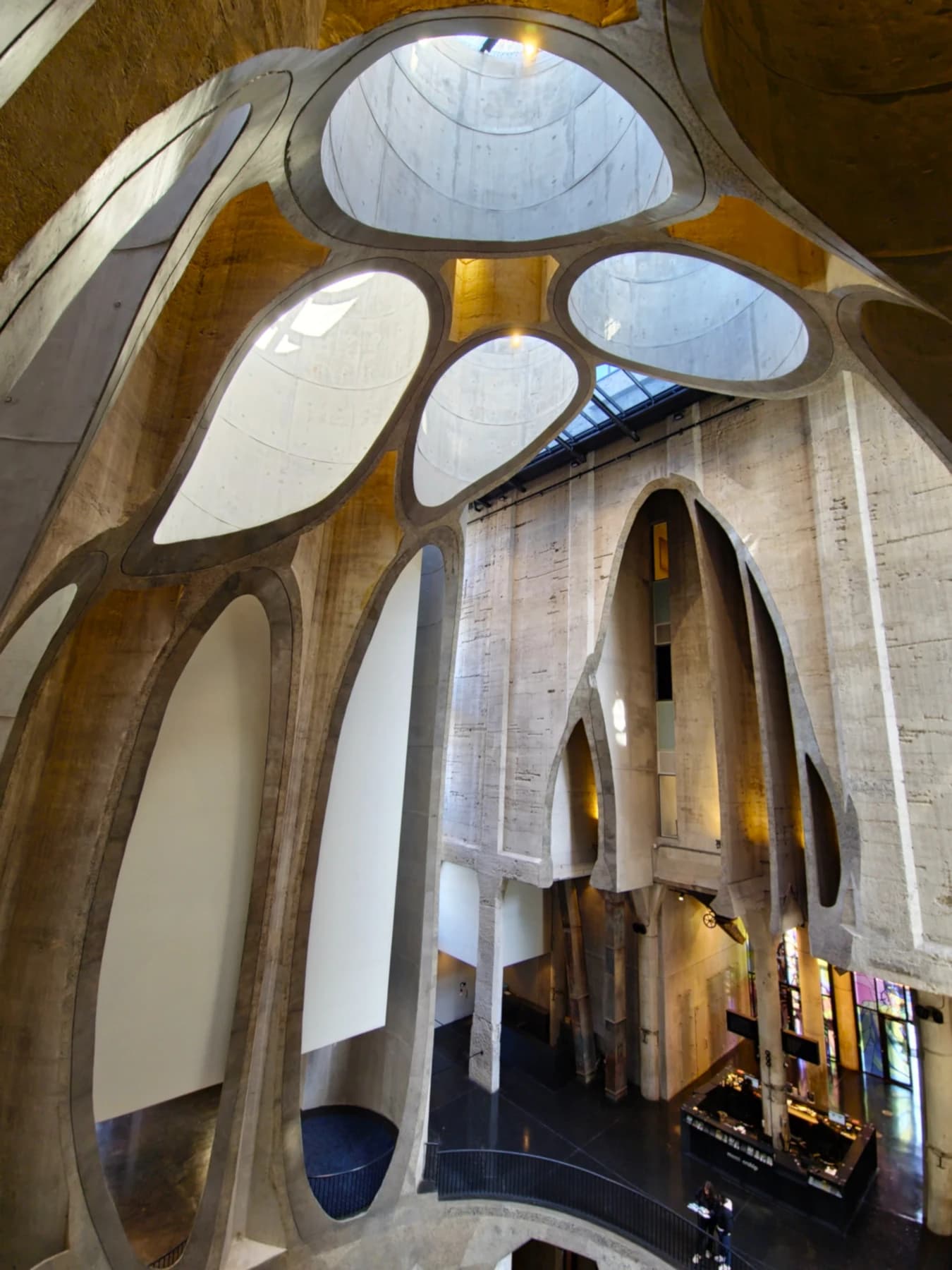
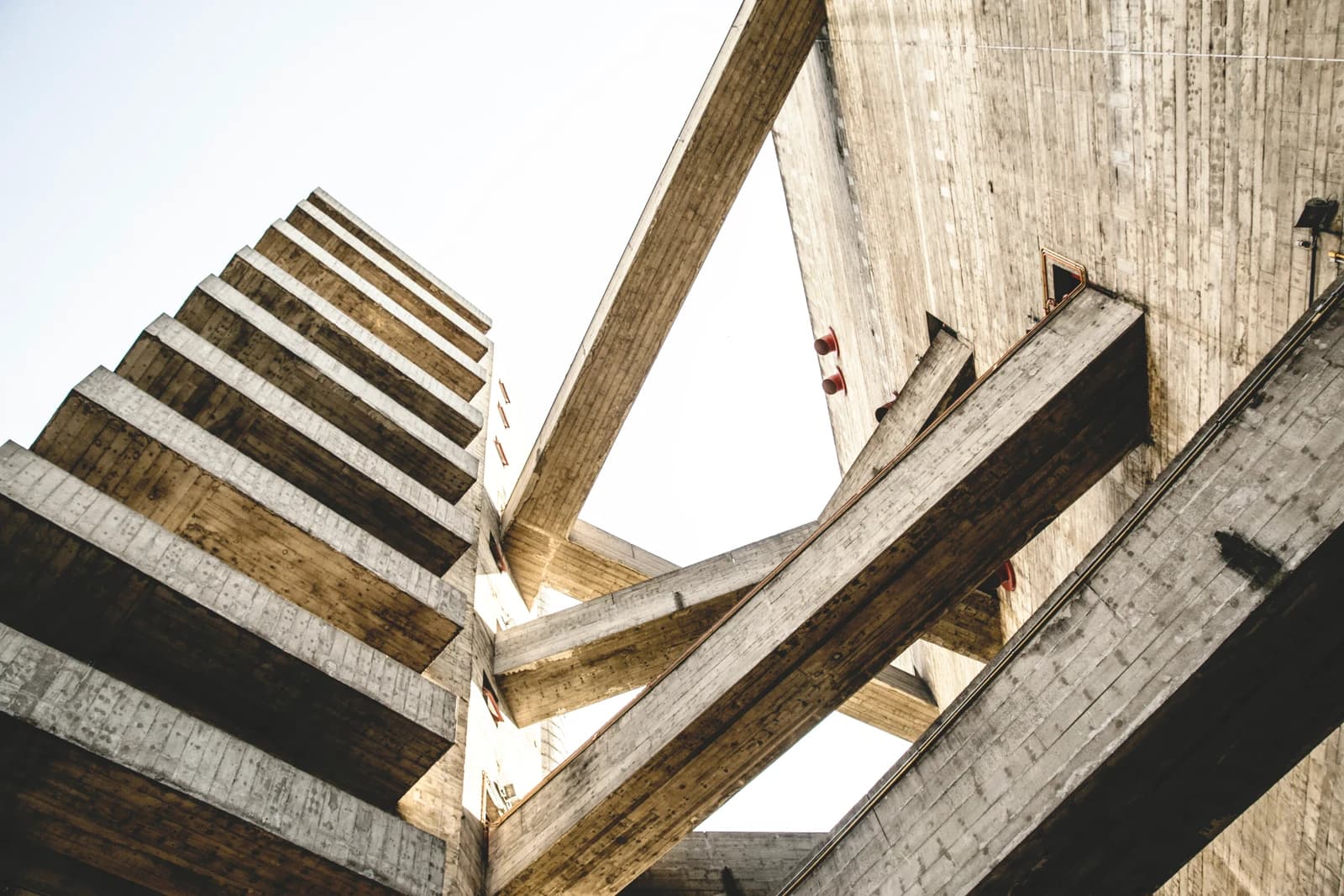
At Zeitz MOCAA, an extraordinary entrance was carved from a structure designed to hold grain. The old tubes become the starting point for a new public interior.
Read the noteDiscovery
Venini’s Tiara Luce uses a quilt-like glass surface to make light tangible. A traditional forming technique becomes something encountered in an ordinary evening.
Read the noteDiscovery
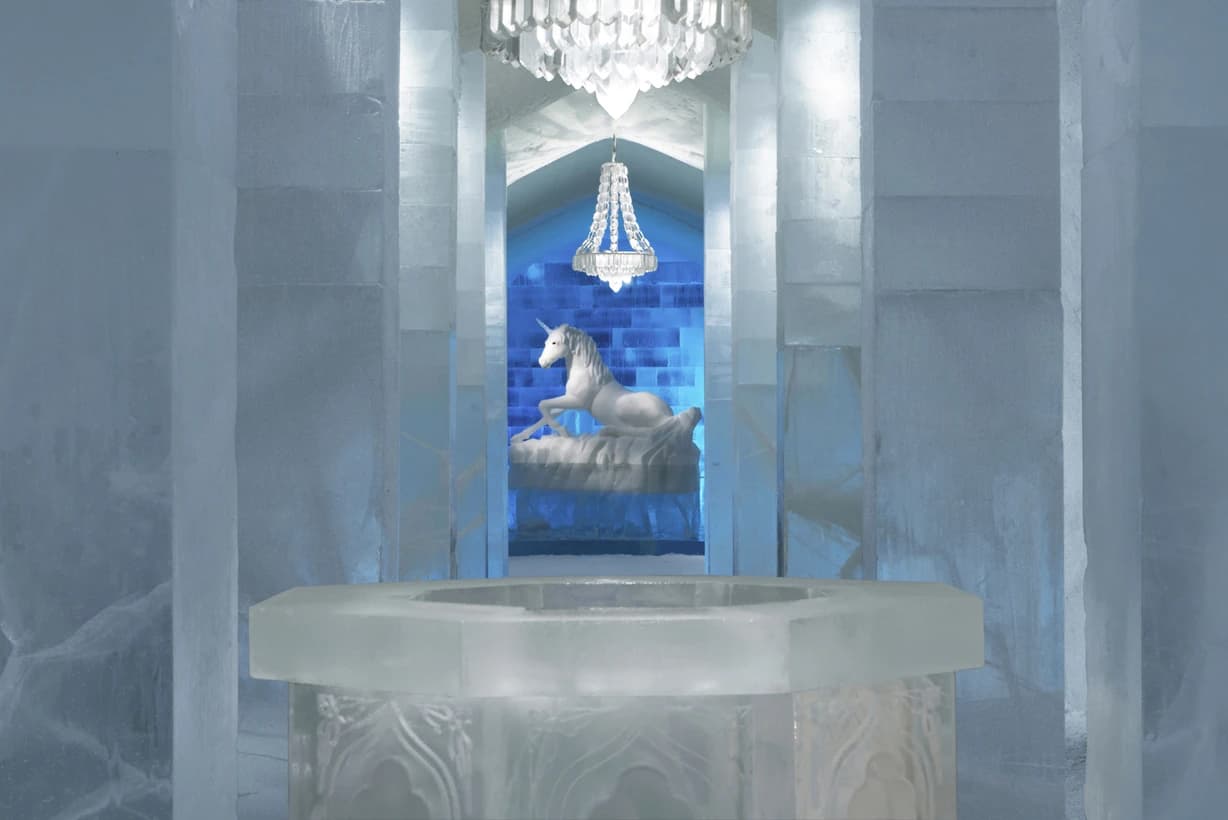
At Sweden’s ICEHOTEL, the winter rooms are not meant to survive spring. What continues is the ability to make them, and the experience of inhabiting something temporary.
Read the noteDiscovery
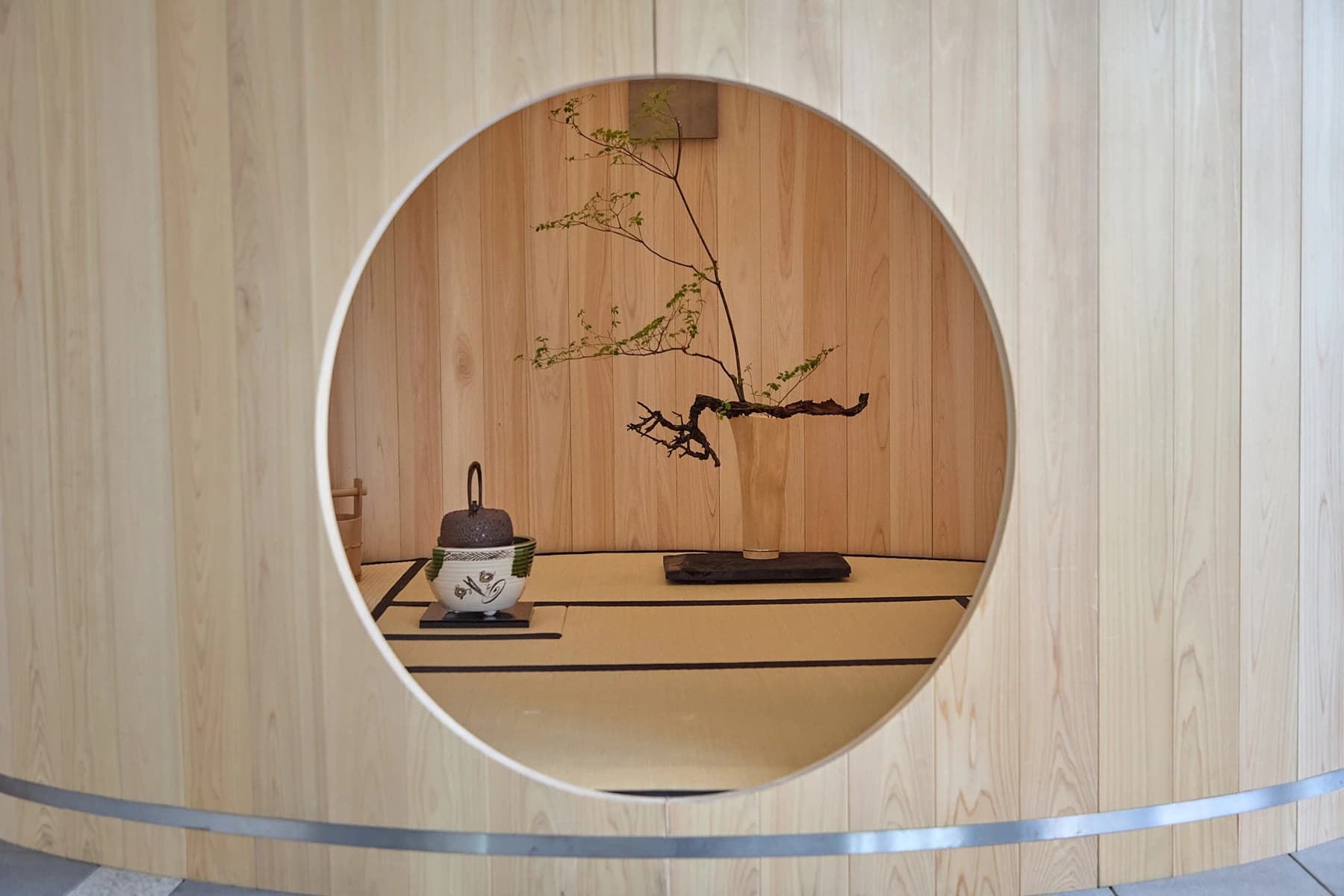
Shuji Nakagawa scaled the logic of a wooden bucket into a tea room. The result asks whether a declining everyday craft can find a larger future without losing its structure.
Read the noteDiscovery
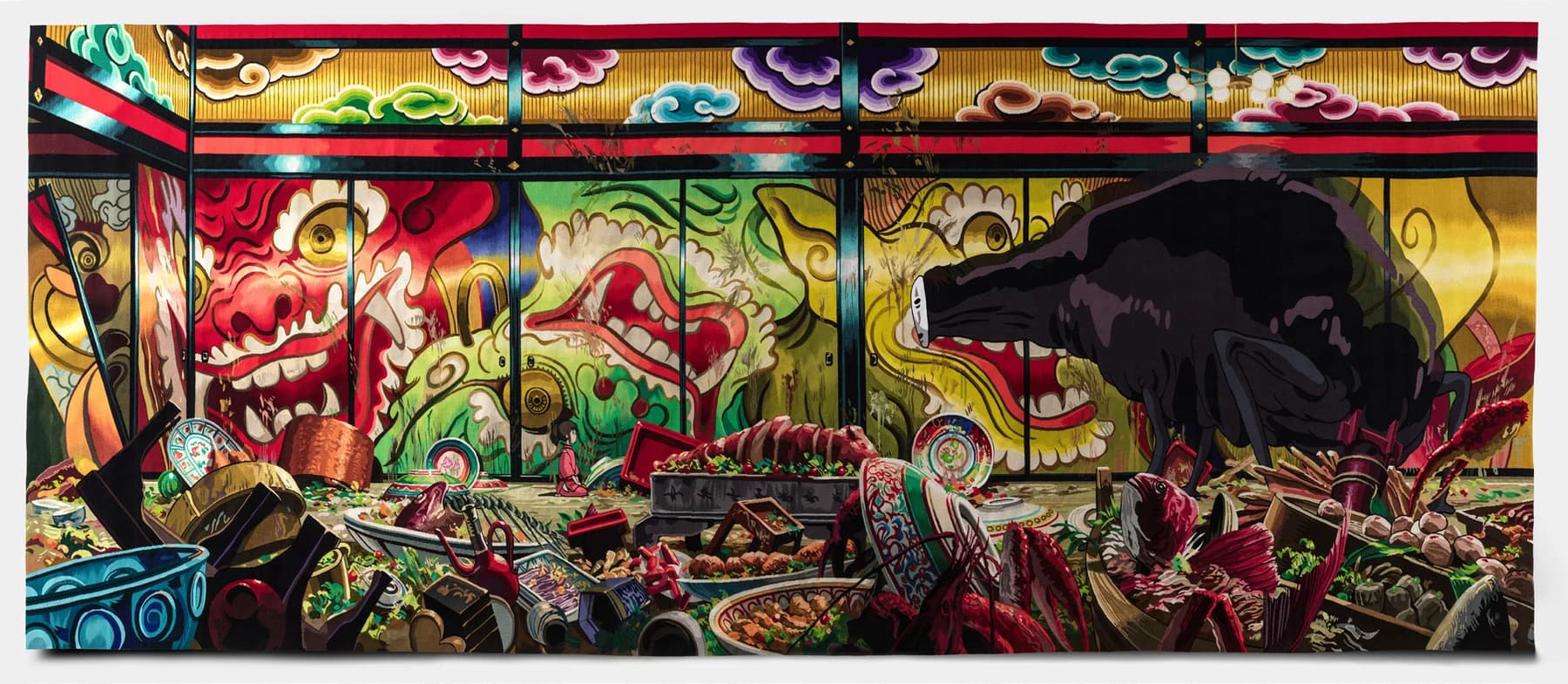
At Aubusson, a scene from Spirited Away becomes a monumental woven image. The unexpected discovery is the new work required when an animated world must be rebuilt in thread.
Read the noteDiscovery
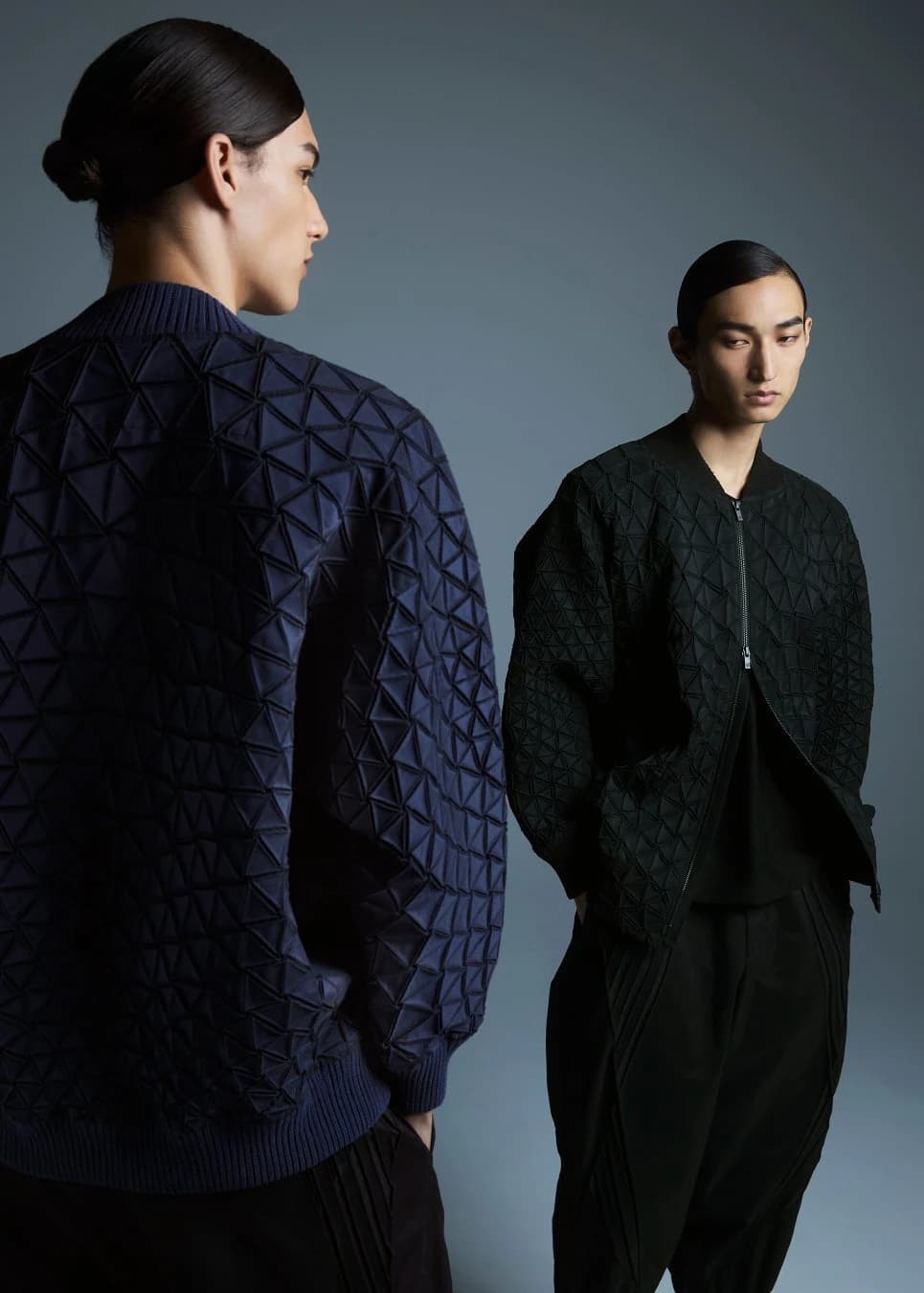
A-POC ABLE ISSEY MIYAKE and Nature Architects use engineered shrinkage to turn cloth into a three-dimensional garment. The pattern is not decoration. It helps tell the material what to become.
Read the noteDiscovery
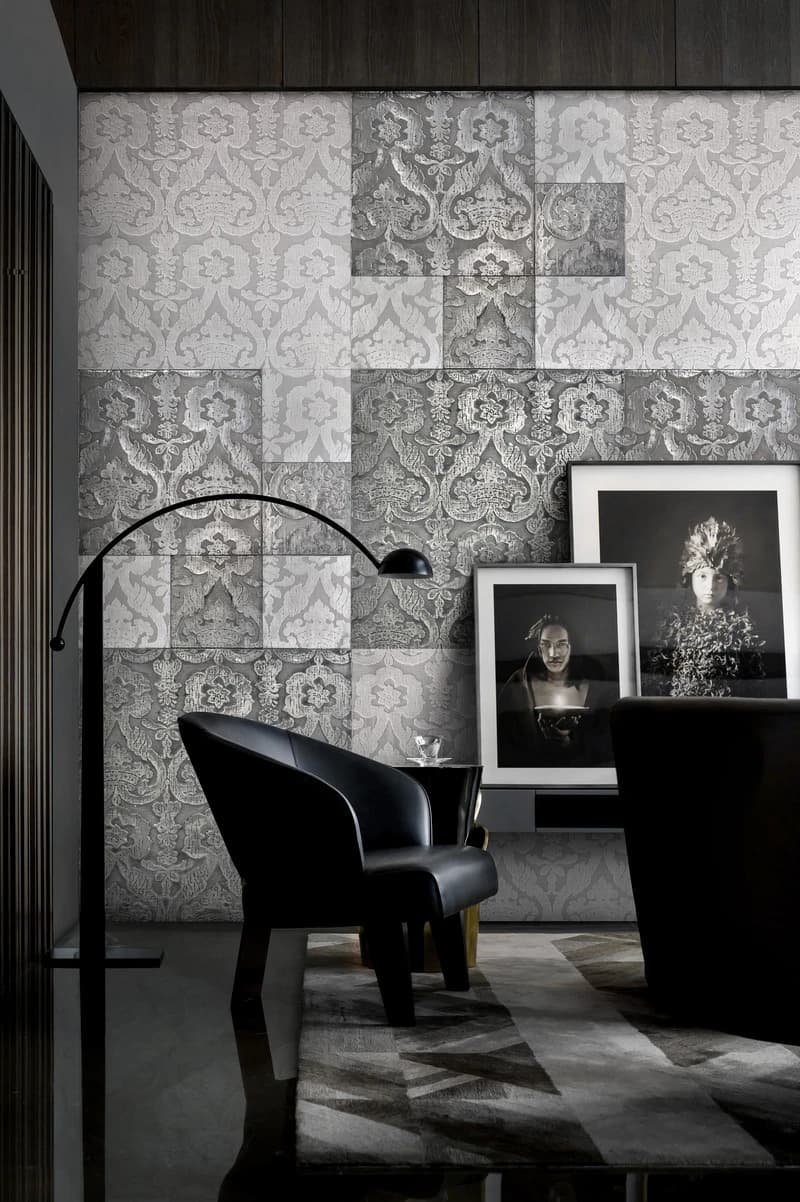
Levantina brings Tessitura Bevilacqua velvet into Materica’s metal-surface world. Its appeal lies in the friction between two material traditions, not a generic claim of Venetian luxury.
Read the note Image: Baba Tree Master Weavers × Álvaro Catalán de Ocón / LOEWE Foundation (opens source in a new tab)
Discovery
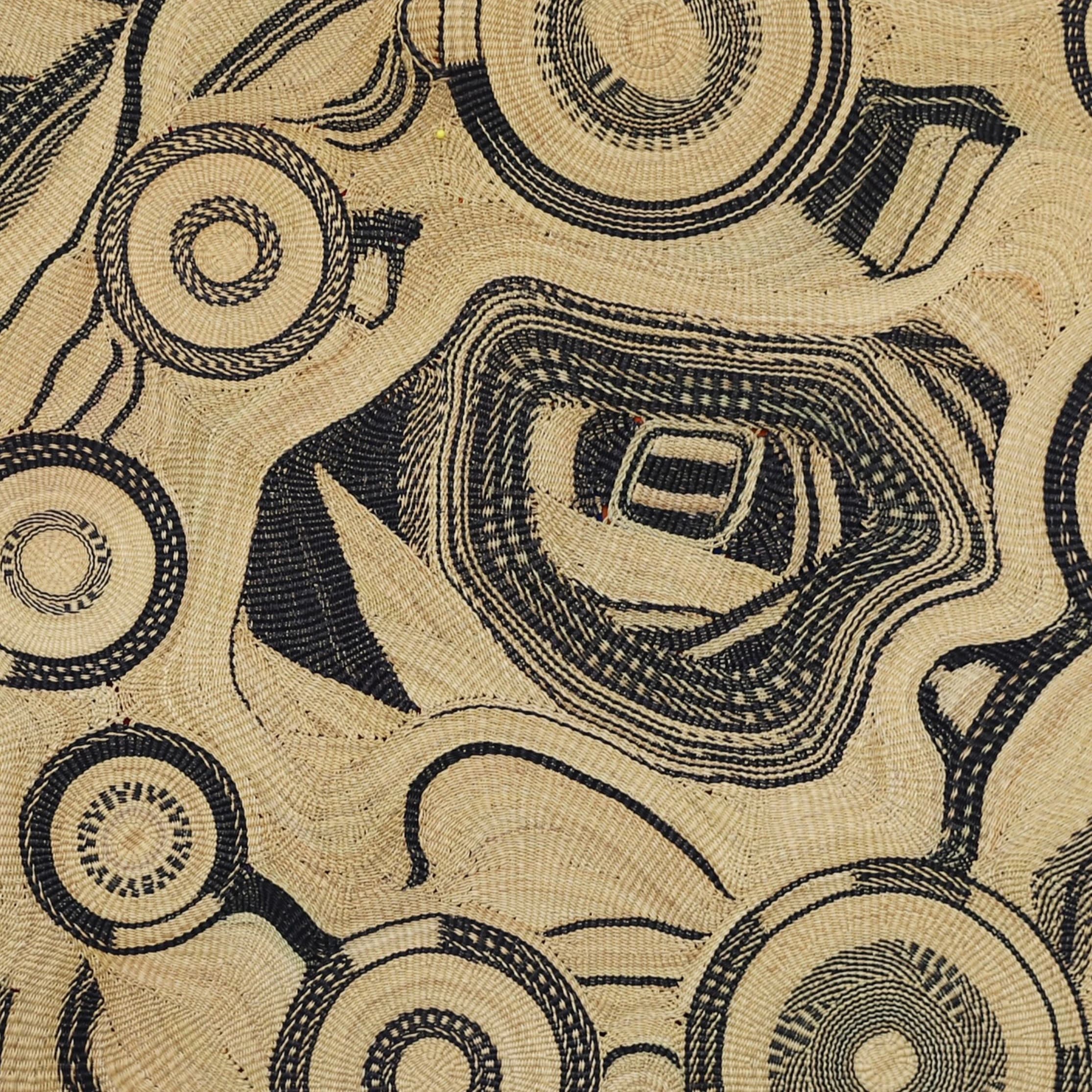
Frafra Tapestry turns an aerial reading of a Ghanaian settlement into woven elephant grass. The result is a collaboration between design drawing, architectural memory and the knowledge of named master weavers.
Read the noteDiscovery
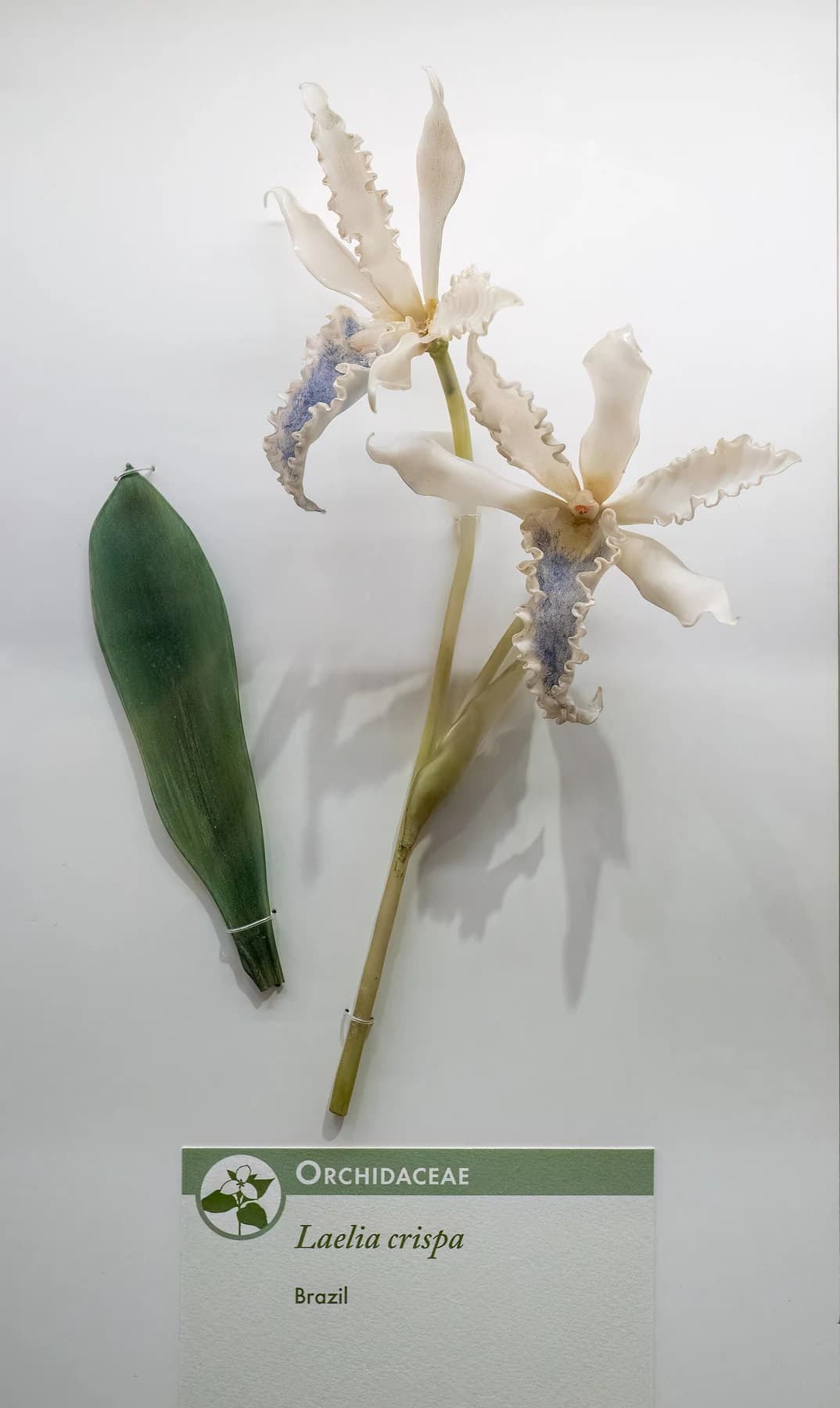
Harvard’s Glass Flowers are not merely convincing ornaments. Leopold and Rudolf Blaschka made botanical models that could keep a plant’s structure available for study after its flowering season had passed.
Read the noteDiscovery
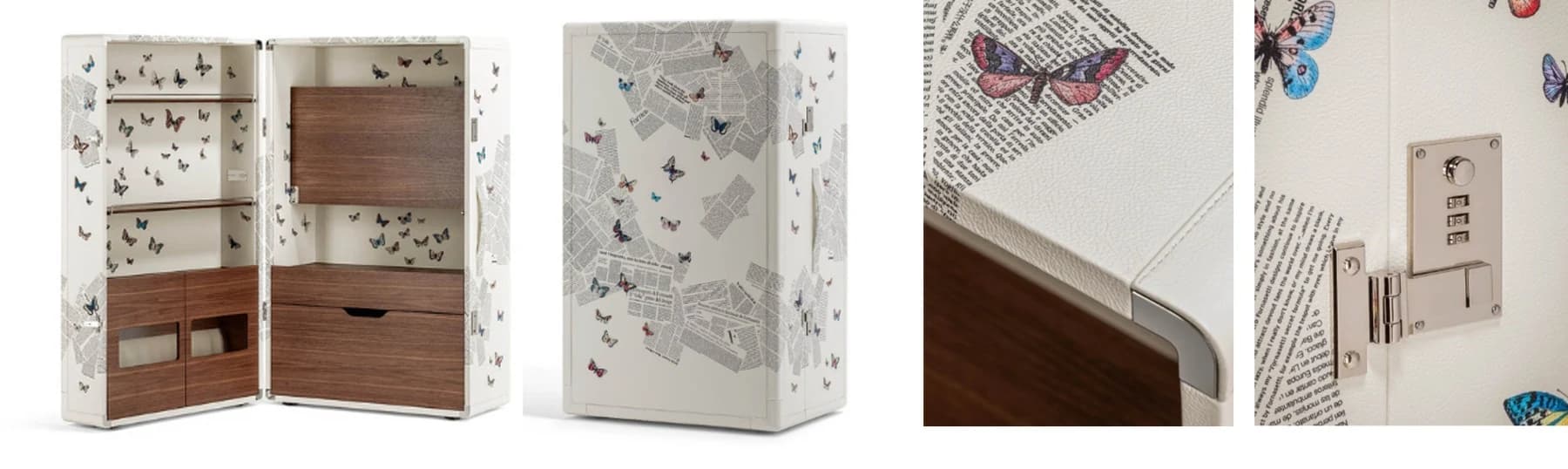
Poltrona Frau’s Isidoro Ultime Notizie combines a drinks cabinet with the opening gesture of luggage. Fornasetti’s newspaper-and-butterfly imagery adds a second transformation, making leather resemble paper.
Read the noteDiscovery
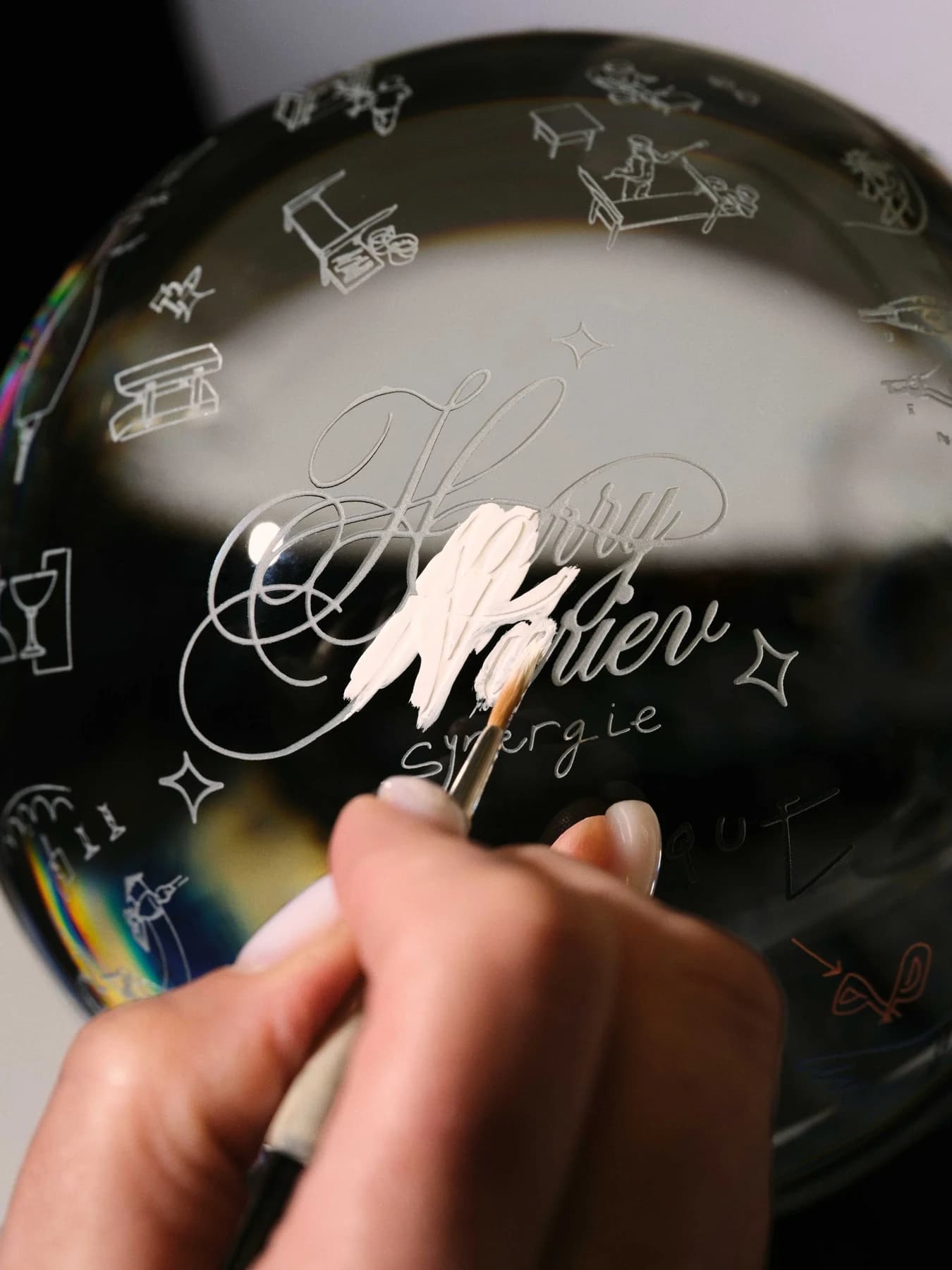
Harry Nuriev’s 2026 Baccarat collection interrupts the formality of cut crystal with words and drawn gestures. The encounter is worth reading through the actual workshop processes, not the collaboration label alone.
Read the noteDiscovery
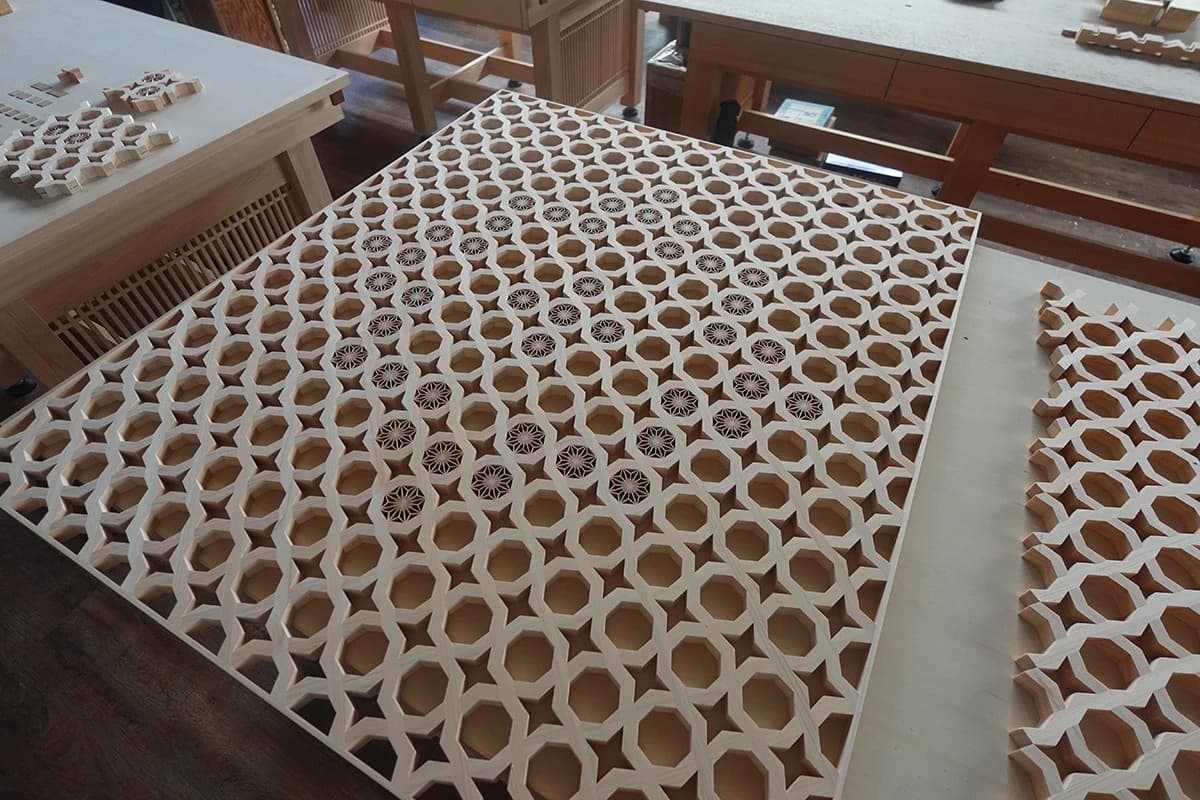
Tanihata’s kumiko screens make a geometric pattern from fitted pieces of wood rather than a surface decoration. Light passes through the result, making an old joining skill useful in contemporary rooms.
Read the noteDiscovery
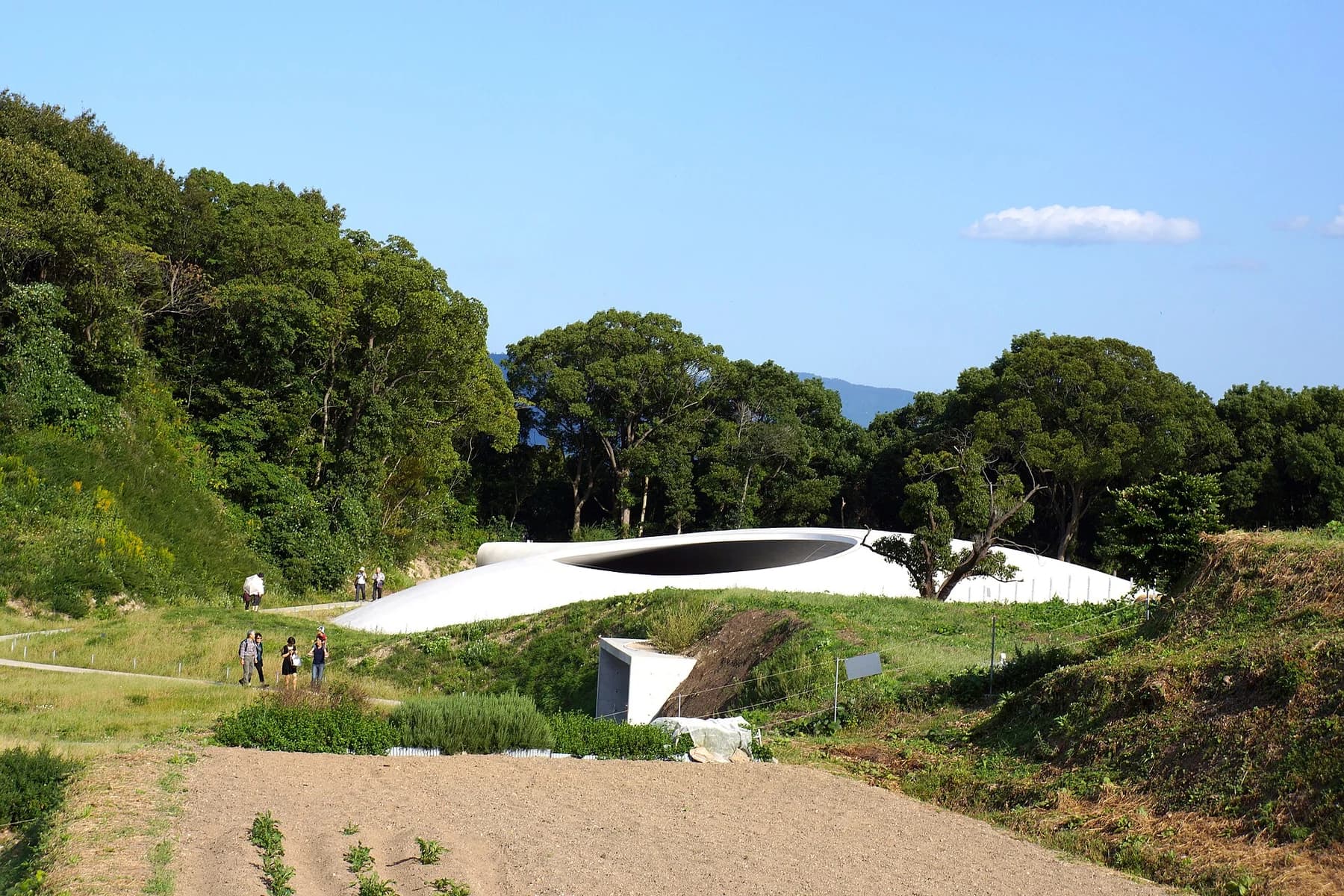
At Teshima Art Museum, water emerges from the floor beneath a low concrete shell. Rei Naito and Ryue Nishizawa make an encounter that cannot be reduced to the object you came to see.
Read the noteDiscovery
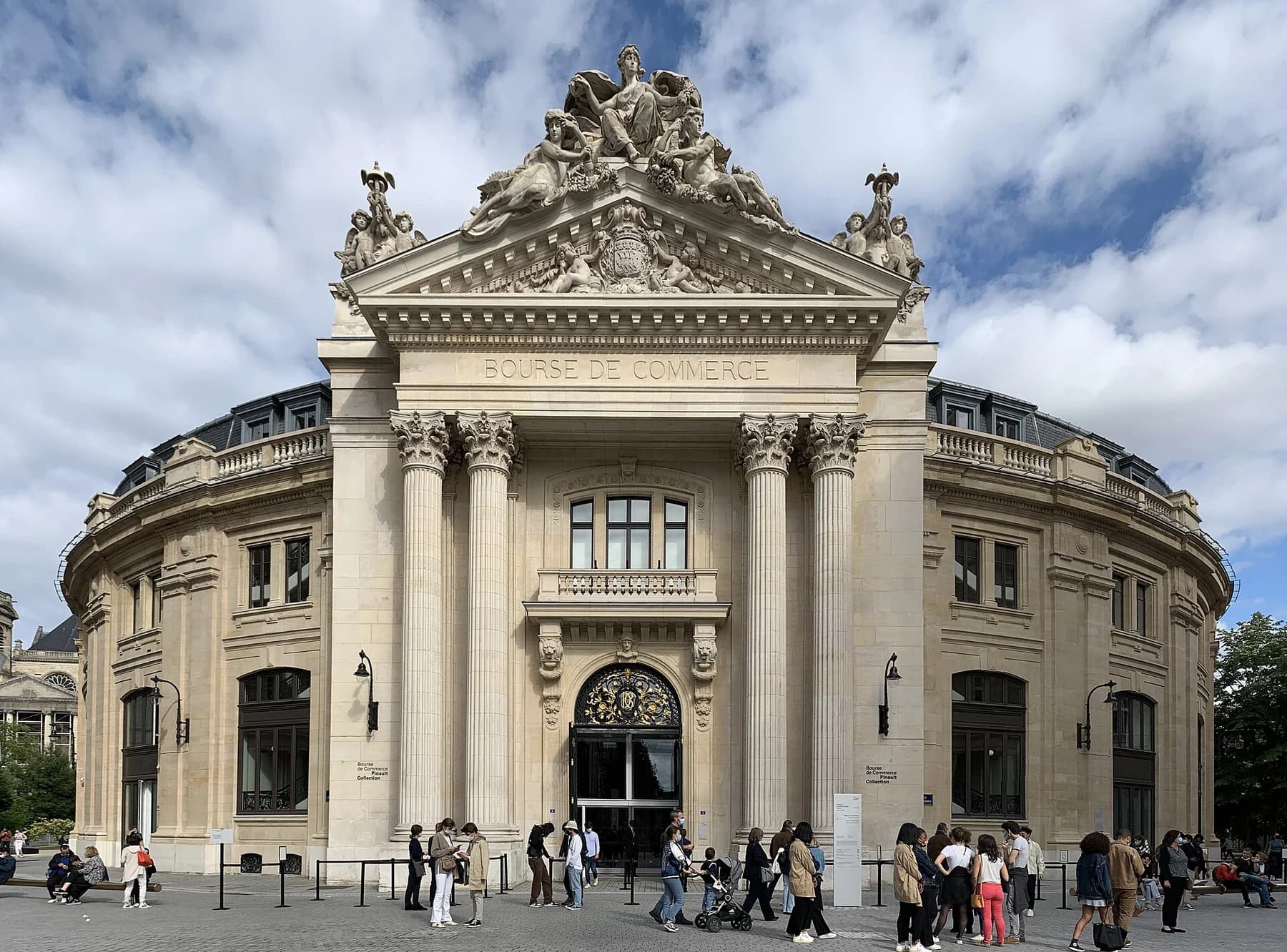
The Bourse de Commerce in Paris keeps its historical envelope while making room for a contemporary collection. The new intervention is interesting because it makes the older building more visible, not less.
Read the noteDiscovery
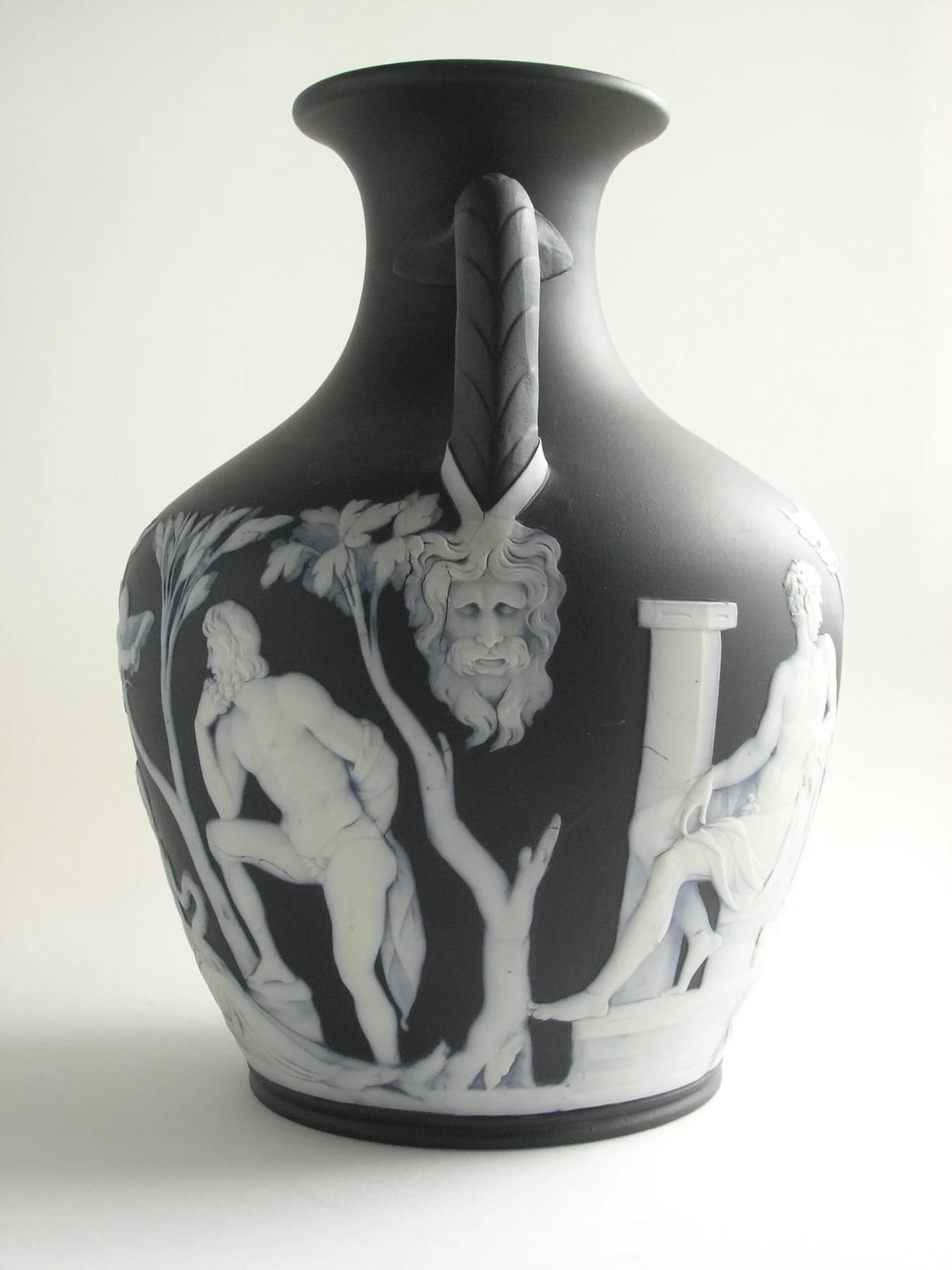
Wedgwood’s jasperware can look familiar enough to escape a second glance. Its more surprising story begins beneath the white relief, in an experimental ceramic body rather than painted blue decoration.
Read the noteDiscovery
At teamLab Borderless in Tokyo, works can move between spaces and meet other works. The worthwhile question is not how many photographs a visit produces, but how an environment changes the act of exploring.
Read the noteDiscovery
Kunimasa Aoki’s Realm of Living Things 19 looks almost geological. Its layered terracotta makes pressure, shrinkage and the risk of firing part of the finished sculpture rather than defects to erase.
Read the noteDiscovery
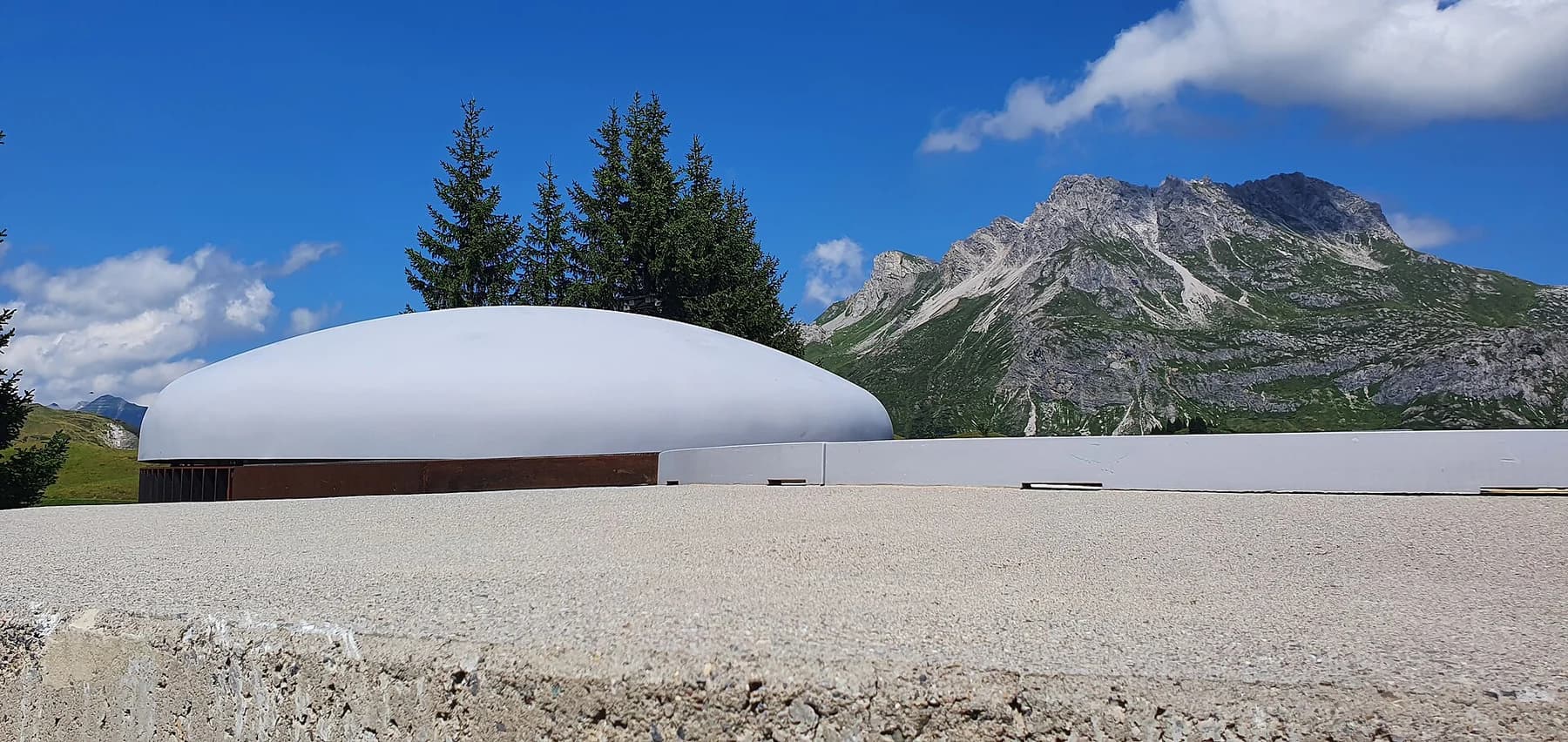
James Turrell’s Skyspace Lech makes a familiar subject unexpectedly strange. A framed opening, changing light and the time you choose to sit there turn looking at the sky into an encounter.
Read the noteDiscovery
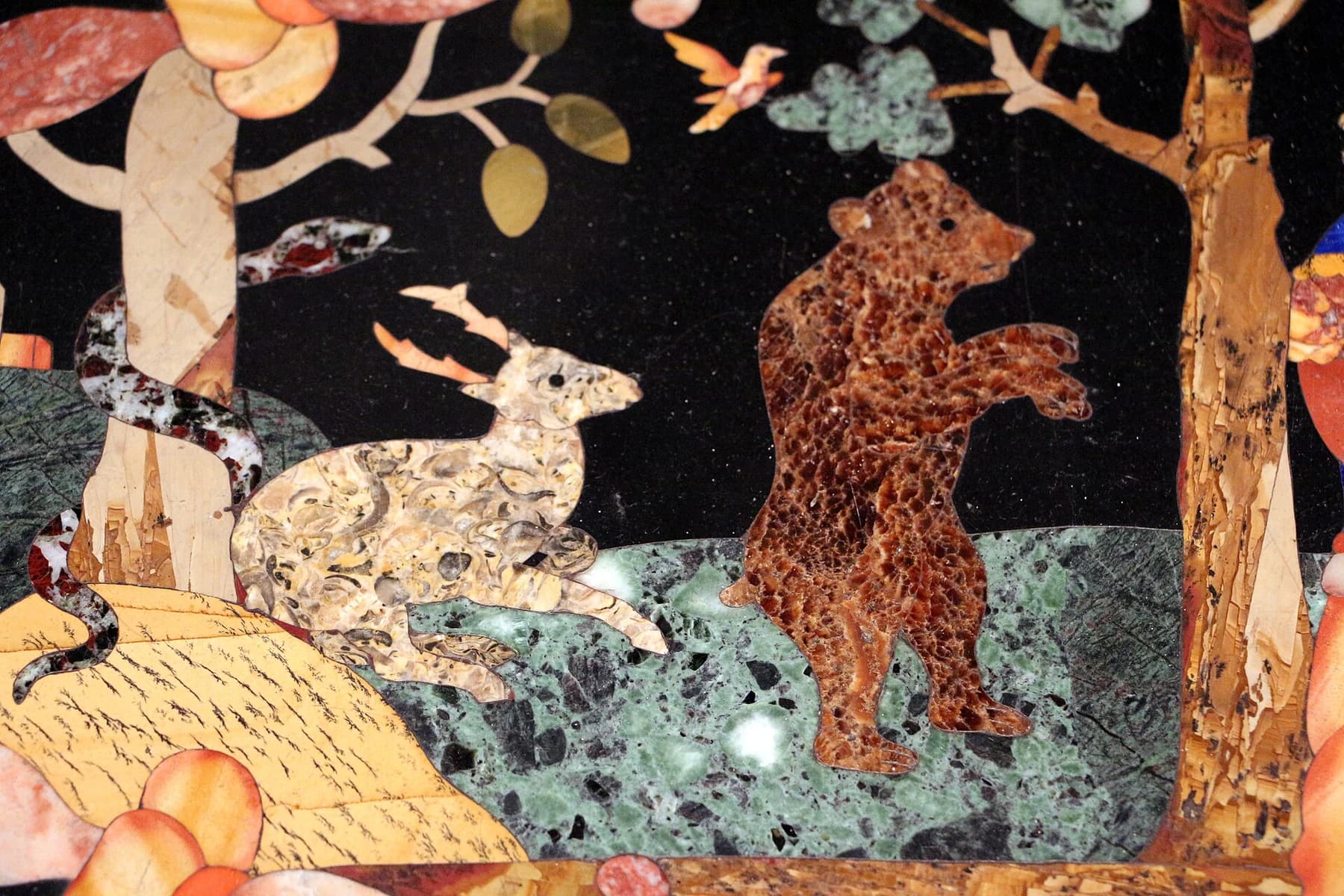
In commesso fiorentino, a vein in a stone can become fur, a petal or a distant hill. The surprising art is not painting on minerals, but finding the picture within them and fitting its pieces together.
Read the noteDiscovery
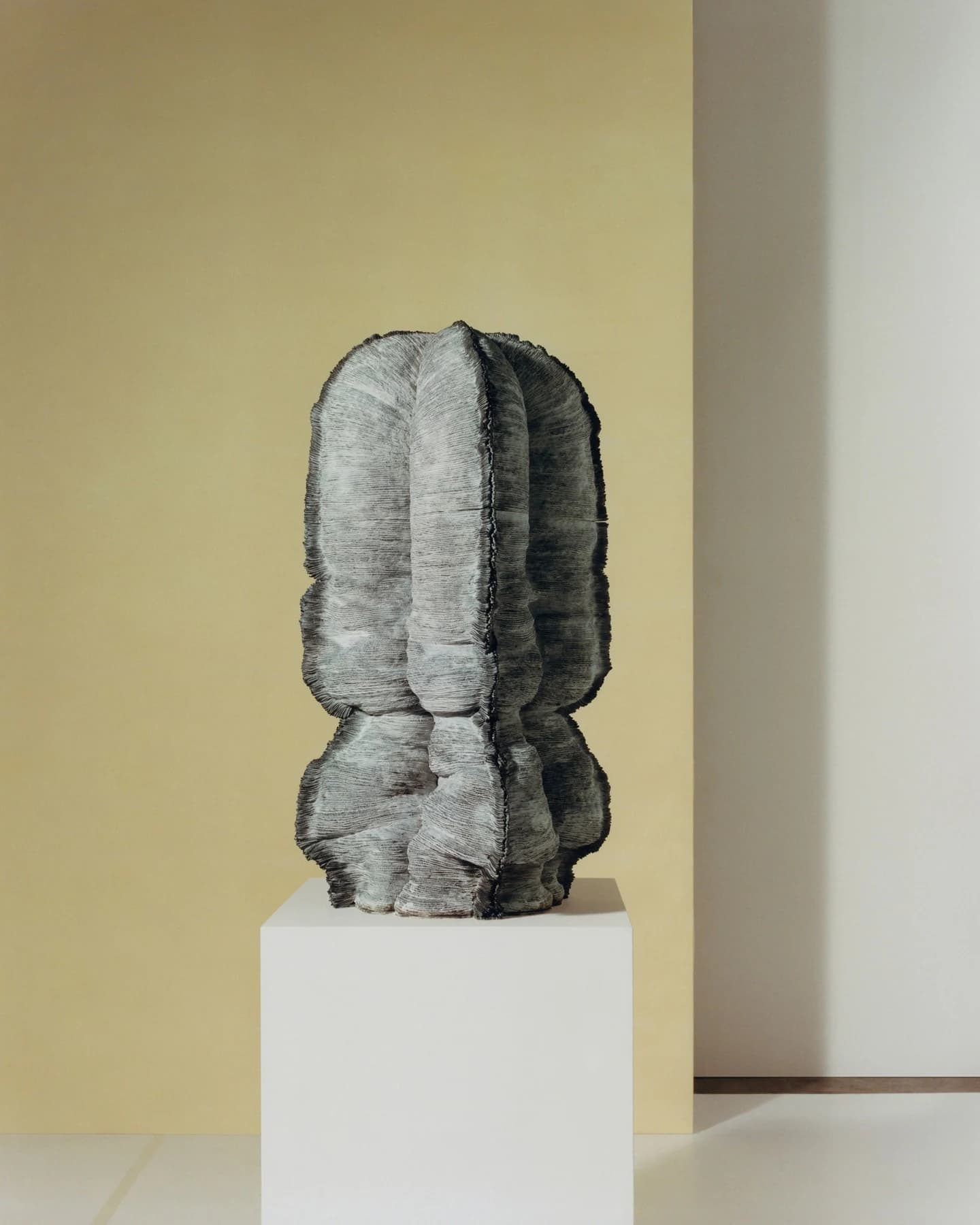
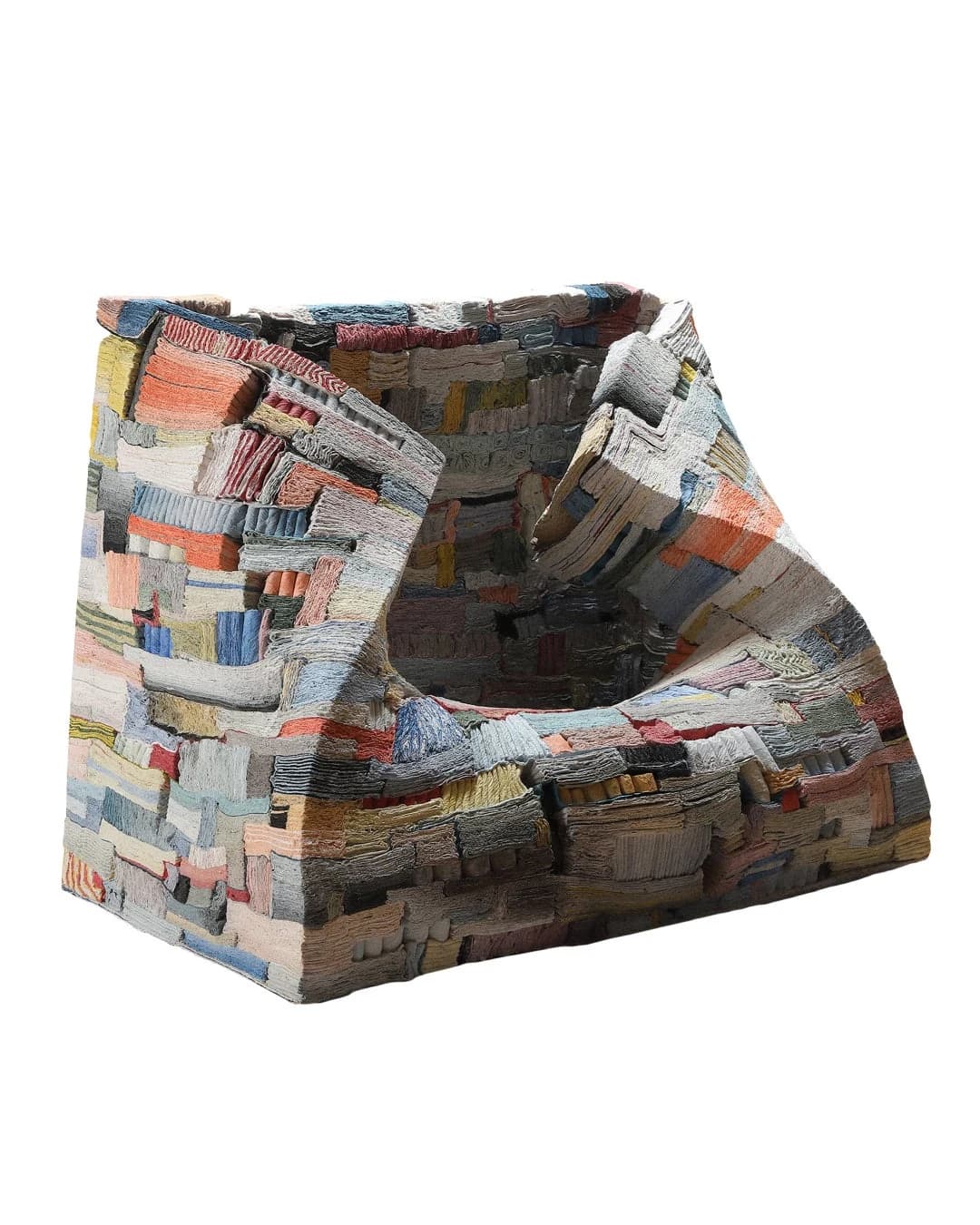
Jongjin Park’s Strata of Illusion won the 2026 LOEWE FOUNDATION Craft Prize. Its chair-like form begins with layered paper and porcelain slip, then lets the kiln alter the architecture.
Read the noteDiscovery
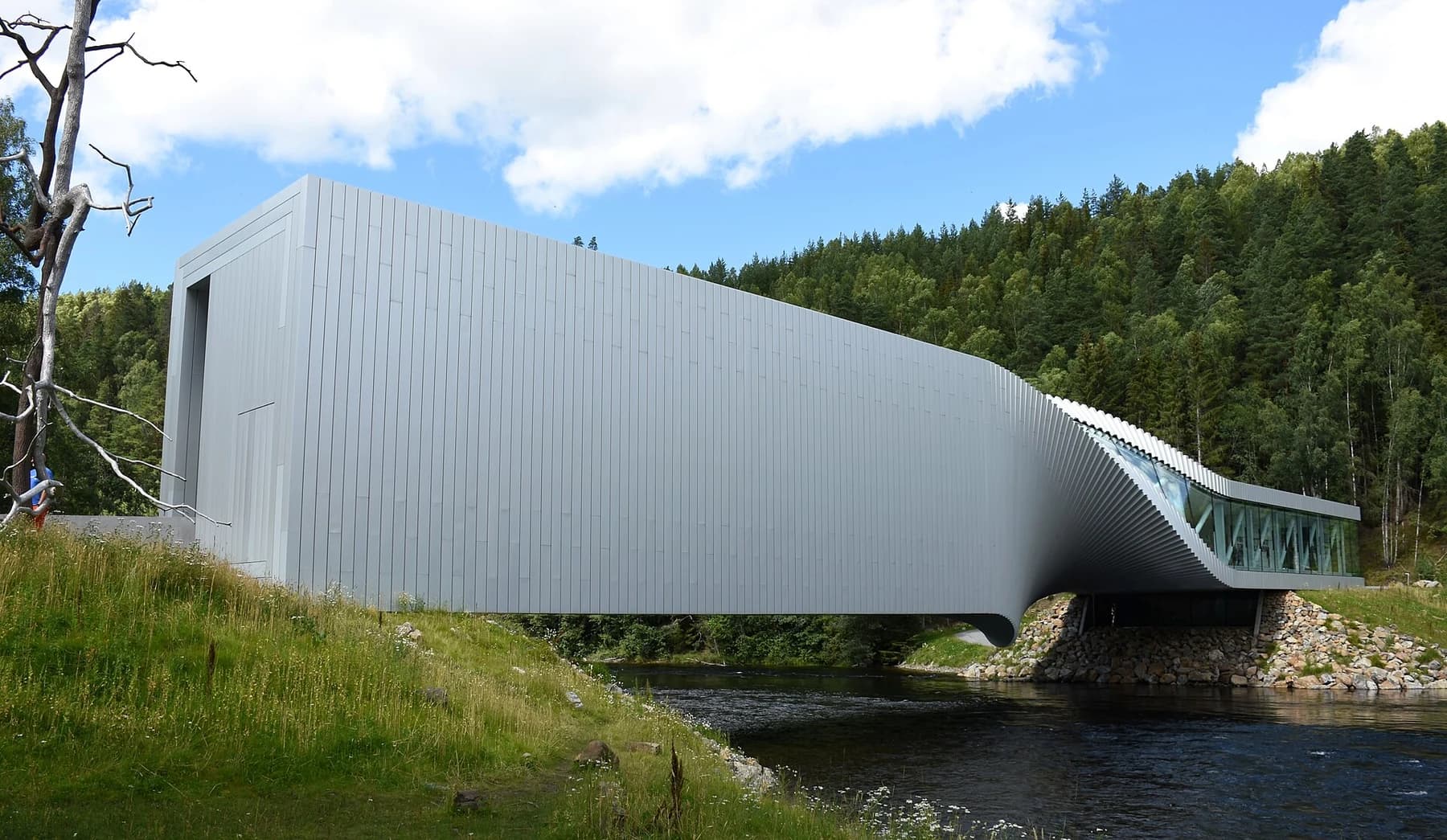
At Kistefos in Norway, BIG’s The Twist is both crossing and gallery. A ninety-degree turn makes wall, ceiling and riverbank part of the same architectural question.
Read the noteDiscovery
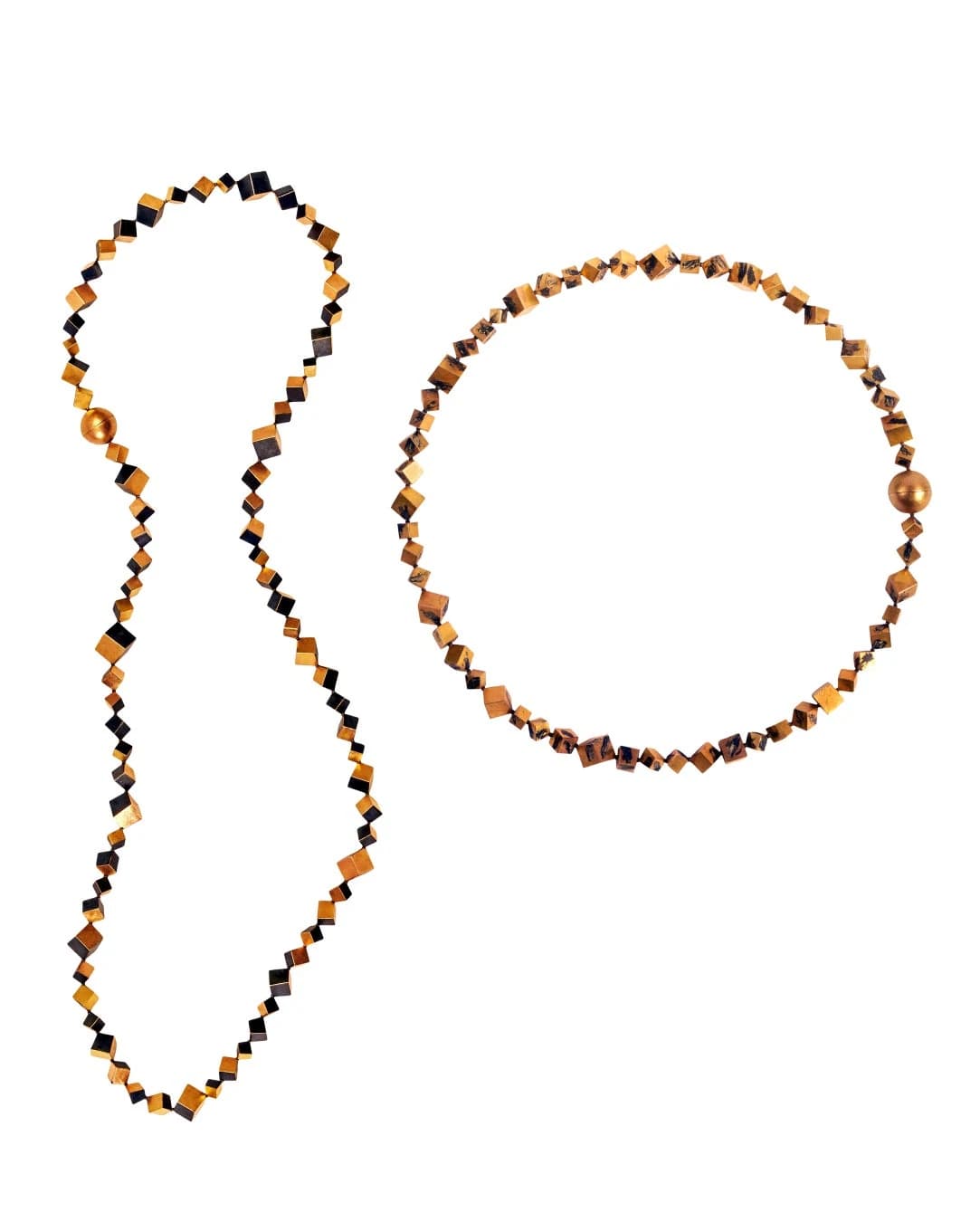
Graziano Visintin’s Collier brings gold and dark niello into a sequence of tiny cubes. Recognised in 2026, the work asks you to read a necklace as composition rather than metal weight.
Read the noteDiscovery
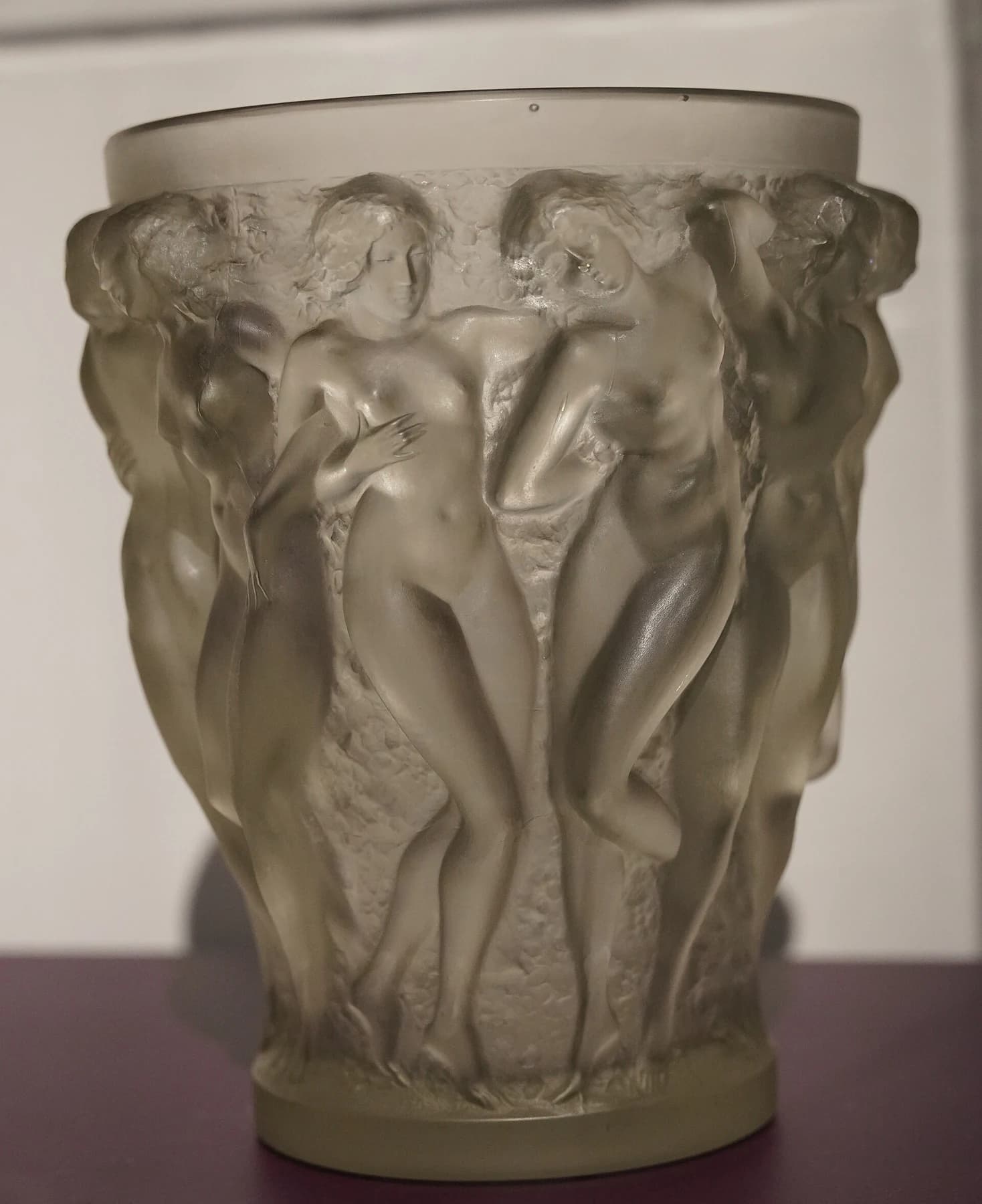
René Lalique’s Bacchantes began in 1927 and remains a living design. The revealing part is how a ring of figures moves between mould, handwork, satin surface and light.
Read the noteDiscovery
The Fife Arms in Braemar brings contemporary art into a former Scottish coaching inn. The interesting encounter is not a celebrity guest list, but the possibility of living briefly alongside works rather than filing past them.
Read the noteDiscovery
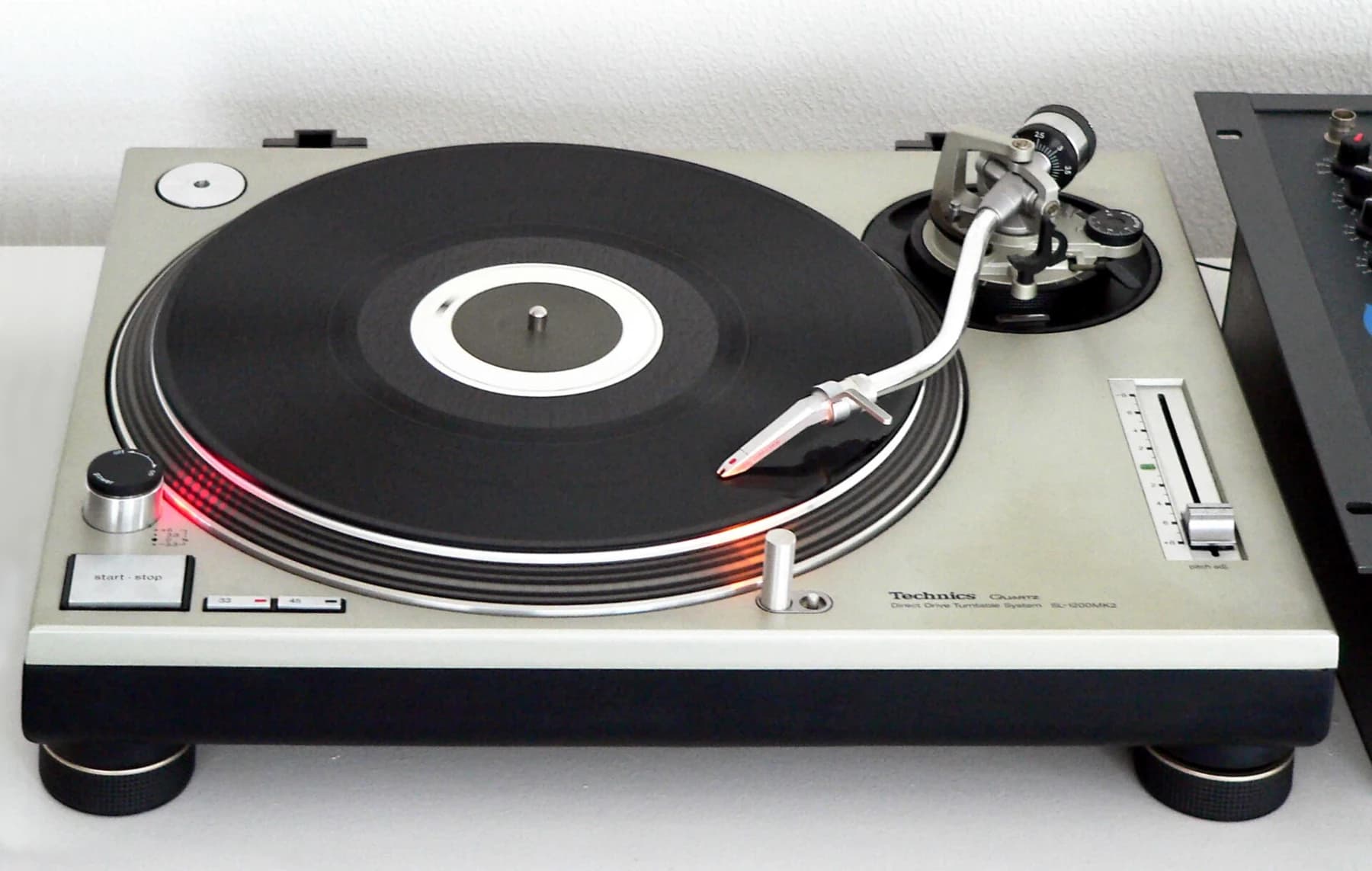
The Technics SL-1200MK2 puts musical time under the hand. A machine intended to reproduce records became a tool for making something new from them.
Read the noteDiscovery
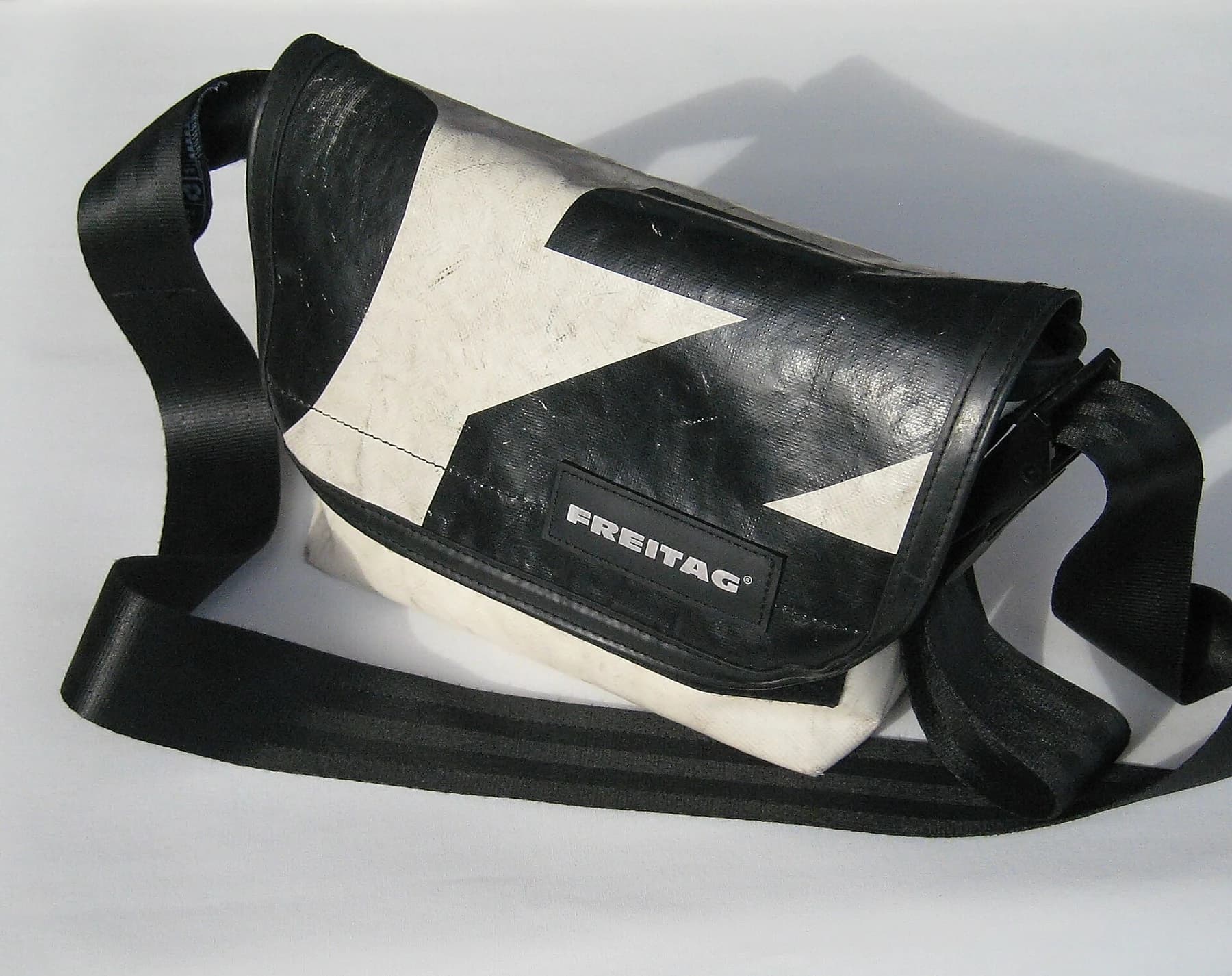
A FREITAG tarpaulin bag turns a fragment of transport graphics into an everyday object. The cut matters as much as the material’s previous life.
Read the noteDiscovery
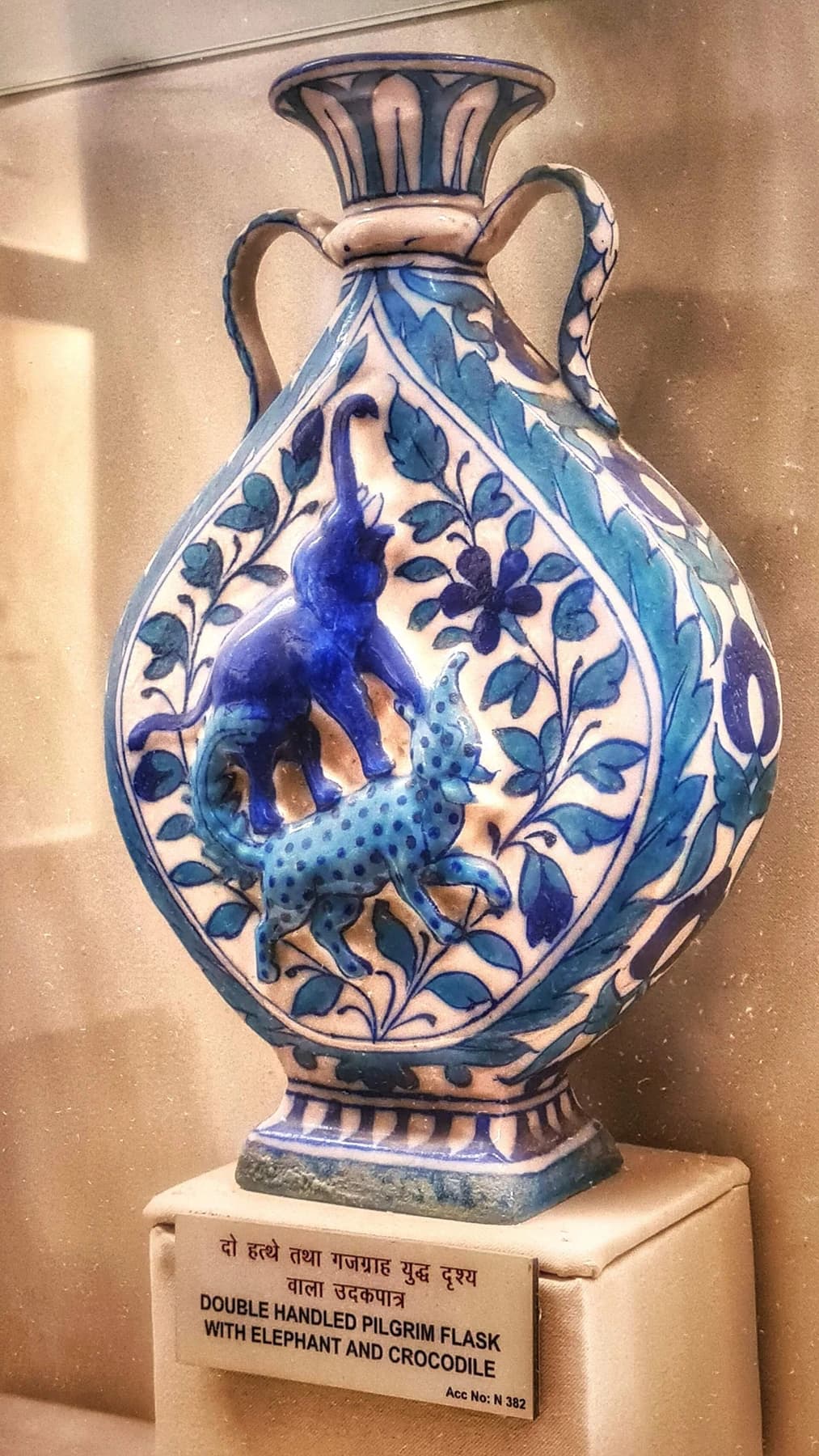
Jaipur blue pottery begins with a surprising material recipe. Beneath the painted surface is a quartz-rich body and a sequence of skilled decisions worth knowing.
Read the noteDiscovery
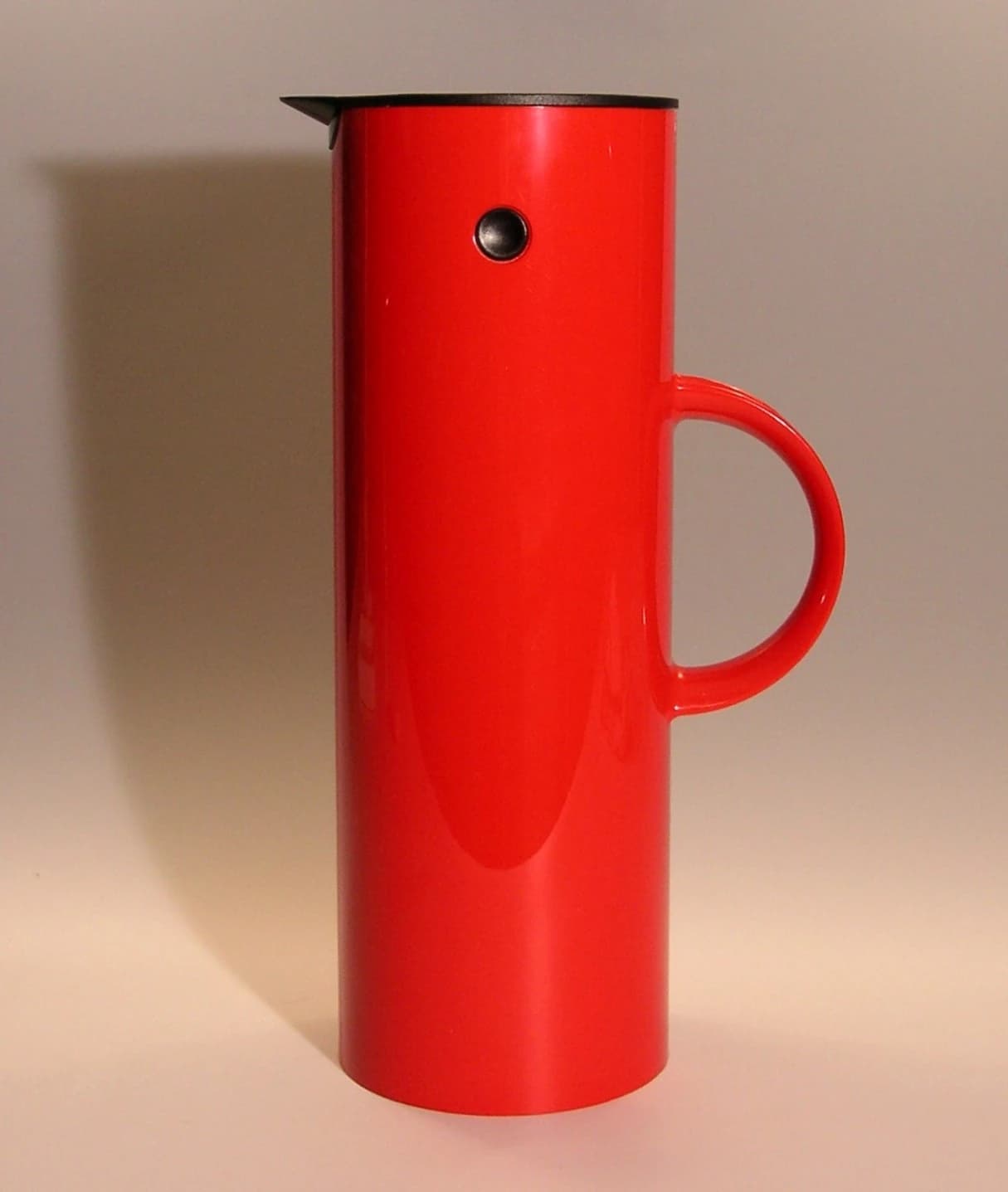
Erik Magnussen’s Stelton EM77 makes a simple serving gesture distinctive. A replaceable glass insert gives the familiar cylinder another practical reason to stay.
Read the noteDiscovery
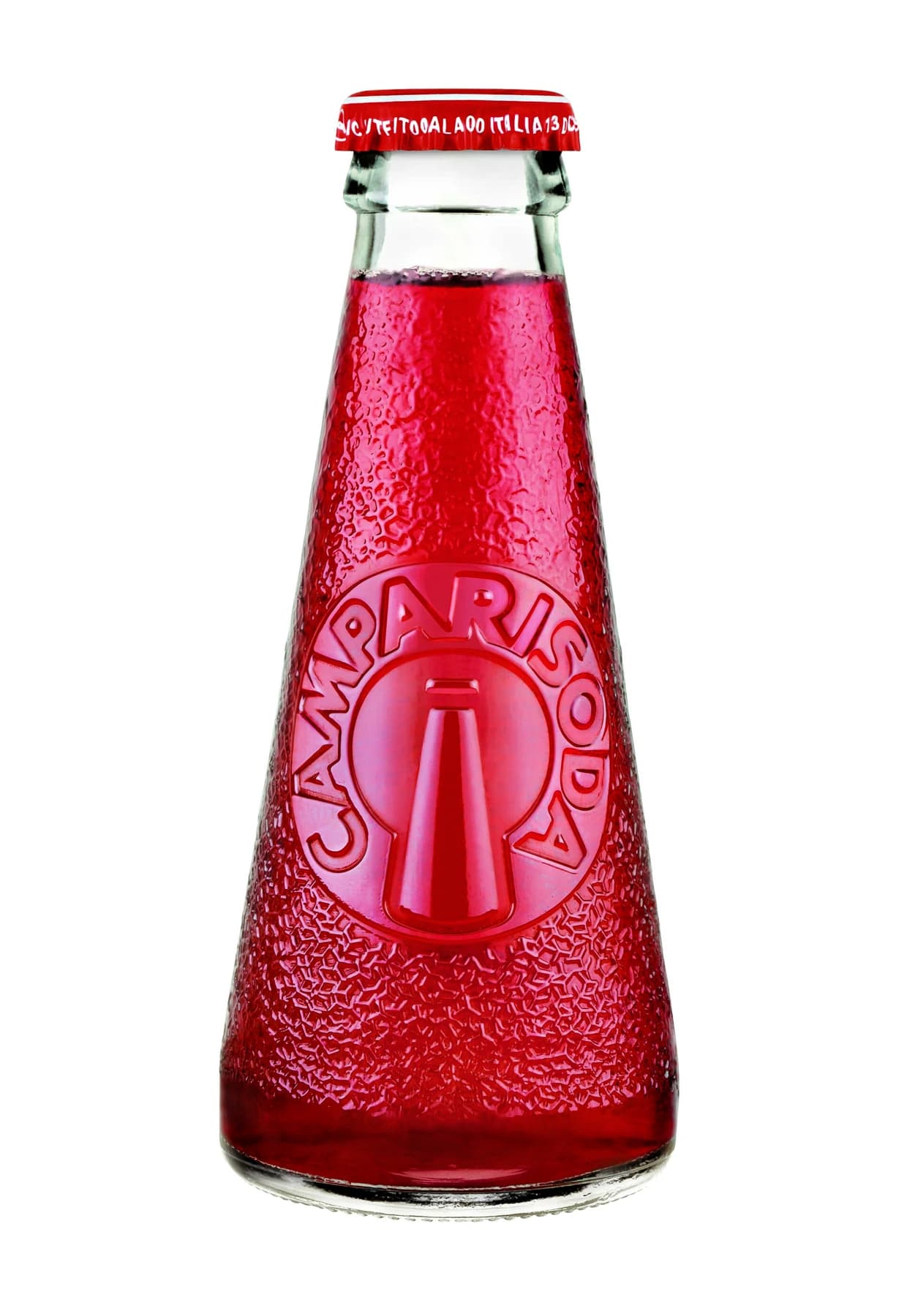
Campari Soda hides a piece of design history in an ordinary aperitif. Fortunato Depero’s tapered bottle makes the container part of the encounter rather than a disposable graphic wrapper.
Read the noteDiscovery
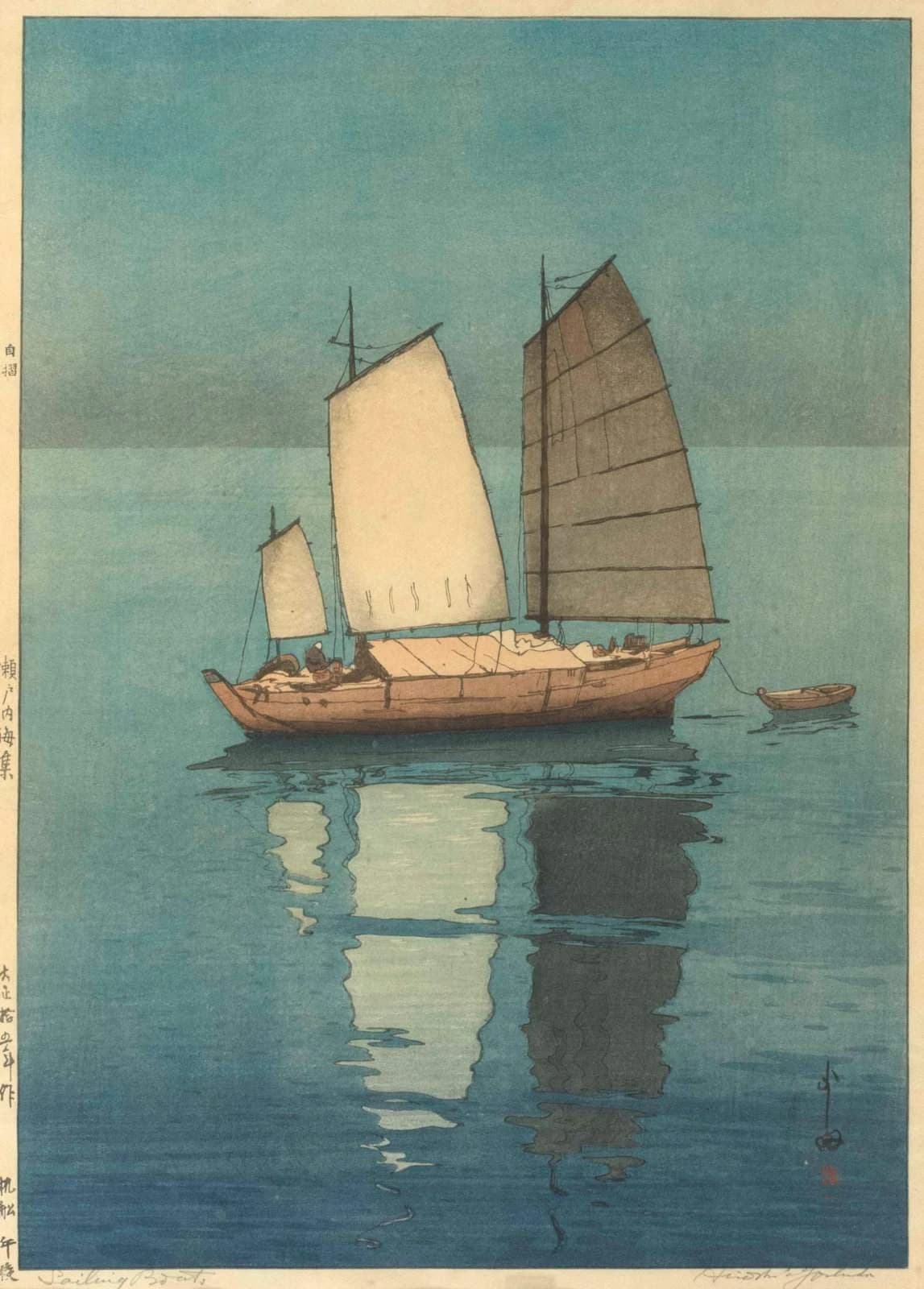
Hiroshi Yoshida’s Sailing Boats changes atmosphere without abandoning its subject. Reusing woodblocks with different colours reveals how much of a place is made by light.
Read the noteDiscovery
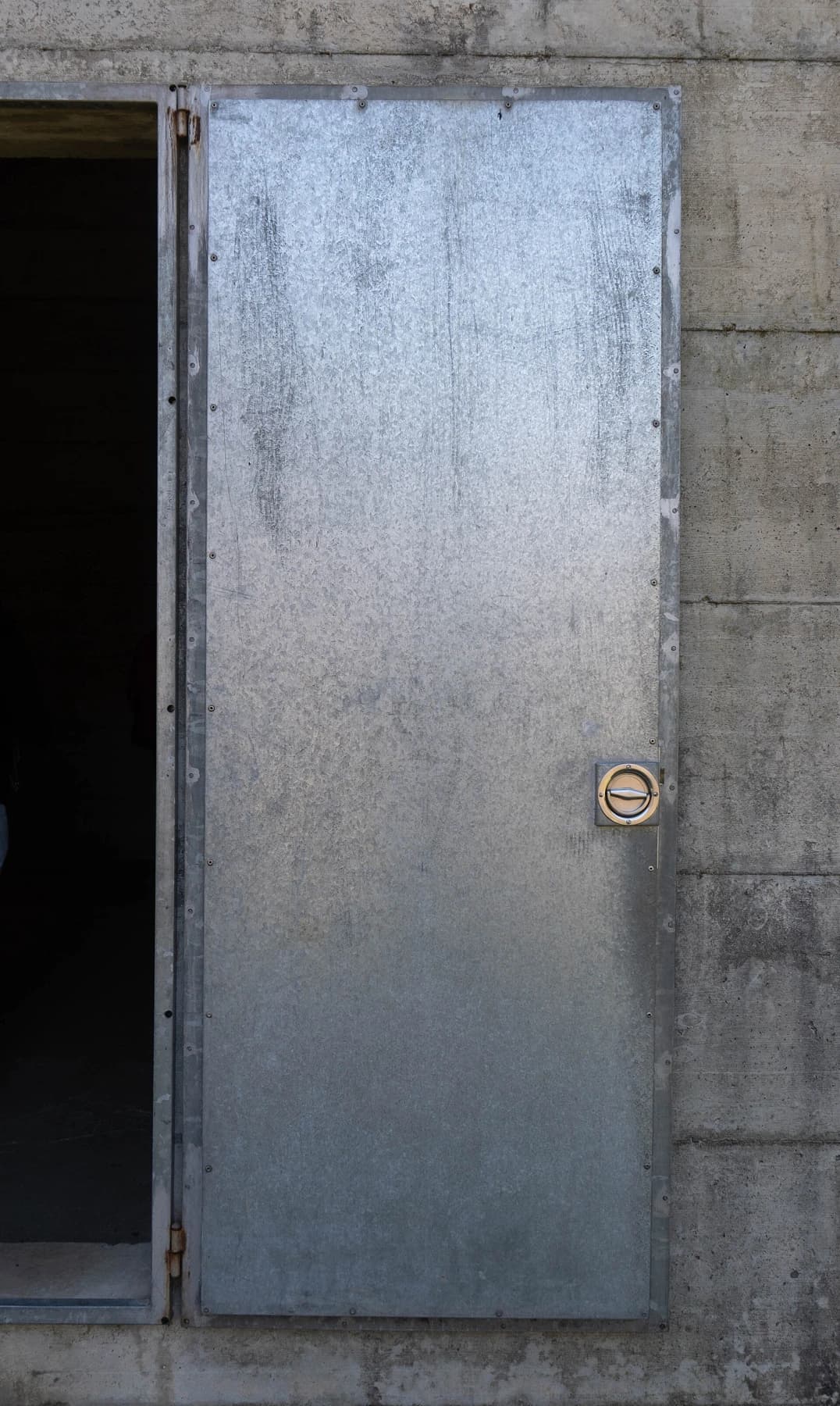
In Giornico, La Congiunta begins with a key collected from a local osteria. A small concrete museum gives architecture, sculpture and the visitor’s own attention an unusually direct relationship.
Read the noteDiscovery
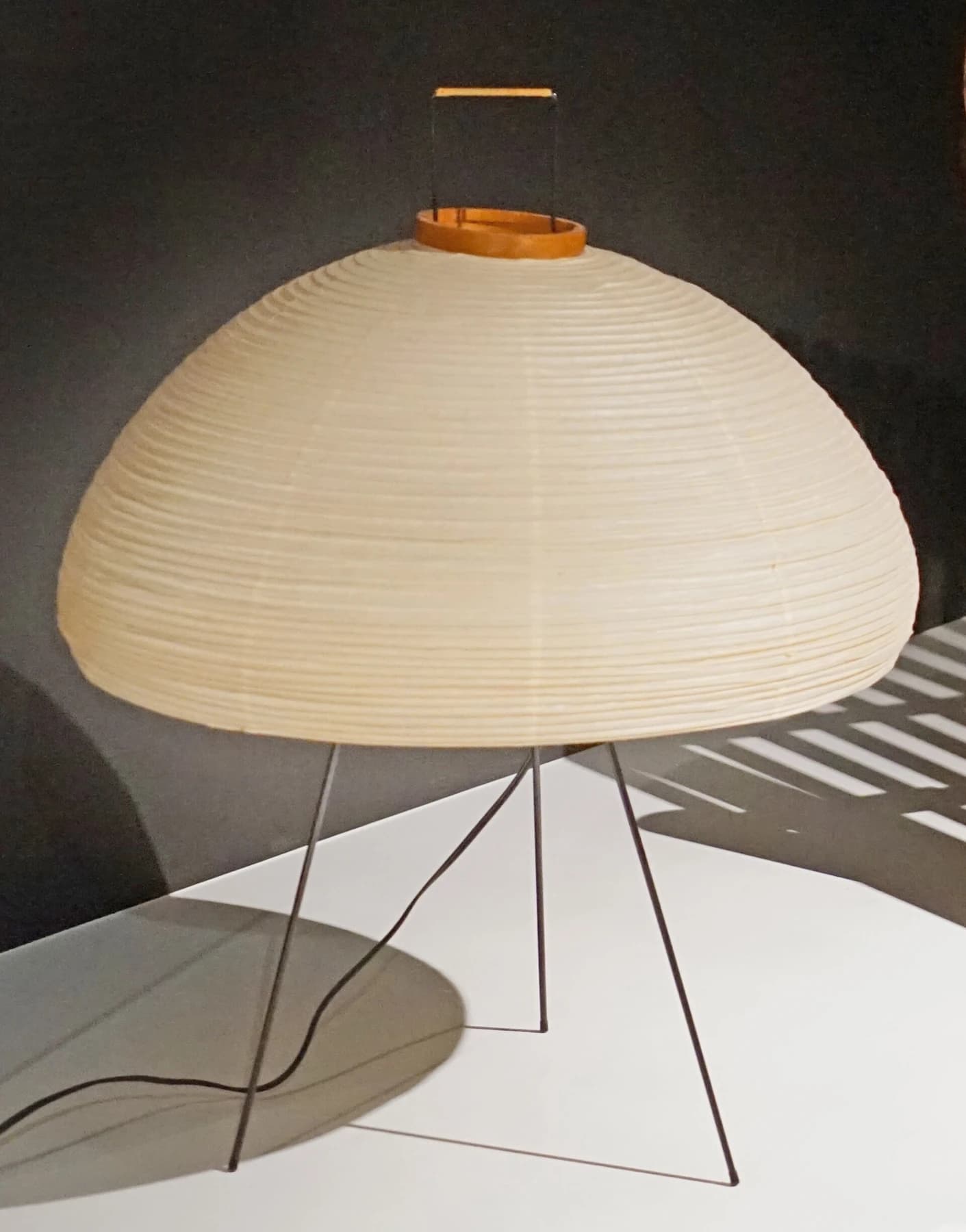
Isamu Noguchi’s Akari gives paper, bamboo and light a sculptural life at home. A working lantern-making tradition keeps the idea connected to everyday use.
Read the noteDiscovery
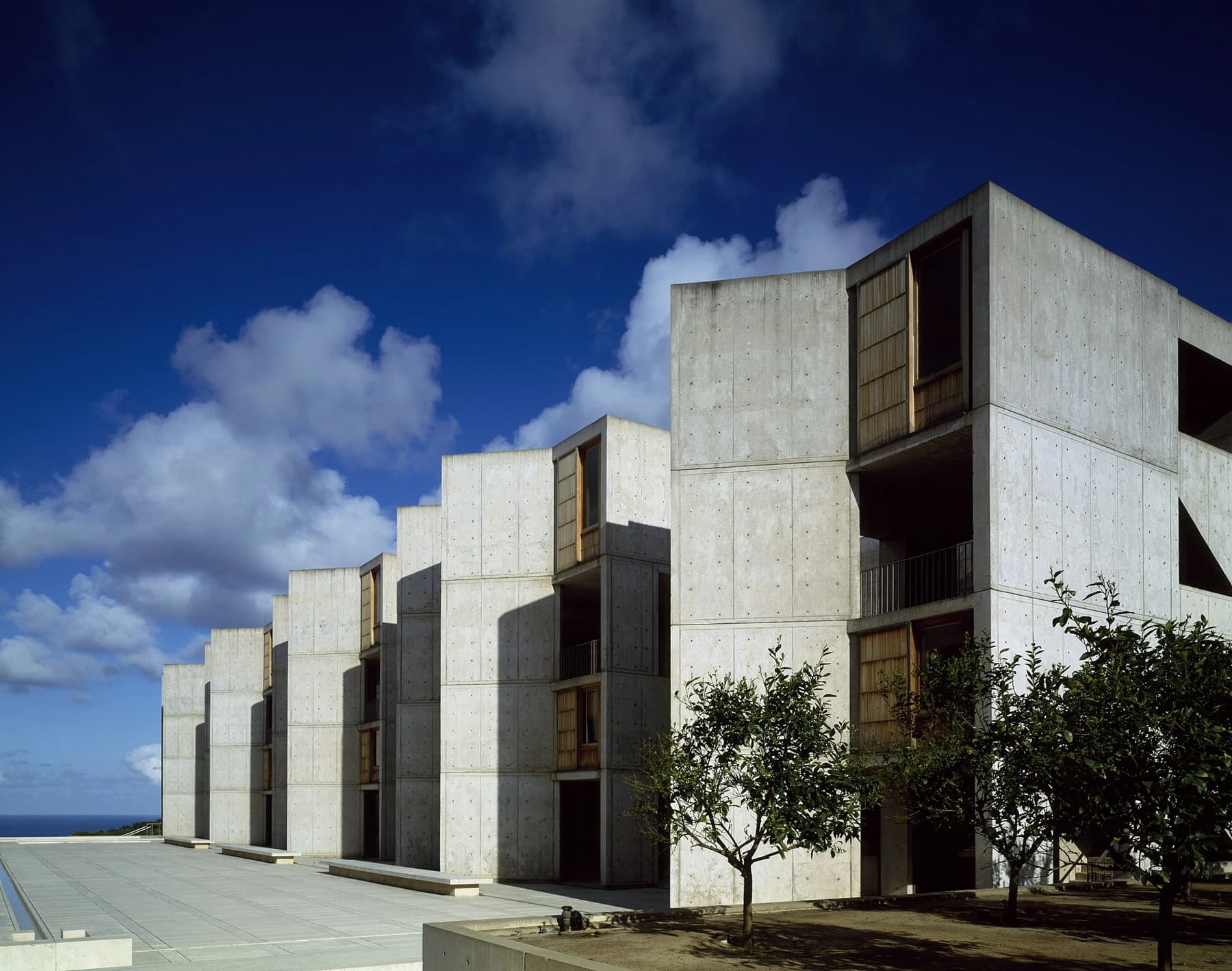
At the Salk Institute, Louis Kahn placed a remarkable open court between working laboratories. Its value is more than a view towards the Pacific: a place for science that also makes room for thought.
Read the noteDiscovery
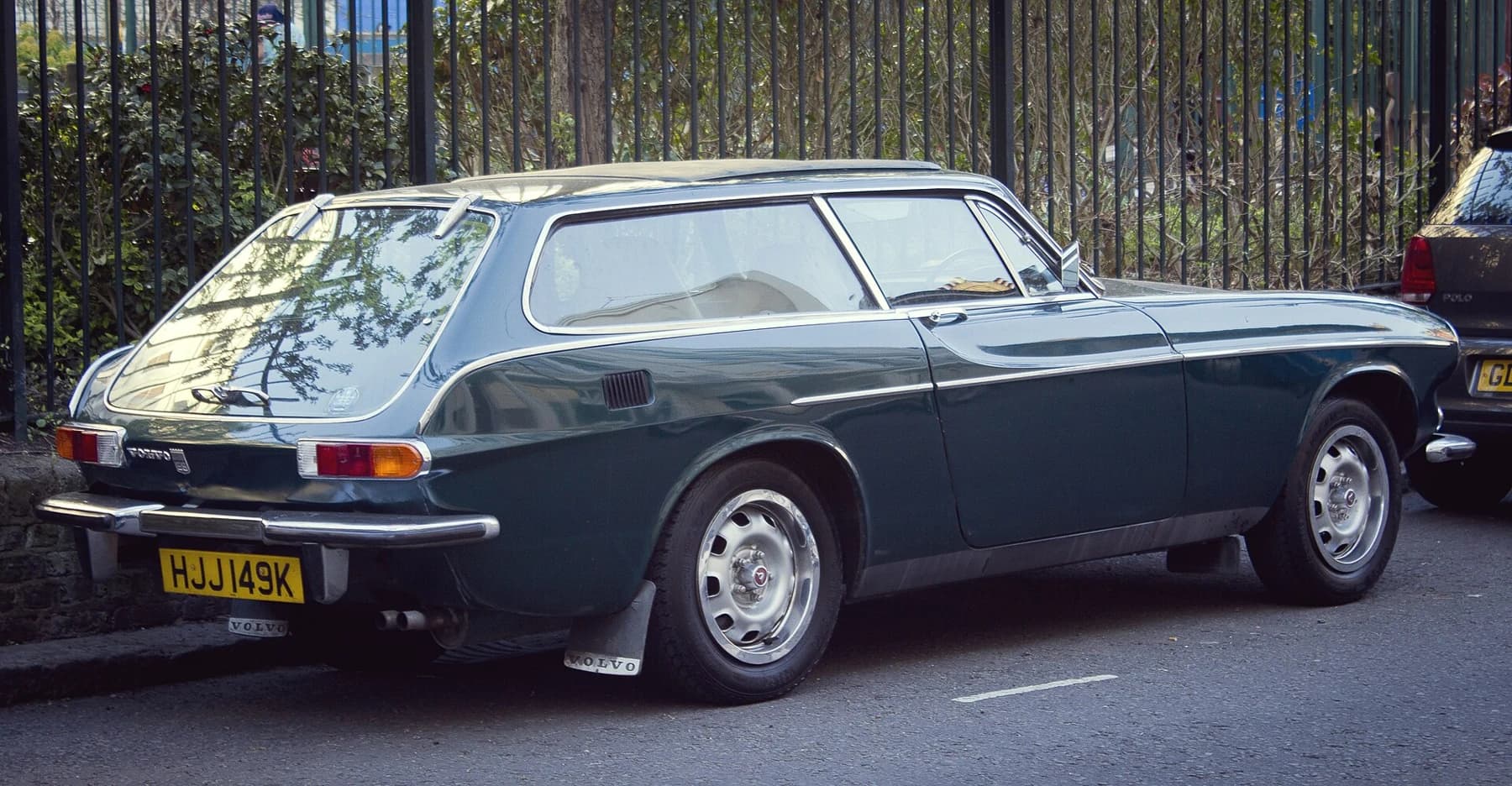
The Volvo 1800ES extended a sporting silhouette into a small estate. Its glass rear end makes an enduring design question unusually clear: can a desirable car also carry a little more of life?
Read the noteDiscovery
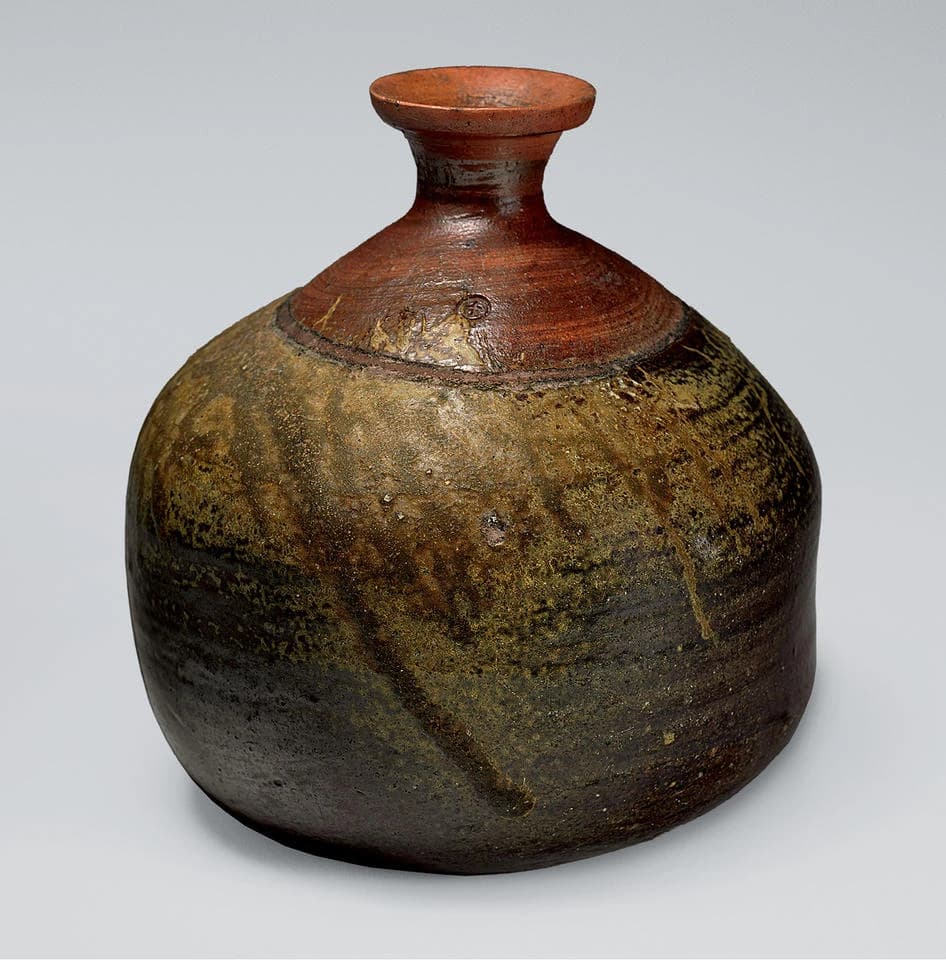
Bizen pottery offers another way to read a vessel. Clay and firing can create a complex surface without applied glaze, making the kiln part of the work rather than just its final destination.
Read the noteDiscovery
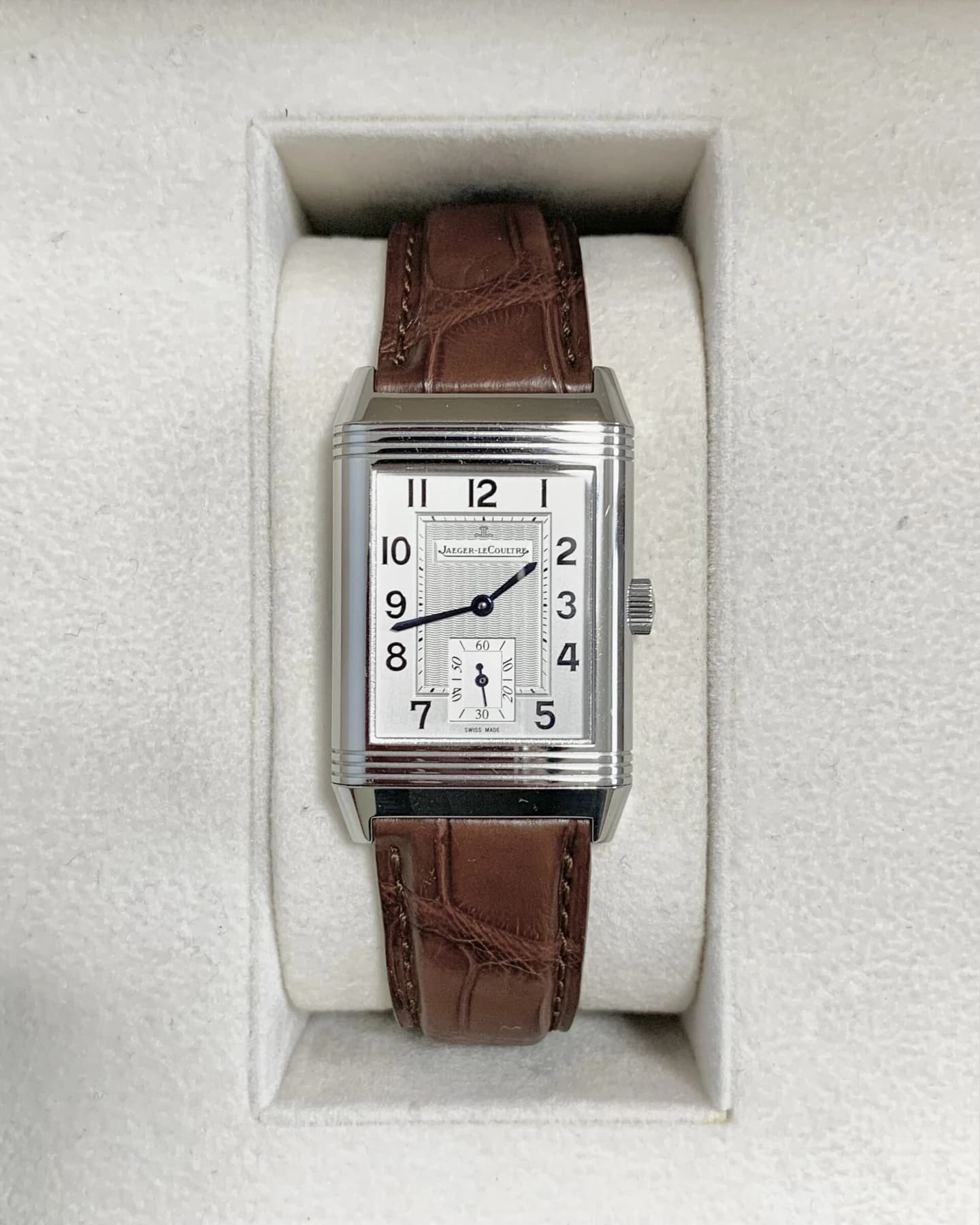
The Jaeger-LeCoultre Reverso begins with a physical gesture: turning the case. A protective idea from 1931 became a continuing design language, with very different watches inside it.
Read the noteDiscovery
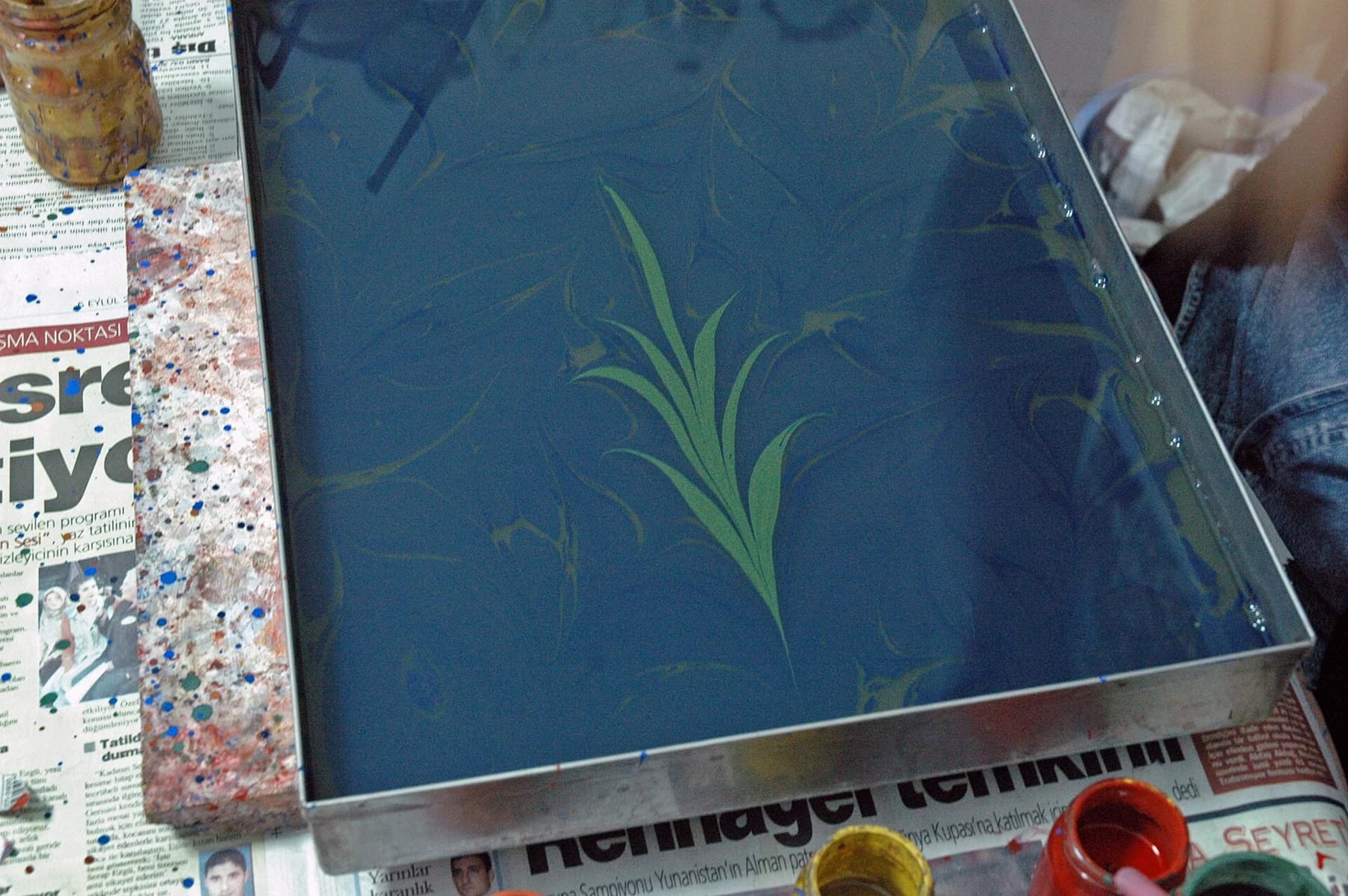
In ebru, a picture takes shape on a prepared liquid surface before it reaches paper. The lasting object preserves a fleeting arrangement and the knowledge that allowed it to happen.
Read the noteDiscovery
A five-day mosaic course in Ravenna turns looking into making. Cutting and placing a small piece of glass can change how a visitor reads an entire wall.
Read the noteDiscovery
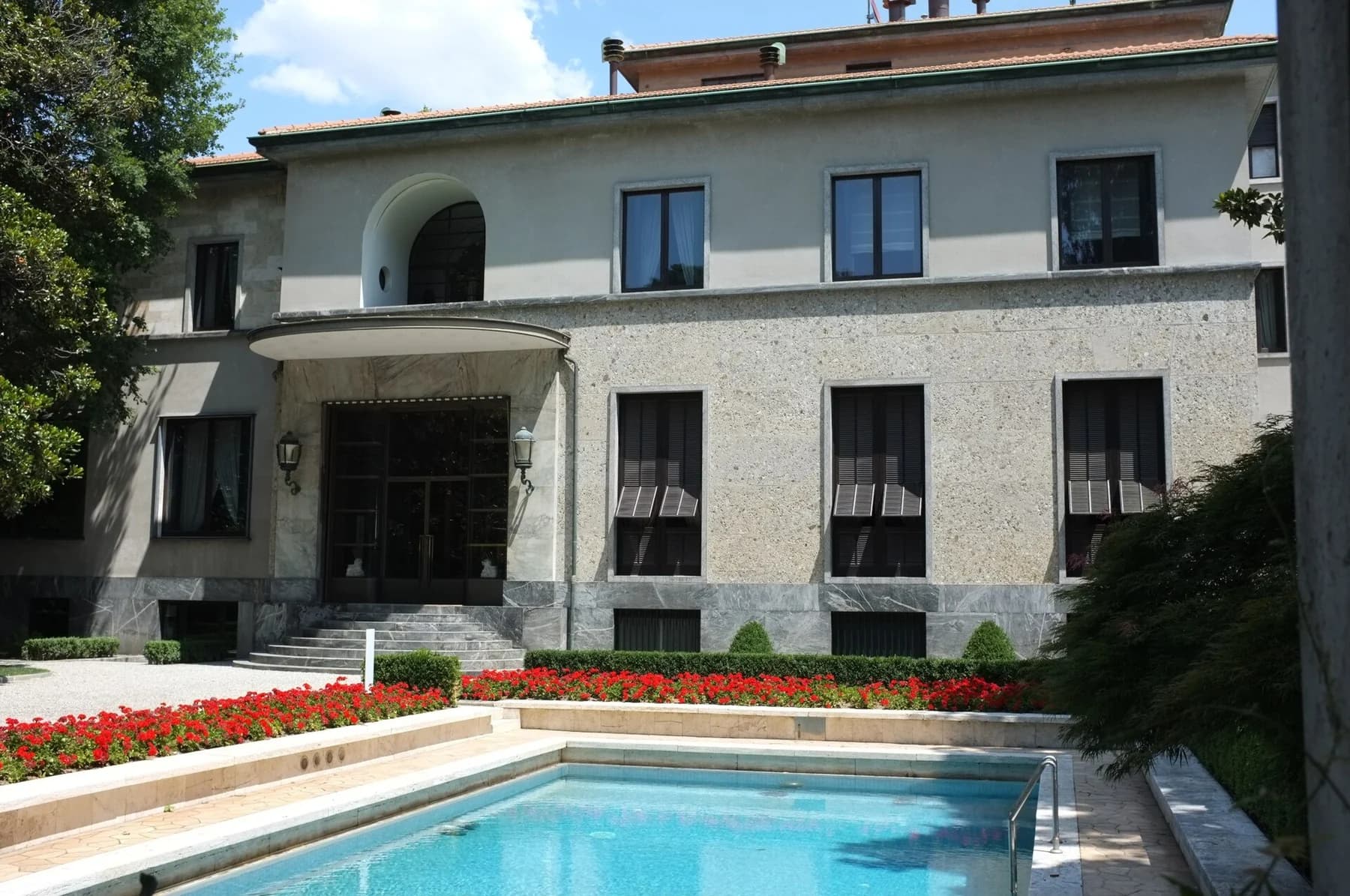
Villa Necchi Campiglio pairs Milanese architectural presence with lifts, service routes and a private pool. Its most revealing details concern how a house actually worked.
Read the noteDiscovery
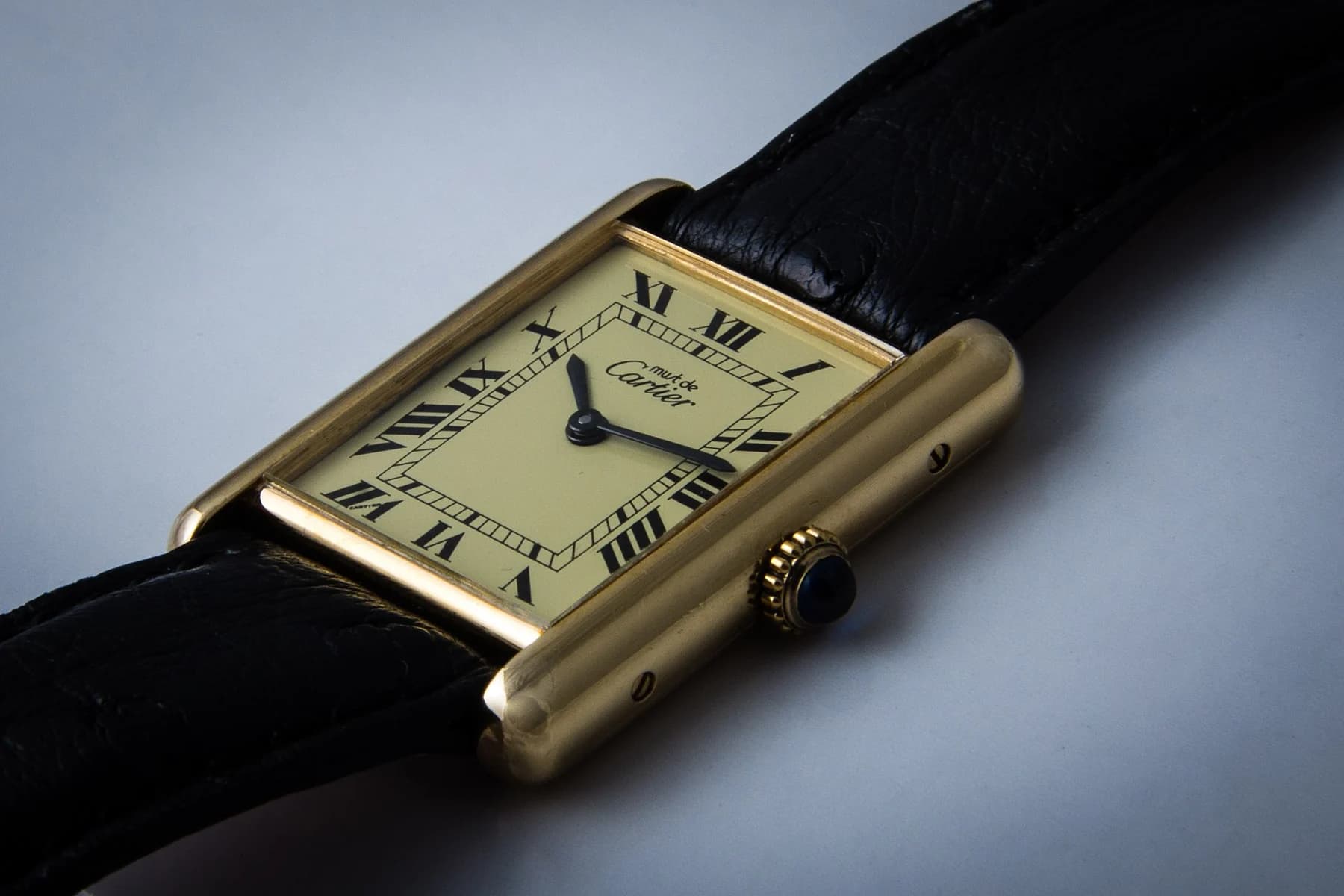
On a Cartier Tank, the long sides of the case continue towards the strap. That small structural decision is a better place to begin than a list of famous wearers.
Read the noteDiscovery
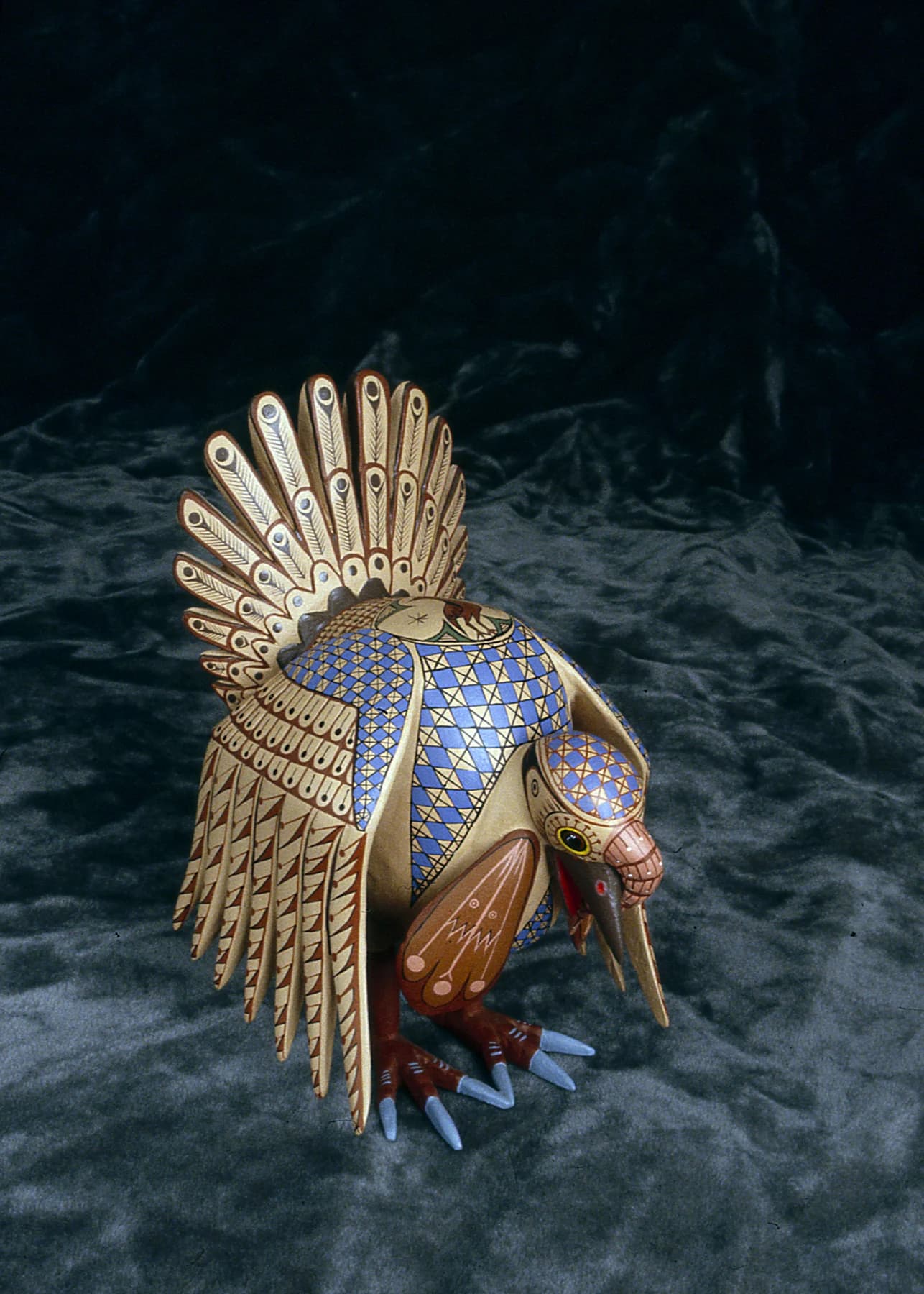
Jacobo and María Ángeles’ workshop turns copal wood into tonas and nahuales. Carving, painted pattern and shared knowledge make the work more than a colourful animal.
Read the noteDiscovery
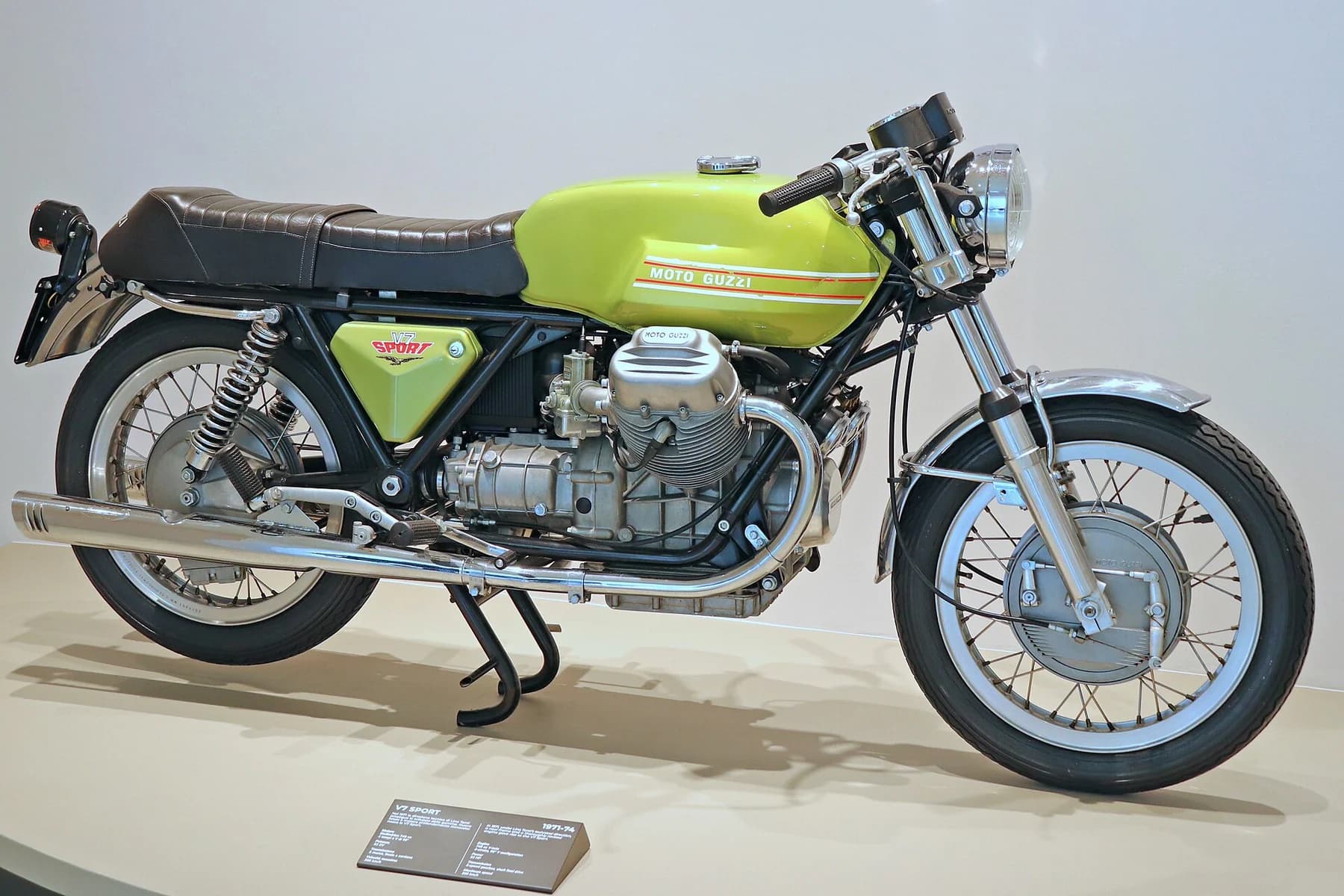
The original Moto Guzzi V7 Sport puts its engine at the centre of a spare, recognisable form. Understanding which V7 Sport matters more than repeating the model name.
Read the noteDiscovery
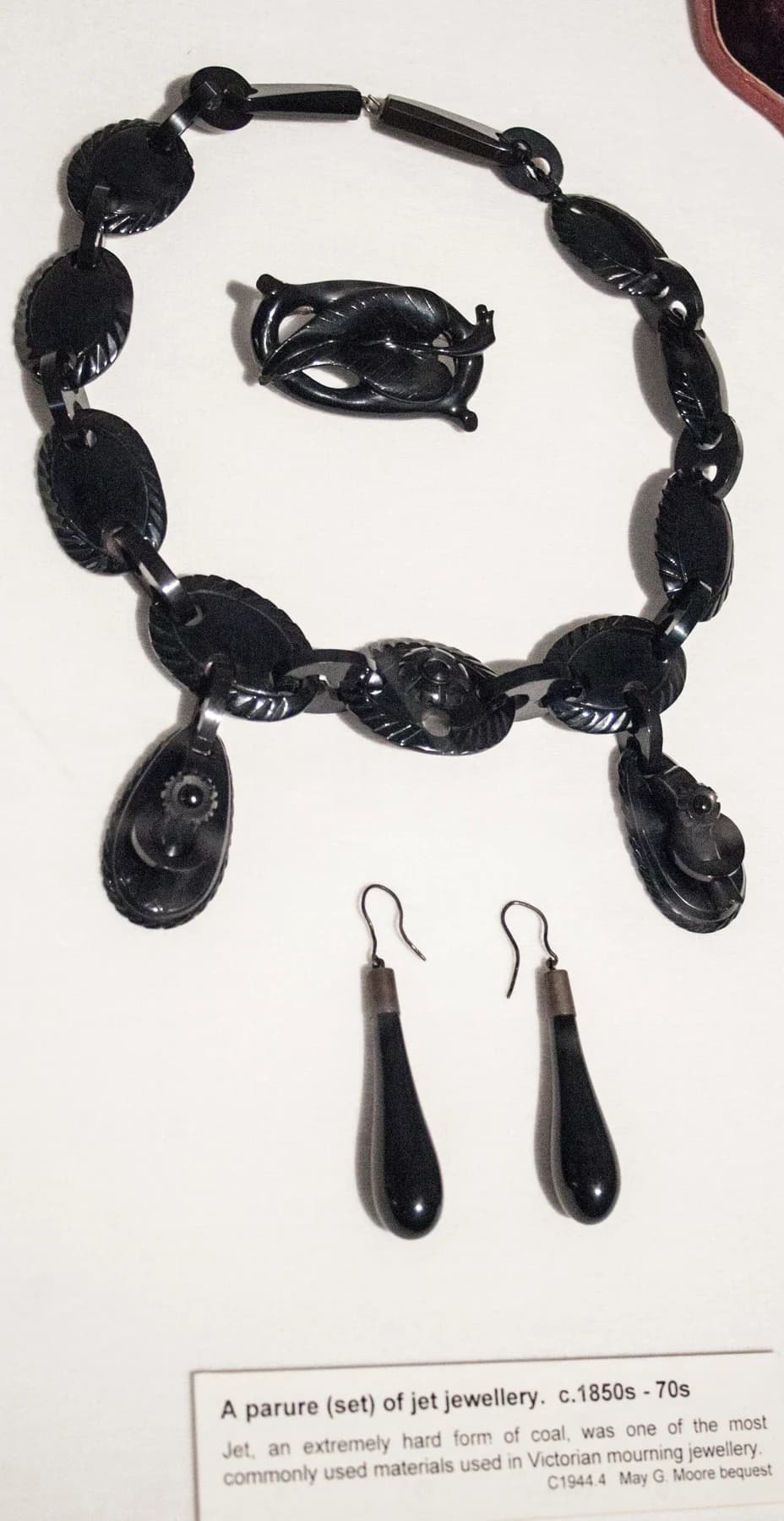
Jet opens an unexpected route into jewellery: a material with a history in ancient wood. Whitby’s museum explains why a black surface alone tells a buyer very little.
Read the noteDiscovery
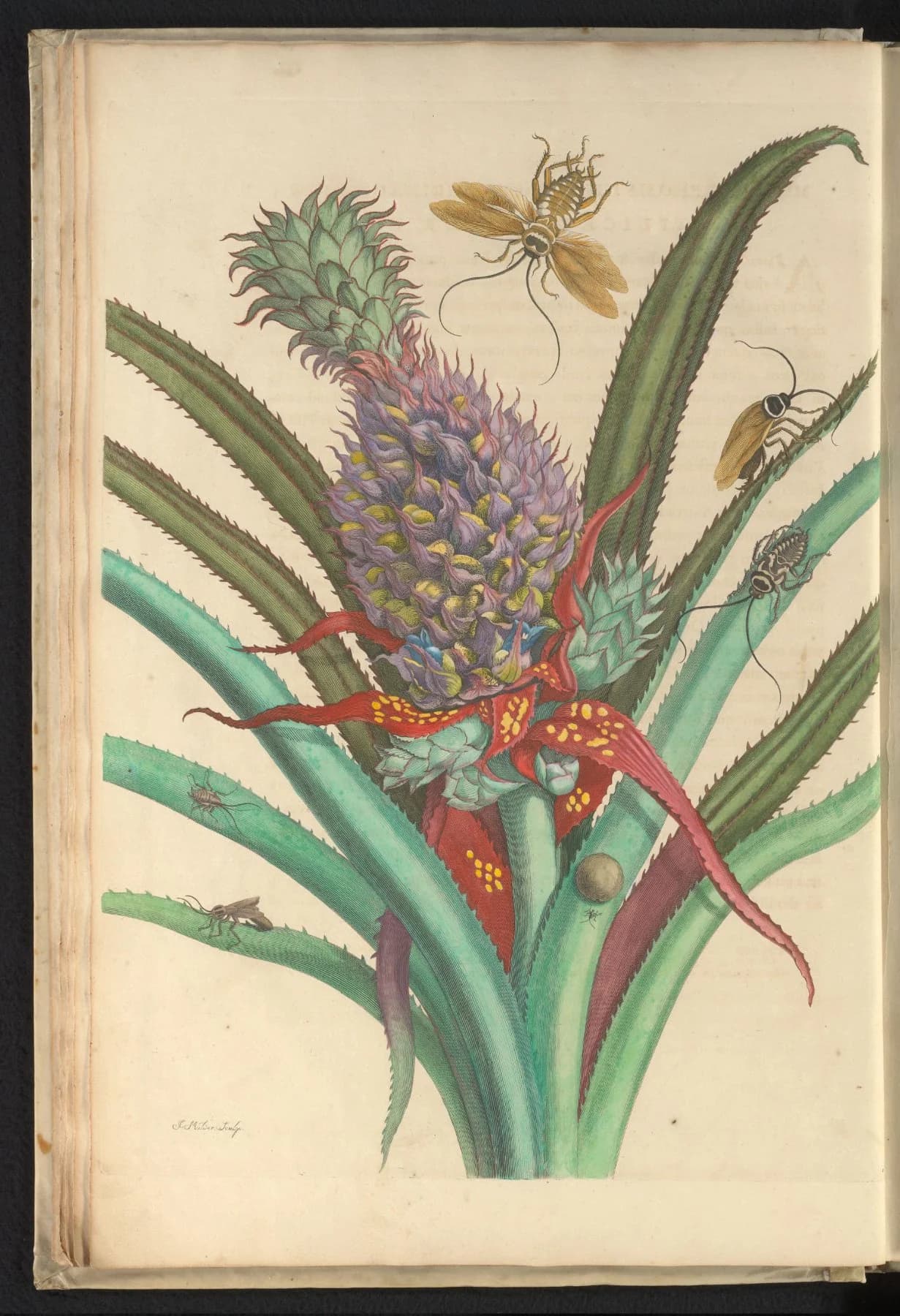
Maria Sibylla Merian’s 1705 Suriname book brings plants and insects into a shared visual world. A public-domain plate makes close study possible without owning an early edition.
Read the noteDiscovery
The Sennheiser HD 600 is interesting not only for listening. Its replaceable pads and cable give an owner specific questions about keeping it in use.
Read the noteDiscovery
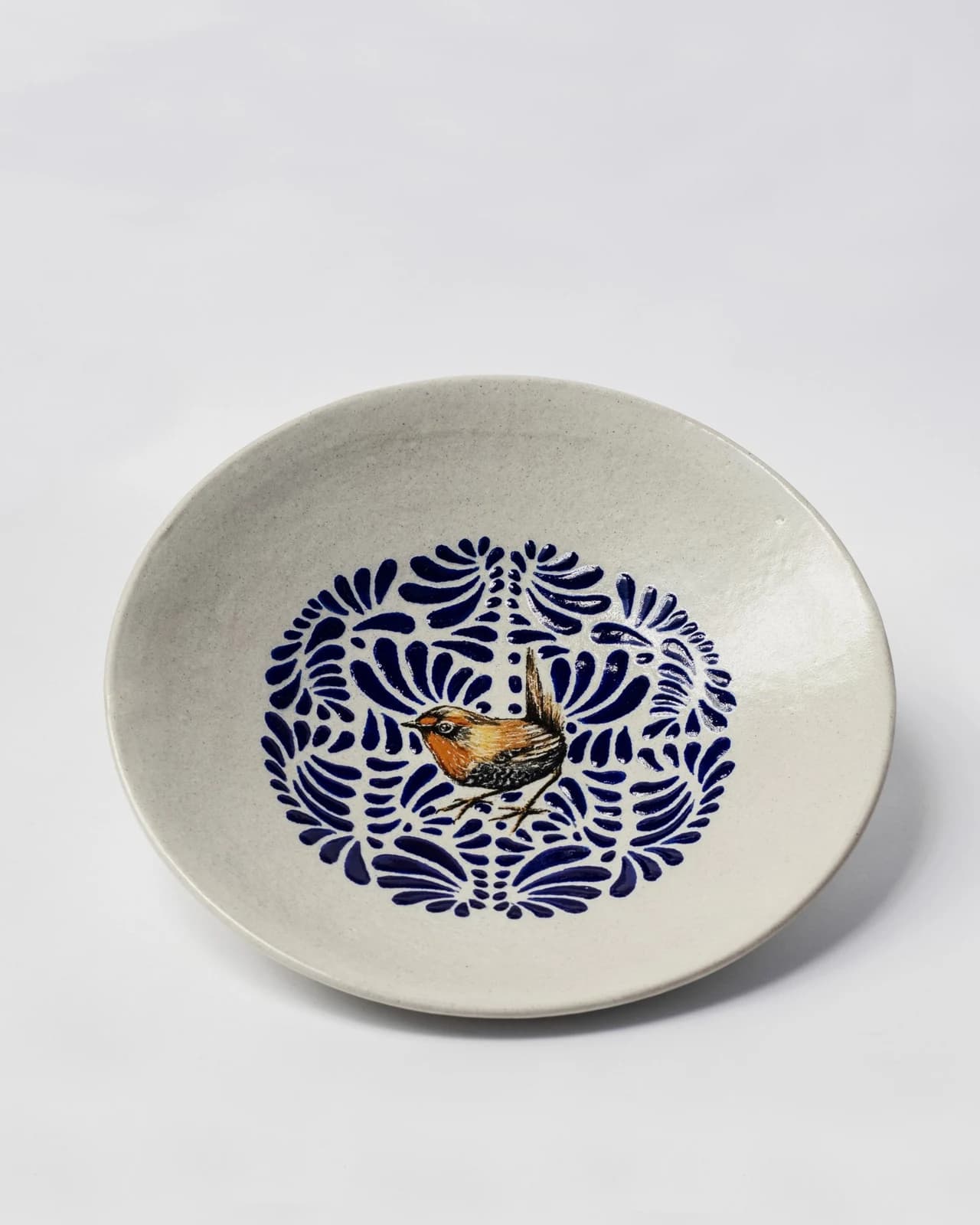
Uriarte’s bird plate is a modest entry into Puebla’s Talavera tradition. A current object can open a larger conversation about clay, painting and certification.
Read the noteDiscovery
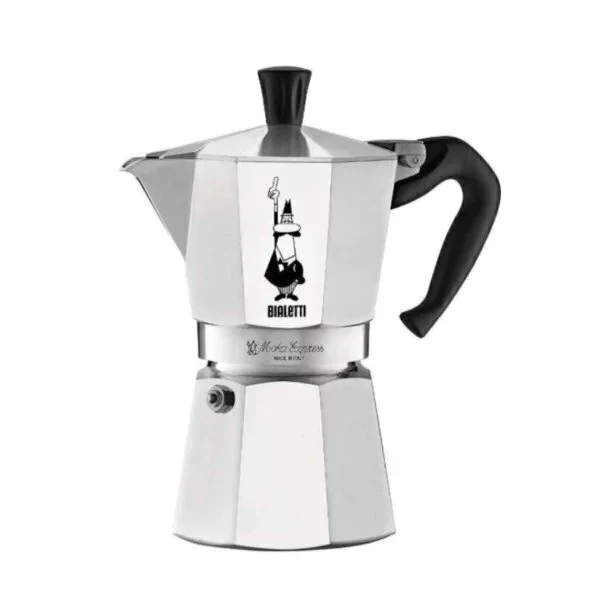
The familiar Moka Express keeps its place through use. A replaceable gasket and filter make its maintenance easier to understand.
Read the noteDiscovery
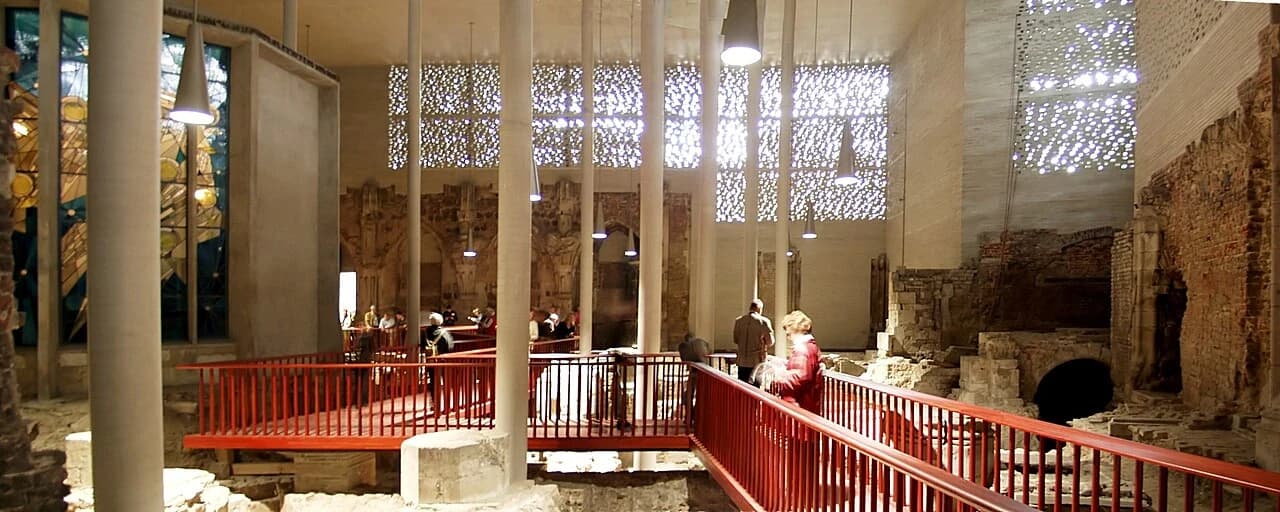
Peter Zumthor’s Kolumba does not clear away the history beneath it. The museum lets visitors move among the remains and the new building.
Read the noteDiscovery
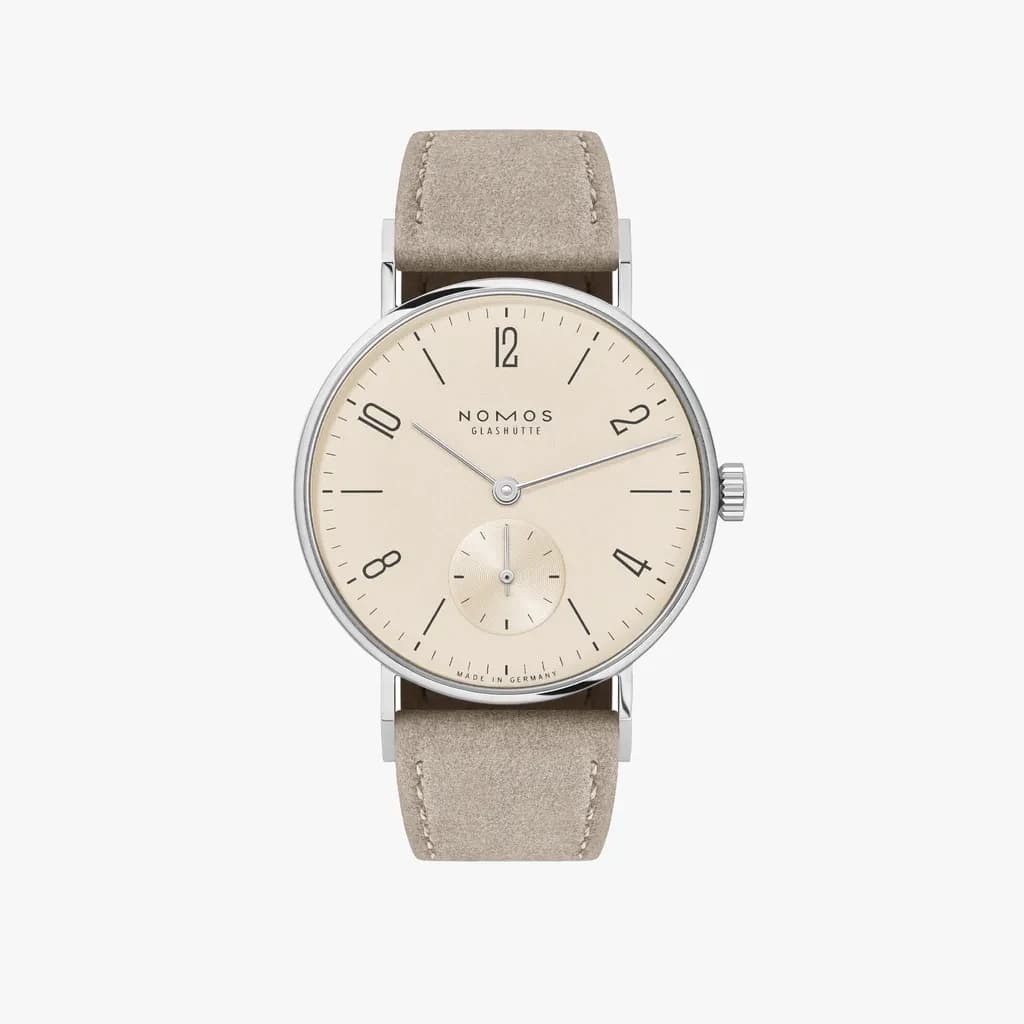
The NOMOS Tangente 33 champagne, reference 151, pairs a small, legible case with a named hand-wound movement and an identifiable service route.
Read the noteDiscovery
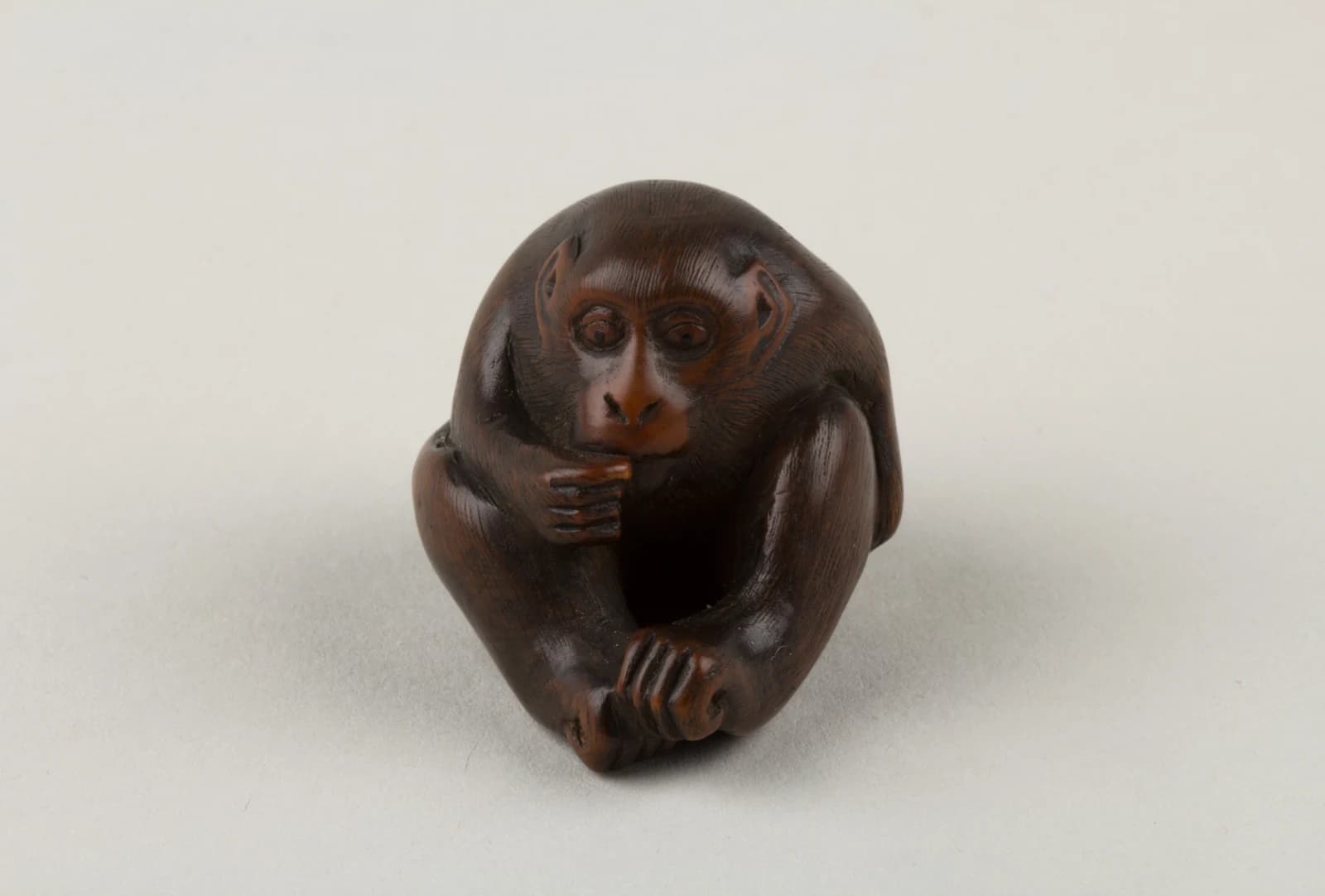
Masakazu’s small wooden monkey in The Met is a reminder that a netsuke began with a job. Function and invention can fit in one hand.
Read the noteDiscovery
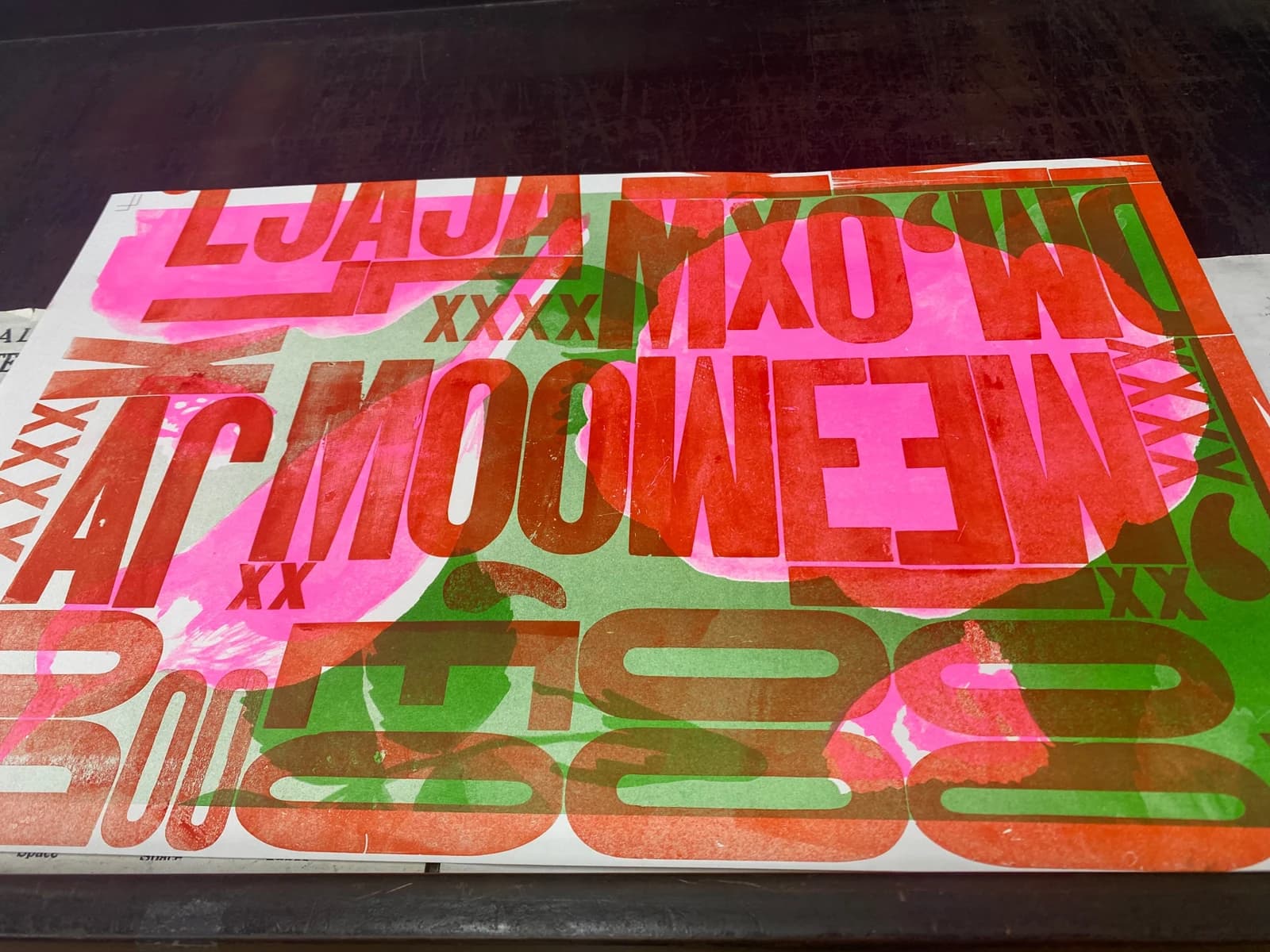
A two-day Center for Book Arts workshop turns wood type into prints that participants exchange and remake. The encounter leaves a method, not only a souvenir.
Read the noteDiscovery
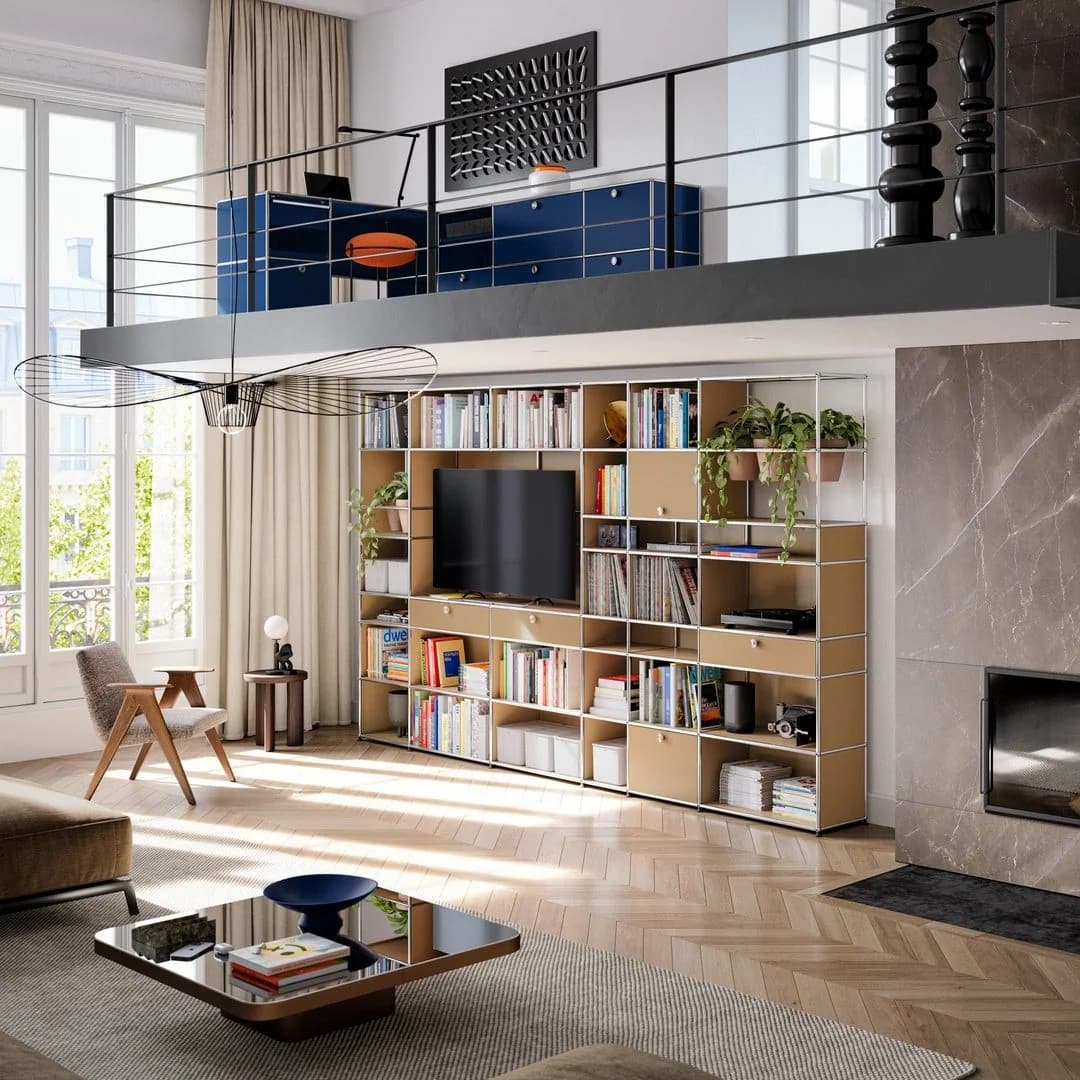
The useful part of USM Haller is what happens when the room changes. A familiar storage system can be configured for another chapter.
Read the noteDiscovery
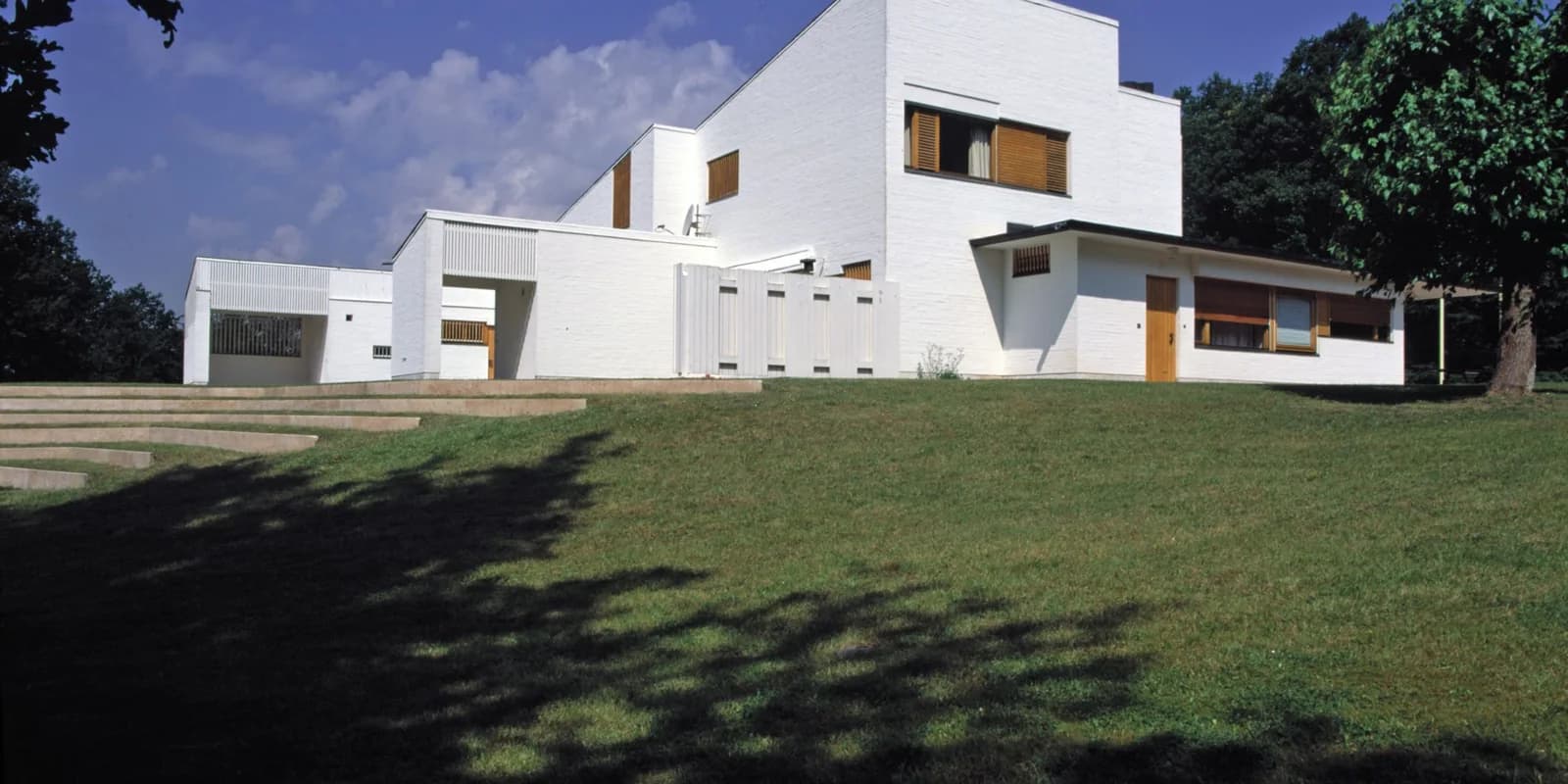
At Maison Louis Carré, the furniture, materials, rooms and landscape belong to one conversation. It remains a place a visitor can study.
Read the noteDiscovery
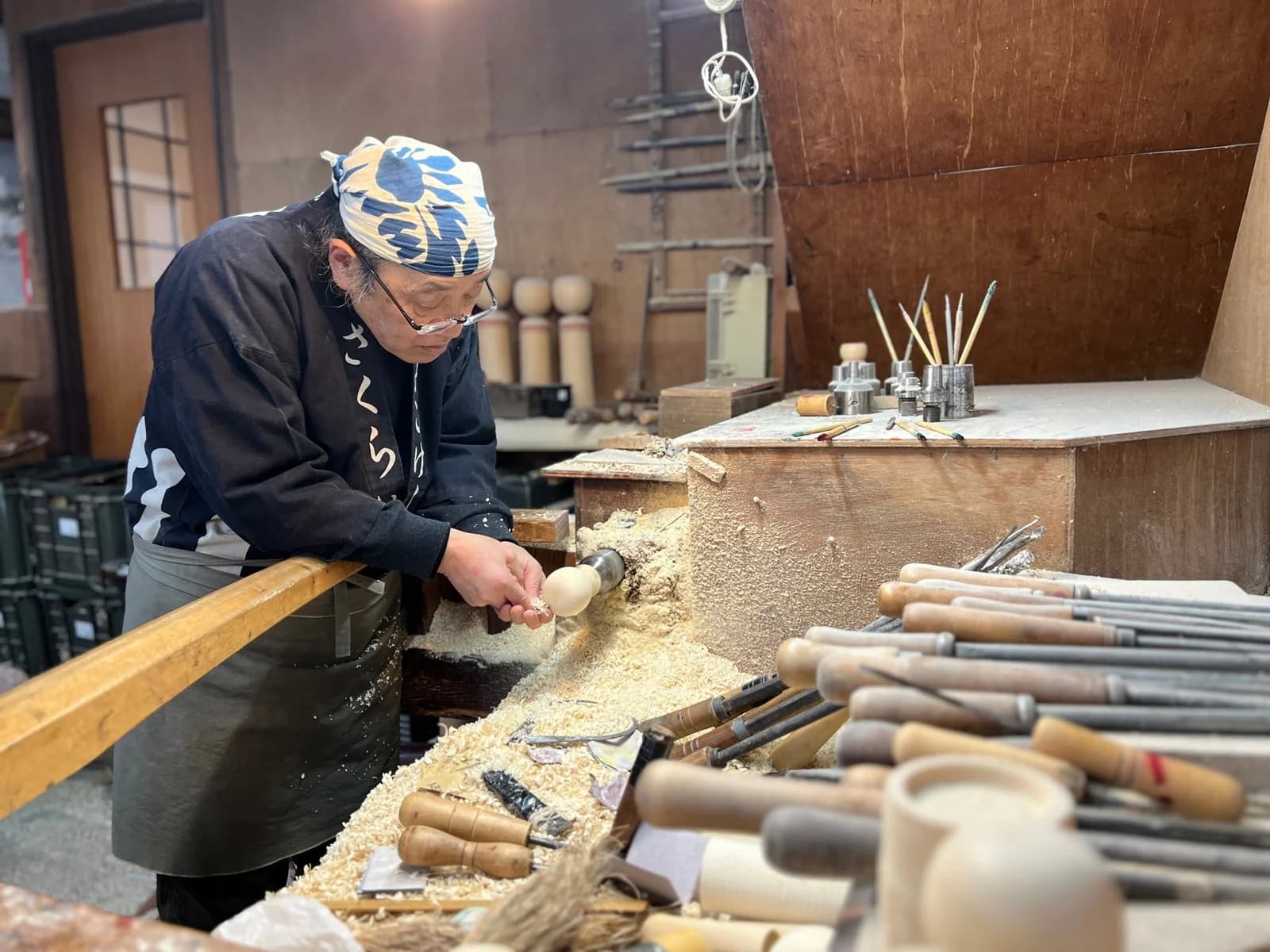
A Naruko kokeshi is turned, fitted and painted by a maker. The small sound at its neck hints at a whole craft tradition.
Read the noteDiscovery
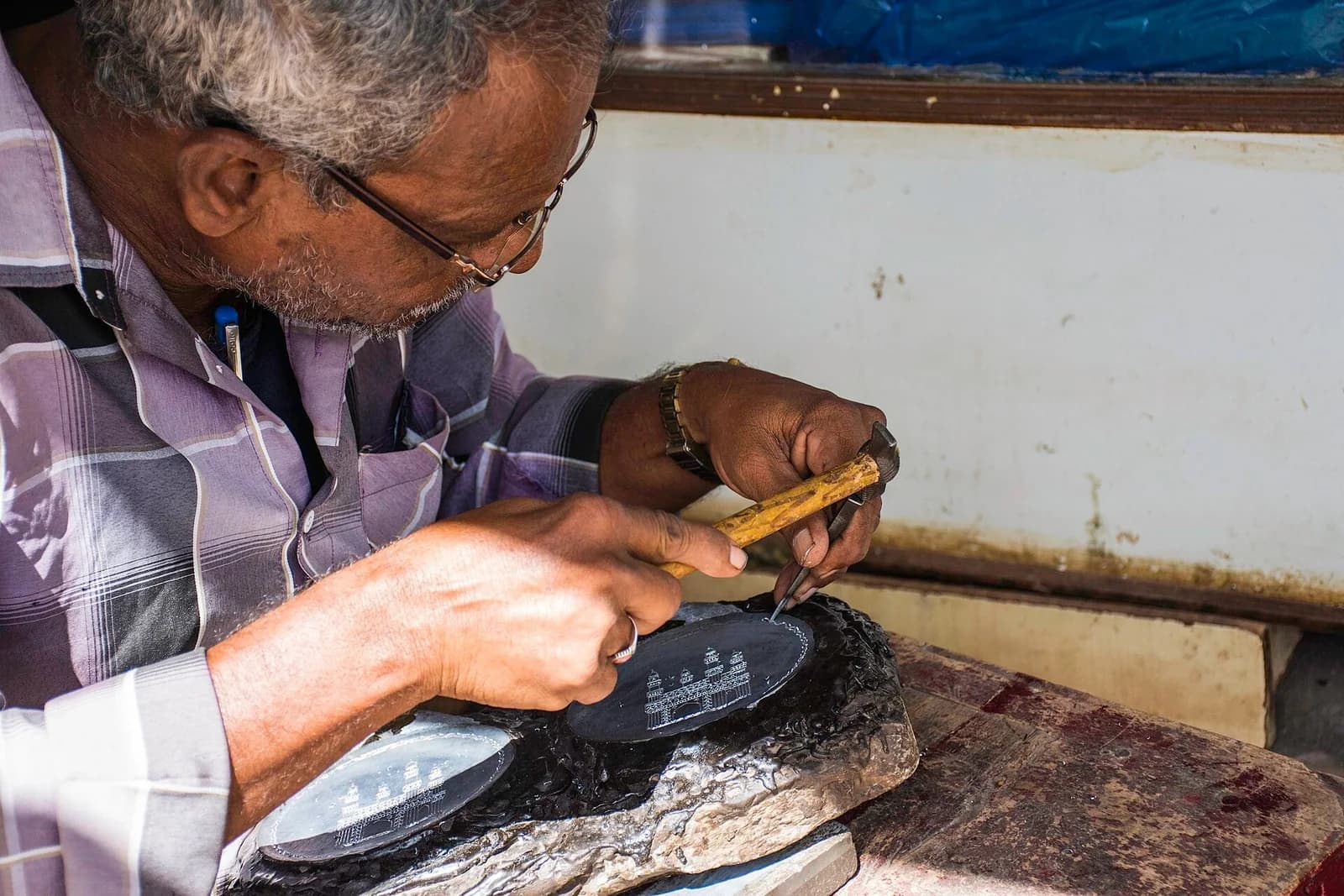
In Bidriware, silver becomes luminous because of the dark metal around it. The making changes the way an object is read.
Read the noteDiscovery
The Pelikan M800 makes refilling part of the object. The interesting question is not how impressive a pen looks, but what keeps it in your hand.
Read the noteDiscovery
At Casa Vicens, flowers and palm leaves become tile and iron. Gaudí’s early house offers a more concrete lesson than the word iconic.
Read the noteDiscovery
The familiar pockets of Levi’s 501 jeans contain a history of practical revisions. Recognising it makes a better starting point than chasing a vintage label.
Read the noteDiscovery
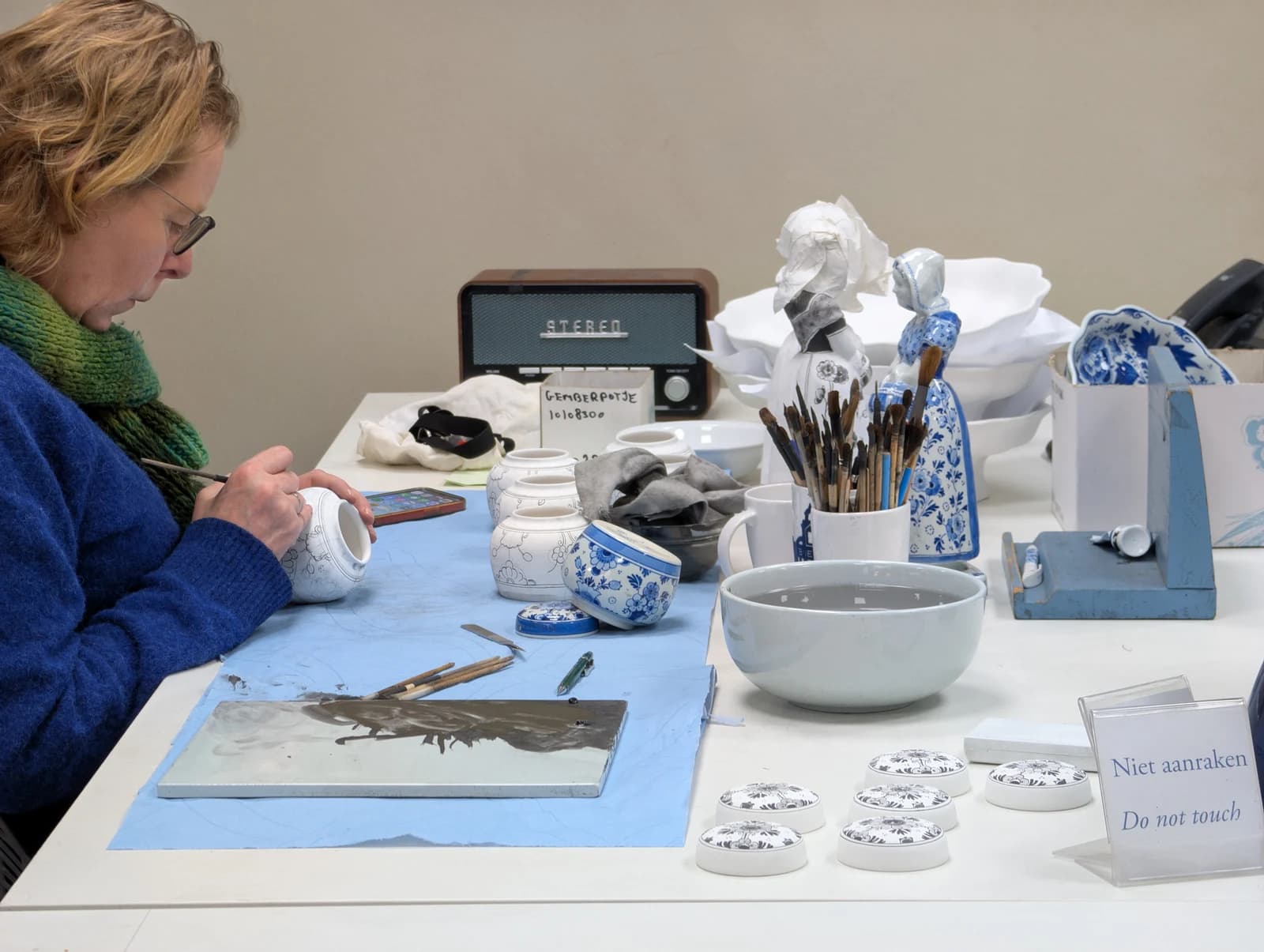
At Royal Delft, a painter works in black and the kiln brings out the blue. The process helps you distinguish a hand-painted object from a familiar-looking surface.
Read the noteDiscovery
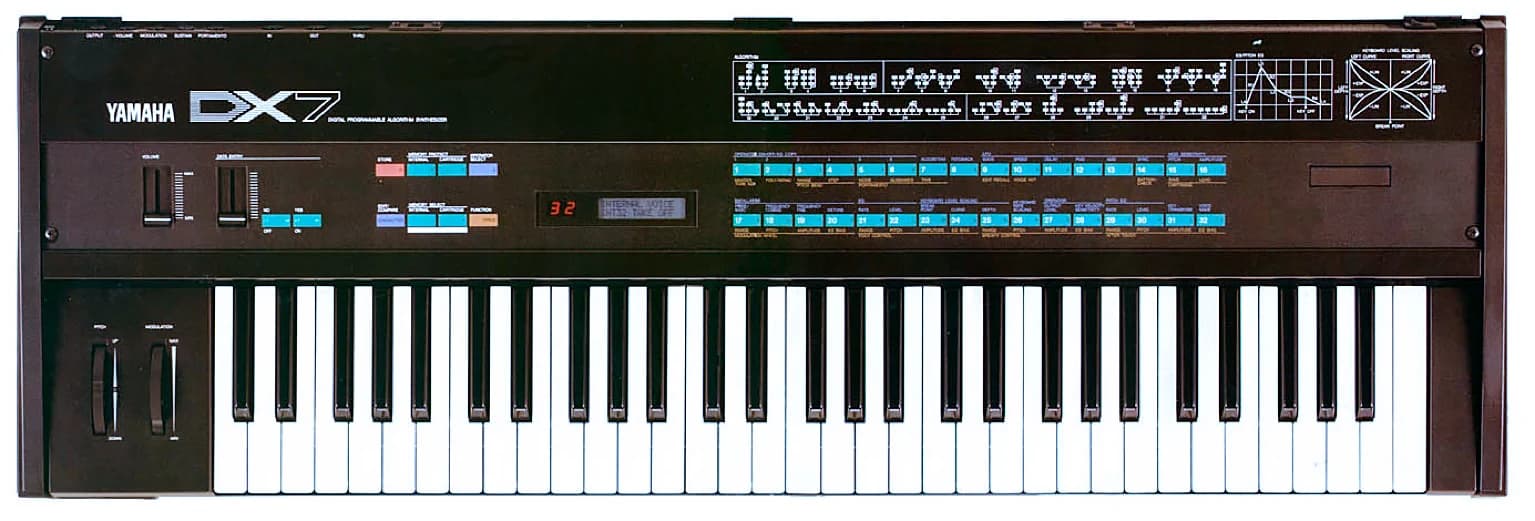
The Yamaha DX7 is often treated as the sound of the 1980s. Its more enduring idea is that a familiar machine can still be a place to invent.
Read the noteDiscovery
Saltaire is more than a handsome mill. Its buildings show how a place can retain its identity while making room for entirely different work.
Read the noteDiscovery
A wayang kulit puppet is made to move, cast a shadow and carry a voice. Its cultural value cannot be separated from the people who bring it to life.
Read the noteDiscovery
The Olivetti Lettera 22 makes writing a physical sequence of decisions. Its design history matters, but a working keyboard matters more.
Read the noteDiscovery
At the Rietveld Schröder House, moving a wall changes the relationship between privacy and shared life. The radical part is still useful.
Read the noteDiscovery
The Vespa PX is more than an Italian silhouette. Its manual controls and steel body give a familiar form a specific mechanical identity.
Read the noteDiscovery
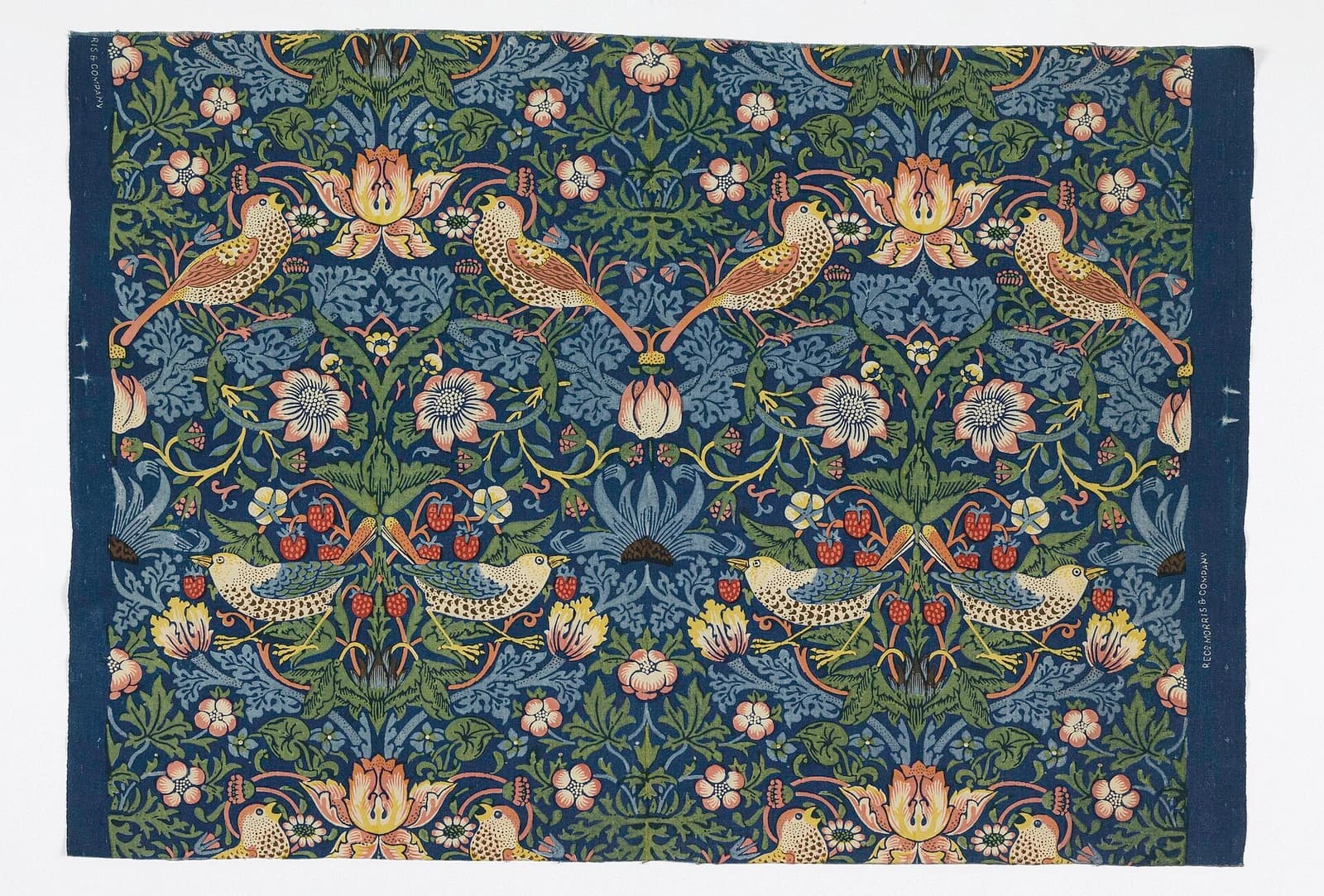
William Morris’s Strawberry Thief travels easily between an archive and everyday life. The important distinction is between the age of a design and the age of an object.
Read the noteDiscovery
An Opinel No.6 makes a modest proposition: useful material, a legible mechanism and a blade whose life depends on care.
Read the noteDiscovery
A century after its 1926 opening, the Bauhaus Building in Dessau is still a useful place to ask how an institution makes its ideas visible.
Read the noteDiscovery
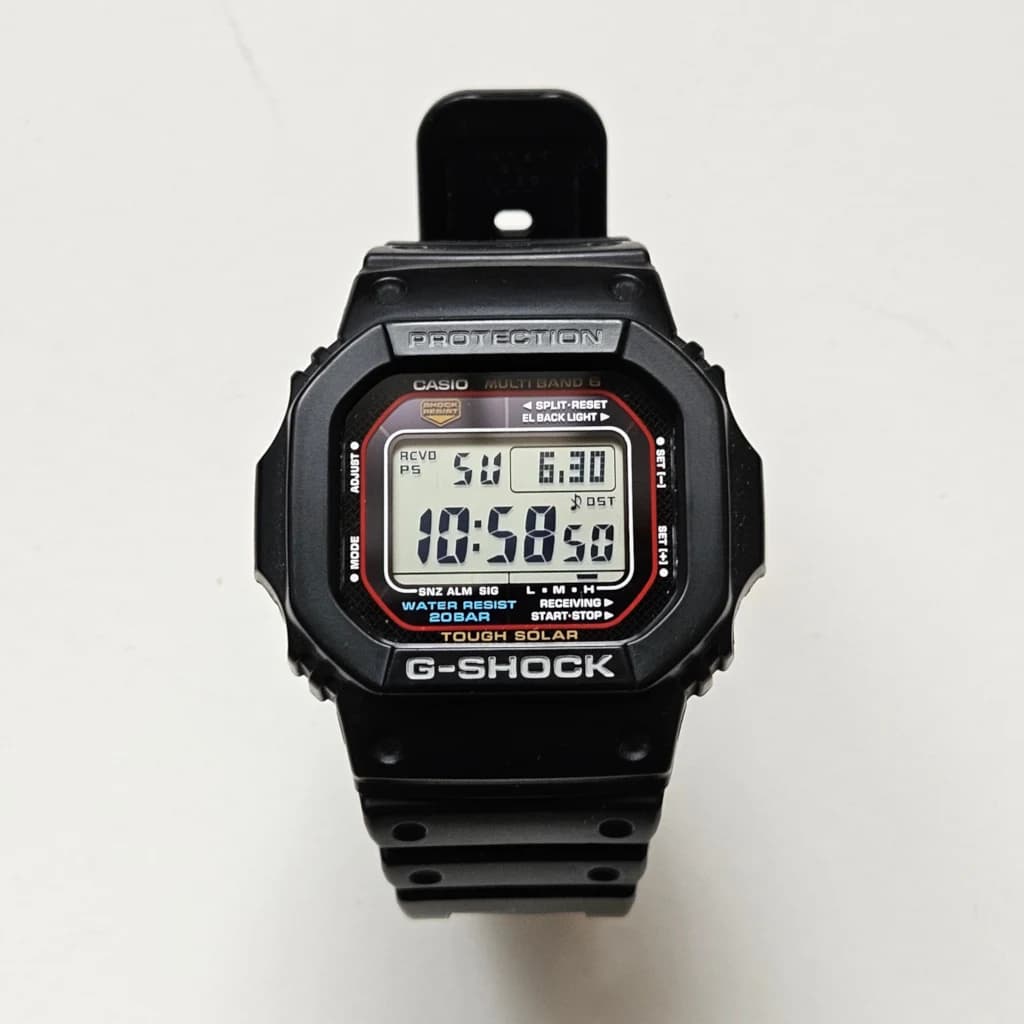
The Casio G-SHOCK GW-M5610 makes a strong case for looking at what a watch does before asking what anyone else thinks of it.
Read the noteDiscovery
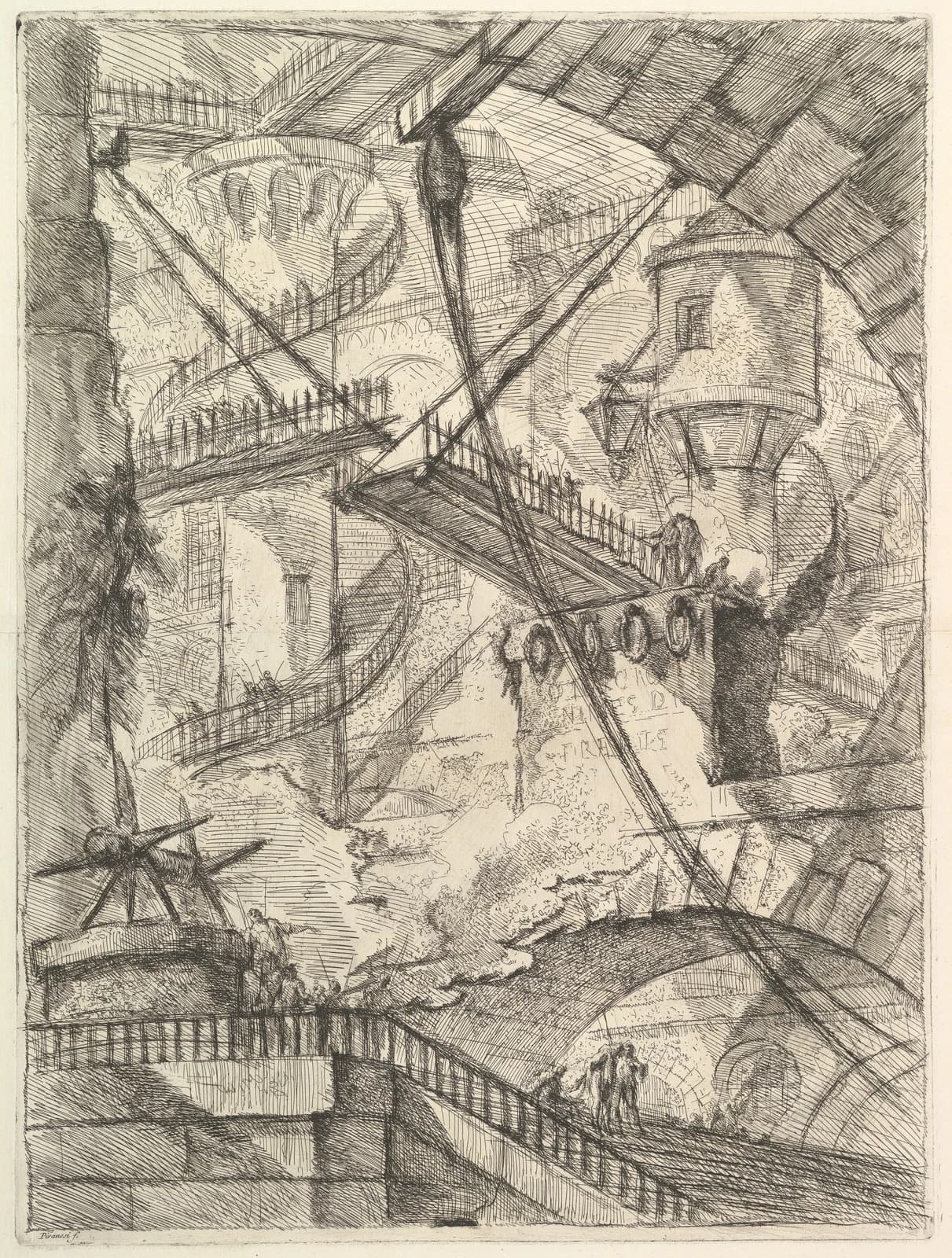
Piranesi’s imaginary prisons turn a sheet of paper into an impossible interior. They also teach a precise distinction between an image, a print and its state.
Read the noteDiscovery
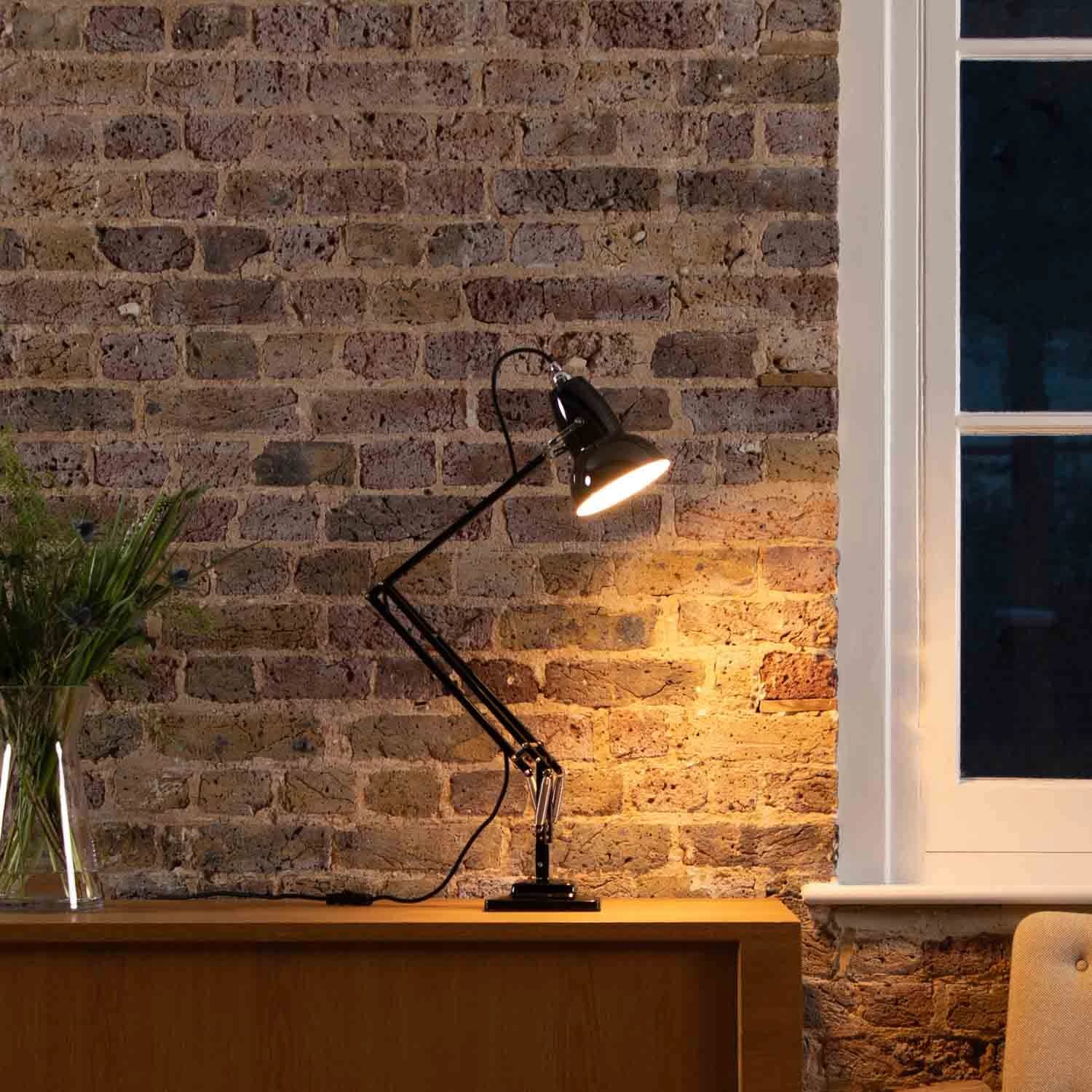
The Anglepoise Original 1227 connects a familiar silhouette to something less visible: a way to keep it working.
Read the noteDiscovery
At Sesc Pompeia in São Paulo, Lina Bo Bardi made an existing industrial structure useful to an entirely different kind of city life.
Read the noteDiscovery
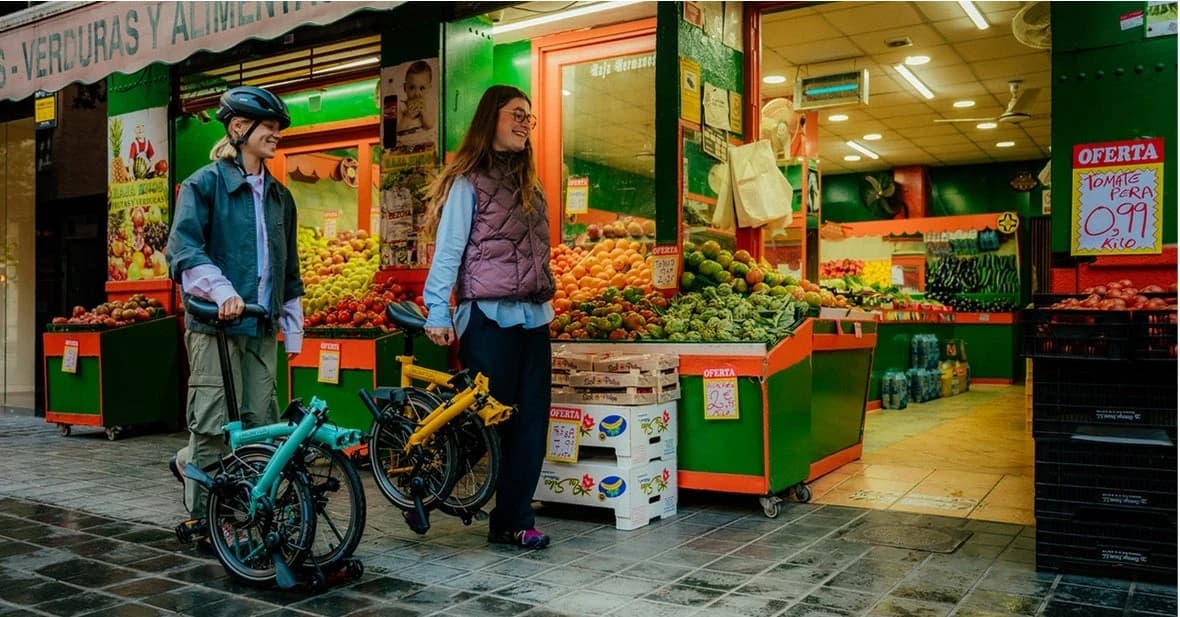
The Brompton C Line makes a persuasive case for judging a vehicle by what happens when you stop riding it.
Read the noteDiscovery
An adult throwing course at the Leach Pottery in St Ives offers something more durable than a souvenir: a different understanding of the handmade.
Read the noteDiscovery
The DS made comfort an engineering ambition. A surviving example only keeps that promise when the less photogenic work has been done.
Read the noteDiscovery
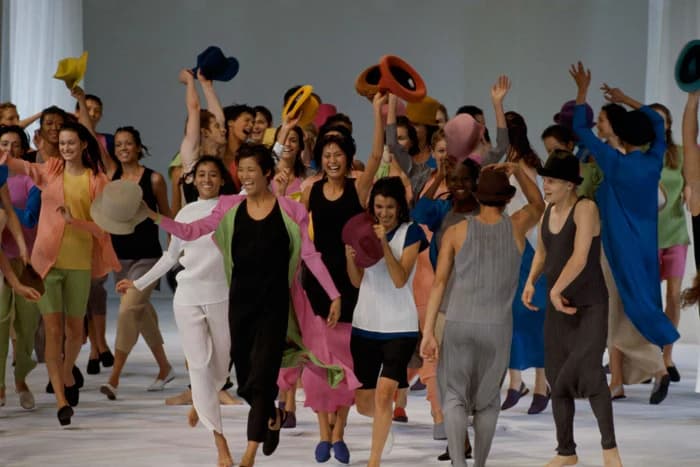
Pleats Please Issey Miyake made a manufacturing decision into a different relationship between clothing, movement and everyday care.
Read the noteDiscovery
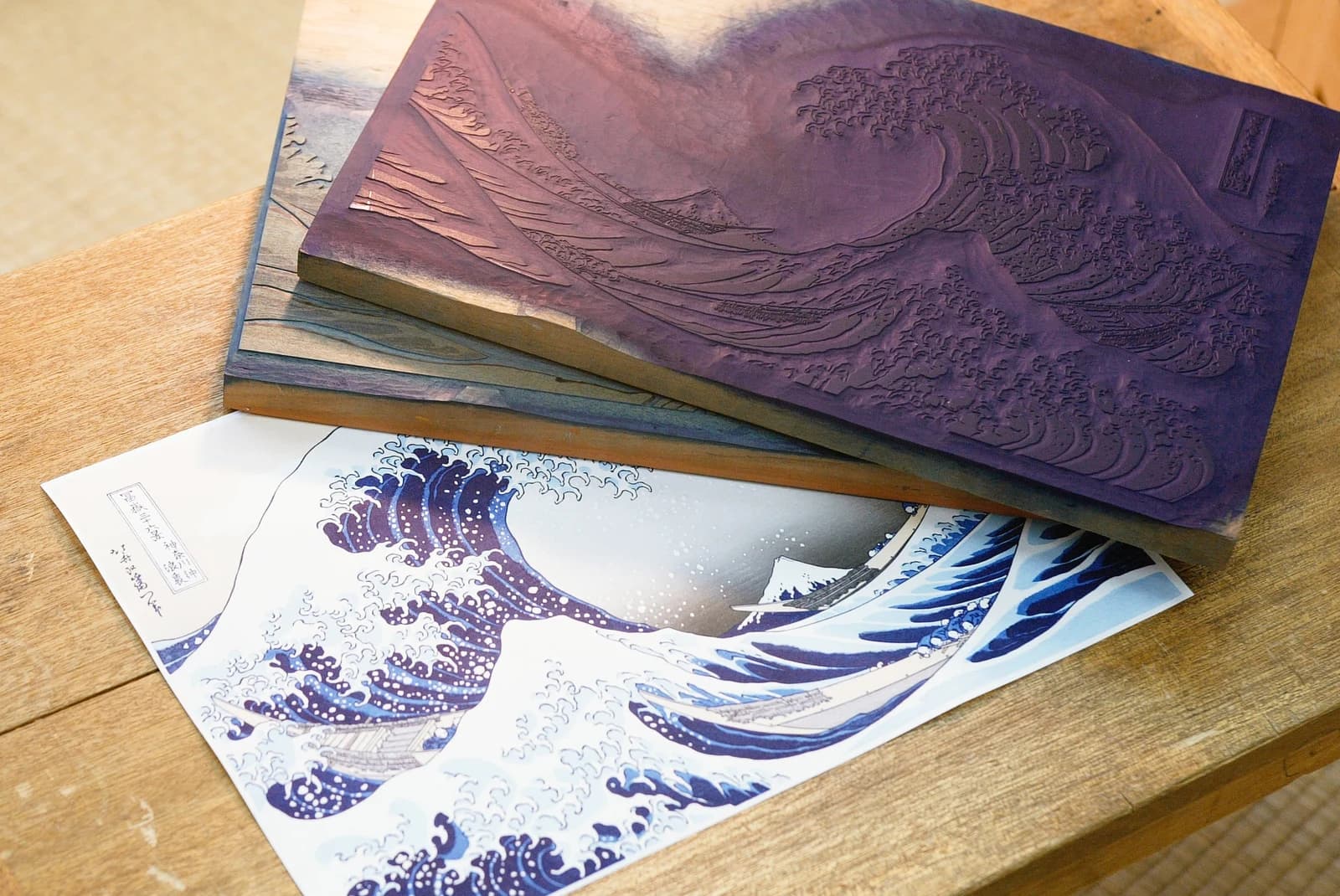
An Adachi reproduction of Hokusai’s Great Wave offers an honest route to owning the work of living carvers and printers, without pretending it is an Edo-period impression.
Read the noteDiscovery
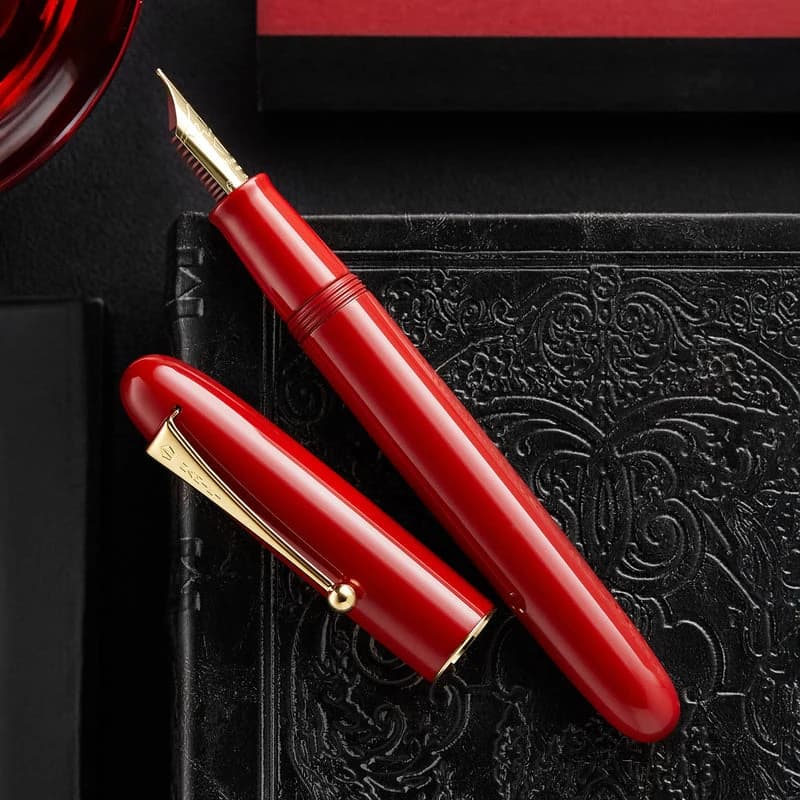
Namiki’s vermilion No.20 turns an everyday gesture into an encounter with Japanese lacquer.
Read the noteDiscovery
Hemmerle’s Harmony begins with a practical gesture, then makes room for extraordinary material combinations.
Read the noteDiscovery
Real wheat, gold leaf and a mechanical musical movement make an unexpected contemporary automaton.
Read the noteDiscovery
A bronze smoothing plane earns its place through the surfaces it makes and the skill it invites.
Read the noteDiscovery
The Cristal Baschet makes the boundary between musical instrument and sculpture feel surprisingly unnecessary.
Read the noteDiscovery
A handmade globe makes the familiar map strange again, without changing the planet.
Read the noteDiscovery
Adolf Loos’s 1931 glassware hides its most elaborate work where you might least expect it.
Read the noteDiscovery
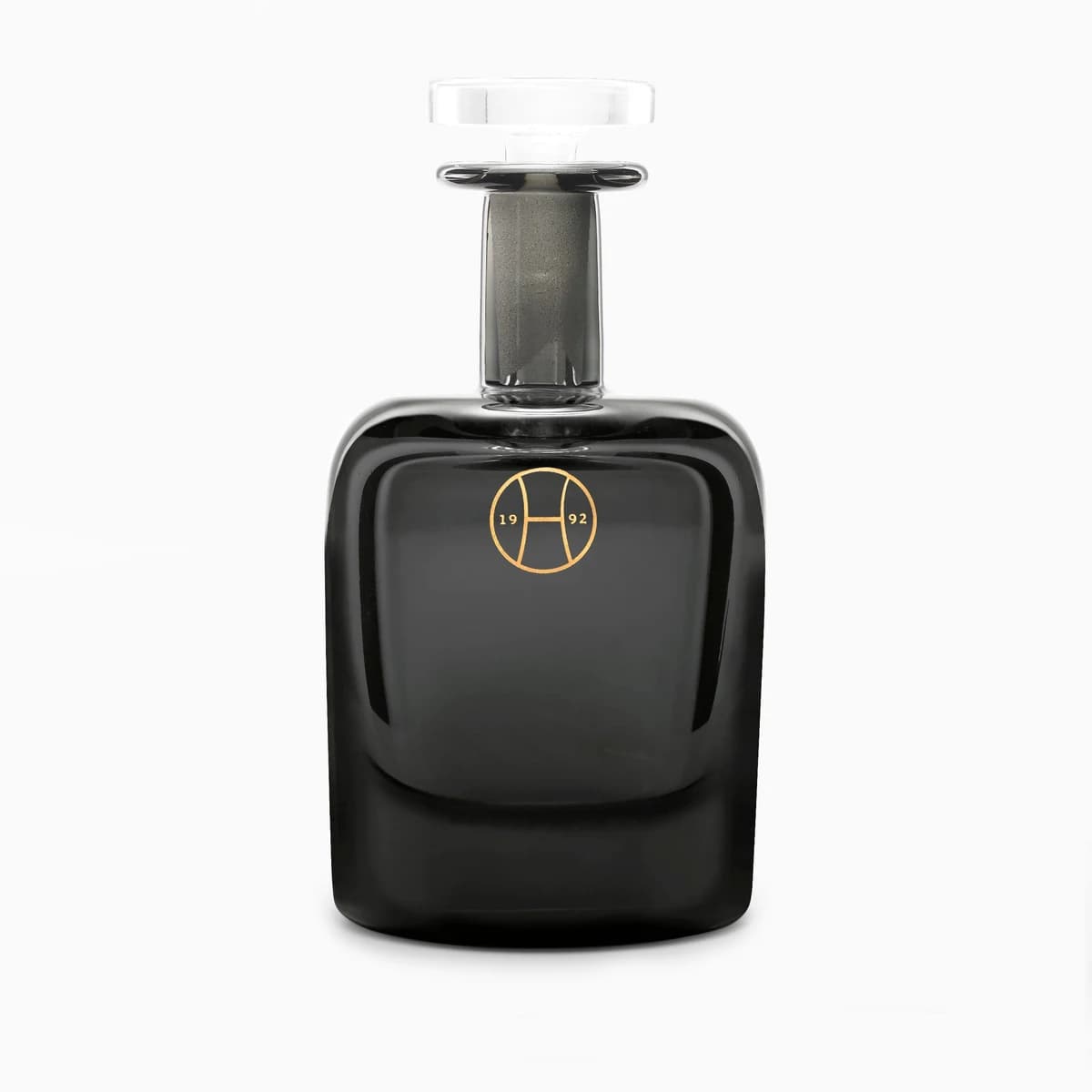
Perfumer H separates the life of a fragrance from the life of the vessel that holds it.
Read the noteDiscovery
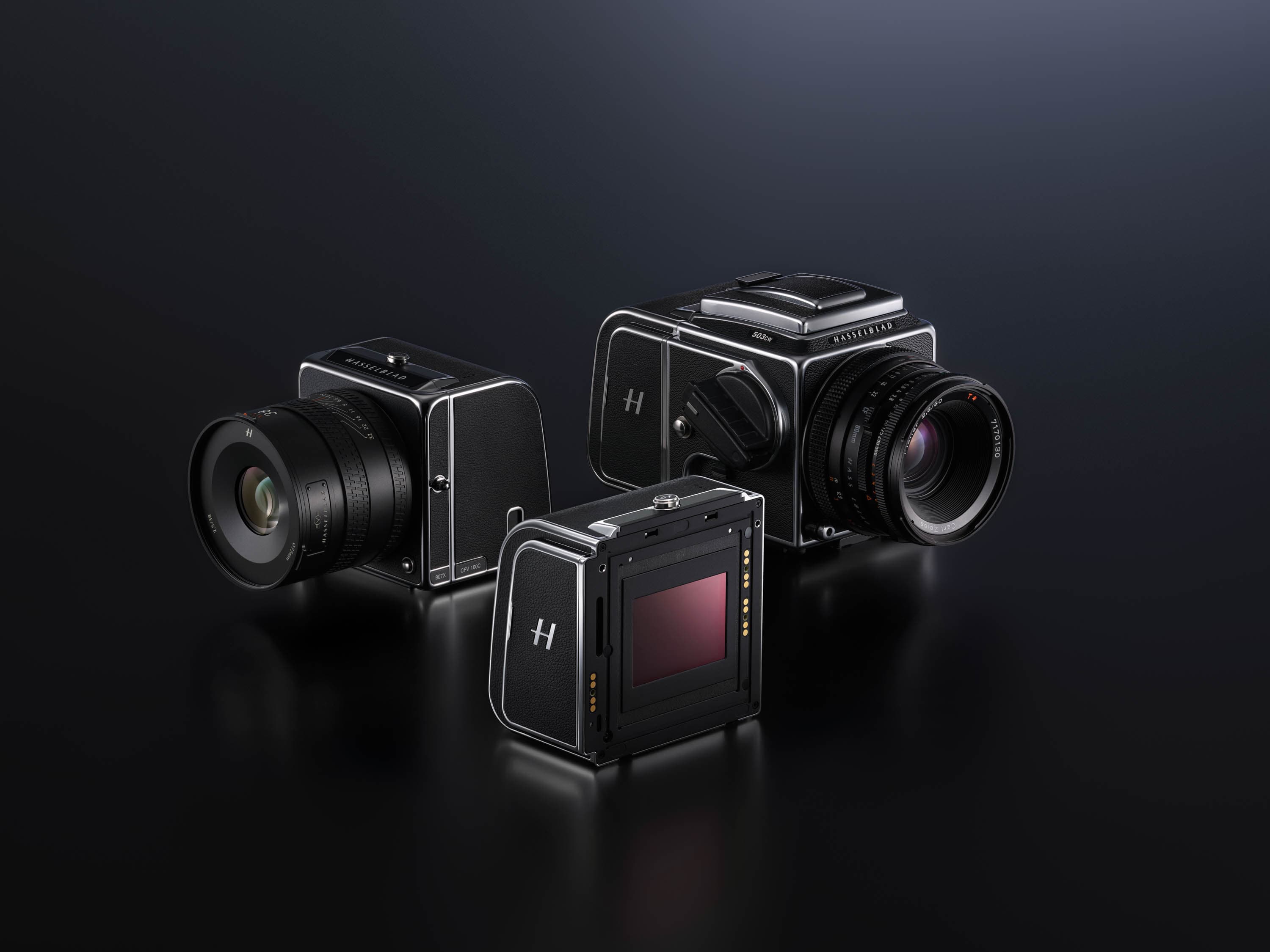
Hasselblad’s CFV 100C gives a classic V System camera a serious digital future without erasing what made it distinct.
Read the noteDiscovery
The Moulton NS D-Pylon makes compact wheels, suspension and a separable frame part of one enduring engineering idea.
Read the noteOn the calendar
Keiji Onihira’s small makie box makes a changing natural scene visible through layers of lacquer and metal powder.
Read the noteDiscovery
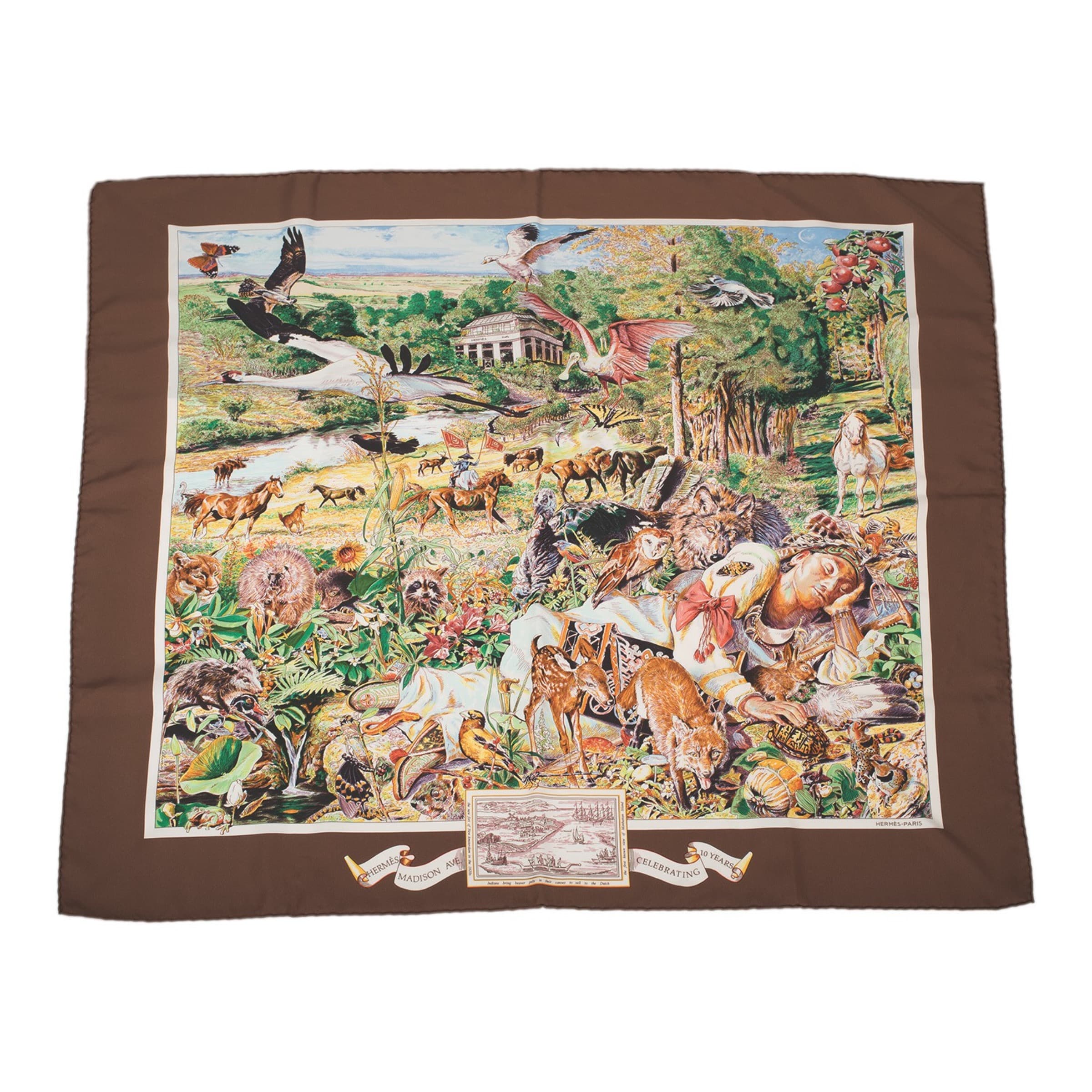
Kermit Oliver’s Madison Avenue scarf shows how an authored image can matter more than the familiar luxury name around it.
Read the noteDiscovery
The Frafra Tapestry project translates a family compound in northern Ghana into a work woven by the people who know its spaces.
Read the noteDiscovery
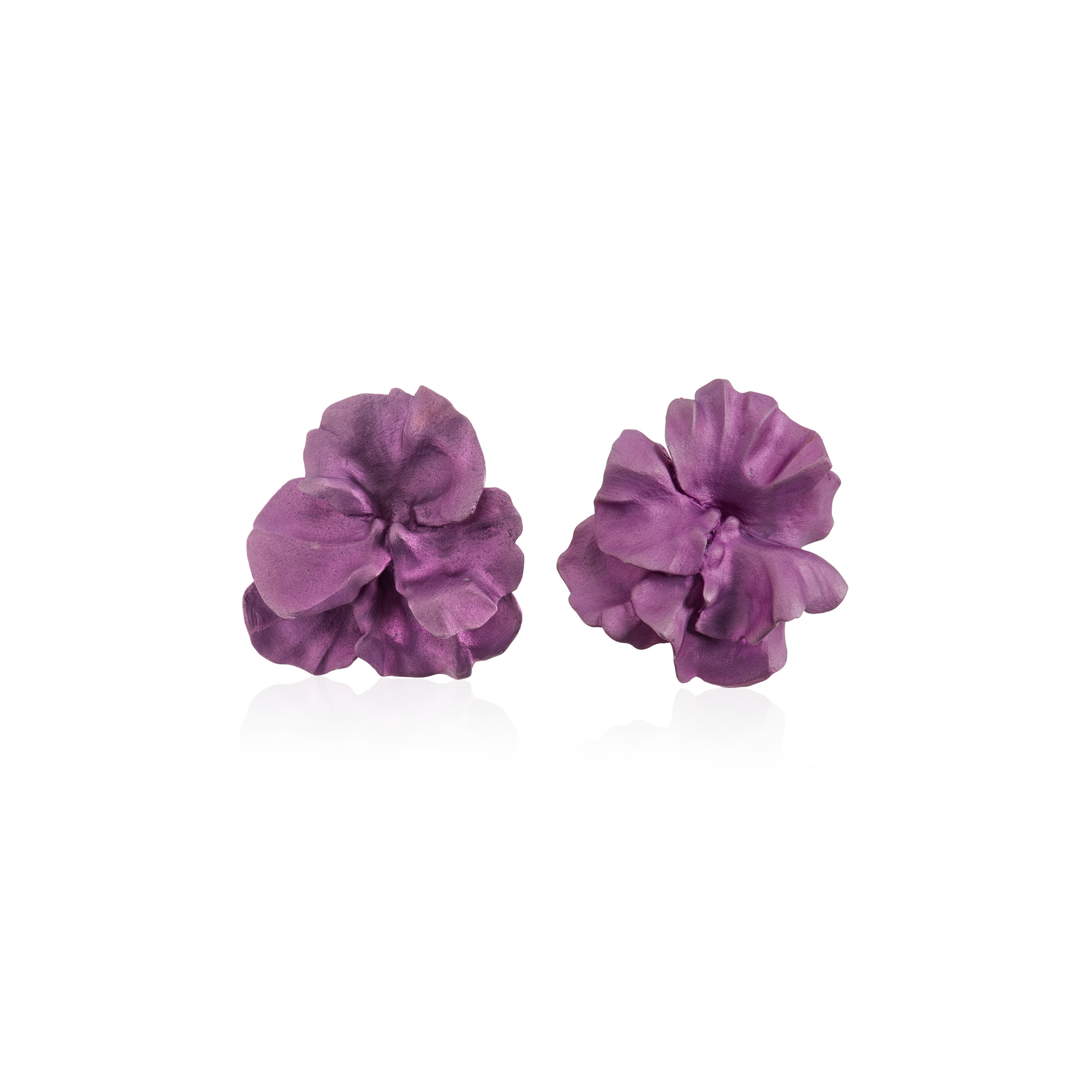
A pair of JAR earrings turns aluminium into a lesson about authorship, provenance and the limits of material value.
Read the noteDiscovery
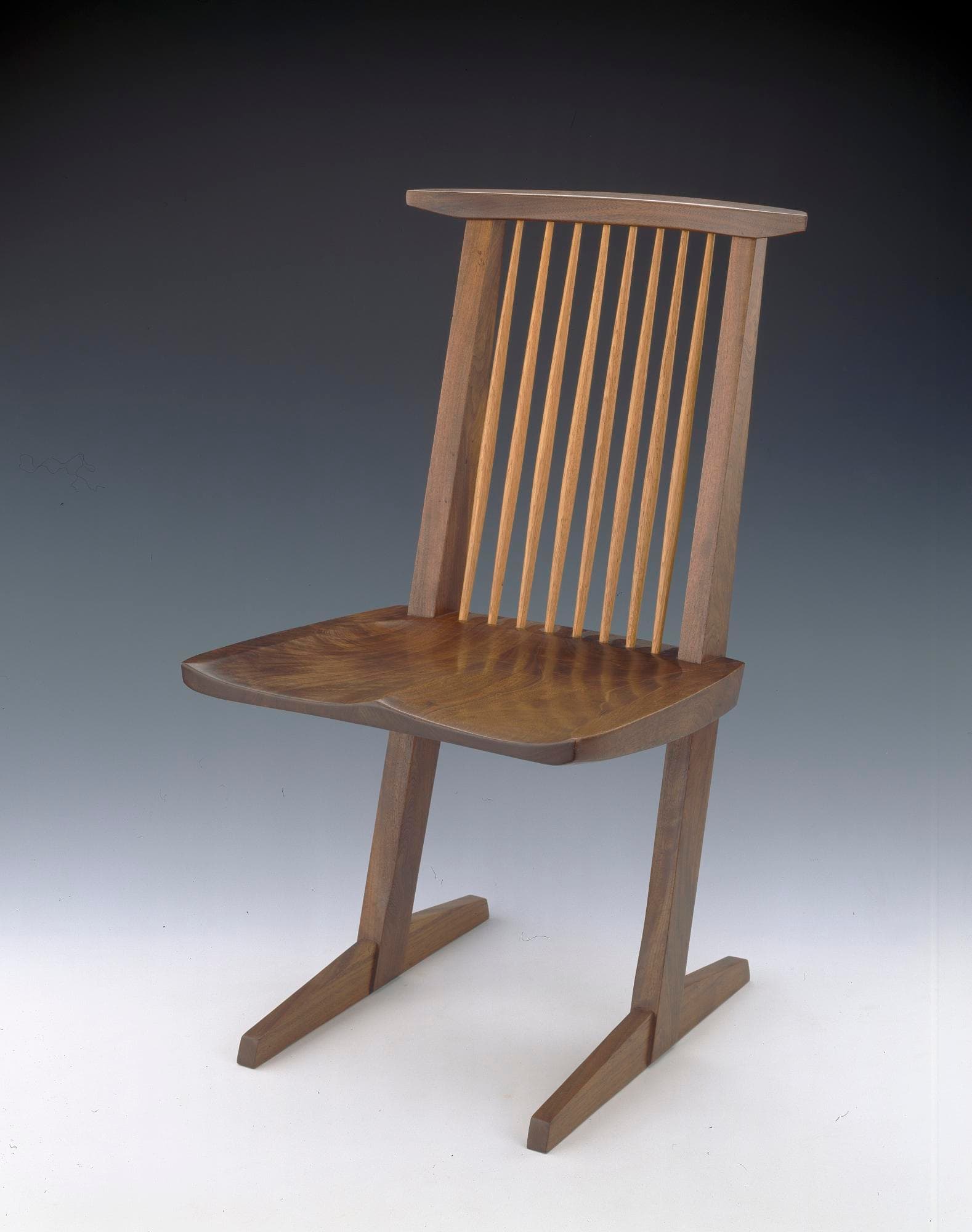
A Nakashima chair invites two kinds of looking: at the wood itself, and at the record of its making.
Read the noteDiscovery
At E-1027, Eileen Gray made furniture, privacy and the movement of daily life part of the architecture.
Read the noteDiscovery
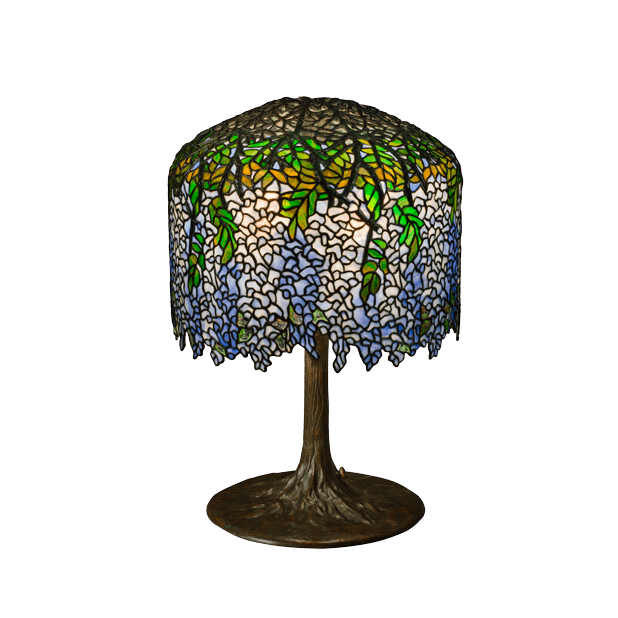
Clara Driscoll’s design offers a more precise way to see one of Tiffany Studios’ most recognisable lamps.
Read the noteDiscovery
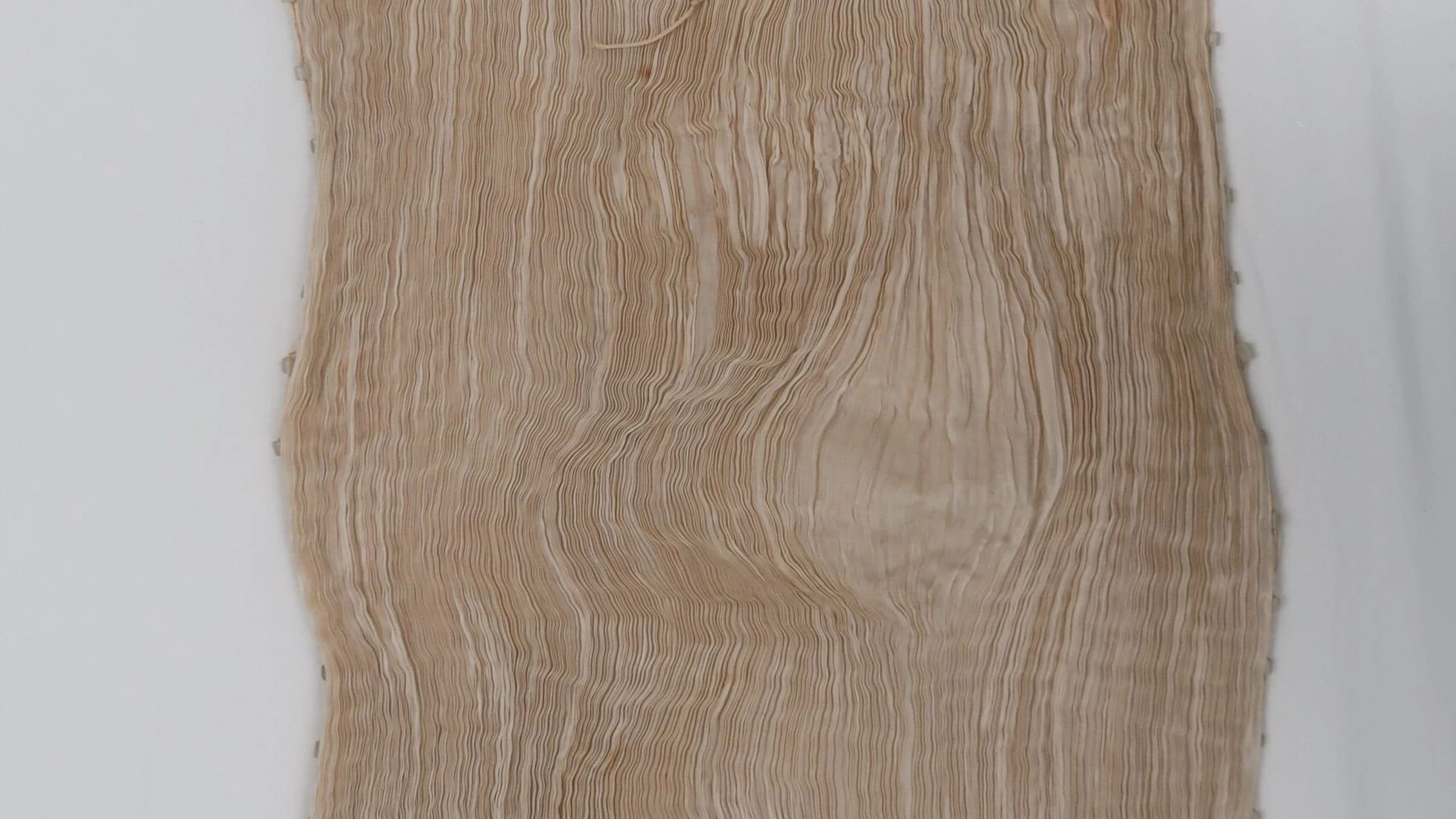
A damaged Fortuny Delphos gown has recovered its extraordinary pleats. The repair reveals how much knowledge can live inside a surface.
Read the noteDiscovery
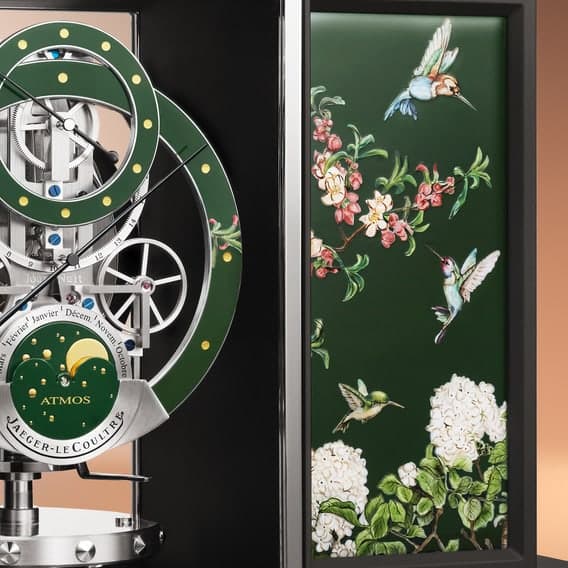
The Jaeger-LeCoultre Atmos draws energy from small changes in temperature. In 2026, an old mechanism becomes a new object of art.
Read the noteOn the calendar
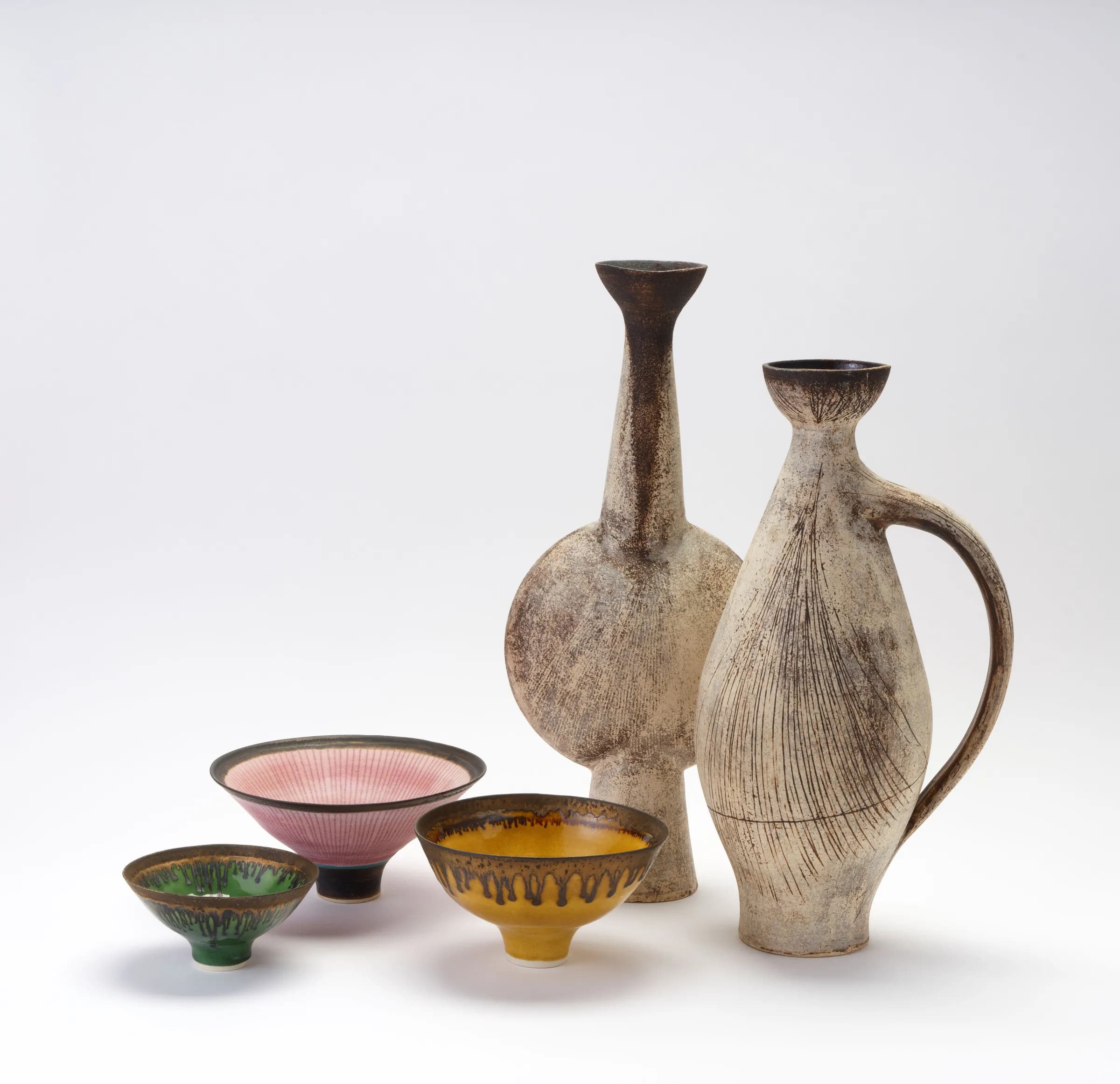
More than 200 works bring Lucie Rie and Hans Coper back into the same rooms. A chance to learn how two quiet forms changed British ceramics.
Read the noteDiscovery
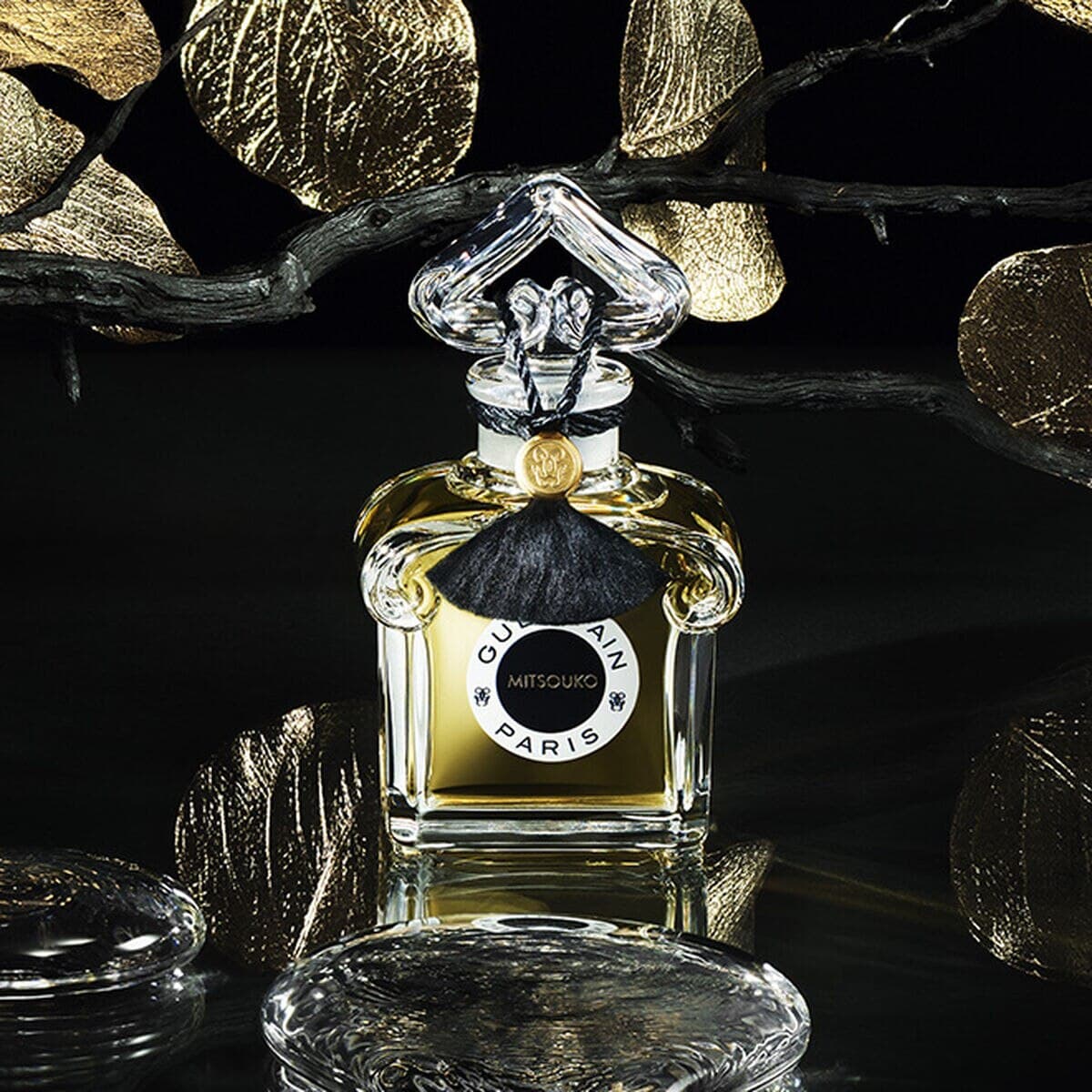
Guerlain’s Mitsouko began in 1919 and now exists through new bottles, materials and interpretations. Continuity in perfume is never as simple as an old name.
Read the noteDiscovery
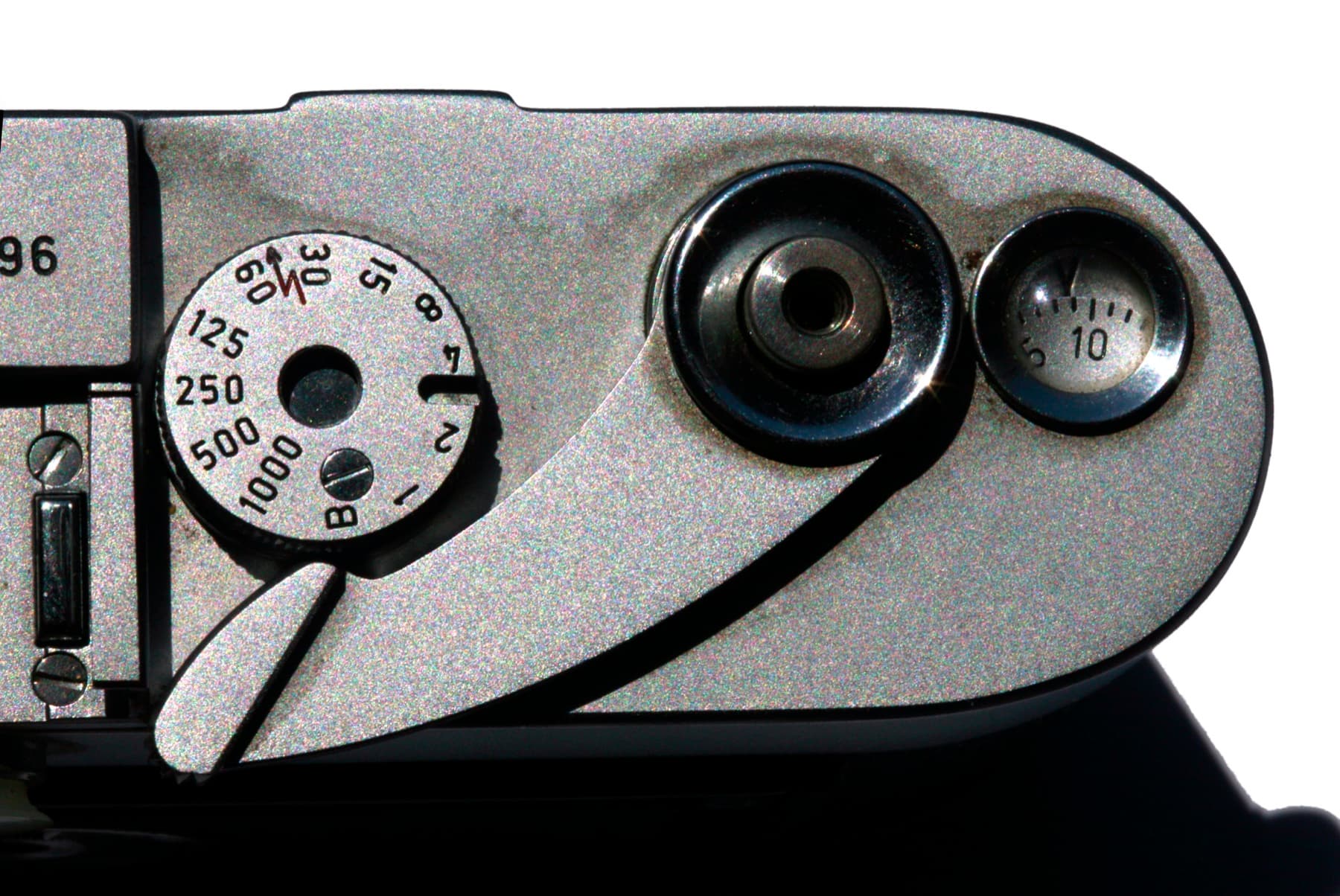
The Leica M3 arrived in 1954 with a new bayonet mount and rangefinder system. Its lasting importance lives in a working ecosystem, not a shelf.
Read the noteDiscovery
Alvar Aalto’s Stool 60 has stayed in production since 1933 with three legs, a round seat and one structural idea worth repeating.
Read the noteDiscovery
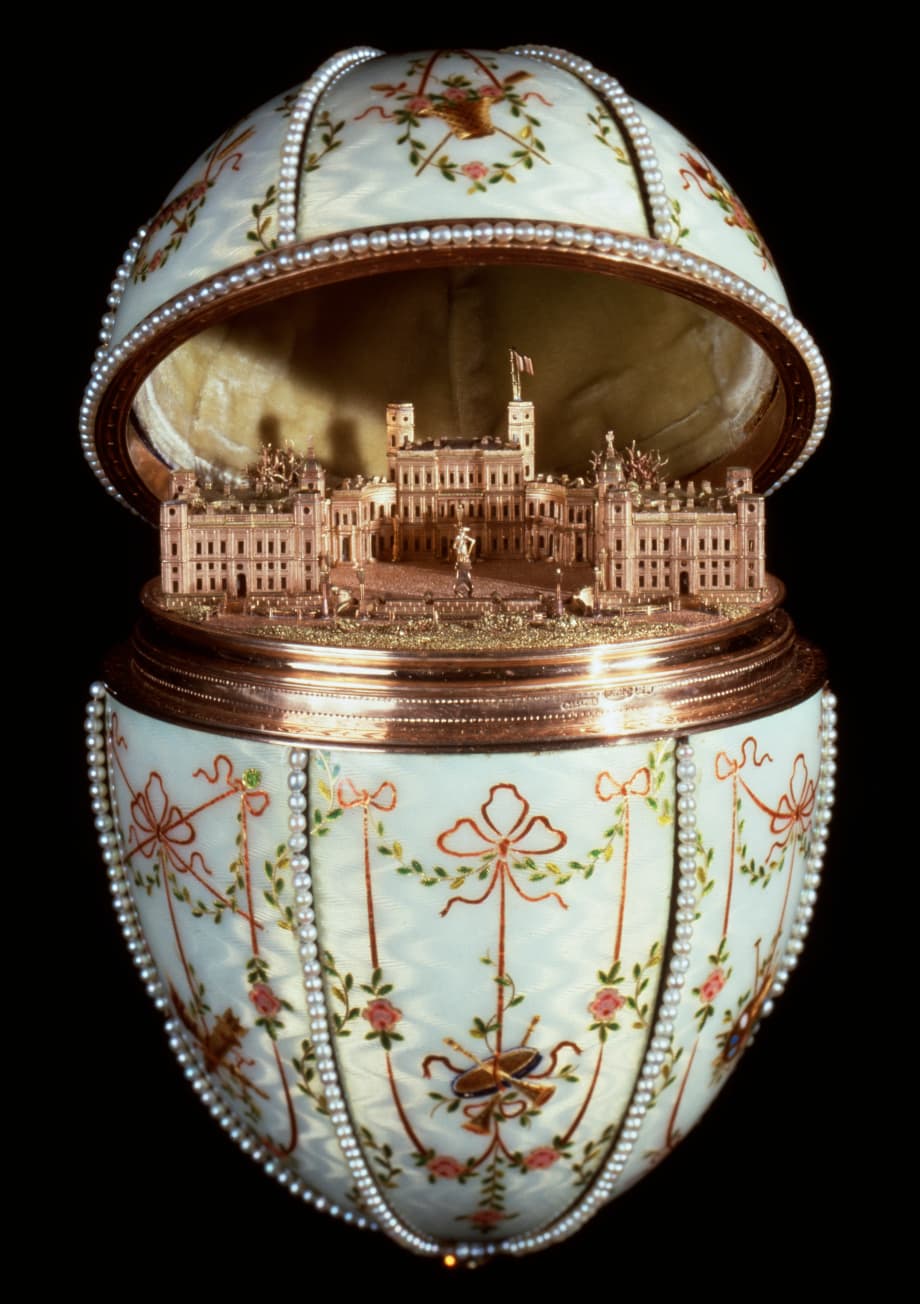
A gold palace, down to its cannons and trees, inside an egg just 12.7 centimetres high. What makes this Fabergé more than its precious materials?
Read the noteDiscovery
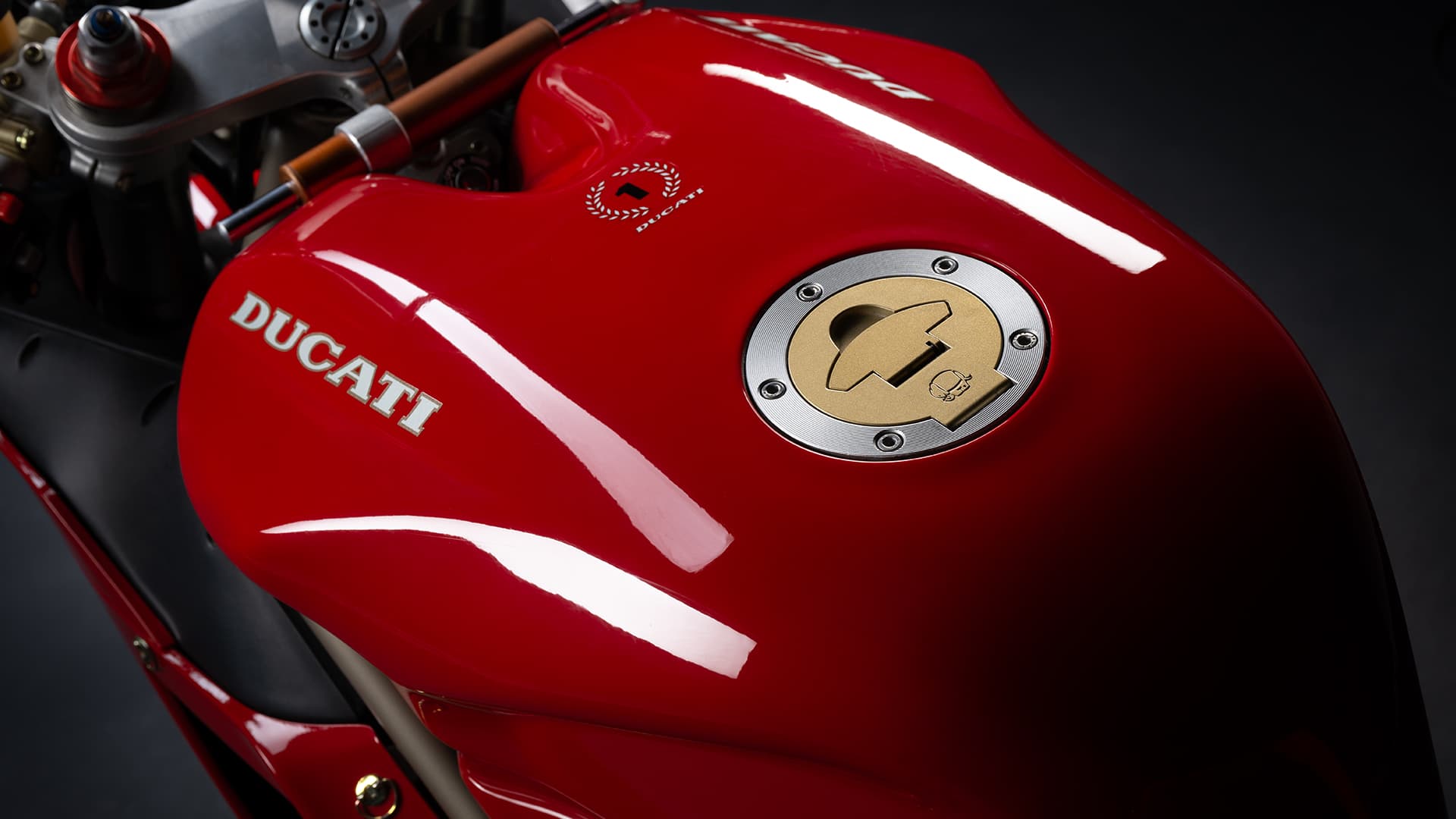
With the Ducati 916, Massimo Tamburini made performance and proportion difficult to separate. The story begins with looking closely.
Read the noteDiscovery
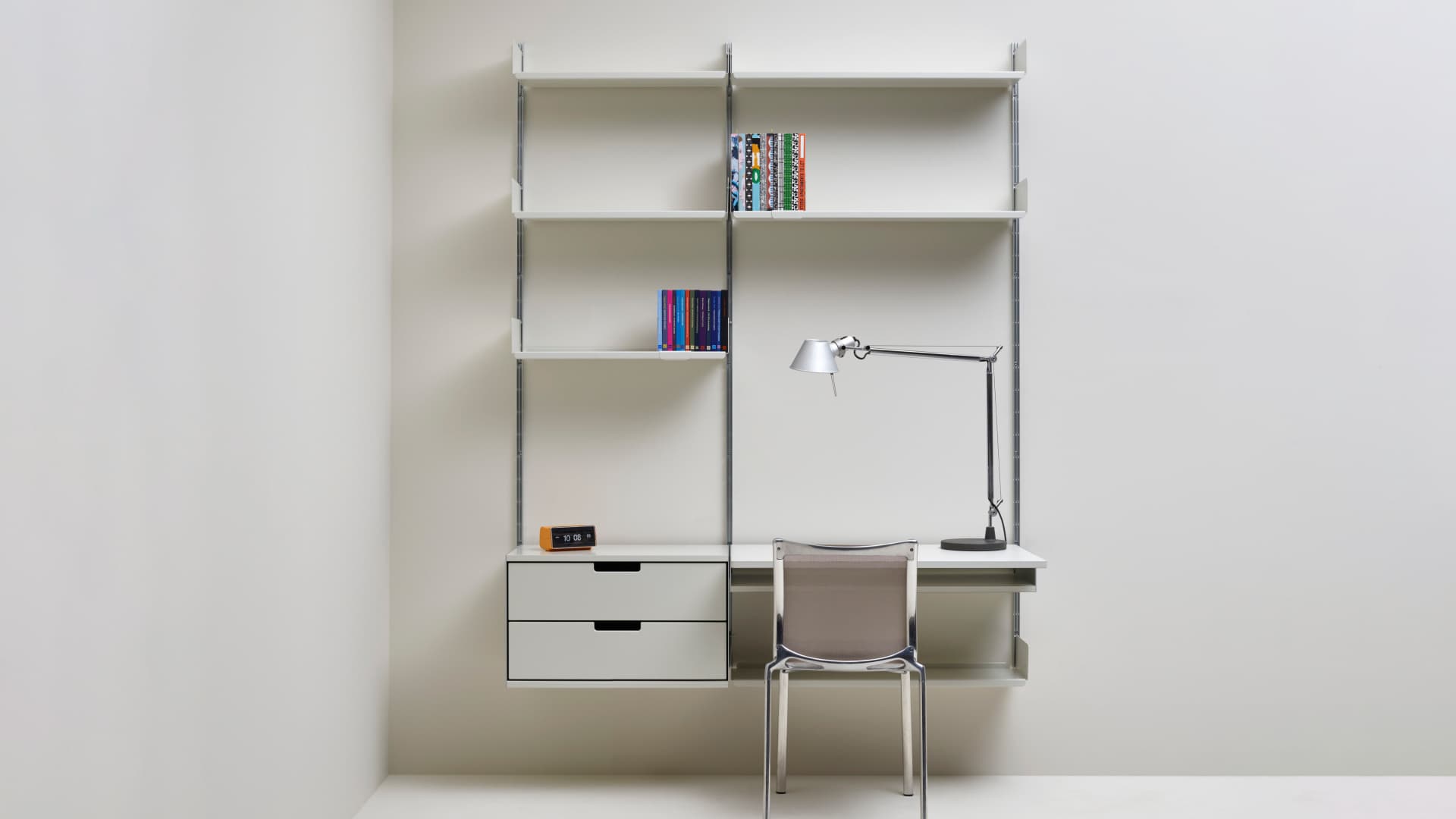
A shelf, a workspace, a different home. Dieter Rams’s 606 system makes the ability to change part of what you buy.
Read the noteDiscovery
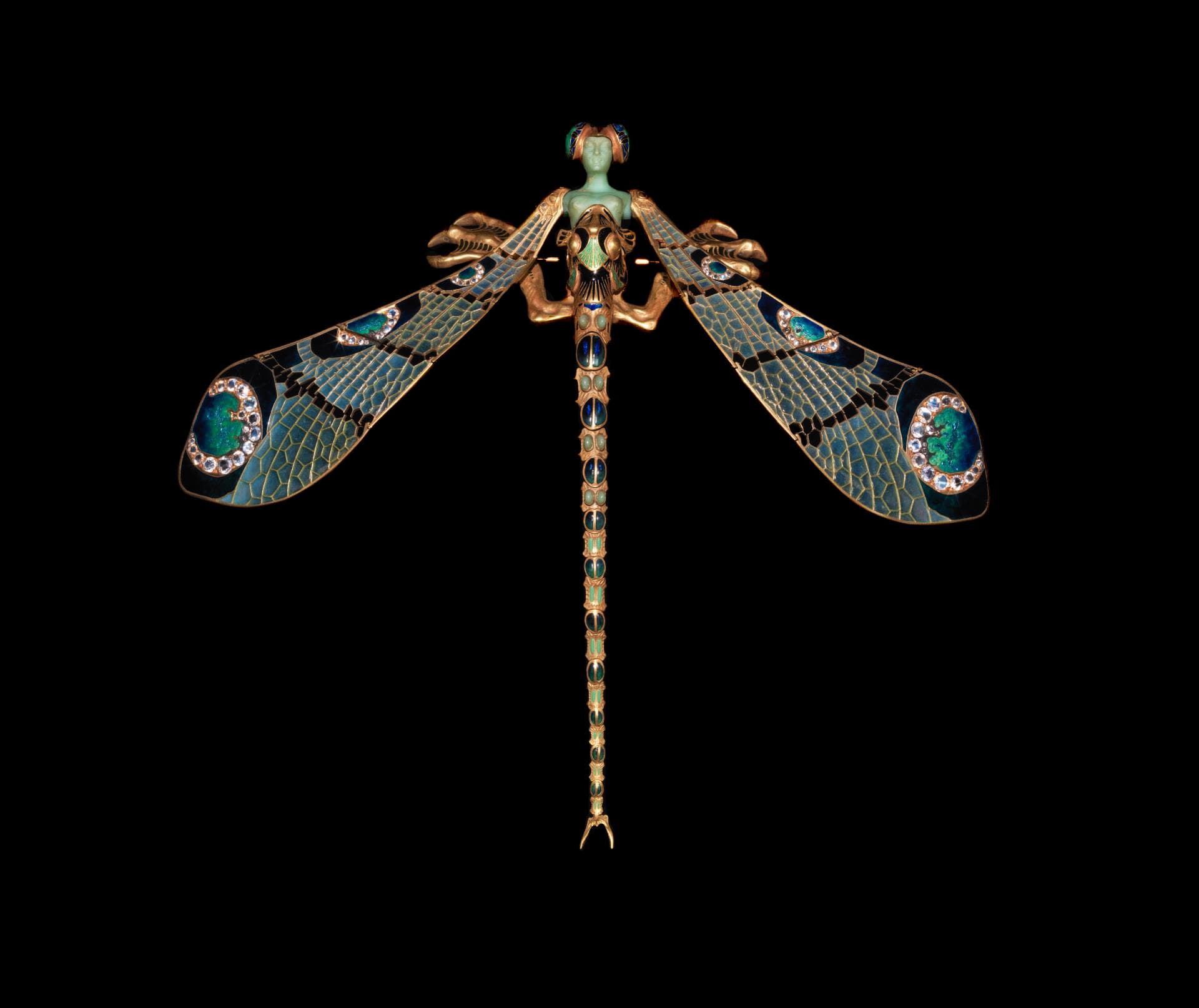
René Lalique’s dragonfly-woman makes a jewel feel closer to a small, unsettling work of theatre than a display of precious stones.
Read the note