DISCOVERY / Clocks & Watchmaking
A clock wound by the room.
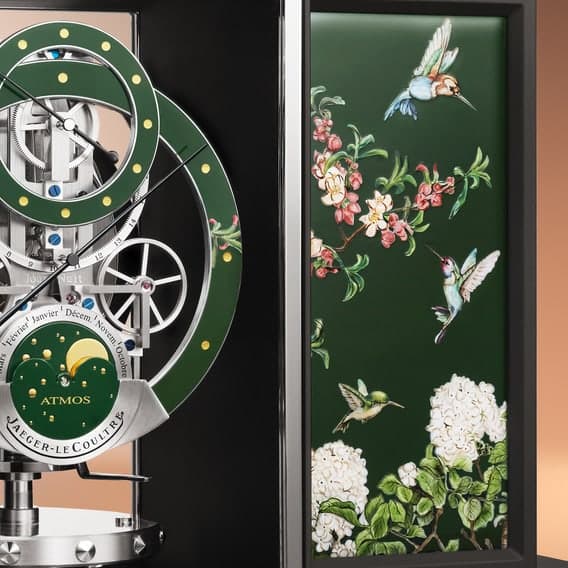
The Jaeger-LeCoultre Atmos draws energy from small changes in temperature. In 2026, an old mechanism becomes a new object of art.
Published 13 September 2026 · WHV · Public-source editorial note
An Atmos clock appears to wait inside its glass cabinet. No one winds it each morning. Its energy arrives from the room itself, through the small temperature changes that happen around it. The result feels magical because the mechanism needs so little to continue moving.
The capsule that breathes
Jaeger-LeCoultre traces the idea to the Swiss engineer Jean-Léon Reutter in 1928. A hermetically sealed, gas-filled capsule expands and contracts as the ambient temperature changes. That movement acts through a membrane to wind the mainspring. Thermal energy becomes mechanical energy slowly enough for the balance wheel to oscillate once each minute.
The mechanism determines the object’s architecture. It needs very little energy and sits open to view, so the cabinet became a place for designers and decorative artists to work. For 2026, the manufacturer presented one version with miniature Grand Feu enamel and another built around blue-toned wood marquetry, both framing the same Calibre 582.
An old idea with new surfaces
What holds value is a technical idea strong enough to survive reinterpretation. The new surfaces do not explain the mechanism, but they can deepen the encounter with it when execution, proportion and movement remain coherent. Limited production alone says little about a later market. A compelling Atmos must still be a convincing clock.
Identify the exact calibre, case and edition before comparing examples. Inspect whether the cabinet is level, the movement is stable and the service history is credible. Jaeger-LeCoultre documents a complete service route for Atmos clocks, which matters because apparent effortlessness is supported by specialist work.
Source and context.
Jaeger-LeCoultre: Atmos Régulateur Enamel Colibris ↗
Jaeger-LeCoultre: complete service for an Atmos clock ↗
A source-led reading of the Atmos concept and two 2026 editions, not a review, appraisal or promise of continuous operation. Service needs, accuracy, condition and later value must be established for the individual clock.
Source checked 13 September 2026. WHV interpretation is distinct from the source’s account.
Source published 22 April 2026.
Explore Clocks & WatchmakingFOLLOW YOUR CURIOSITY
Where this leads.
Different subjects. A reason to connect them.
Continue the idea
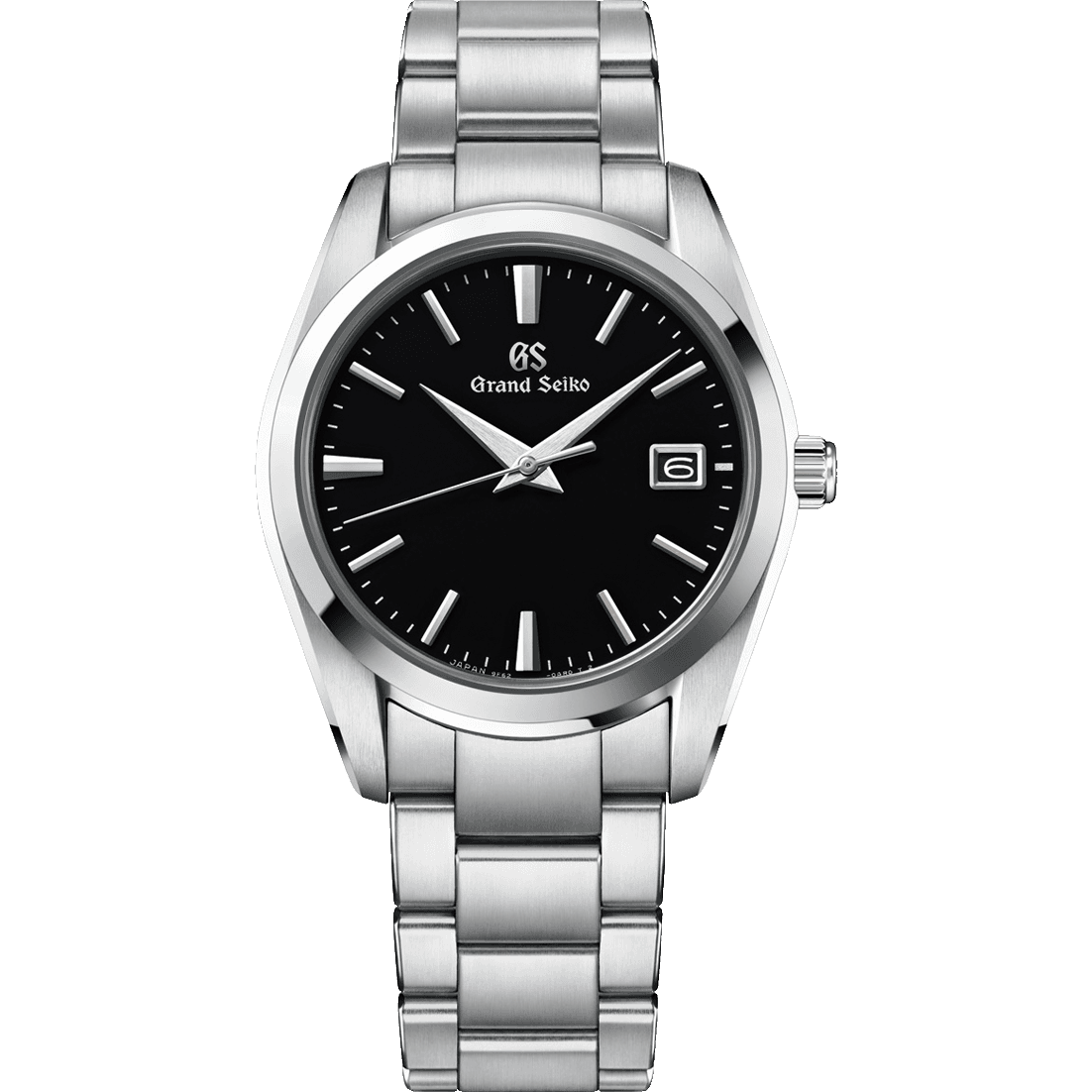
The case for quartz.
Two very different approaches ask how a timekeeper earns continuity beyond mechanical convention.
Watches
Read the story
Across the WHV world
The silk that remembers.
Decorative artistry meets a technical structure whose survival depends on specialist knowledge.
Fashion & Conservation
Read the story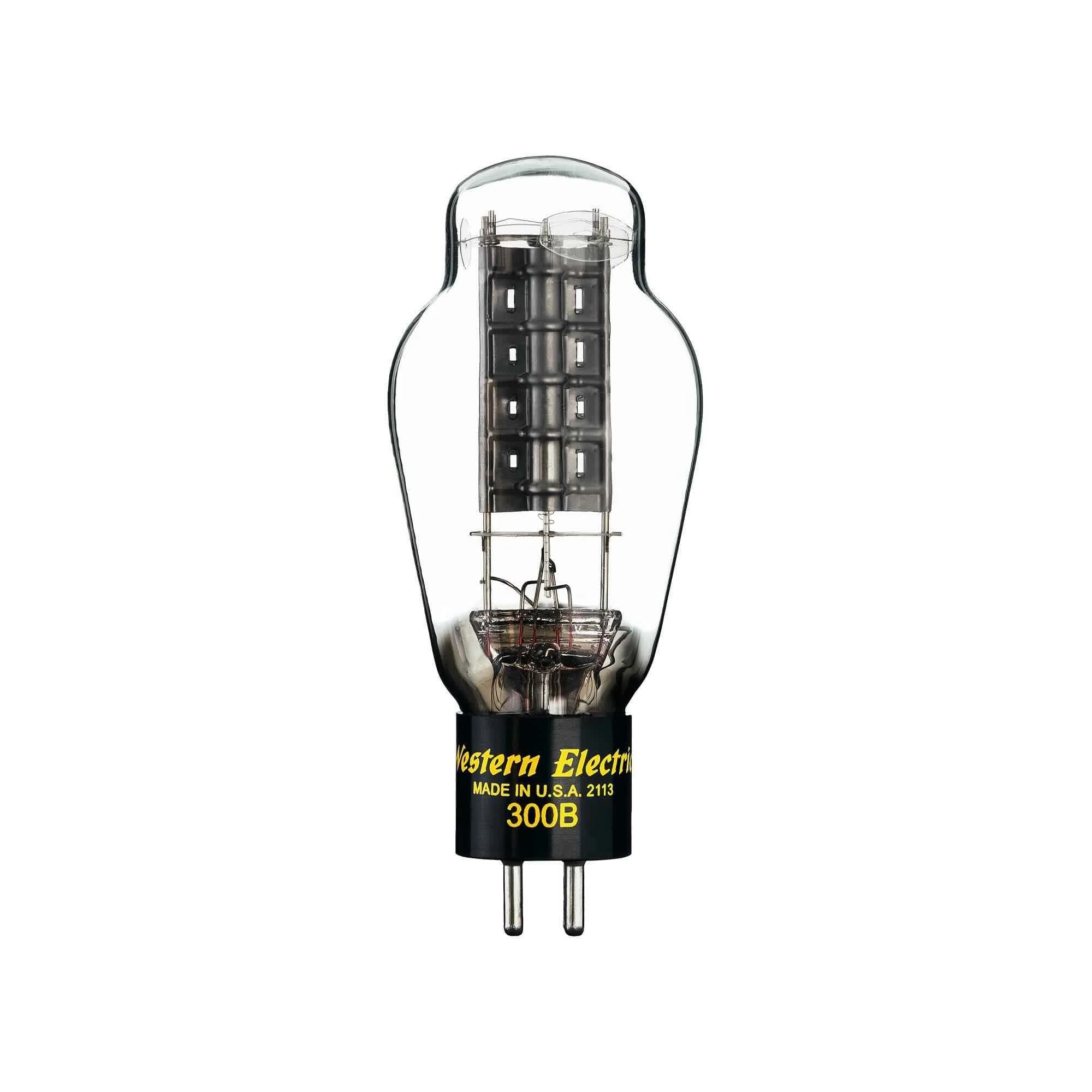
An unexpected connection
A small glass tube with a long afterlife.
A small technical component shows how continuing manufacture can preserve a much larger system.
Sound & Components
Read the story