DISCOVERY / Fashion & Conservation
The silk that remembers.
A damaged Fortuny Delphos gown has recovered its extraordinary pleats. The repair reveals how much knowledge can live inside a surface.
Published 13 September 2026 · WHV · Public-source editorial note
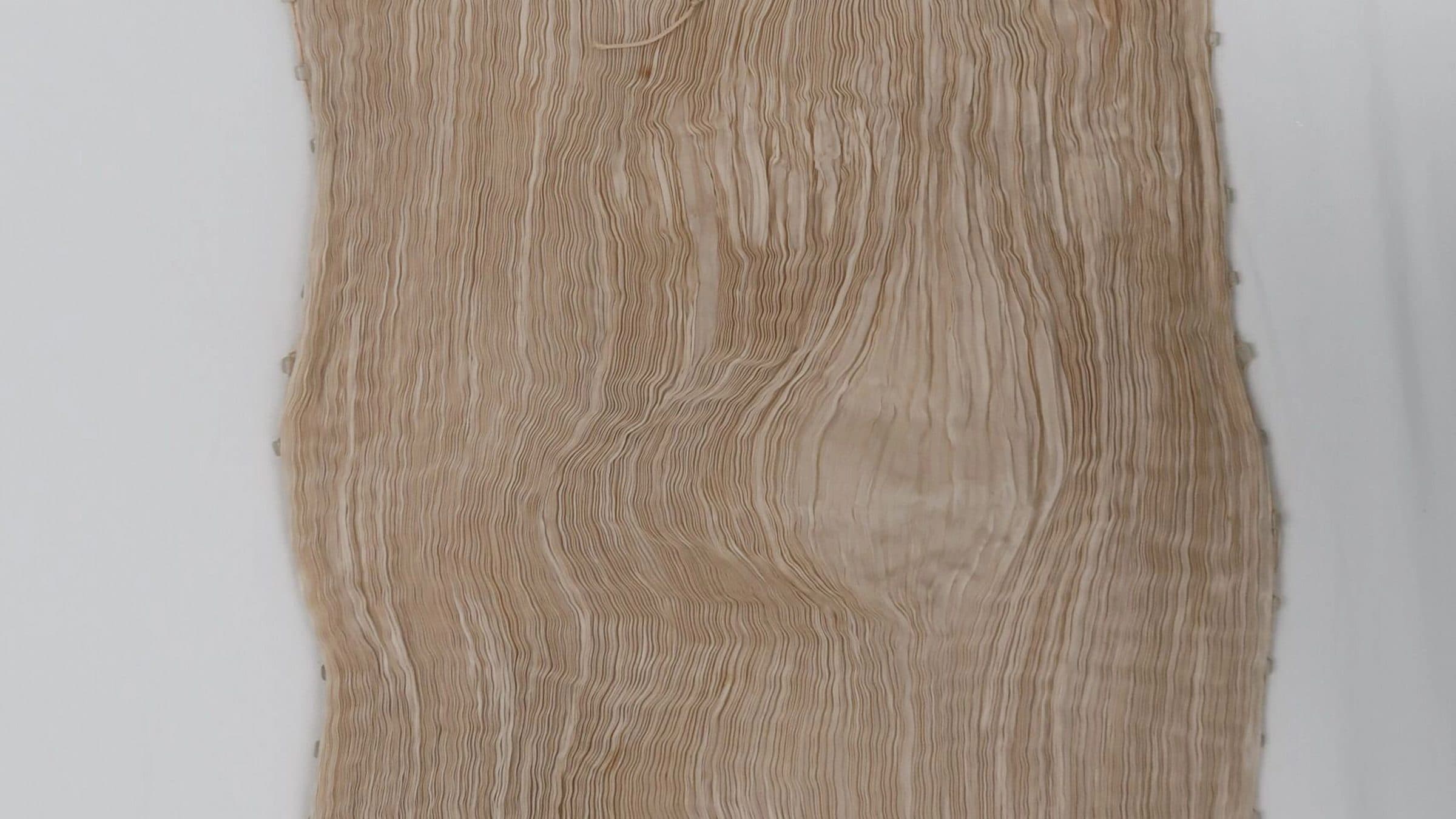
One area of a 1920s Delphos gown had gone quiet. Its fine pleats had relaxed at the hip, interrupting the movement that makes the dress immediately recognisable. In September 2026, a conservator at The Metropolitan Museum of Art described how that damaged area was carefully given its structure back.
A dress built from movement
The dress was invented in 1909 by Adèle Henriette Nigrin and Mariano Fortuny. The Met describes Japanese silk tussah, tiny irregular pleats and a horizontal wave that lets the fabric expand around the body. The silhouette was startlingly free for its time because it followed an uncorseted form rather than forcing the body into a rigid construction.
Its making is still not fully transparent. Fortuny’s patent credited Nigrin as the inventor and explained how to create the horizontal undulation, but it did not disclose how the vertical pleats were formed. Customers could once return dresses to the Fortuny workshop for re-pleating. That route has disappeared, leaving conservators to study the surviving object without pretending to possess the original recipe.
When the method is partly missing
The Met team first damaged modern silk samples and tested a sequence of stitching, controlled humidity and drying. Only then did the method touch the century-old gown. What holds value is the combination of authored form and recoverable knowledge. The treatment did not make the garment new. It restored enough structure for the original idea to become legible again.
For an individual Delphos, begin with identity, alterations, moisture exposure, fading, beads and provenance. Ask who has handled it and what a proposed treatment would change. A rare dress can be valuable as design, history and material evidence. Its most delicate feature is also the one that makes it matter.
Source and context.
The Metropolitan Museum of Art: Conserving the Delphos Gown ↗
The Met collection: Delphos, 1920s, object 2005.328 ↗
A reading of The Met’s conservation account, not advice to re-pleat a historic garment. The photographed museum dress is not offered for sale, and WHV has not examined another Delphos or assessed its authenticity, condition or price.
Source checked 13 September 2026. WHV interpretation is distinct from the source’s account.
Source published 1 September 2026.
Explore Fashion & ConservationFOLLOW YOUR CURIOSITY
Where this leads.
Different subjects. A reason to connect them.
Continue the idea
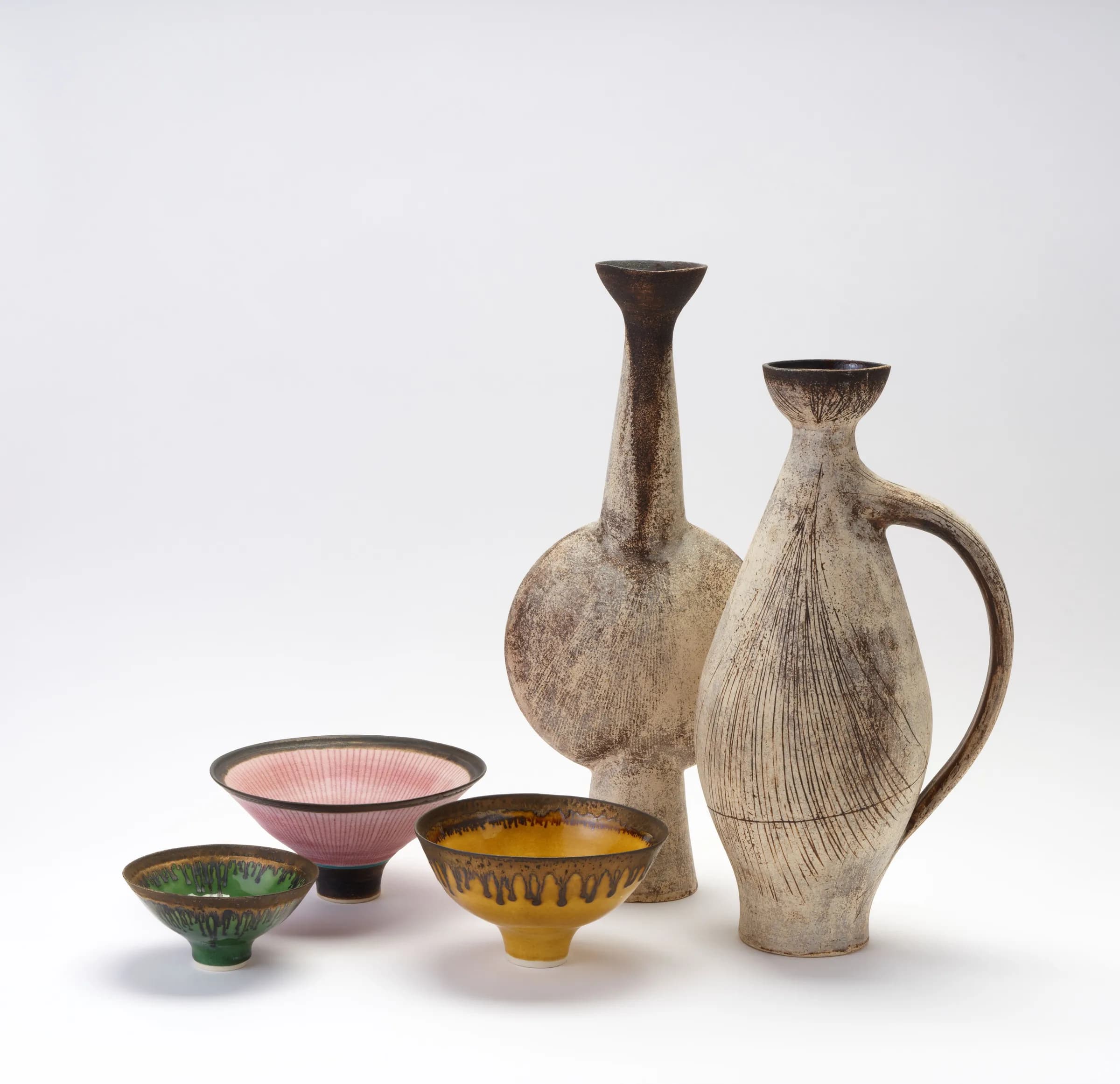
What a bowl can hold.
Compare two authored surfaces whose meaning becomes clearer through material knowledge and close observation.
Ceramics
Read the story
Across the WHV world
The bag with a way back.
Move from conserving an exceptional dress to the practical care and repair of an enduring personal object.
Bags & Style
Read the story
An unexpected connection
A system that can follow you.
A useful contrast between preserving a fragile object and designing one to adapt through repeated use.
Objects & Design
Read the story