DISCOVERY / Jewellery & Art
When a jewel becomes a creature.
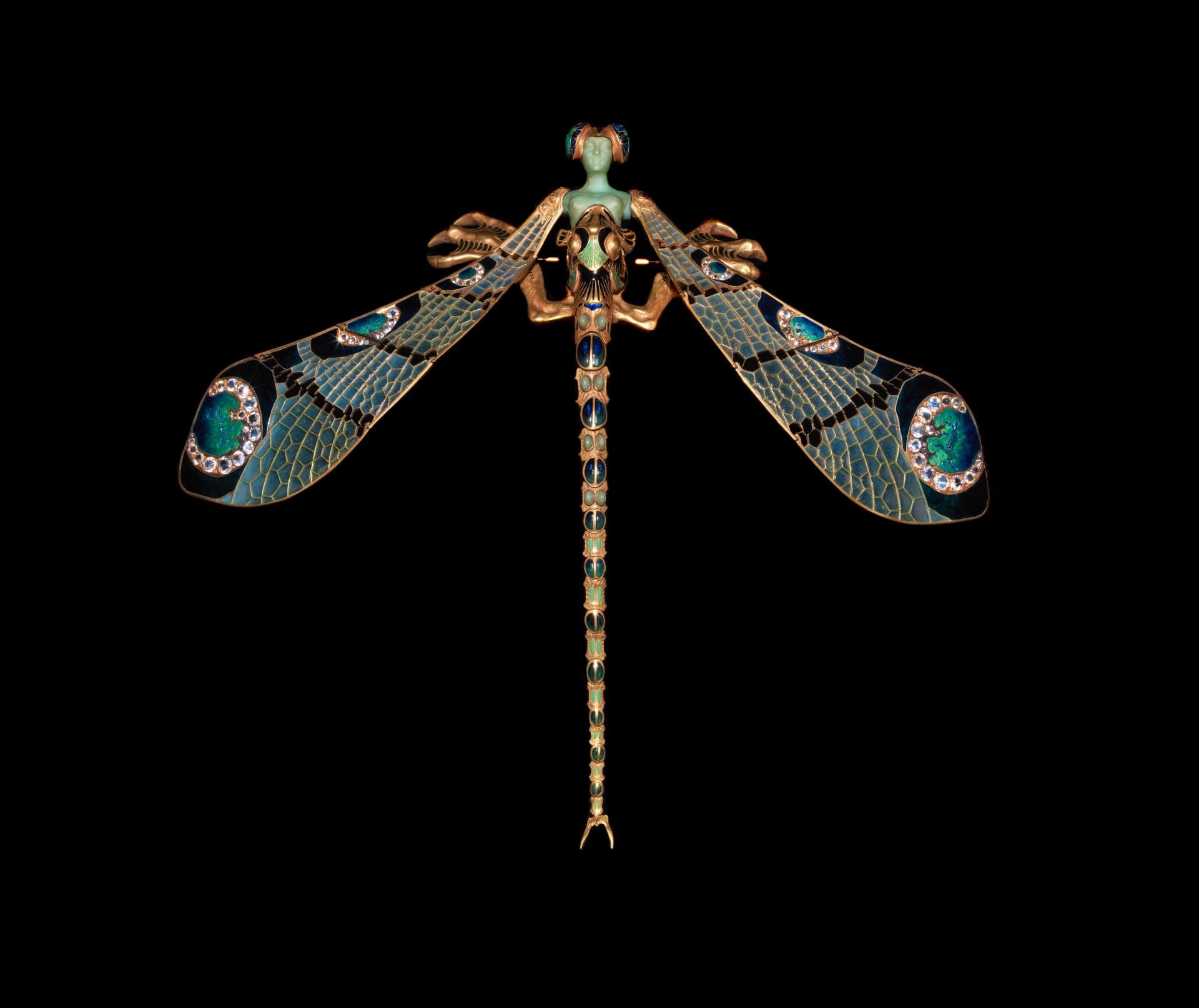
René Lalique’s dragonfly-woman makes a jewel feel closer to a small, unsettling work of theatre than a display of precious stones.
Published 12 September 2026 · WHV · Public-source editorial note
First the wings, then the woman. René Lalique’s Dragonfly corsage ornament, dated by the Gulbenkian Museum to around 1897–1898, holds a human figure within an insect-like creature. It is beautiful without being entirely comfortable. It is an object that rewards a second look rather than immediate agreement.
The museum records gold, enamel, diamonds, chrysoprase and chalcedony. Articulated wings add movement to the composition. The green female bust gives it a strangely living centre. Shown at the Paris Exposition in 1900, the ornament entered Gulbenkian’s collection through a purchase from Lalique in 1903.
Here is a useful way to widen the idea of jewellery. Materials matter, but so do an artist’s imagination, an unfamiliar subject and the precision of the work. Ask what the piece makes possible that its raw ingredients do not. That question travels well beyond a museum: it can change how we look at a contemporary jewel, a flacon or a small object encountered without a famous name.
Source and context.
Museu Calouste Gulbenkian: Dragonfly corsage ornament, inventory 1197 ↗
A museum-collection reading, not an object offered for sale or a valuation. The documented authorship and acquisition history of this ornament do not authenticate another piece attributed to Lalique.
Source checked 12 September 2026. WHV interpretation is distinct from the source’s account.
Explore Jewellery & ArtFOLLOW YOUR CURIOSITY
Where this leads.
Different subjects. A reason to connect them.
Continue the idea
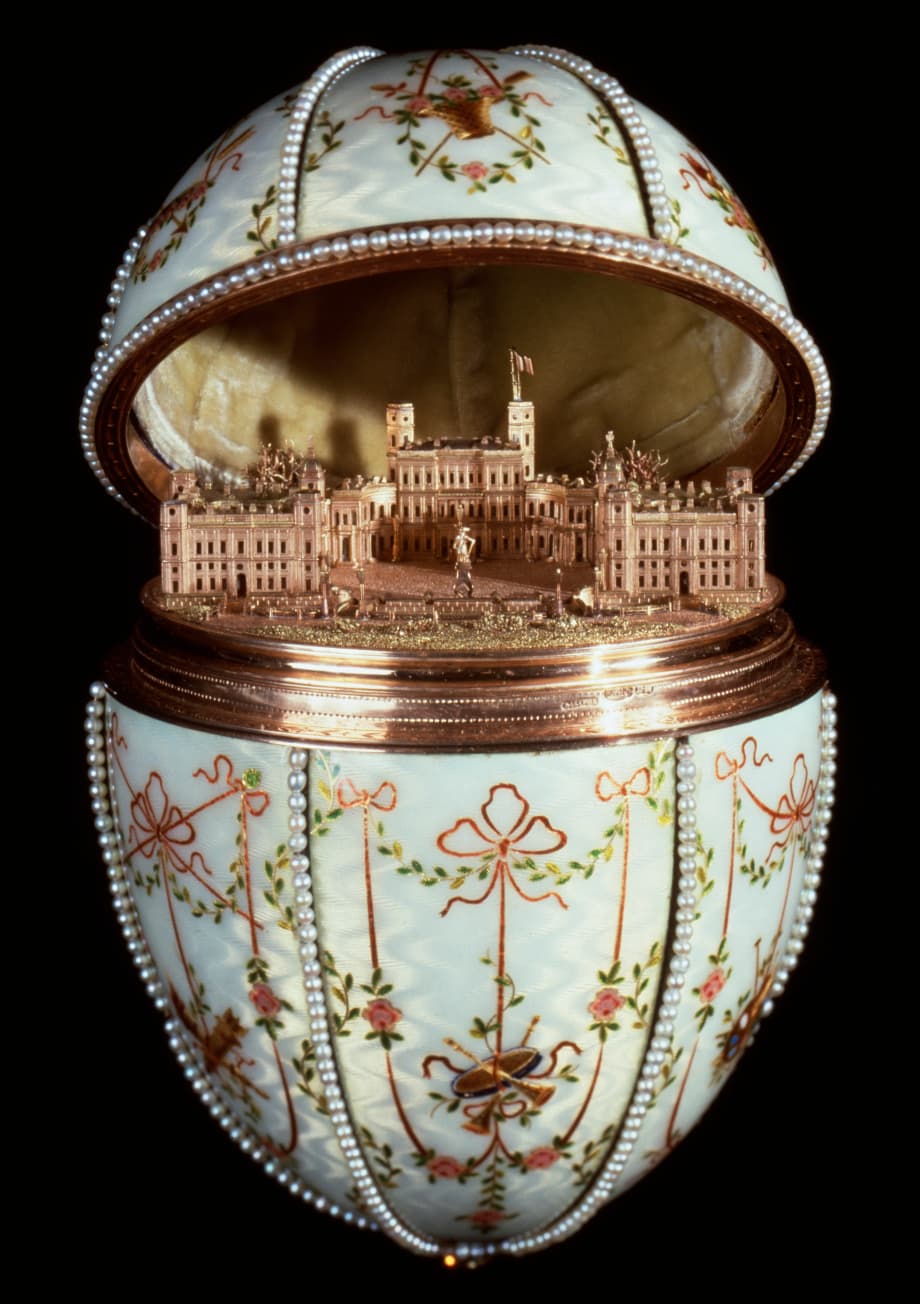
A palace inside an egg.
Another extraordinary object that opens up through workmanship and close looking.
Jewellery & Decorative Arts
Read the story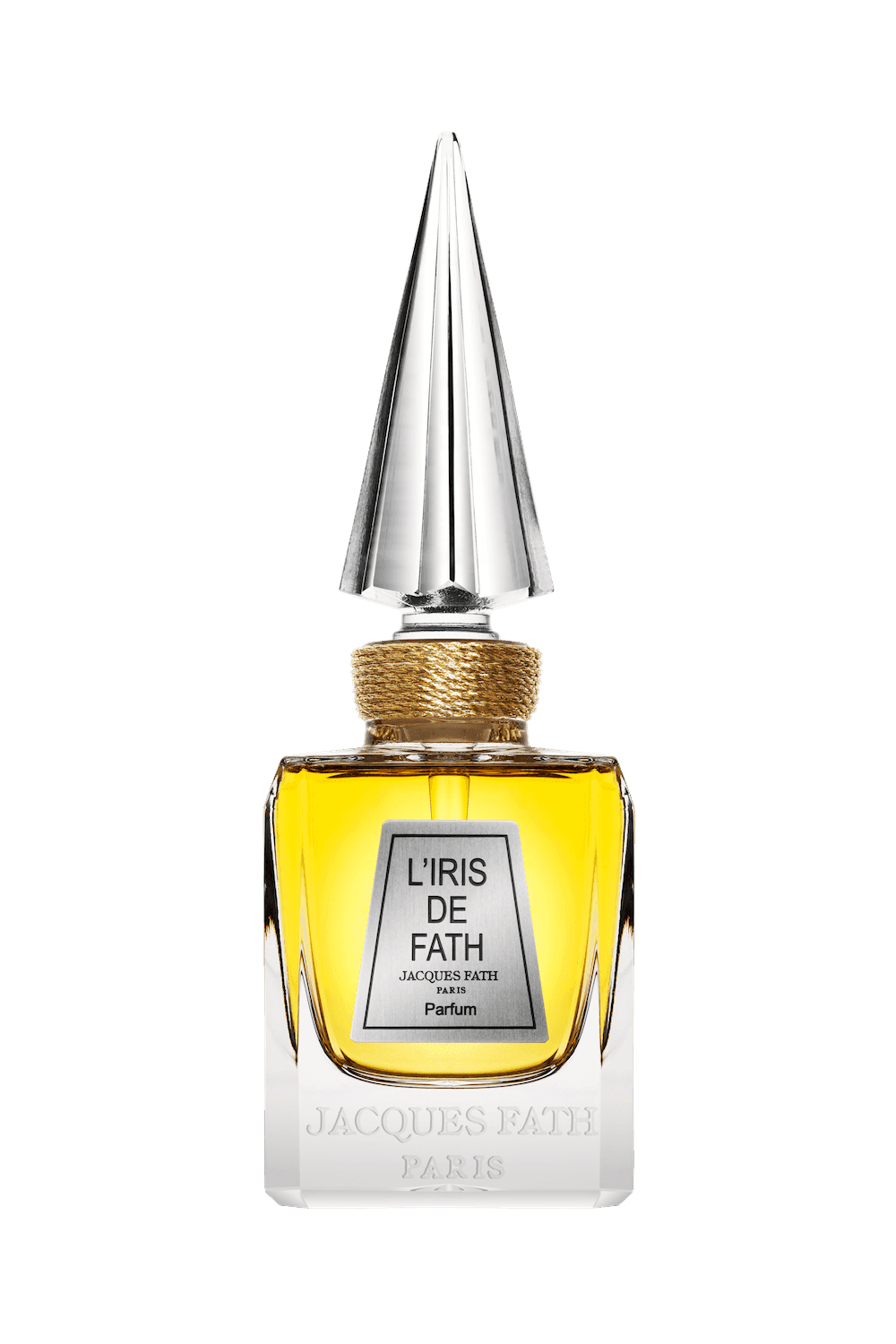
Across the WHV world
A perfume remembered by nose.
Another form of personal expression whose value is not reducible to its ingredients.
Fragrance
Read the story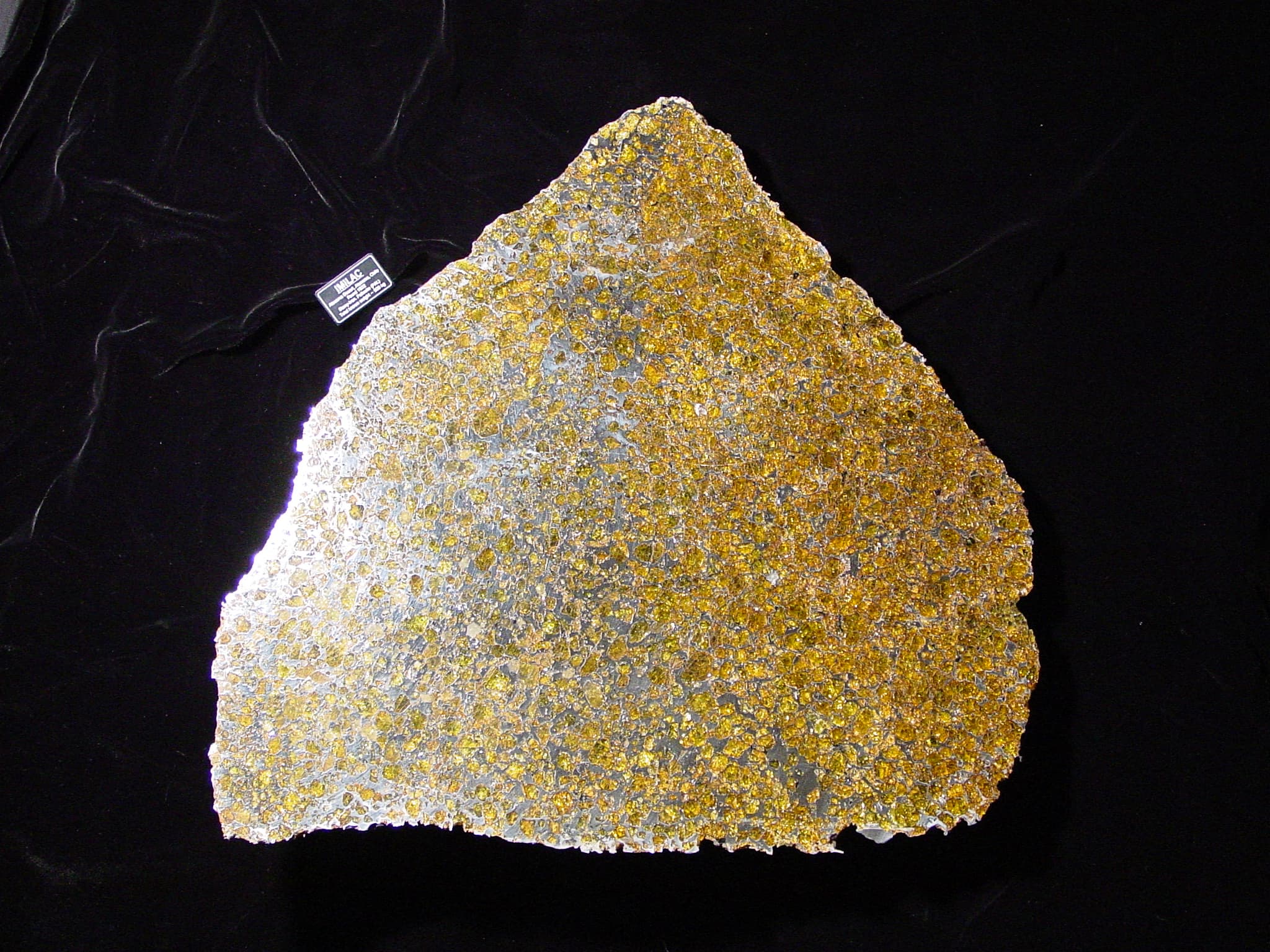
An unexpected connection
A window into an asteroid.
Material wonder without a designer: a small window into deep time.
Rare Objects
Read the story