Discovery
When platinum behaves like lace.
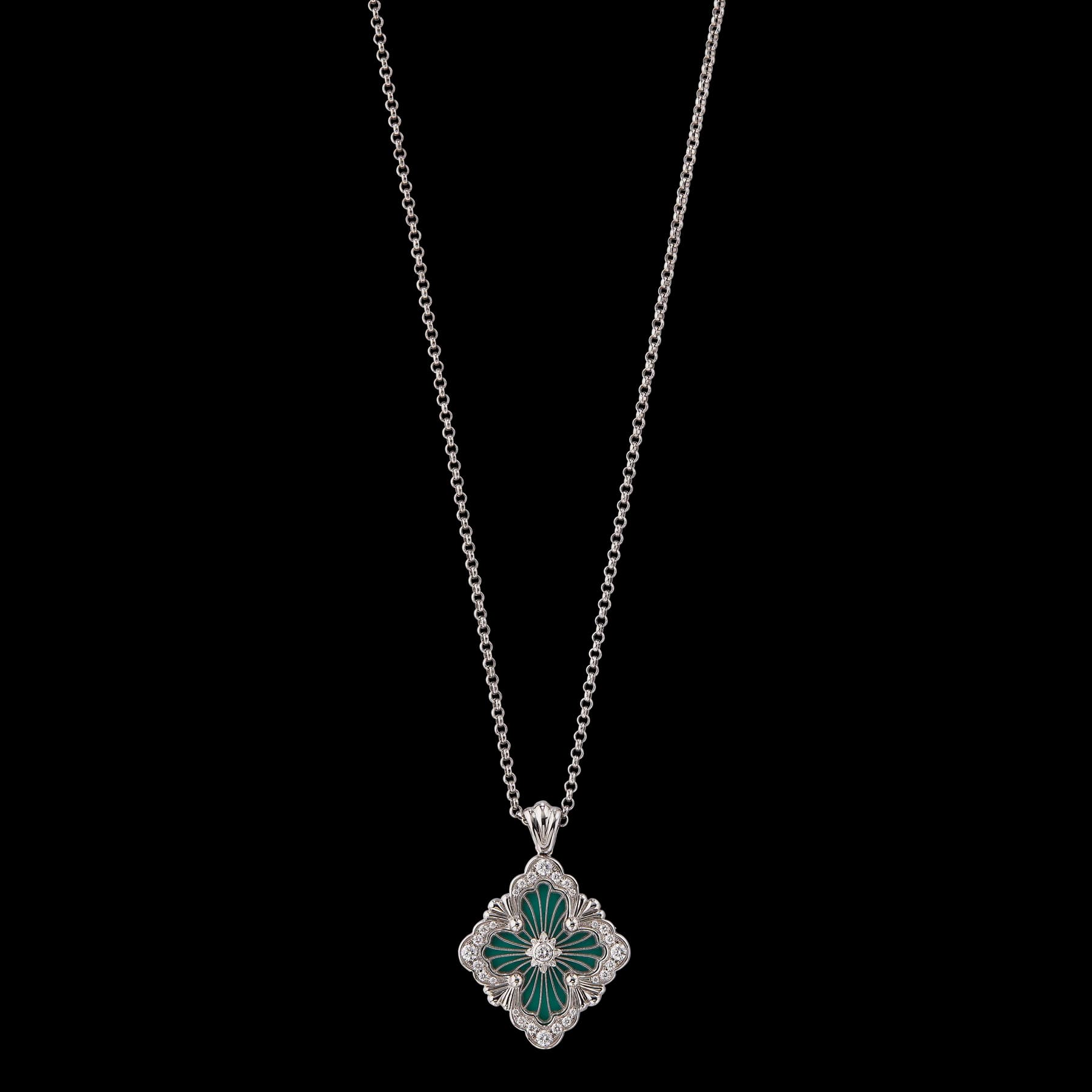
Buccellati’s 2026 Opera Tulle platinum pendants make the spaces between metal part of the design. Chrysoprase adds colour without making the stone the whole story.
Read the noteTHE WHV WORLD
Stones, signatures and the art of setting.
THE QUESTION WE BRING
OUR FIELD OF VIEW
Each selection begins with a specific subject, a reason to care and evidence worth examining.
Discovery
Buccellati’s 2026 Opera Tulle platinum pendants make the spaces between metal part of the design. Chrysoprase adds colour without making the stone the whole story.
Read the noteDiscovery
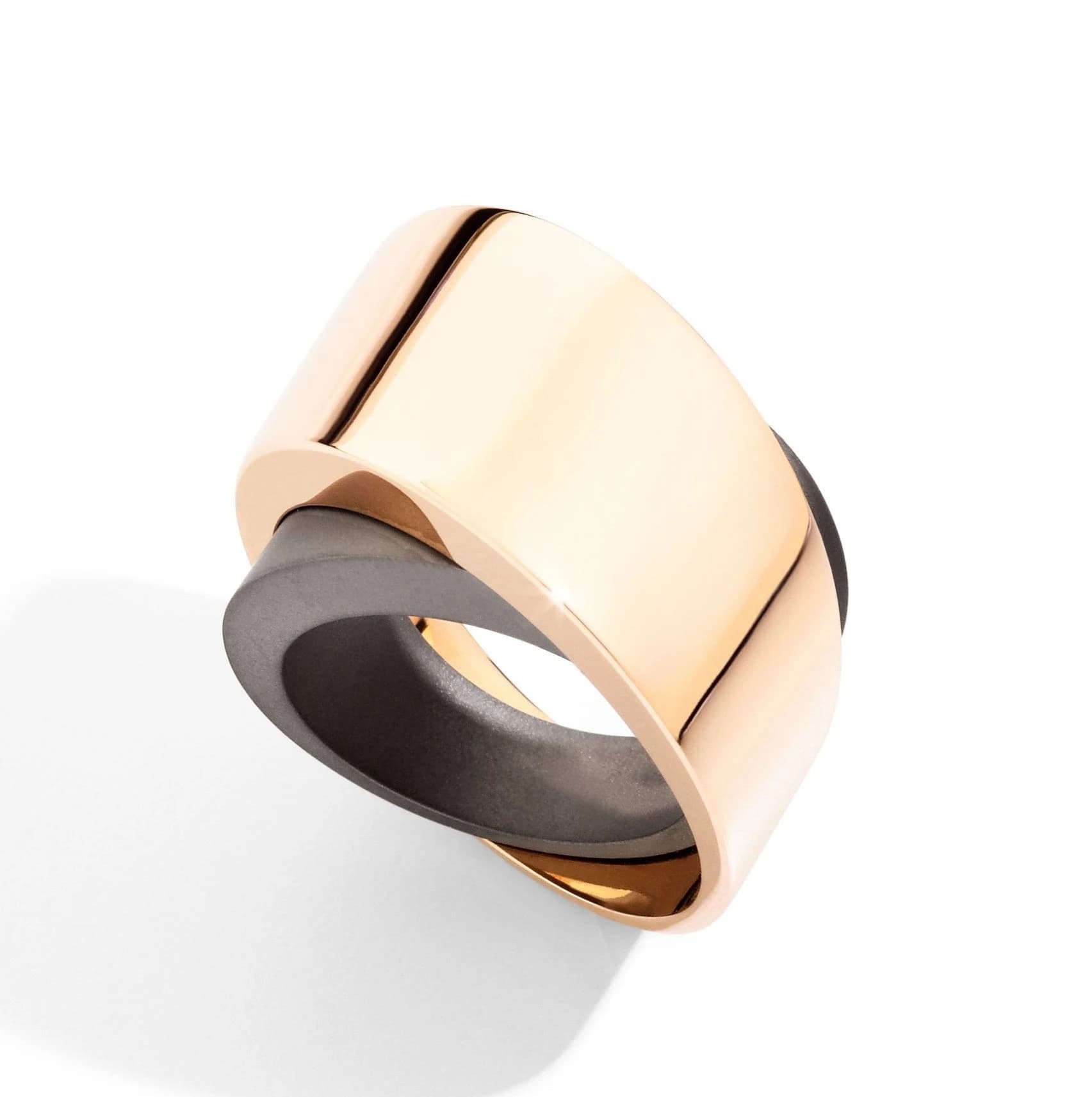
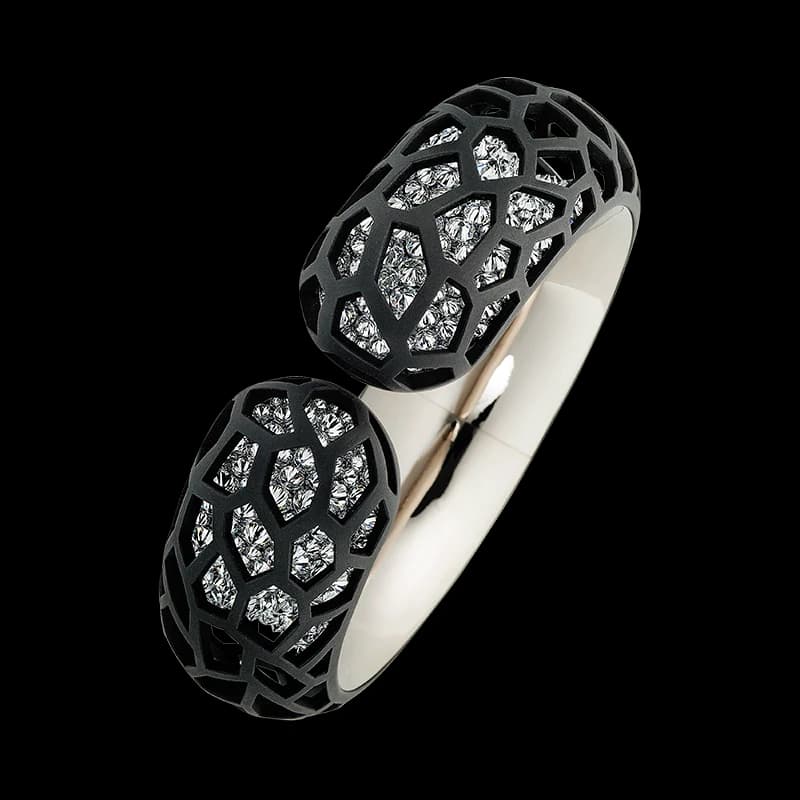
Vhernier’s Tourbillon sets warm rose gold against dark titanium. Its strongest argument is a form designed around the hand, not the amount of precious metal it contains.
Read the noteDiscovery
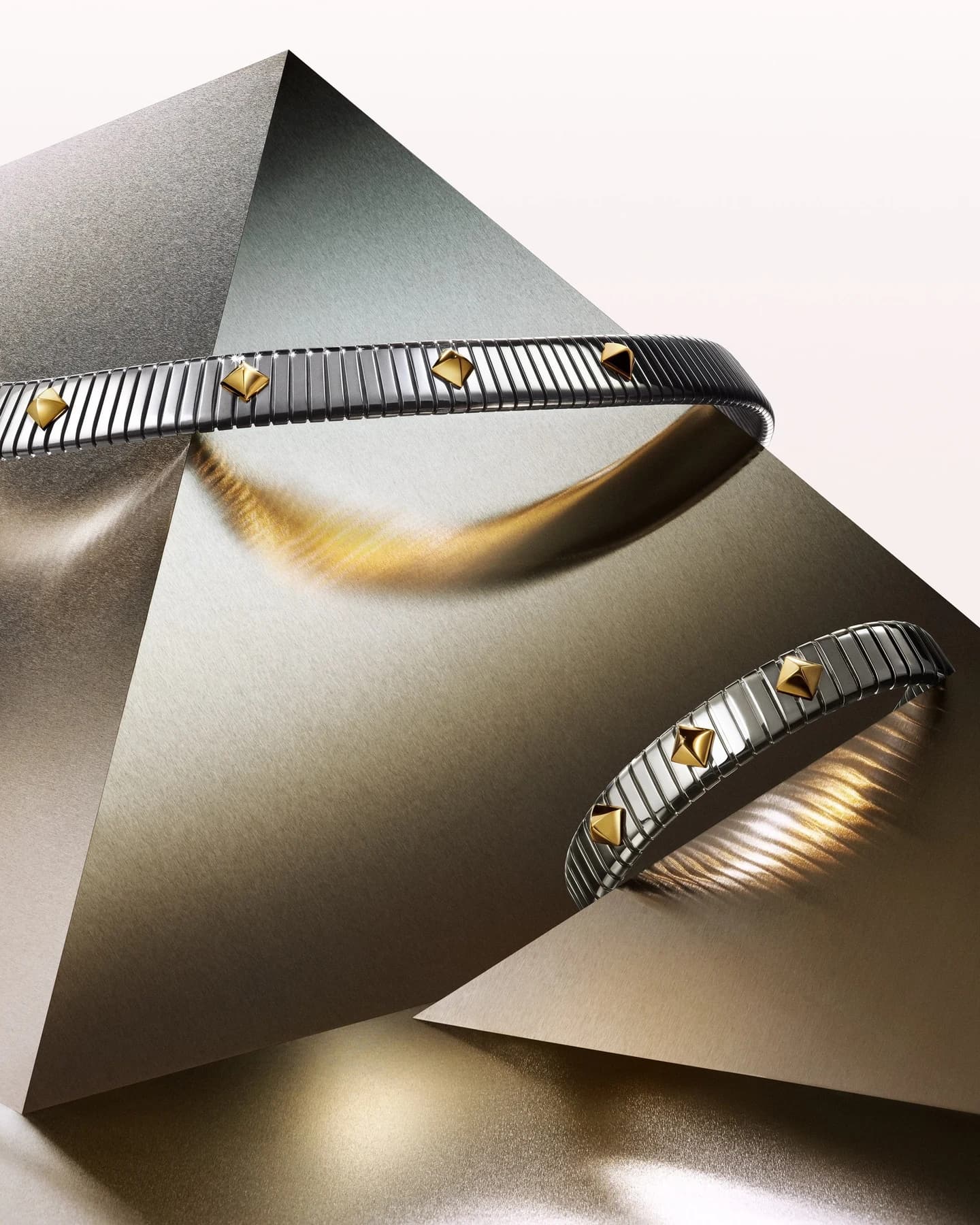
Bulgari’s 2026 Tubogas Gold & Steel makes an industrial construction idea visible on the body. The flexible coil matters as much as the gold.
Read the noteDiscovery
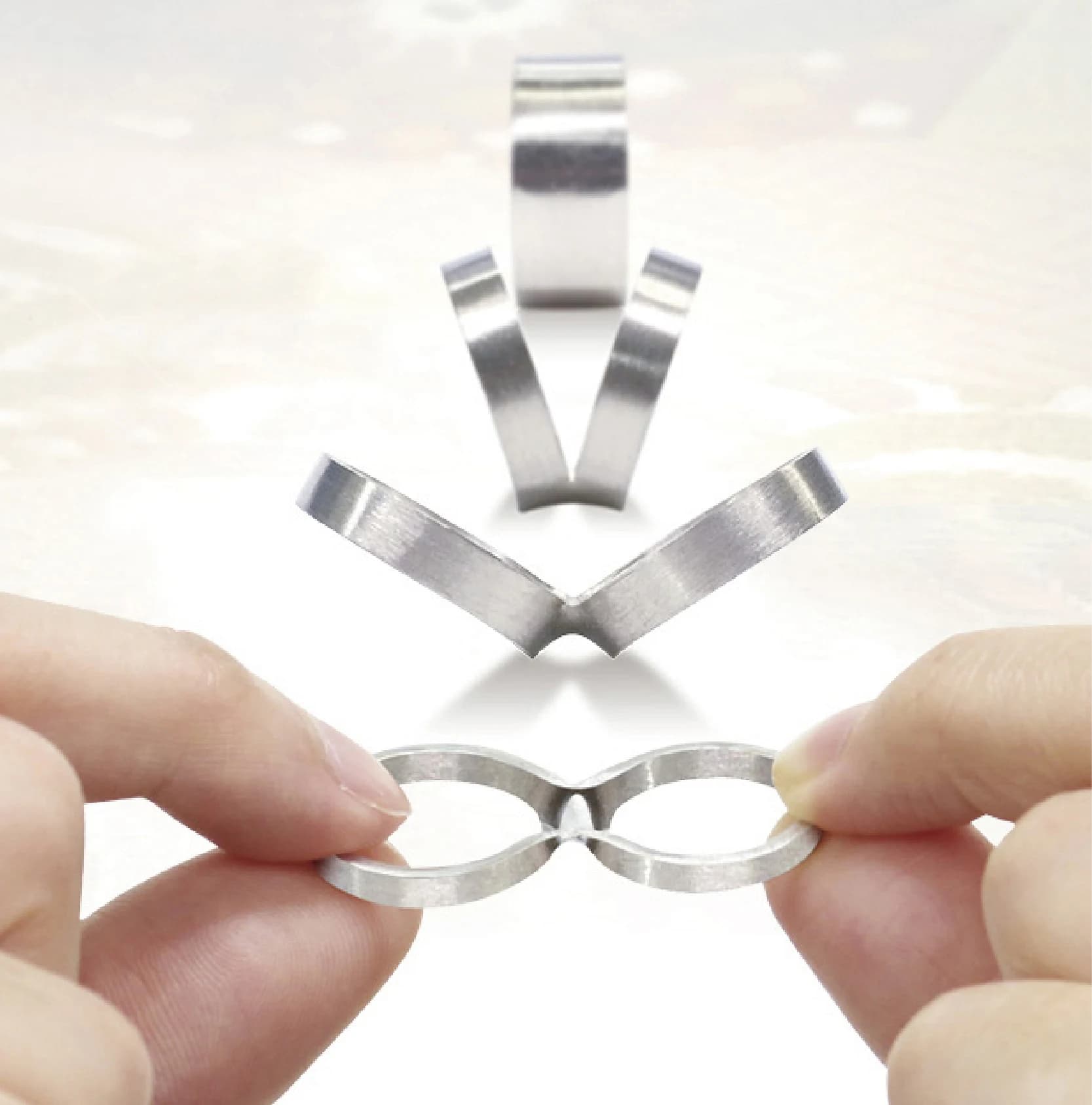
Mokumeganeya makes a shared origin visible in metal. Its Tsunagaru-Katachi rings connect a Japanese working technique with a ceremony the owners help complete.
Read the noteDiscovery
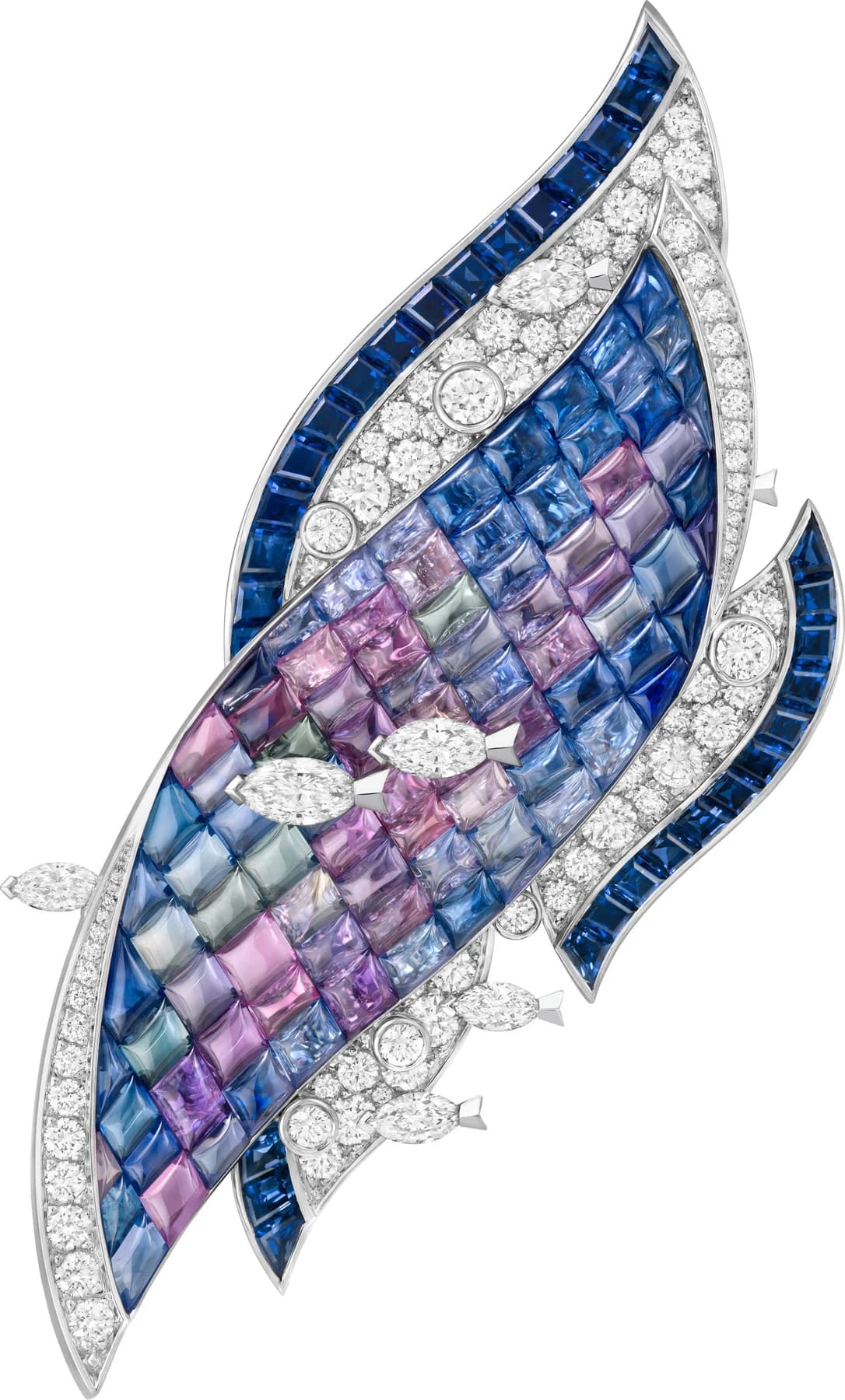
Van Cleef & Arpels’ Poissons Mystérieux clip makes coloured sapphires read like water. The important part is the skilled construction you struggle to see.
Read the noteDiscovery
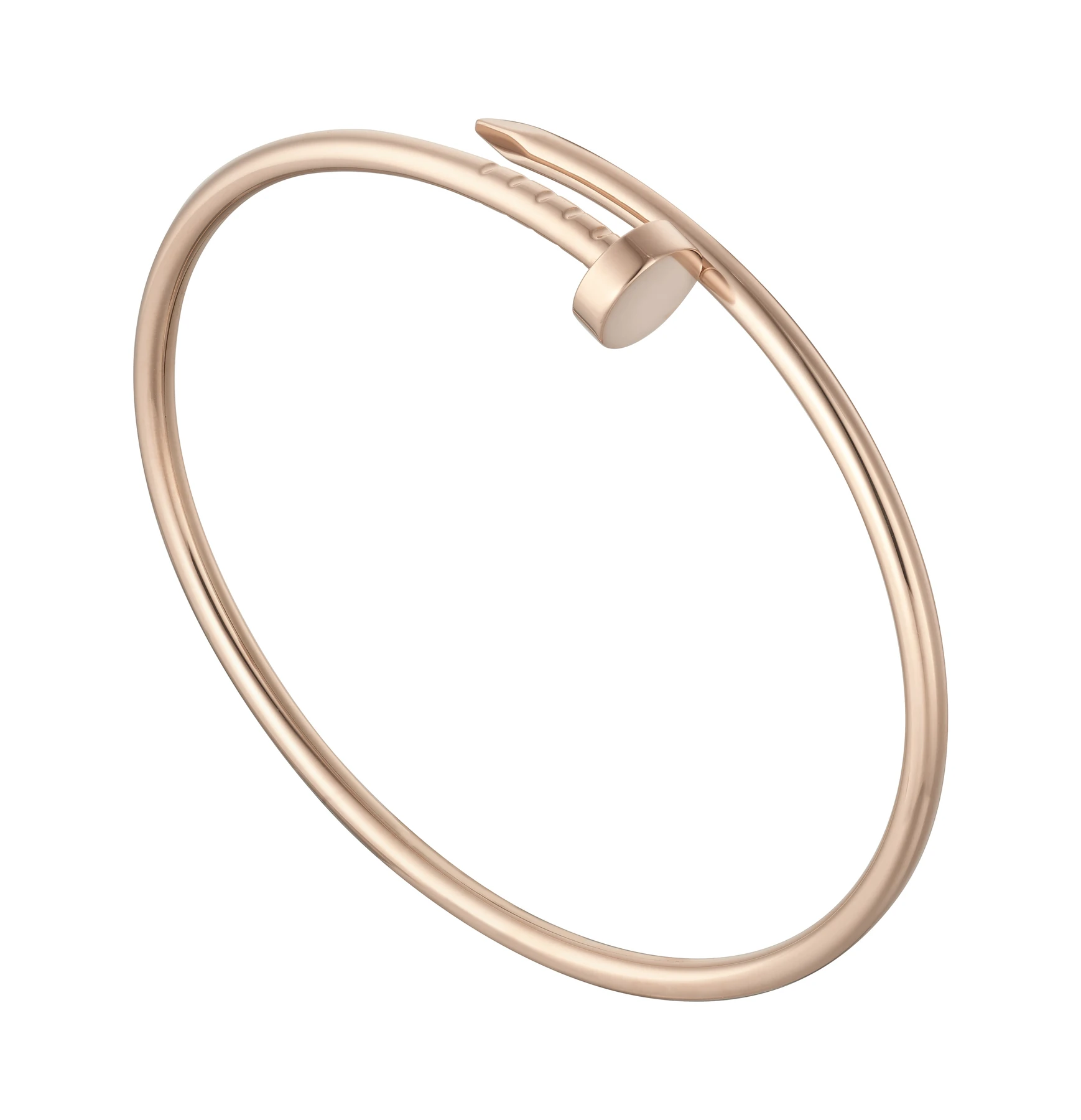
Cartier’s Juste un Clou turns a nail into jewellery. Its enduring idea is not that gold makes anything valuable, but that proportion can change how we see a familiar object.
Read the noteDiscovery
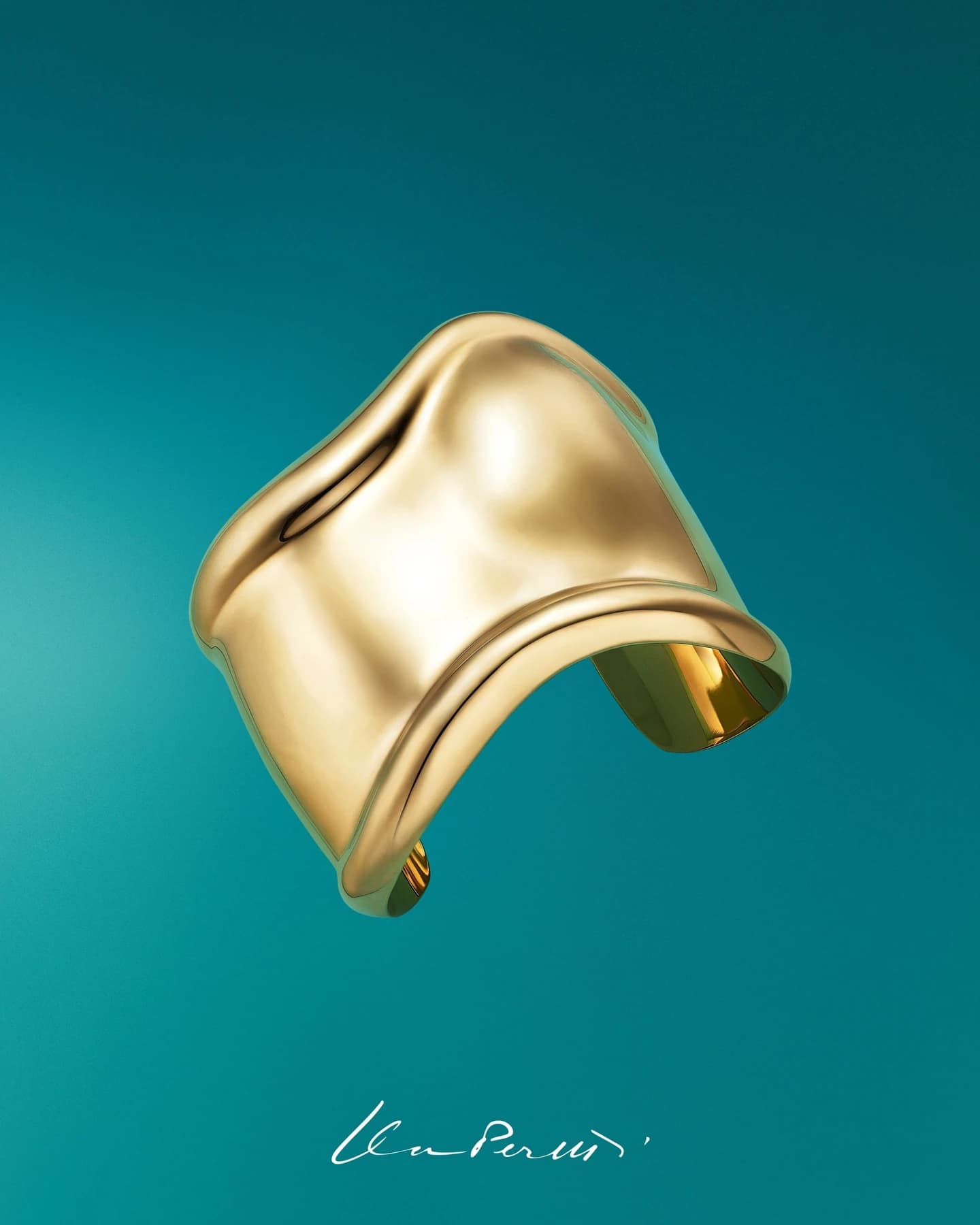
Elsa Peretti’s Bone Cuff makes anatomy part of jewellery design. Its left and right versions are not a minor ordering detail.
Read the noteDiscovery
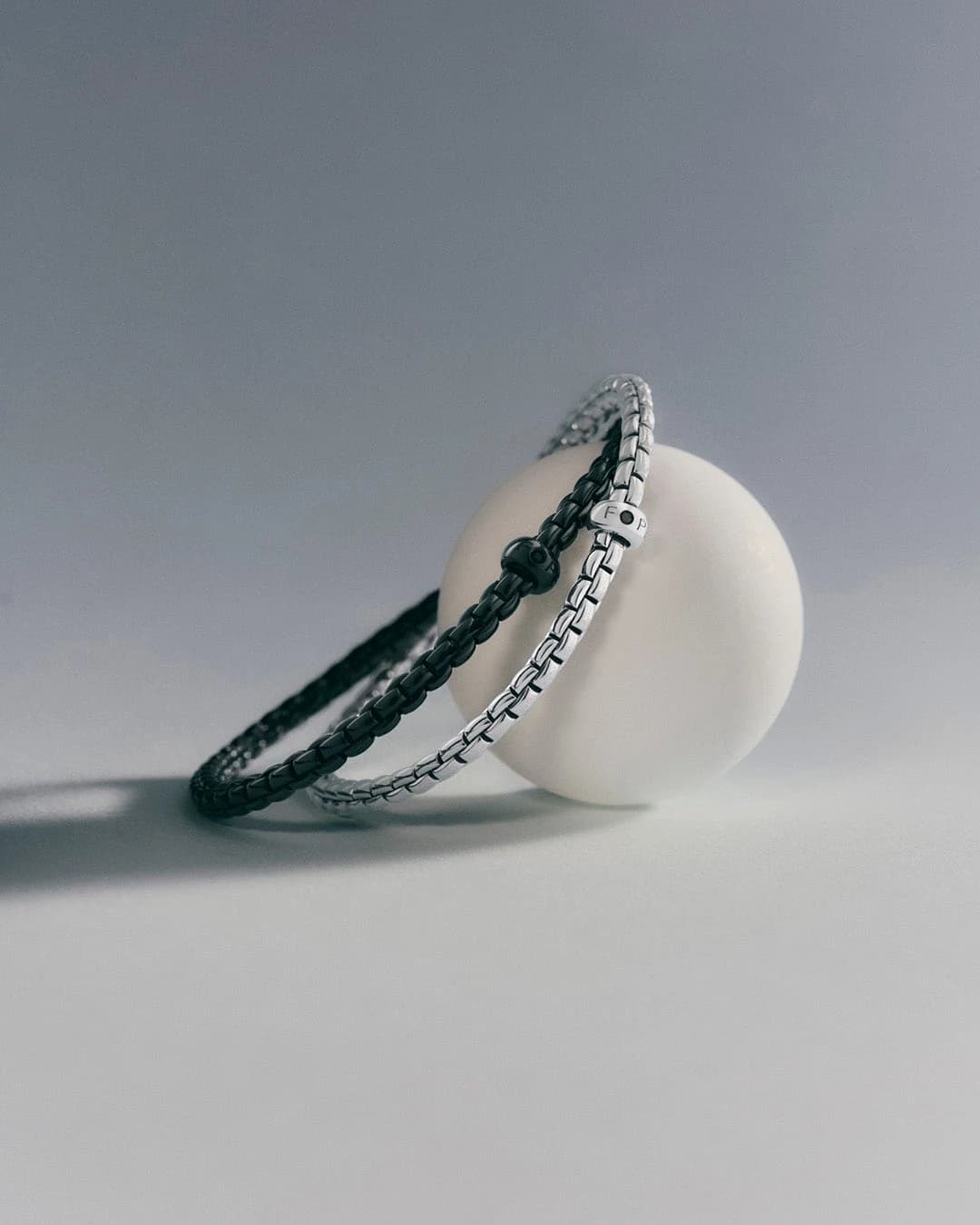
FOPE’s Flex’it bracelets conceal small gold springs inside a linked structure. The clever part is not how much metal is visible, but how easily the jewellery can be worn.
Read the noteDiscovery
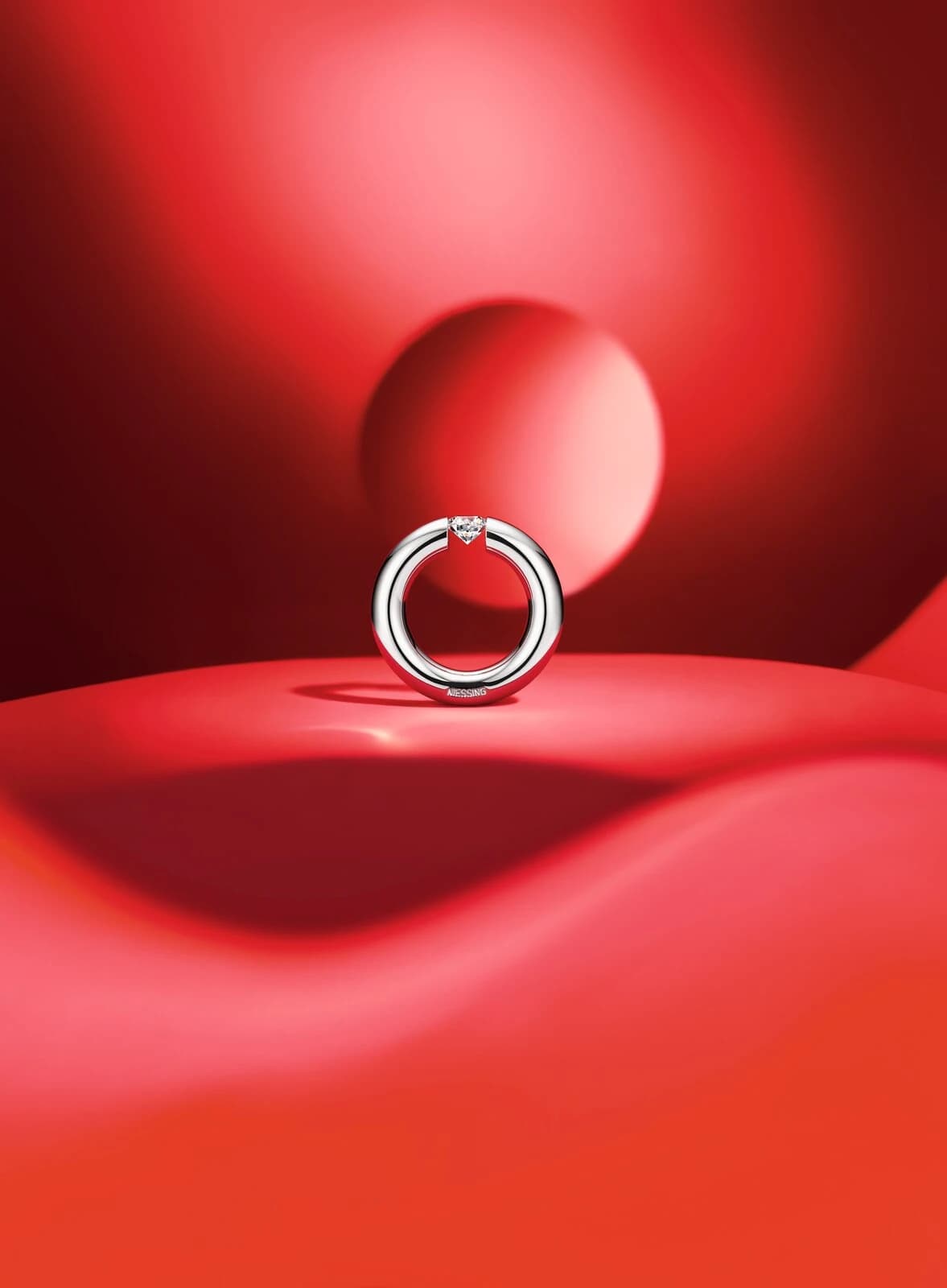
Niessing’s Spannring Round makes a diamond appear to float between two ends of a band. The apparent absence of a setting is actually a precise piece of material engineering.
Read the noteDiscovery
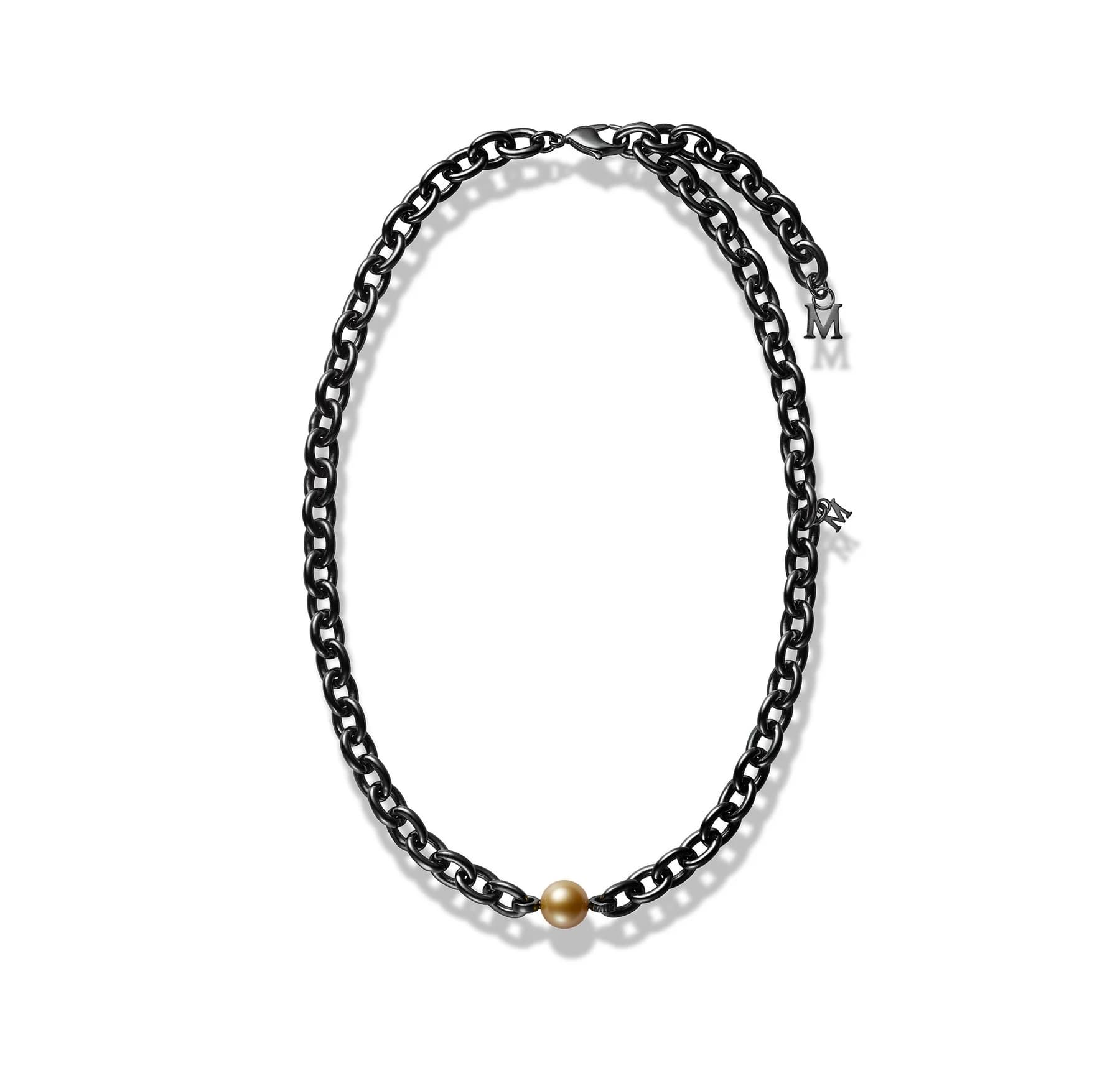
Mikimoto’s October 2026 PASSIONOIR additions place golden pearls against dark chains. Understanding the contrast begins with a small but important distinction: the black surface is not black gold.
Read the noteDiscovery
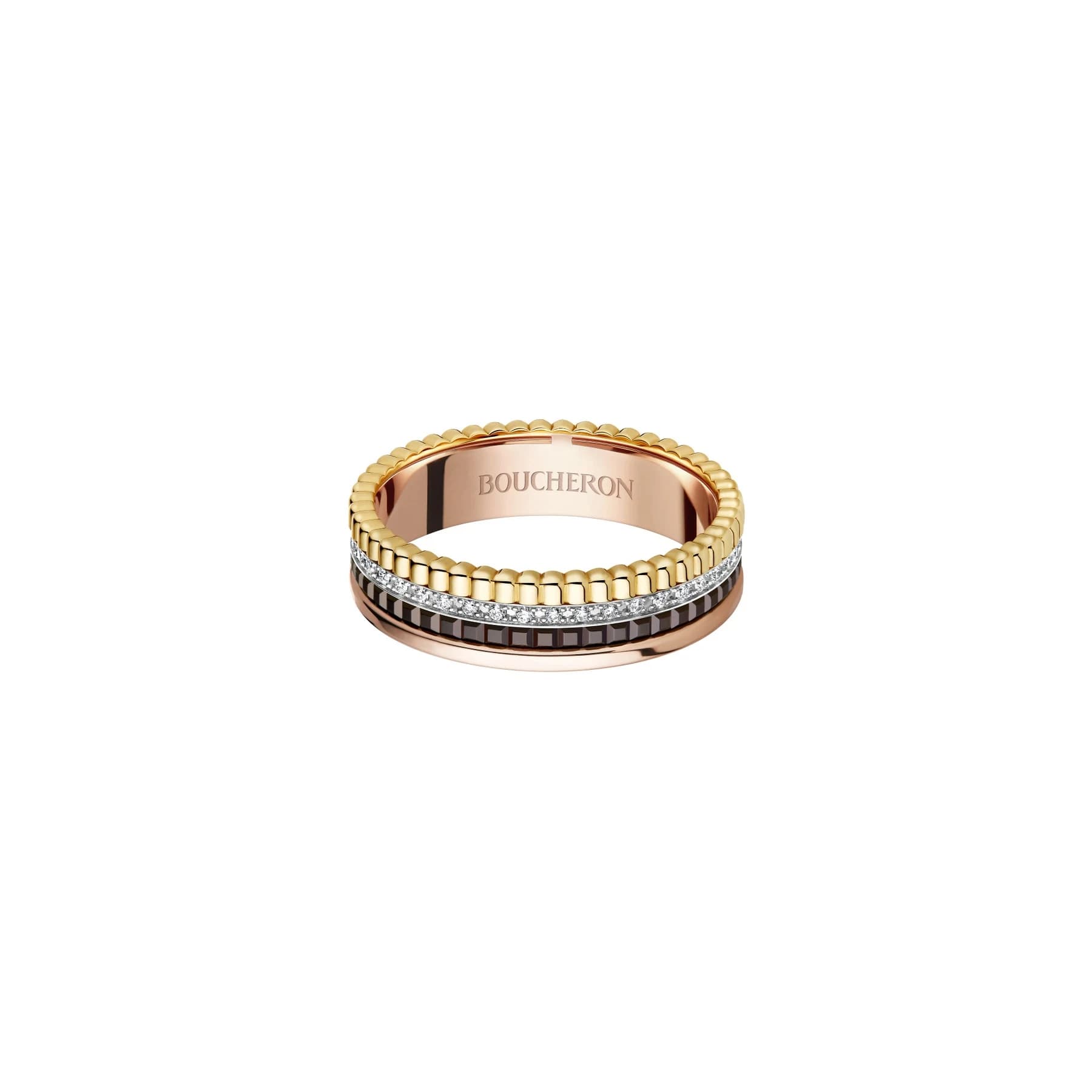
Boucheron’s 2026 Quatre XS compresses a familiar architectural composition into a slimmer ring. Its interest becomes clearer when the four bands are read as different surface ideas, not simply different amounts of gold.
Read the noteDiscovery
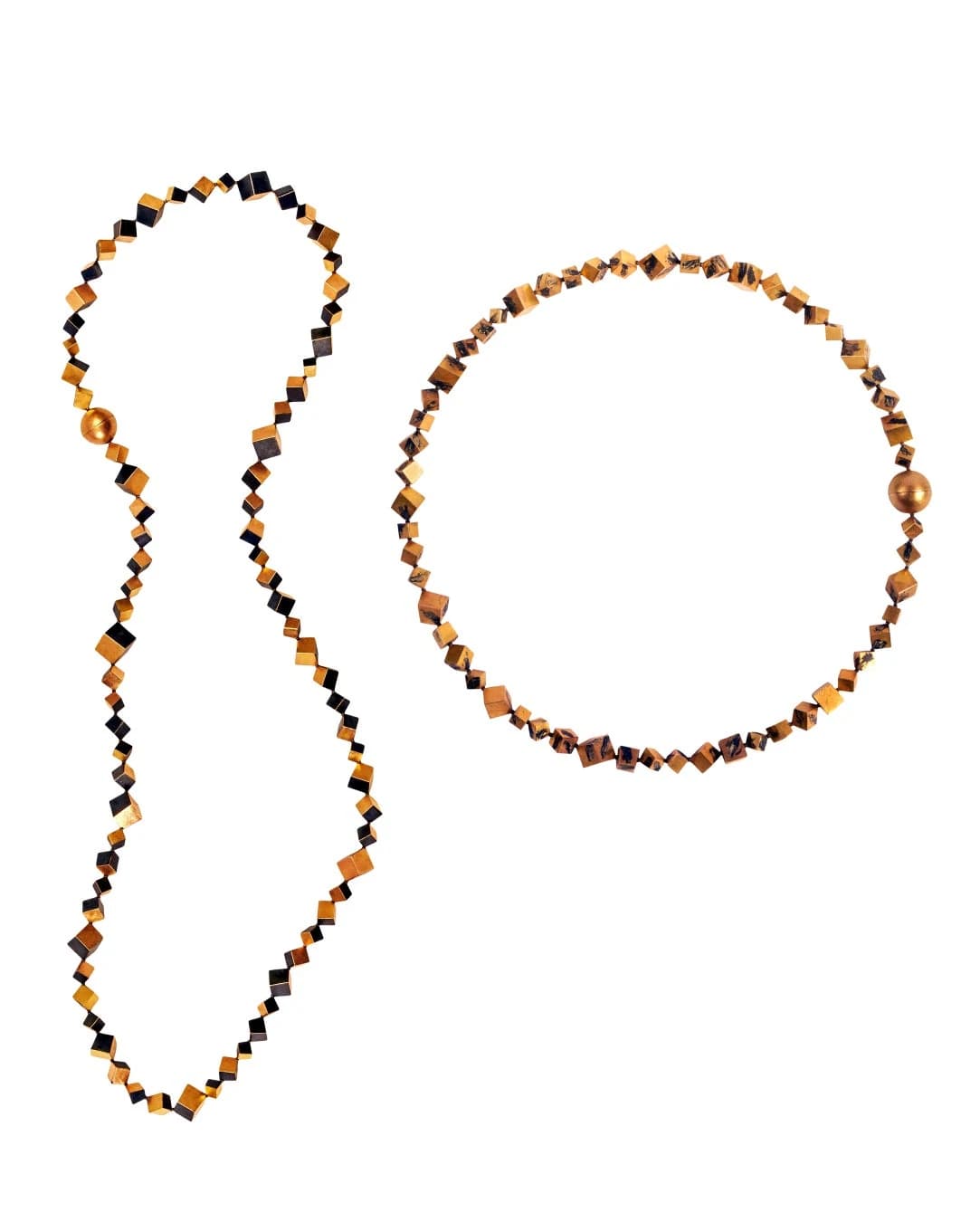
Graziano Visintin’s Collier brings gold and dark niello into a sequence of tiny cubes. Recognised in 2026, the work asks you to read a necklace as composition rather than metal weight.
Read the noteDiscovery
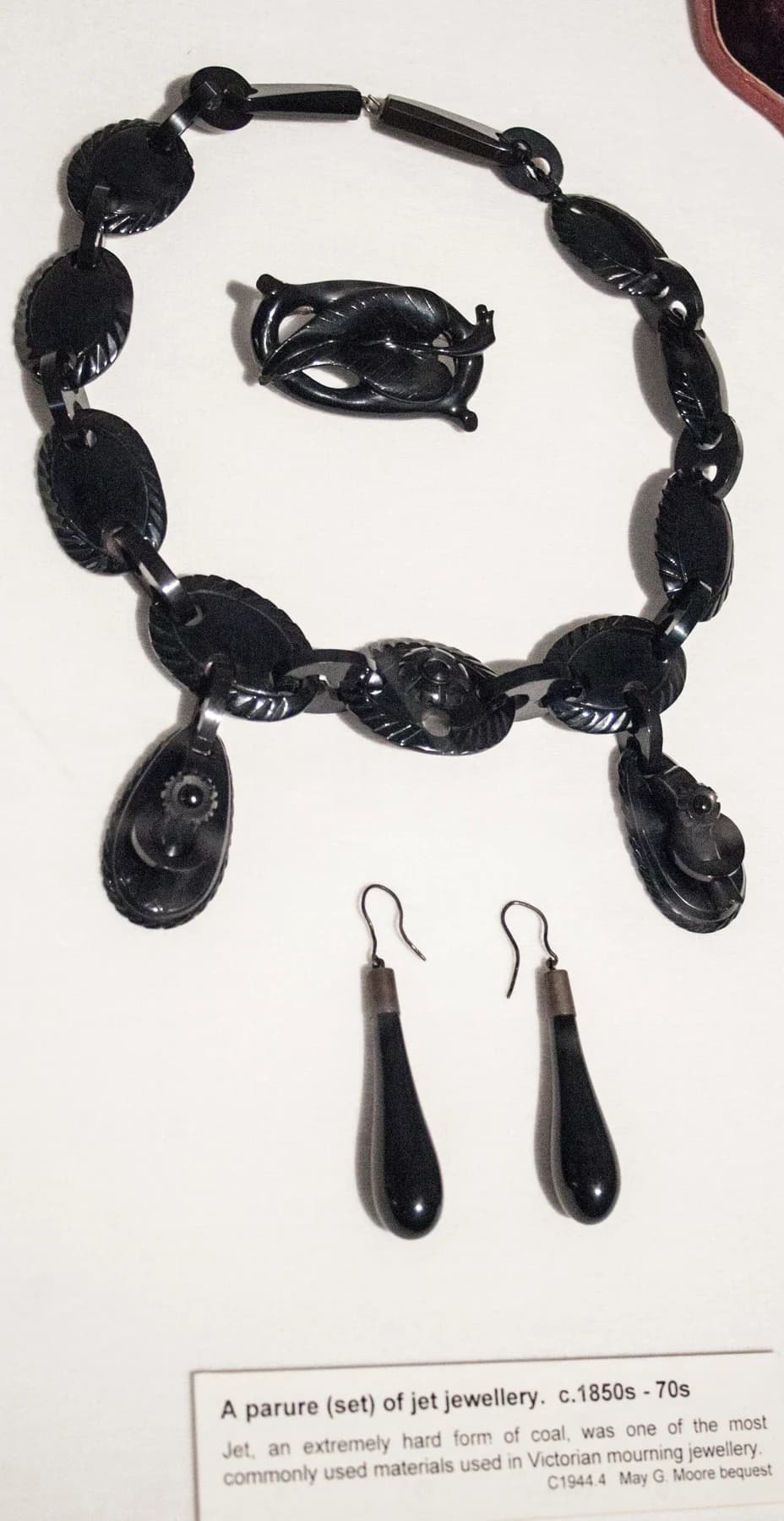
Jet opens an unexpected route into jewellery: a material with a history in ancient wood. Whitby’s museum explains why a black surface alone tells a buyer very little.
Read the noteDiscovery
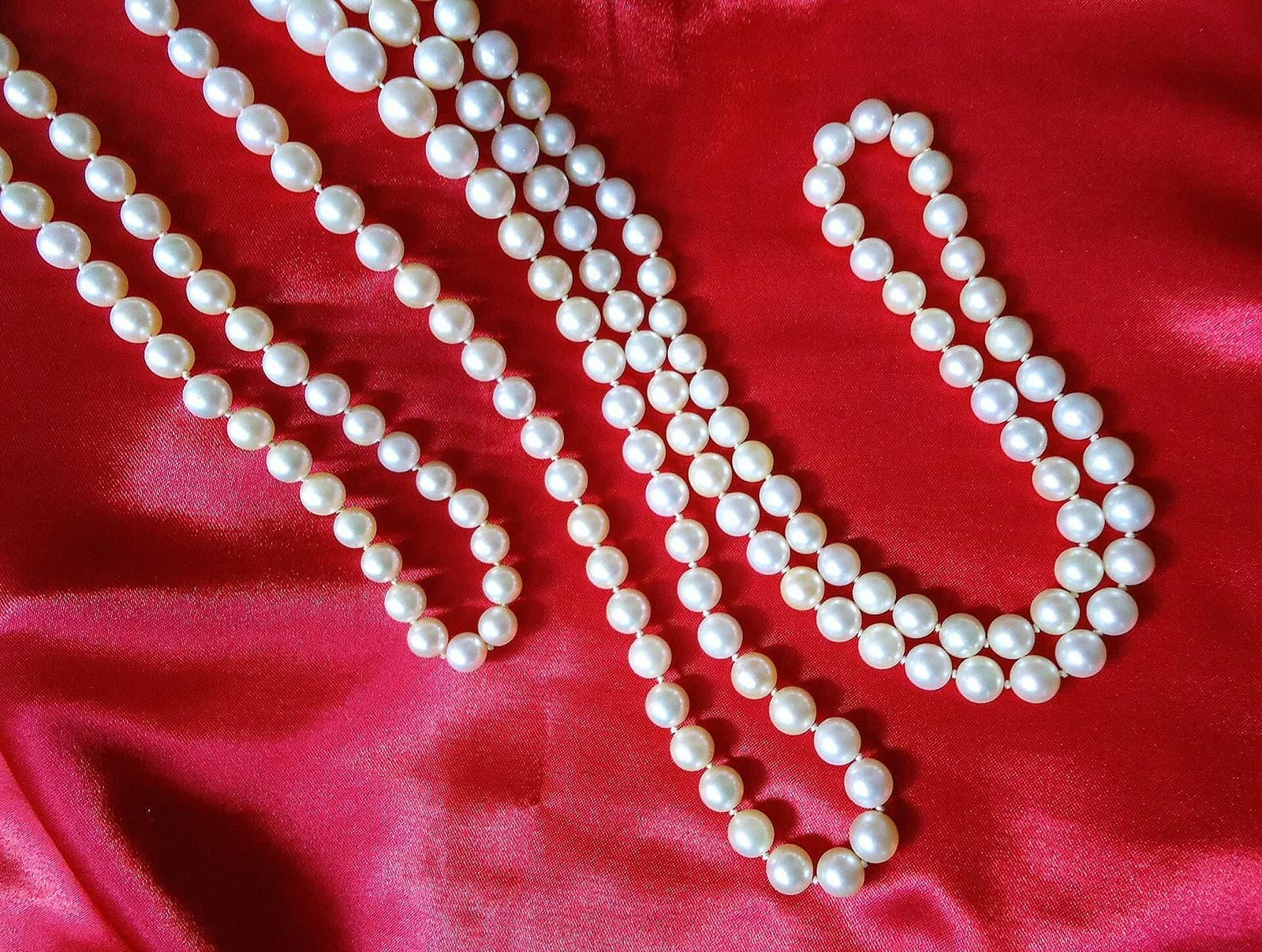
An akoya strand invites comparison across each pearl. Lustre, surface and matching matter more than a single impressive number.
Read the noteDiscovery
Hemmerle’s Harmony begins with a practical gesture, then makes room for extraordinary material combinations.
Read the noteDiscovery
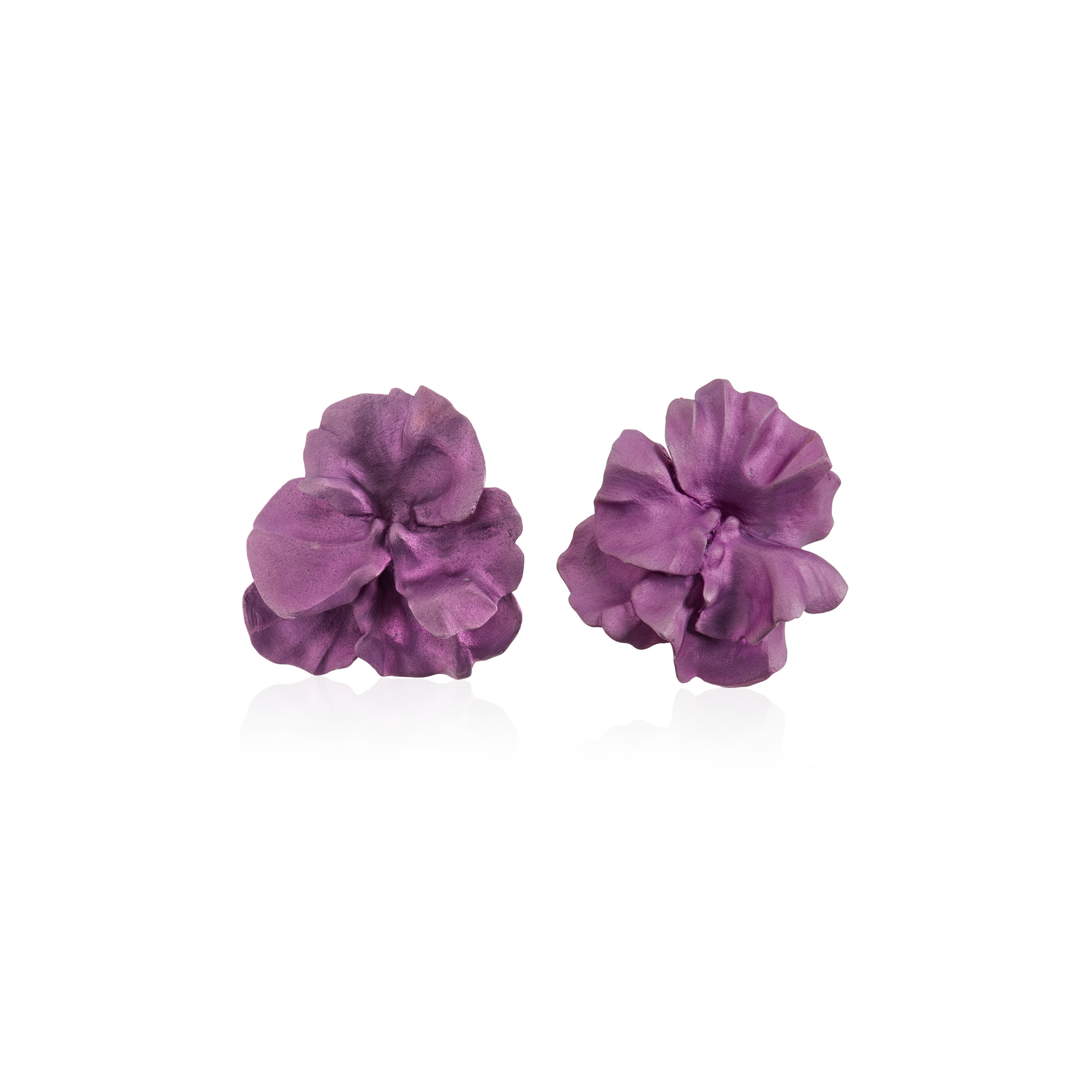
A pair of JAR earrings turns aluminium into a lesson about authorship, provenance and the limits of material value.
Read the noteDiscovery
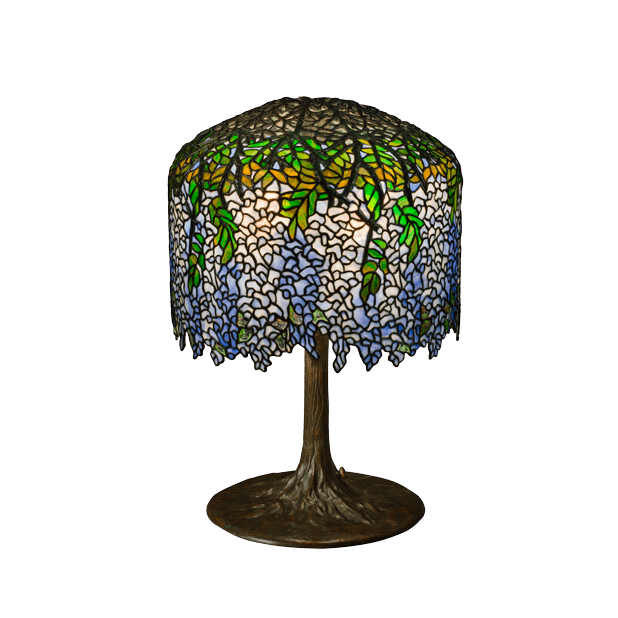
Clara Driscoll’s design offers a more precise way to see one of Tiffany Studios’ most recognisable lamps.
Read the noteDiscovery
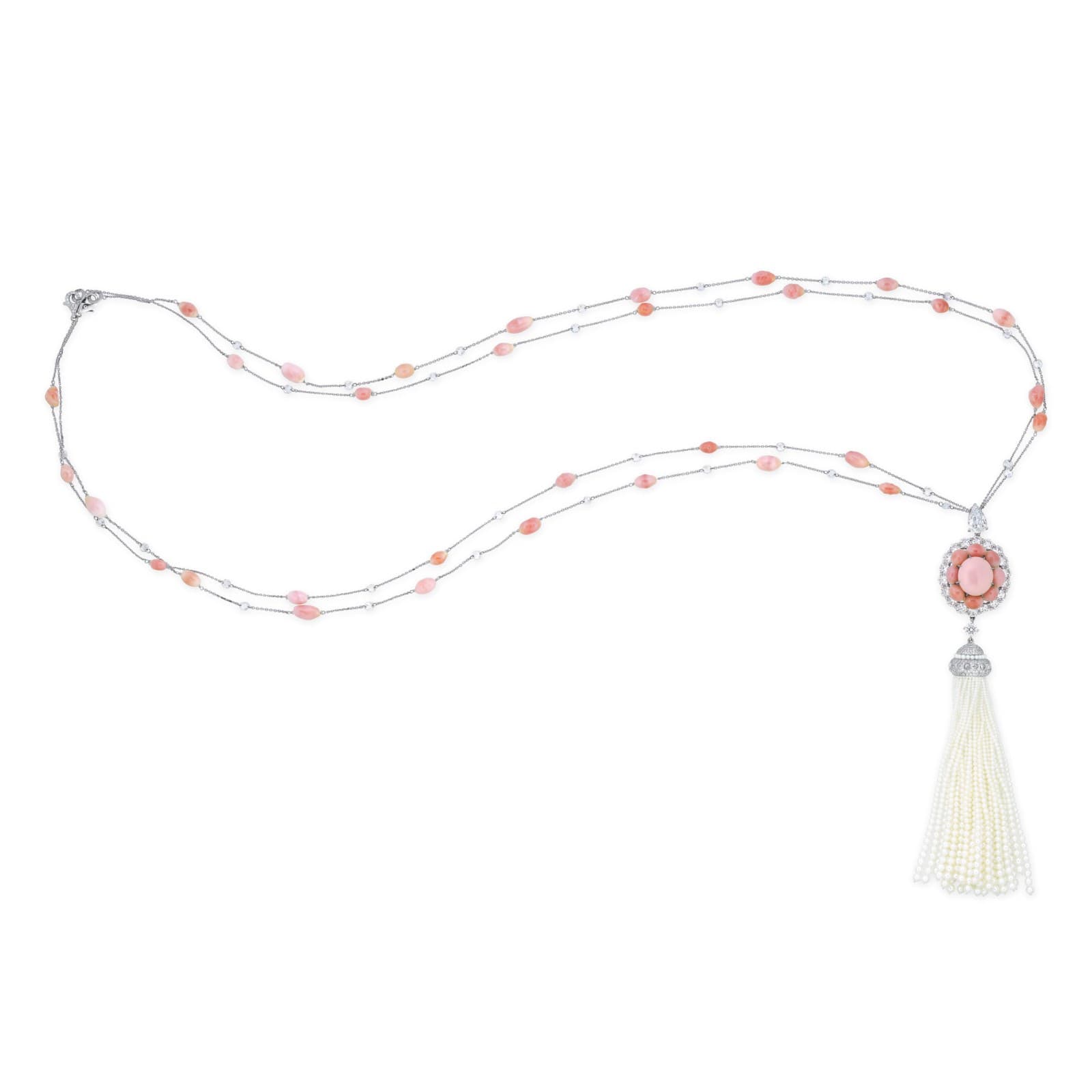
A conch pearl can carry a silky pattern that looks like fire beneath porcelain. The closer lesson is why beauty still needs a laboratory.
Read the noteDiscovery
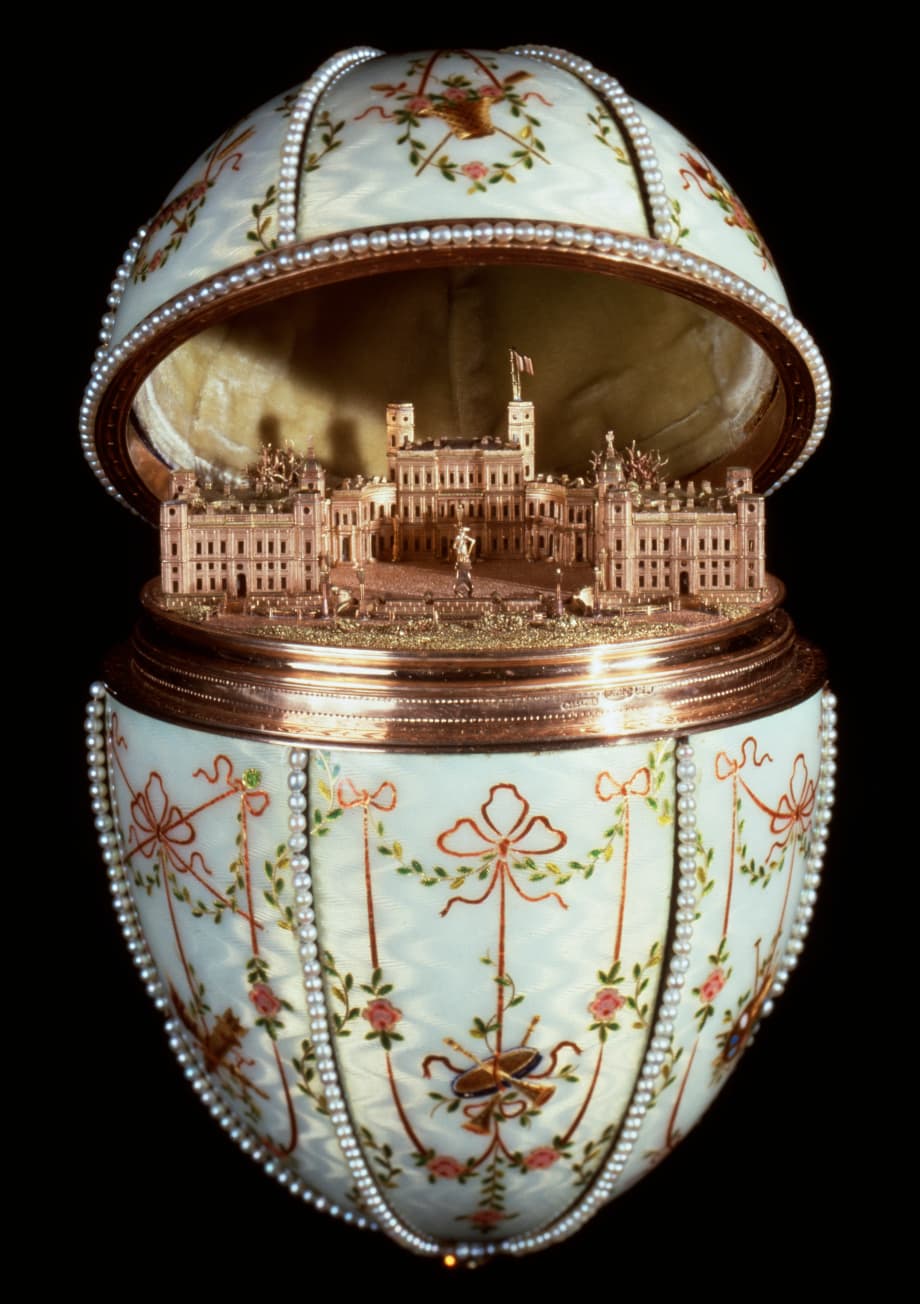
A gold palace, down to its cannons and trees, inside an egg just 12.7 centimetres high. What makes this Fabergé more than its precious materials?
Read the noteDiscovery
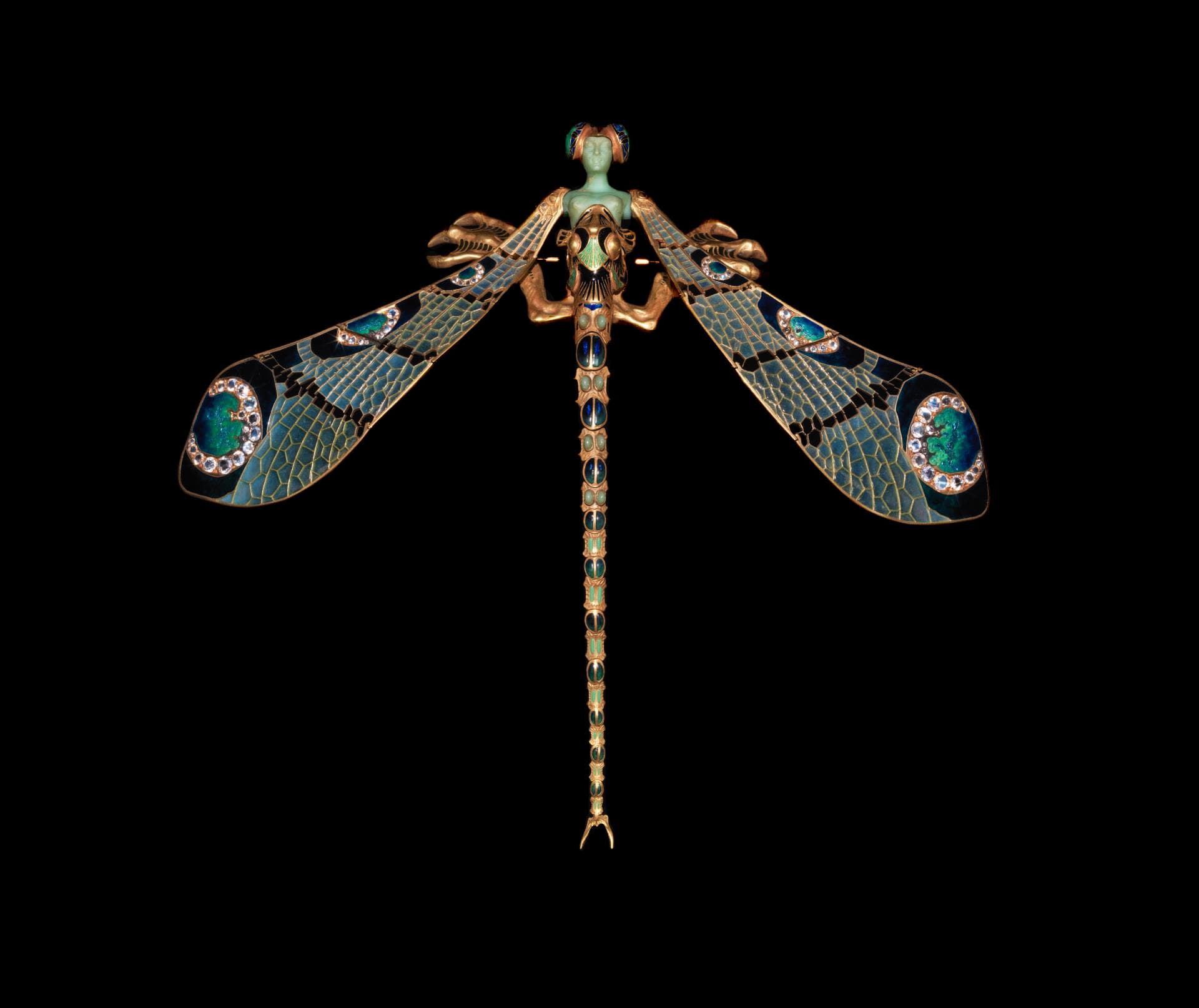
René Lalique’s dragonfly-woman makes a jewel feel closer to a small, unsettling work of theatre than a display of precious stones.
Read the noteAuction result
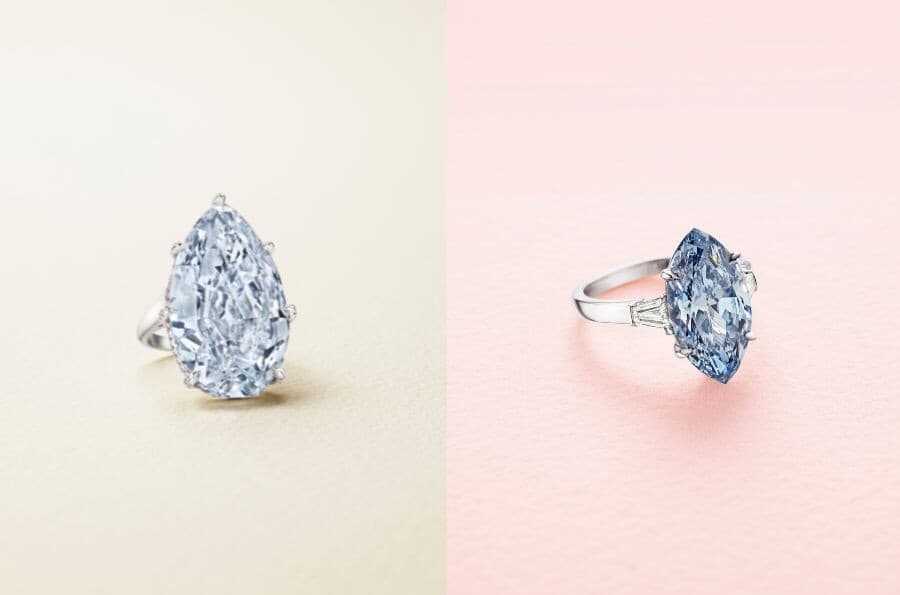
Two blue diamonds at a June sale show why size alone is an incomplete way to read a jewel.
Read the note