DISCOVERY / Decorative Arts
The woman behind the Wisteria lamp.
Clara Driscoll’s design offers a more precise way to see one of Tiffany Studios’ most recognisable lamps.
Published 13 September 2026 · WHV · Public-source editorial note
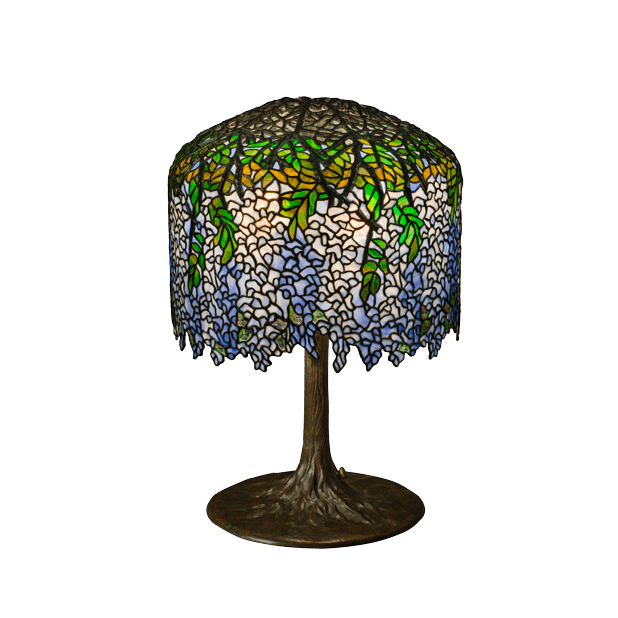
The Wisteria lamp is immediately recognisable. Hundreds of pieces of glass descend like a flowering canopy over a bronze base. For years, the familiar Tiffany name obscured a more precise authorship story.
A famous studio, a recovered designer
The New York Historical identifies its Wisteria table lamp, N84.130.1-2, as designed around 1901 by Clara Driscoll. Driscoll managed the women’s department at Tiffany Studios. The team translated drawings into colour by selecting, cutting and assembling the glass that made the leaded shades possible.
That labour was neither anonymous decoration nor a mechanical copy of nature. Variations in opacity, colour and texture let the shade suggest leaves, blossoms and changing light. A convincing lamp depends on those choices as much as on the outline that later reproductions can imitate.
Read the glass before the price
What holds value is exact authorship joined to execution. Tiffany Studios is the workshop identity. Driscoll’s recovered role changes how we understand the design. The individual shade and base still need to belong together, with condition, repairs and replacements described honestly.
The museum’s Adopt-a-Lamp page lists 25,000 dollars. That is a donation level for supporting the gallery, not a sale price or valuation of the lamp. For a market example, ignore that number. Start with model, marks, glass, base, wiring, provenance and specialist examination.
Source and context.
The New York Historical: Wisteria table lamp N84.130.1-2 ↗
The New York Historical: Clara Driscoll and the Tiffany Girls ↗
A museum-based history of one design, not authentication or appraisal of a Tiffany lamp. The museum object is not for sale, and its sponsorship amount is not evidence of market value.
Source checked 13 September 2026. WHV interpretation is distinct from the source’s account.
Explore Decorative ArtsFOLLOW YOUR CURIOSITY
Where this leads.
Different subjects. A reason to connect them.
Continue the idea
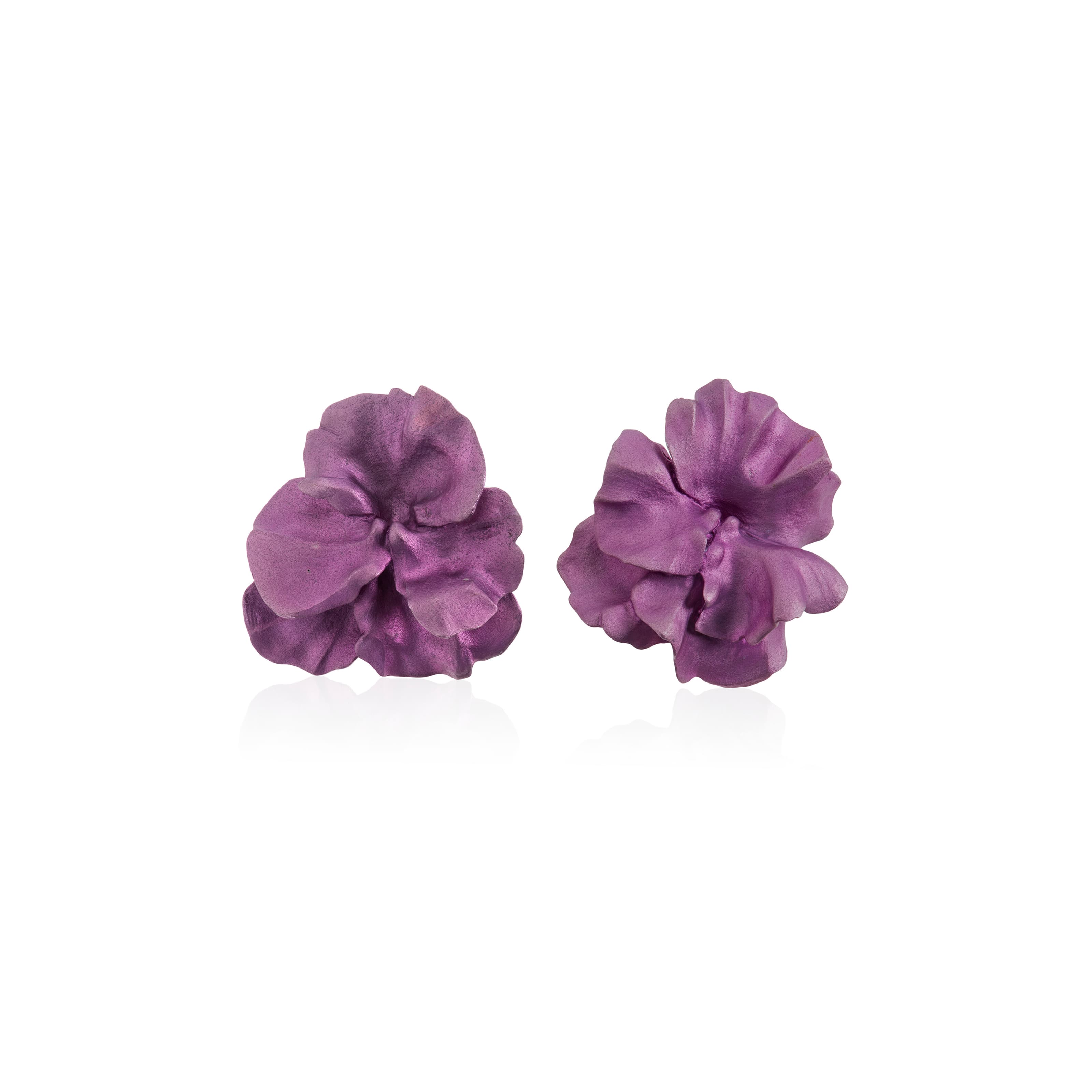
Precious without precious metal.
A second case where authorship and transformation exceed the simple value of materials.
Jewellery & Authorship
Read the story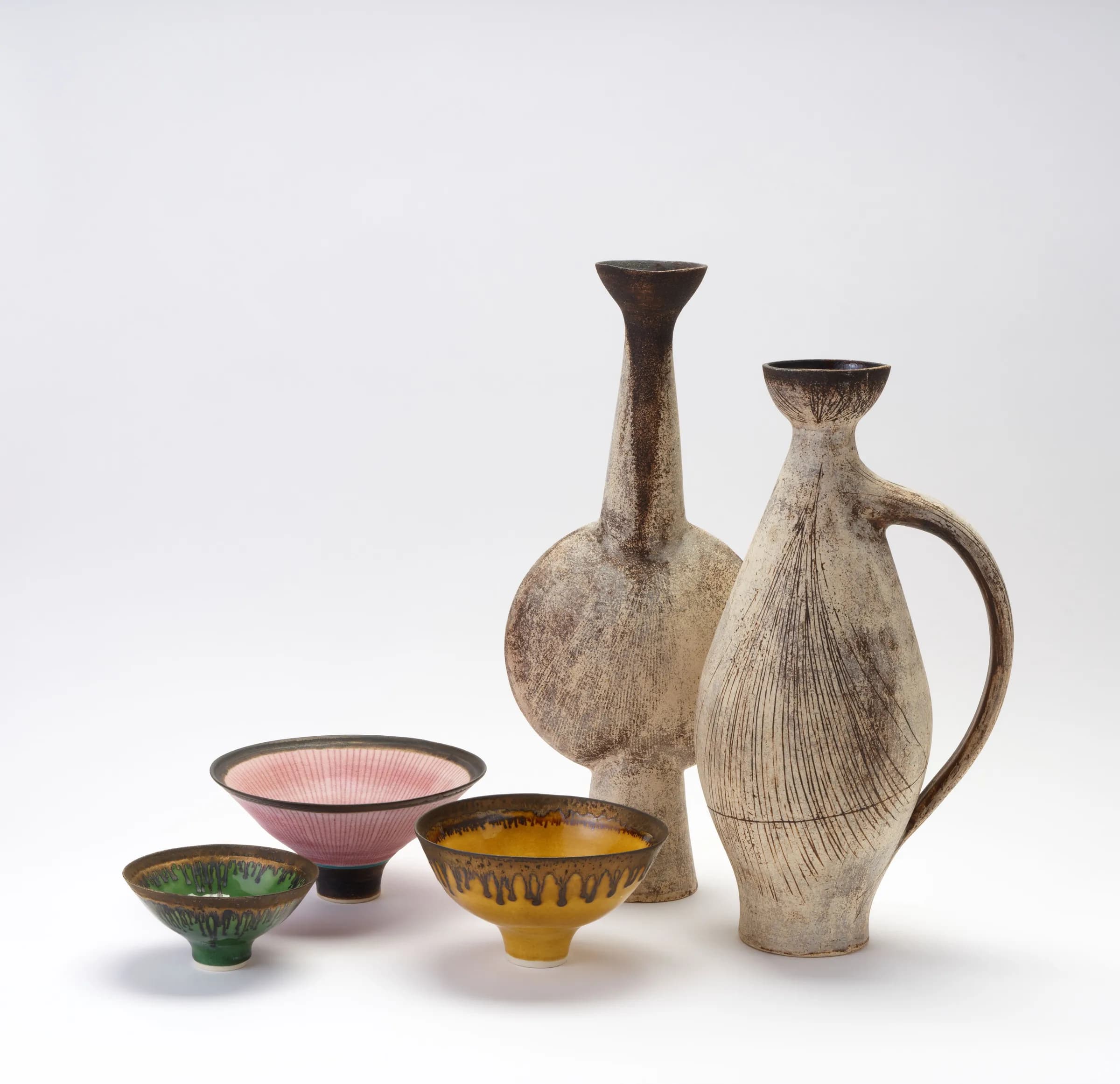
Across the WHV world
What a bowl can hold.
Compare a collaborative glass workshop with two ceramic practices made legible through close looking.
Ceramics
Read the story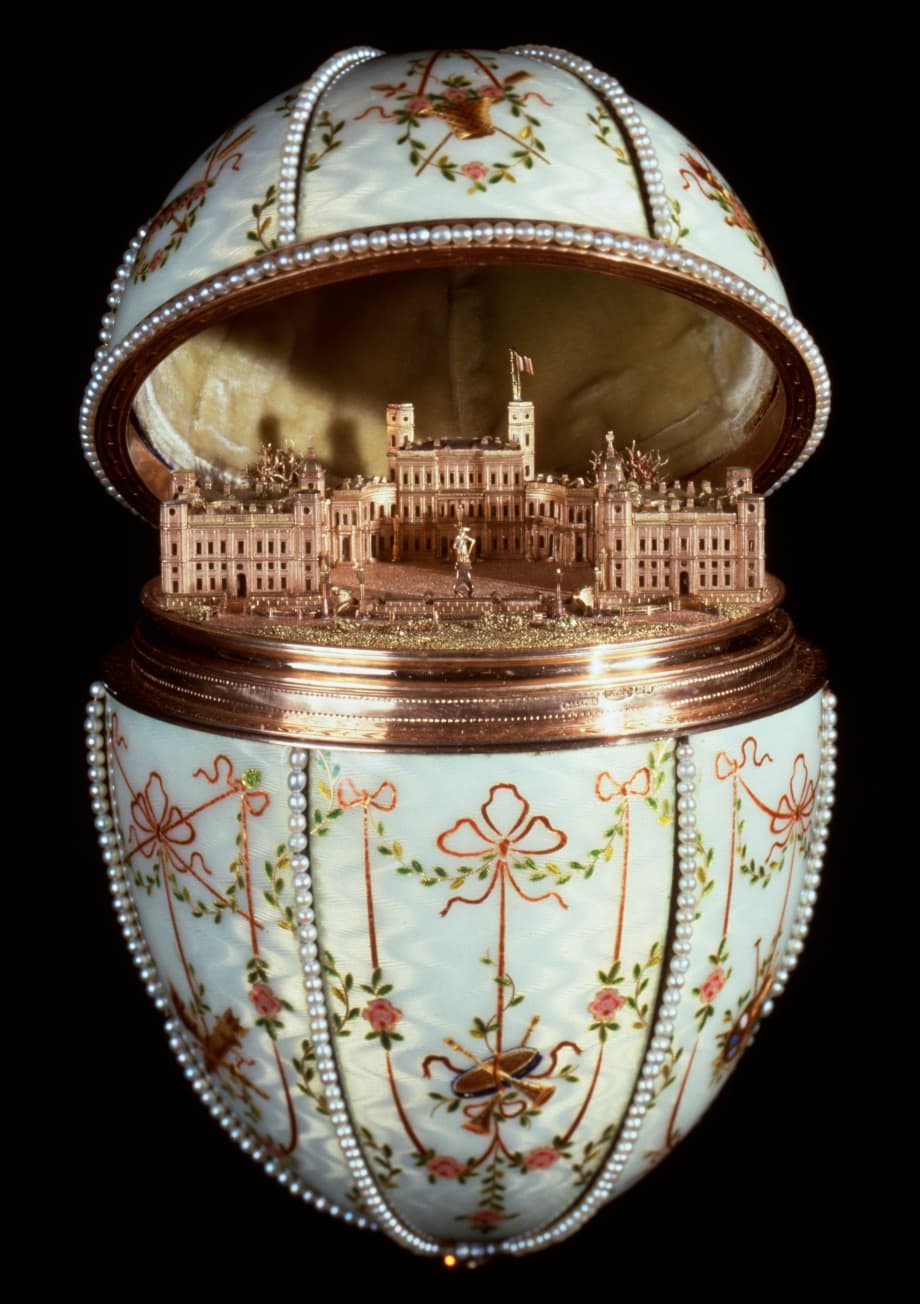
An unexpected connection
A palace inside an egg.
Another decorative object turns intricate technique into a larger story of makers and attribution.
Jewellery & Decorative Arts
Read the story