DISCOVERY / Cultured Pearls & Material Literacy
The value between the beads.
An akoya strand invites comparison across each pearl. Lustre, surface and matching matter more than a single impressive number.
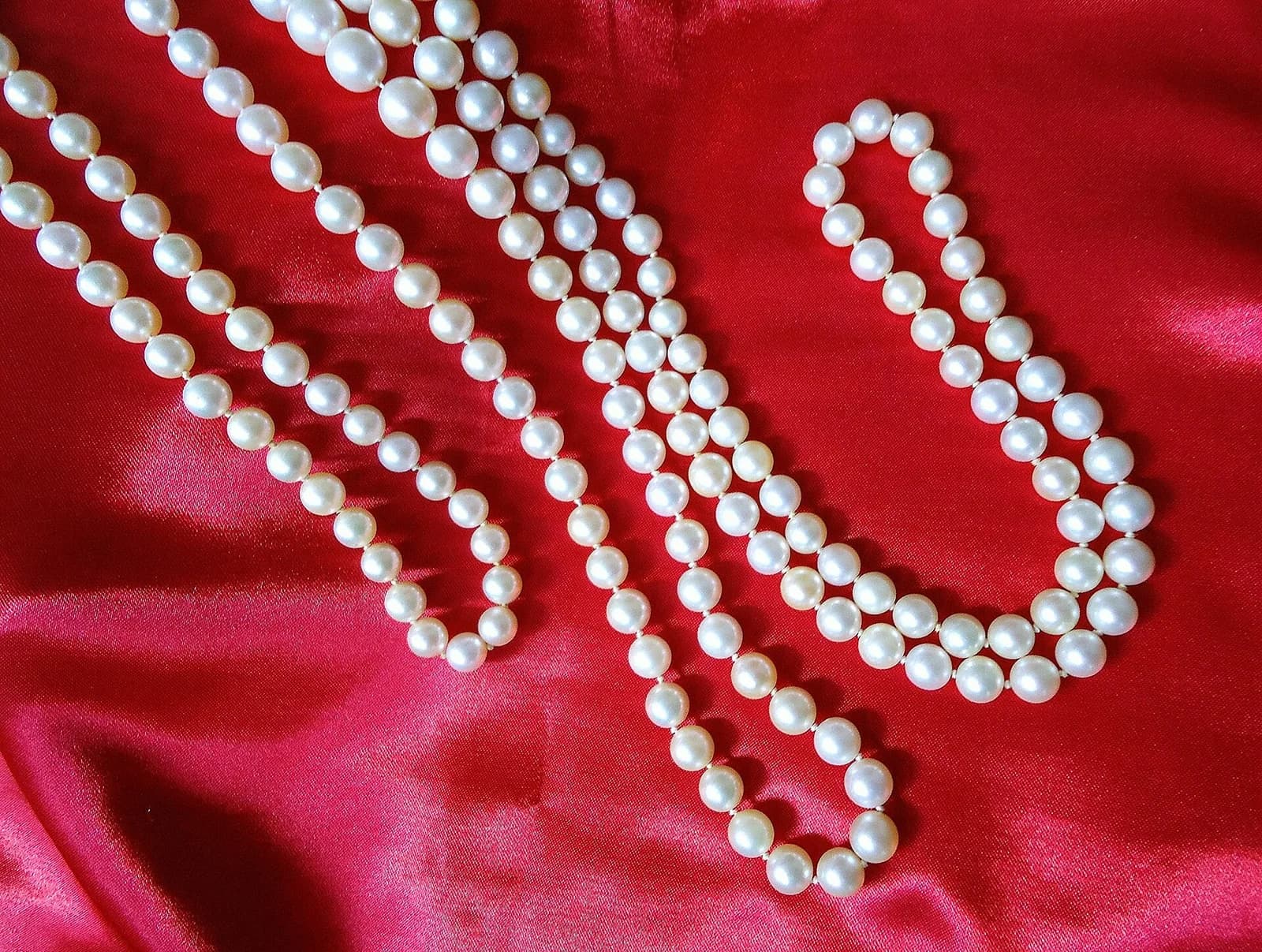
Published 27 September 2026 · WHV · Public-source editorial note
A pearl necklace may look like a row of identical spheres. It is made from separate biological objects, and the work of assembling a persuasive strand lies partly in the relationships among them. The closer you look, the less useful a description based only on diameter becomes.
Look along the whole strand
The Gemological Institute of America separates pearl quality into factors including size, shape, colour, lustre, surface, nacre and matching. Akoya pearls are cultured saltwater pearls, not imitations because people began the growth process. A bright, sharp reflection can matter strongly to appearance, but a retailer’s photograph can exaggerate or flatten it. The surface and how the pearls relate to one another need direct, consistent viewing.
Care also belongs in the value case. Pearls are comparatively soft, and cosmetics, cleaning methods and the condition of the string can affect their useful life. A strand kept in rotation and properly maintained may offer more pleasure than one placed in a box because its label sounds important. None of these material facts proves that a purchase will retain its price.
Ask what the photograph cannot answer
Compare strands under the same light, moving your eye from clasp to clasp rather than choosing the single most photogenic bead. Ask for accurate disclosure of pearl type, treatments and any documentation provided, then consider fit and care. WHV has not assessed the pictured strand. The useful discovery is that quality resides in the conversation between pearls as well as in each pearl alone.
Source and context.
A photograph cannot confirm origin, treatment, nacre thickness, grading or authenticity of the pictured strand. WHV has not examined or valued it. GIA’s general factors guide questions for an individual seller rather than certifying every cultured pearl.
Source checked 27 September 2026. WHV interpretation is distinct from the source’s account.
Explore Cultured Pearls & Material LiteracyFOLLOW YOUR CURIOSITY
Where this leads.
Different subjects. A reason to connect them.
Continue the idea
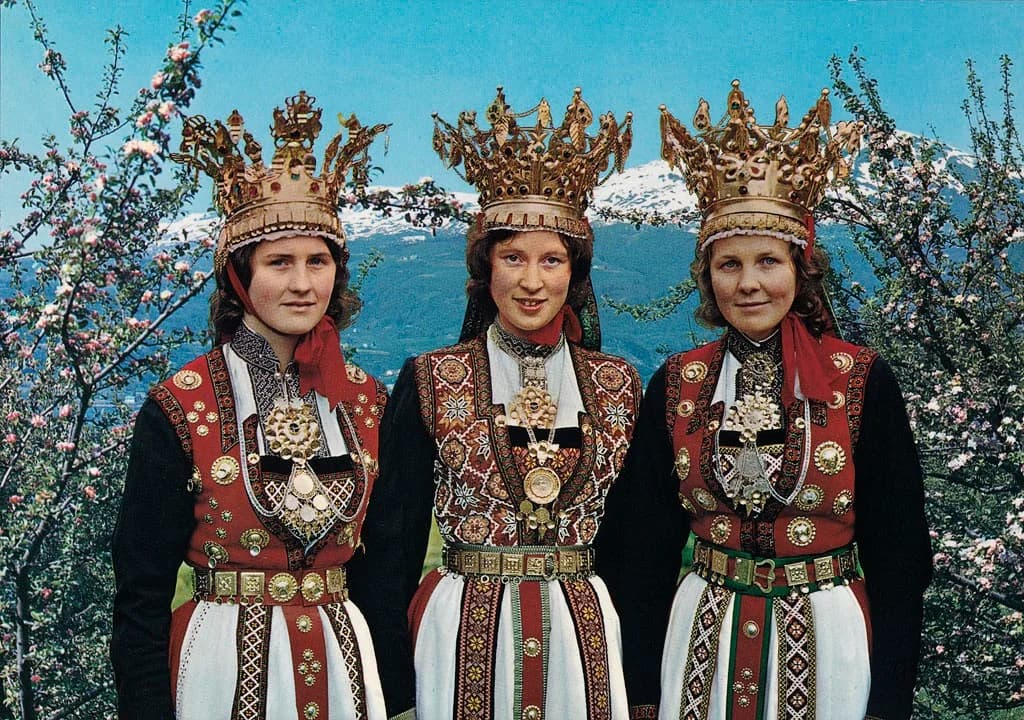
A garment with a family memory.
Consider an adornment alongside a garment whose wear, care and family use also matter.
Regional Dress & Living Textile Knowledge
Read the story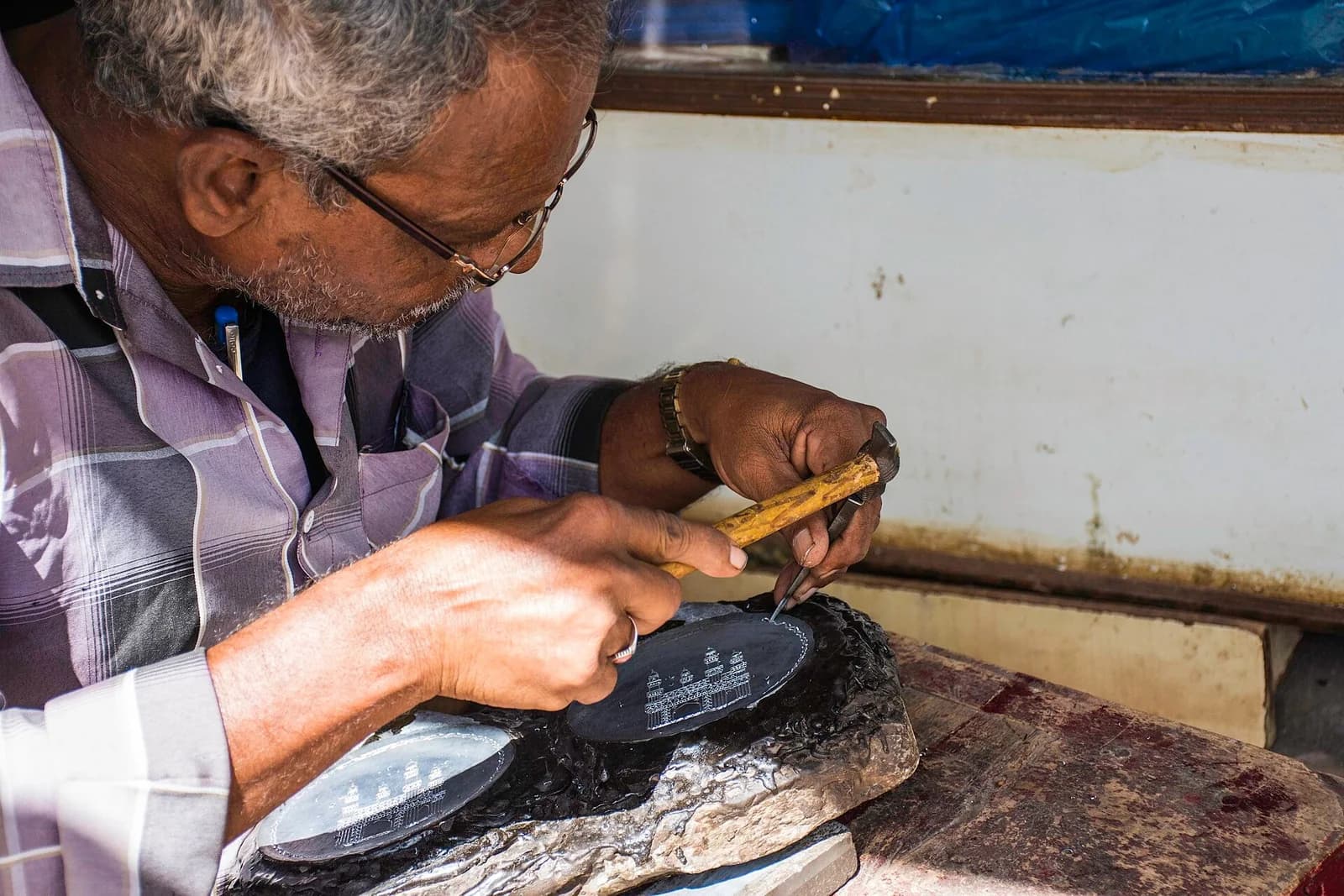
Across the WHV world
The silver is not the whole story.
A different decorative object shifts attention from material alone to technique and maker.
Metal Inlay & Material Transformation
Read the story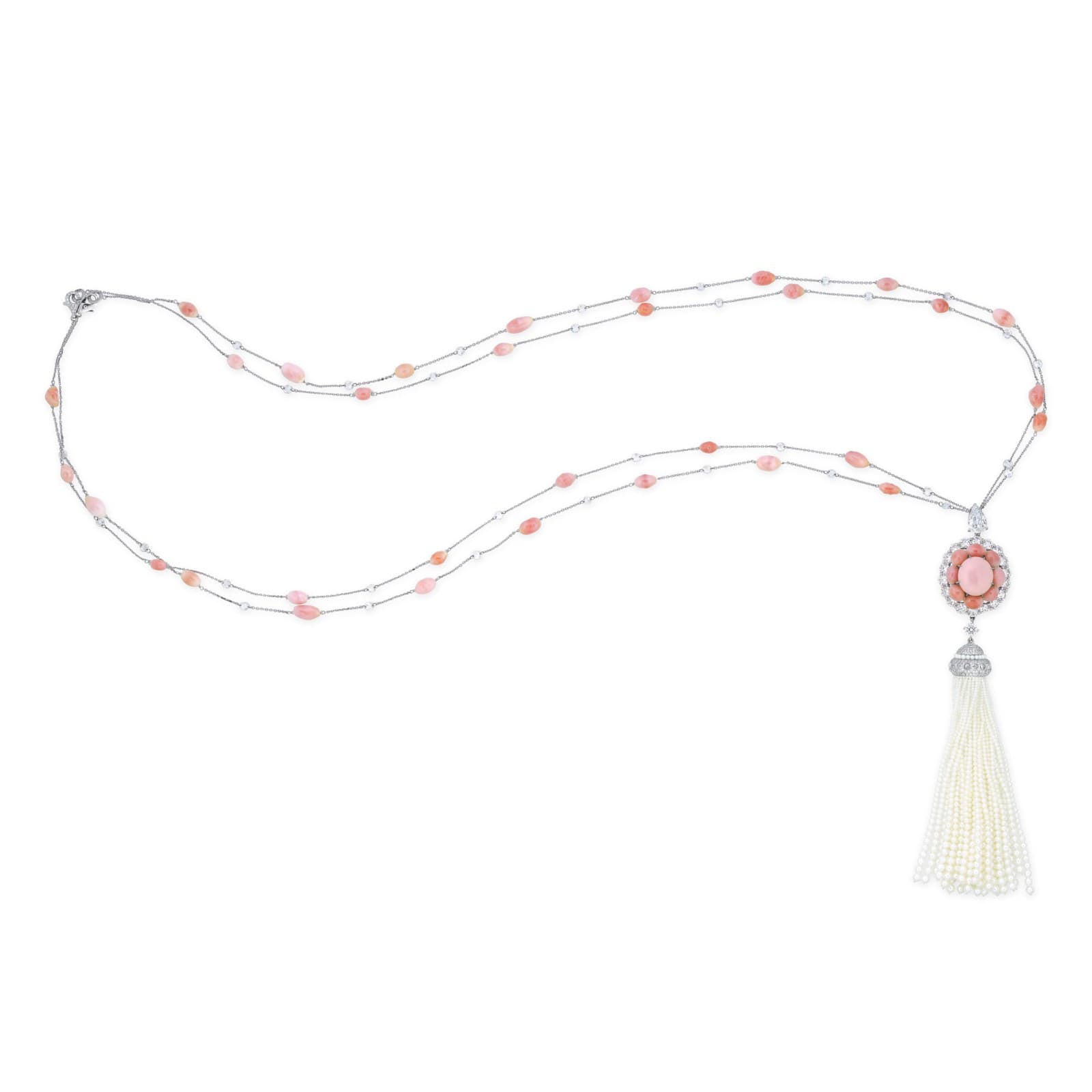
An unexpected connection
The pearl with a flame inside.
Another pearl story shows why exact identification matters before an appealing description.
Jewellery & Gemology
Read the story