DISCOVERY / Regional Dress & Living Textile Knowledge
A garment with a family memory.
A Hardanger bunad can carry regional skill and family history into the present. The work of fitting and keeping it matters too.
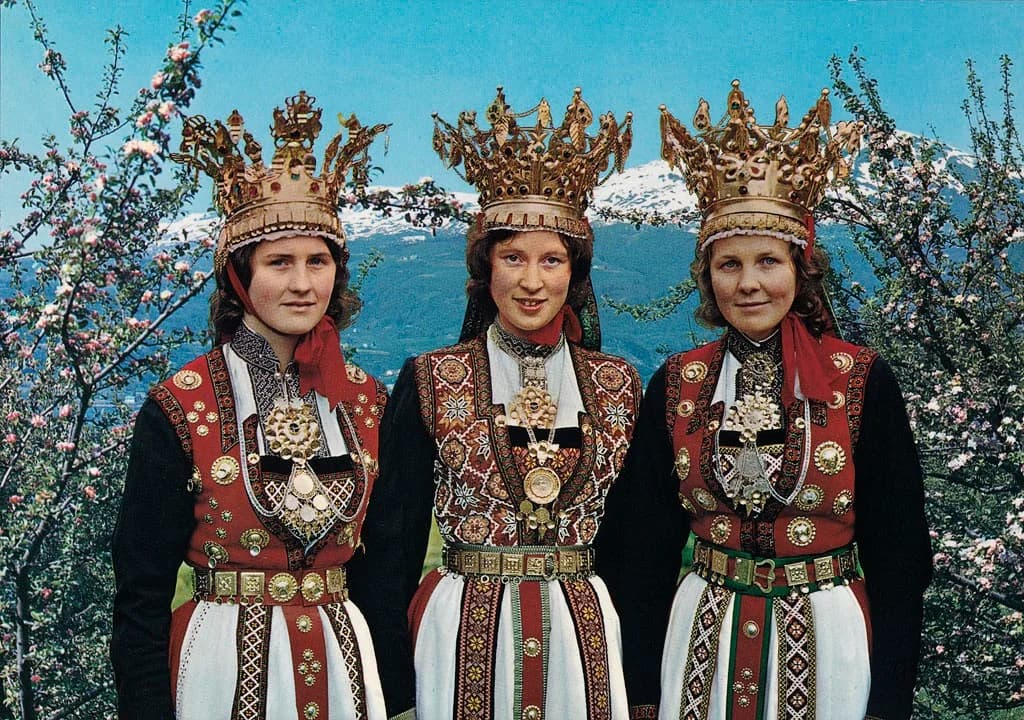
Published 27 September 2026 · WHV · Public-source editorial note
Some garments survive because they remain invited into important days. A Hardanger bunad asks for another kind of attention than an archival dress behind glass. It is fitted to a body, worn among people and often discussed across generations. The story includes hands that prepare it for the next occasion.
A living form of regional dress
Hardanger Folkemuseum connects the region’s festive dress with the later development of the bunad. Norsk Folkemuseum distinguishes older folk costume from the bunad movement, which drew on regional clothing and grew alongside national romanticism. That history matters. It prevents a present-day garment from being presented as an untouched ancient uniform, while leaving room to appreciate the skills and meanings it carries now.
A photographed bridal ensemble is only one expression of this tradition. The clothing involves textiles, embroidery, fitting, accessories and choices about use. It can need alteration as a person or family changes. Institutes and museums still teach and document textile techniques, which means continuity is work rather than a romantic label sewn into a lining.
What can be passed on
If your family owns a bunad, ask who made and altered it, what the components are and how they should be stored. If commissioning one, begin with a reputable regional maker and the time needed for fit and care. The point is not to assign a resale value to cultural identity. It is to understand how a beautiful object can stay socially and practically alive when the knowledge around it is respected.
Source and context.
Hardanger Folkemuseum: the Hardanger bunad ↗
Norsk Folkemuseum: folk costume and bunad ↗
Norwegian Institute of Bunad and Folk Costume: current activities ↗
The historical photograph depicts Hardanger bridal costumes around 1971, not the maker or specification of every contemporary bunad. WHV has not examined a garment, confirmed a commission slot or assessed its monetary value. Traditions vary within regions and families.
Source checked 27 September 2026. WHV interpretation is distinct from the source’s account.
Explore Regional Dress & Living Textile KnowledgeFOLLOW YOUR CURIOSITY
Where this leads.
Different subjects. A reason to connect them.
Continue the idea
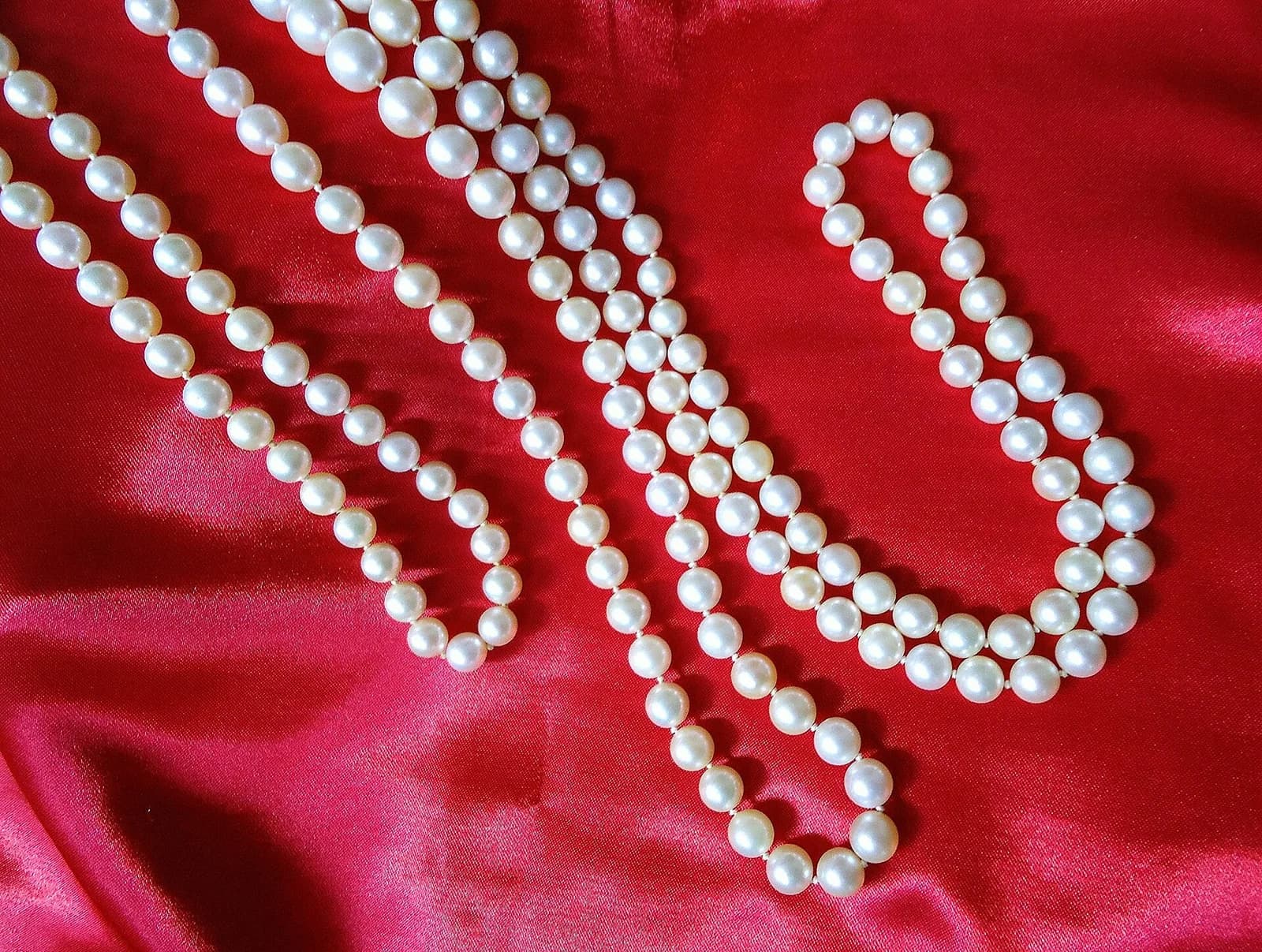
The value between the beads.
A garment and an ornament both depend on close attention to fit, use and individual condition.
Cultured Pearls & Material Literacy
Read the story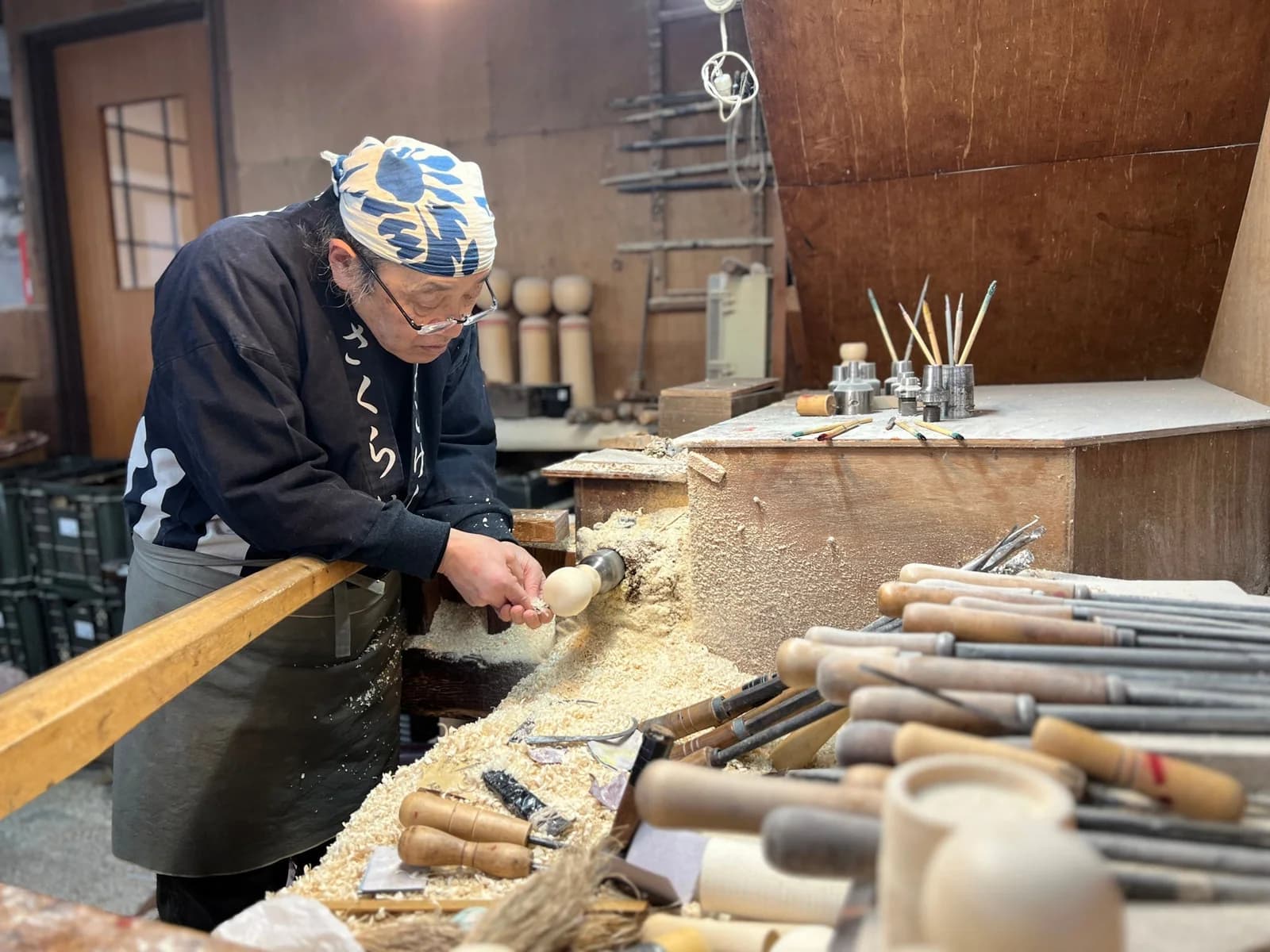
Across the WHV world
The doll whose head has a voice.
Regional knowledge also remains visible in a modest object made by living specialist hands.
Turned Wood & Living Folk Craft
Read the story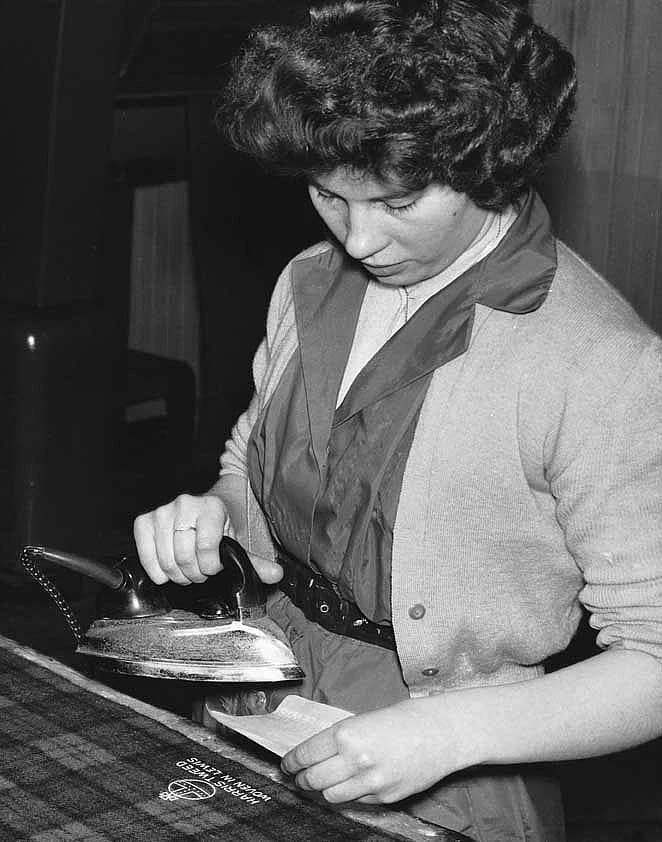
An unexpected connection
The place woven into the cloth.
Another textile tradition makes the relationship between region, method and finished garment worth examining.
Textiles & Material Provenance
Read the story