DISCOVERY / Jewellery & Decorative Arts
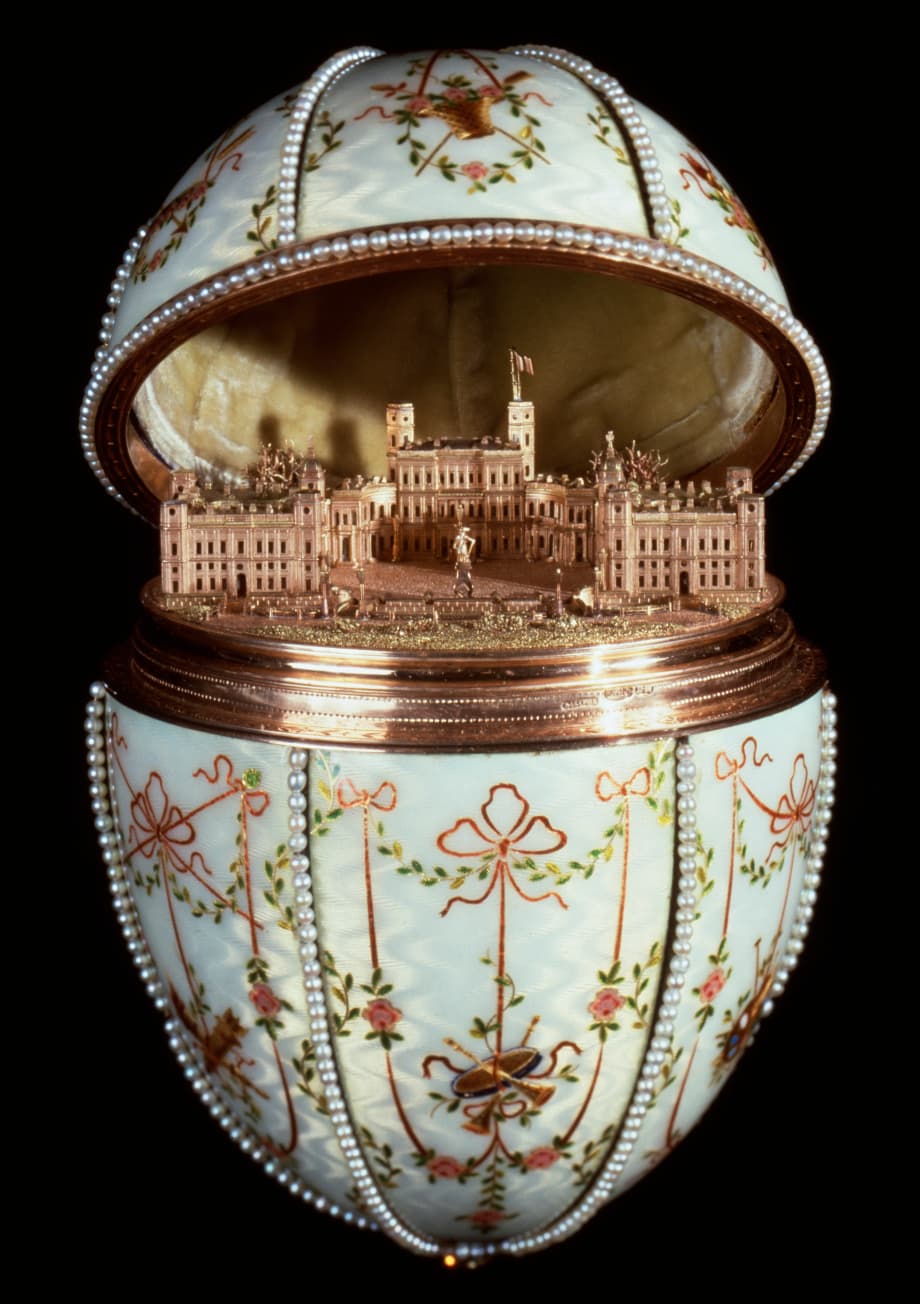
A palace inside an egg.
Fabergé’s Gatchina Palace Egg rewards a closer look at the workmaster, the hidden architecture and the gaps in a celebrated object’s history.
Published 12 September 2026 · WHV · Public-source editorial note
The surprise is a building. Open the Gatchina Palace Egg and a miniature gold palace appears, complete with details small enough to reward deliberate looking. The Walters Art Museum identifies the work as a 1901 creation of the House of Fabergé, with Mikhail Perkhin as workmaster, presented by Nicholas II to his mother.
The shell offers another lesson: translucent enamel over mechanically engraved gold. It is the relationship between surface, light and workmanship that matters here, not simply a list of precious materials. Naming the workmaster also restores the skilled person behind a globally familiar house.
Read the provenance as carefully as the decoration. The museum records an intervening owner whose acquisition date and method are unknown. A distinguished collection does not turn an incomplete historical record into a complete one. That is a useful habit to carry from a museum into any collecting conversation.
Source and context.
The Walters Art Museum: Gatchina Palace Egg, accession 44.500 ↗
This museum object is not offered for sale here. The account is not an authentication guide for other Fabergé objects, a valuation or a claim that every ownership transfer is documented.
Source checked 12 September 2026. WHV interpretation is distinct from the source’s account.
Explore Jewellery & Decorative ArtsFOLLOW YOUR CURIOSITY
Where this leads.
Different subjects. A reason to connect them.
Continue the idea
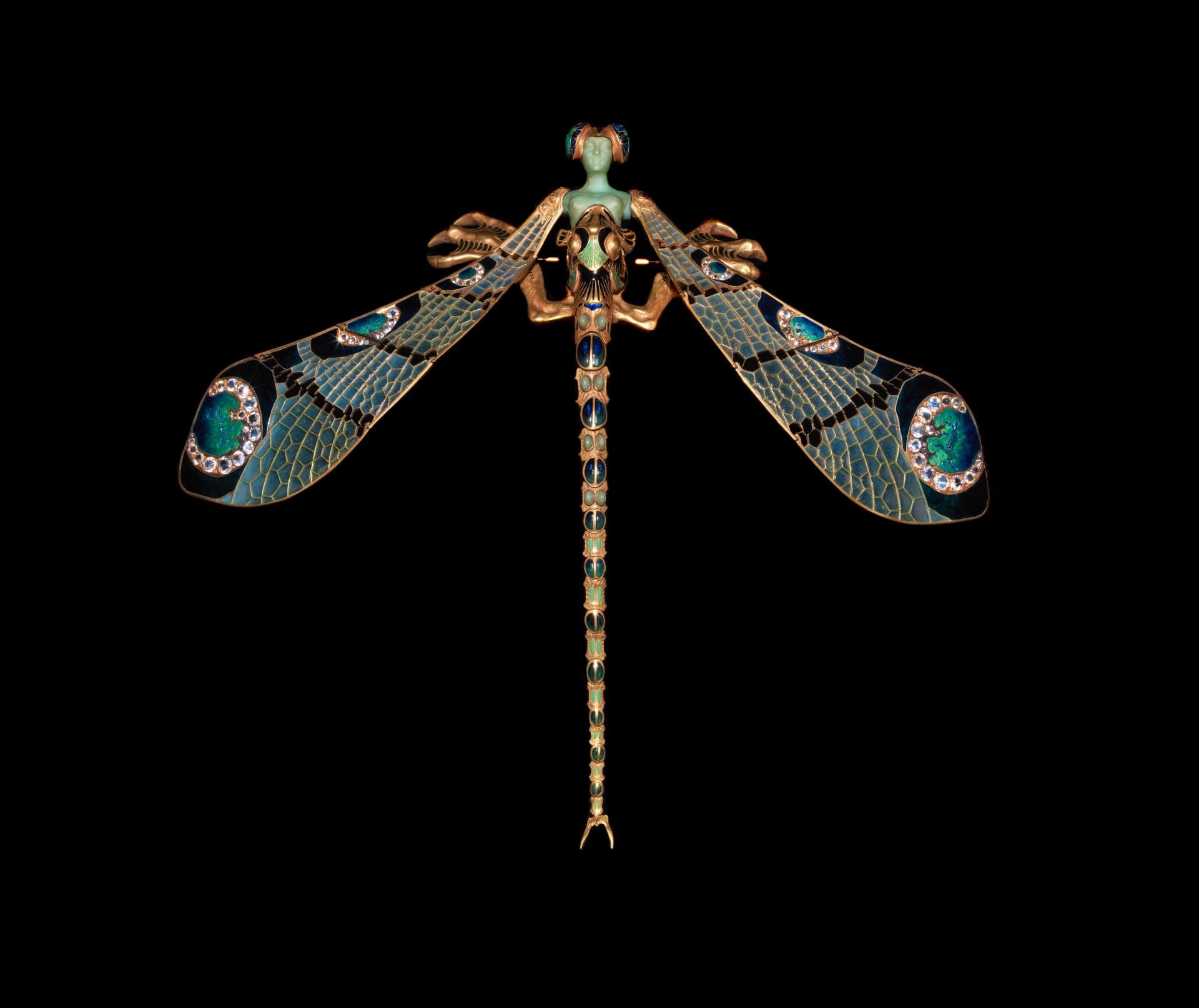
When a jewel becomes a creature.
Another jewel whose imagination matters as much as its precious materials.
Jewellery & Art
Read the story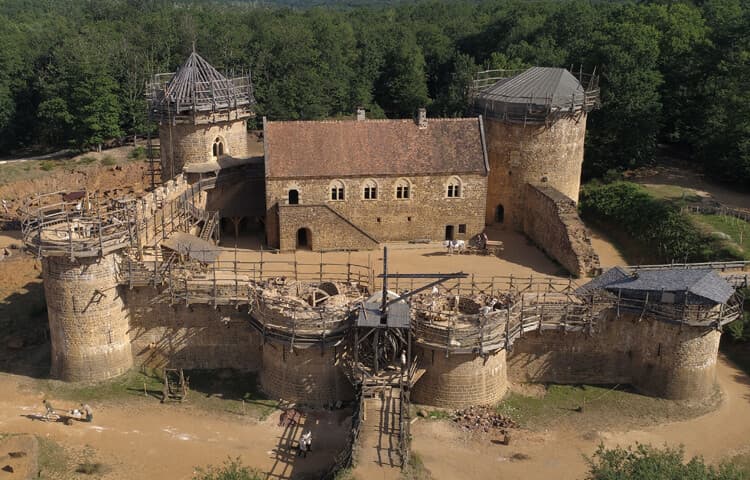
Across the WHV world
A castle built to understand.
From a miniature palace to architecture understood through the act of building.
Experiences & Living Craft
Read the story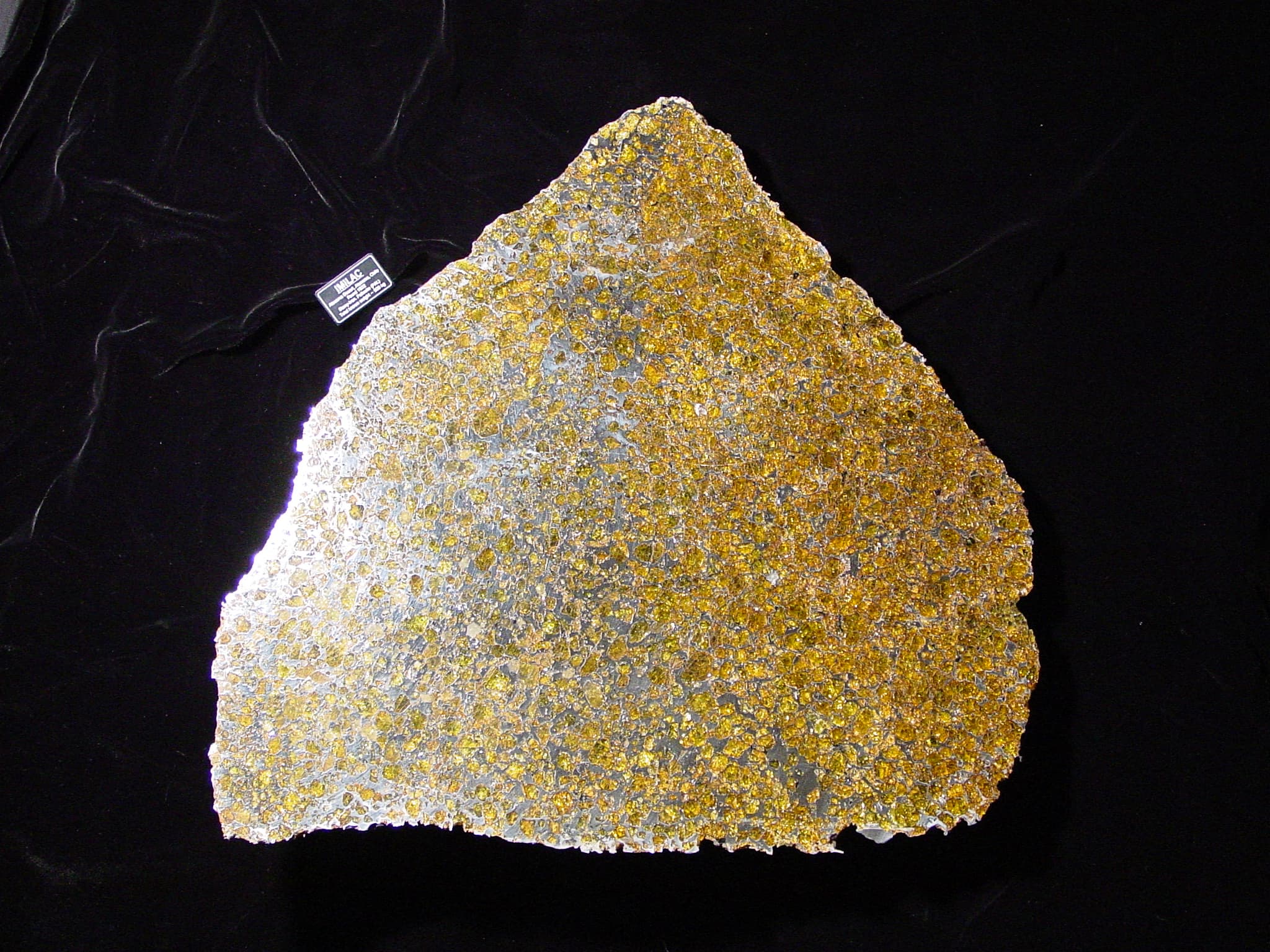
An unexpected connection
A window into an asteroid.
Another unexpected world revealed inside an object.
Rare Objects
Read the story