DISCOVERY / Experiences & Living Craft
A castle built to understand.
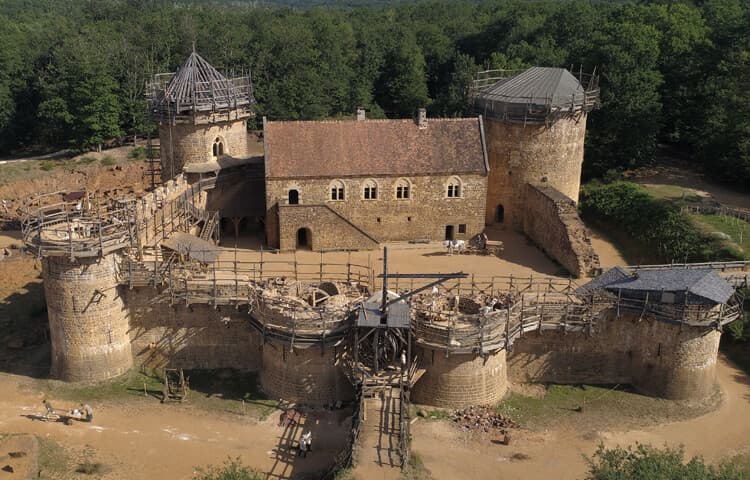
A medieval watermill rebuilt from archaeological evidence reveals what Guédelon preserves: knowledge that must be practised to stay alive.
Published 12 September 2026 · WHV · Public-source editorial note · Updated 13 September 2026
The most revealing object at Guédelon may not be the castle. A short distance away in the forest stands a water-powered flour mill, built with archaeologists from Inrap over three years. Its starting point was the excavated remains of a 12th-century mill at Thervay in the Jura. According to the project, the reconstruction can produce flour when water flow permits.
That last detail matters. An attractive replica only has to resemble something. A working reconstruction has to make its parts cooperate. It offers a way to question an interpretation of the archaeological evidence through making and use, rather than relying on appearance alone. This is WHV’s reason to look beyond the picturesque towers.
The wider project in Burgundy is a new castle built with medieval techniques, not a surviving medieval ruin being restored. Its craftspeople work with stone, wood and earth from the site. The building is a visible result, but the methods being practised are a second inheritance. Keeping an object and keeping the ability to make it are different achievements.
The value here is practical and cultural knowledge: an understanding that can be demonstrated, questioned and passed to another person. That does not make every old technique better than a modern one. It makes the knowledge available for comparison instead of leaving it only in a description. For someone commissioning work, caring for an old building or simply learning to recognise workmanship, that distinction can change what they notice and ask.
A visit is worthwhile on that basis, not because the castle is unusual or because a day out is automatically an investment. Look for a process you can understand more clearly by the time you leave. Check the current demonstrations and access arrangements with Guédelon before travelling, including whether the mill can run.
Source and context.
Guédelon: The building project ↗
Guédelon: Experimental archaeology and the water-powered flour mill ↗
Based on the project’s own account, not a WHV visit or independent audit of its archaeological methods. No particular demonstration, opening date or accessibility arrangement is guaranteed by this reading.
Source checked 13 September 2026. WHV interpretation is distinct from the source’s account.
Updated 13 September 2026. Expanded the watermill example and clarified the value of practical knowledge.
Explore Experiences & Living CraftFOLLOW YOUR CURIOSITY
Where this leads.
Different subjects. A reason to connect them.
Continue the idea
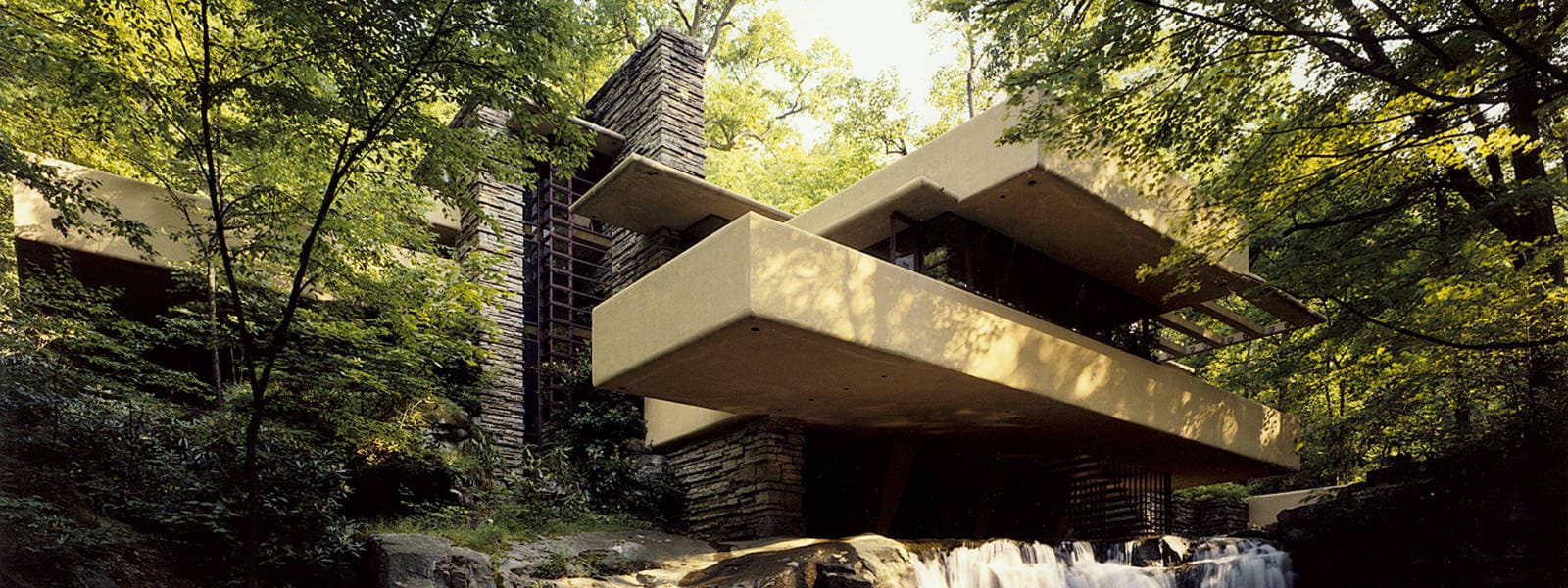
The house that needs its caretakers.
What skilled care means once an exceptional building is complete.
Homes & Architecture
Read the story
Across the WHV world
A perfume remembered by nose.
A different attempt to revisit the past through knowledge and interpretation.
Fragrance
Read the story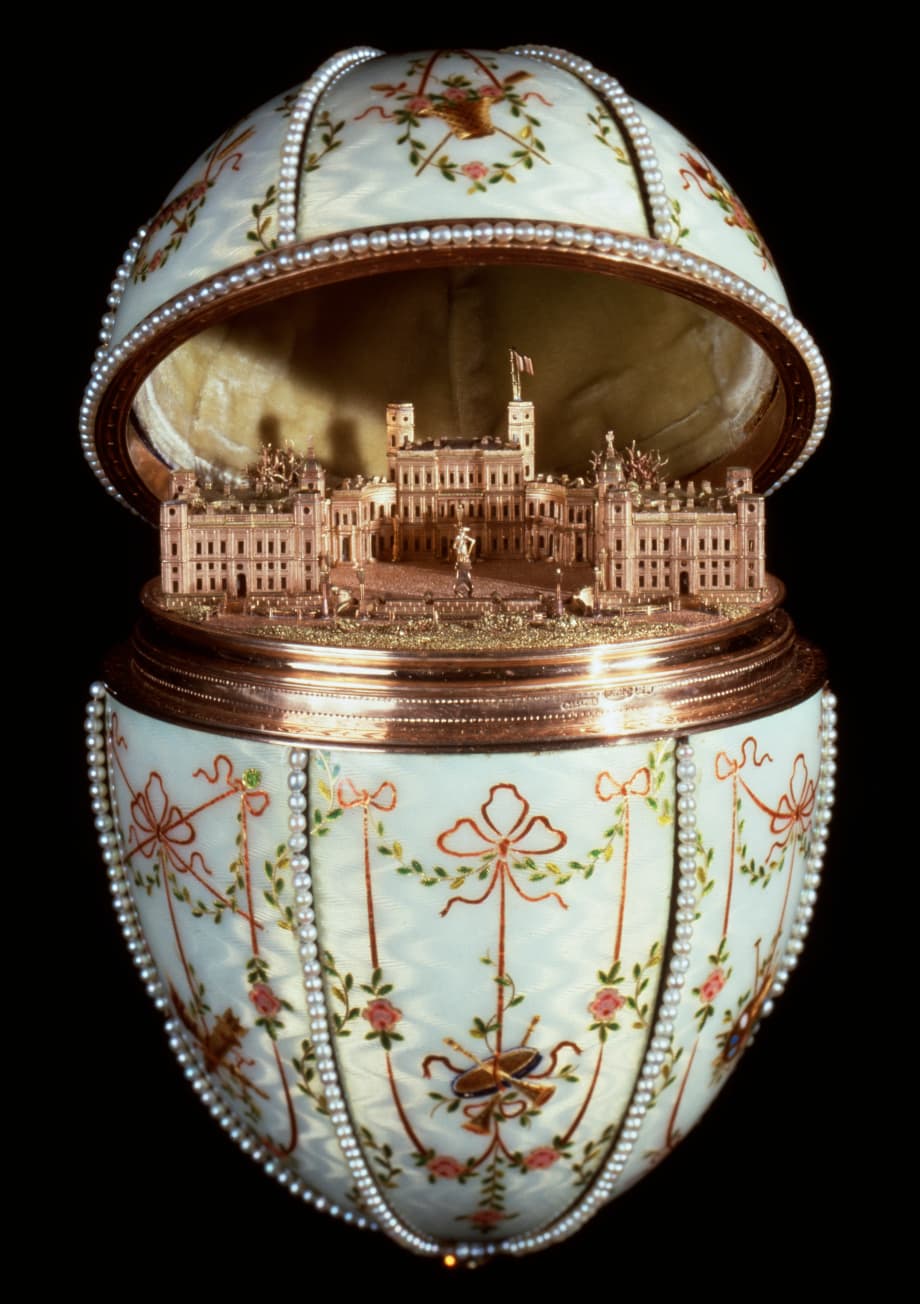
An unexpected connection
A palace inside an egg.
Architecture becomes an intimate surprise inside a Fabergé egg.
Jewellery & Decorative Arts
Read the story