DISCOVERY / Homes & Architecture
The house that needs its caretakers.
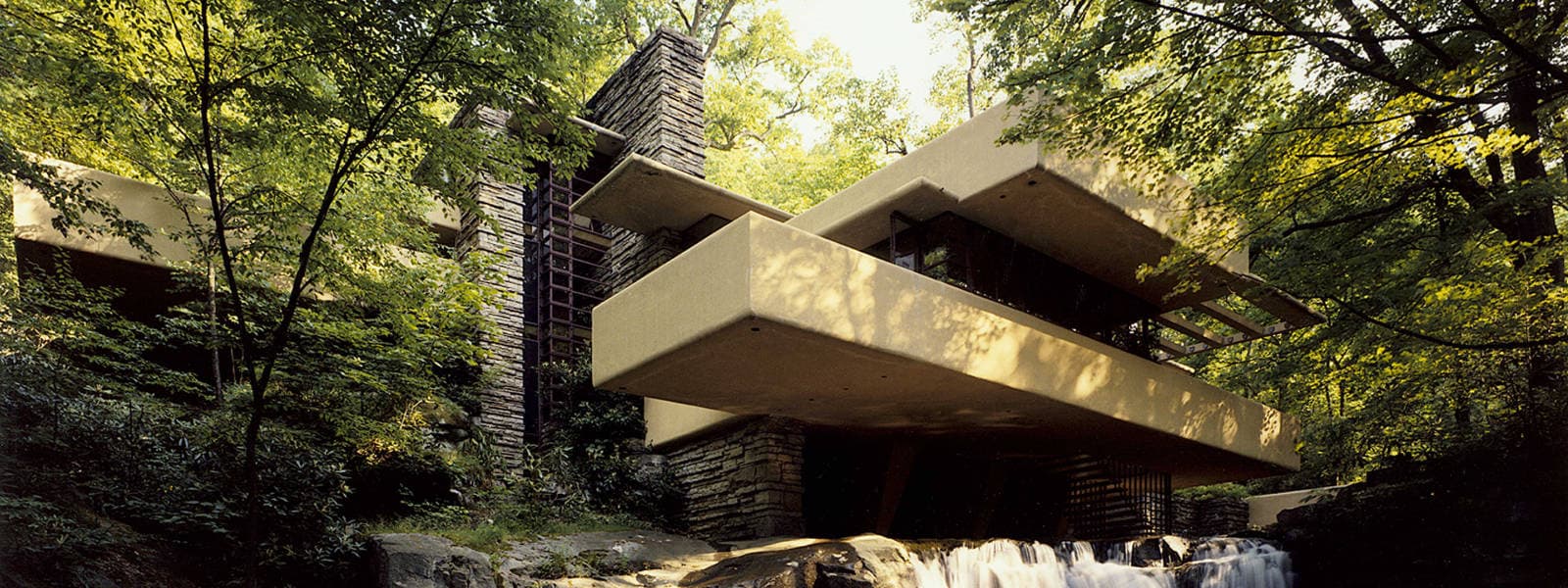
Fallingwater’s extraordinary relationship with its landscape also explains why enduring architecture depends on less visible work.
Published 12 September 2026 · WHV · Public-source editorial note
The terraces appear to reach out into the trees. Frank Lloyd Wright’s Fallingwater is compelling partly because its stone, concrete, glass and water seem to belong to one composition. The institution responsible for the house tells a less effortless story about keeping that composition intact.
Its preservation history describes water infiltration, freeze-thaw damage and the strengthening of the living-room cantilevers in 2001–2002. Paint, windows and masonry require recurring attention. These are not embarrassing footnotes to the architecture. They are part of the knowledge that allows it to remain.
For someone drawn to a distinctive house, the transferable question is practical: who understands this building, and what must be done next? A conservation plan, competent specialists and realistic reserves can matter more than another adjective in a property description. Admiring the view and understanding its obligations belong in the same visit.
Source and context.
Fallingwater / Western Pennsylvania Conservancy: Preservation History ↗
A source-led reading of a public house museum, not a property listing, structural assessment or visit by WHV. Its cultural importance does not establish the economics of another architectural home.
Source checked 12 September 2026. WHV interpretation is distinct from the source’s account.
Explore Homes & ArchitectureFOLLOW YOUR CURIOSITY
Where this leads.
Different subjects. A reason to connect them.
Continue the idea
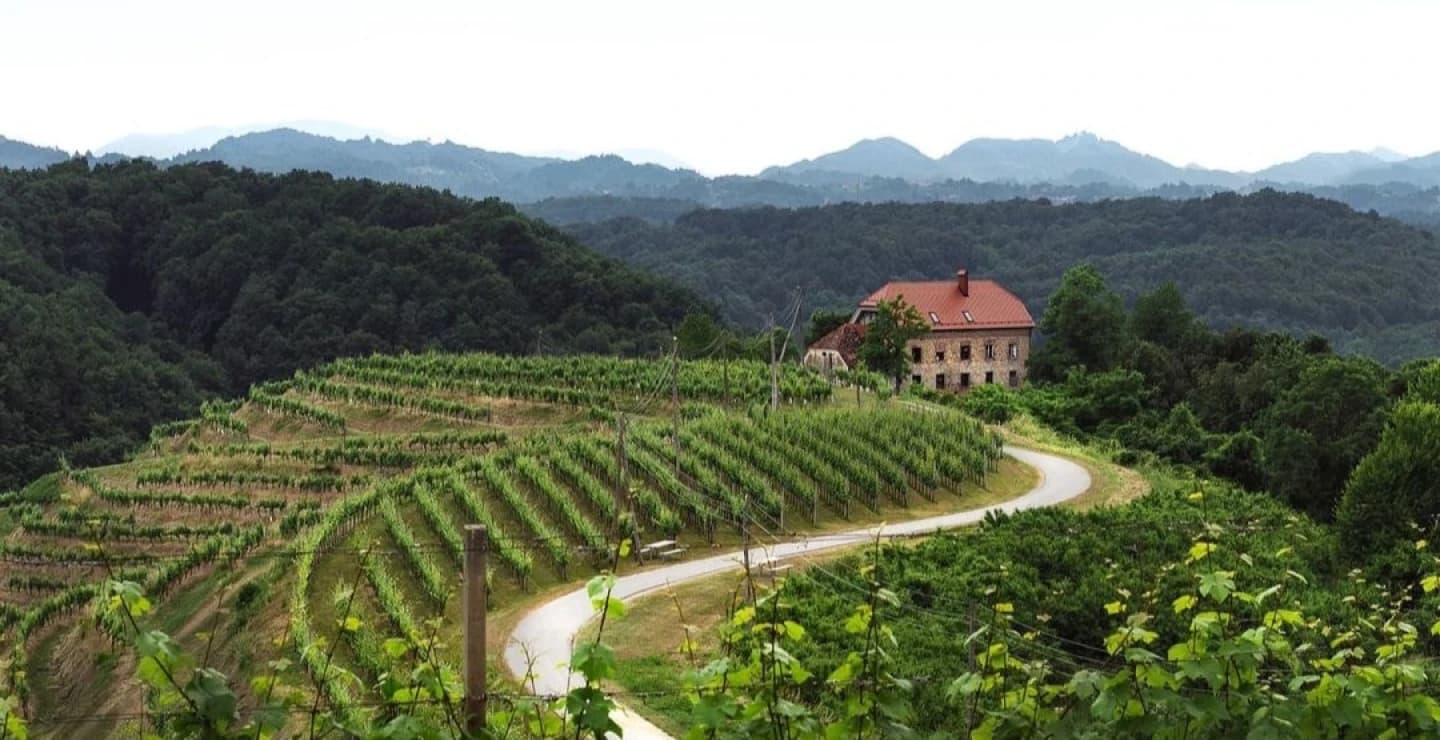
The land behind the bottle.
A different place whose appeal cannot be separated from the work behind it.
Vineyards & Productive Places
Read the story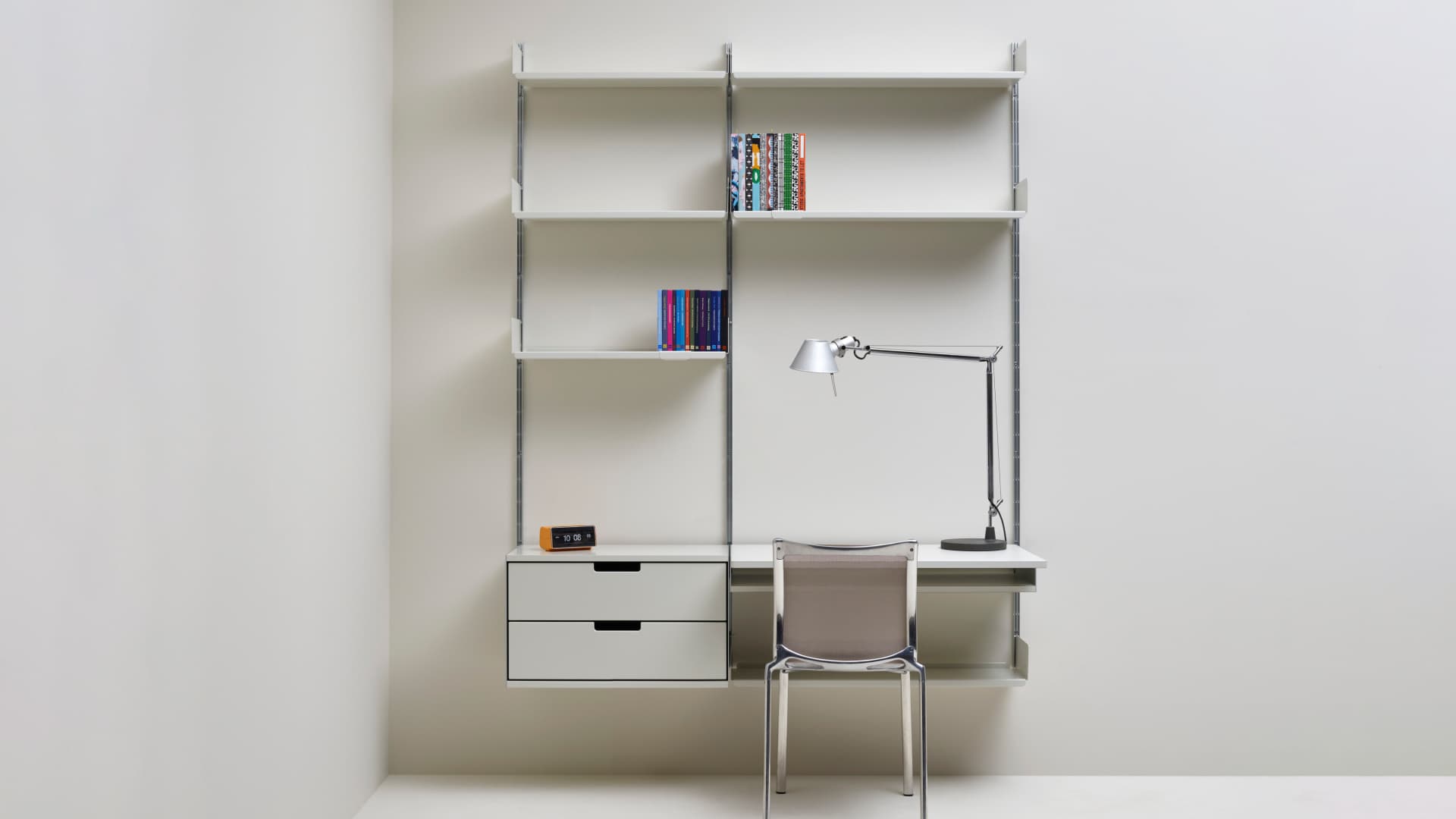
Across the WHV world
A system that can follow you.
Adaptation and continuity, this time at the scale of a room.
Objects & Design
Read the story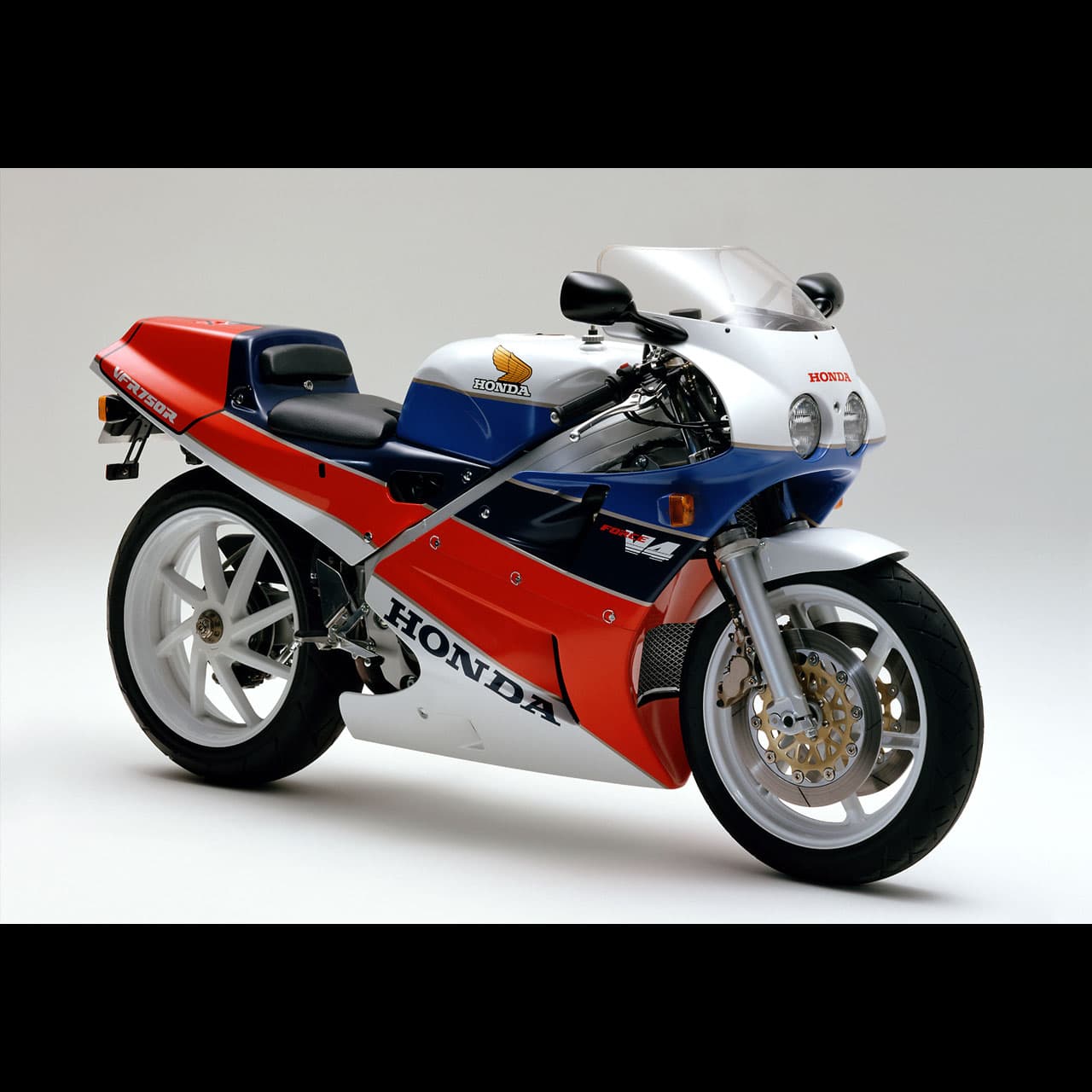
An unexpected connection
A superbike with a way back.
The people and parts that keep a remarkable machine in use.
Motorcycles
Read the story