Discovery
The platform clock on your wrist.
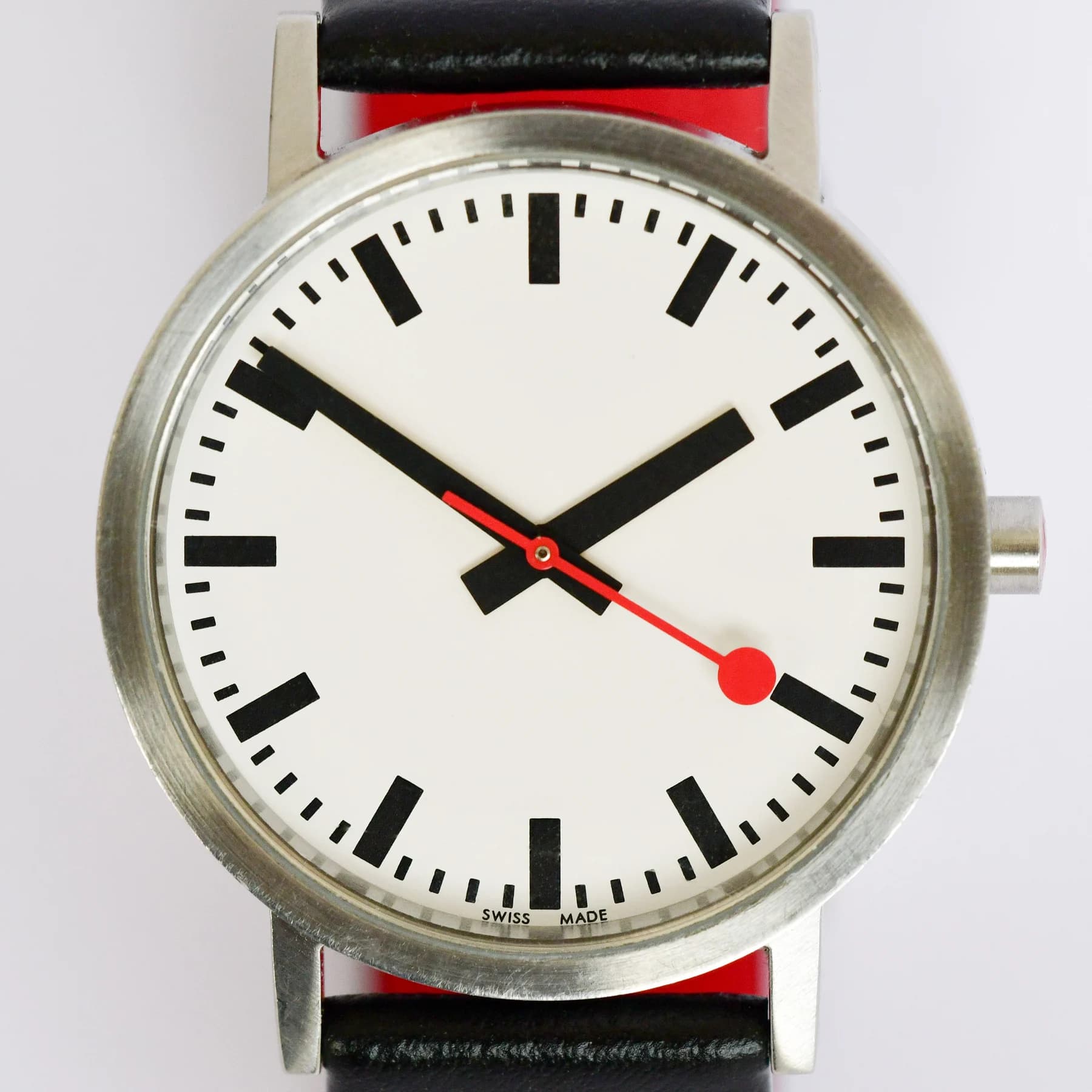
Mondaine’s Classic brings the visual clarity of the Swiss railway clock to a wristwatch. Its distinction is the strength of the design, not an expensive complication.
Read the noteTHE WHV WORLD
The movement, the maker, the moment.
THE QUESTION WE BRING
OUR FIELD OF VIEW
Each selection begins with a specific subject, a reason to care and evidence worth examining.
Discovery
Mondaine’s Classic brings the visual clarity of the Swiss railway clock to a wristwatch. Its distinction is the strength of the design, not an expensive complication.
Read the noteDiscovery
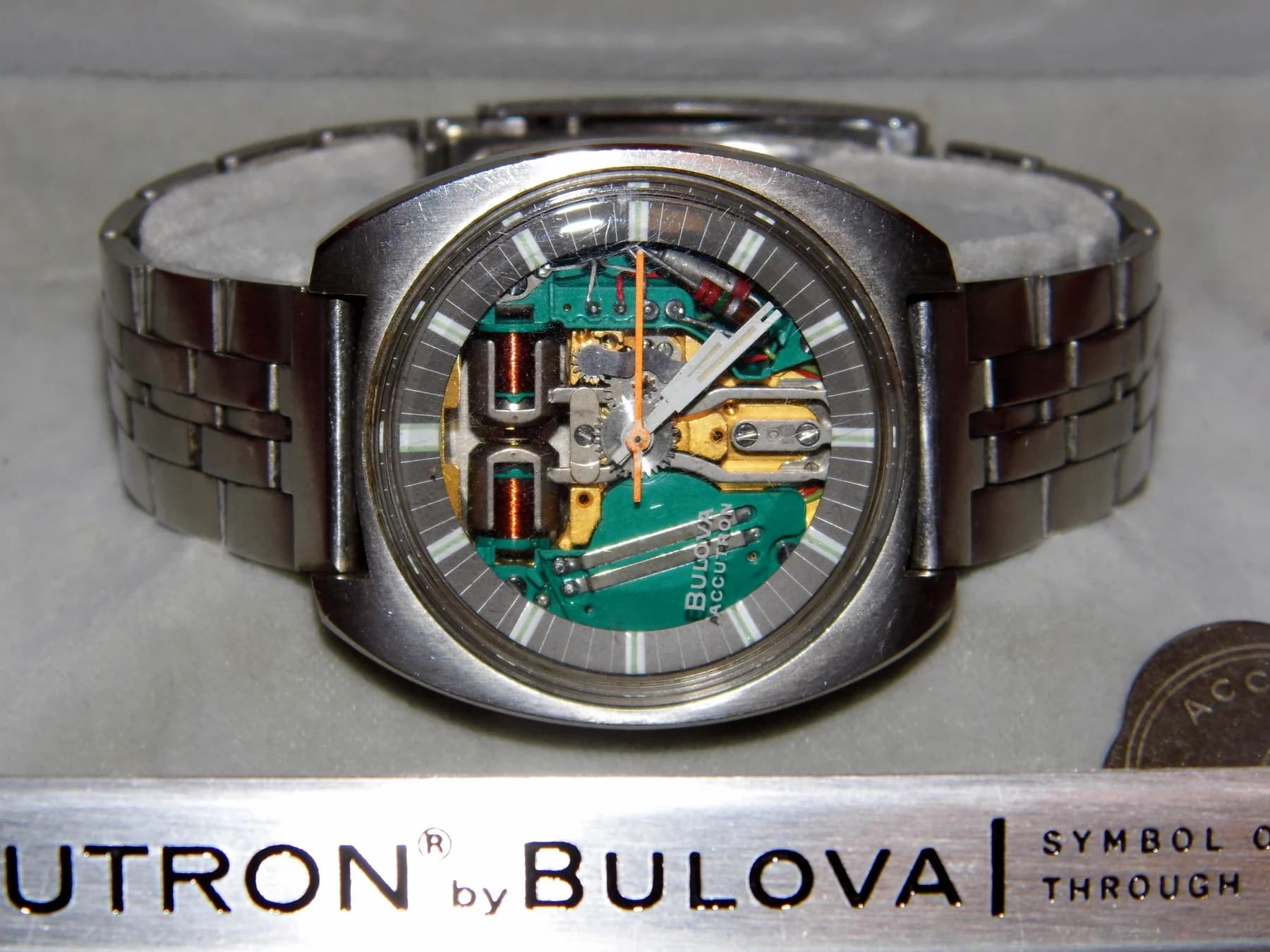
Accutron’s Spaceview 314 brings tuning-fork timekeeping back into a current watch. The attraction is an unusual way of keeping time, not a claim to beat every quartz movement.
Read the noteDiscovery
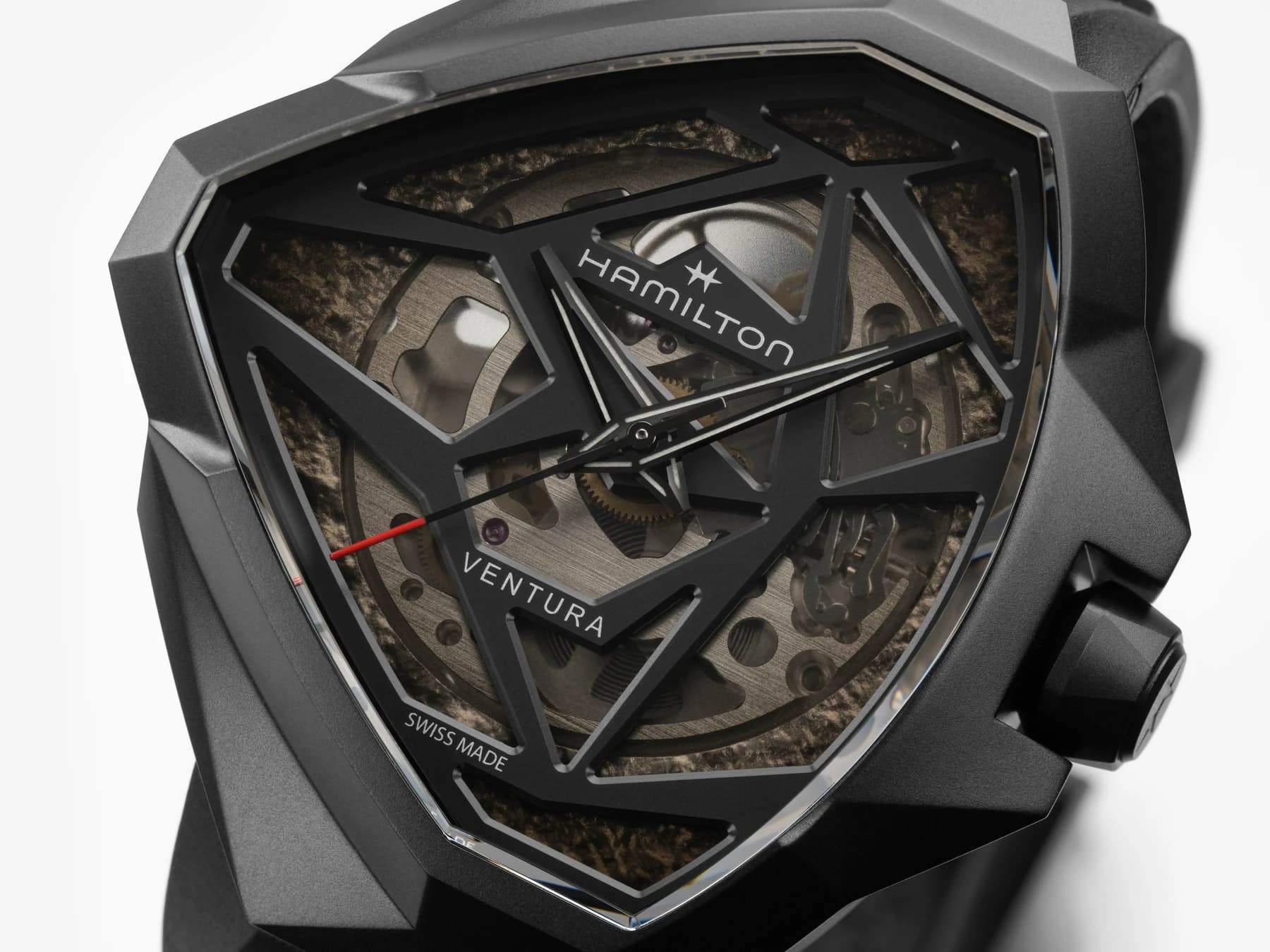
Hamilton’s Ventura Edge Skeleton carries an asymmetric design idea into a different mechanism. Its interest lies in the continuity of a visual language, not a claim to reproduce the original watch.
Read the noteDiscovery
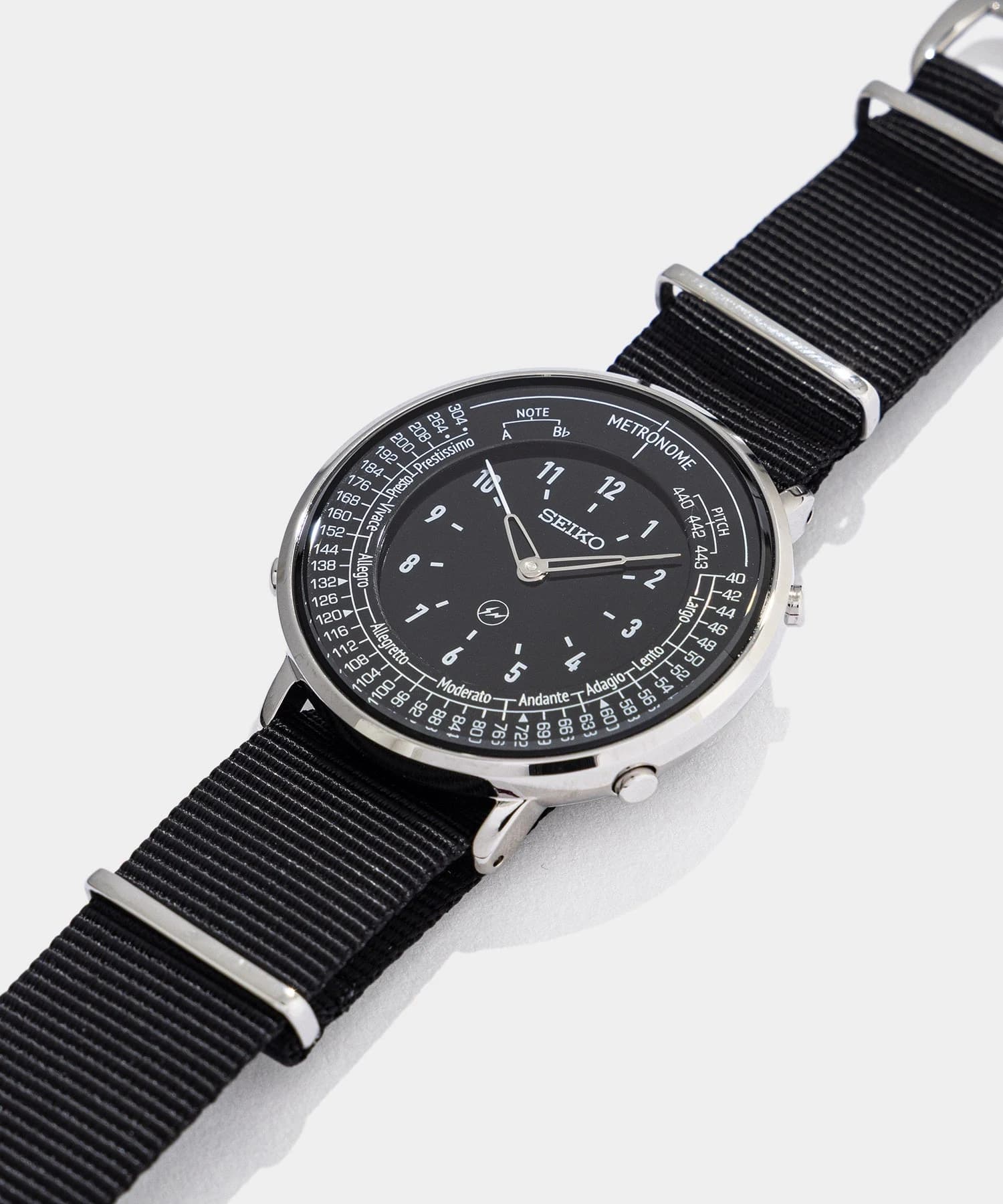
Seiko’s Metronome Watch turns its hands into a tempo cue. The 2026 FRAGMENT edition puts a musical instrument inside a familiar daily object.
Read the noteDiscovery
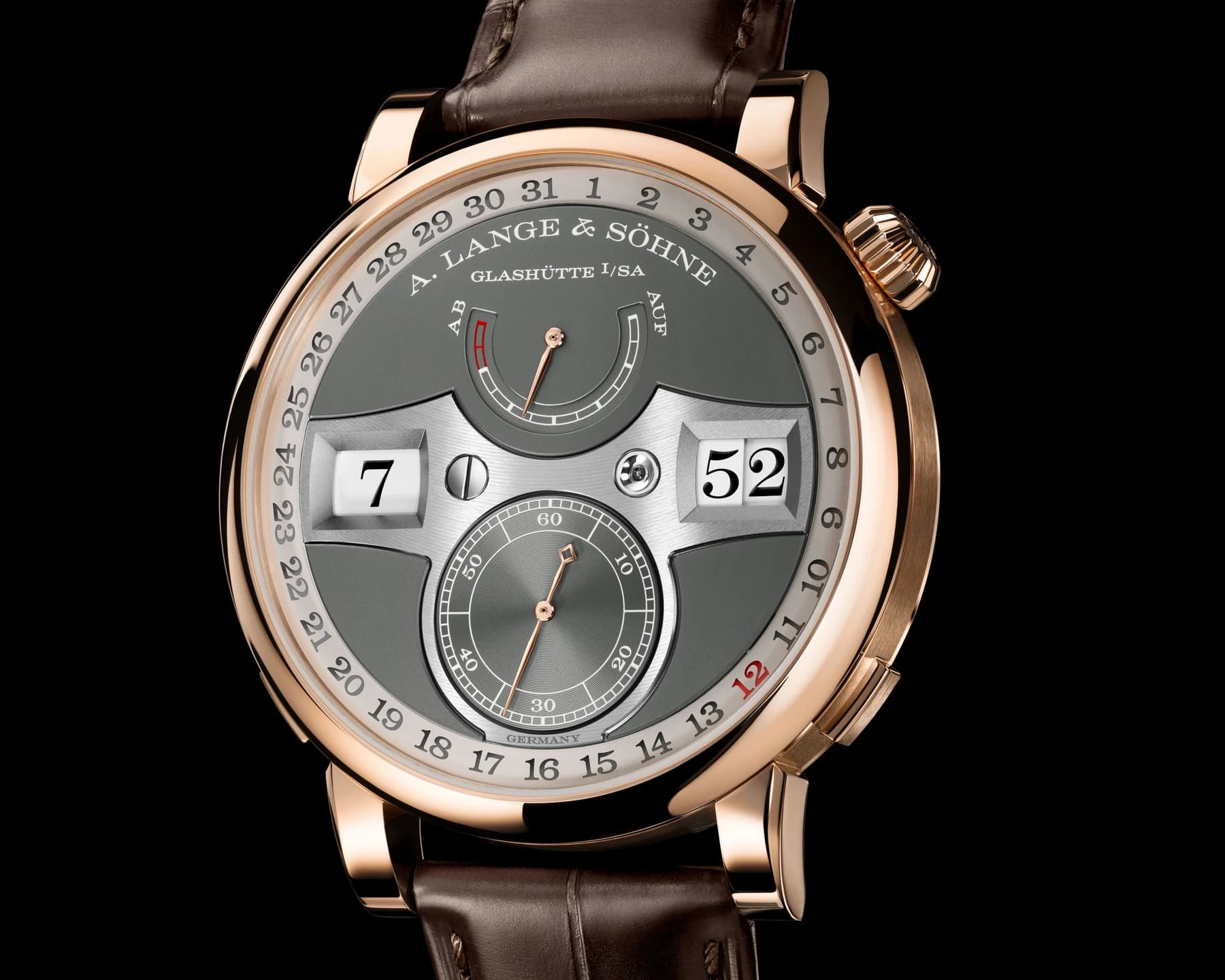
A. Lange & Söhne’s Zeitwerk Date uses jumping numerals without electronics. The apparent simplicity of reading it depends on considerable mechanical work.
Read the noteDiscovery
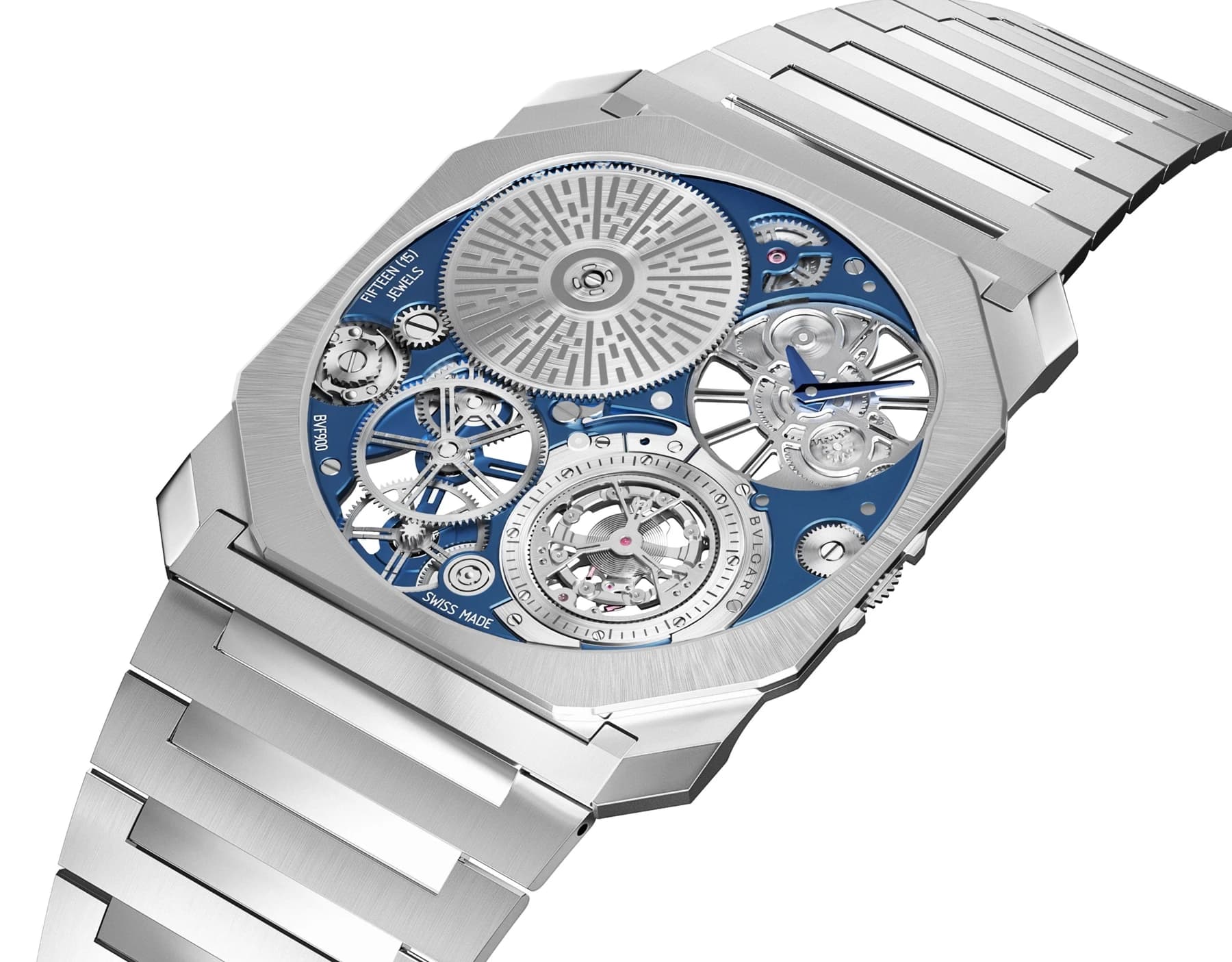
Bulgari’s 2026 Octo Finissimo Ultra Tourbillon Platinum puts an elaborate mechanism into an unusually thin whole watch. The interesting constraint is space, not the price of platinum.
Read the noteDiscovery
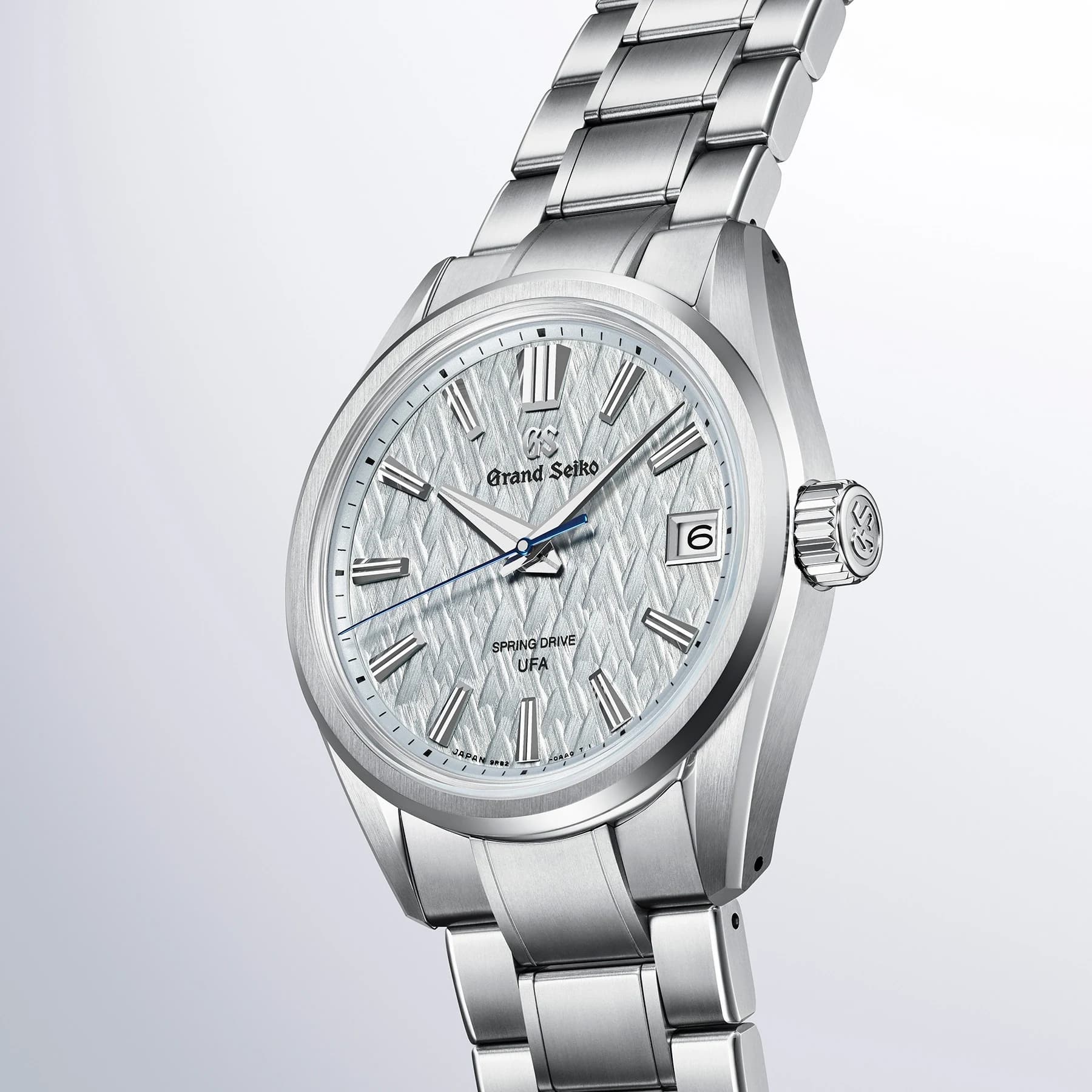
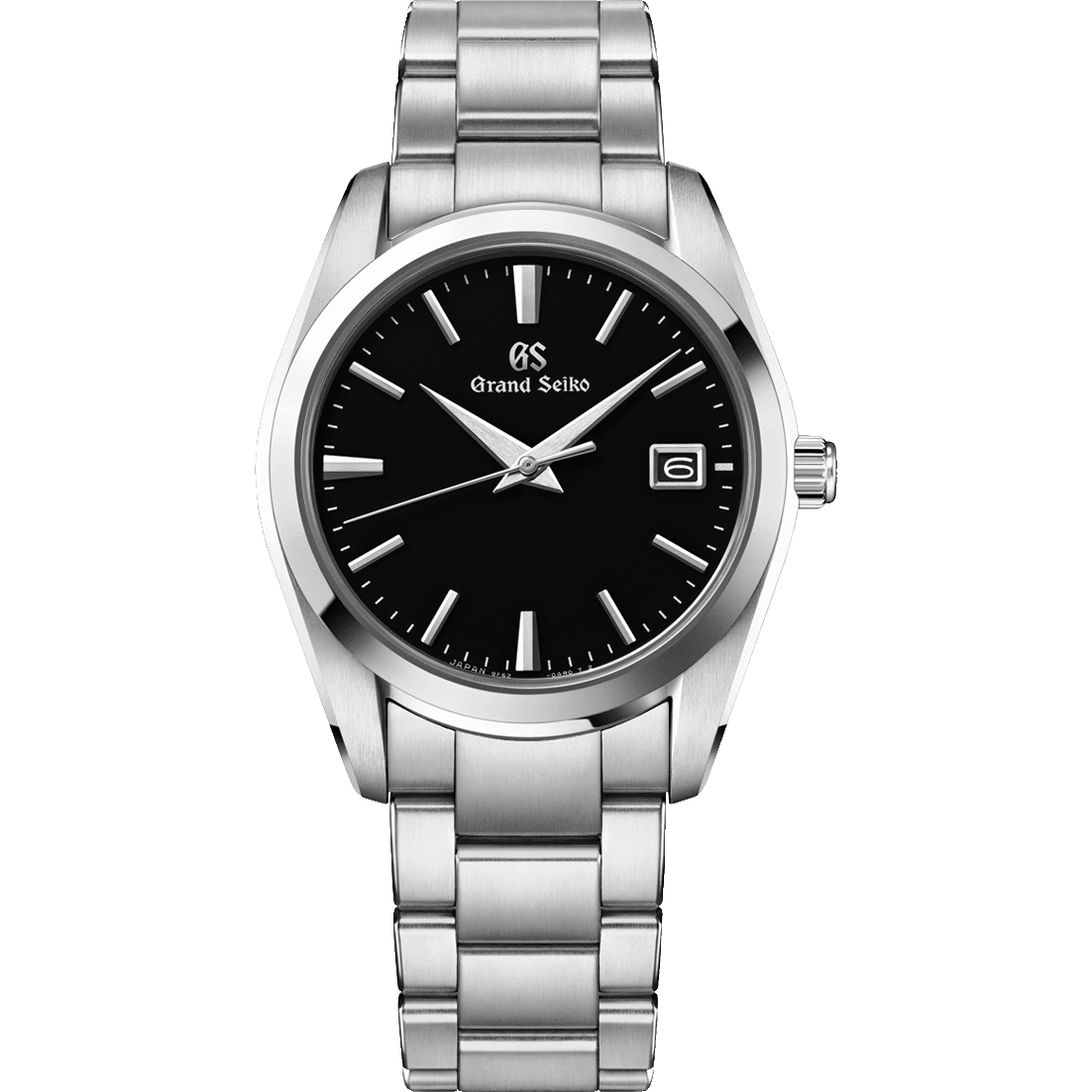
Grand Seiko’s SLGB003 pairs a mainspring with quartz-regulated timekeeping. Its U.F.A. movement makes the familiar opposition between mechanical romance and electronic accuracy less useful.
Read the noteDiscovery
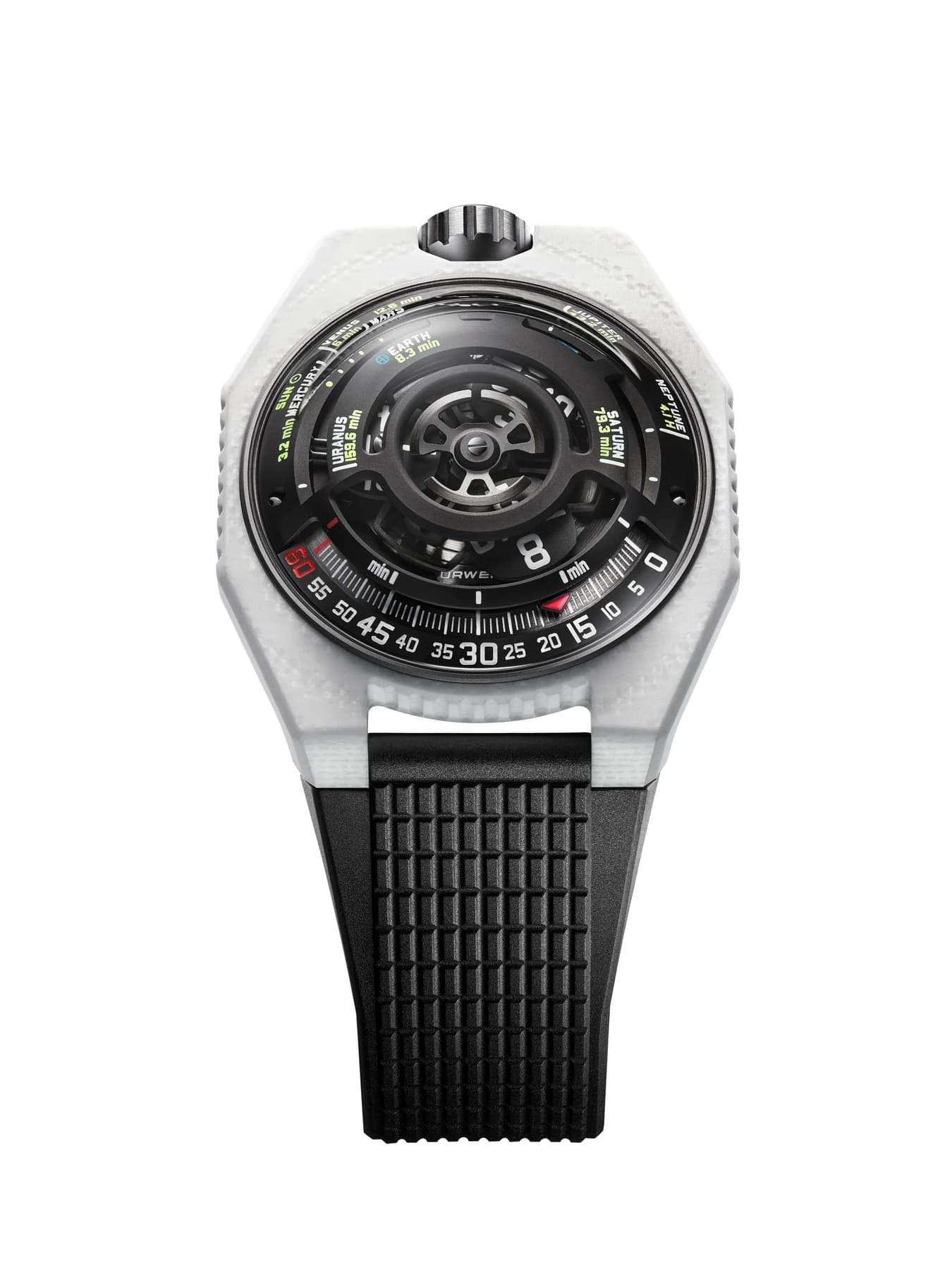
URWERK’s 2026 UR-100V LightSpeed Ceramic connects wandering hours with the journey of sunlight. Its most interesting complication is a change of scale, from a wrist to the solar system.
Read the noteDiscovery
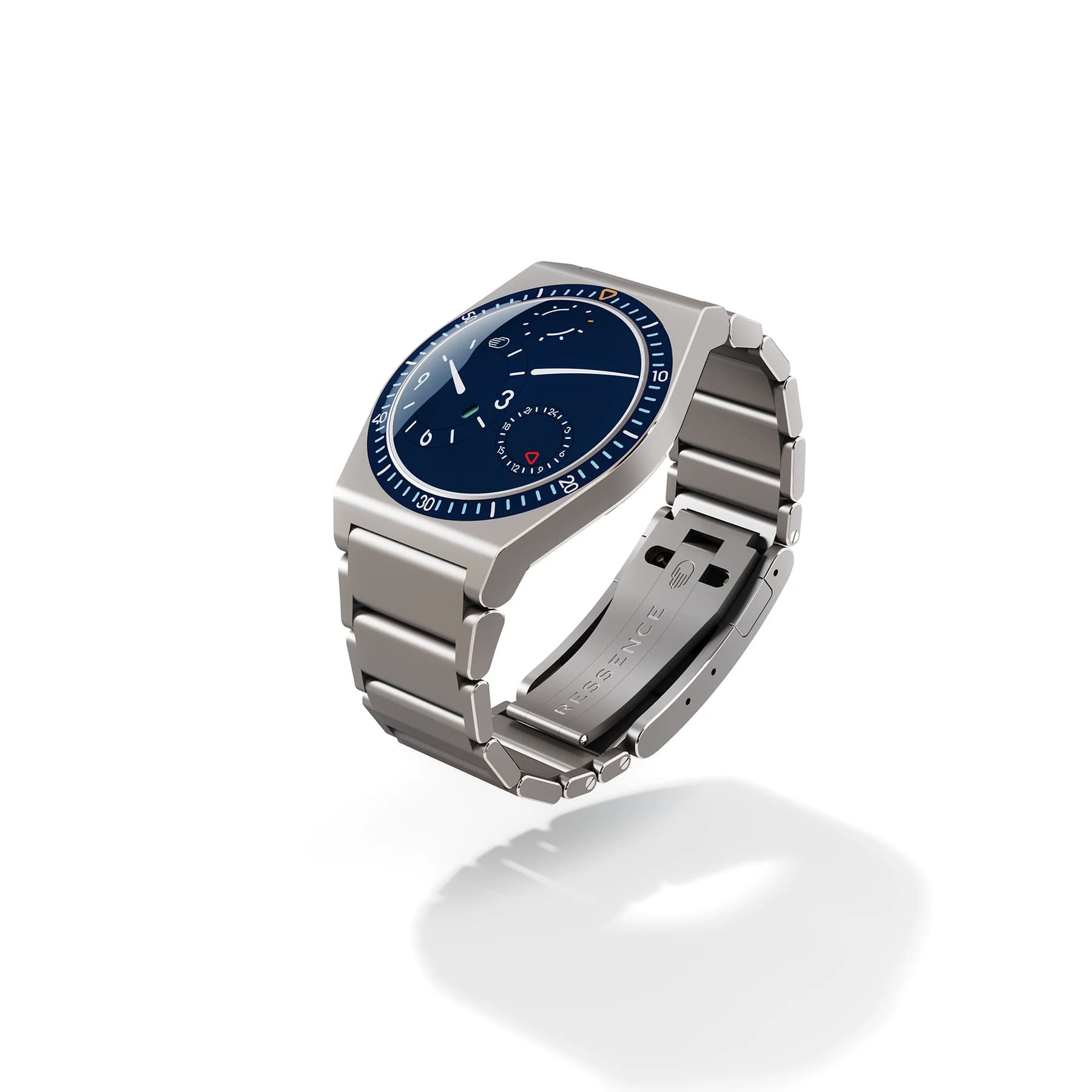
Ressence’s TYPE 7 puts an oil-filled display above a mechanical movement. The result invites a different relationship with a watch face, with a second time zone built into the moving composition.
Read the noteDiscovery
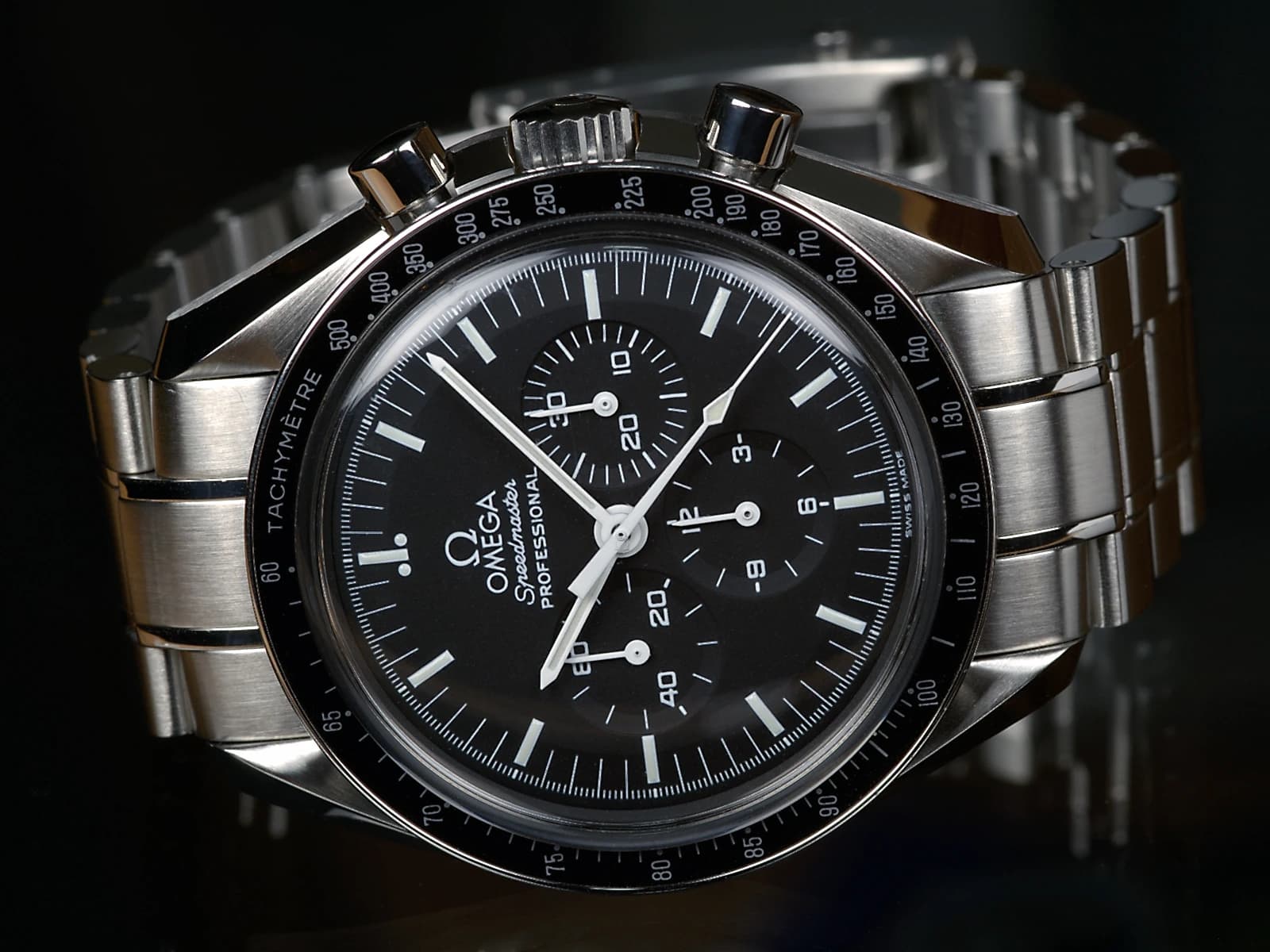
The Omega Speedmaster is more revealing when its space history is read as a tool-selection story. A documented use can explain an object without authenticating every watch that shares its name.
Read the noteDiscovery
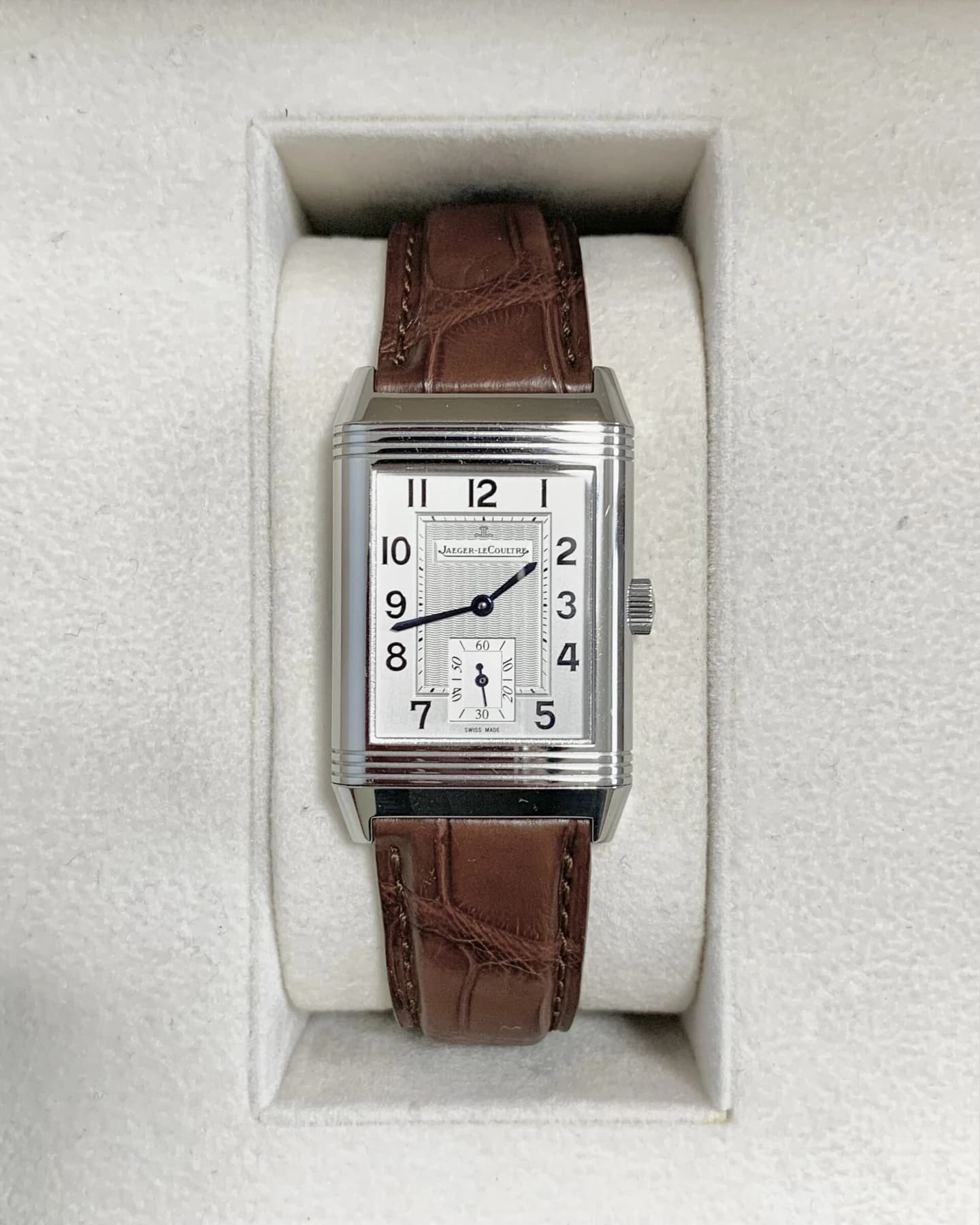
The Jaeger-LeCoultre Reverso begins with a physical gesture: turning the case. A protective idea from 1931 became a continuing design language, with very different watches inside it.
Read the noteDiscovery
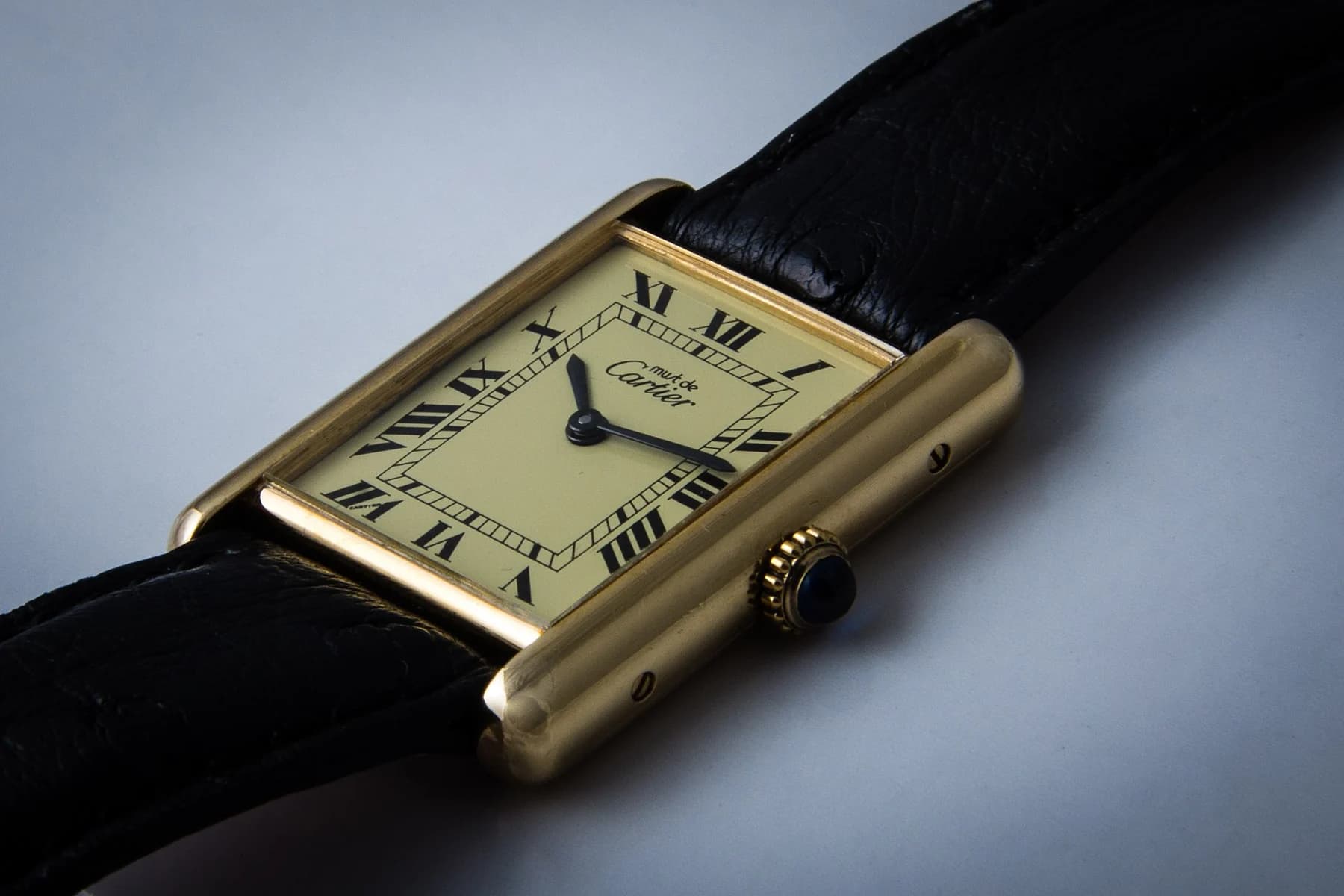
On a Cartier Tank, the long sides of the case continue towards the strap. That small structural decision is a better place to begin than a list of famous wearers.
Read the noteDiscovery
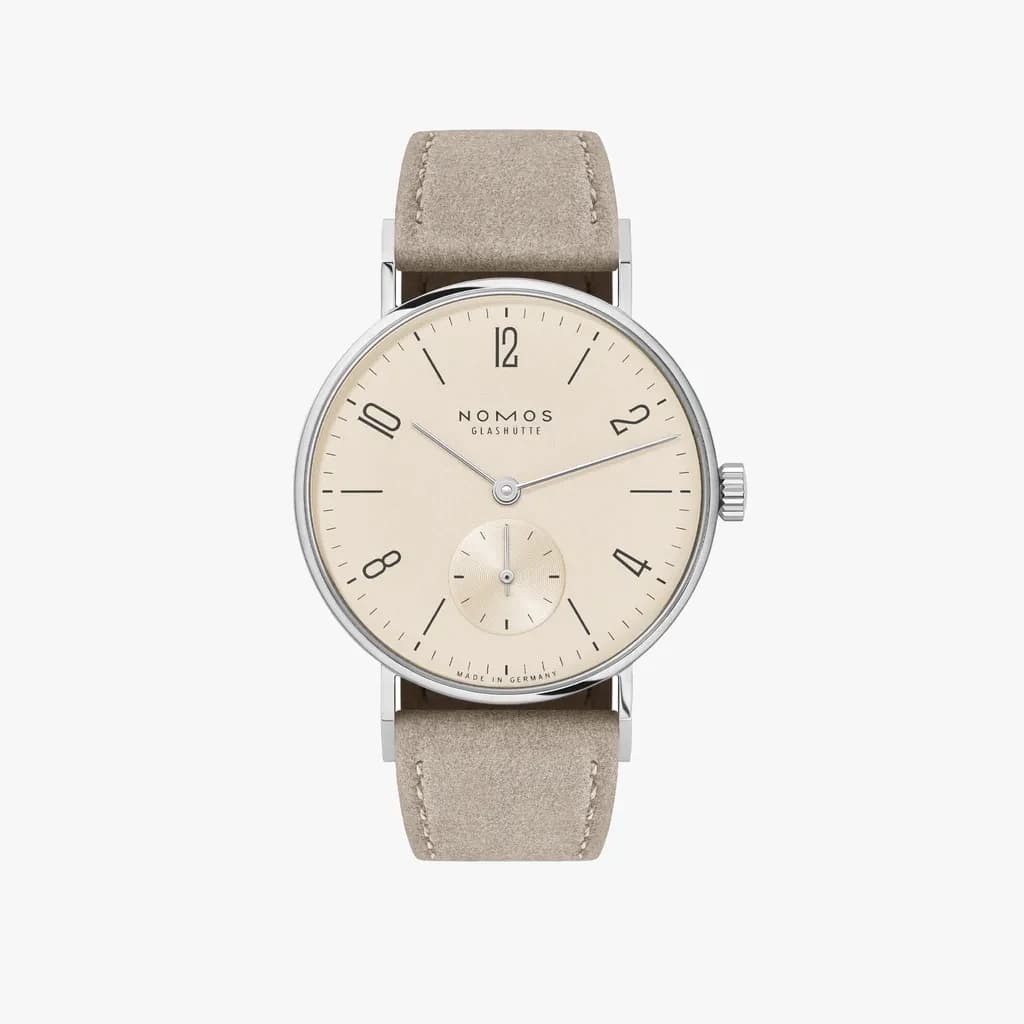
The NOMOS Tangente 33 champagne, reference 151, pairs a small, legible case with a named hand-wound movement and an identifiable service route.
Read the noteDiscovery
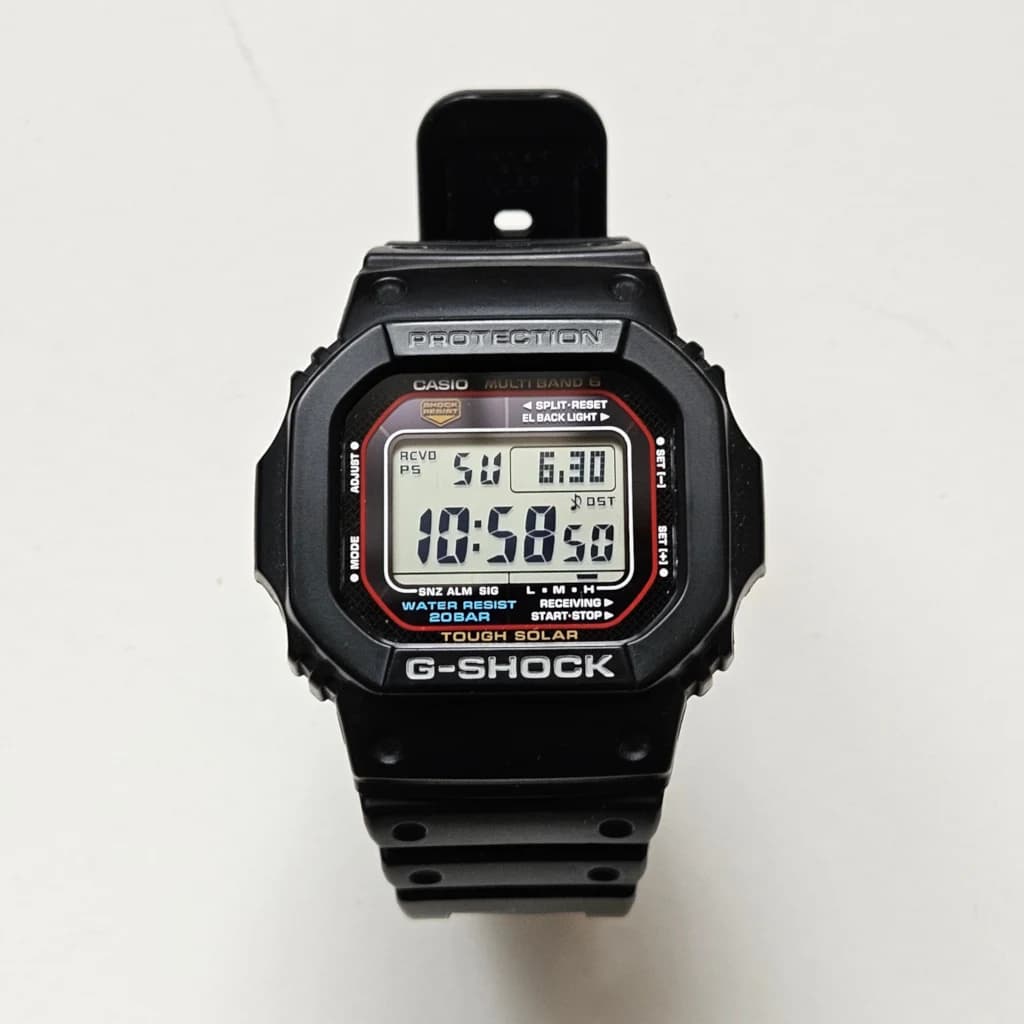
The Casio G-SHOCK GW-M5610 makes a strong case for looking at what a watch does before asking what anyone else thinks of it.
Read the noteDiscovery
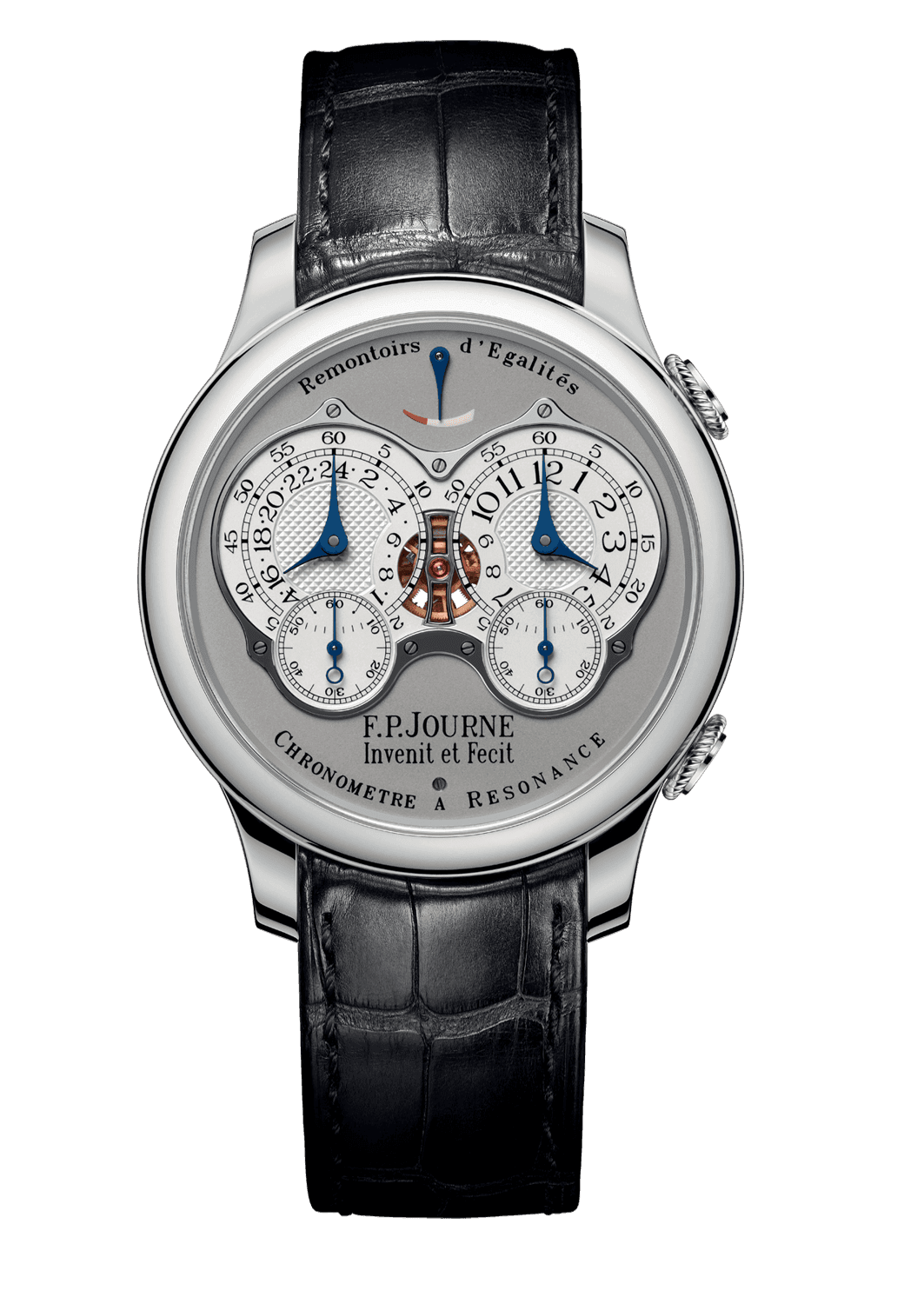
F.P. Journe’s current Chronomètre à Résonance turns the interaction between two regulators into the reason for the watch.
Read the noteDiscovery
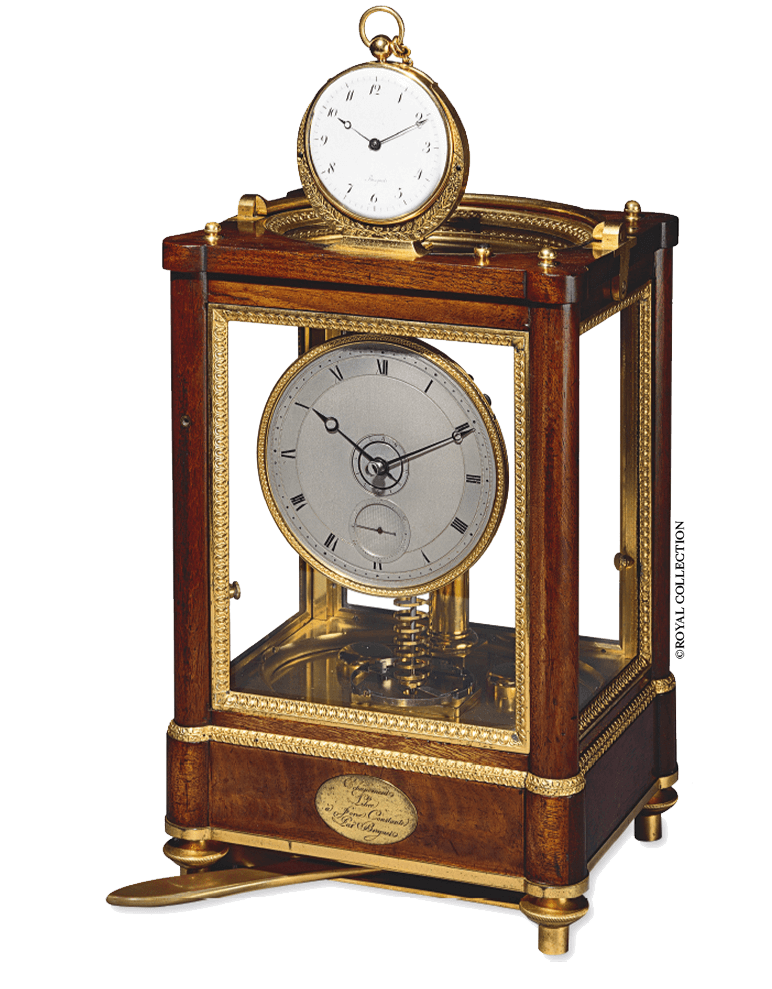
Breguet’s Sympathique paired a pocket watch with a clock that could correct its time mechanically.
Read the noteDiscovery
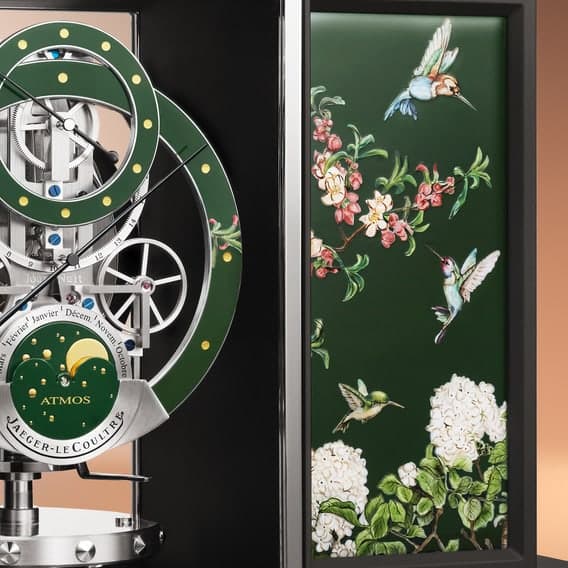
The Jaeger-LeCoultre Atmos draws energy from small changes in temperature. In 2026, an old mechanism becomes a new object of art.
Read the noteDiscovery
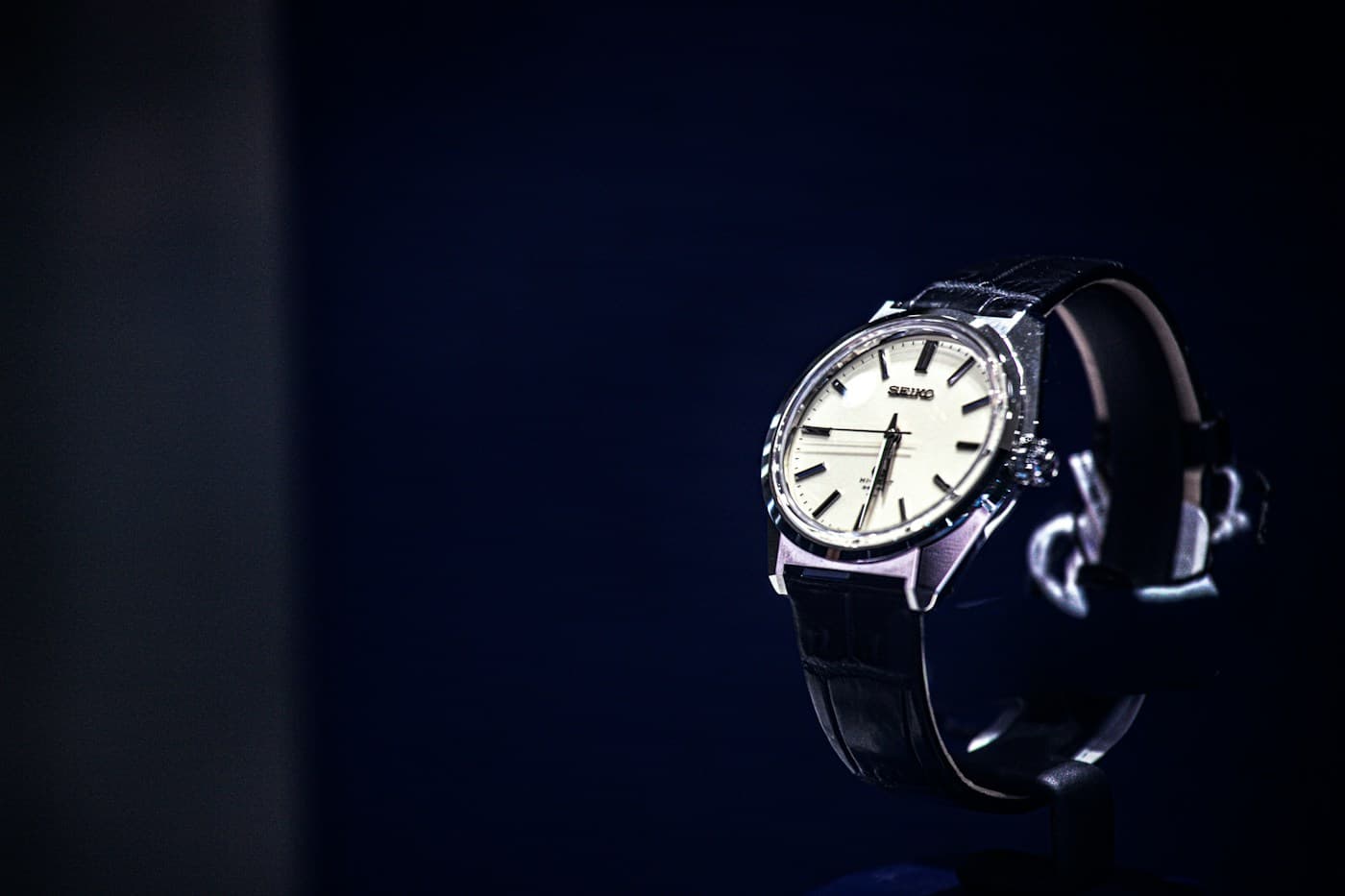
Grand Seiko’s SBGX261 puts a quietly unusual idea on the wrist: serious watchmaking need not mean a mechanical movement.
Read the noteOn the calendar
Paris brings vintage and contemporary watchmaking into the same conversation. The interest is in the details.
Read the note