DISCOVERY / Watch Design & Wearable Architecture
The lines that meet the strap.
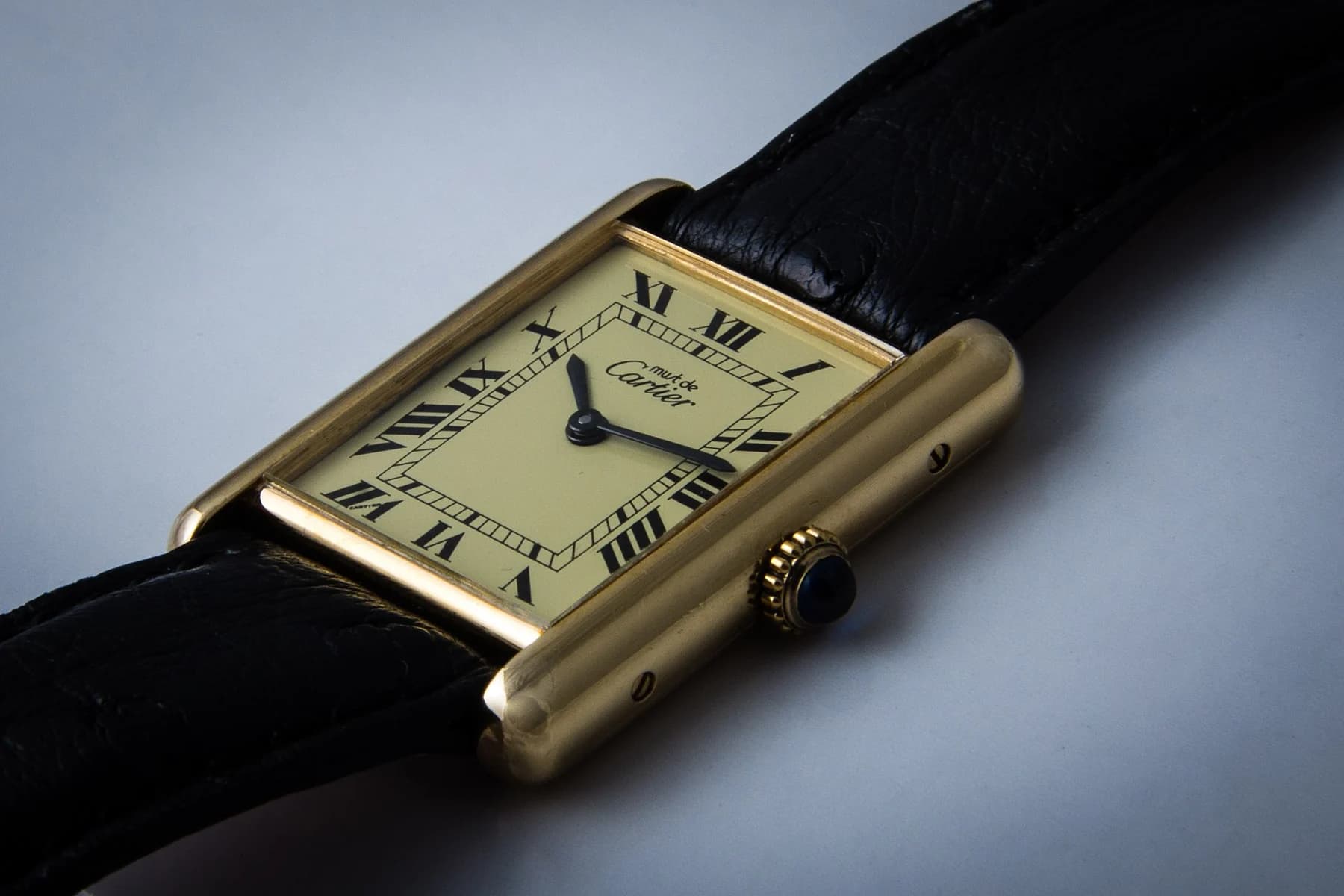
On a Cartier Tank, the long sides of the case continue towards the strap. That small structural decision is a better place to begin than a list of famous wearers.
Published 14 October 2026 · WHV · Public-source editorial note
A rectangular watch is not necessarily a Tank. The case’s long parallel sides make the design more particular: they carry the eye towards the strap rather than letting the dial sit as a separate box. Cartier calls these elements brancards. Once you notice them, the watch becomes easier to read as a small piece of wearable architecture.
A rectangle is not the whole idea
The house’s design glossary describes those two lateral elements as an extension into the strap attachment. It also explains recurring details such as sword-shaped hands and a cabochon on the crown. Those signatures are a language, not a guarantee that every Tank has the same dimensions, movement, materials or history. The familiar name contains many different objects.
The photograph shows a Les Must de Cartier example, not the first Tank or a certified current reference. Its proportions and dial invite study, but its gold-coloured appearance does not establish case composition. Even a convincing signature cannot settle authenticity. The useful question is how this exact watch was made, maintained and worn, and whether its scale works on the intended wrist.
Start with the reference on your wrist
Try different case sizes and straps before deciding which interpretation appeals. For an older example, ask for a precise reference, material description, service history and specialist inspection. Look at the relationship between the case and the strap under ordinary light. A design may remain recognisable while individual watches differ substantially. What holds value here is an unusually coherent form you can learn to see, not a blanket claim about the next resale price.
Source and context.
Cartier: the design vocabulary, including Tank brancards ↗
Cartier: the house’s design signatures ↗
The photograph identifies a Tank-family example, not its exact reference, movement or case metal. WHV has not authenticated, worn or valued it. Design signatures alone are not authentication evidence.
Source checked 14 October 2026. WHV interpretation is distinct from the source’s account.
Explore Watch Design & Wearable ArchitectureFOLLOW YOUR CURIOSITY
Where this leads.
Different subjects. A reason to connect them.
Continue the idea
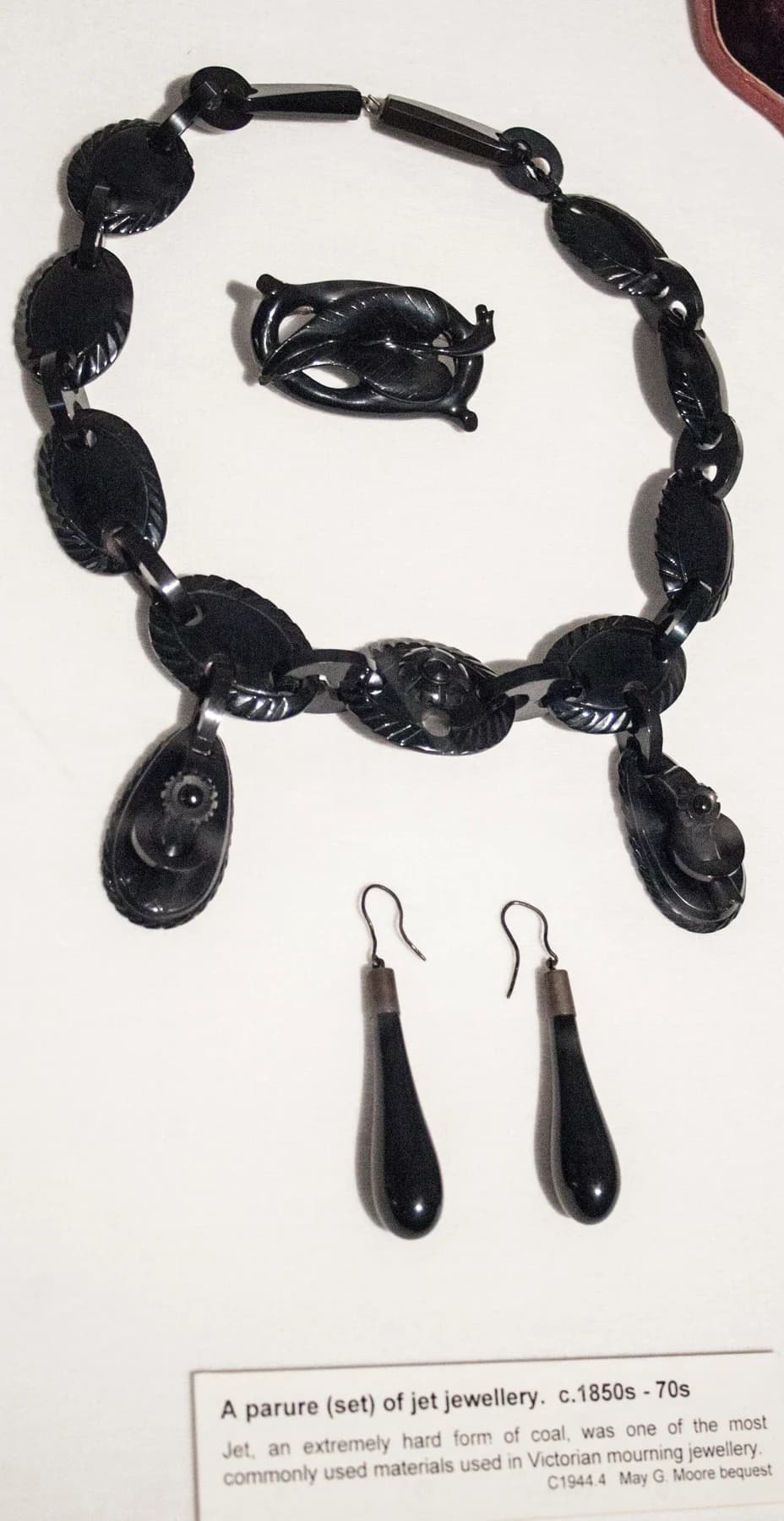
The gem that began as wood.
Two wearable objects become richer when a familiar appearance gives way to exact knowledge of form and material.
Jet Jewellery & Material Knowledge
Read the story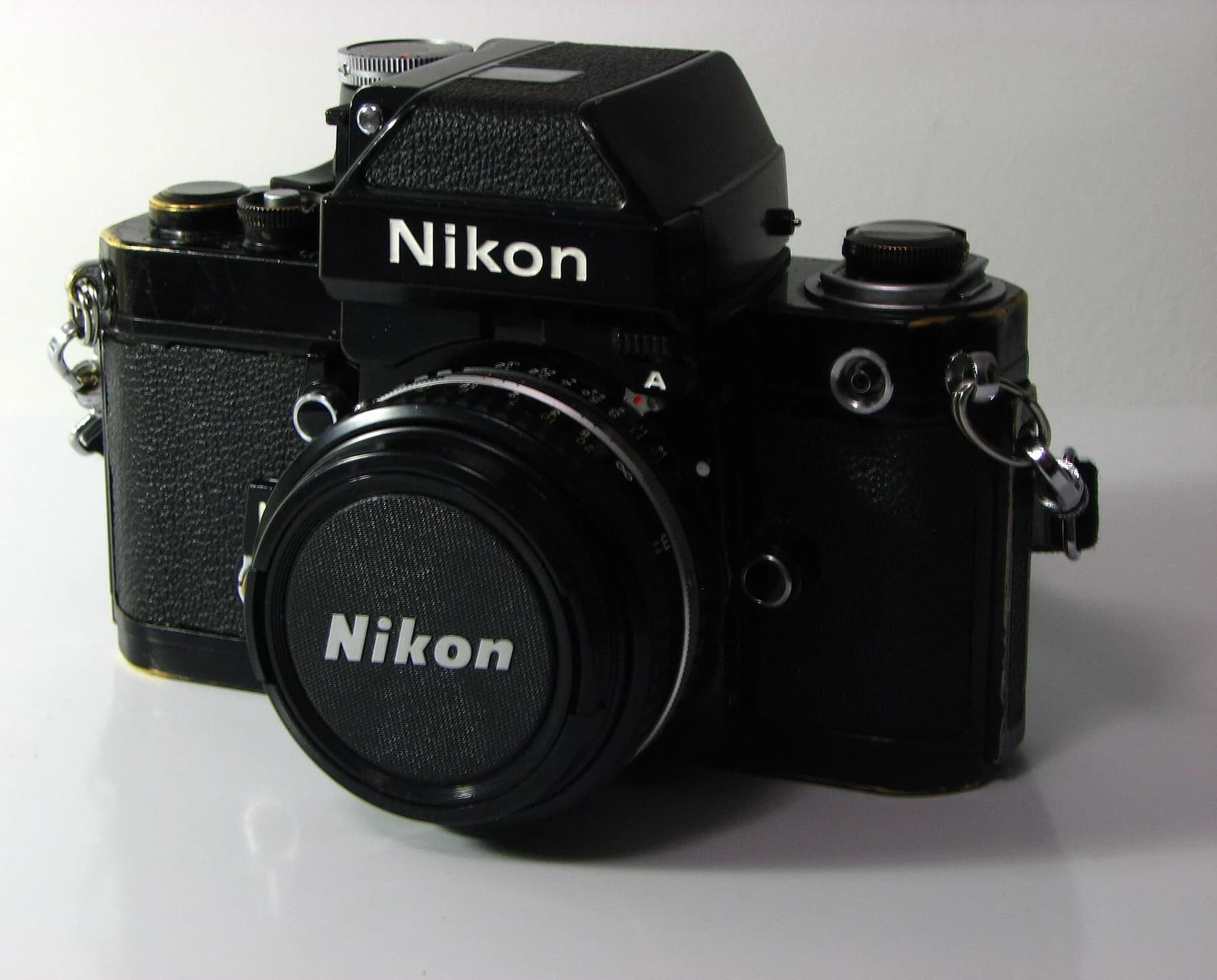
Across the WHV world
The viewfinder you can change.
A camera offers a different lesson in reading a recognisable object through the components that make it work.
Film Cameras & Modular Tools
Read the story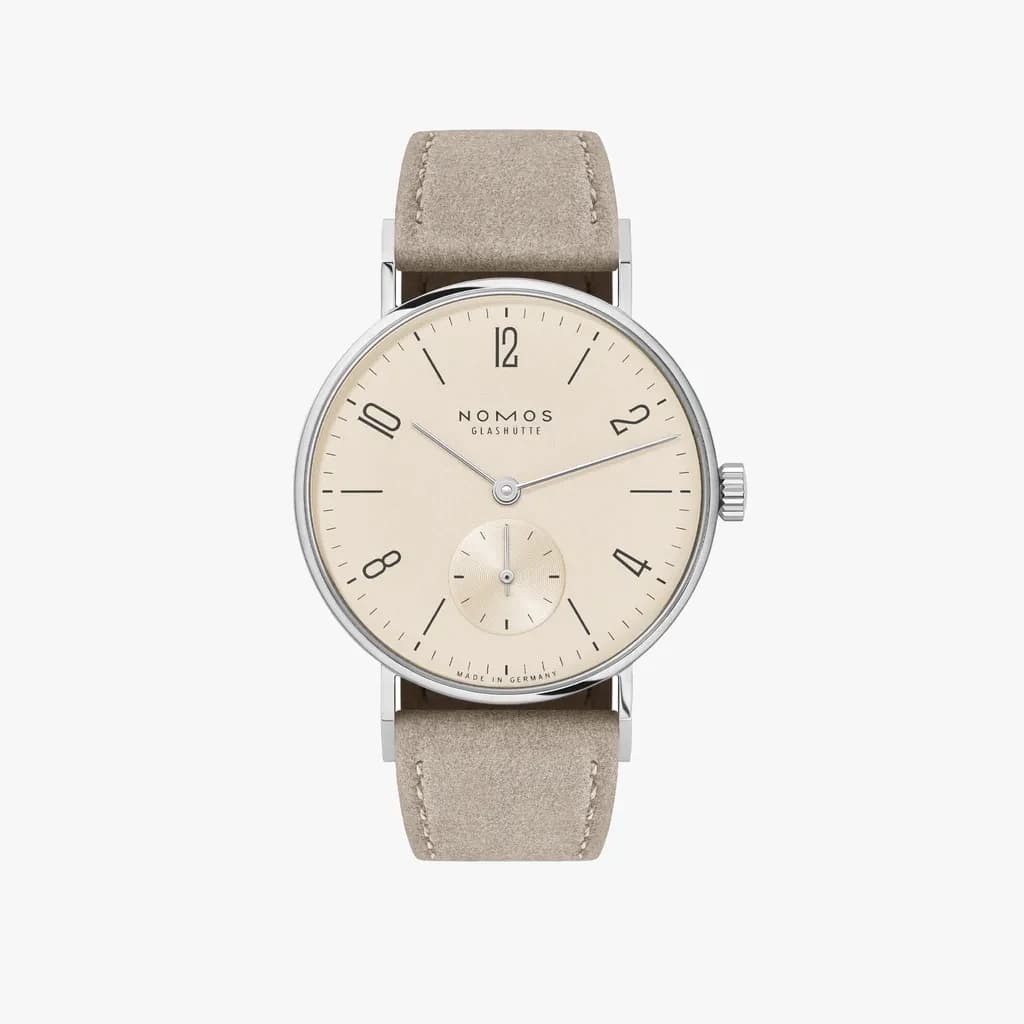
An unexpected connection
The movement beneath the dial.
Shift from the case and strap to an identified watch reference, its movement and its route to service.
Watchmaking & Wearable Proportion
Read the story