DISCOVERY / Clocks & Watchmaking
The watch that came home to set itself.
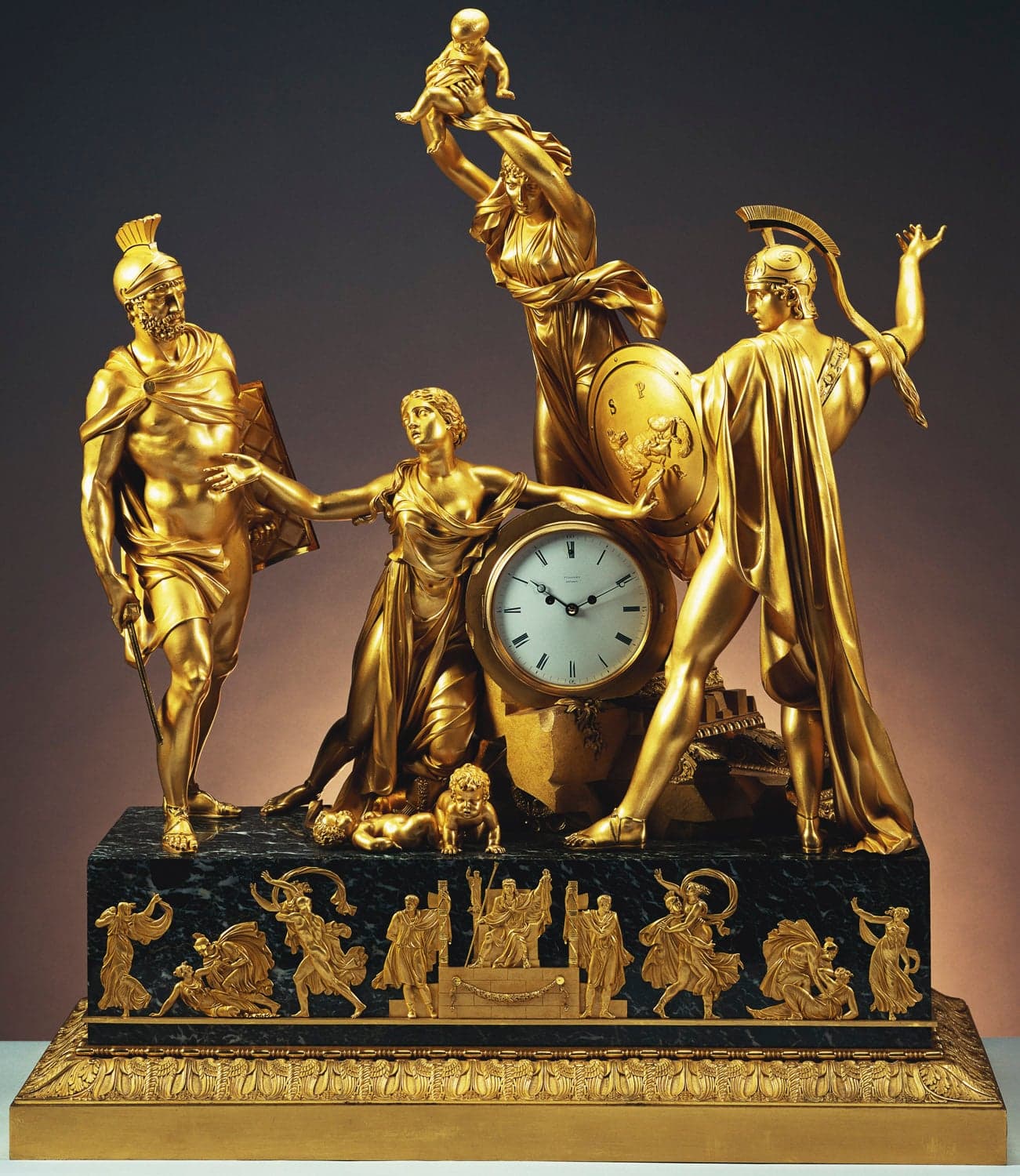
Breguet’s Sympathique paired a pocket watch with a clock that could correct its time mechanically.
Published 13 September 2026 · WHV · Public-source editorial note
At night, the pocket watch returns to the clock. Placed into a cradle at the top of the case, it becomes part of a larger mechanical system. By morning its hands can agree with the clock again without its owner opening the watch.
A mechanical conversation
The Royal Collection Trust identifies this example as Breguet et Fils, 1814, and connects it with George IV. Its account explains that motion work within the watch lets the clock set the hands and correct the regulator according to the inaccuracy detected at the moment of synchronisation.
Abraham-Louis Breguet described the underlying idea to his son in 1795 and presented a Sympathique publicly in 1798. The word suggested harmony between the two mechanisms. It is an early answer to a modern problem: how a smaller personal device can return to a more stable reference.
The exact pair matters
What holds value is the invention embodied in a complete, documented relationship. A loose watch, an empty clock or a later system with different functions is not automatically equivalent to this pair. The mechanism, case, provenance and record of intervention have to agree.
Approach another Sympathique as a system. Identify both elements, the exact functions and every replacement. Ask who has serviced it, what operates now and what documentation survives. A beautiful cabinet may begin the encounter, but the hidden exchange between the two movements is the reason to look closer.
Source and context.
Royal Collection Trust: the Sympathique clock, RCIN 2861 ↗
Breguet: presentation of the first Sympathique clock ↗
A museum-based explanation of one 1814 system, not a technical inspection or valuation. Other Sympathique clocks may differ in function, completeness and period, and WHV has not examined a privately offered example.
Source checked 13 September 2026. WHV interpretation is distinct from the source’s account.
Explore Clocks & WatchmakingFOLLOW YOUR CURIOSITY
Where this leads.
Different subjects. A reason to connect them.
Continue the idea
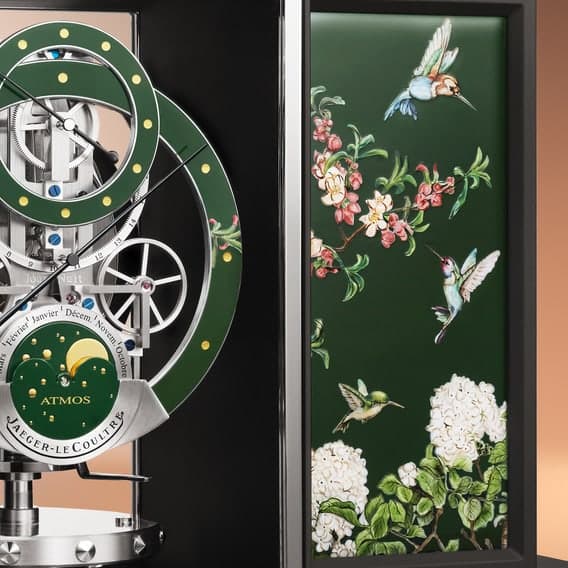
A clock wound by the room.
Two unusual timekeepers turn an invisible physical relationship into the centre of the object.
Clocks & Watchmaking
Read the story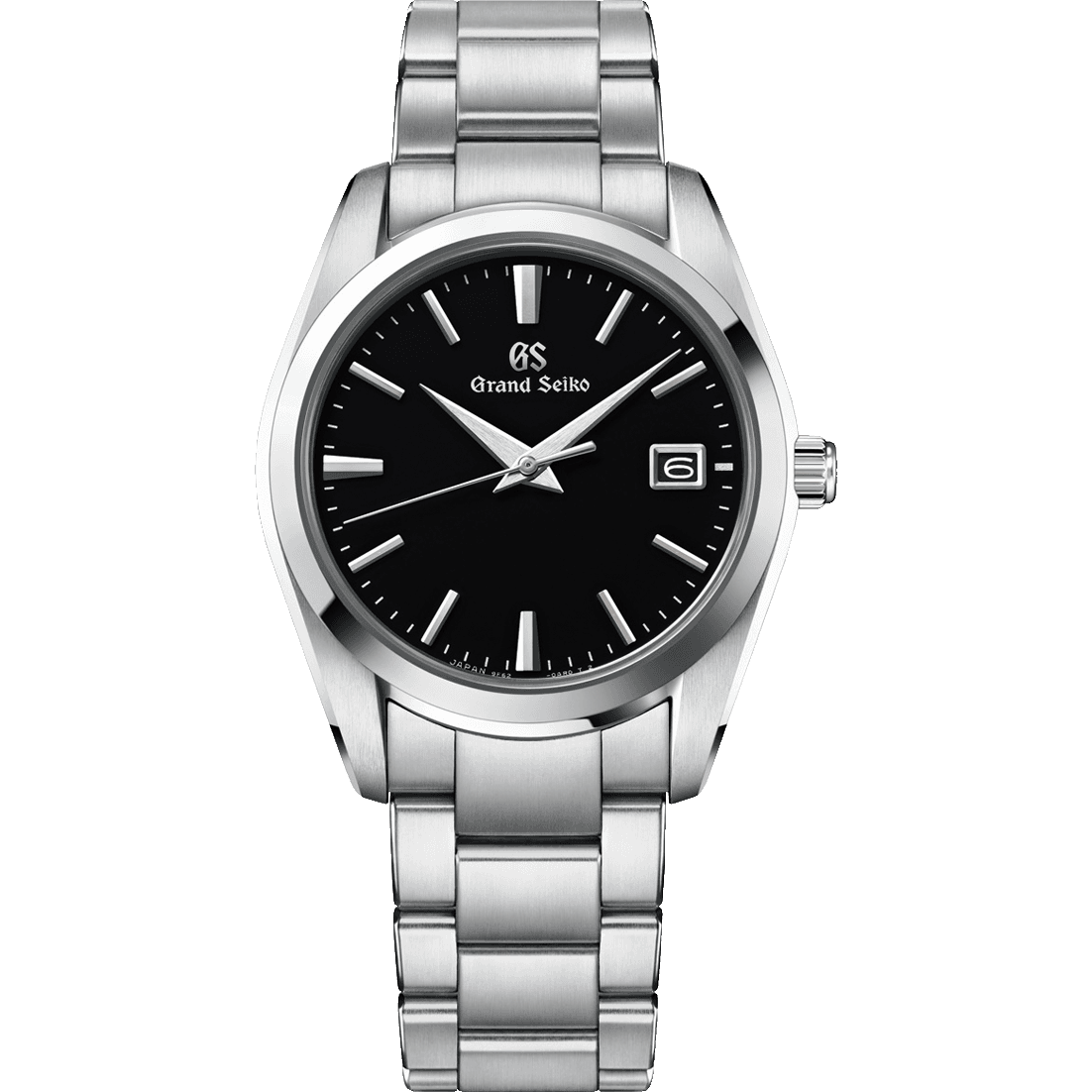
Across the WHV world
The case for quartz.
Compare an early mechanical synchronising system with a later technology that challenged convention.
Watches
Read the story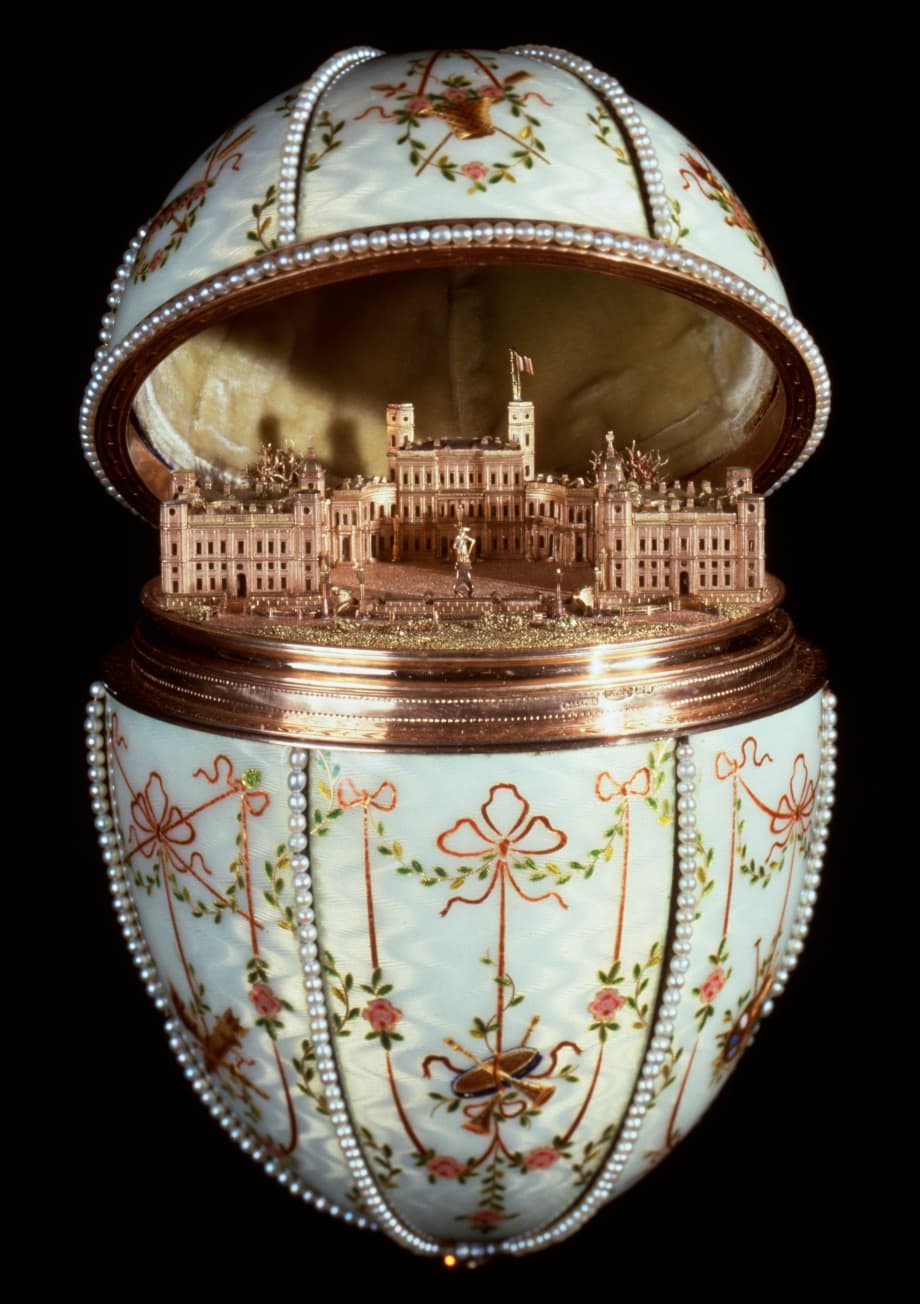
An unexpected connection
A palace inside an egg.
Another intricate court object rewards looking beyond precious surfaces to the mechanism inside.
Jewellery & Decorative Arts
Read the story