DISCOVERY / Rare Objects
The camera built around a mount.
The Leica M3 arrived in 1954 with a new bayonet mount and rangefinder system. Its lasting importance lives in a working ecosystem, not a shelf.
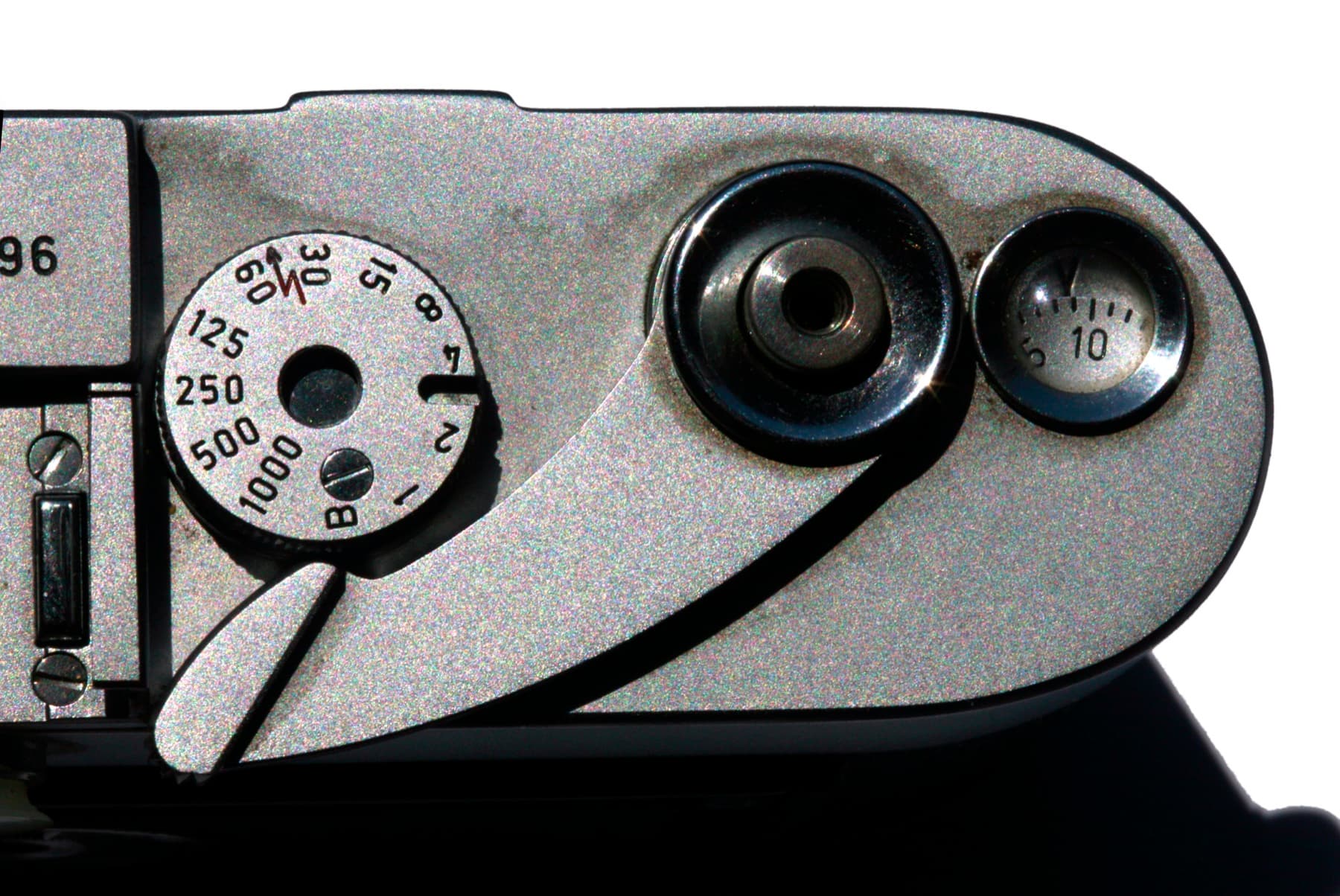
Published 13 September 2026 · WHV · Public-source editorial note
The Leica M3 was presented at Photokina in 1954. Its name joined the letter M, for Messsucher or rangefinder, to the three bright-line frame pairs in its viewfinder. The more consequential change was the new bayonet lens mount, replacing the slower screw connection used by earlier Leicas.
The beginning of a system
A mount turns a camera body into a system. Lenses, service knowledge and later bodies can extend the useful life of the original decision. Leica’s own timeline places the M2 in 1957 and describes it as continuing the M3’s basic concept for wider-angle work. Continuity came through development, not by leaving the design untouched.
That history does not make every M3 equal. Production variation, rangefinder alignment, shutter condition, viewfinder clarity, vulcanite, repairs and originality all matter. A desirable serial range may interest collectors, while a mechanically sound user camera may offer a better photographic life.
A camera should still make photographs
What holds value is a precise tool that can still perform its intended act. The M3’s rangefinder, mount and direct controls remain intelligible to a photographer today. The most convincing example is not necessarily the untouched one. It is the camera whose condition and history fit the way its next owner will use it.
Before buying, identify the serial number and version, inspect the shutter at all speeds, check rangefinder alignment and understand prior service. Test the exact lens pairing. Then make photographs. Rarity without function can be interesting, but it is a different proposition.
Source and context.
Leica Camera: 1954 and the Leica M3 ↗
A historical design reading, not authentication or appraisal of the photographed camera. WHV has not inspected its serial number, condition, lens compatibility or service history.
Source checked 13 September 2026. WHV interpretation is distinct from the source’s account.
Explore Rare ObjectsFOLLOW YOUR CURIOSITY
Where this leads.
Different subjects. A reason to connect them.
Continue the idea
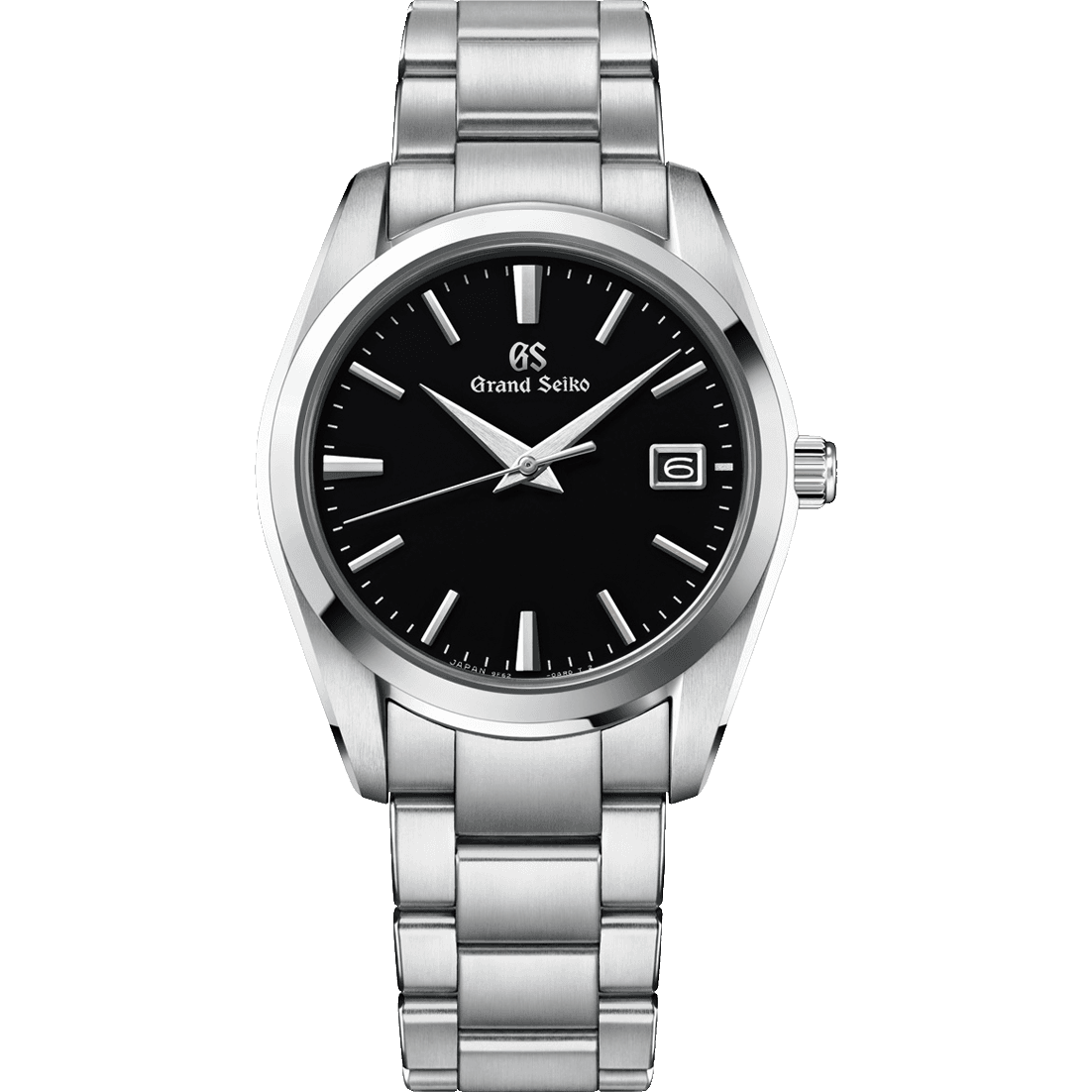
The case for quartz.
A precise Japanese watch offers another challenge to assumptions about serious mechanical objects.
Watches
Read the story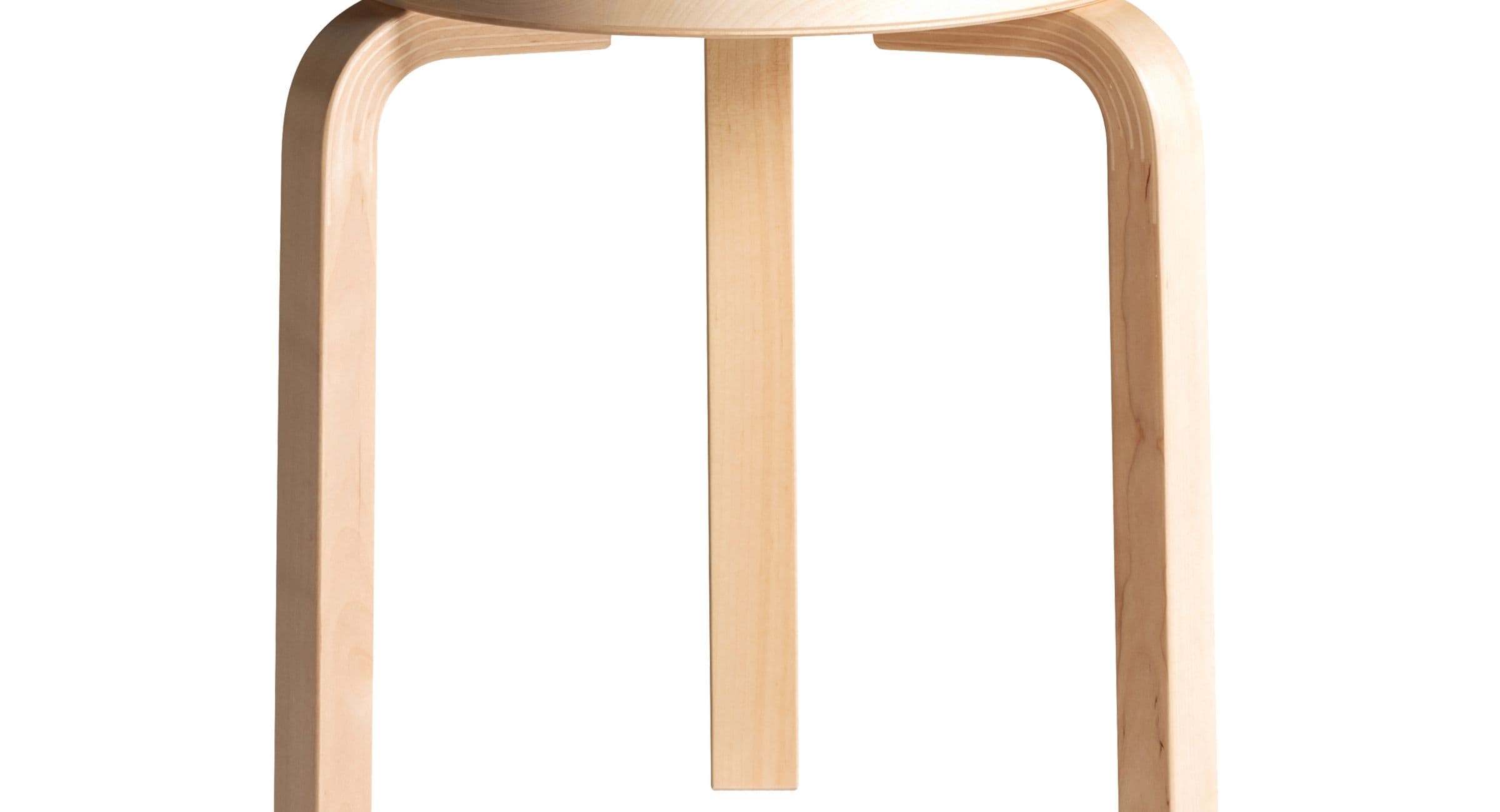
Across the WHV world
The stool built from one bend.
A long-lived furniture system shows how one construction decision can organise everything that follows.
Art & Design
Read the story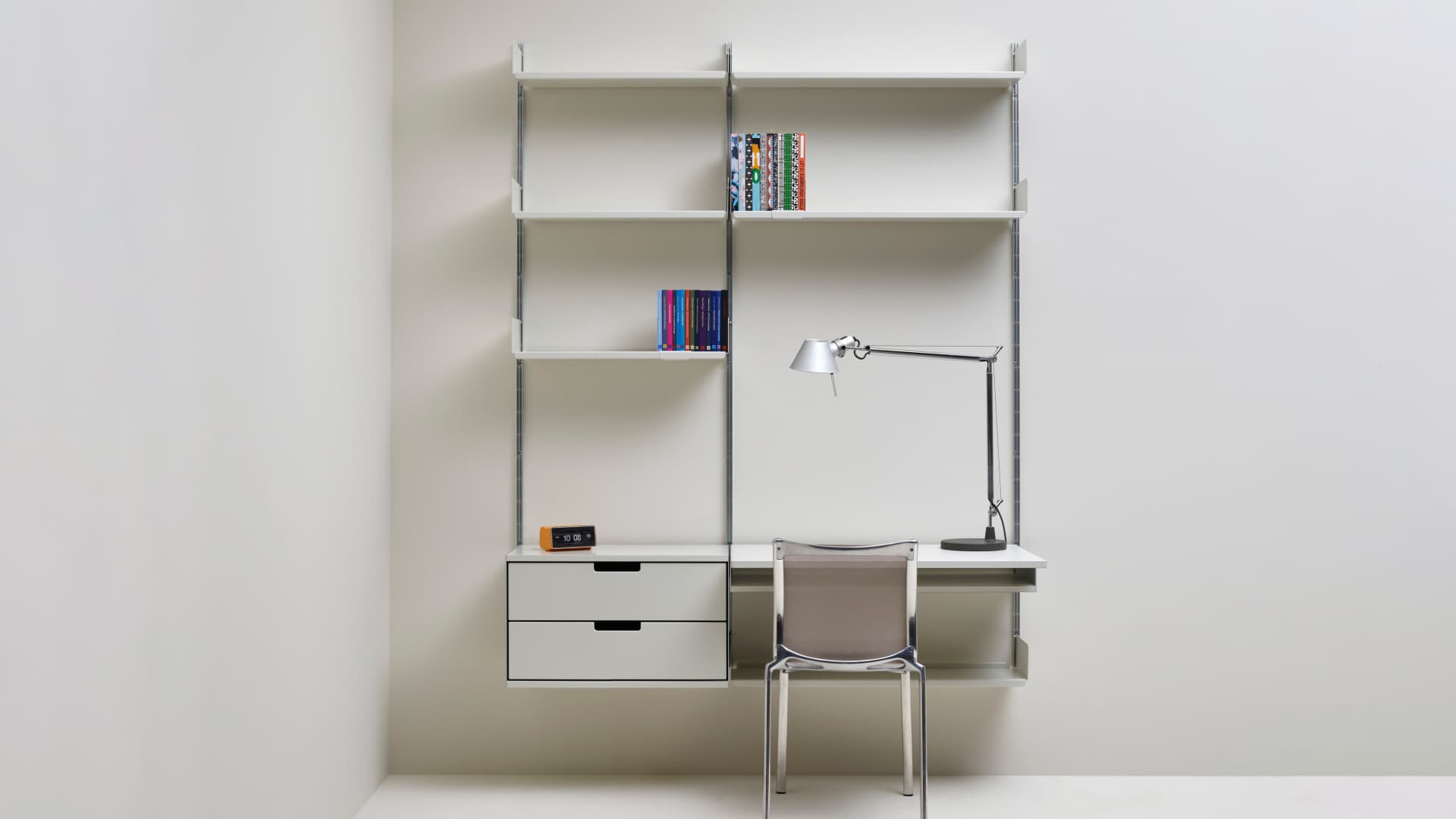
An unexpected connection
A system that can follow you.
A modular shelving system turns compatibility and continued use into part of the design.
Objects & Design
Read the story