DISCOVERY / Art & Design
The stool built from one bend.
Alvar Aalto’s Stool 60 has stayed in production since 1933 with three legs, a round seat and one structural idea worth repeating.
Published 13 September 2026 · WHV · Public-source editorial note
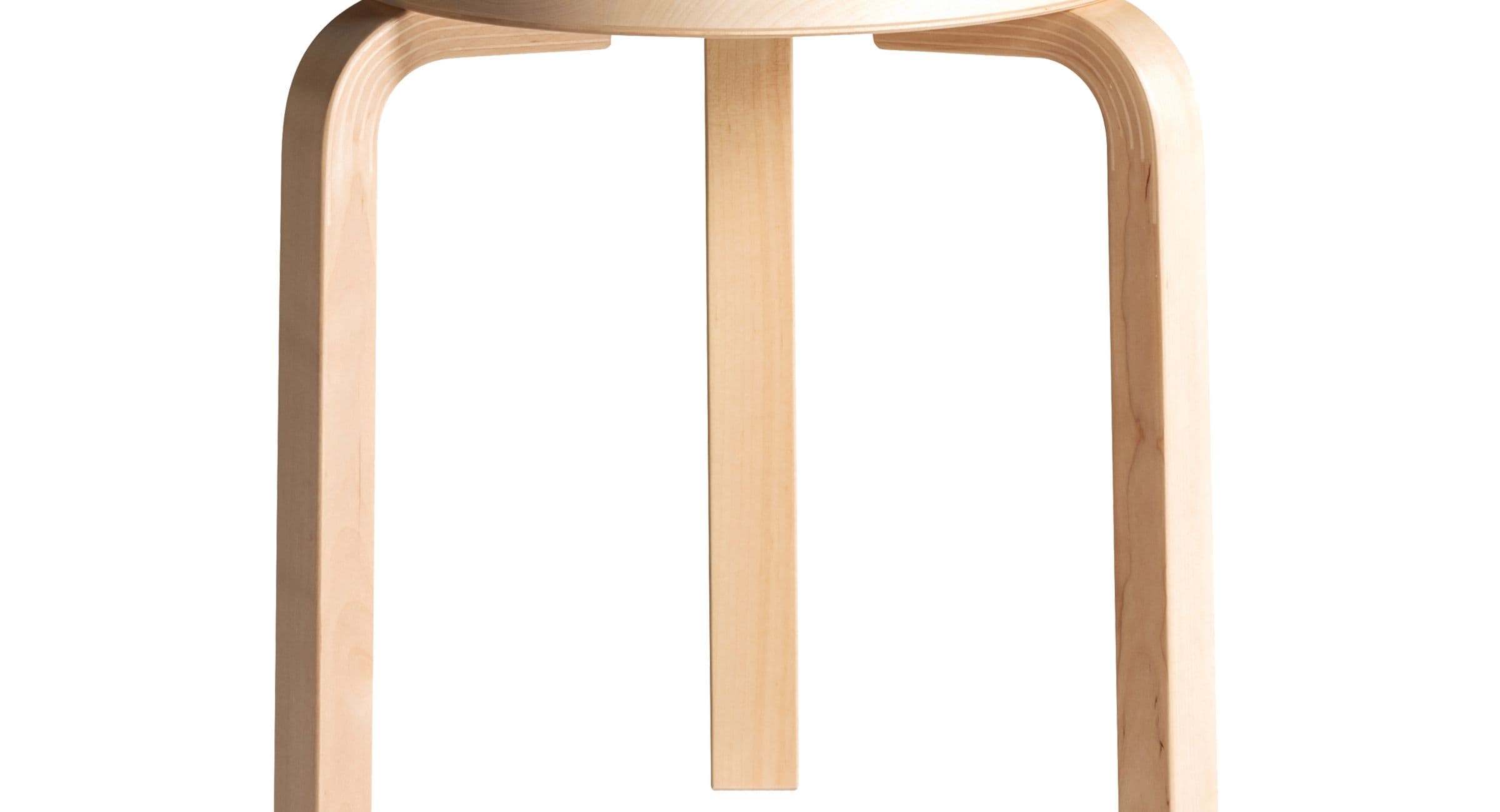
Stool 60 can disappear under a table, support a stack of books or become the extra seat that a room suddenly needs. Alvar Aalto designed it in 1933. Artek says it has remained in continuous production since then with its basic form barely changed.
The L-leg does the work
The decisive part is the bent birch L-leg. Three of them attach directly to the underside of the round seat, avoiding a separate frame. The result arrives as a small set of components, can be flat-packed and stacks into a rising spiral when several stools are placed together.
The apparent simplicity hides useful distinctions. Artek lists solid-birch and birch-plywood seat cores depending on the finish, with versions ranging from clear lacquer to upholstery. An early stool, later licensed production and a current Artek example may share the form while differing in marks, materials, condition and historical interest.
Value without scarcity
What holds value is not only rarity. A design can matter because it remains easy to understand, move, repair and use in more than one way. Continued production keeps the idea available. It also means that age alone is not enough to make an individual stool important.
For an older example, study labels, construction, finish, repairs and provenance before assigning a date or maker. For a new one, ask where it will work and whether its finish suits actual use. The best proof of this object is the ease with which it earns a place in the room.
Source and context.
A design reading based on Artek’s current product history, not authentication of a vintage stool or a comparison of production periods. Marks, construction and provenance require object-level examination.
Source checked 13 September 2026. WHV interpretation is distinct from the source’s account.
Explore Art & DesignFOLLOW YOUR CURIOSITY
Where this leads.
Different subjects. A reason to connect them.
Continue the idea
A chair with a way back.
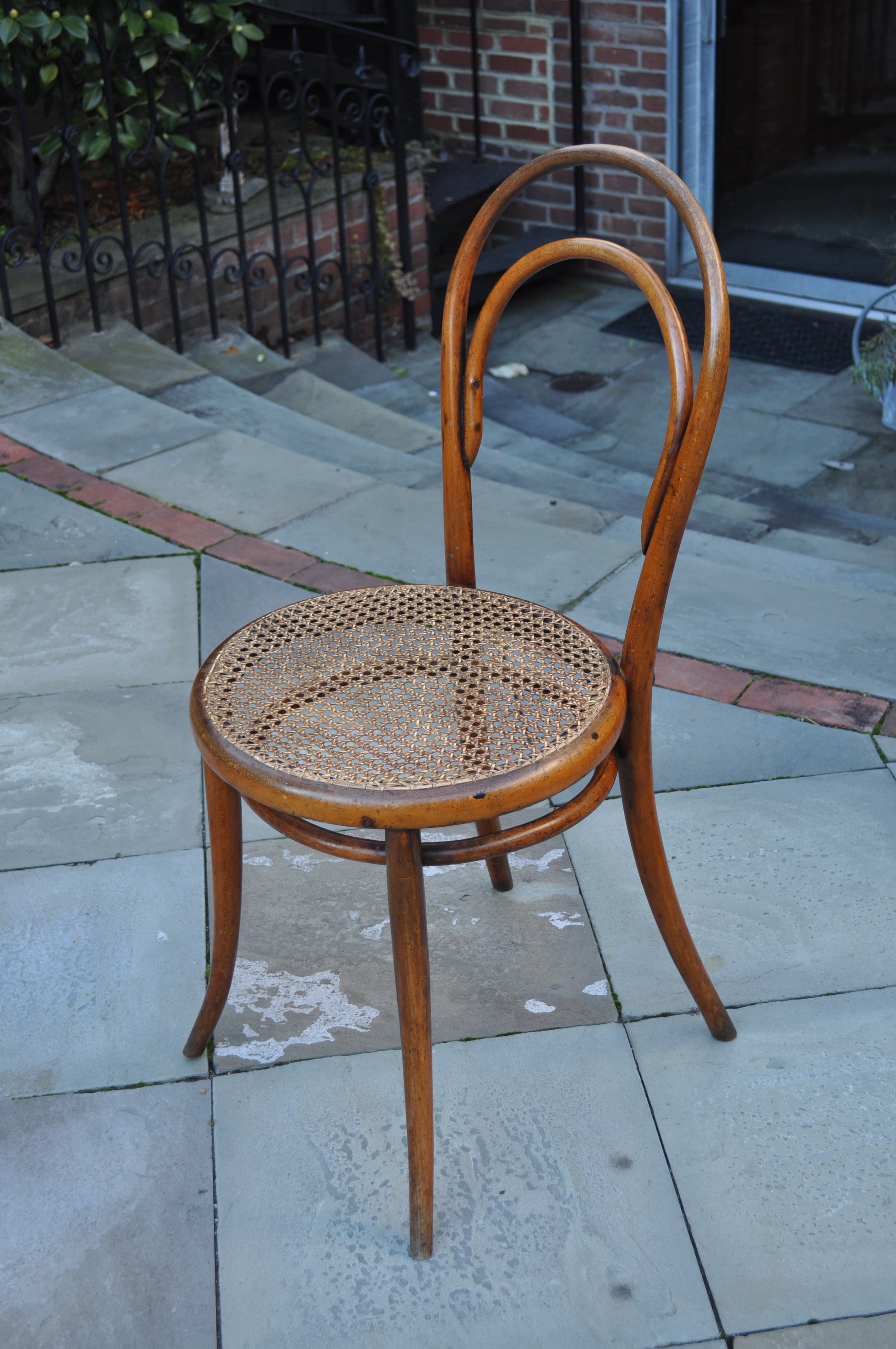
Compare two chairs that turned bent wood and economical construction into widely useful design.
Objects
Read the story
Across the WHV world
The piano that is not furniture.
A far more complex wooden object makes specialist adjustment central to continued use.
Musical Instruments
Read the story
An unexpected connection
A system that can follow you.
Another adaptable design earns its place by moving and changing with the owner.
Objects & Design
Read the story