DISCOVERY / Chronographs & Documented Tool Histories
The watch behind the Moon story.
The Omega Speedmaster is more revealing when its space history is read as a tool-selection story. A documented use can explain an object without authenticating every watch that shares its name.
Published 20 October 2026 · WHV · Public-source editorial note
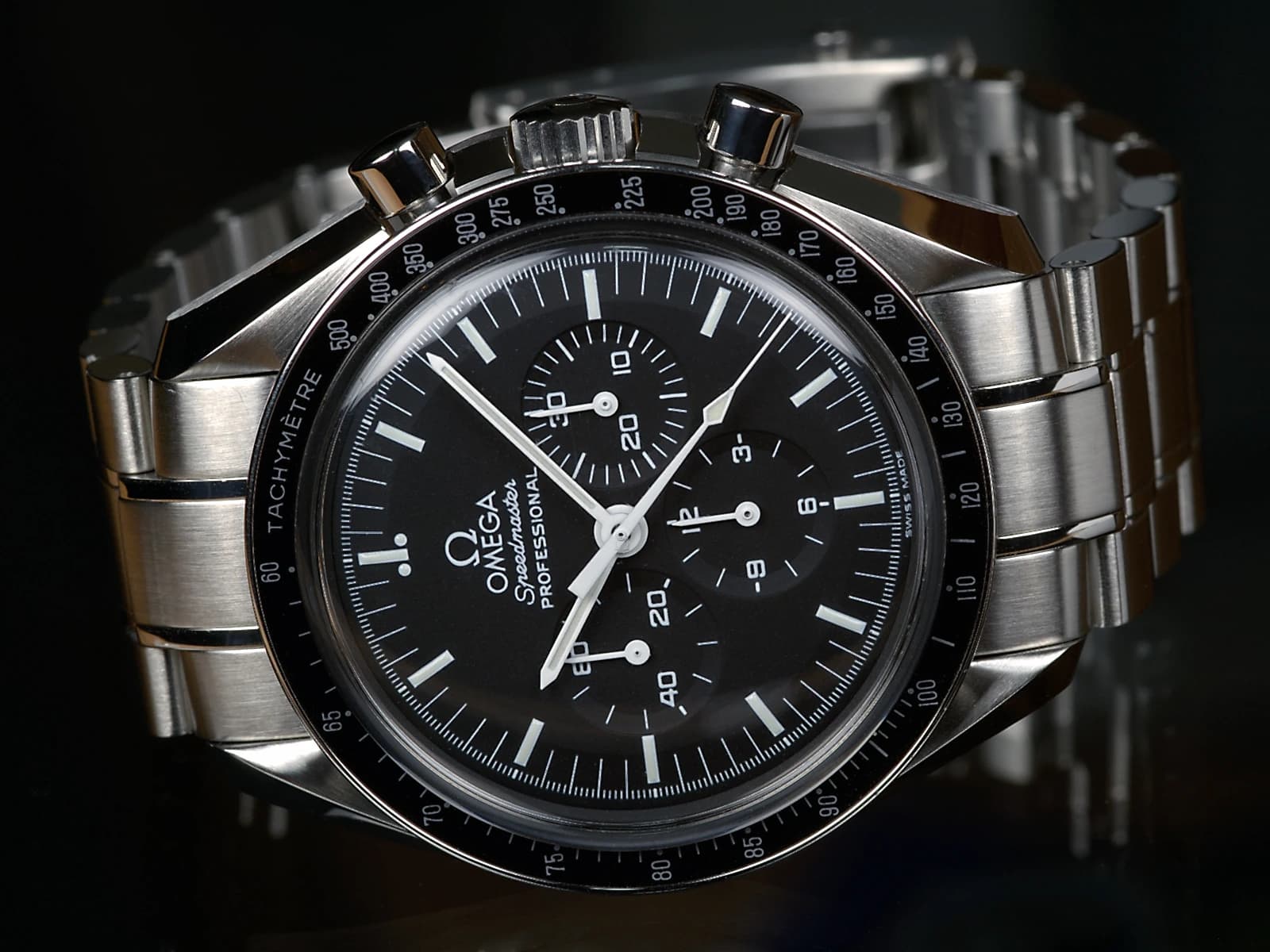
The Moon story can make it surprisingly easy to overlook the watch. An Omega Speedmaster is first a chronograph: an instrument for measuring an interval as well as reading the time. Pushers, subsidiary dials and a marked bezel give it a visible working vocabulary. Its extraordinary association becomes more interesting when that ordinary function remains in view.
A chronograph before it is a symbol
Omega dates NASA’s flight qualification to 1 March 1965. The National Air and Space Museum’s Space Time Technology account places astronaut watches within a broader history of timekeeping and includes Neil Armstrong’s Apollo 11 chronograph in its collection. Those are specific historical connections, not a licence to describe any watch bearing the Speedmaster name as flown, mission-issued or identical to a tested example.
This is where familiarity can reward a closer look. A famous design can be investigated through museum objects and a documented working role, rather than a list of celebrity owners. But case sizes, movements and configurations differ across the wider family. The watch photographed here is identified as a Speedmaster Professional. Its exact reference and service history cannot be established merely by recognising the dial.
Keep history attached to the right object
If the story leads towards ownership, handle the actual reference and decide whether its dimensions, winding and timing controls suit you. For an older example, seek competent inspection and records of service and replacement components. Treat claimed astronaut provenance as a separate evidential question. The useful discovery is that an object’s history can deepen the pleasure of using it without becoming a claim that the history is personally yours to purchase.
Source and context.
Omega: the Speedmaster’s 1965 NASA qualification ↗
National Air and Space Museum: Space Time Technology ↗
The photograph is not of Armstrong’s watch or a documented mission-flown example. Historical qualification is not a blanket certification of every current reference. WHV has not inspected or valued a watch.
Source checked 20 October 2026. WHV interpretation is distinct from the source’s account.
Explore Chronographs & Documented Tool HistoriesFOLLOW YOUR CURIOSITY
Where this leads.
Different subjects. A reason to connect them.
Continue the idea
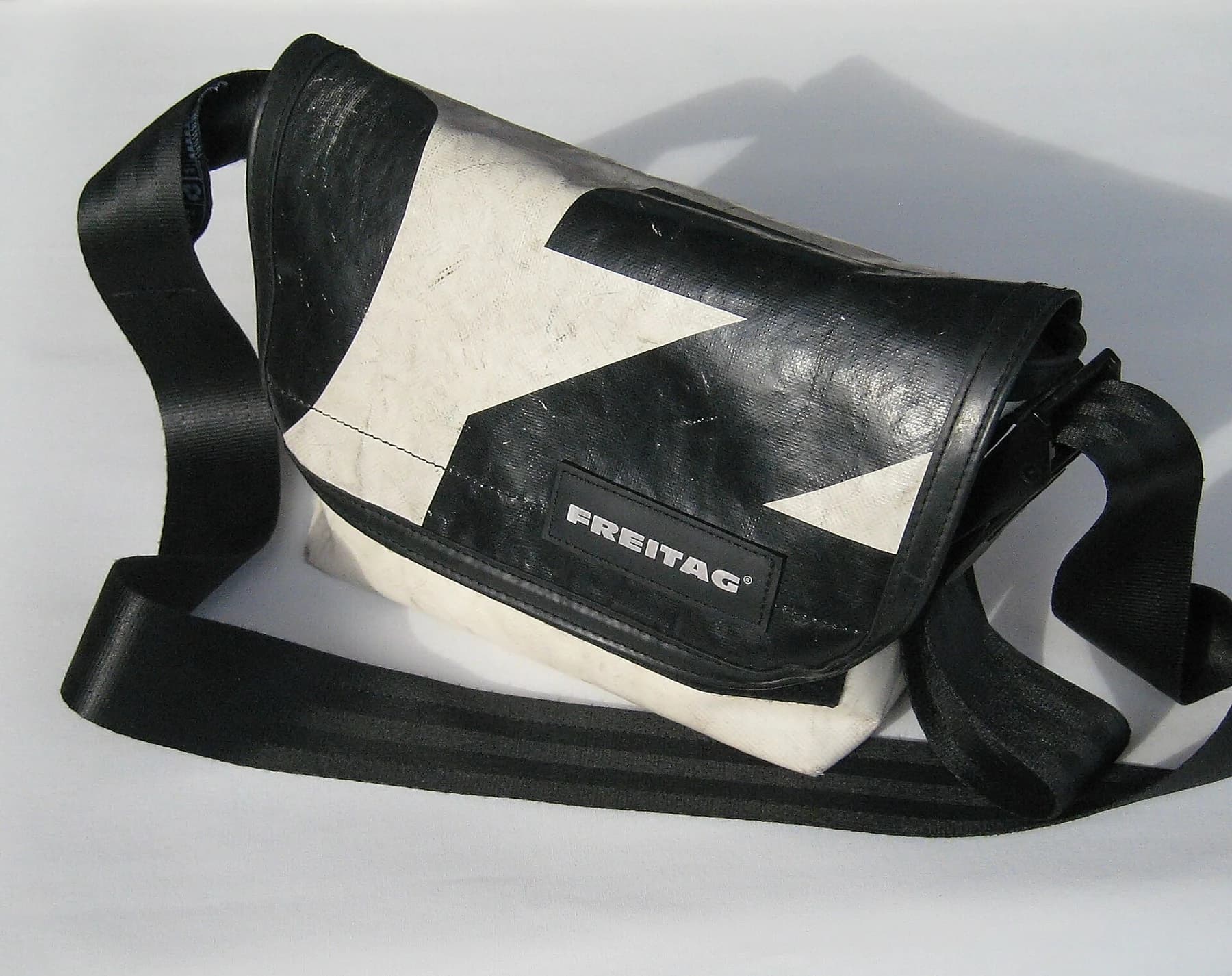
The road graphics you can carry.
A bag carries a visible material history, offering a useful contrast with the evidence required for a watch’s claimed mission history.
Reused Materials & Everyday Bags
Read the story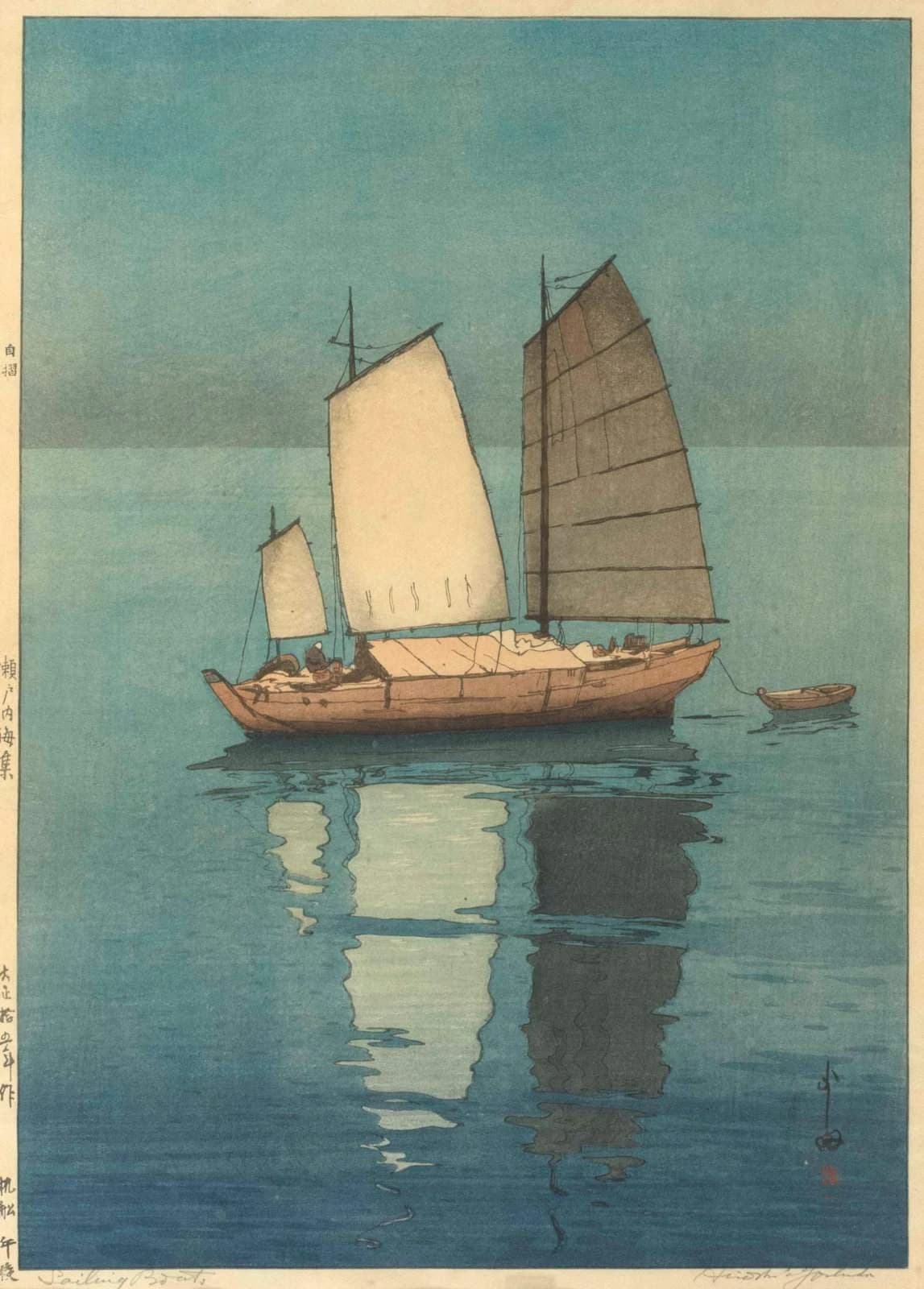
Across the WHV world
The same boats in a different light.
A print offers another reason to distinguish a recognisable design from the identity and date of a particular physical example.
Japanese Prints & The Art of Looking
Read the story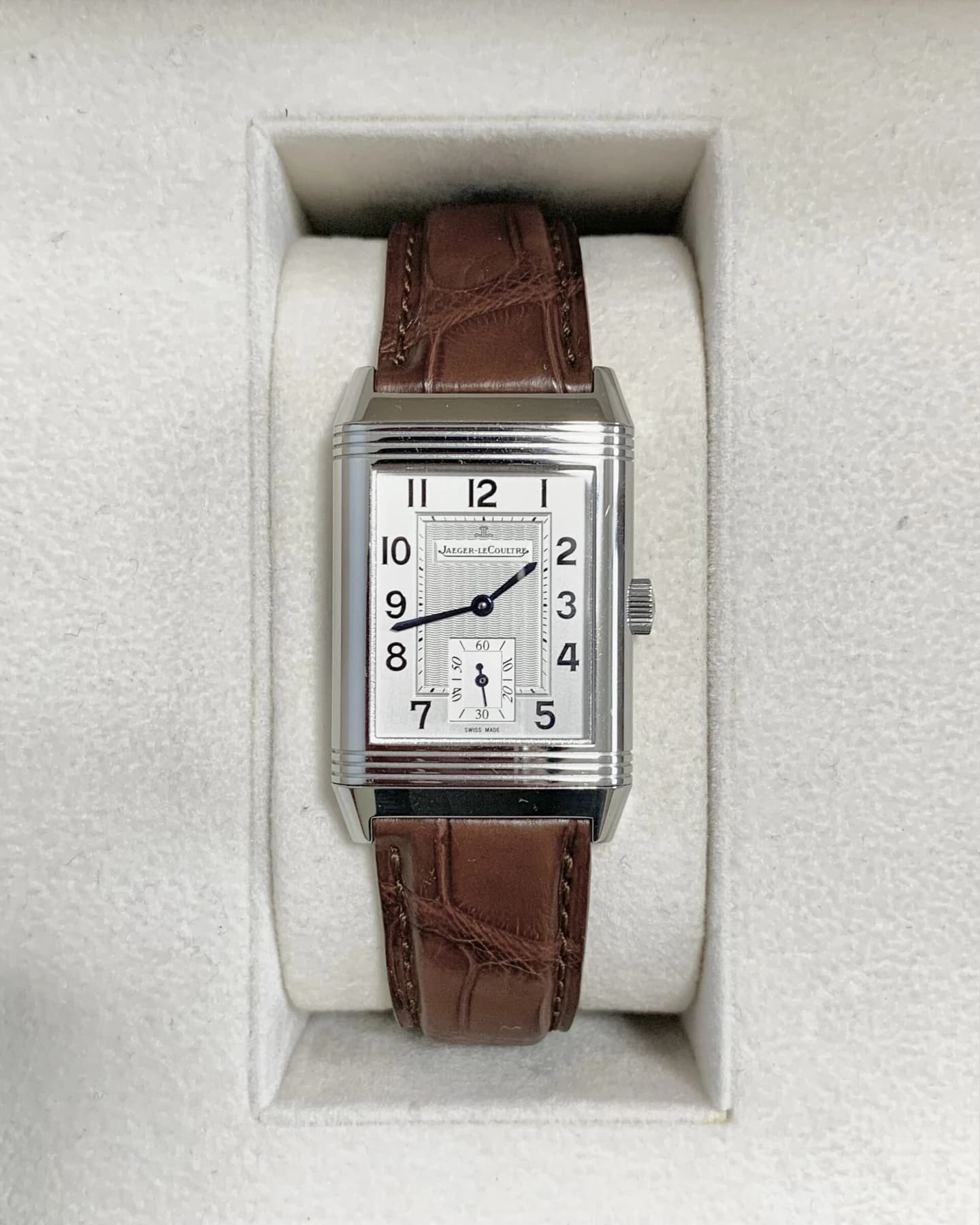
An unexpected connection
The case that turns the question around.
Another familiar watch becomes more legible through a particular functional idea rather than prestige alone.
Reversible Watches & Functional Form
Read the story