DISCOVERY / Classic Shooting Brakes & Useful Form
The coupé that made room.
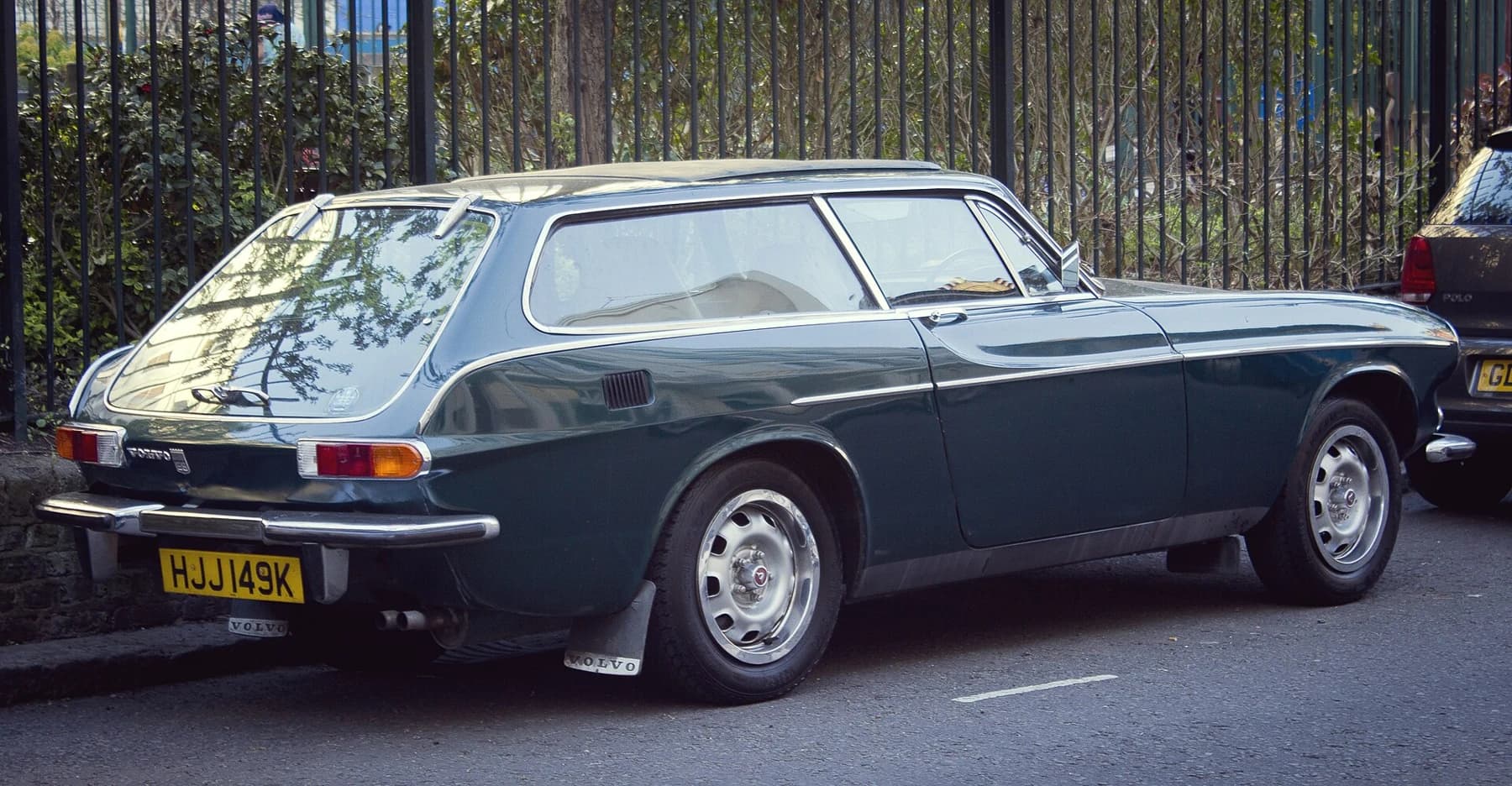
The Volvo 1800ES extended a sporting silhouette into a small estate. Its glass rear end makes an enduring design question unusually clear: can a desirable car also carry a little more of life?
Published 17 October 2026 · WHV · Public-source editorial note
The Volvo 1800ES becomes most interesting when you walk towards its rear. An extended roof and a broad glass tailgate turn the familiar sporting-car outline into something closer to a compact estate. It is an invitation to imagine a journey with luggage, rather than only a car admired in profile.
Look behind the front seats
Volvo records the introduction in autumn 1971 and production for the 1972 and 1973 model years. Beneath the changed rear body, the company describes technology shared with other 1800 models. The alteration was therefore not a completely new mechanical proposition. It was a decision about what an existing car could accommodate, and how that added capacity could remain visually distinctive.
That combination gives the 1800ES a precise place in WHV. The appeal is neither extreme performance nor rarity used as a substitute for explanation. It is a sporting form reconsidered around use. The surviving car also carries the realities of its period. A larger load space does not turn an early-1970s vehicle into a contemporary family car with contemporary safety equipment.
A useful idea still needs a sound car
If the shape draws you towards ownership, investigate the particular example with a knowledgeable specialist. Establish body condition, restoration history, mechanical health and the availability of model-specific trim and glass before making a decision. Then ask whether its actual seating and carrying space fit the trips you imagine. A good design can remain relevant without being right for everyone, and a short production run is not evidence of a guaranteed financial result.
Source and context.
Volvo Cars: the 1800ES heritage record ↗
Volvo Cars: historical model archive ↗
The pictured car is identified as a 1972 1800ES by its source, not independently authenticated by WHV. Historical global specifications differ by market. No road test, condition report or depreciation forecast is provided.
Source checked 17 October 2026. WHV interpretation is distinct from the source’s account.
Explore Classic Shooting Brakes & Useful FormFOLLOW YOUR CURIOSITY
Where this leads.
Different subjects. A reason to connect them.
Continue the idea
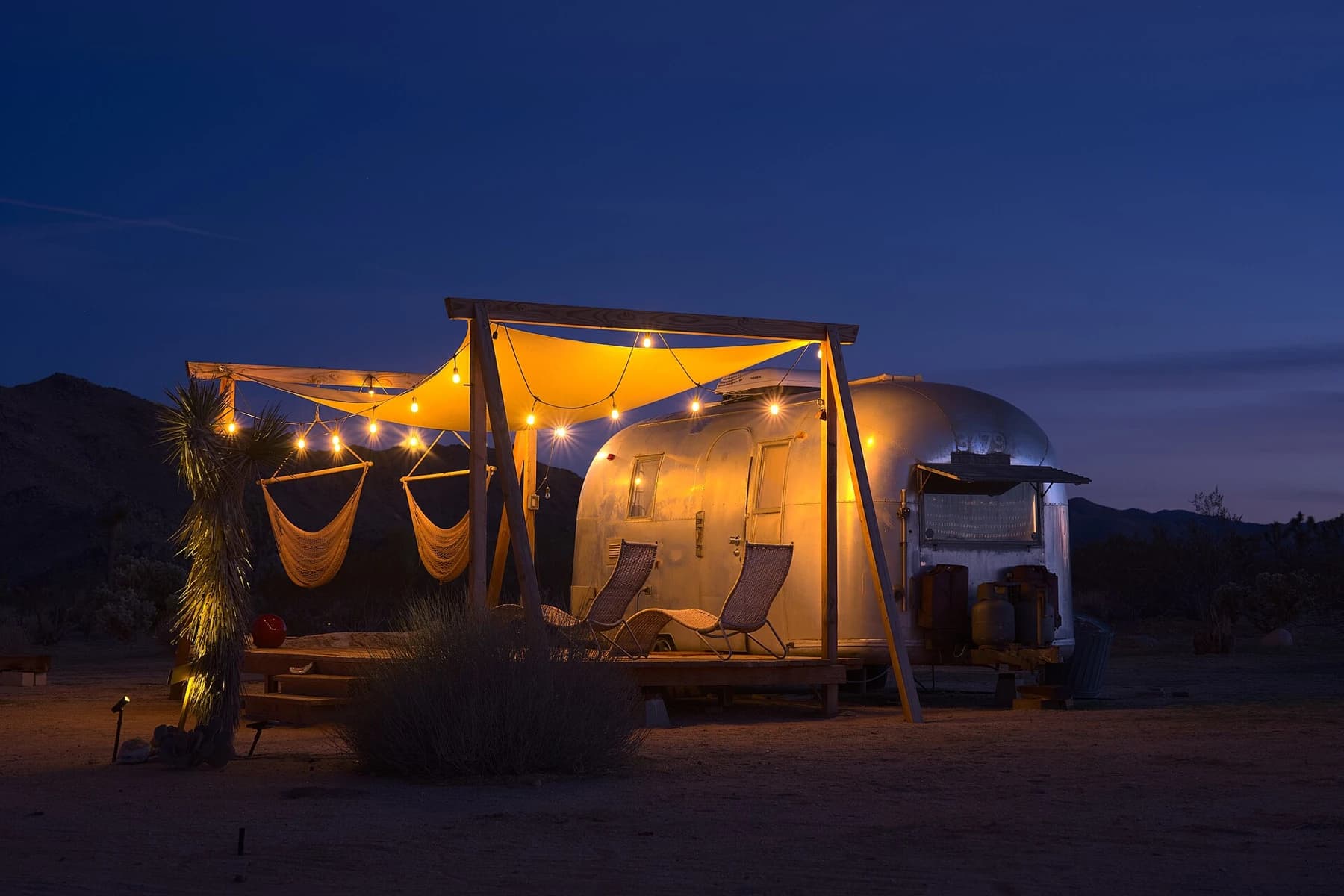
The home with a riveted shell.
Two road-travel designs ask how much of daily life a distinctive vehicle should be able to carry.
Travel Trailers & Mobile Living
Read the story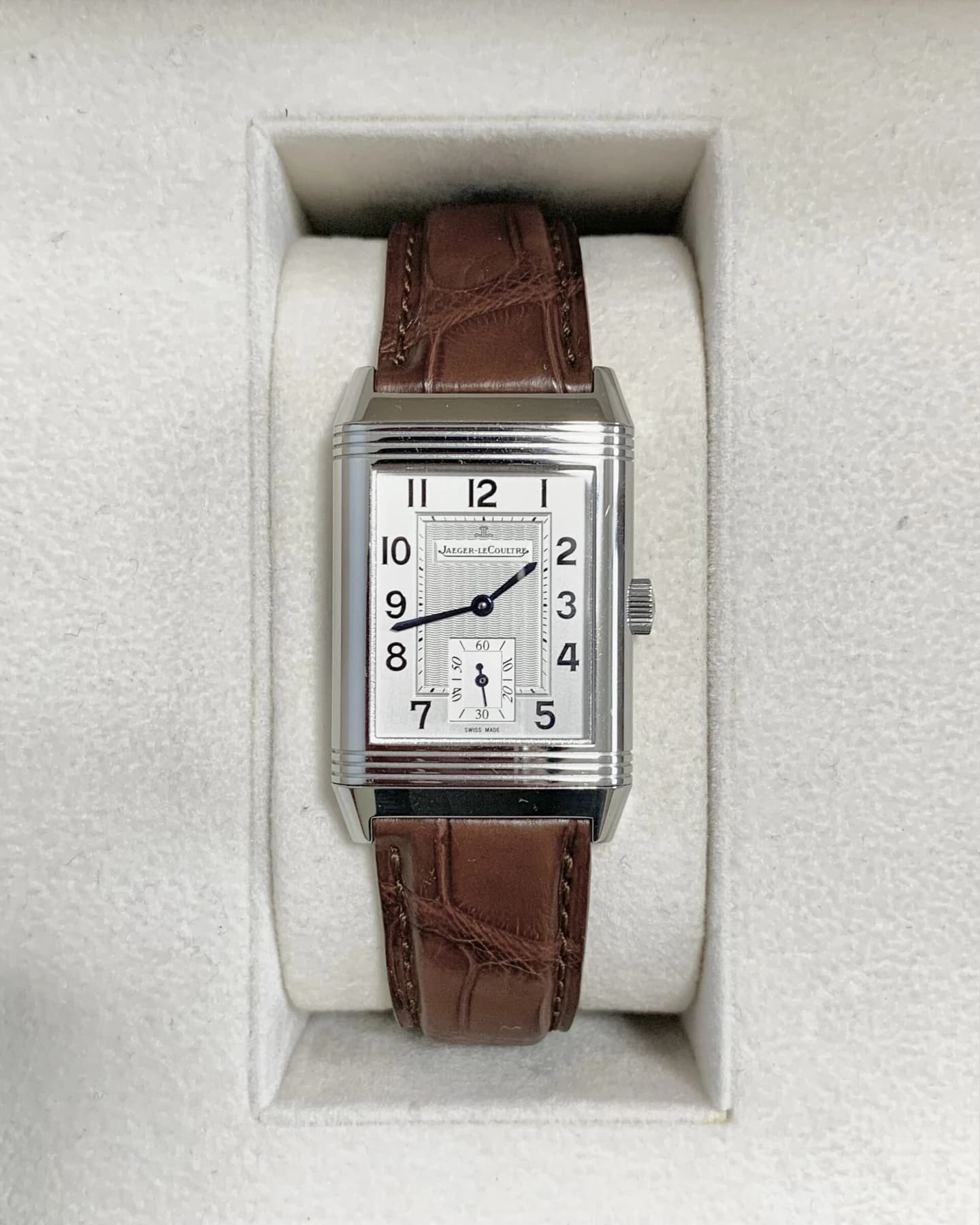
Across the WHV world
The case that turns the question around.
A much smaller object also gives a recognisable form a specific functional reason to exist.
Reversible Watches & Functional Form
Read the story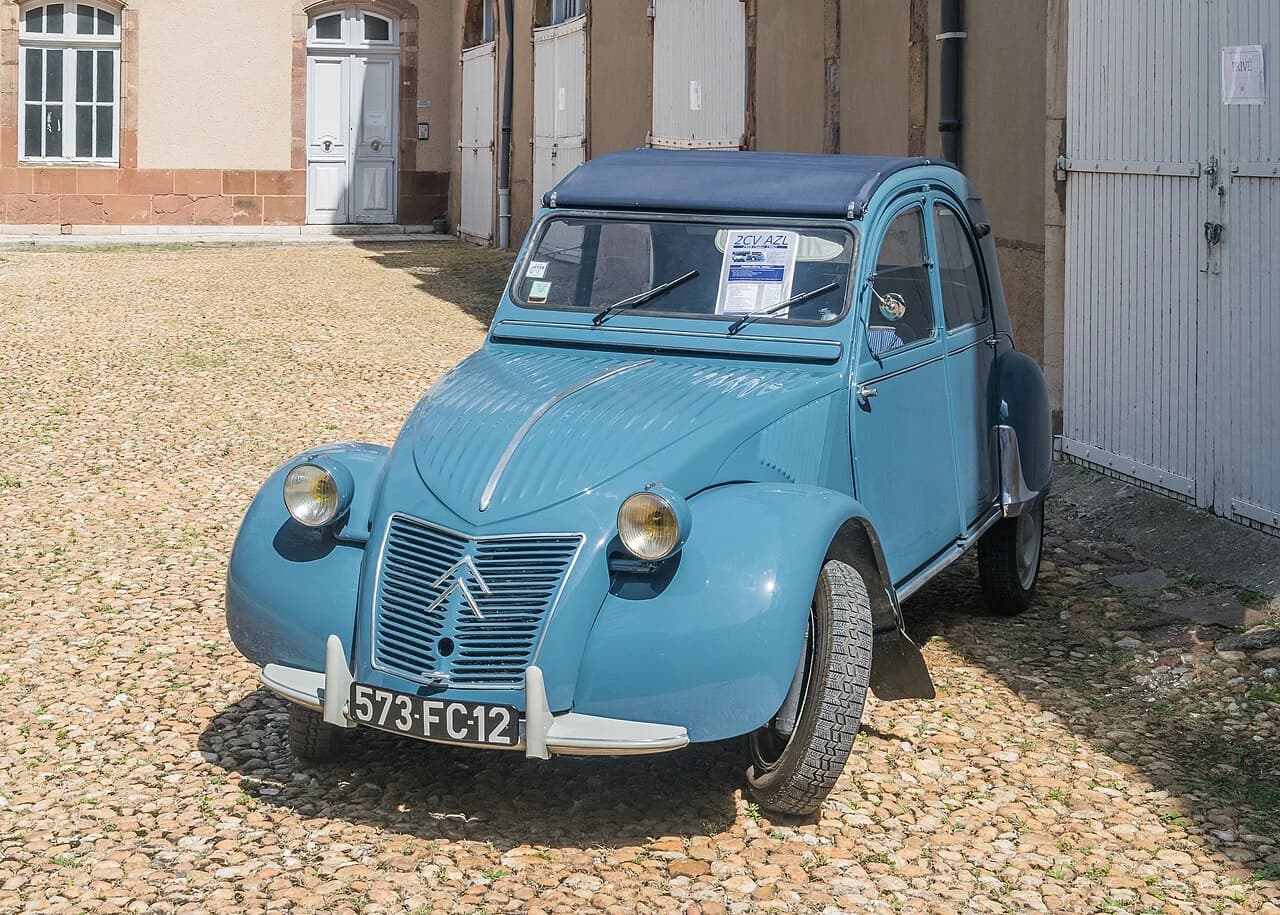
An unexpected connection
The design brief that became a car.
Compare another car through its practical brief rather than treating every classic as valuable for the same reason.
Accessible Motoring & Historical Engineering
Read the story