DISCOVERY / Painted Ceramics & Living Craft
The blue begins in black.
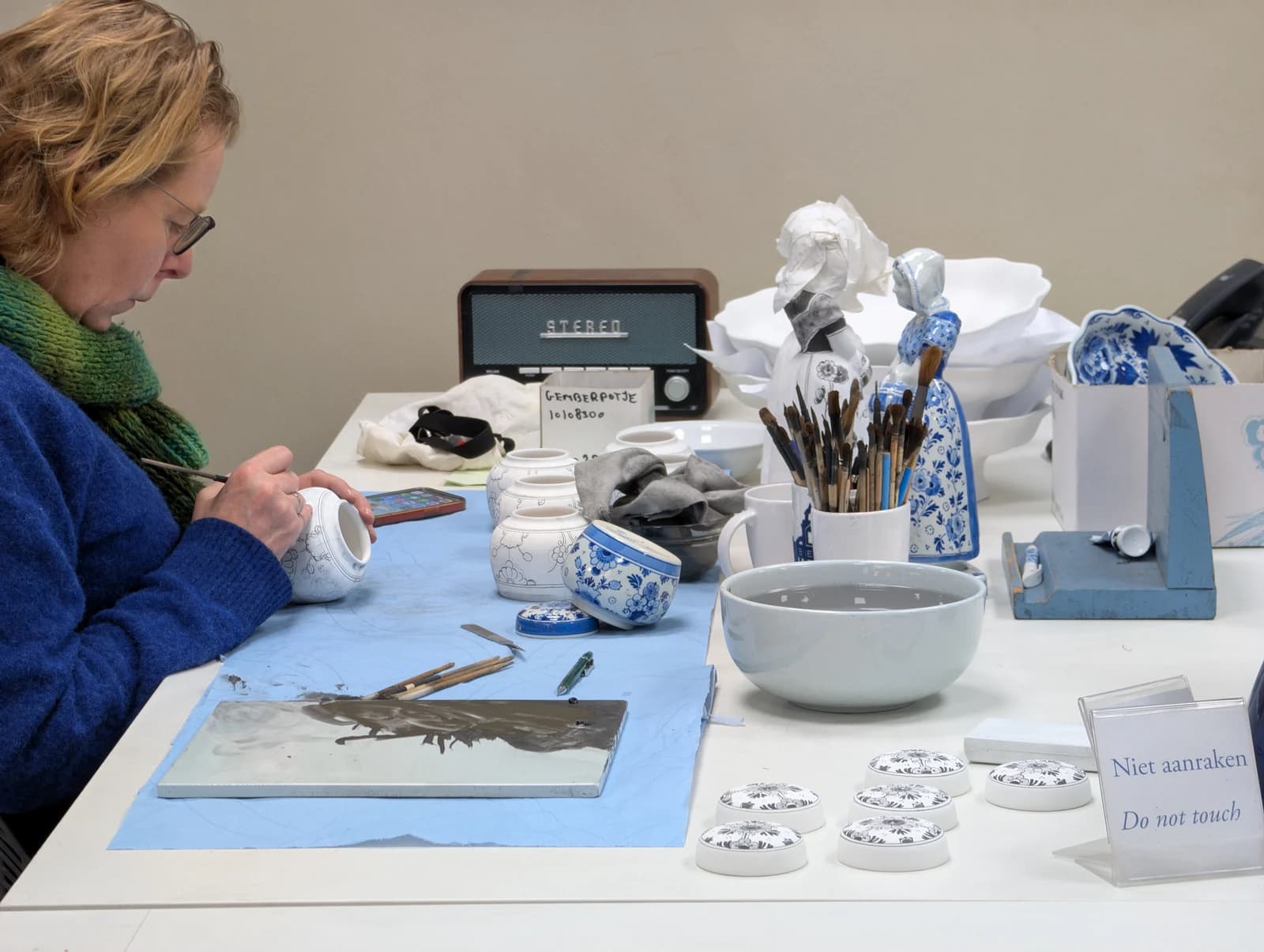
At Royal Delft, a painter works in black and the kiln brings out the blue. The process helps you distinguish a hand-painted object from a familiar-looking surface.
Published 25 September 2026 · WHV · Public-source editorial note
The painter’s brush does not lay down the blue you expect. Royal Delft’s account of its hand-painted work describes a dark cobalt-based decoration that becomes blue during firing. The finished colour is the result of a process, not simply the contents of a paint pot.
The kiln completes the colour
The museum explains how contours are applied before details are painted freehand, with dilution controlling the tonal range. Glaze and a further firing complete the surface. It also makes an important distinction within the company’s own output: some collections use transferred decoration rather than individual hand-painting. A recognisable blue-and-white appearance cannot tell you everything about how an object was made.
For the hand-painted tradition, the marks underneath provide a route into authorship and dating. The museum publishes information on the factory mark, painters’ initials and year codes. Those records are tools for asking better questions. They do not make an indistinct mark genuine, nor do they turn a recently made plate into a seventeenth-century object.
Turn the object over
Begin by looking at a contemporary piece you genuinely enjoy, then ask how it was decorated and what its marks mean. A visit or painting workshop offers another way to understand the skill without buying an antique. For an older object, assess chips, cracks, restoration and attribution separately. The lasting pleasure can be remarkably accessible: a surface you recognise at a distance, then understand differently when you come close enough to see the hand behind it.
Source and context.
Royal Delft Museum: hand-painting and transfer decoration ↗
Royal Delft Museum: year codes and painters’ marks ↗
Royal Delft Museum: frequently asked questions and visits ↗
This account distinguishes the maker’s production methods, not the authenticity or value of a particular ceramic. No piece has been handled or inspected. A workshop is not equivalent to professional painter training.
Source checked 25 September 2026. WHV interpretation is distinct from the source’s account.
Explore Painted Ceramics & Living CraftFOLLOW YOUR CURIOSITY
Where this leads.
Different subjects. A reason to connect them.
Continue the idea
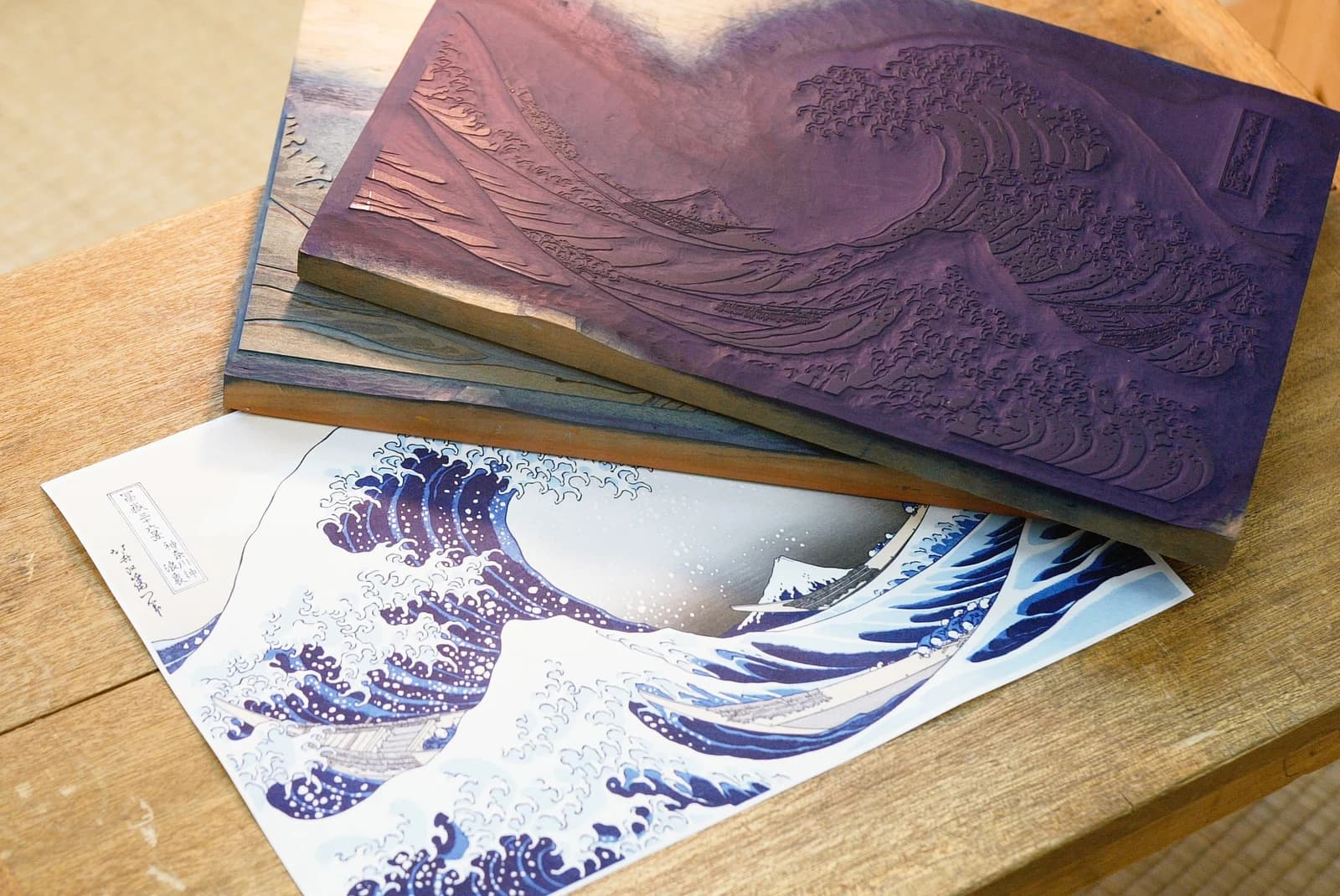
The Great Wave, made again by hand.
Both readings separate the recognisable image from the specific work of living makers.
Woodblock Prints & Living Craft
Read the story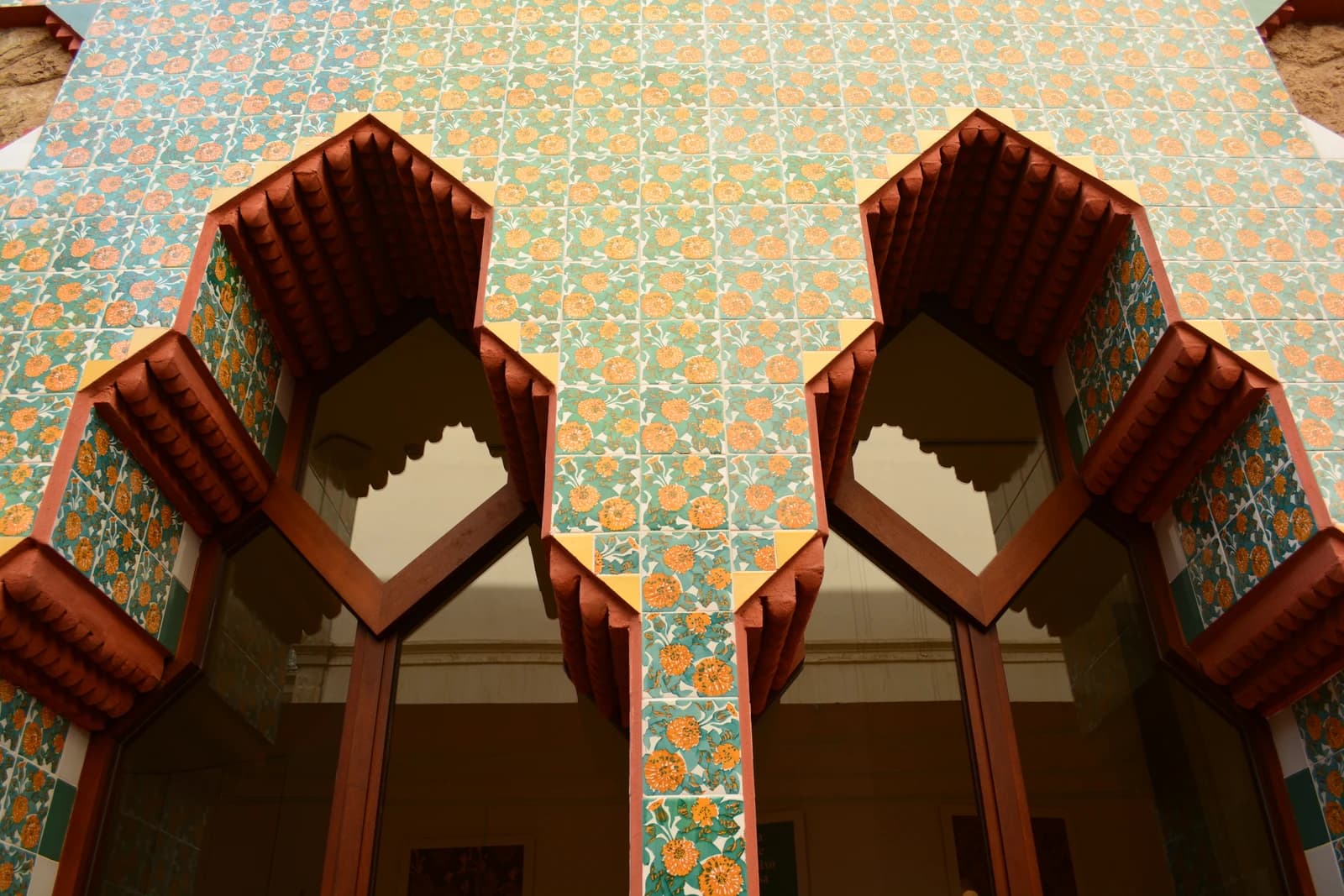
Across the WHV world
When a house remembers a garden.
Take the material idea outdoors, where glazed ceramics become part of a house’s relationship with its setting.
Architecture & Material Imagination
Read the story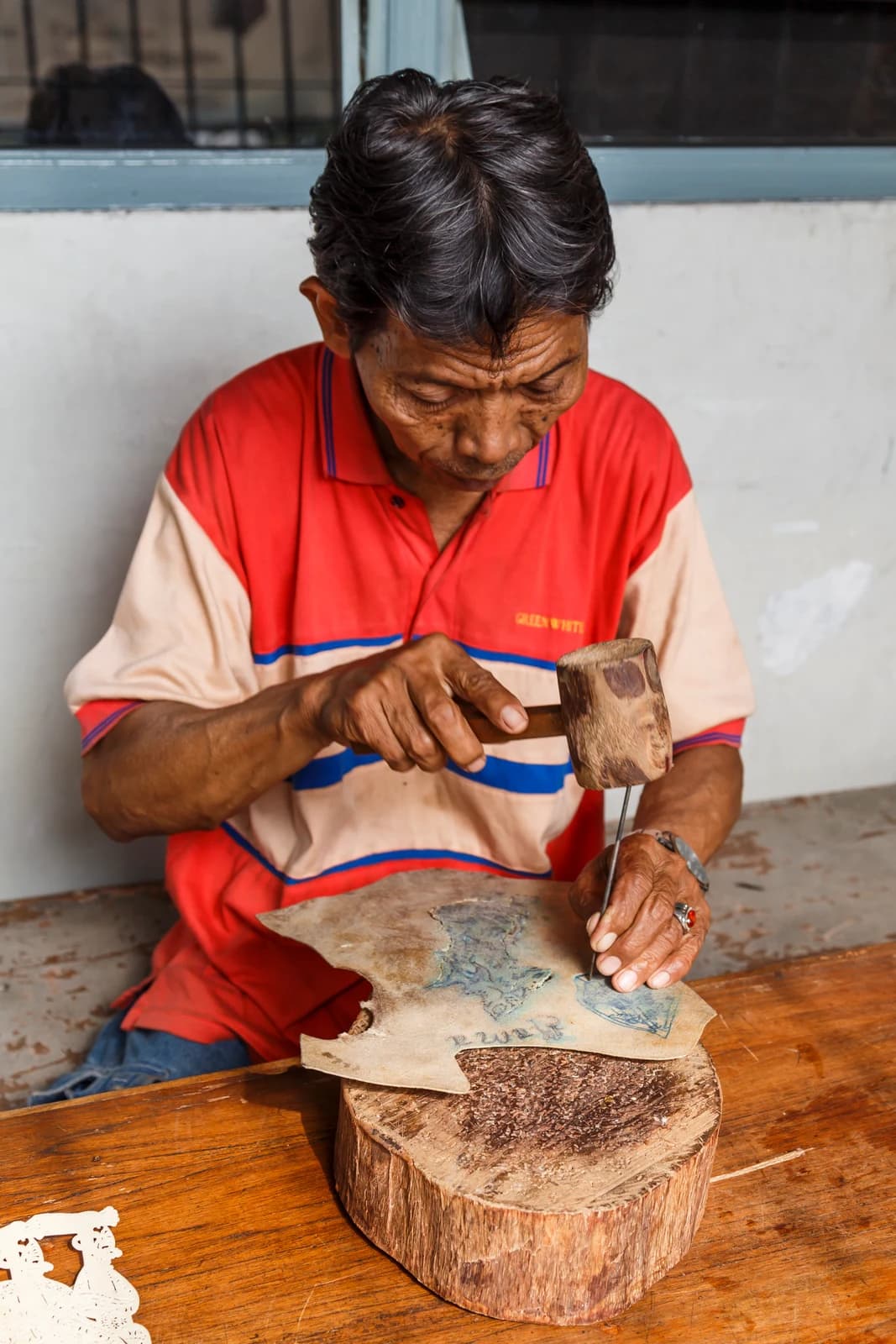
An unexpected connection
The object is only half the art.
Another crafted surface becomes more intelligible when you understand what it was made to do.
Shadow Puppets & Performing Traditions
Read the story