DISCOVERY / Architecture & Material Imagination
When a house remembers a garden.
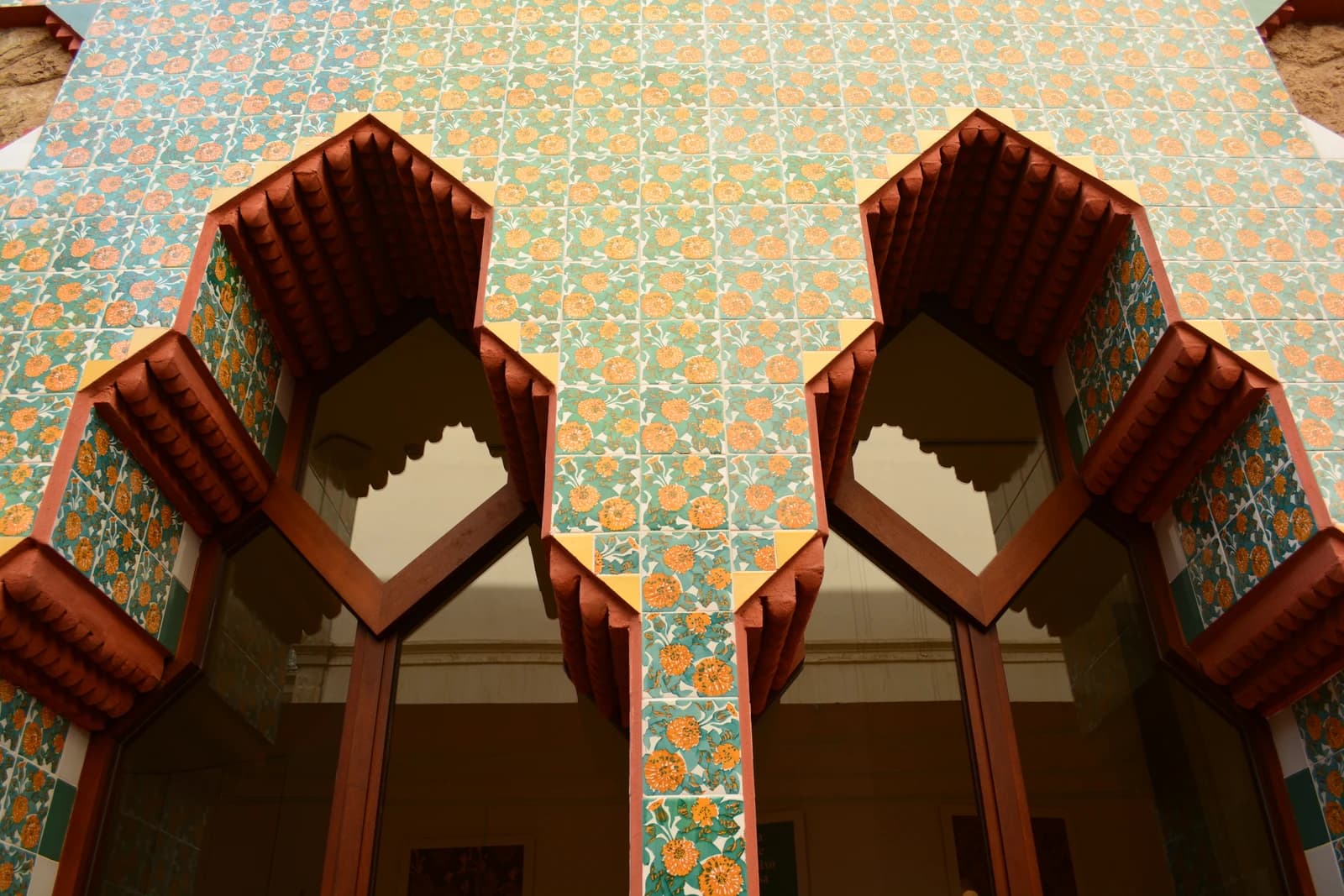
At Casa Vicens, flowers and palm leaves become tile and iron. Gaudí’s early house offers a more concrete lesson than the word iconic.
Published 25 September 2026 · WHV · Public-source editorial note
Green tiles, yellow flowers and iron palm leaves make the exterior unusually alive. Casa Vicens is not interesting merely because a famous architect designed it. It asks what can happen when a building pays close attention to the place where it begins.
Observation becomes a building material
The house’s historical account dates the original project to 1883–1885 and identifies Manel Vicens as the client for a summer home in Gràcia. It connects the floral ceramic motif and palm-leaf ironwork with Gaudí’s observations of the site. The account also credits the gate’s sculptural and foundry work, a reminder that an architectural idea depends on more hands than the architect’s.
The durable thing here is a relationship, not an instruction to cover every new house in ornament. A natural form becomes a repeatable ceramic element or a metal component without losing all recognition of its origin. Looking closely lets you see material, pattern and construction working together. Colour is doing architectural work rather than arriving as a final layer of decoration.
Look at one detail twice
A visit can begin with a modest exercise: choose one repeated detail outside, then look for how the interior continues or changes that idea. Read the museum’s account of later alterations so that the building is not mistaken for an untouched snapshot of the 1880s. Check current access and booking conditions before travelling. You leave without owning the house, but with a sharper question about how the places you inhabit could feel more particular to their setting.
Source and context.
Casa Vicens: the original Gaudí project, 1883–1885 ↗
Casa Vicens: the architect and the house ↗
Casa Vicens: official visitor information ↗
An architectural reading from the house’s documentation, not a firsthand visit, property assessment or claim that all visible fabric dates to Gaudí’s original project. Visitor access may change.
Source checked 25 September 2026. WHV interpretation is distinct from the source’s account.
Explore Architecture & Material ImaginationFOLLOW YOUR CURIOSITY
Where this leads.
Different subjects. A reason to connect them.
Continue the idea
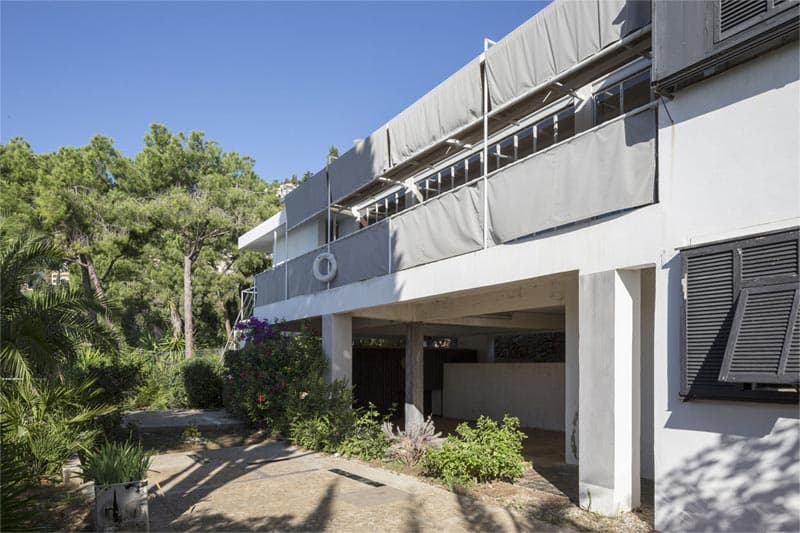
A house designed around a life.
Compare ornamental attention to a setting with the domestic detail of Eileen Gray’s E-1027.
Homes & Architecture
Read the story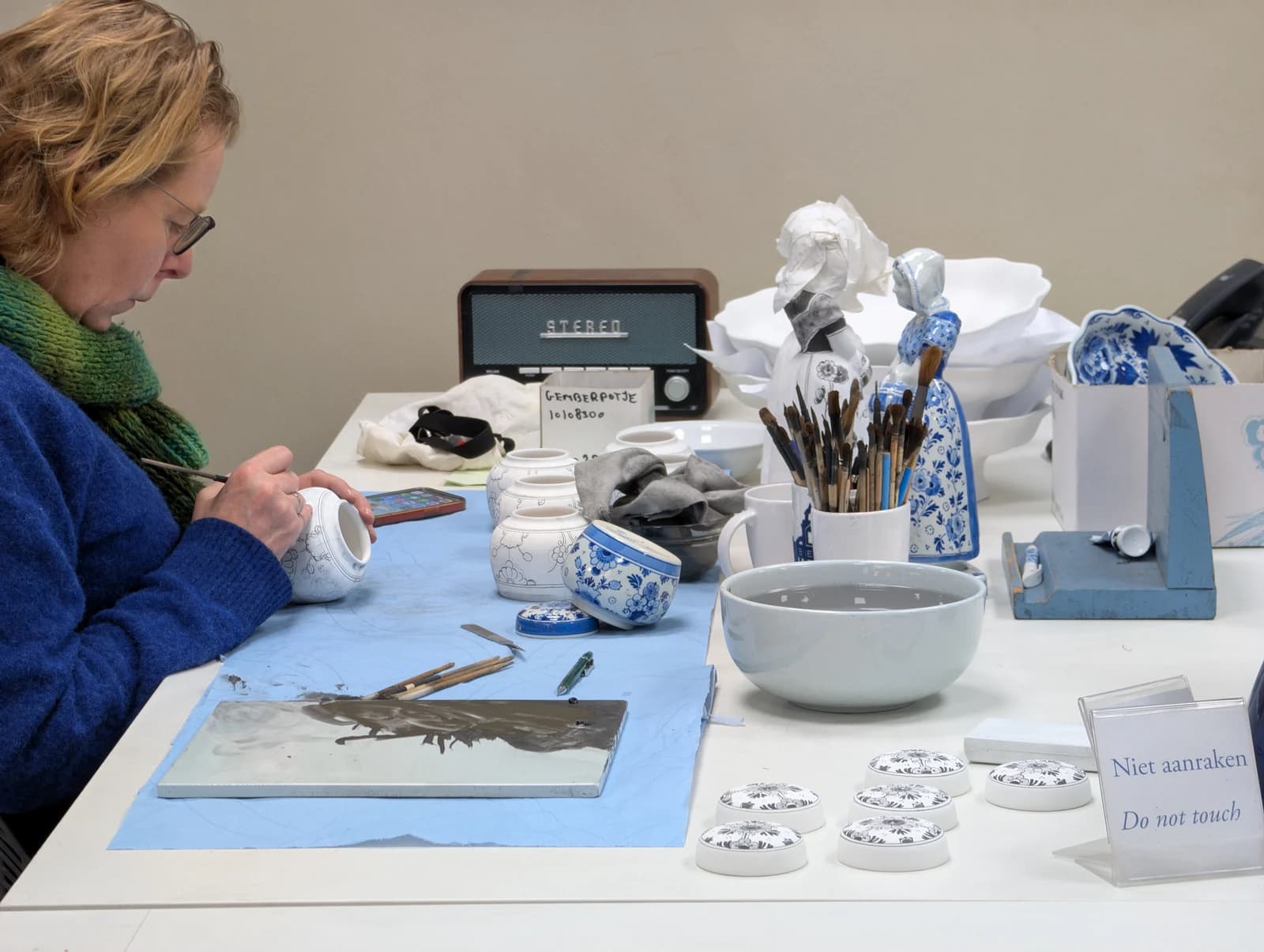
Across the WHV world
The blue begins in black.
Look closer at ceramics as a process, from the architectural surface to the painted object.
Painted Ceramics & Living Craft
Read the story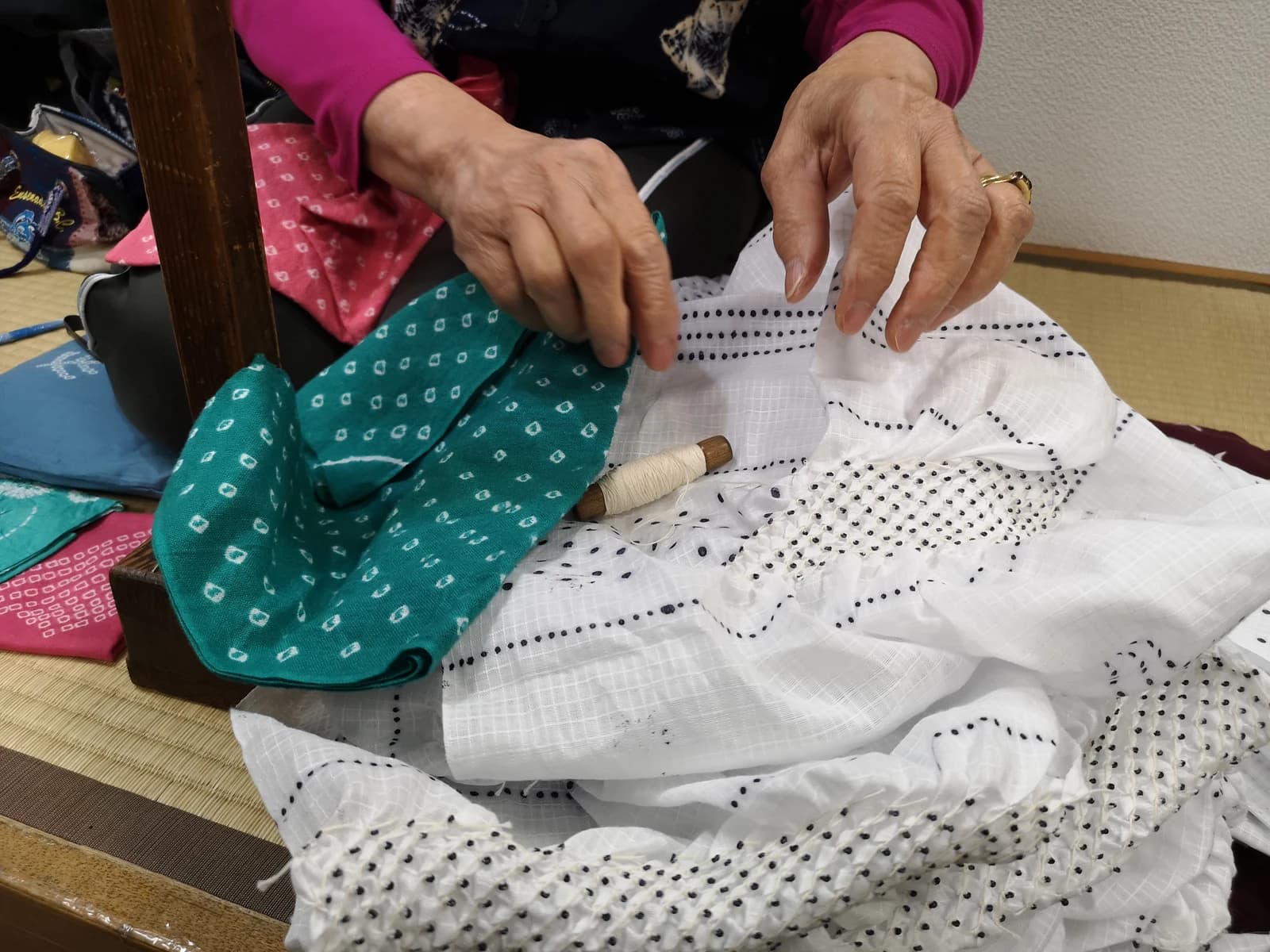
An unexpected connection
The pattern begins before the dye.
A textile workshop offers another way to understand how preparation becomes a visible pattern.
Textile Workshops & Learning by Making
Read the story