DISCOVERY / Textile Workshops & Learning by Making
The pattern begins before the dye.
In Arimatsu, tying a small piece of cloth can change how you read an entire textile. The experience makes patient preparation visible.
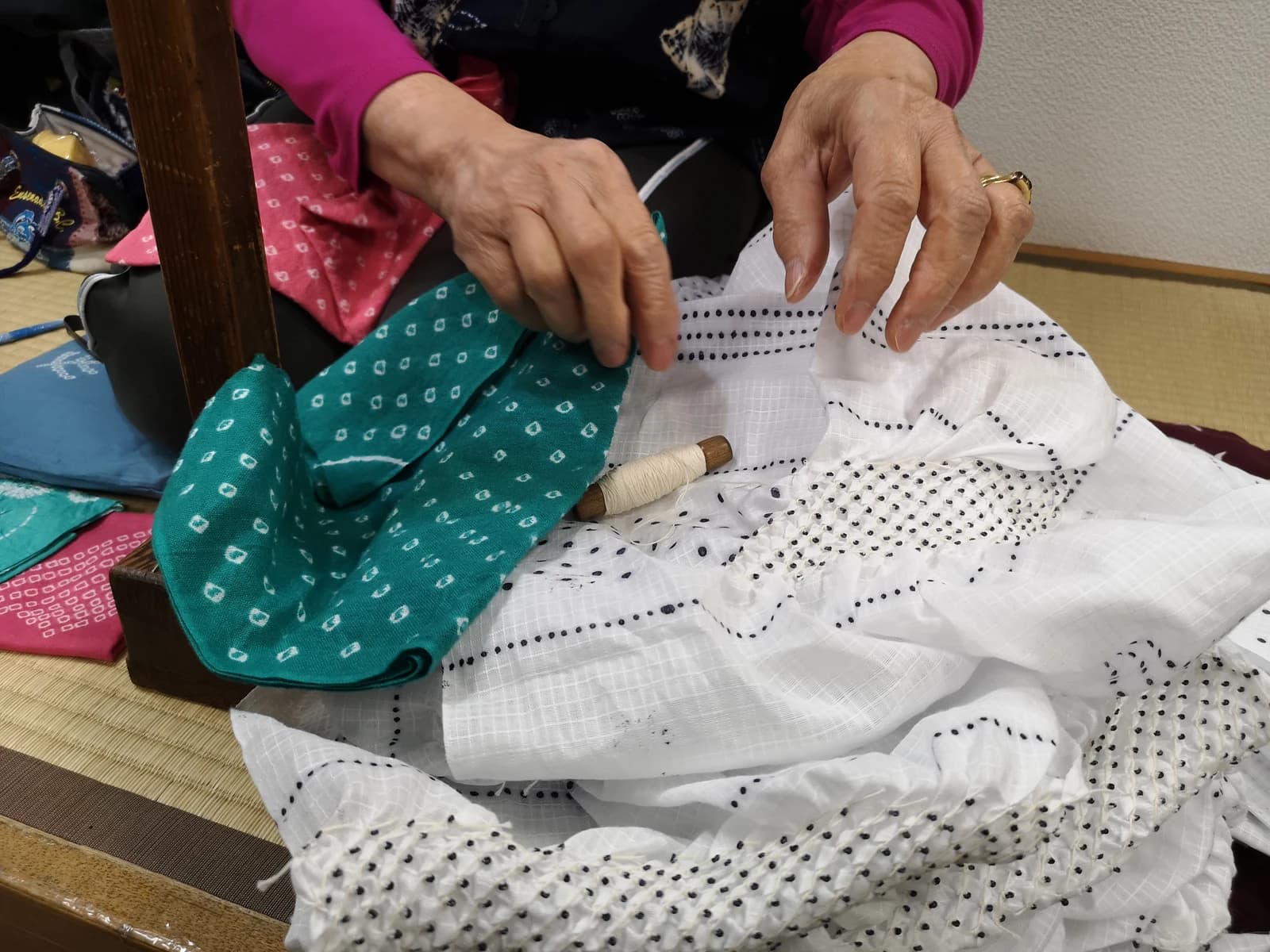
Published 25 September 2026 · WHV · Public-source editorial note
Before there is a pattern to admire, there is a piece of cloth being folded, bound or stitched. Shibori makes that preparation decisive. Parts of the fabric resist the dye because of what someone has already done with their hands.
The work happens before the colour arrives
The Arimatsu-Narumi Shibori Museum in Nagoya offers demonstrations and reserved experiences in this textile tradition. Its published programme distinguishes different activities and materials. Some pieces are dyed later and sent on, while a specified weekend hand-towel activity allows participants to dye the work and take it away that day. The distinction matters when a workshop has to fit an actual journey.
The enduring part need not be a perfect souvenir. After making even a simple sample, a repeated dot or a pale edge can become evidence of decisions rather than decoration alone. That understanding travels into how you look at clothes, household textiles and the time another maker has invested. A short class is a beginning, not mastery of the many techniques associated with Arimatsu.
Choose the experience, not just the souvenir
Contact the museum before planning around a session. Confirm the technique, language support, timing and how the finished item will reach you, especially if you are travelling internationally. Leave room to look at the demonstrations and the town instead of rushing straight to the shop. If you buy a finished textile, ask about its maker, material and method separately. The best return from the day may be a more informed eye, carried home alongside a small piece of cloth.
Source and context.
Arimatsu-Narumi Shibori Museum: demonstrations and workshops ↗
Arimatsu-Narumi Shibori Museum: the tradition and its techniques ↗
Arimatsu Japan Heritage: walking the textile town with a guide ↗
Programme details come from the museum and require confirmation when booking. WHV has not attended the workshop. The photograph illustrates the binding process and is not a promise that a particular technique is included in every class.
Source checked 25 September 2026. WHV interpretation is distinct from the source’s account.
Explore Textile Workshops & Learning by MakingFOLLOW YOUR CURIOSITY
Where this leads.
Different subjects. A reason to connect them.
Continue the idea
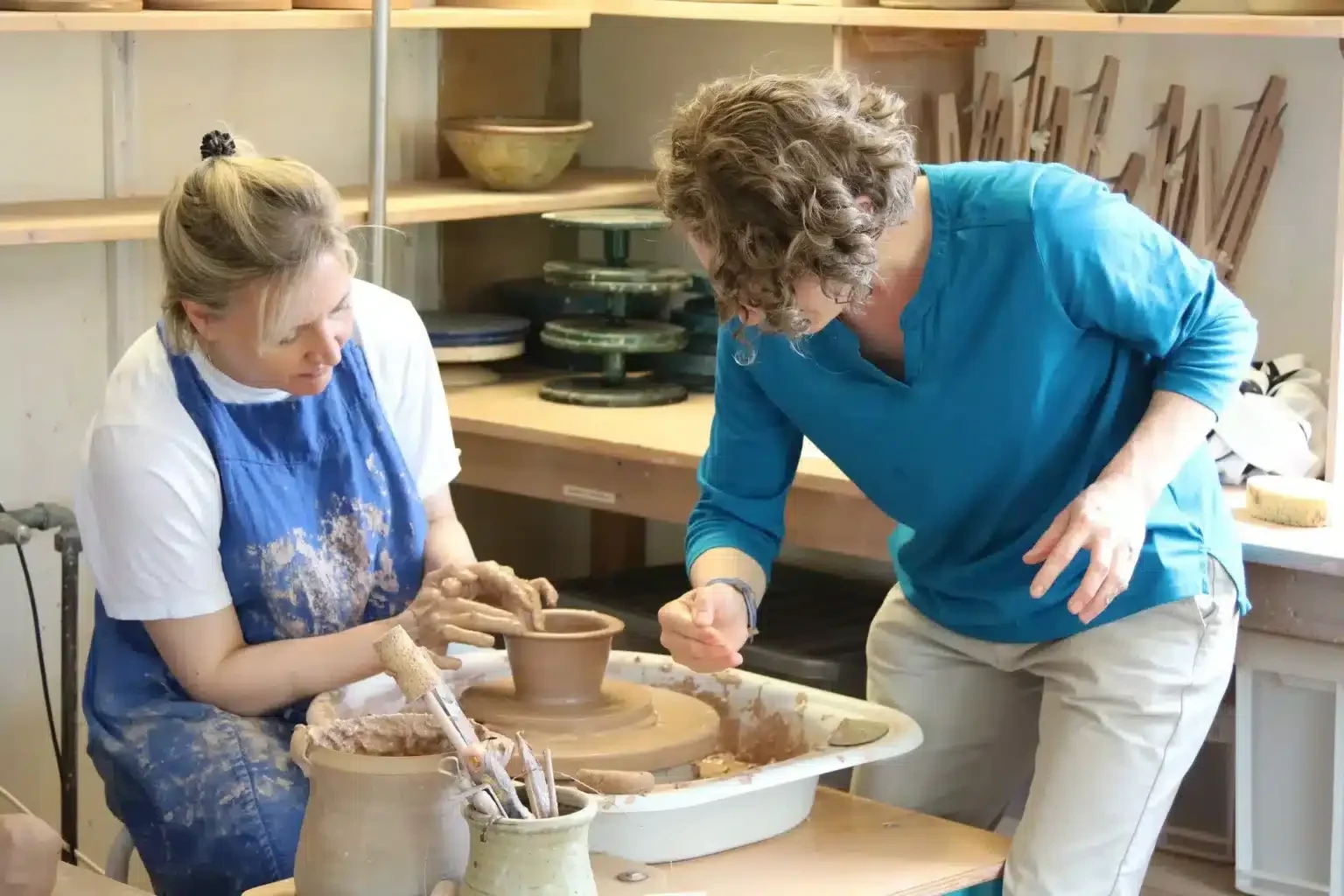
Come home knowing what a pot asks of you.
A textile session and a pottery course offer different practical ways to change how you look at finished craft.
Craft Learning & Workshops
Read the story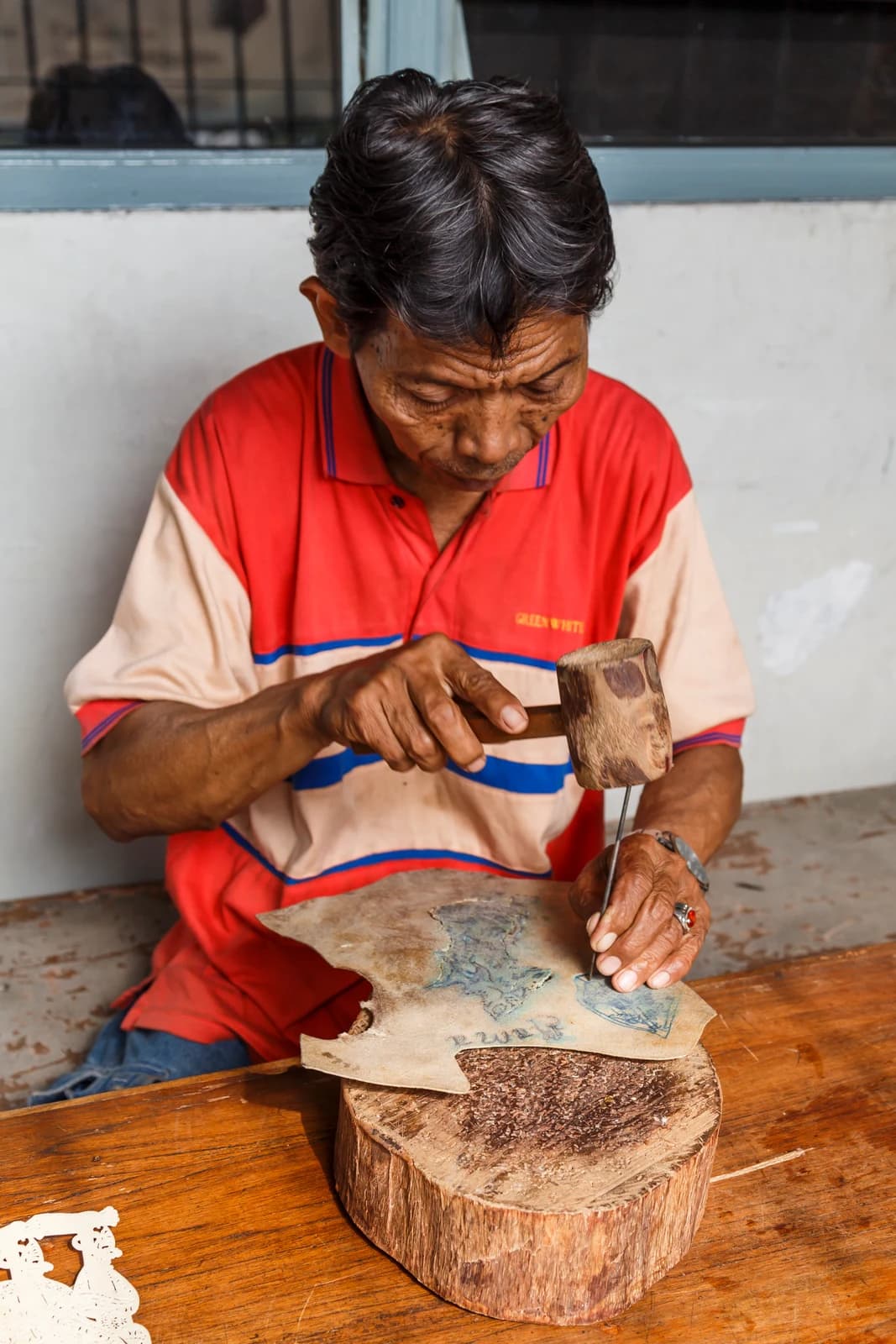
Across the WHV world
The object is only half the art.
Meet another tradition in which the object and the knowledge around it need to be understood together.
Shadow Puppets & Performing Traditions
Read the story
An unexpected connection
A place that makes room for listening.
Move from a workshop to an observatory, where another carefully prepared set of conditions makes discovery possible.
Science & Learning Journeys
Read the story