DISCOVERY / Shadow Puppets & Performing Traditions
The object is only half the art.
A wayang kulit puppet is made to move, cast a shadow and carry a voice. Its cultural value cannot be separated from the people who bring it to life.
Published 25 September 2026 · WHV · Public-source editorial note
Seen against a wall, a wayang kulit puppet can look like an extraordinarily intricate flat sculpture. Put it into a performance and the holes, profile and articulated arms have another purpose. They belong to movement, light and a story being told.
A silhouette with a working purpose
UNESCO distinguishes the leather shadow puppets from other forms of wayang and describes the dalang, the master puppeteer, manipulating their arms with slender rods. Indonesia’s tourism authority points to Kepuhsari in Central Java as a community where puppet-making remains a living practice. The subject is therefore not confined to an anonymous old object behind glass.
This is where the WHV mechanism becomes clear. The physical puppet carries knowledge that it cannot exercise by itself. A maker’s choices, the identity of a character and a performer’s interpretation give the object a richer life than the word exotic allows. Cultural recognition concerns a tradition and its practitioners. It does not authenticate any puppet offered for sale or establish that an older example is better.
Learn the story before buying the object
Begin with a documented performance or a maker-led explanation. If commissioning a contemporary puppet, ask who made it, which regional tradition and character it represents, what materials were used and whether it was intended for performance or display. Treat an alleged antique as a different question requiring provenance and export checks. There is an appealing alternative to collecting mystery: own a clearly attributed contemporary work, or simply support the people whose skill keeps the art in motion.
Source and context.
UNESCO: wayang puppet theatre ↗
Indonesia Travel: wayang kulit and the making community of Kepuhsari ↗
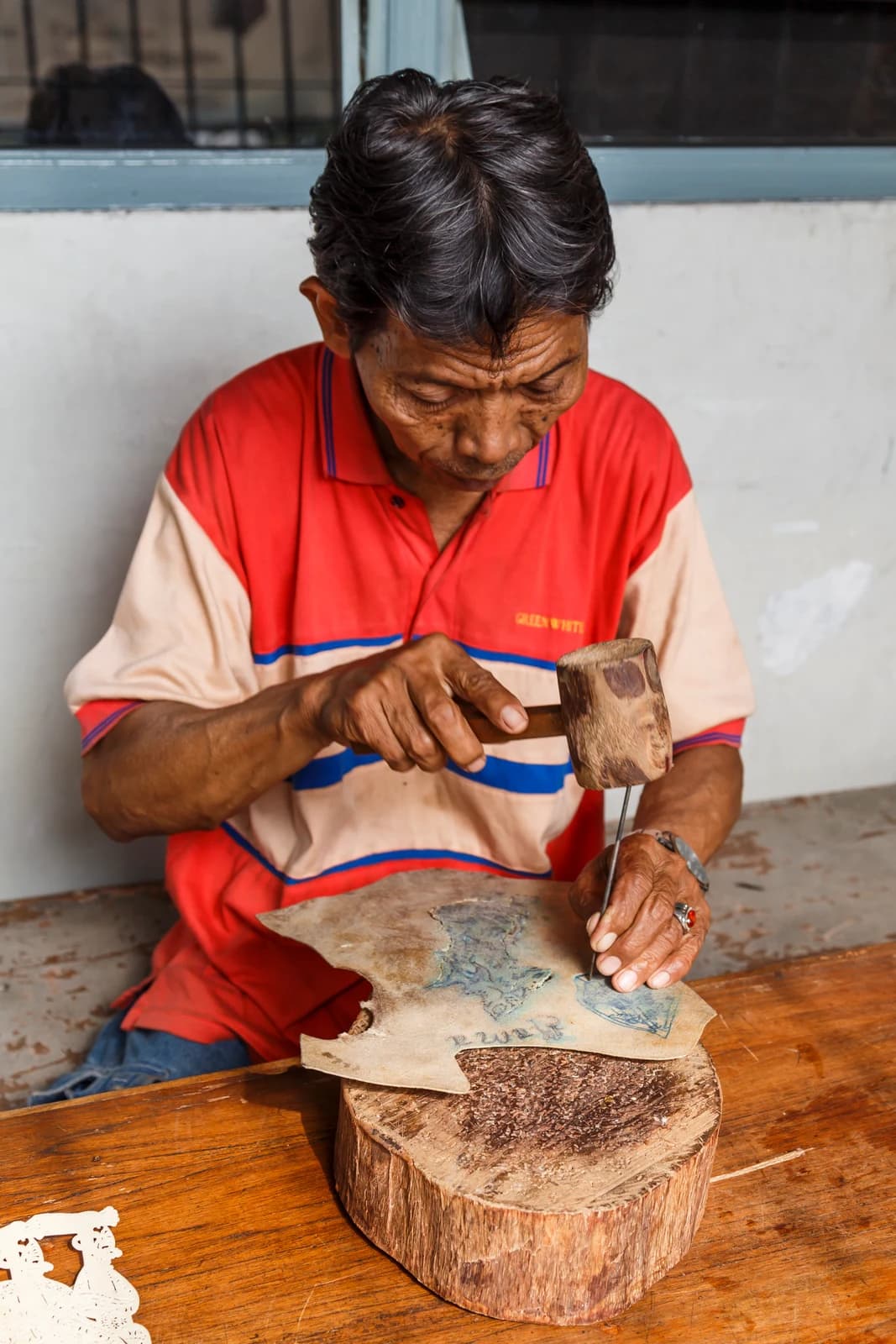
No puppet, workshop or sale has been inspected. The photograph records a maker in Jakarta, not a verified Kepuhsari commission. UNESCO recognition is not an authenticity certificate, export permission or financial endorsement.
Source checked 25 September 2026. WHV interpretation is distinct from the source’s account.
Explore Shadow Puppets & Performing TraditionsFOLLOW YOUR CURIOSITY
Where this leads.
Different subjects. A reason to connect them.
Continue the idea
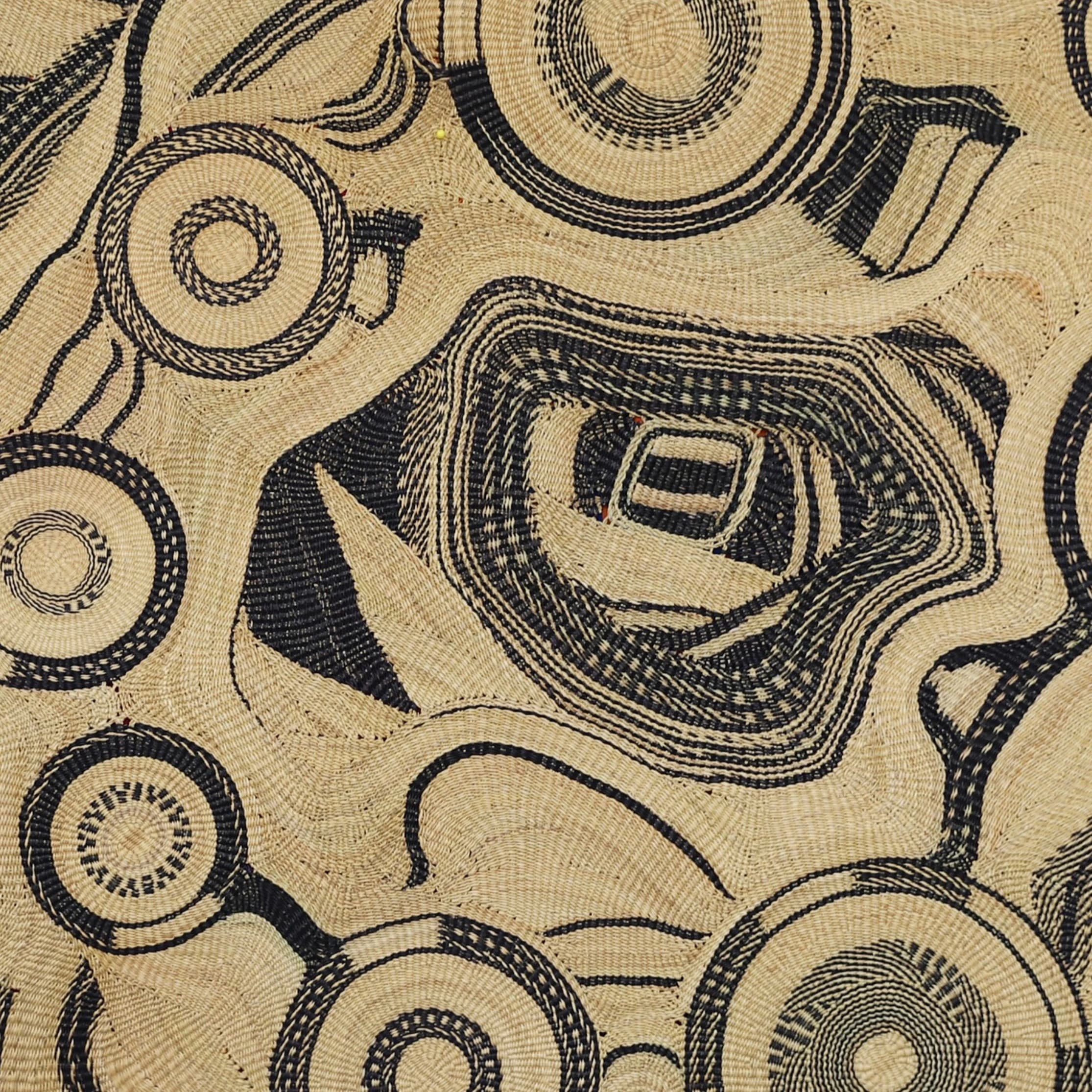
A home woven into a wall.
Two different traditions connect a crafted object to cultural knowledge that cannot be read from appearance alone.
Contemporary Craft and Interiors
Read the story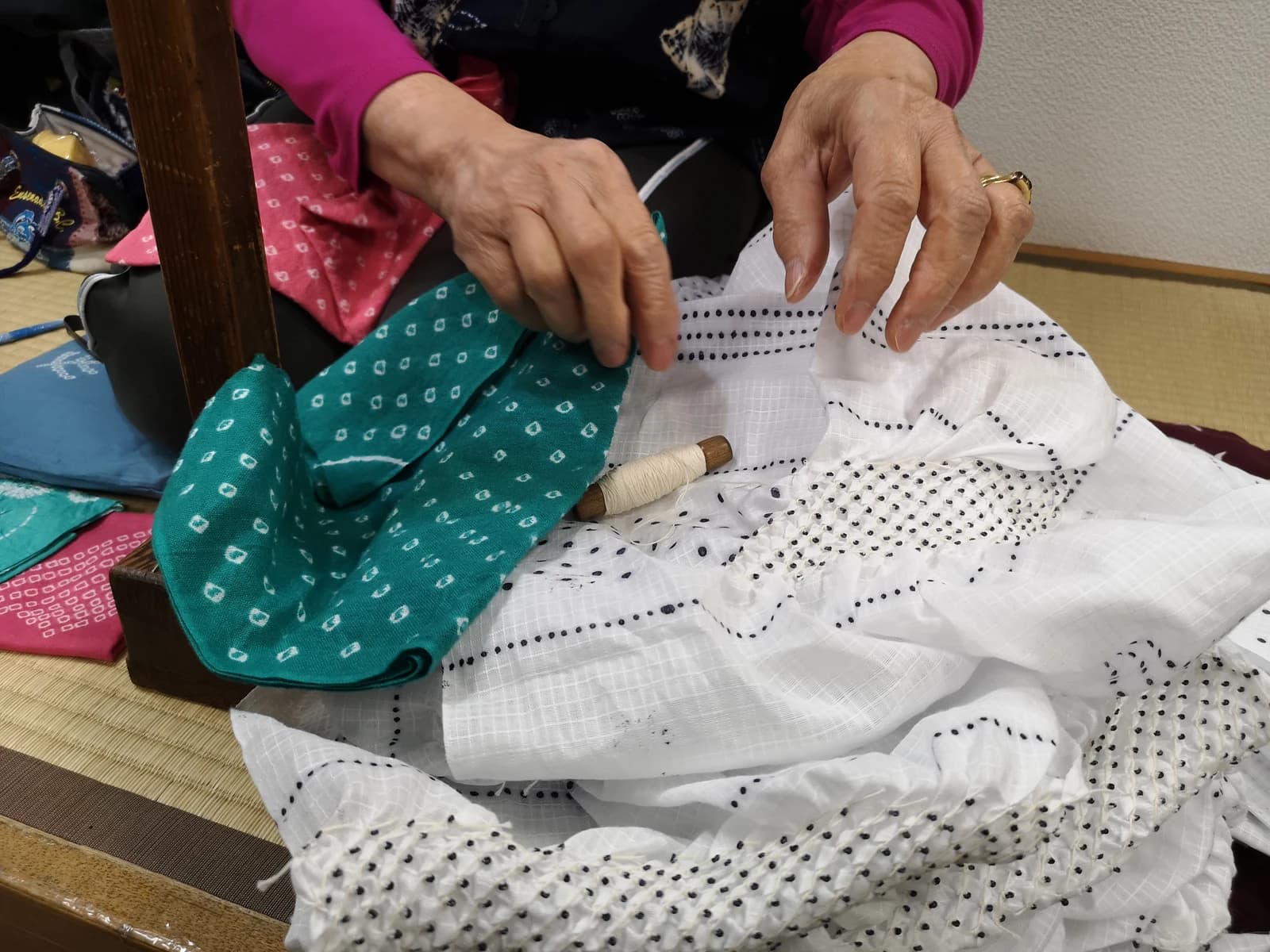
Across the WHV world
The pattern begins before the dye.
Hands-on learning offers another route to valuing a living craft without beginning with an antique purchase.
Textile Workshops & Learning by Making
Read the story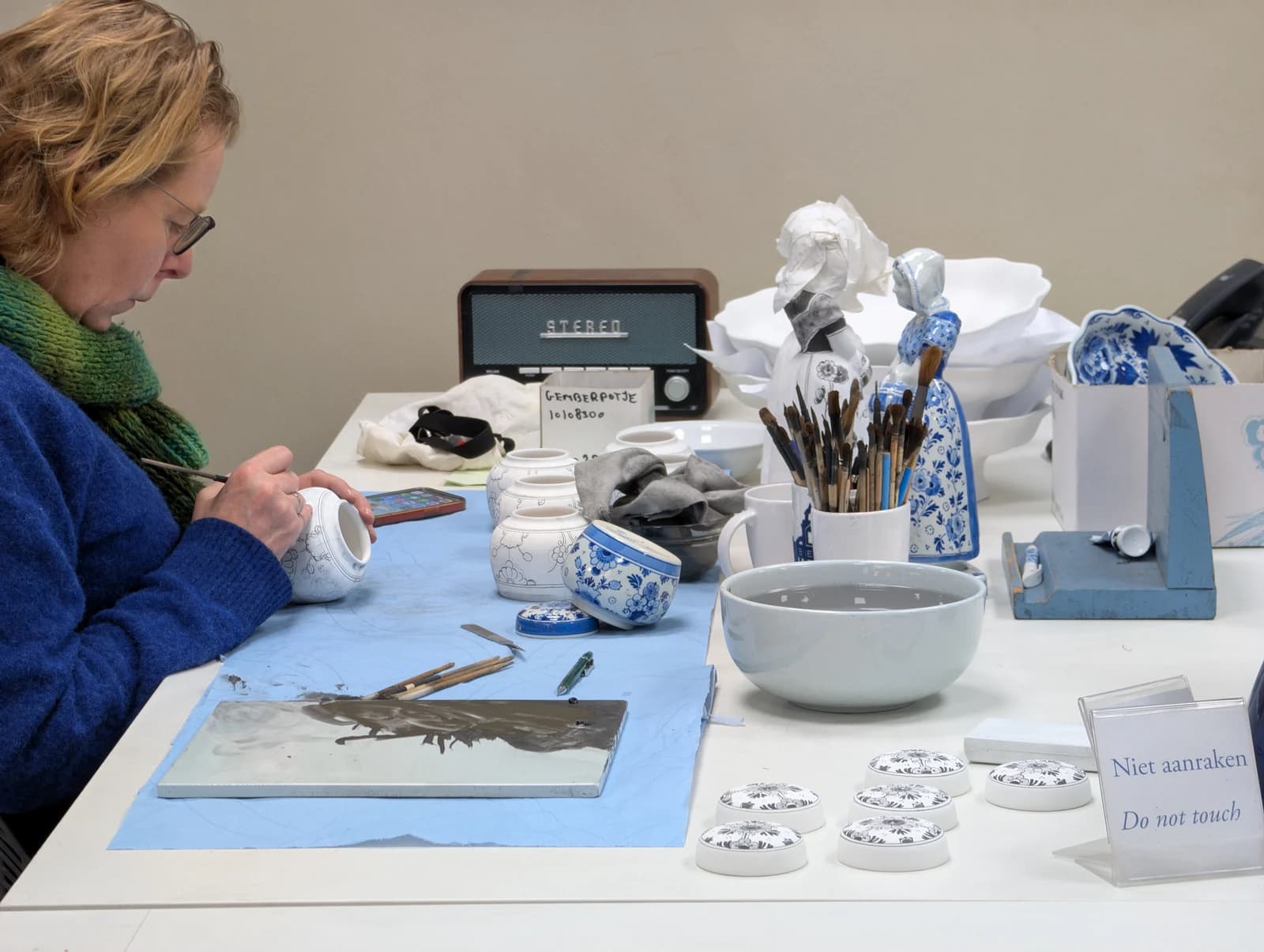
An unexpected connection
The blue begins in black.
Continue with another object whose maker, process and intended use deserve to be identified separately.
Painted Ceramics & Living Craft
Read the story