DISCOVERY / Aperitif Culture & Everyday Design
The aperitif without a paper label.
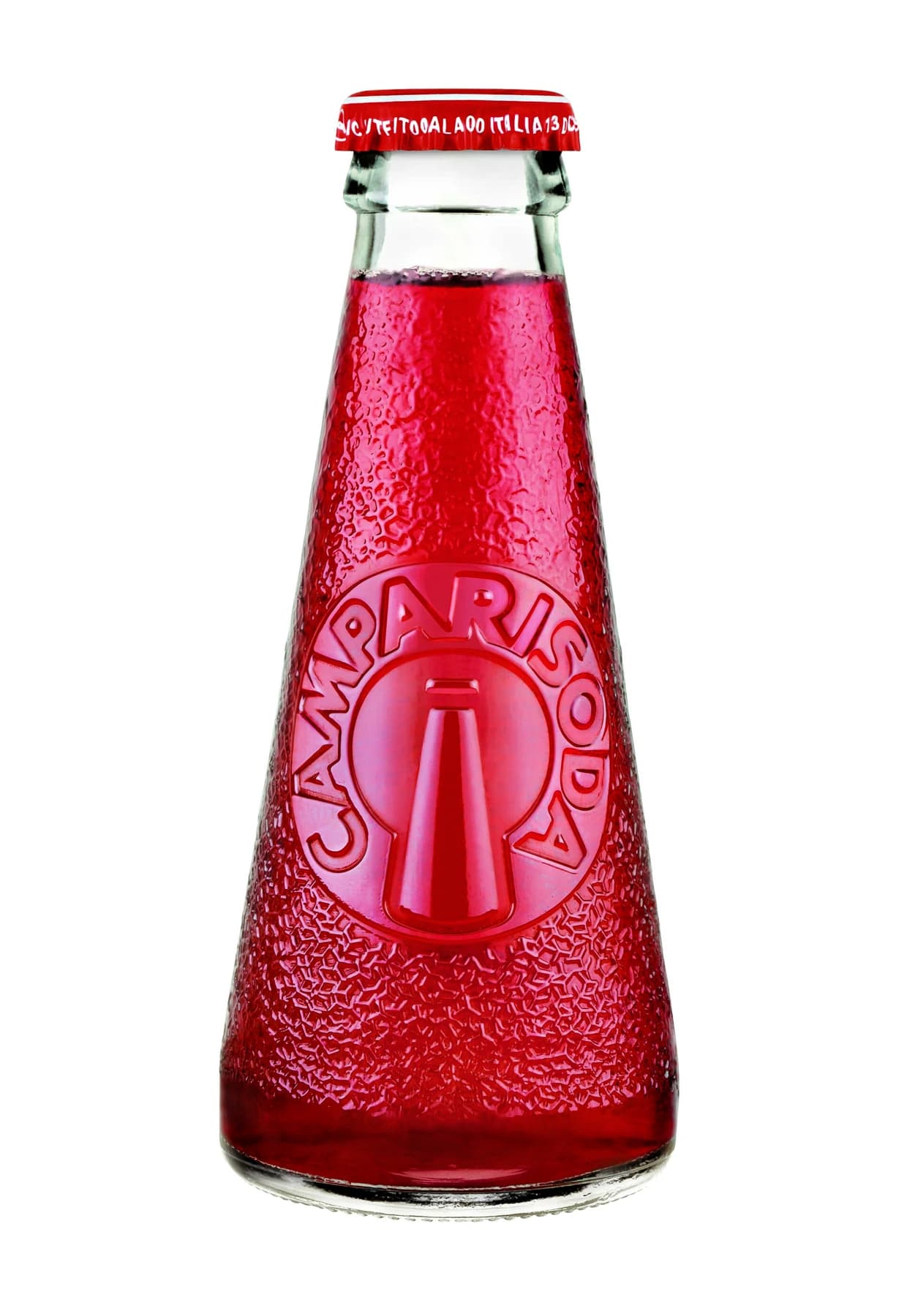
Campari Soda hides a piece of design history in an ordinary aperitif. Fortunato Depero’s tapered bottle makes the container part of the encounter rather than a disposable graphic wrapper.
Published 20 October 2026 · WHV · Public-source editorial note
A small red aperitif bottle can be a useful place to encounter an artist. Campari Soda’s taper and textured glass make it recognisable without a conventional paper label. It is an everyday object with an unusually clear authored form, available to notice at the table rather than only through a museum display.
The glass does the graphic work
Campari’s historical account dates the bottled drink to 1932 and identifies Fortunato Depero as the designer commissioned by Davide Campari. It connects the form to the conical glass used at Milan’s Camparino for bitter Campari with soda. The company’s gallery account draws attention to the frosted surface and the absence of a label. The container carries part of the identity in its own material.
The persistence of that design gesture inside a repeating social ritual is the discovery. A strong form can remain relevant without being rare, expensive or newly launched. The drink is consumed, but the visual idea can be recognised again. The bottle offers a small, accessible encounter with design history, connecting a specific artist to a form that still has an everyday purpose.
Notice the object before collecting it
Look closely at the bottle if you encounter it, or explore the gallery’s account without drinking at all. An empty bottle can prompt curiosity about the relationship between glass, graphics and a serving occasion. If you investigate historical examples, distinguish their manufacture and condition from the date of the original design. The accessible pleasure is learning to see an ordinary object differently, then noticing where else good design has quietly become part of daily life.
Source and context.
Campari Soda: Davide Campari, Depero and the 1932 bottle ↗
Campari Group: the bottle and Galleria Campari’s design history ↗
Campari Group: Campari Soda and the truncated-cone form ↗
The image shows a later Campari Soda bottle, not a 1932 original. WHV has not tasted the drink or appraised historical packaging. The cultural reading is not a recommendation to consume alcohol or collect it for profit.
Source checked 20 October 2026. WHV interpretation is distinct from the source’s account.
Explore Aperitif Culture & Everyday DesignFOLLOW YOUR CURIOSITY
Where this leads.
Different subjects. A reason to connect them.
Continue the idea
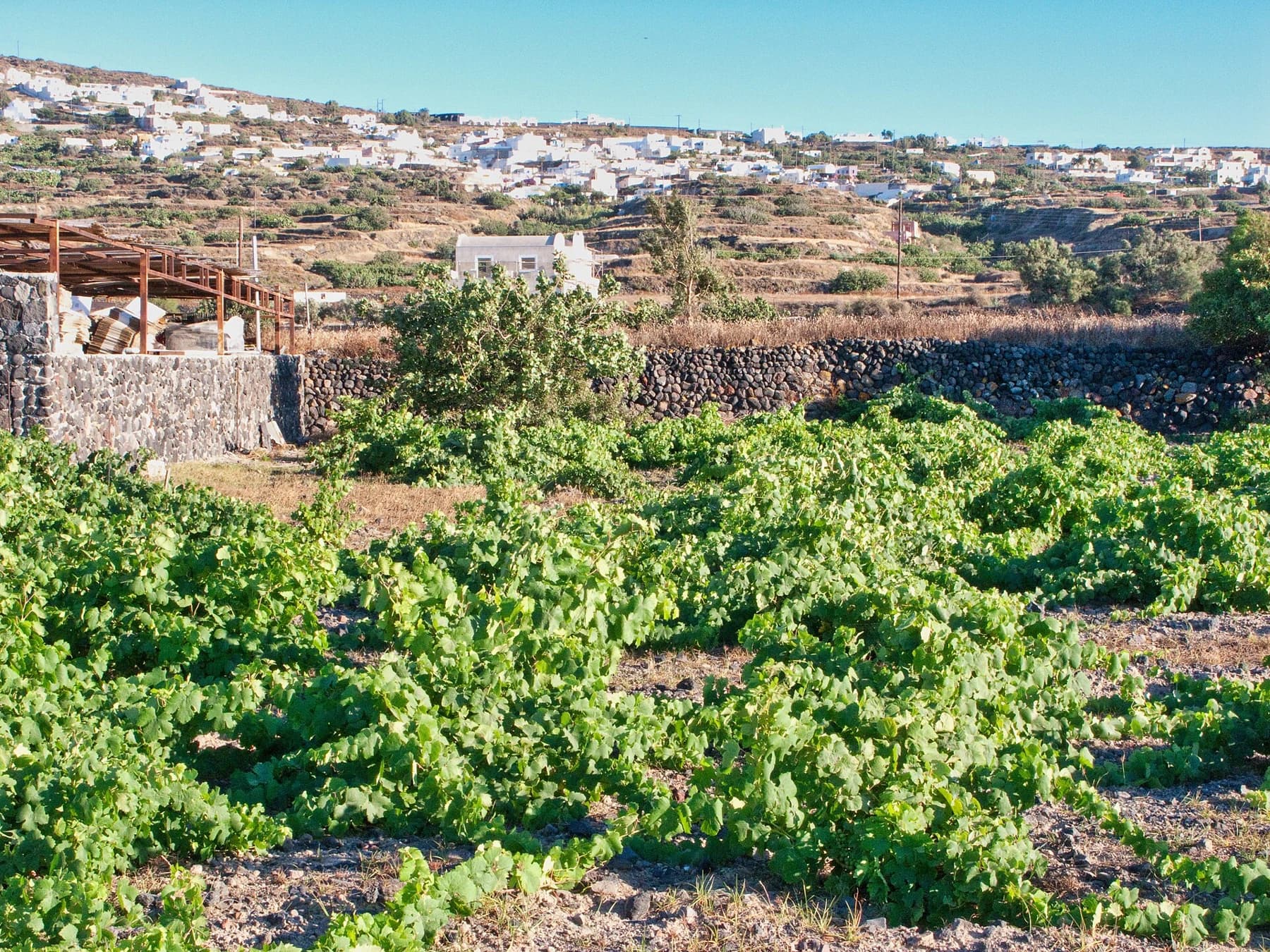
The vineyard woven against the wind.
A vineyard offers a different way into a drink, beginning with agricultural knowledge rather than its container.
Assyrtiko & Agricultural Knowledge
Read the story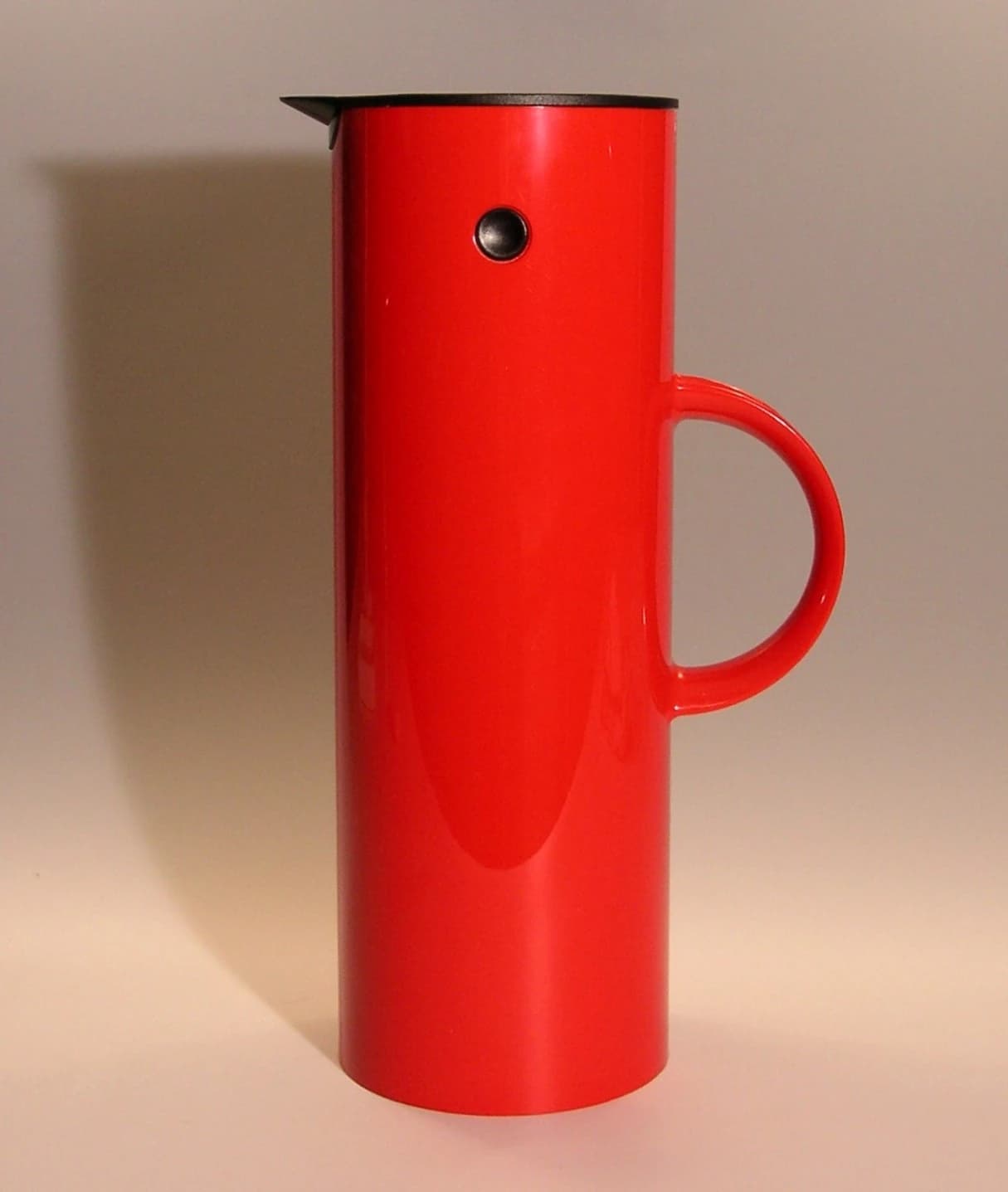
Across the WHV world
The jug with another morning in it.
Compare another distinctive serving form whose enduring idea is available through an ordinary daily gesture.
Vacuum Jugs & Serviceable Domestic Design
Read the story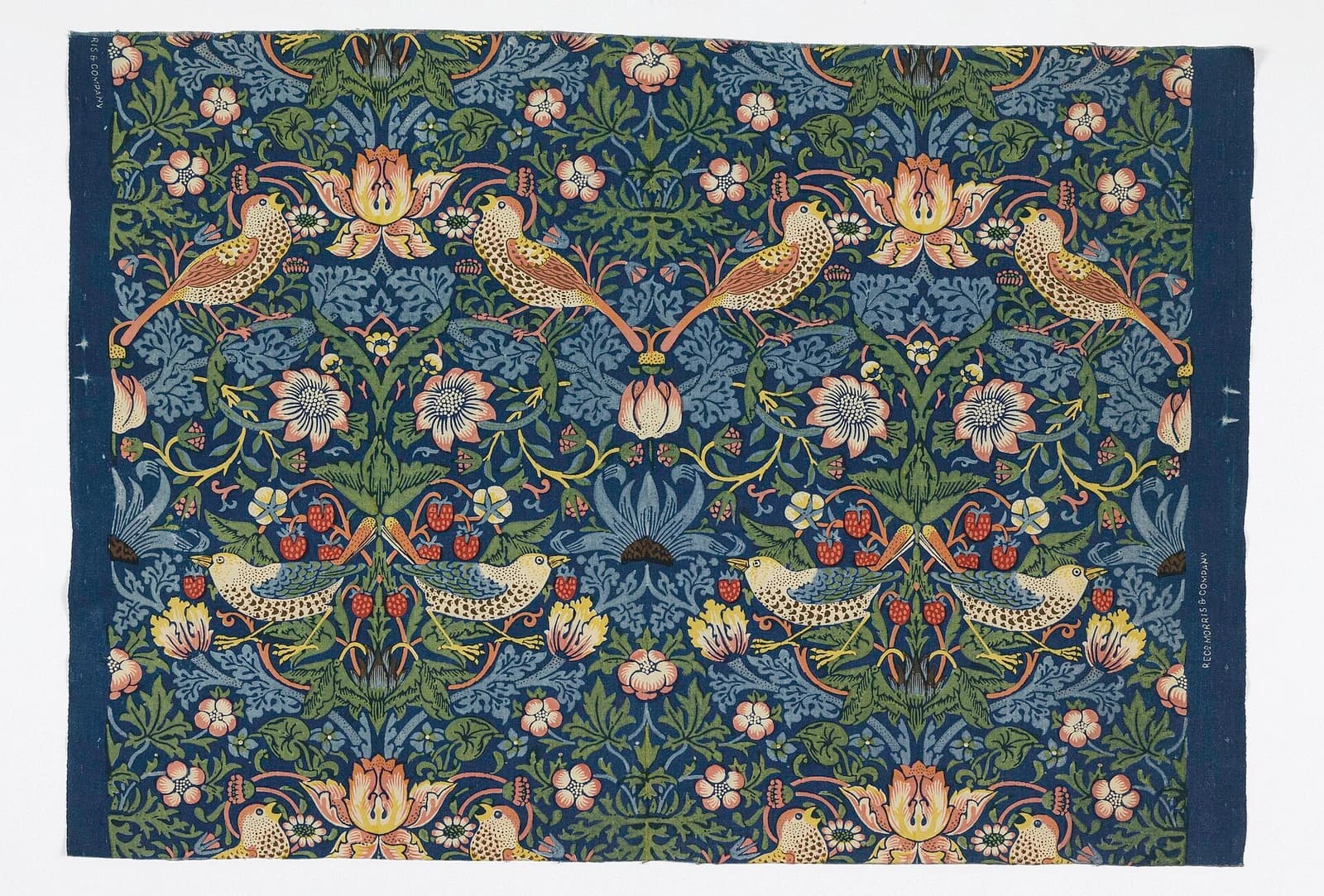
An unexpected connection
A pattern with an afterlife.
A pattern offers another way for an authored visual idea to enter everyday objects across generations.
Printed Textiles & Design Archives
Read the story