DISCOVERY / Printed Textiles & Design Archives
A pattern with an afterlife.
William Morris’s Strawberry Thief travels easily between an archive and everyday life. The important distinction is between the age of a design and the age of an object.
Published 24 September 2026 · WHV · Public-source editorial note
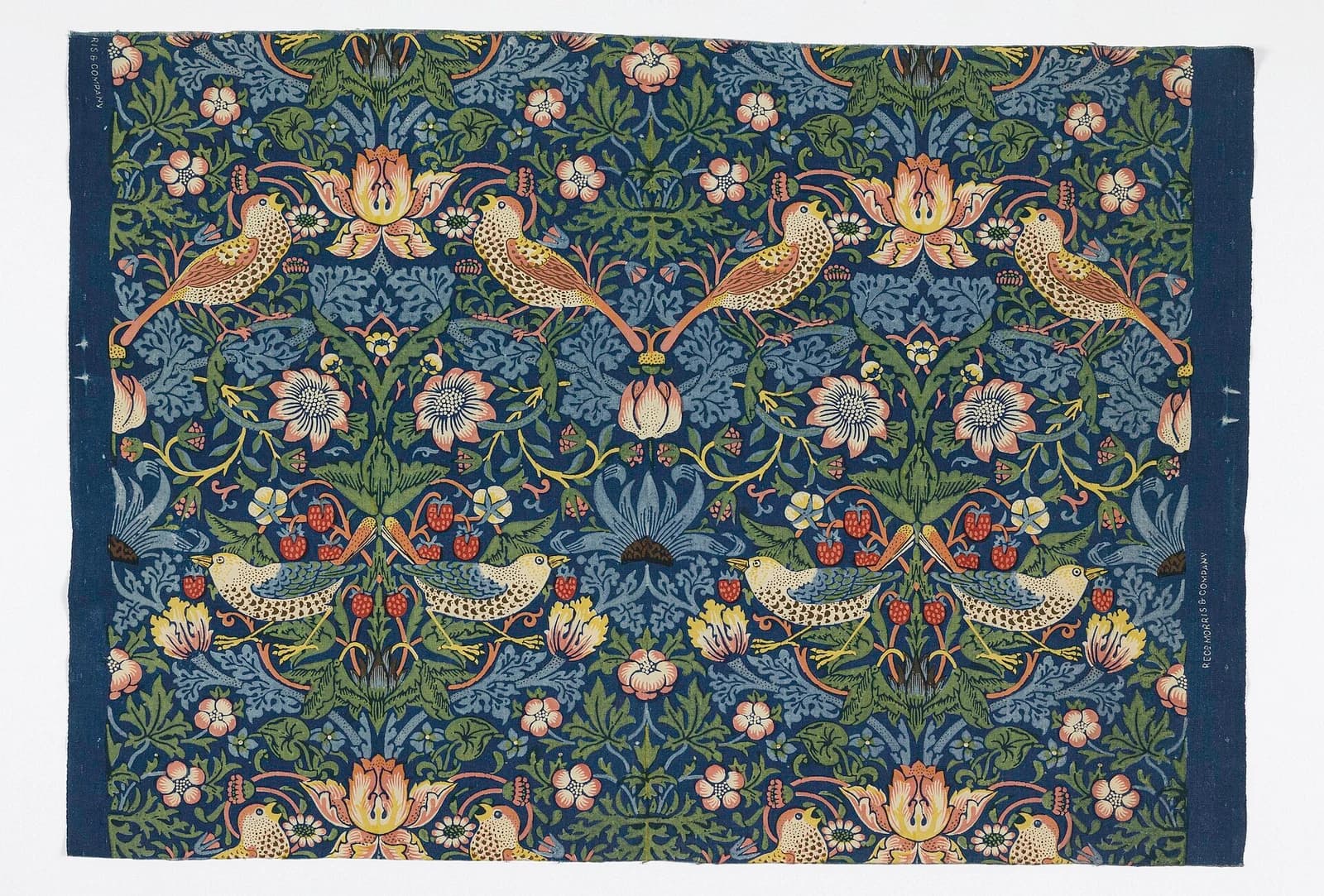
Birds pause among flowers and fruit, facing towards and away from one another. The repeat is orderly, but the little encounters keep it from feeling still. Strawberry Thief rewards looking at both the whole surface and a small piece of it.
A pattern is not a production date
William Morris registered the design in 1883. The Met’s own textile was printed decades later, between 1917 and 1923. That simple distinction matters: a design date is not automatically the date of the fabric in front of you. The illustrated Cooper Hewitt textile is another historical printing, catalogued around 1934, rather than the Met’s example.
The pattern continues to circulate in modern homewares and textiles. That afterlife does not diminish the original idea, provided each new object is described honestly. A contemporary furnishing can carry an authored composition into everyday use without borrowing the rarity, workmanship or provenance of a nineteenth-century piece. The value you receive may be daily visual pleasure and a better understanding of design.
Let the design enter ordinary life
If choosing a modern version, look at material, printing, scale and intended use, rather than accepting the familiar pattern as a quality guarantee. If considering a historical textile, ask who made it, when, how much survives and what condition it is in. Fading, alterations and conservation belong in that conversation. An archive provides a reference for looking more carefully, not a certificate for whatever a seller happens to call vintage.
Source and context.
The Met: Strawberry Thief, design registered 1883 ↗
The Met: Morris, nature and the pattern’s contemporary uses ↗
Smithsonian: the pictured Strawberry Thief textile, printed around 1934 ↗
The pictured museum textile is not offered for purchase. Modern reproductions and historical printings are different objects. No textile has been authenticated, handled or financially valued by WHV.
Source checked 24 September 2026. WHV interpretation is distinct from the source’s account.
Explore Printed Textiles & Design ArchivesFOLLOW YOUR CURIOSITY
Where this leads.
Different subjects. A reason to connect them.
Continue the idea
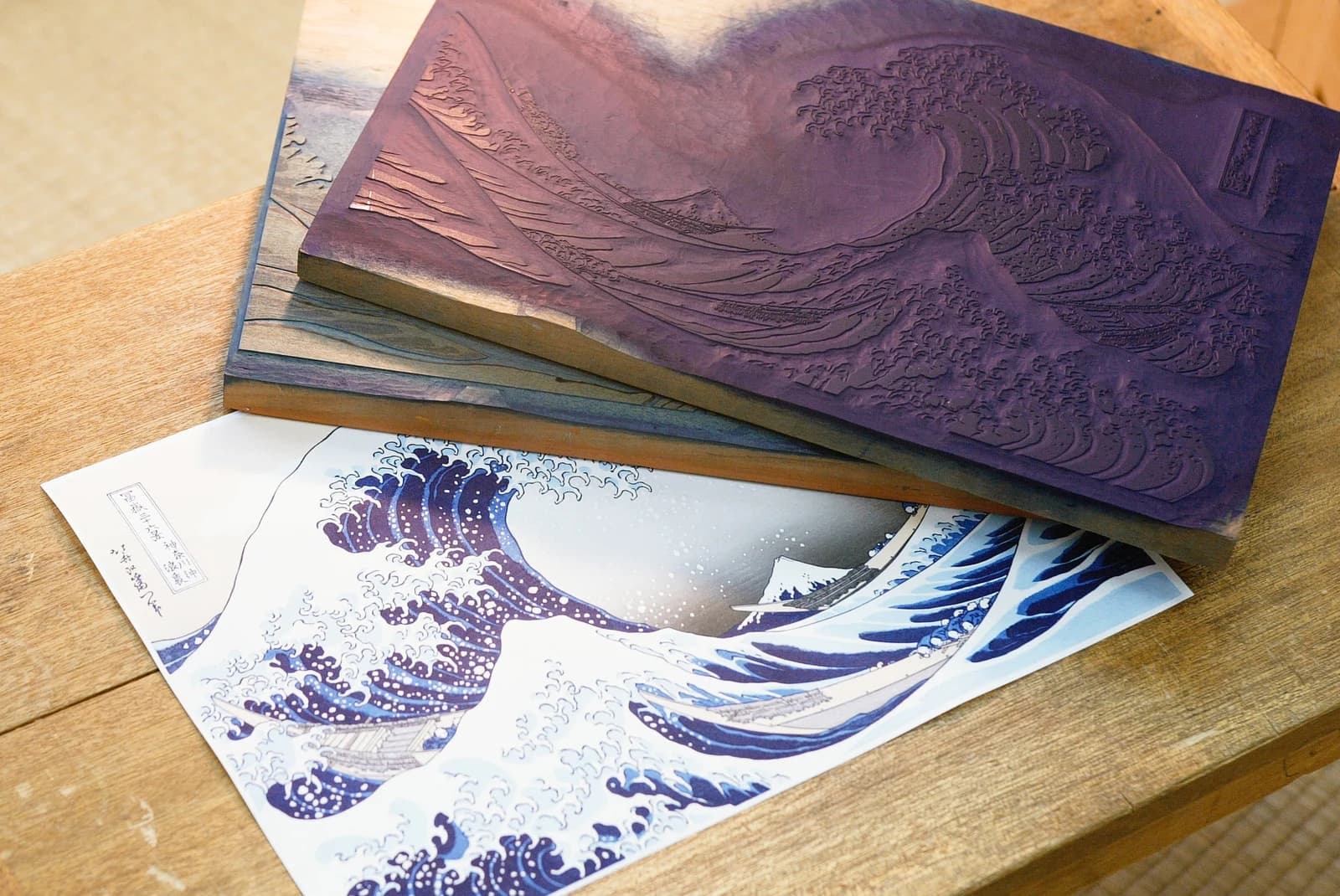
The Great Wave, made again by hand.
An honest modern reproduction can carry an authored image into everyday life without pretending to be an antique.
Woodblock Prints & Living Craft
Read the story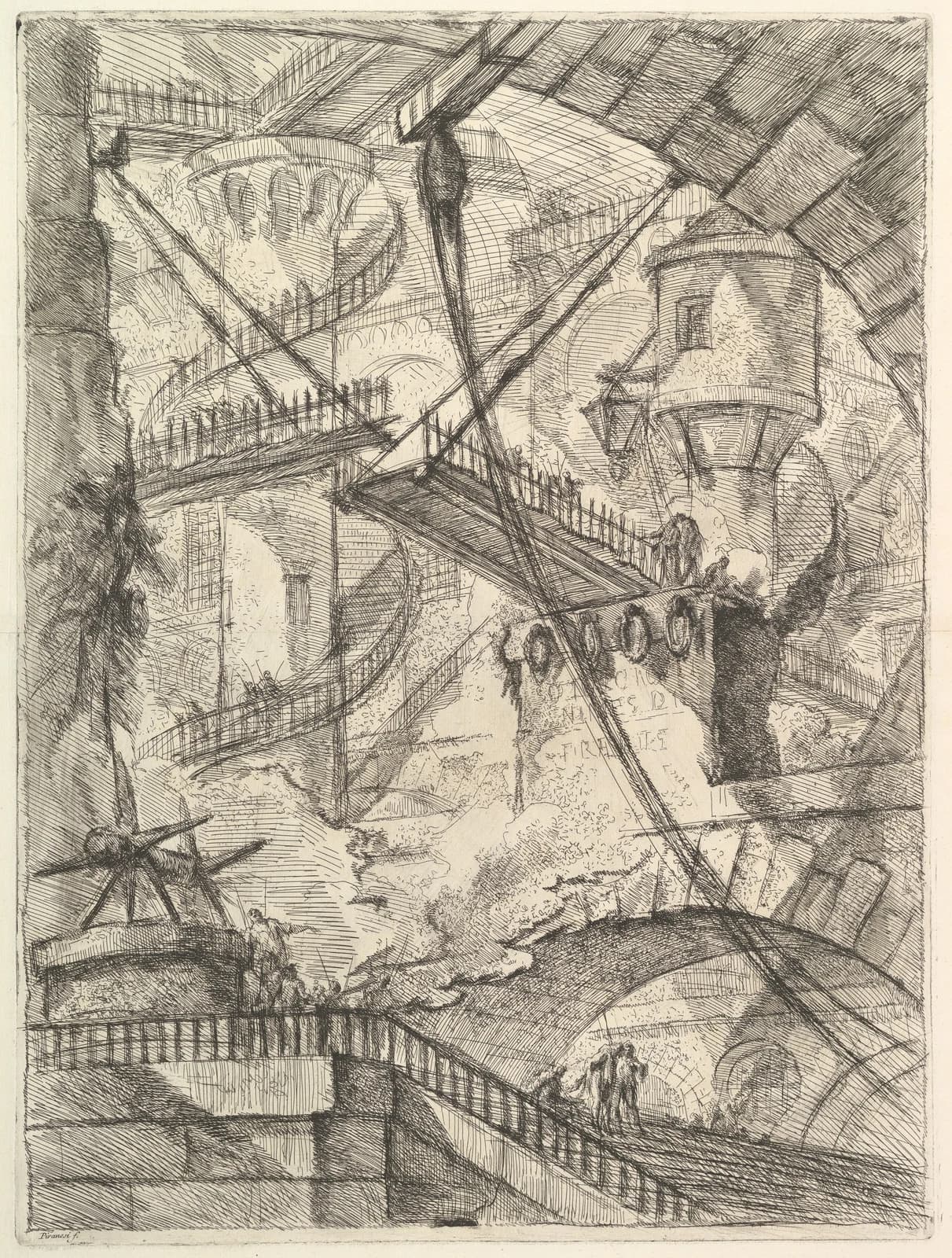
Across the WHV world
The print is not just the image.
Distinguishing a design from its physical printing becomes even more consequential when considering an original etching.
Etchings & Edition Literacy
Read the story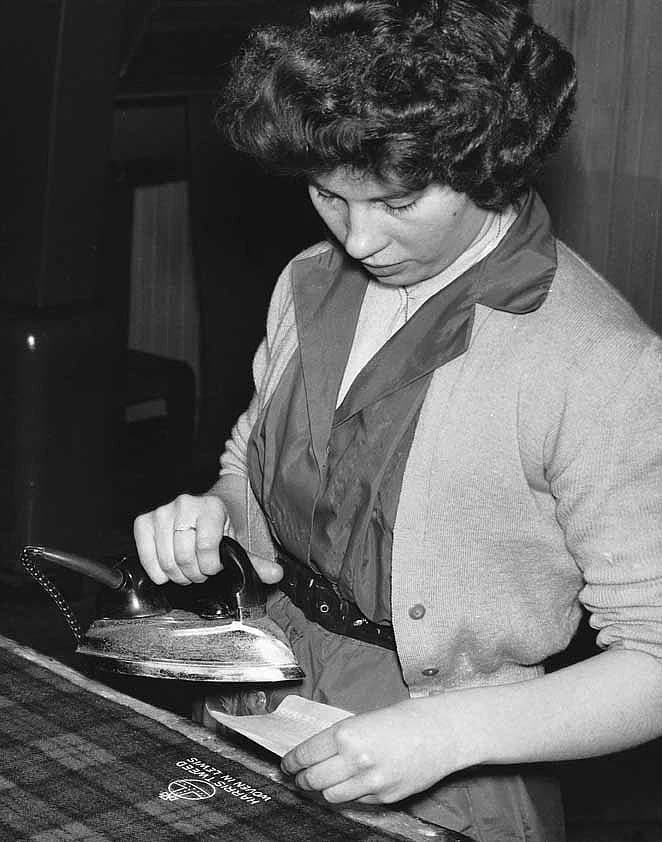
An unexpected connection
The place woven into the cloth.
Move from a repeated pattern to the provenance of the fabric itself.
Textiles & Material Provenance
Read the story