DISCOVERY / Etchings & Edition Literacy
The print is not just the image.
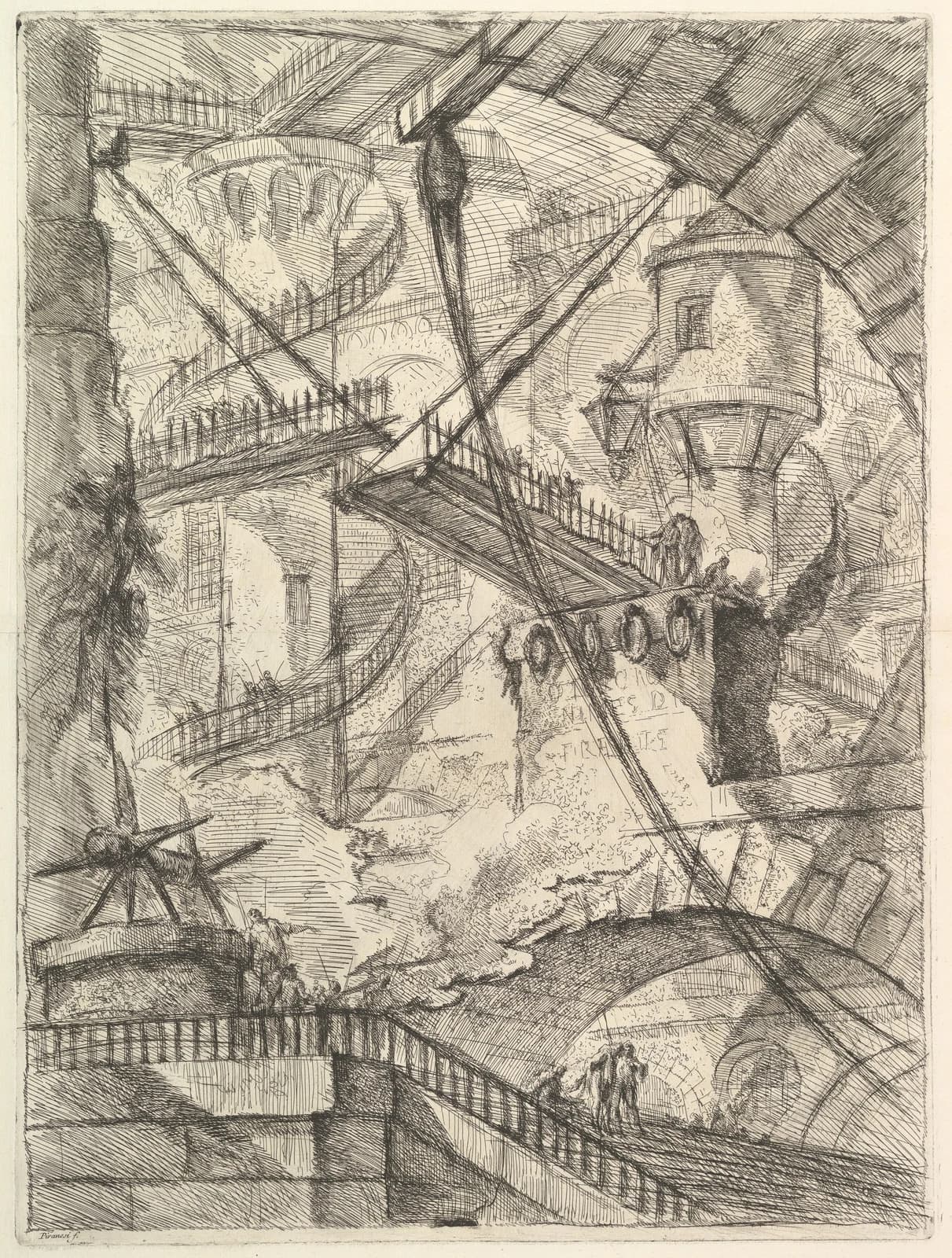
Piranesi’s imaginary prisons turn a sheet of paper into an impossible interior. They also teach a precise distinction between an image, a print and its state.
Published 24 September 2026 · WHV · Public-source editorial note
The eye follows a staircase, a beam, a bridge, then discovers that the interior will not resolve into an ordinary room. Piranesi’s Carceri make architecture a place for the imagination to become lost.
An impossible building on a real sheet
The Met dates the illustrated Drawbridge to around 1749–50 and identifies it as the first state of six in the cited catalogue. Its medium combines etching, engraving and scratching. A state records a version of the worked plate. It is not a serial number telling you how many sheets were printed, nor a guarantee that every impression carrying the image is equivalent.
This is where visual pleasure and careful collecting can meet. The same composition may reach someone through a museum scan, a modern reproduction or a historical impression. All can offer access to the image, but they are materially and historically different things. The illustrated museum sheet provides a documented reference, not a shortcut for authenticating another one.
Learn the vocabulary before buying the label
Begin with the open collection image and spend time tracing the space. If the interest develops towards an original print, ask a specialist about state, printing date, paper, margins, condition and provenance. A name and an old-looking frame answer none of those questions. A modern reproduction may be entirely right for living with the composition. Its honesty is part of its value. A historical purchase requires evidence at the level of the individual sheet.
Source and context.
The Met: The Drawbridge, around 1749–50 ↗
The Met: Giovanni Battista Piranesi and his printmaking ↗
The museum sheet is not offered for sale. No print has been examined or valued. Plate state, printing date and condition require specialist assessment and cannot be established from a seller’s title alone.
Source checked 24 September 2026. WHV interpretation is distinct from the source’s account.
Explore Etchings & Edition LiteracyFOLLOW YOUR CURIOSITY
Where this leads.
Different subjects. A reason to connect them.
Continue the idea
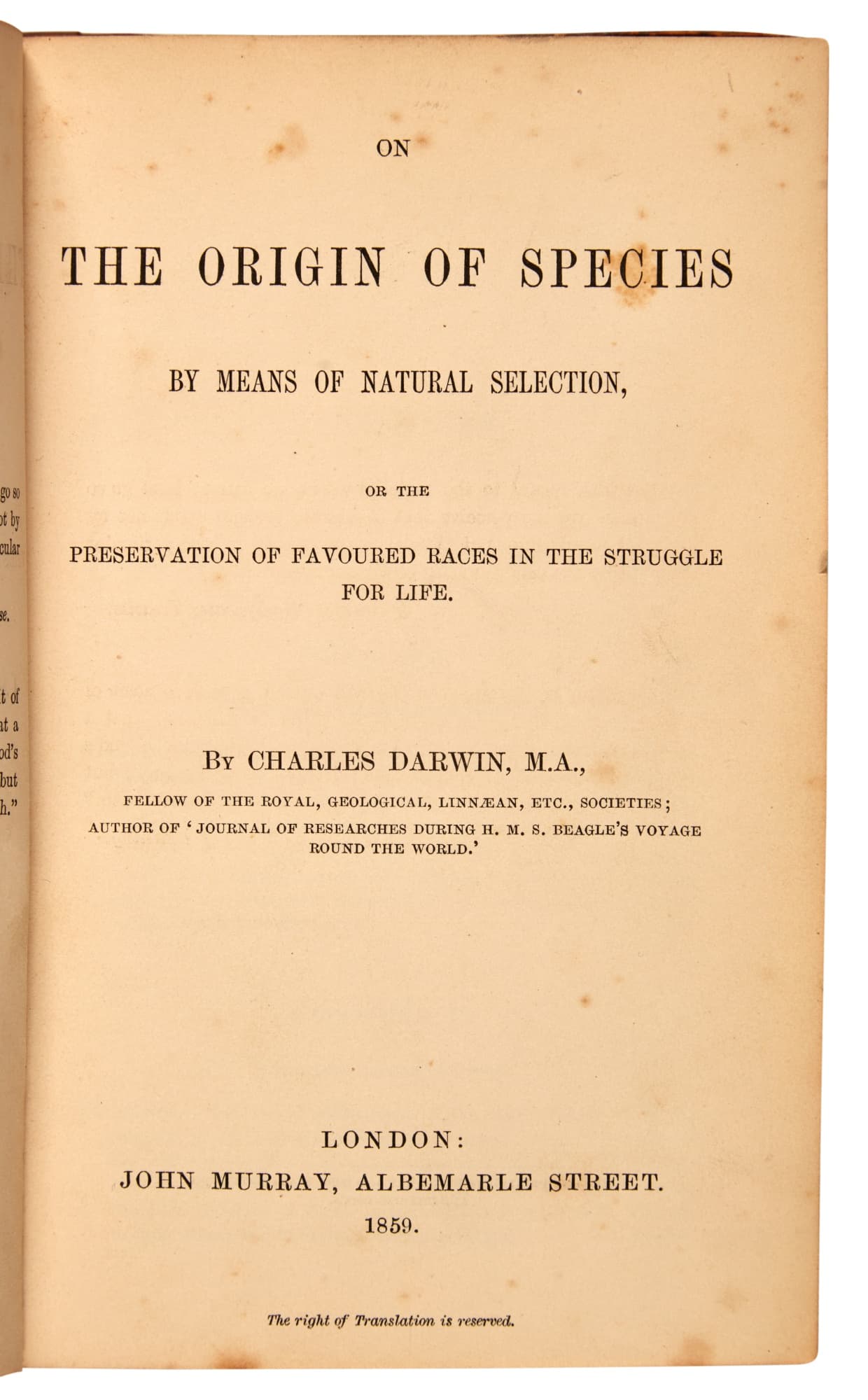
Before you call it a first edition.
Books and prints both require a vocabulary precise enough to distinguish an important work from a particular physical copy.
Rare Books
Read the story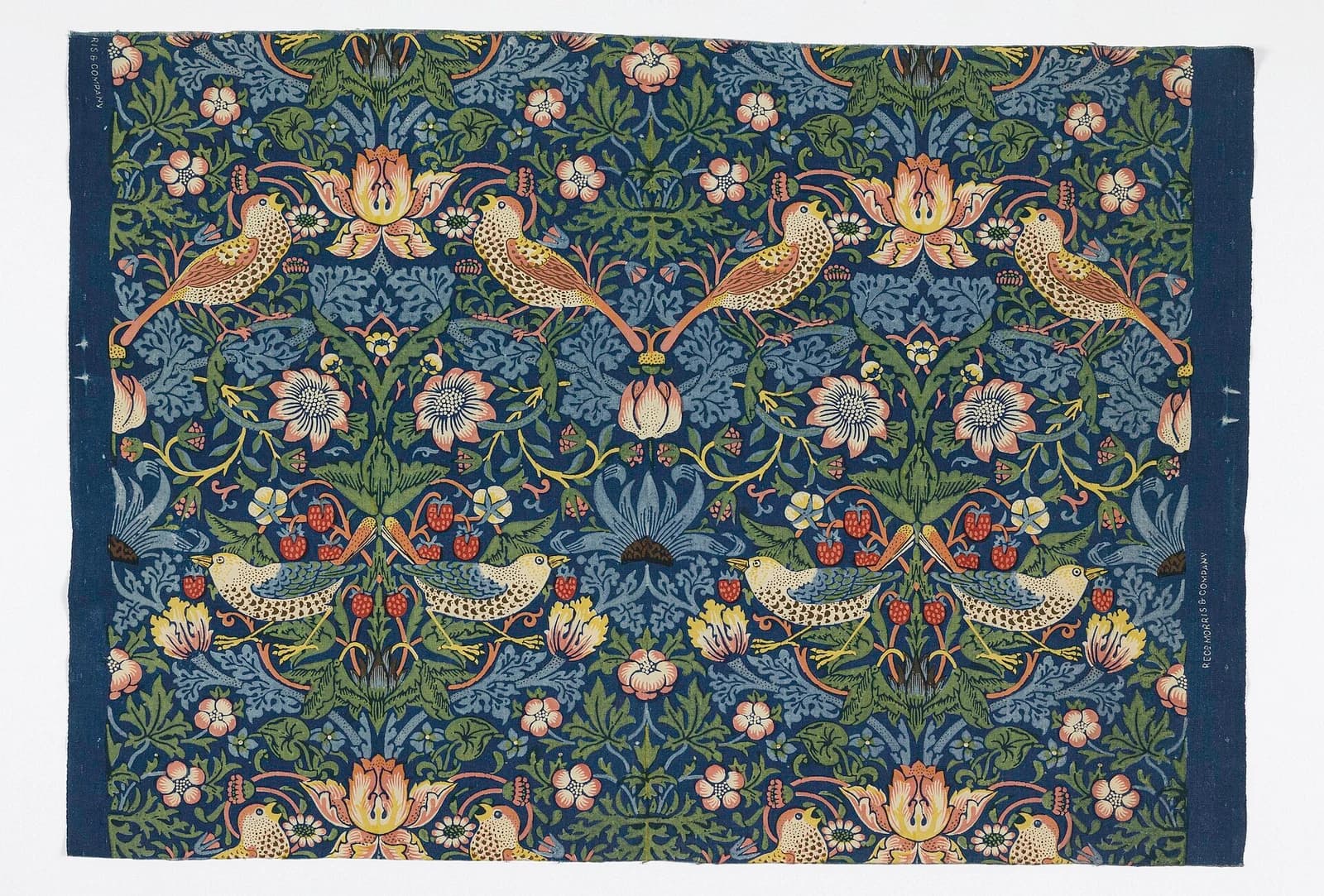
Across the WHV world
A pattern with an afterlife.
The life of an image can continue through later objects, provided design date and production date remain distinct.
Printed Textiles & Design Archives
Read the story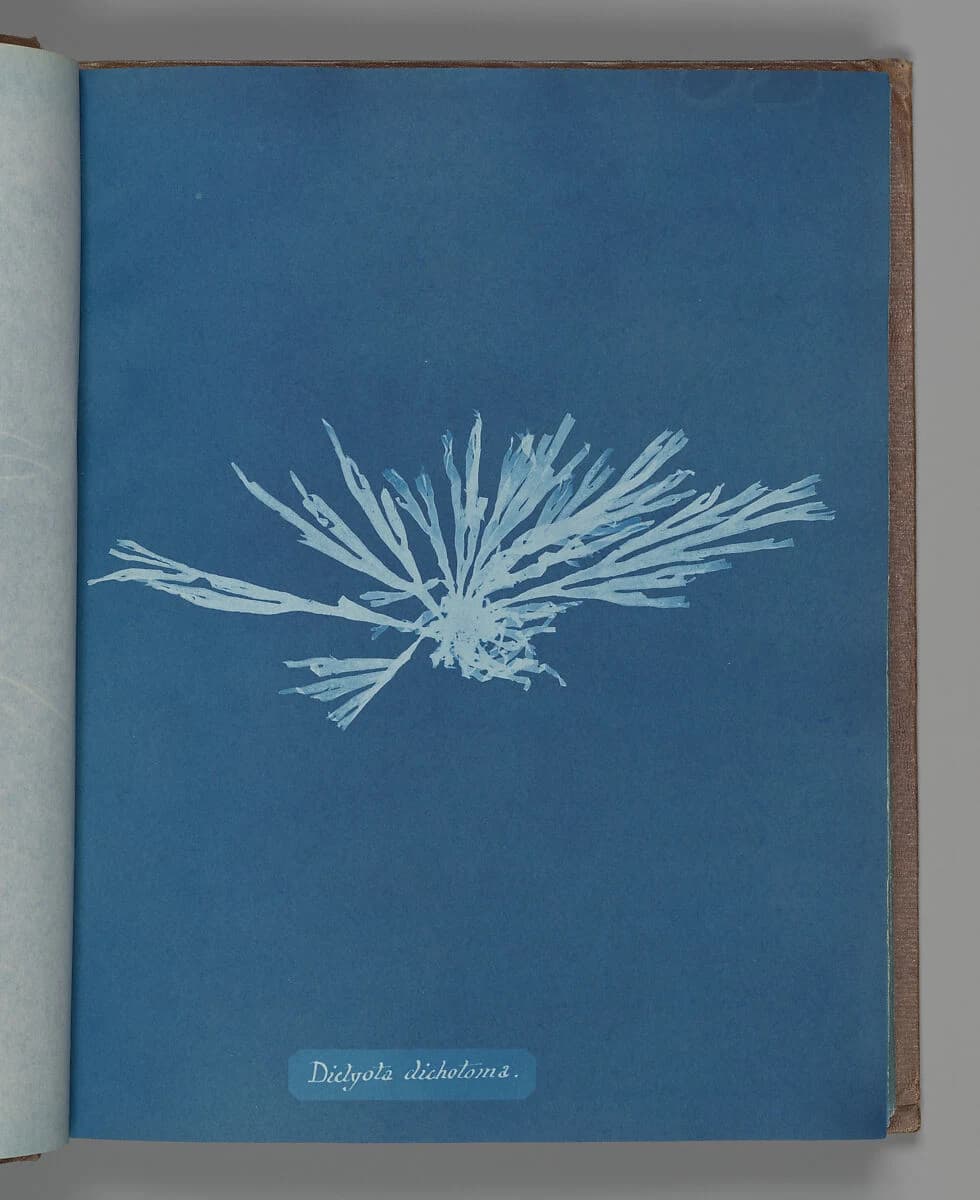
An unexpected connection
A seaweed album made with sunlight.
Another open museum image reveals a radically different way for a sheet of paper to hold a world.
Photography & Scientific Archives
Read the story