DISCOVERY / Photography & Scientific Archives
A seaweed album made with sunlight.
Anna Atkins made botanical evidence into an extraordinary blue book. Its most accessible value is still the way it teaches us to look.
Published 23 September 2026 · WHV · Public-source editorial note
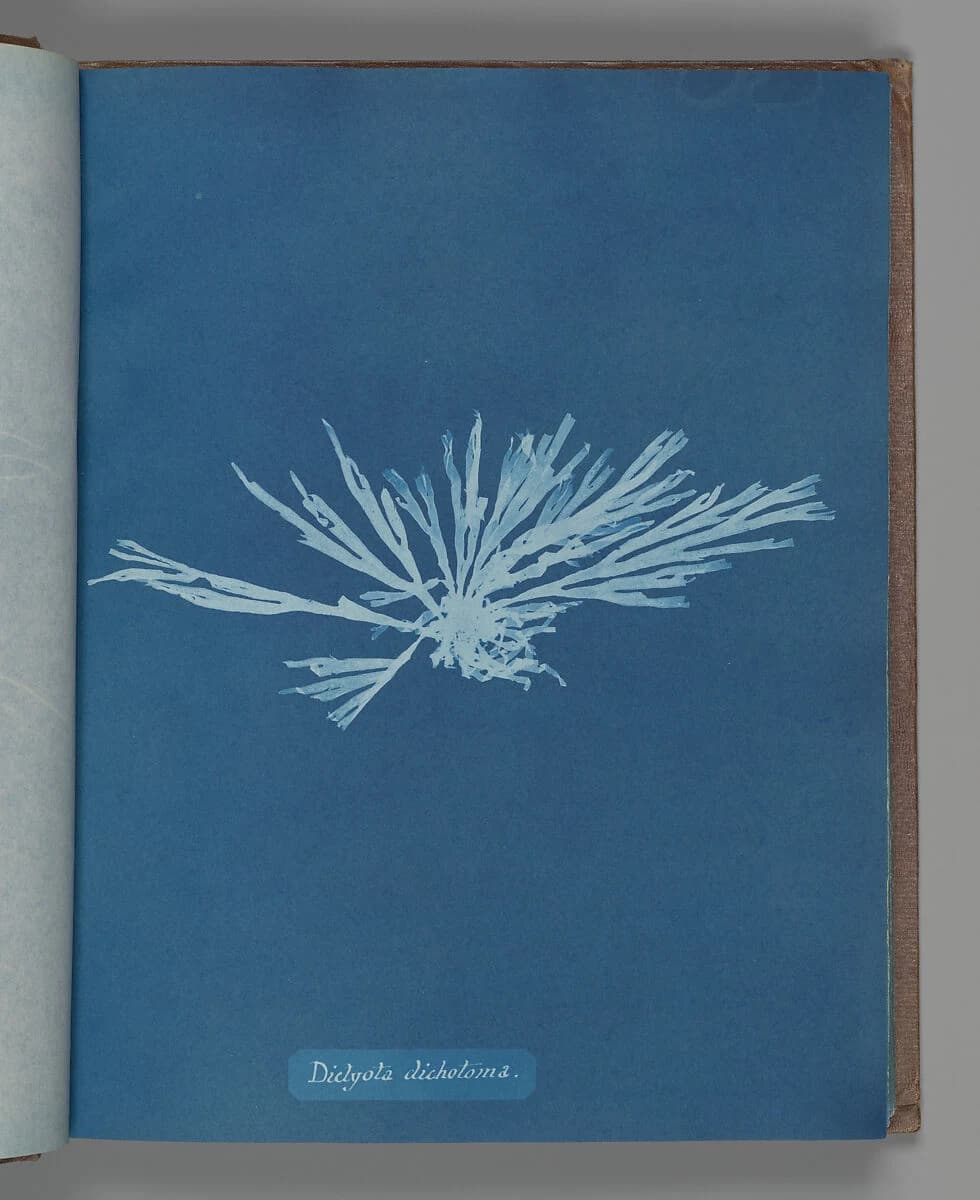
A pale branching form floats in a field of blue. It could be mistaken for an abstract composition. It is also a carefully identified piece of seaweed.
The specimen makes its own image
Beginning in 1843, Anna Atkins published Photographs of British Algae in instalments. The Metropolitan Museum of Art describes it as the first photographically printed and illustrated book. Atkins placed wet specimens directly on light-sensitive paper and exposed them to sunlight. The resulting cyanotypes joined observation, arrangement and handwritten identification without a camera between plant and page.
The pictured Dictyota dichotoma, dated around 1853 by the museum, belongs to this larger undertaking. Its significance is not simply that it is old or beautiful. It records a method of turning close attention into evidence. A visually arresting image and a scientific purpose occupy the same sheet.
An archive you can actually enter
The original is a museum object, not a suggested acquisition. The useful invitation is the open archive. Examine the digitised plates, compare the structures and consider a properly taught cyanotype workshop. A modern print made from a digital file can bring the image into daily life, but it is not an original Atkins photogram. Here, what holds value is a way of seeing that remains available long after the first sheet was exposed.
Source and context.
The Met: Photographs of British Algae, 1843–53 ↗
The Met: Dictyota dichotoma, around 1853 ↗
The illustrated sheet is in The Met’s collection and is not offered for purchase or currently listed as on view. Digital reproductions, new cyanotypes and nineteenth-century Atkins originals are different objects with different histories.
Source checked 23 September 2026. WHV interpretation is distinct from the source’s account.
Explore Photography & Scientific ArchivesFOLLOW YOUR CURIOSITY
Where this leads.
Different subjects. A reason to connect them.
Continue the idea
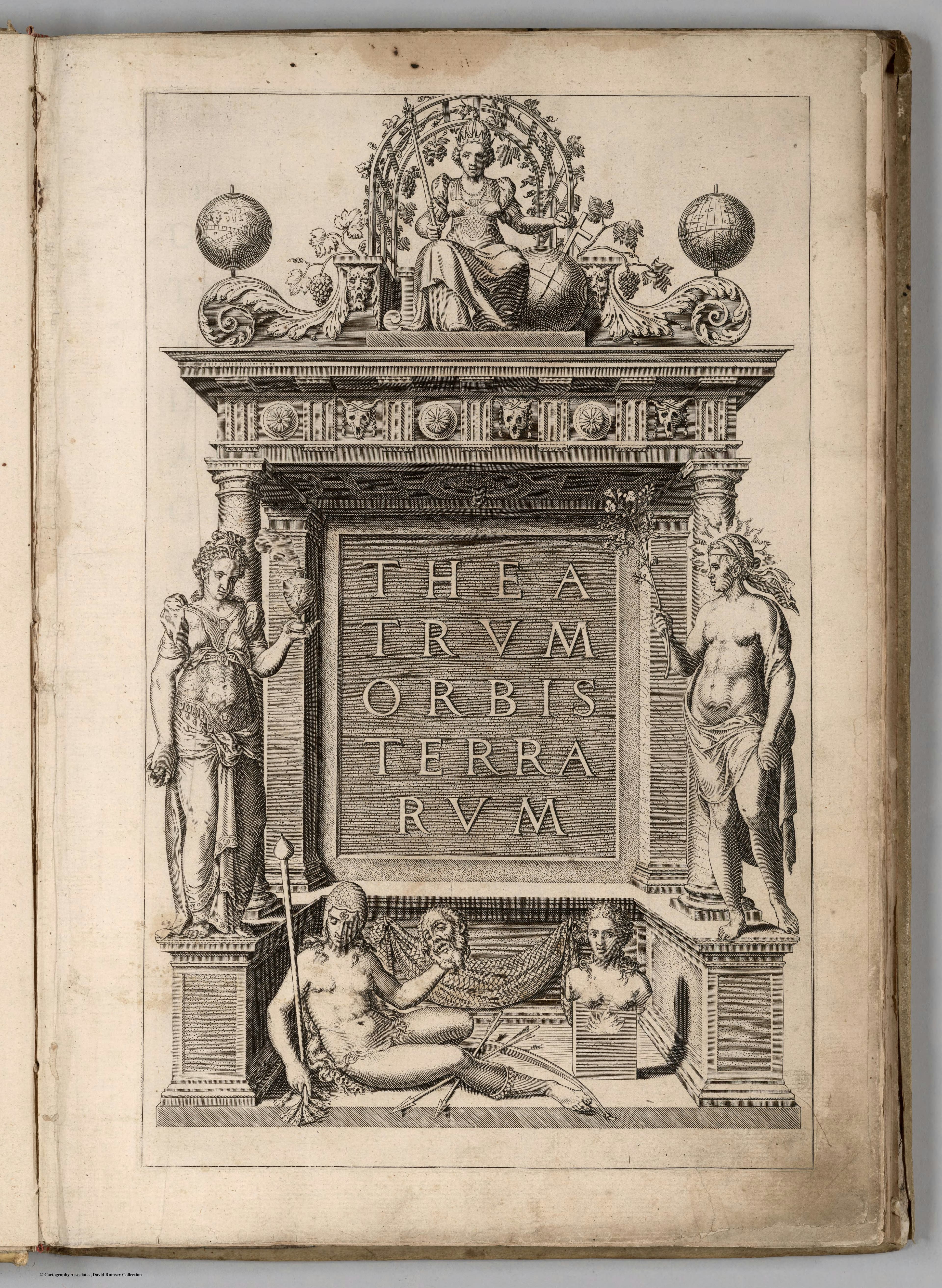
When the world became a book.
Two books turn a method of observing the world into a durable visual and scientific record.
Rare Books & Maps
Read the story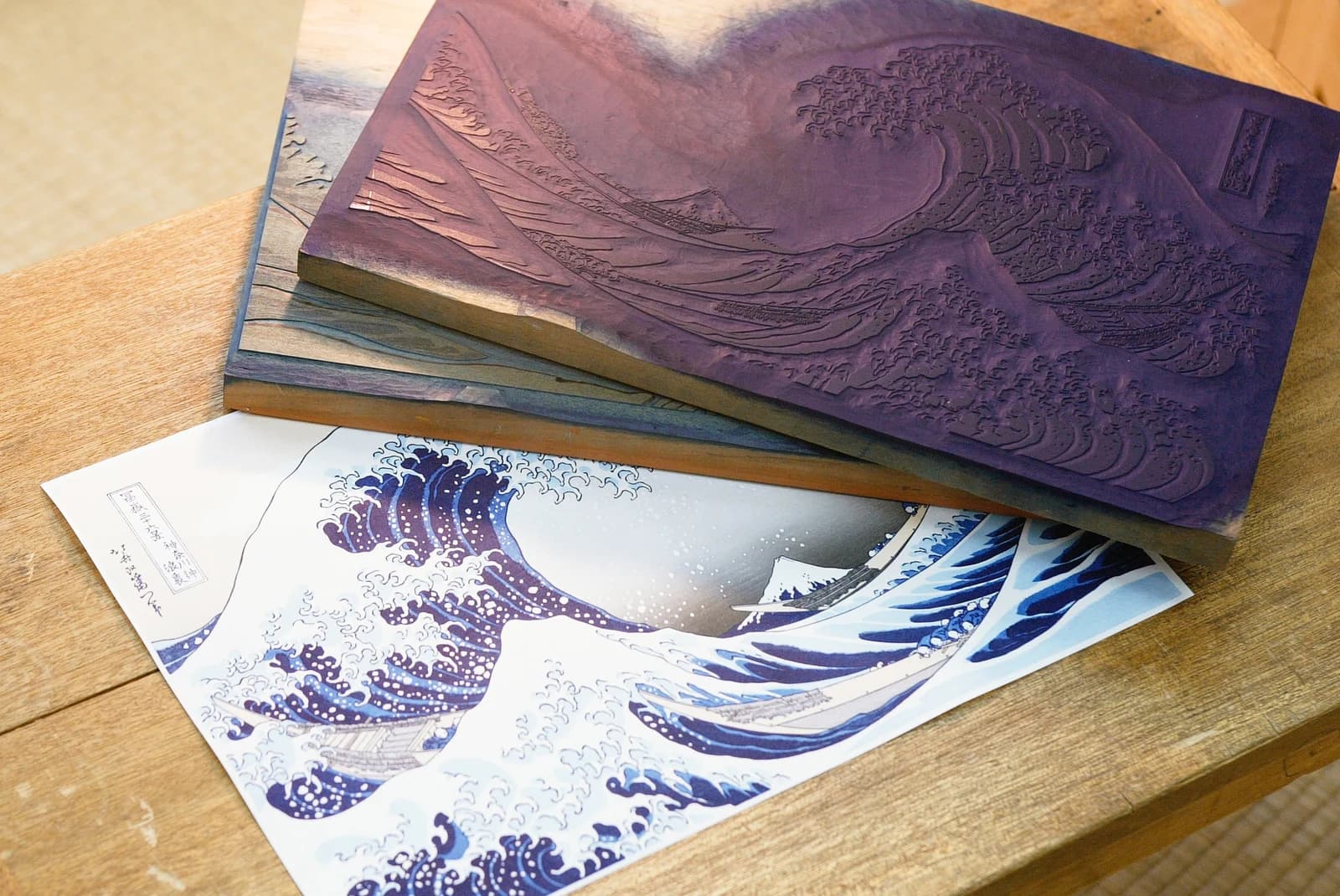
Across the WHV world
The Great Wave, made again by hand.
A historical image can remain accessible through new reproduction, provided the new object is identified honestly.
Woodblock Prints & Living Craft
Read the story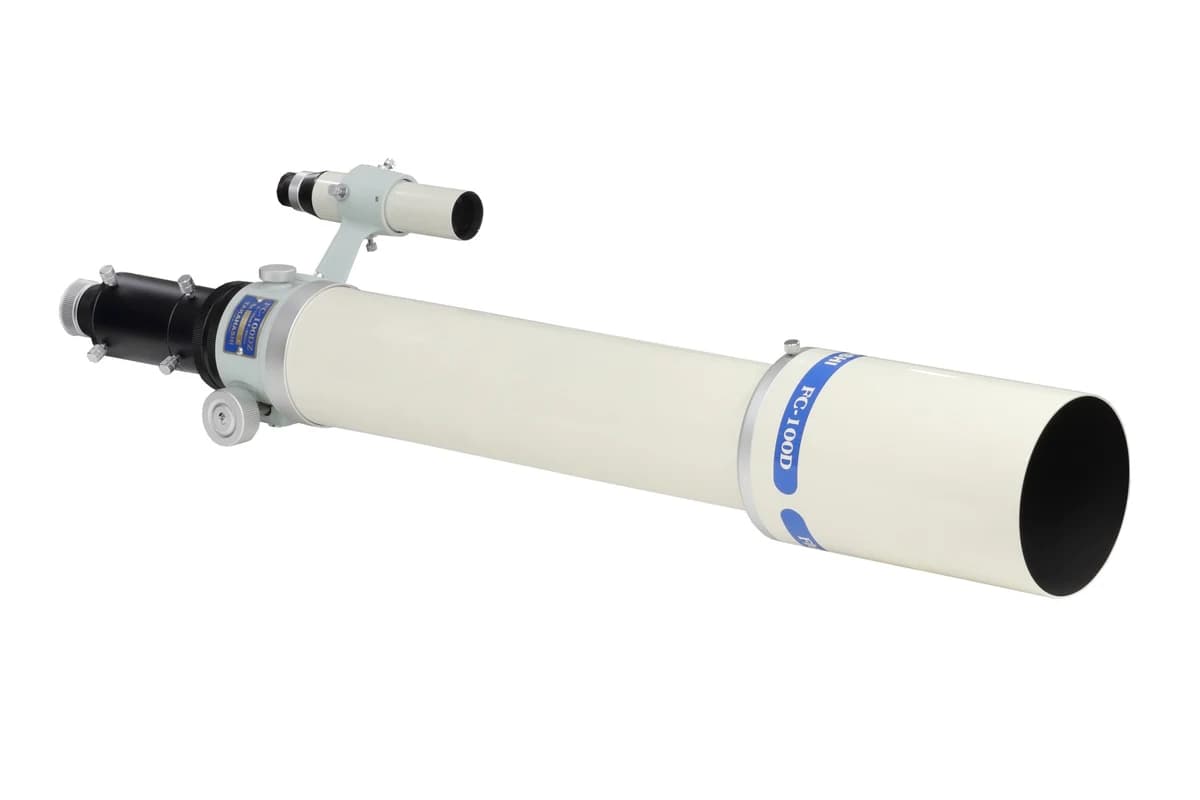
An unexpected connection
A crystal between you and the stars.
Move from seaweed recorded by sunlight to an optical instrument that makes distant light readable.
Cameras & Optical Instruments
Read the story