Discovery
The weight that is not there.
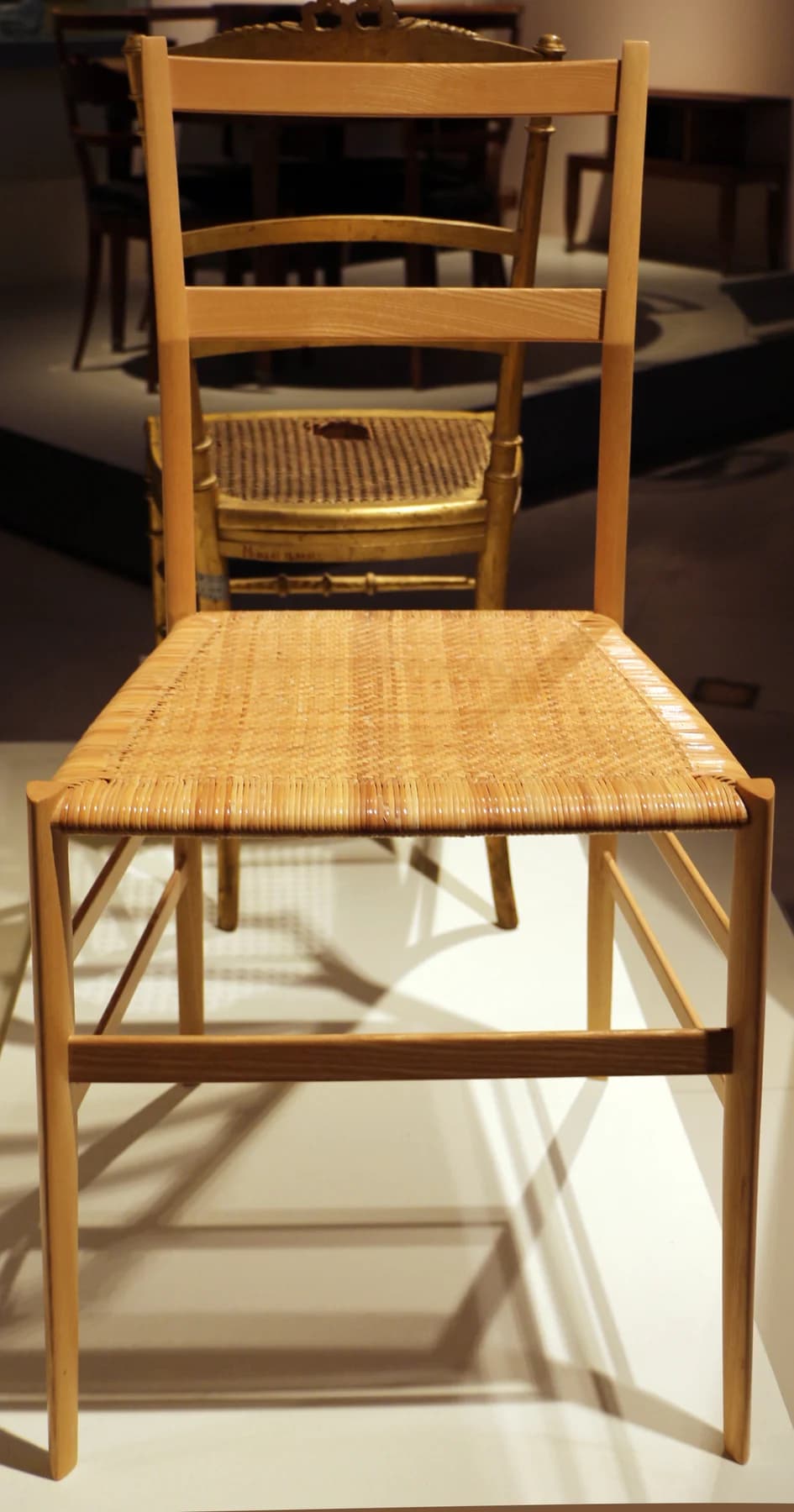
Gio Ponti’s Superleggera makes lightness a construction problem. Its slender frame is the result of material choices and joints, not simply a thin outline.
Read the noteTHE WHV WORLD
Uncommon things with a story to establish.
THE QUESTION WE BRING
OUR FIELD OF VIEW
Each selection begins with a specific subject, a reason to care and evidence worth examining.
Discovery
Gio Ponti’s Superleggera makes lightness a construction problem. Its slender frame is the result of material choices and joints, not simply a thin outline.
Read the noteDiscovery
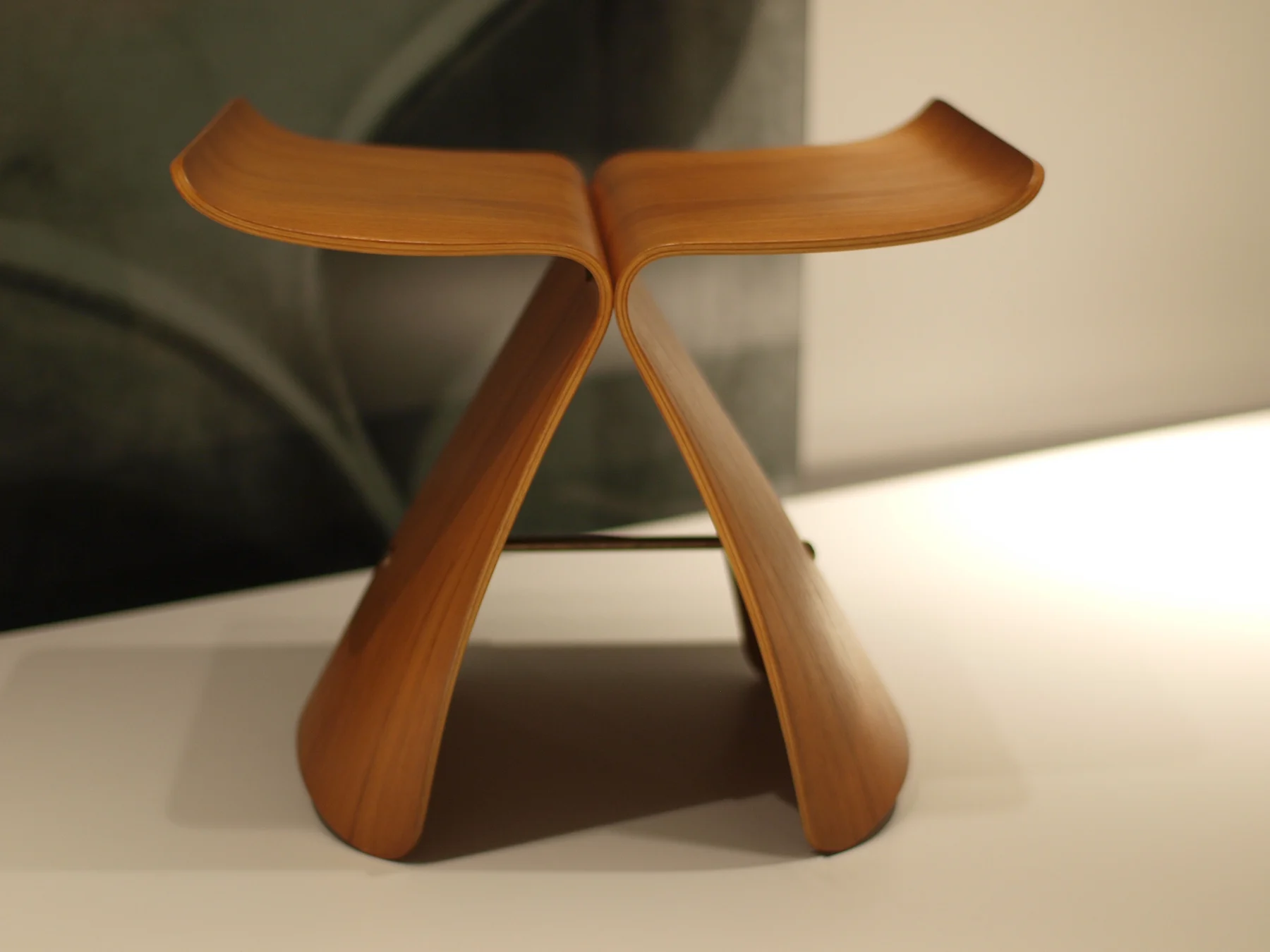
Sori Yanagi’s Butterfly Stool finds its character in two matching pieces of moulded plywood. Its lasting interest is how little is needed to make the idea complete.
Read the noteDiscovery
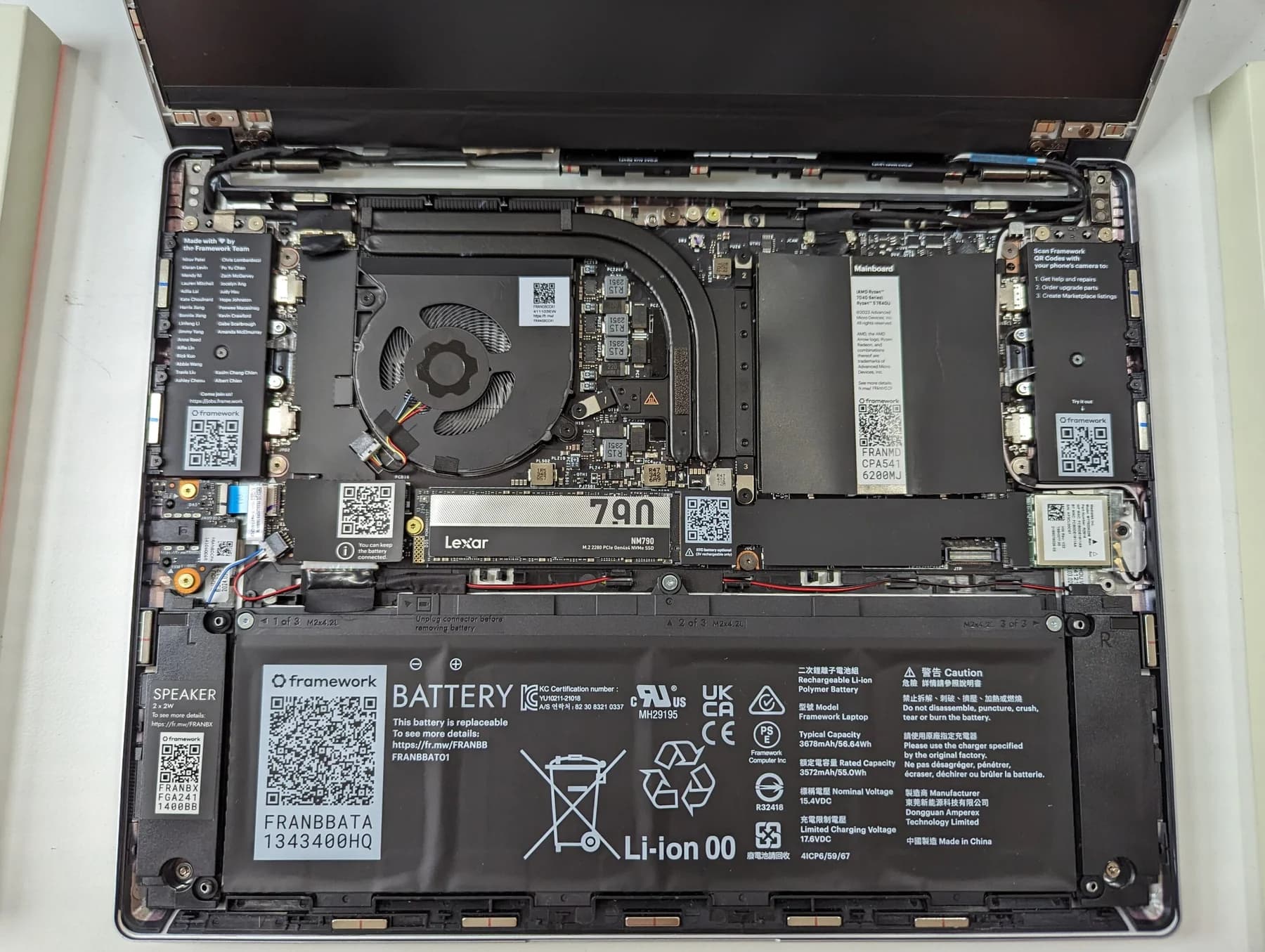
Framework Laptop 13 makes replacement parts and repair instructions part of the product. Even its mainboard can have a job outside the original computer.
Read the noteDiscovery
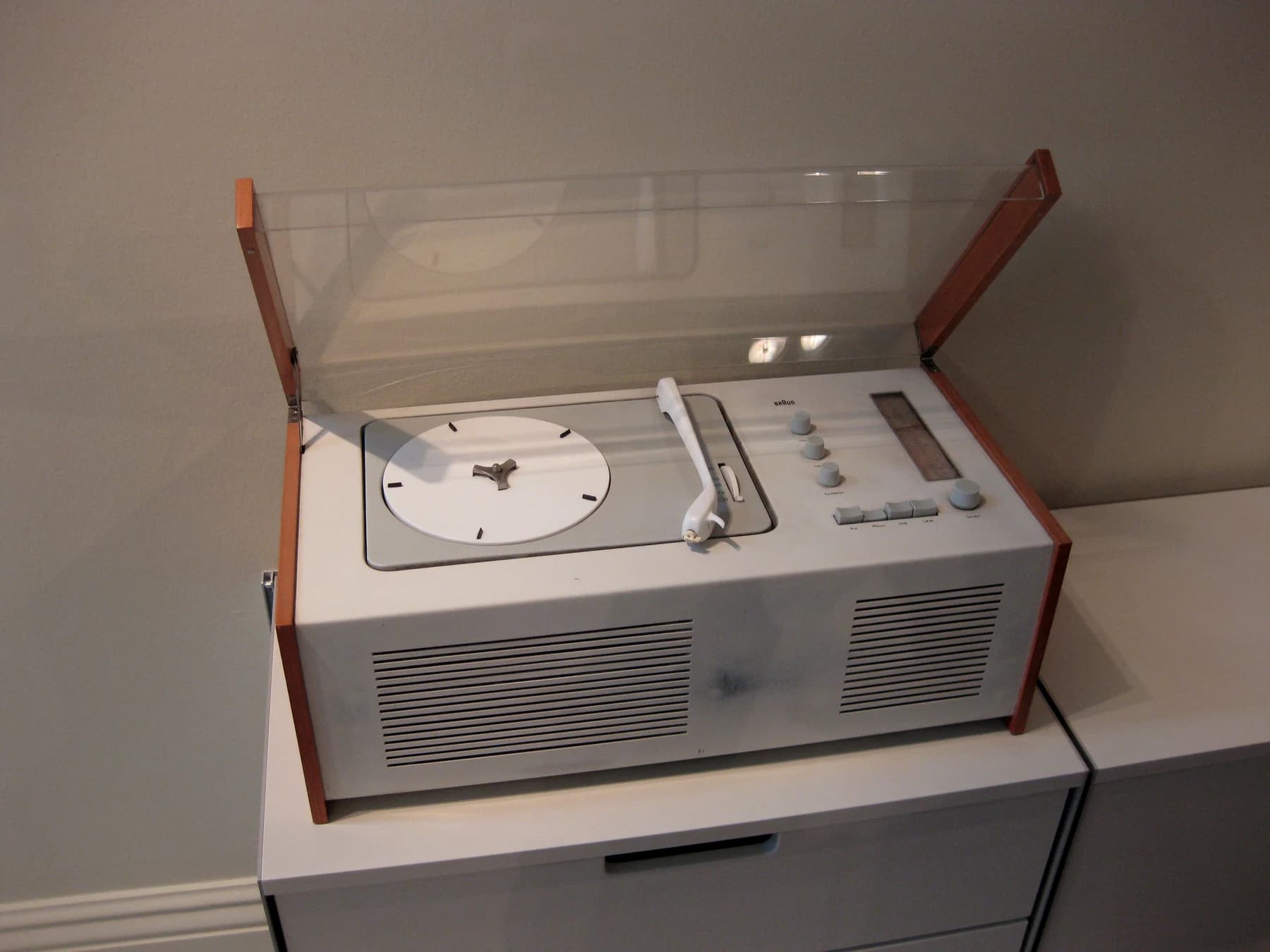
Hans Gugelot and Dieter Rams gave the Braun SK 4 a transparent lid. A radio and record player no longer needed to pretend to be a piece of traditional furniture.
Read the noteDiscovery
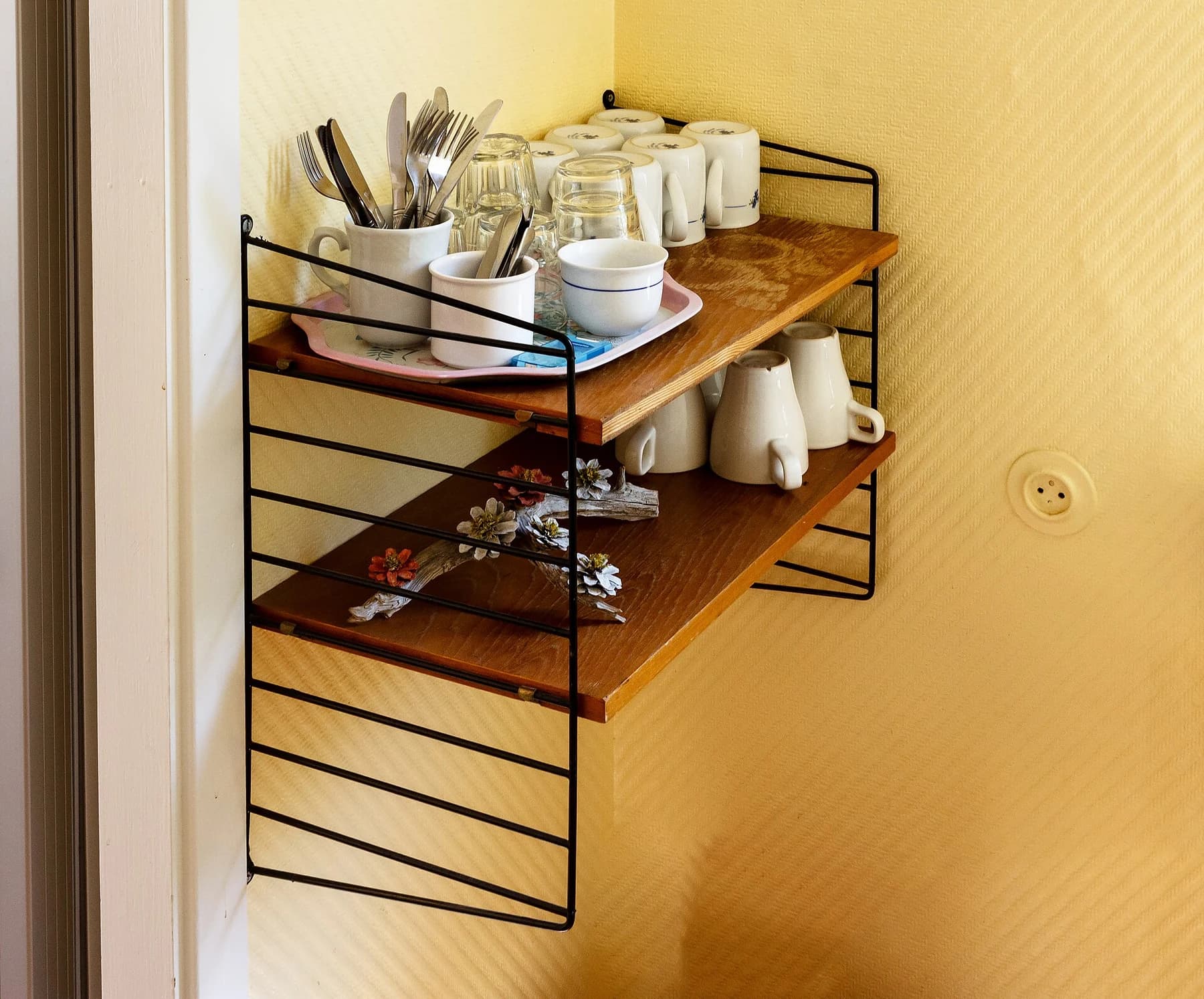
Kajsa and Nisse Strinning’s String shelving makes its supports part of its identity. The enduring idea is a room that can change without starting again.
Read the noteDiscovery
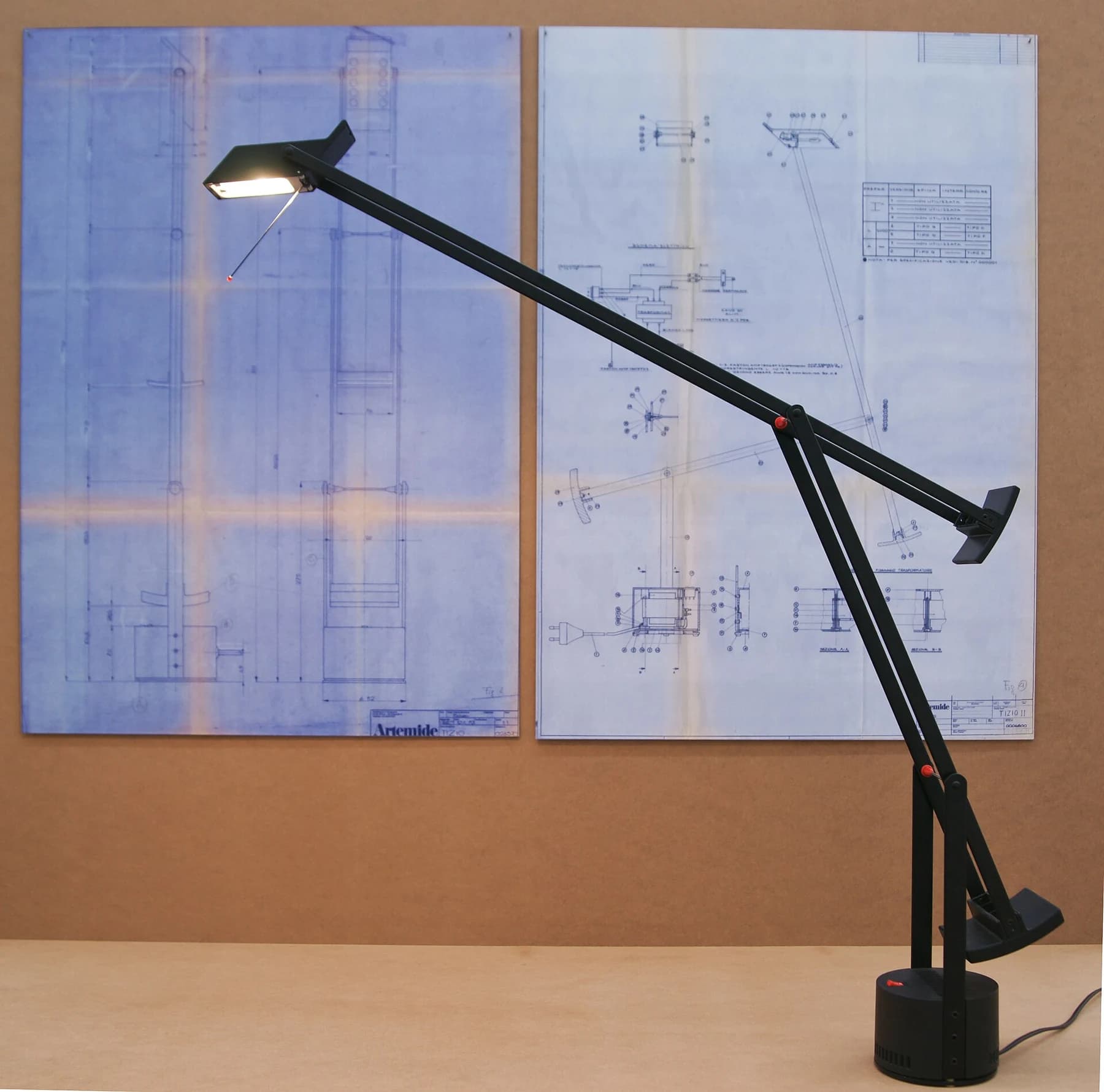
Richard Sapper’s Tizio turns balance, structure and electrical conduction into one spare silhouette. The clever part is not what was added, but what became unnecessary.
Read the noteDiscovery
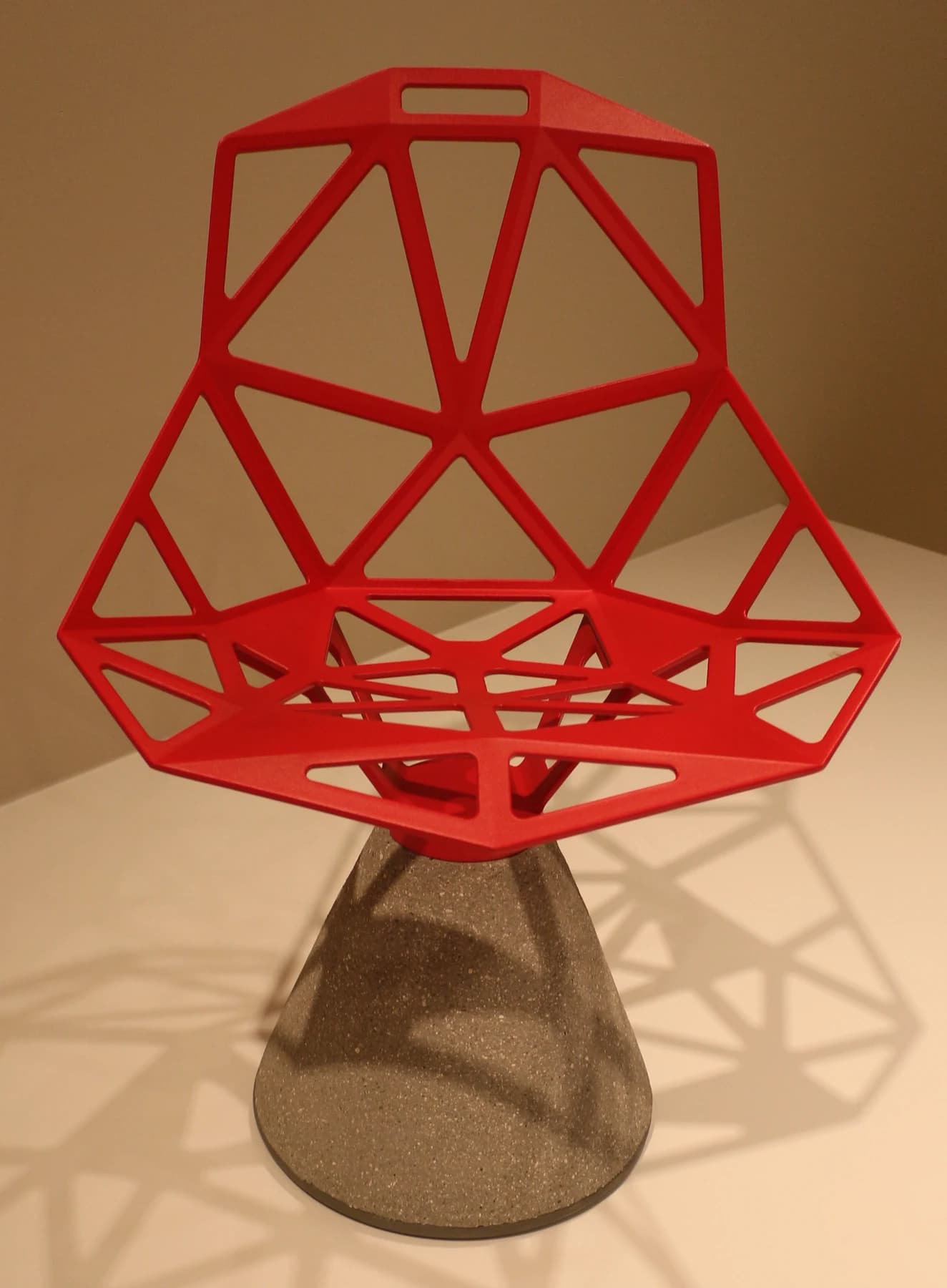
Konstantin Grcic’s Chair_One makes a seat from a network of aluminium triangles. What looks missing is part of the design.
Read the noteDiscovery
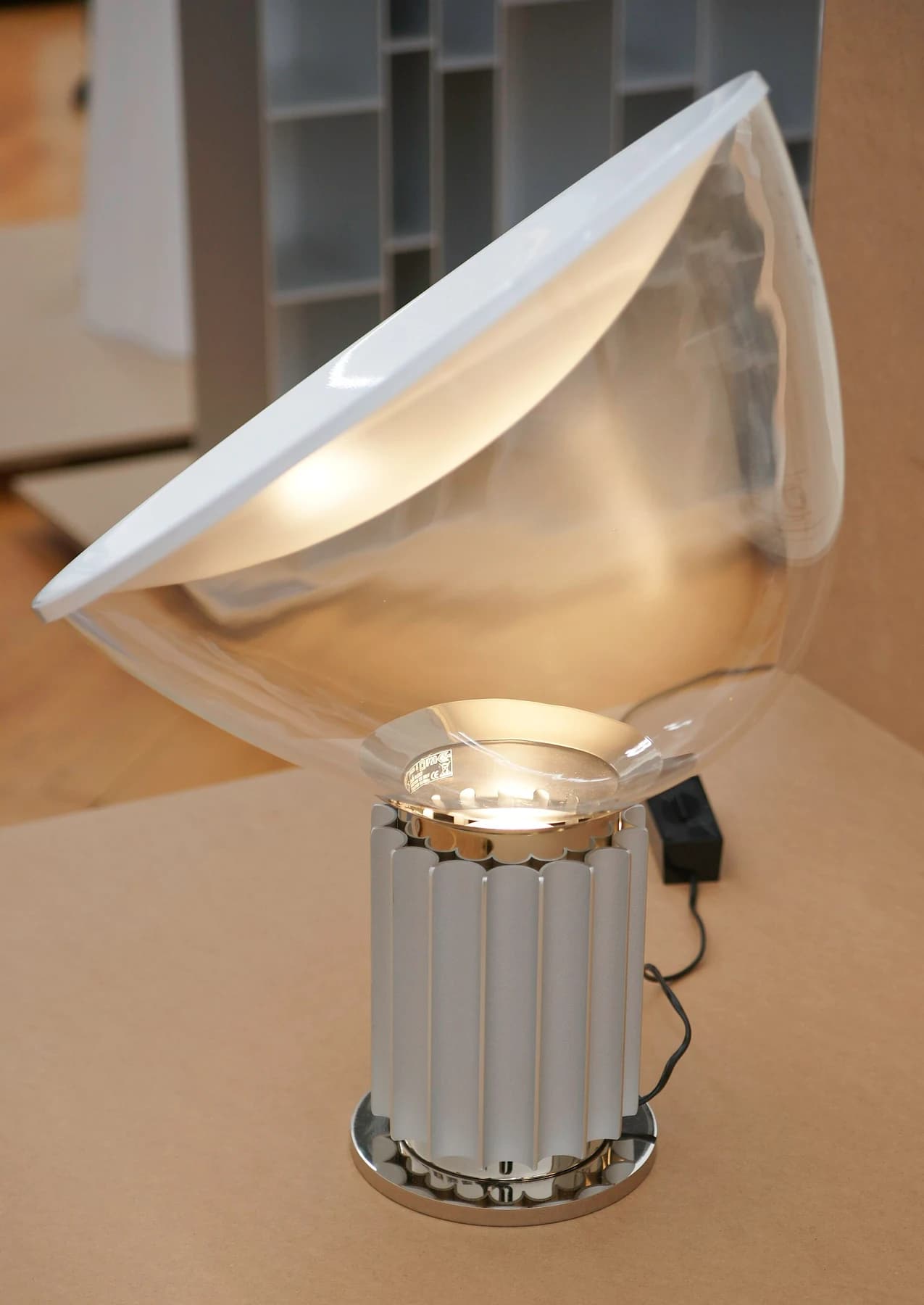
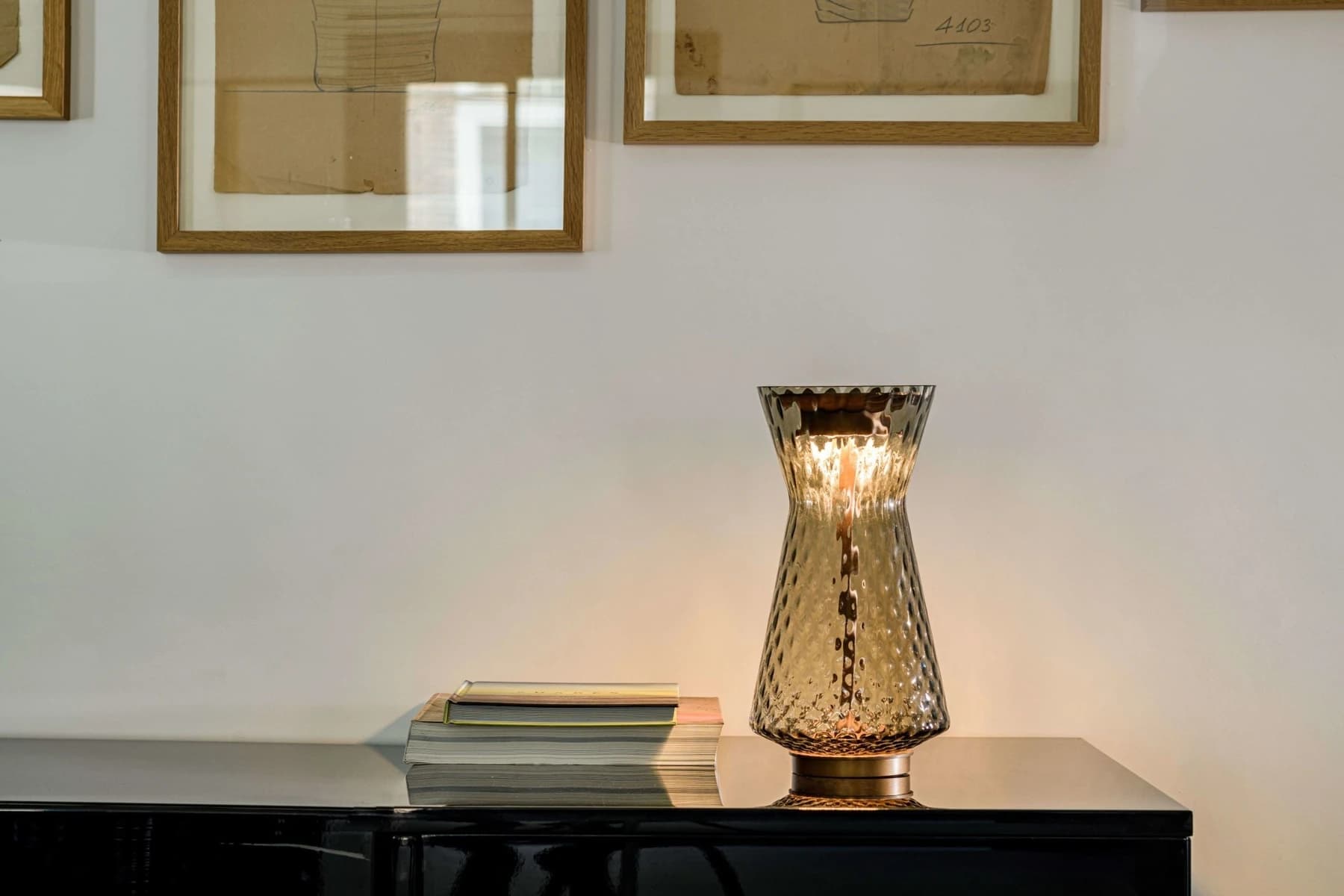
The Castiglioni brothers’ Taccia looks like an oversized glass bowl on a column. Its real intelligence is the route light takes through it.
Read the noteDiscovery
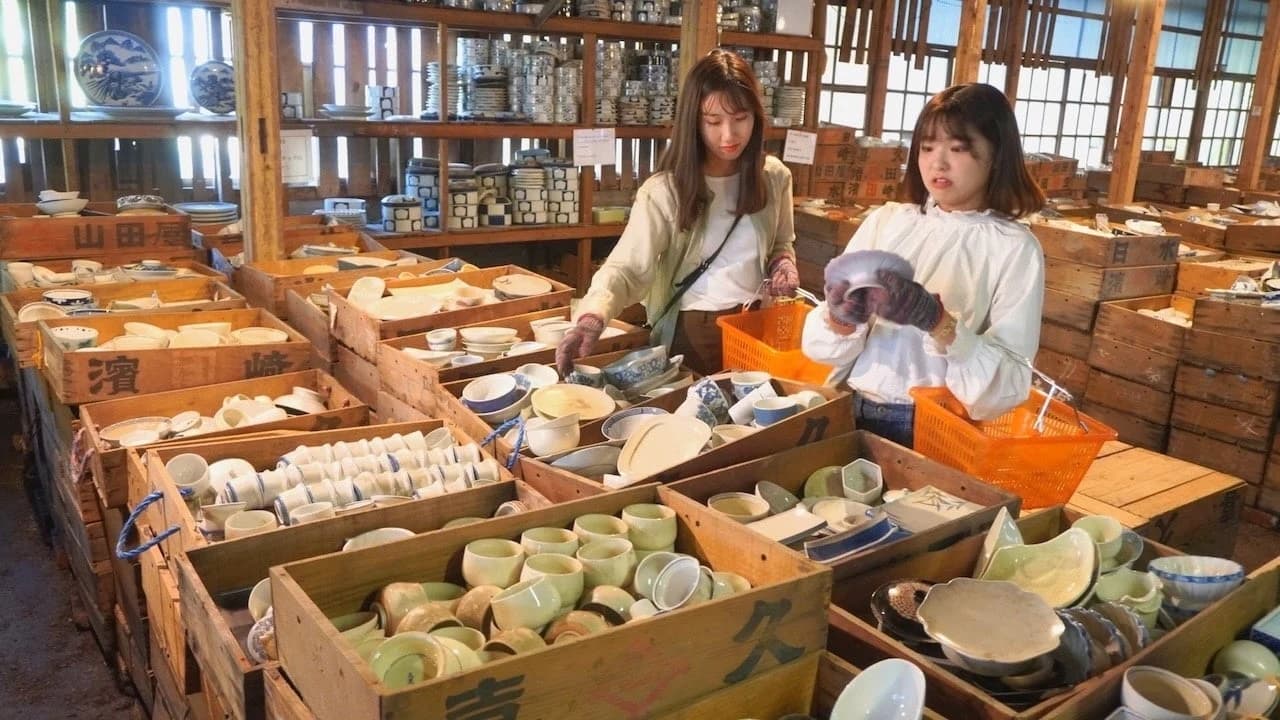
At Kouraku Kiln in Arita, a basket and a warehouse turn ceramic discovery into a hands-on experience. The best find may be something you will actually use.
Read the noteDiscovery
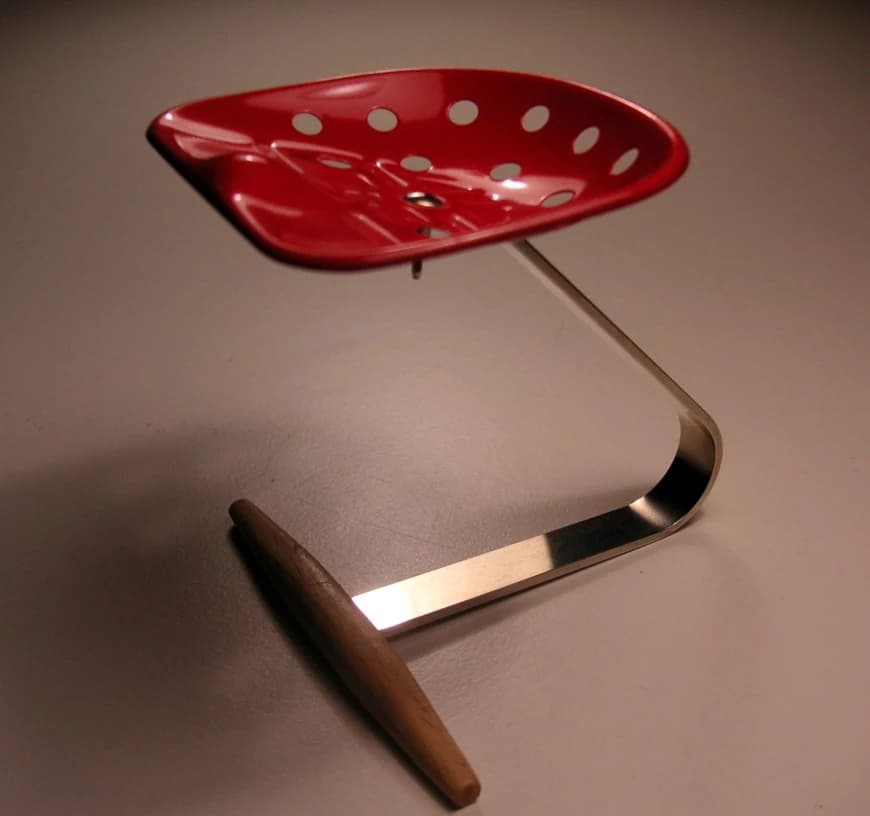
The Castiglioni brothers’ Mezzadro moves an agricultural silhouette into the home. Its wit depends on how the parts work together, not simply where the seat came from.
Read the noteDiscovery
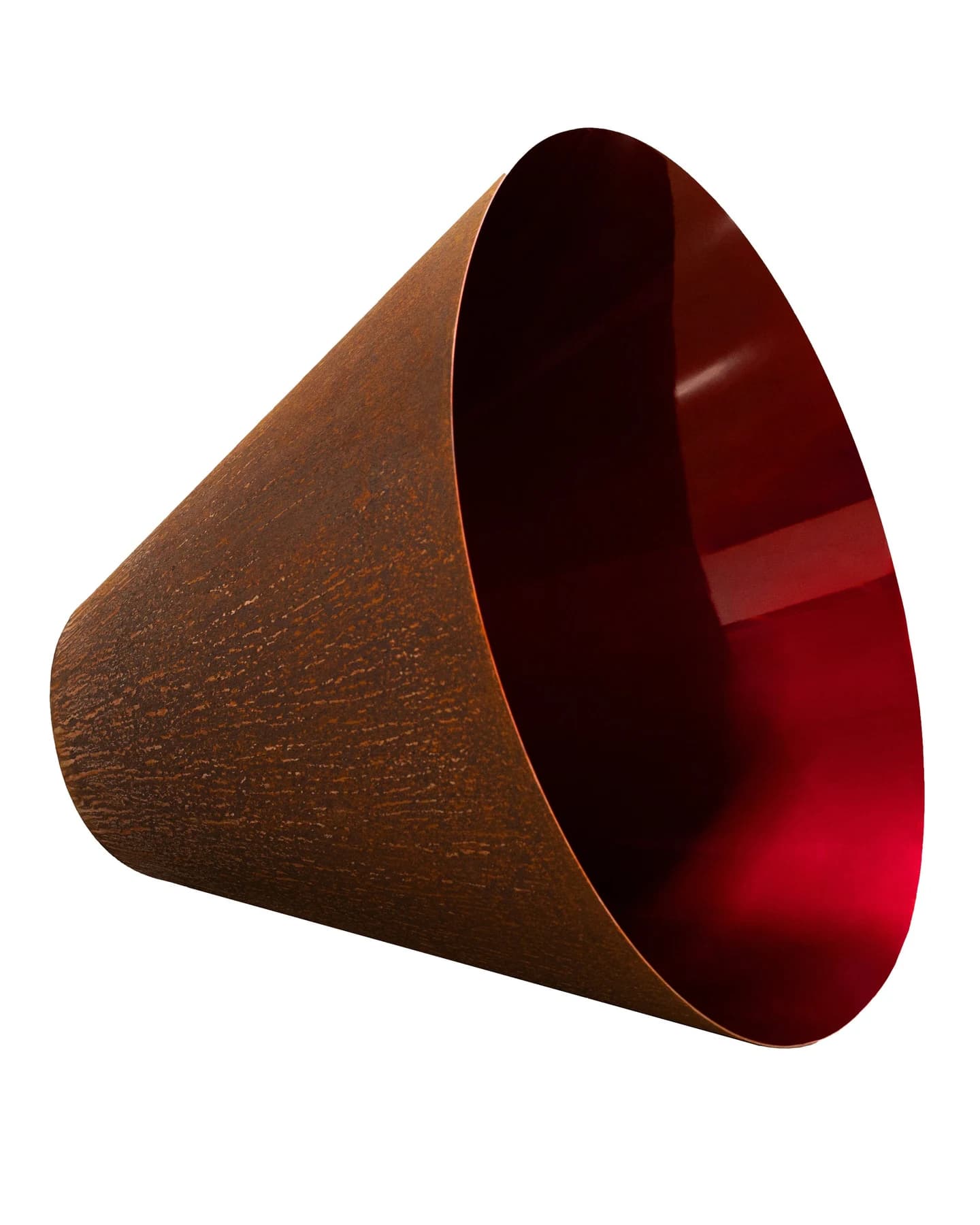
Jobe Burns’s Laying Vessel carries metalworking knowledge into contemporary sculpture. The contrast between its rusted shell and red interior is only the beginning.
Read the noteDiscovery
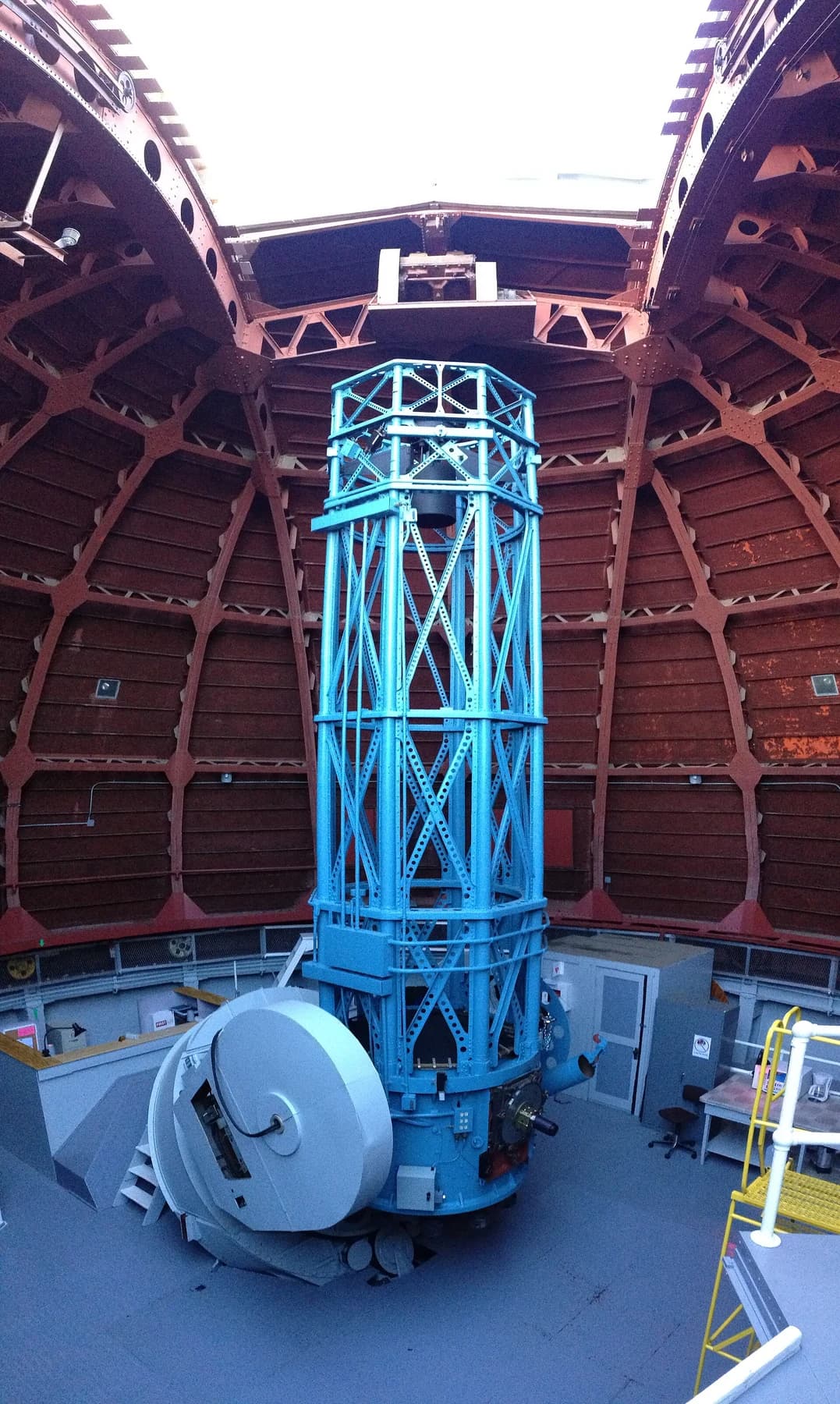
Mount Wilson’s public observing programme makes a historic telescope a working encounter with the sky. The experience is looking, not collecting another image.
Read the noteDiscovery
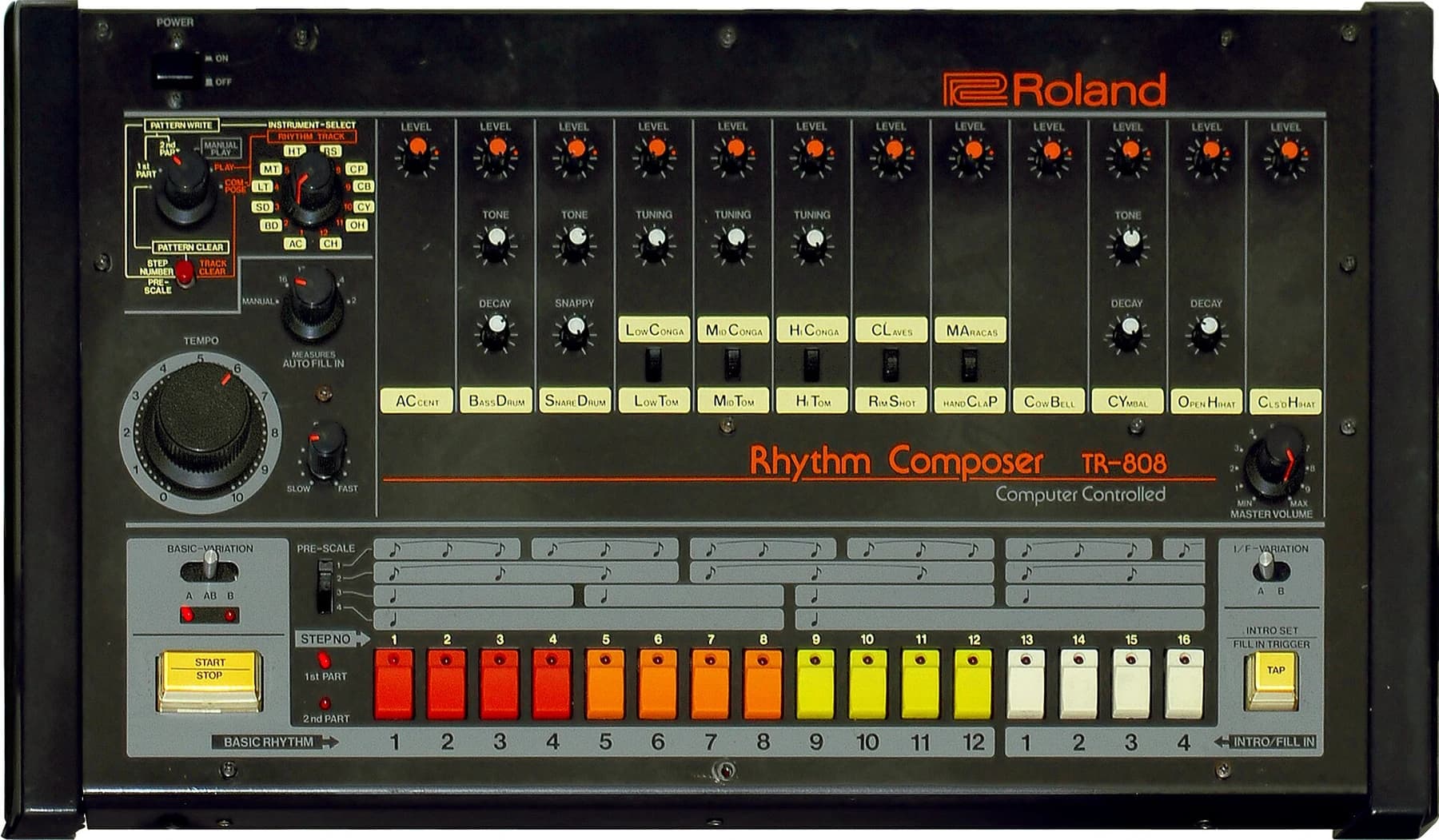
Roland’s TR-808 matters because musicians found a future in sounds that did not convincingly imitate an acoustic drum kit.
Read the noteDiscovery
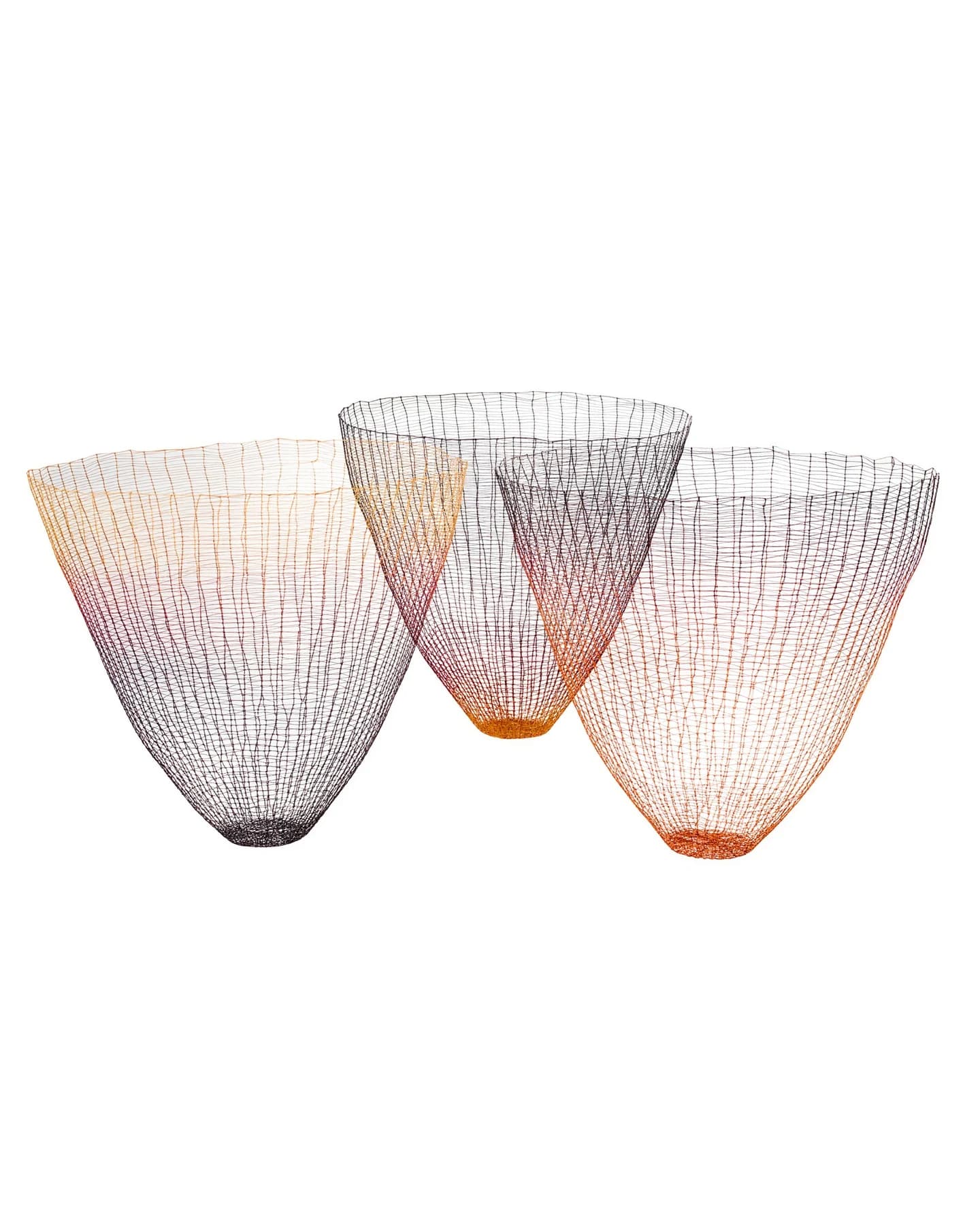
Gjertrud Hals’s Scala gives thread a sculptural presence. Open structure, rather than a solid wall, allows the vessels to occupy space.
Read the noteDiscovery
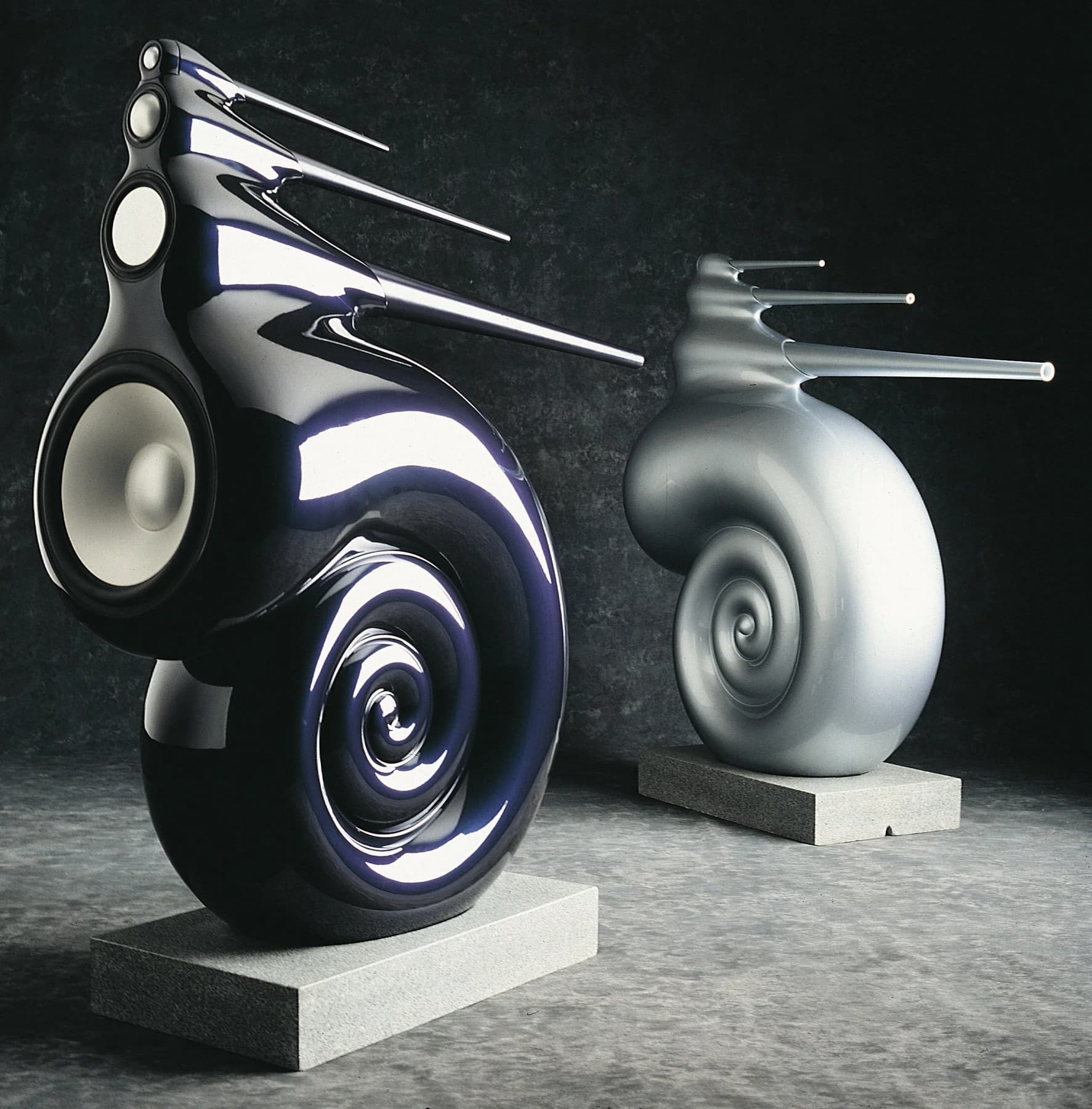
Bowers & Wilkins did not give Nautilus a spiral simply to make it memorable. The shape follows an unusually ambitious attempt to deal with unwanted sound.
Read the noteDiscovery
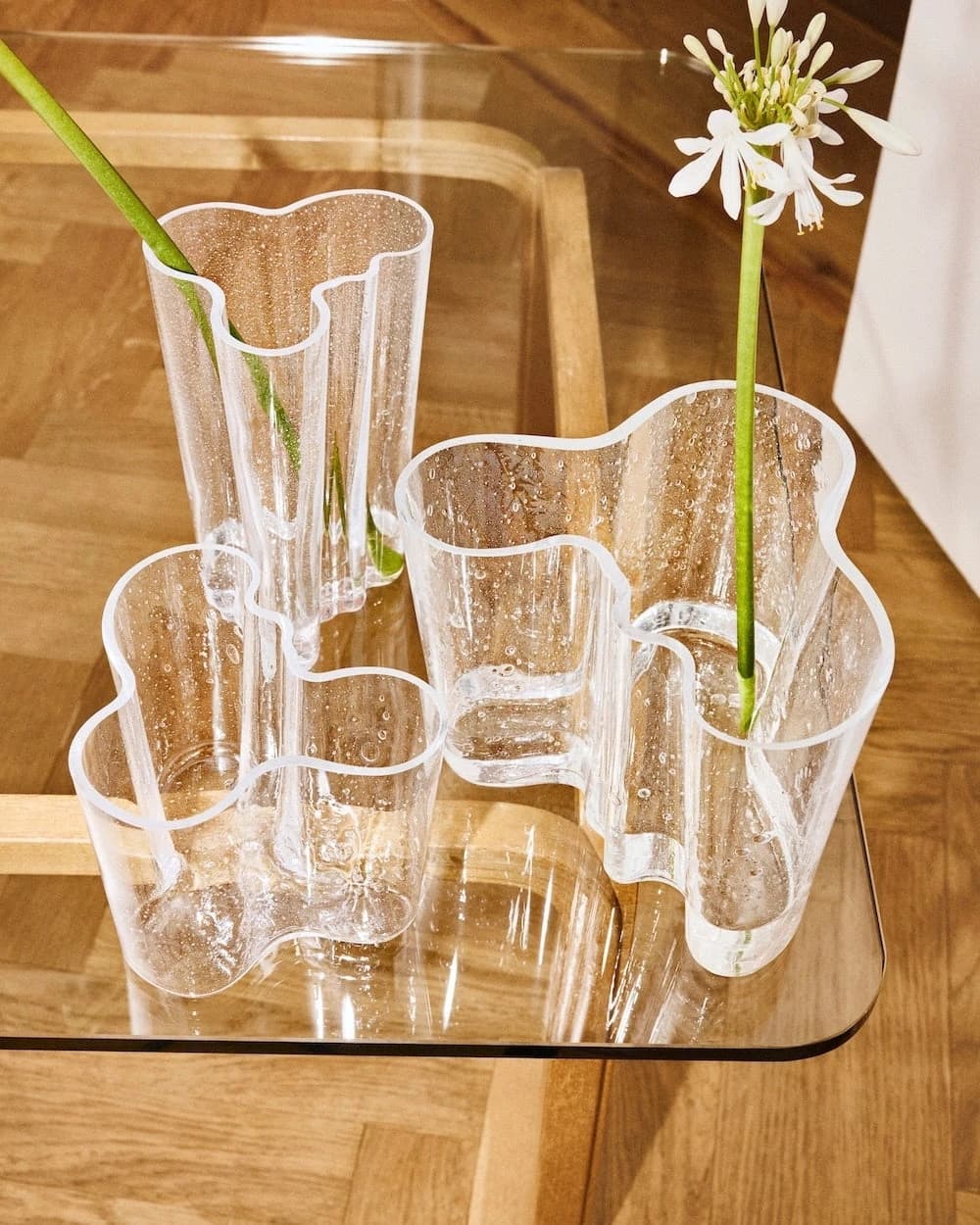
The 2026 Aalto Bubble Vase keeps a familiar contour but changes the way light moves through it. The anniversary is less interesting than the glassmaking.
Read the noteDiscovery
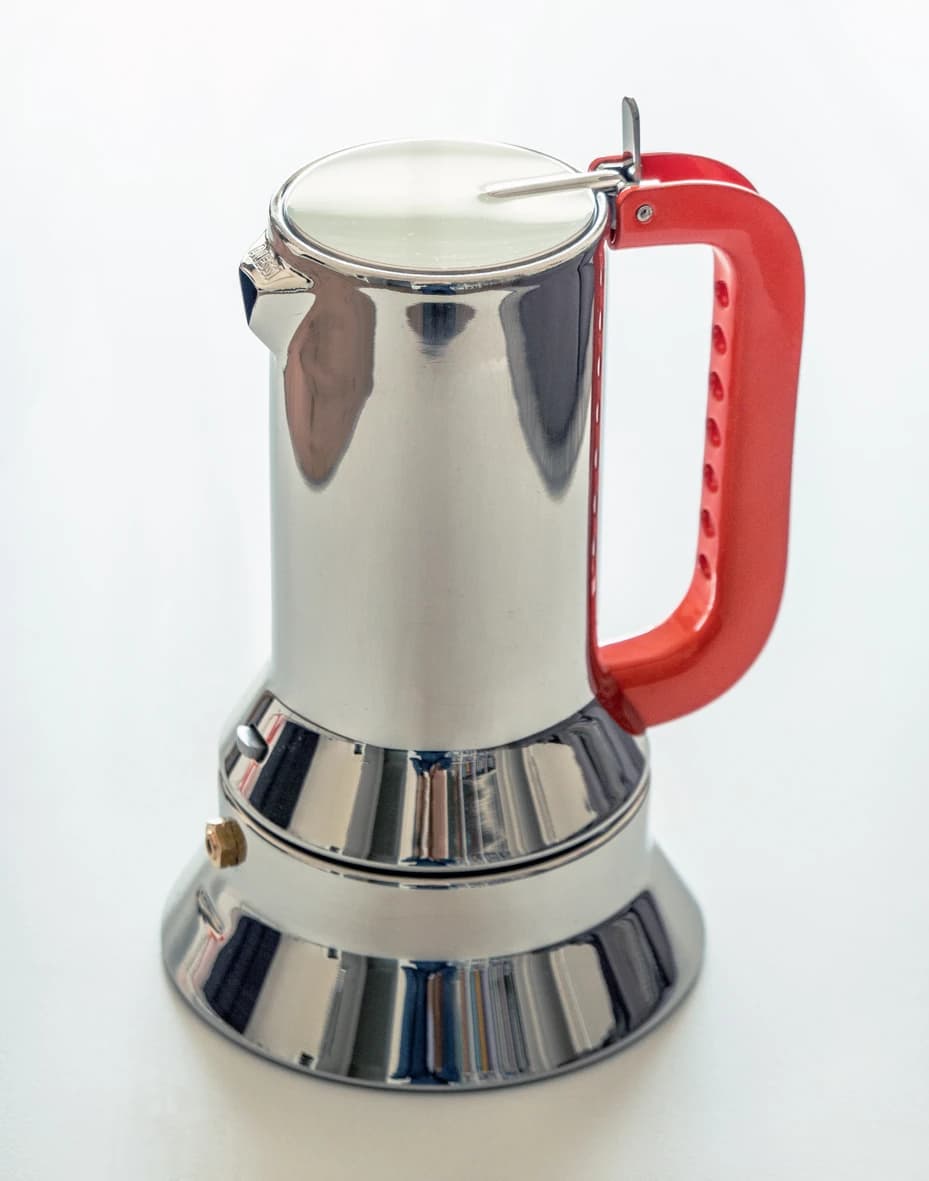
Richard Sapper’s Alessi 9090 makes a familiar coffee ritual slightly different. Its handle is part of the closing mechanism, not just something to hold.
Read the noteDiscovery
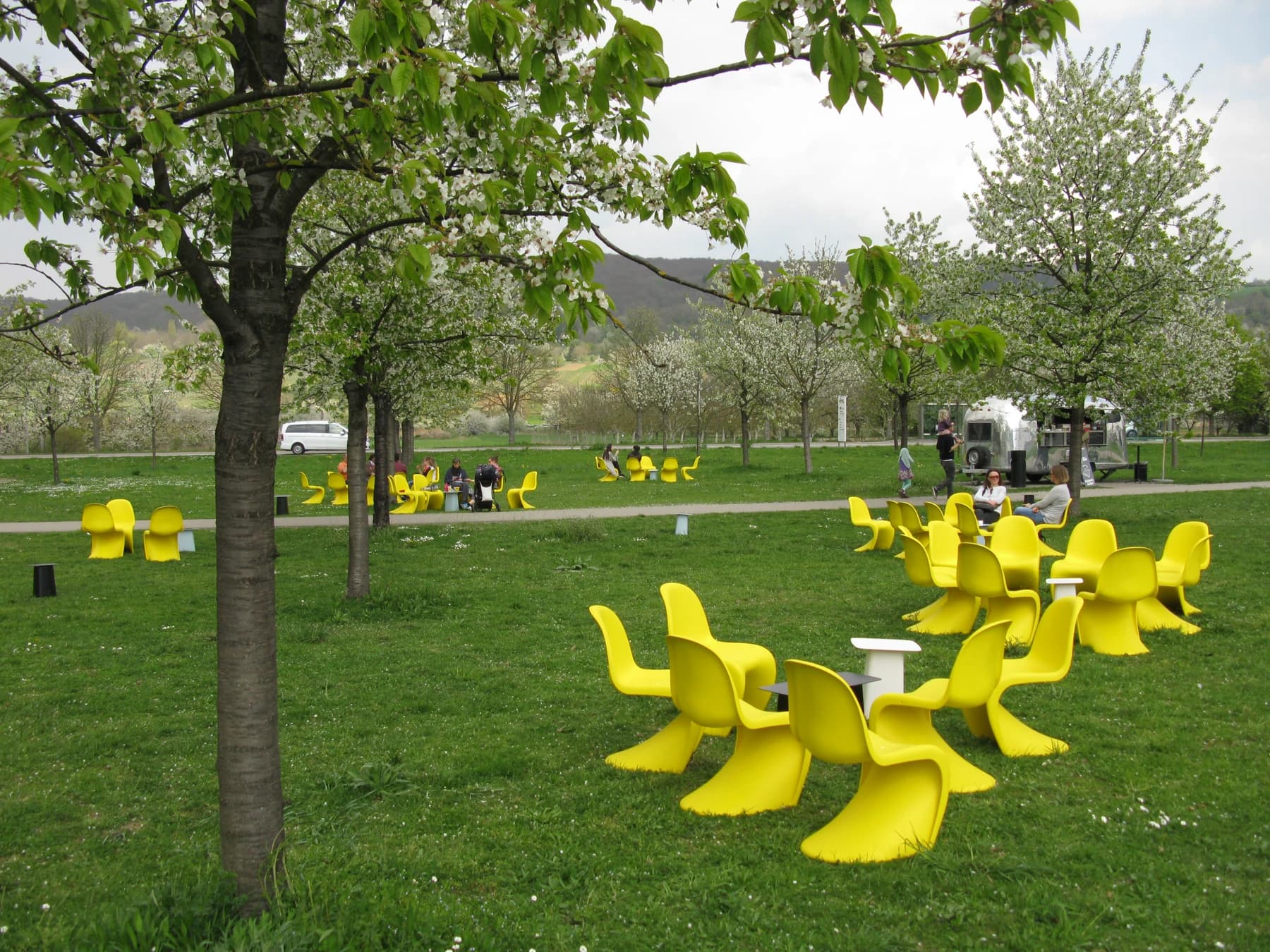
The Panton Chair survived as an idea partly because its material did not stay the same. Its history includes a failure worth understanding.
Read the noteDiscovery
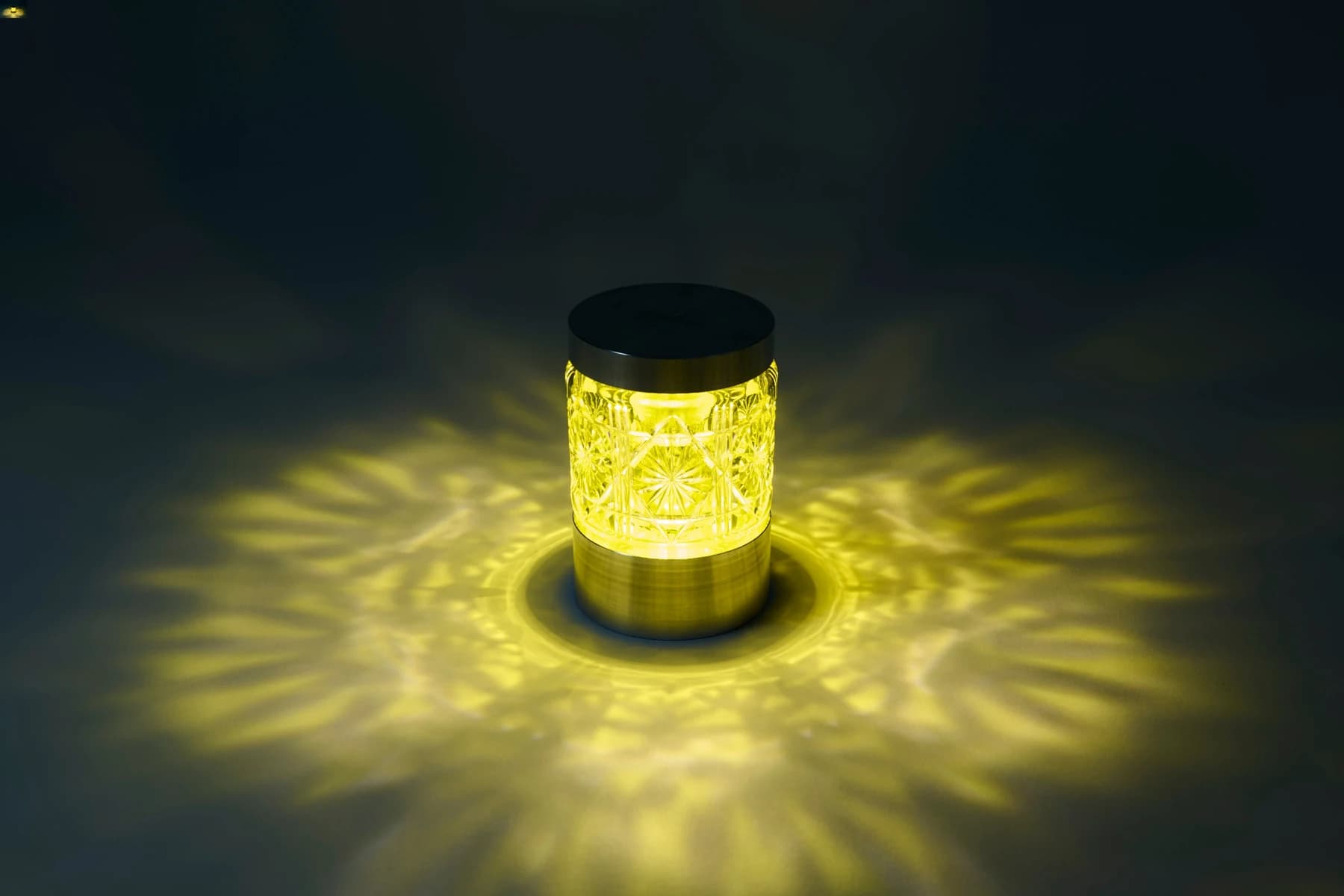
A 2026 TOKIMEKI collaboration places Shimadzu Satsuma Kiriko glass above a machined metal base, giving the cut surface a different role in a room.
Read the noteDiscovery
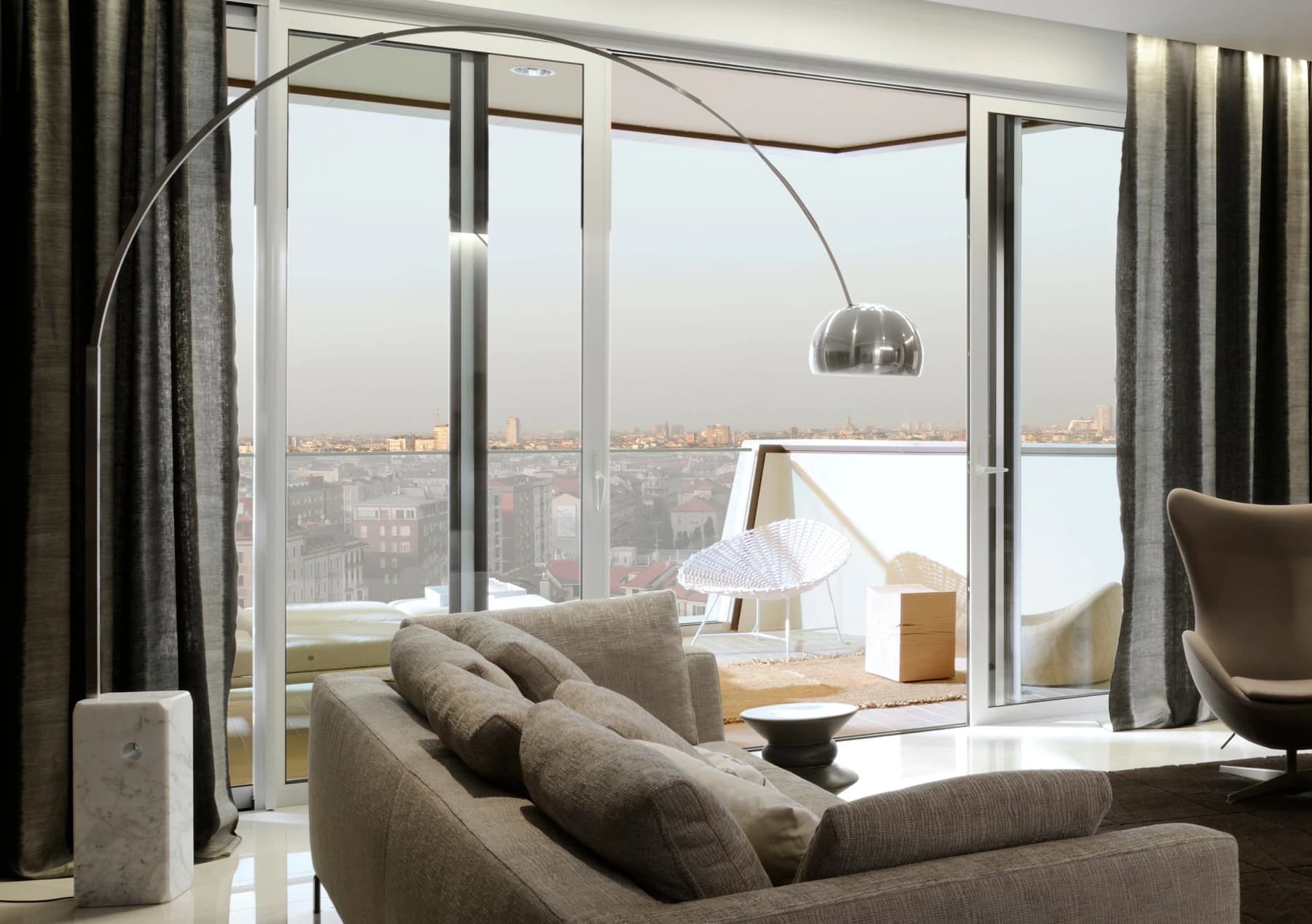
Flos Arco puts overhead light where there is no ceiling fitting. Its most revealing detail may be the hole through its heavy marble base.
Read the noteDiscovery
Venini’s Tiara Luce uses a quilt-like glass surface to make light tangible. A traditional forming technique becomes something encountered in an ordinary evening.
Read the noteDiscovery
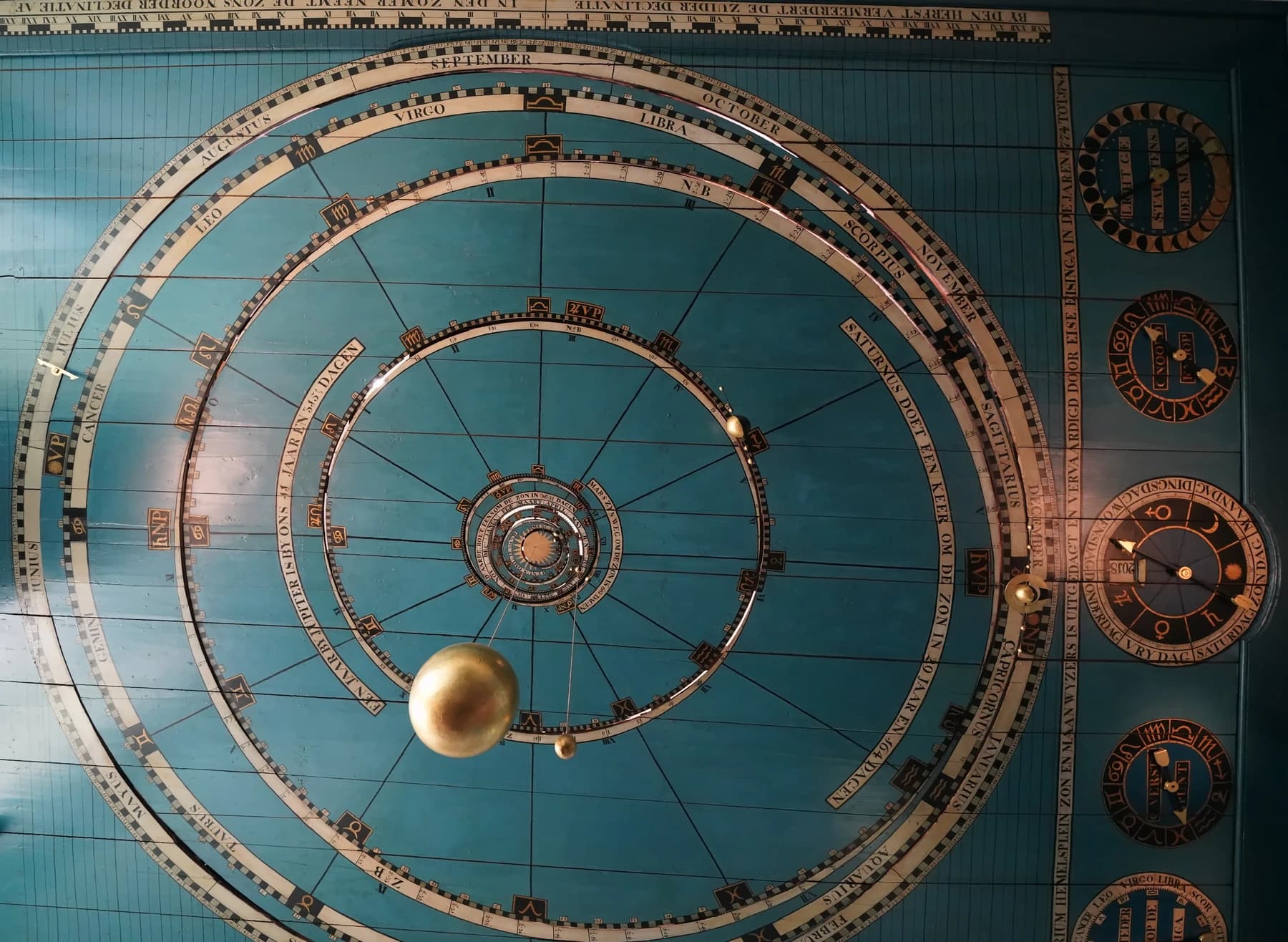
In Franeker, Eise Eisinga built a working model of the solar system above a domestic room. The extraordinary part is not just that it survives, but that it still makes an abstract idea visible.
Read the noteDiscovery
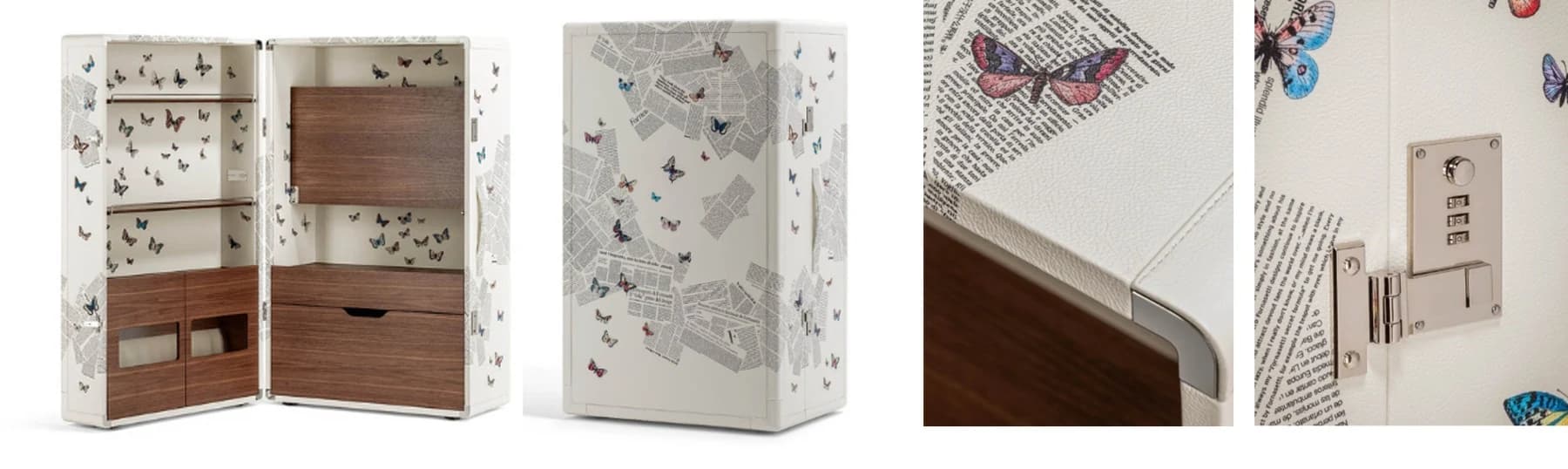
Poltrona Frau’s Isidoro Ultime Notizie combines a drinks cabinet with the opening gesture of luggage. Fornasetti’s newspaper-and-butterfly imagery adds a second transformation, making leather resemble paper.
Read the noteDiscovery
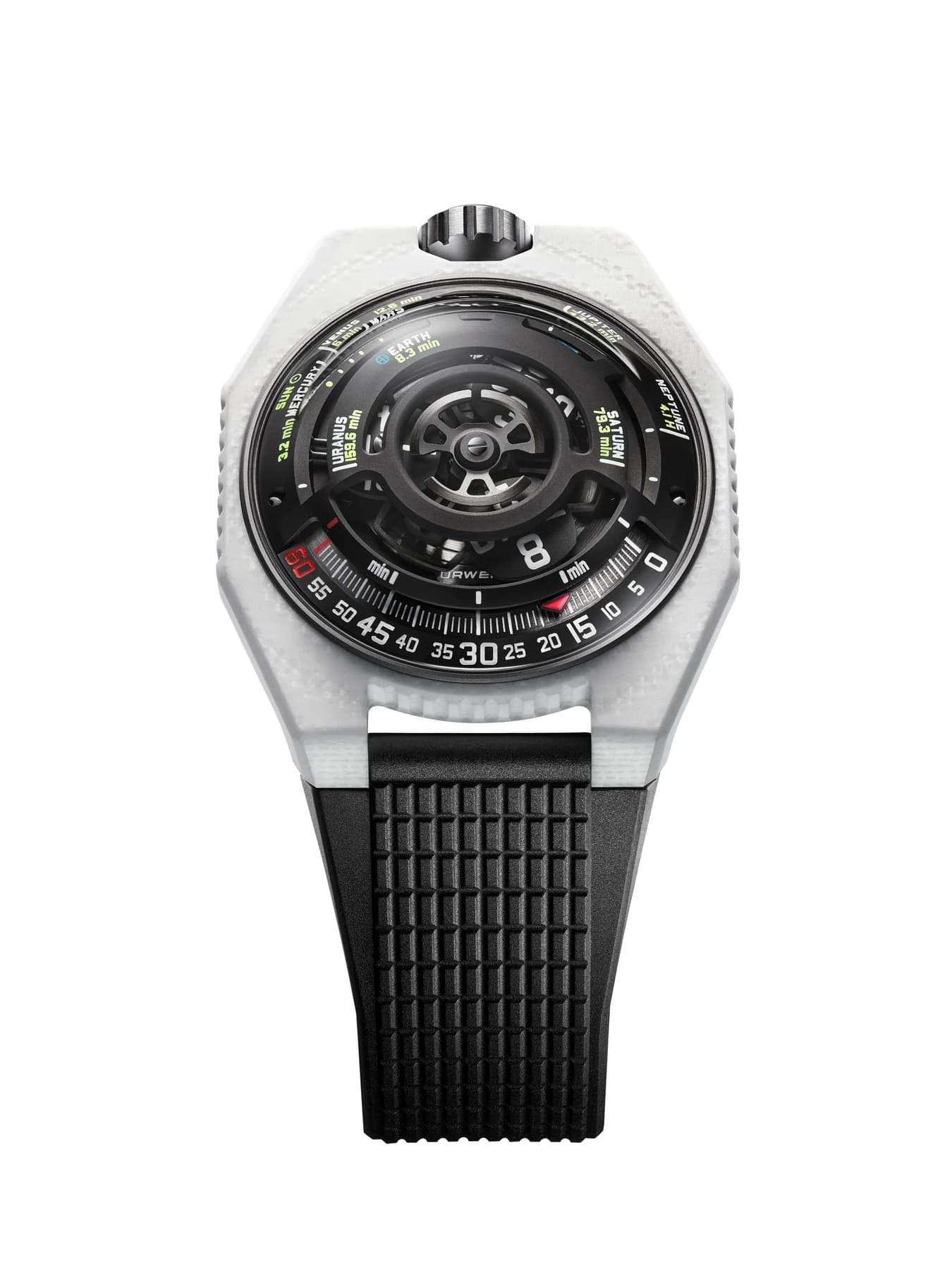
URWERK’s 2026 UR-100V LightSpeed Ceramic connects wandering hours with the journey of sunlight. Its most interesting complication is a change of scale, from a wrist to the solar system.
Read the noteDiscovery
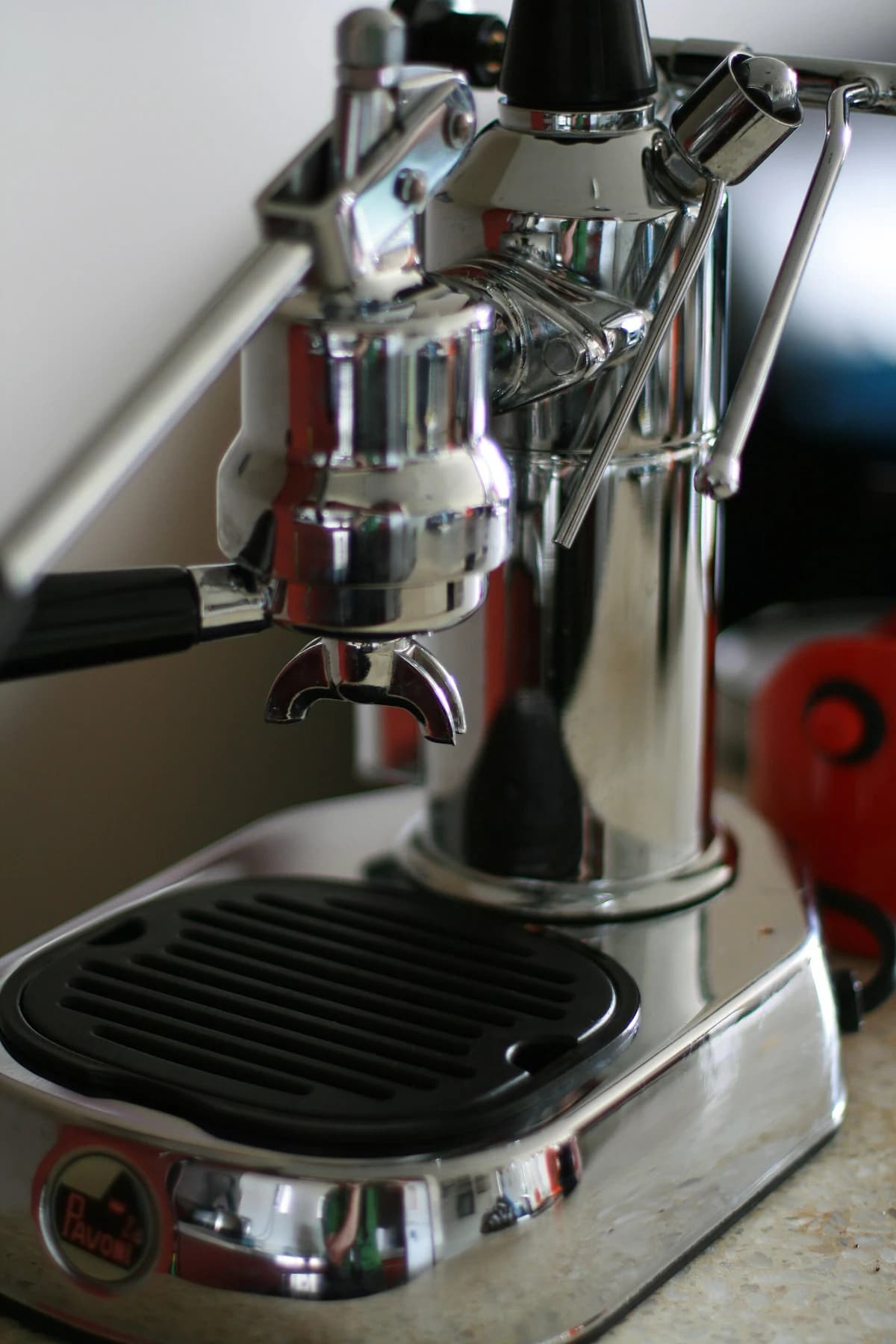
La Pavoni’s Europiccola turns a morning coffee into a small physical craft. Its enduring idea is not automation, but keeping the person visibly involved in the work of extraction.
Read the noteDiscovery
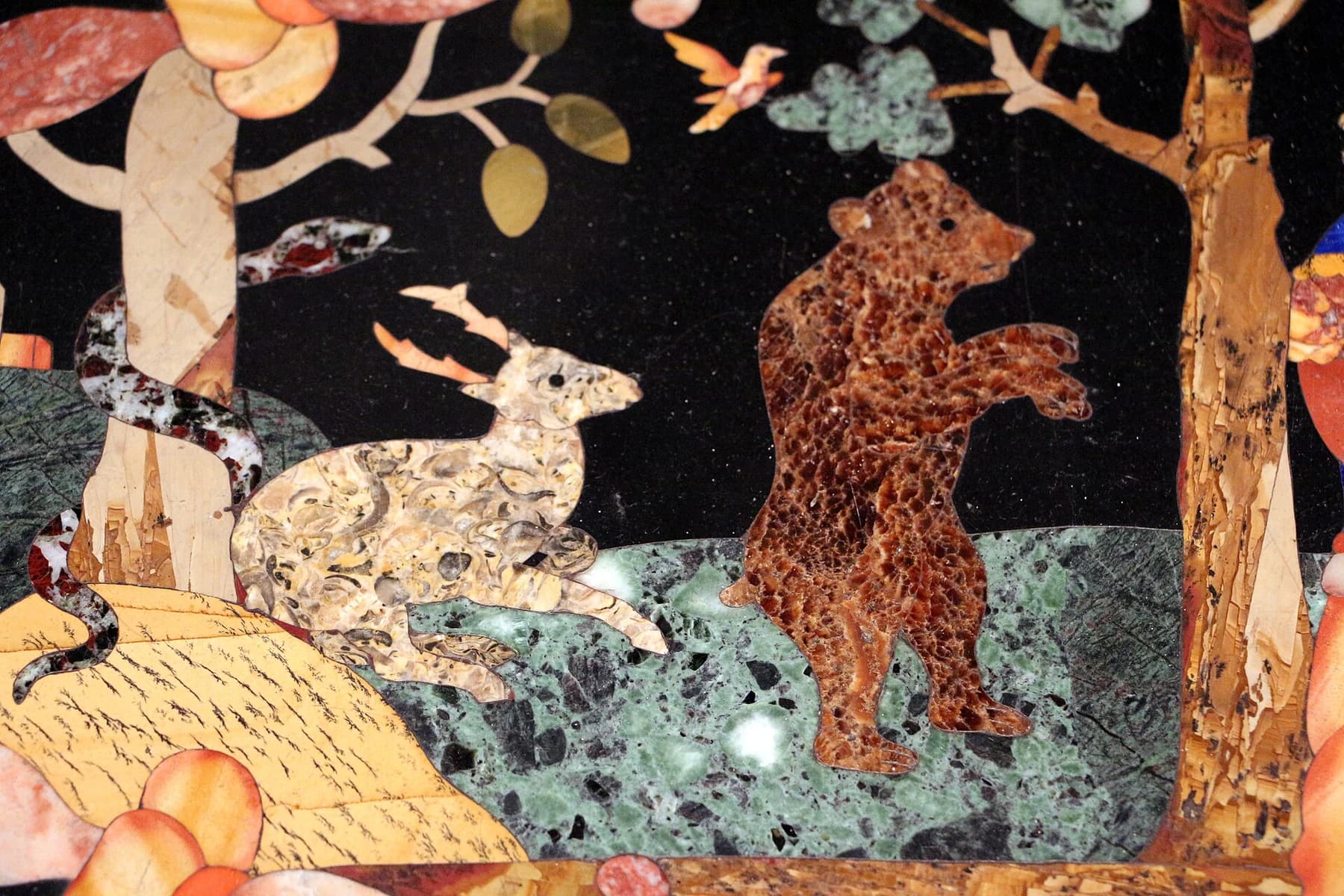
In commesso fiorentino, a vein in a stone can become fur, a petal or a distant hill. The surprising art is not painting on minerals, but finding the picture within them and fitting its pieces together.
Read the noteDiscovery
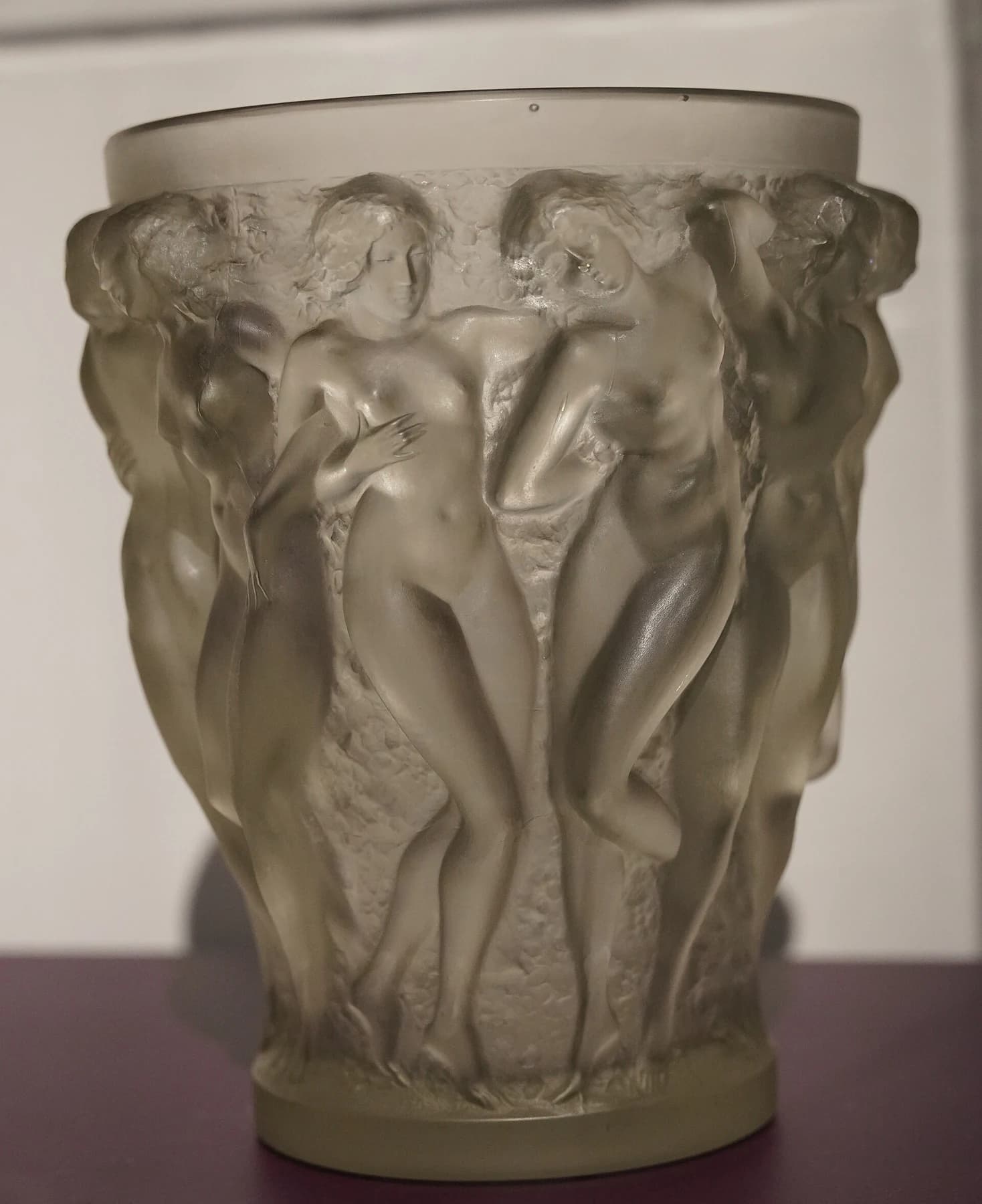
René Lalique’s Bacchantes began in 1927 and remains a living design. The revealing part is how a ring of figures moves between mould, handwork, satin surface and light.
Read the noteDiscovery
The Unimog 406 belongs to a different vehicle conversation. Its appeal begins with ground clearance, working equipment and the ability to turn a difficult task into an engineering brief.
Read the noteDiscovery
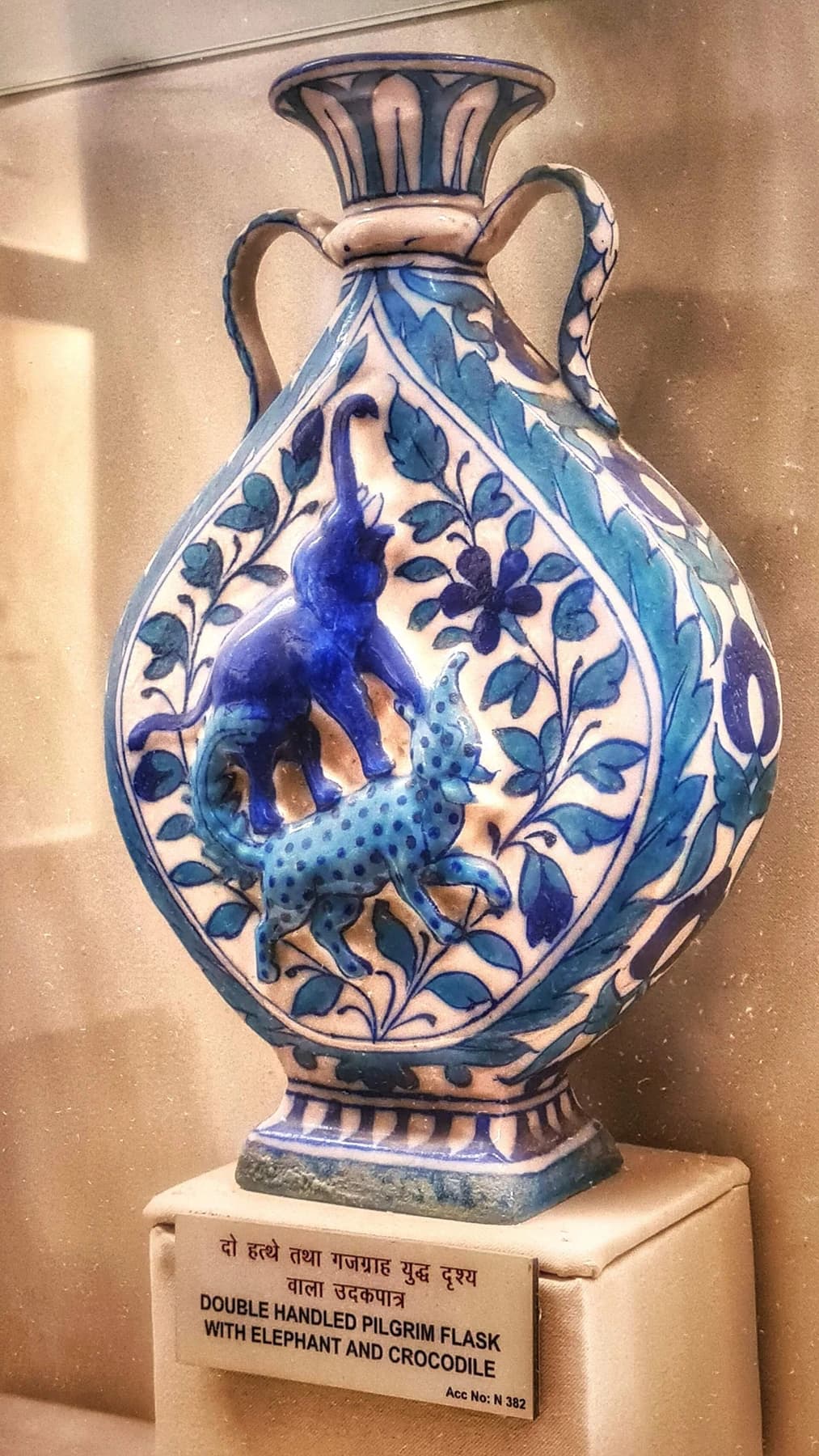
Jaipur blue pottery begins with a surprising material recipe. Beneath the painted surface is a quartz-rich body and a sequence of skilled decisions worth knowing.
Read the noteDiscovery
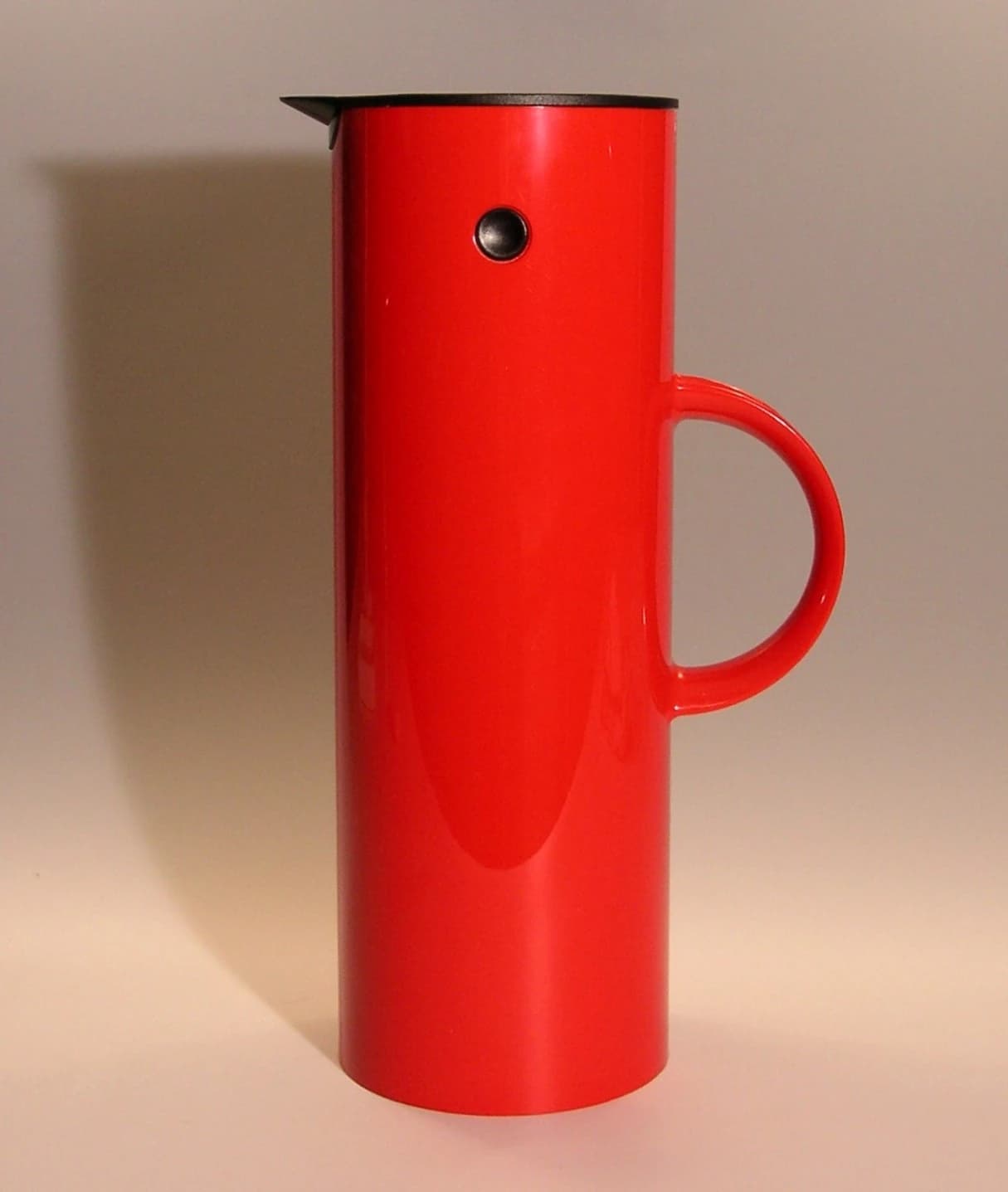
Erik Magnussen’s Stelton EM77 makes a simple serving gesture distinctive. A replaceable glass insert gives the familiar cylinder another practical reason to stay.
Read the noteDiscovery
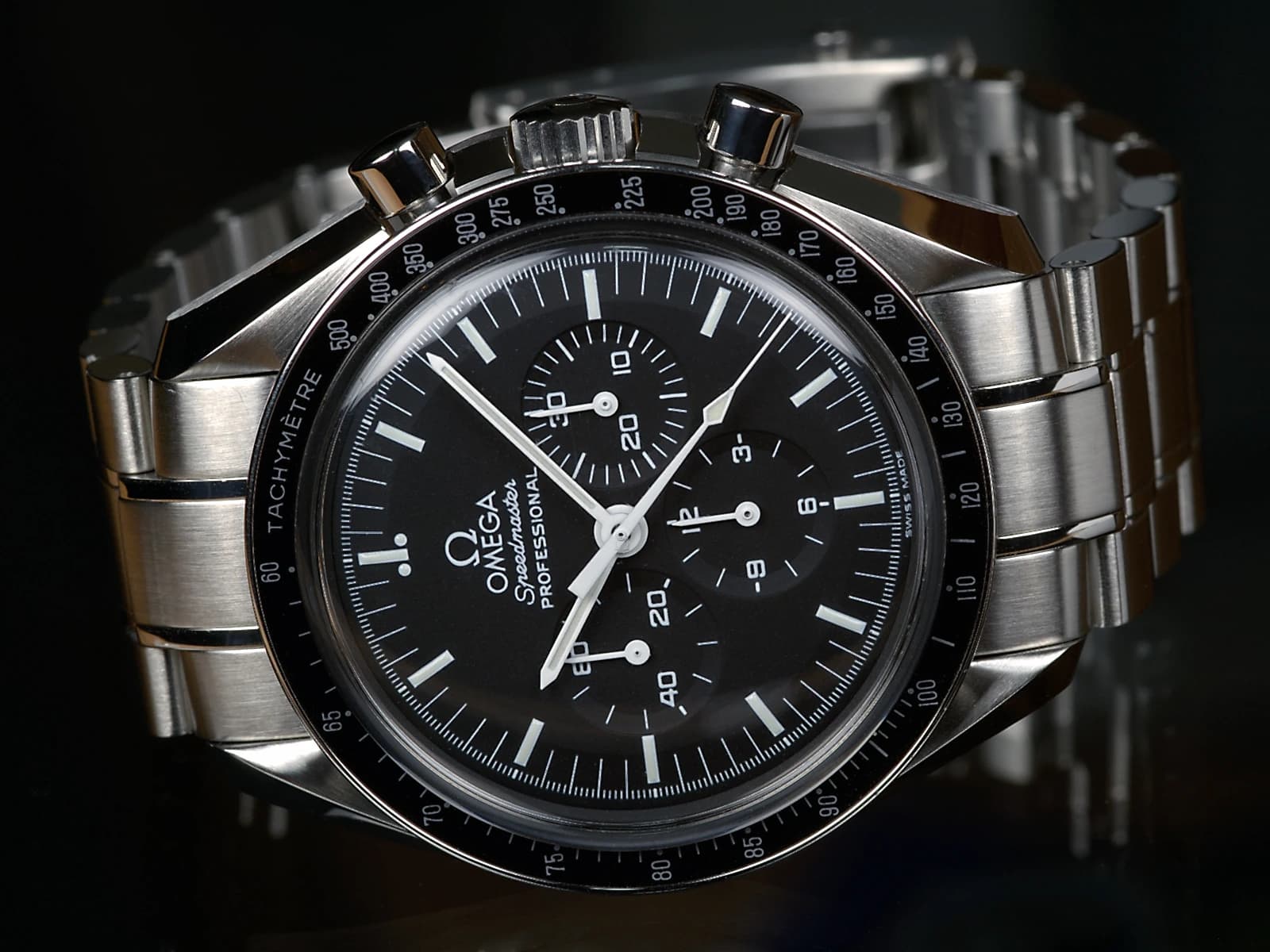
The Omega Speedmaster is more revealing when its space history is read as a tool-selection story. A documented use can explain an object without authenticating every watch that shares its name.
Read the noteDiscovery
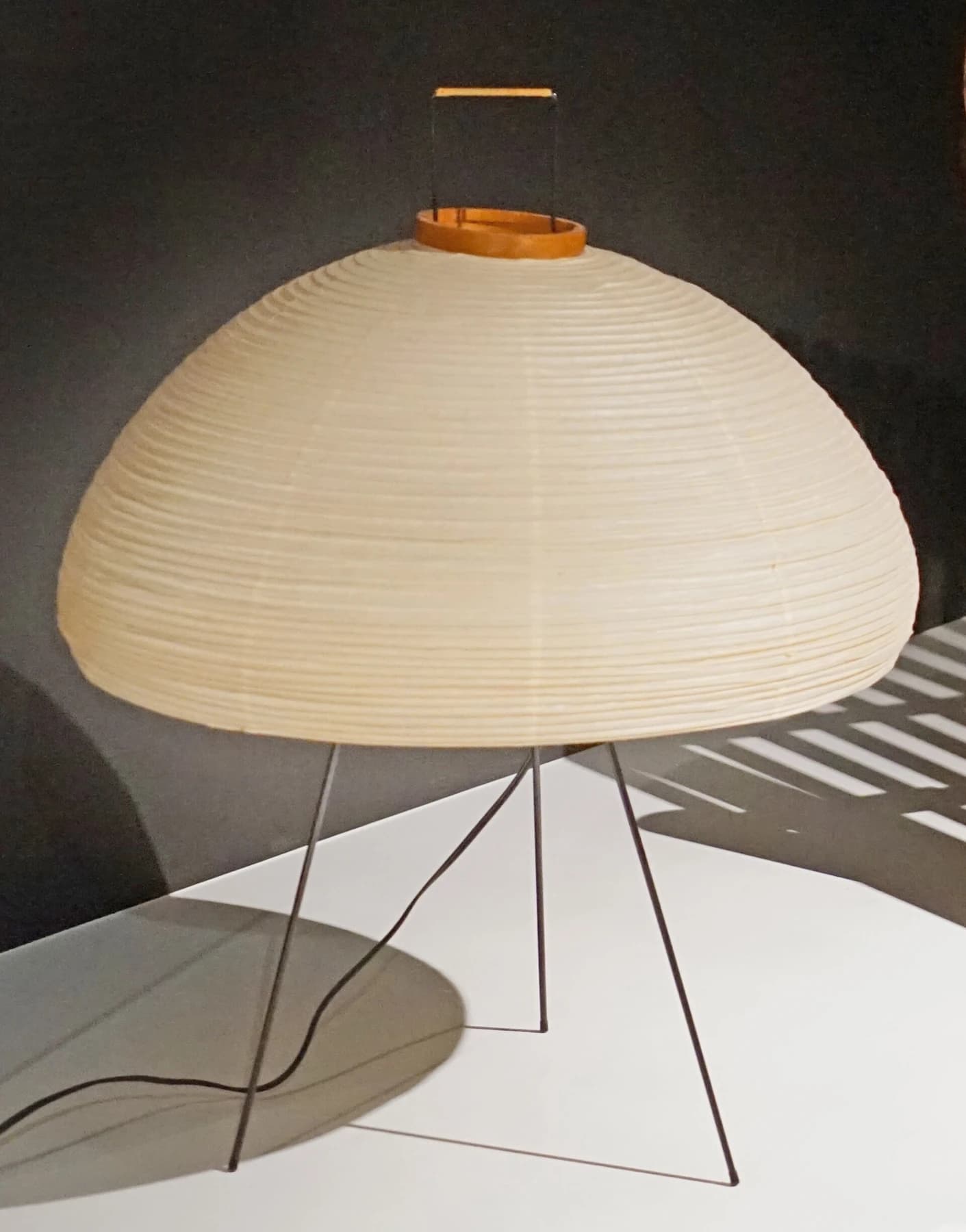
Isamu Noguchi’s Akari gives paper, bamboo and light a sculptural life at home. A working lantern-making tradition keeps the idea connected to everyday use.
Read the noteDiscovery
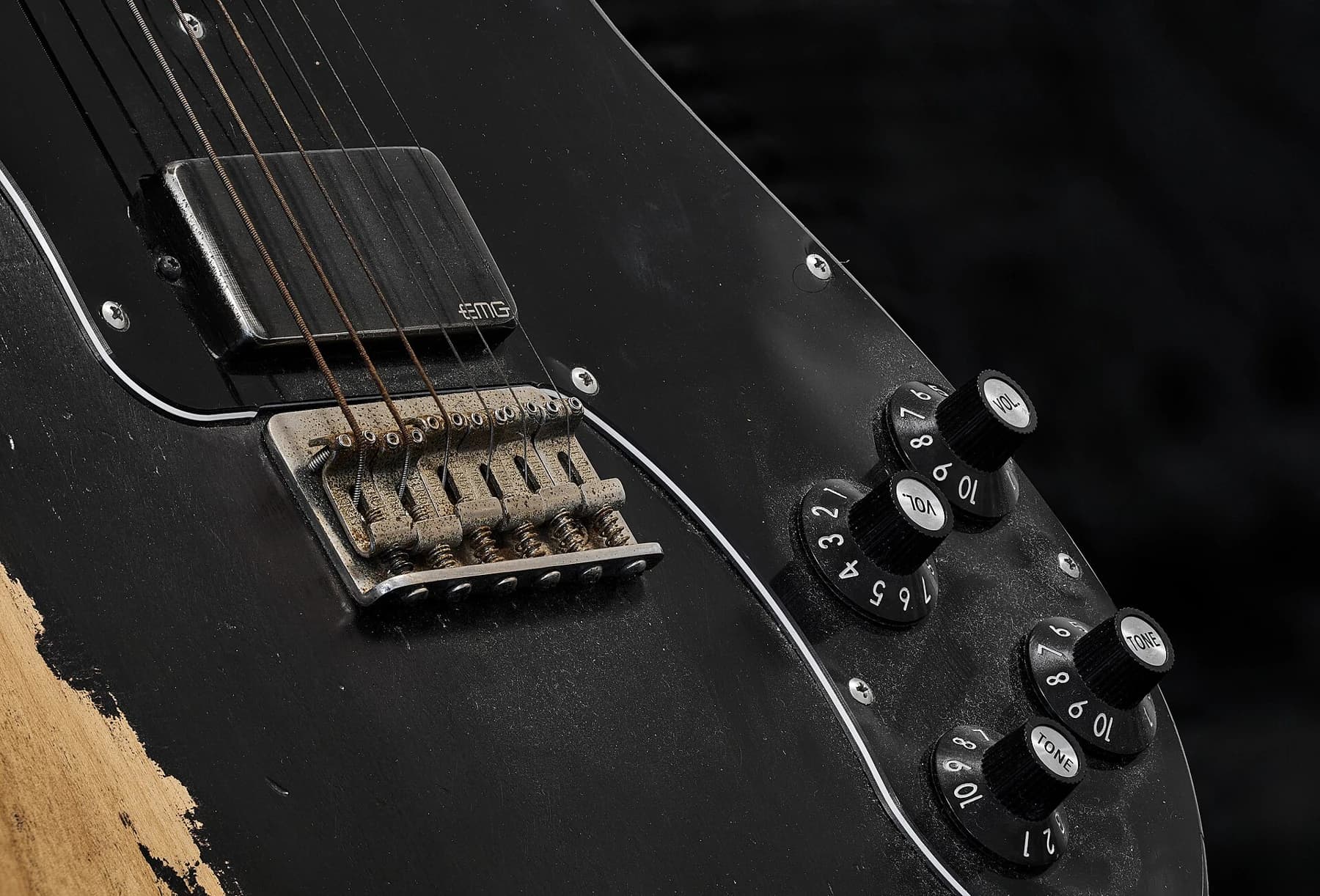
A familiar guitar can accommodate a changing player. The Fender Telecaster connects a simple construction idea to a long, adaptable musical life.
Read the noteDiscovery
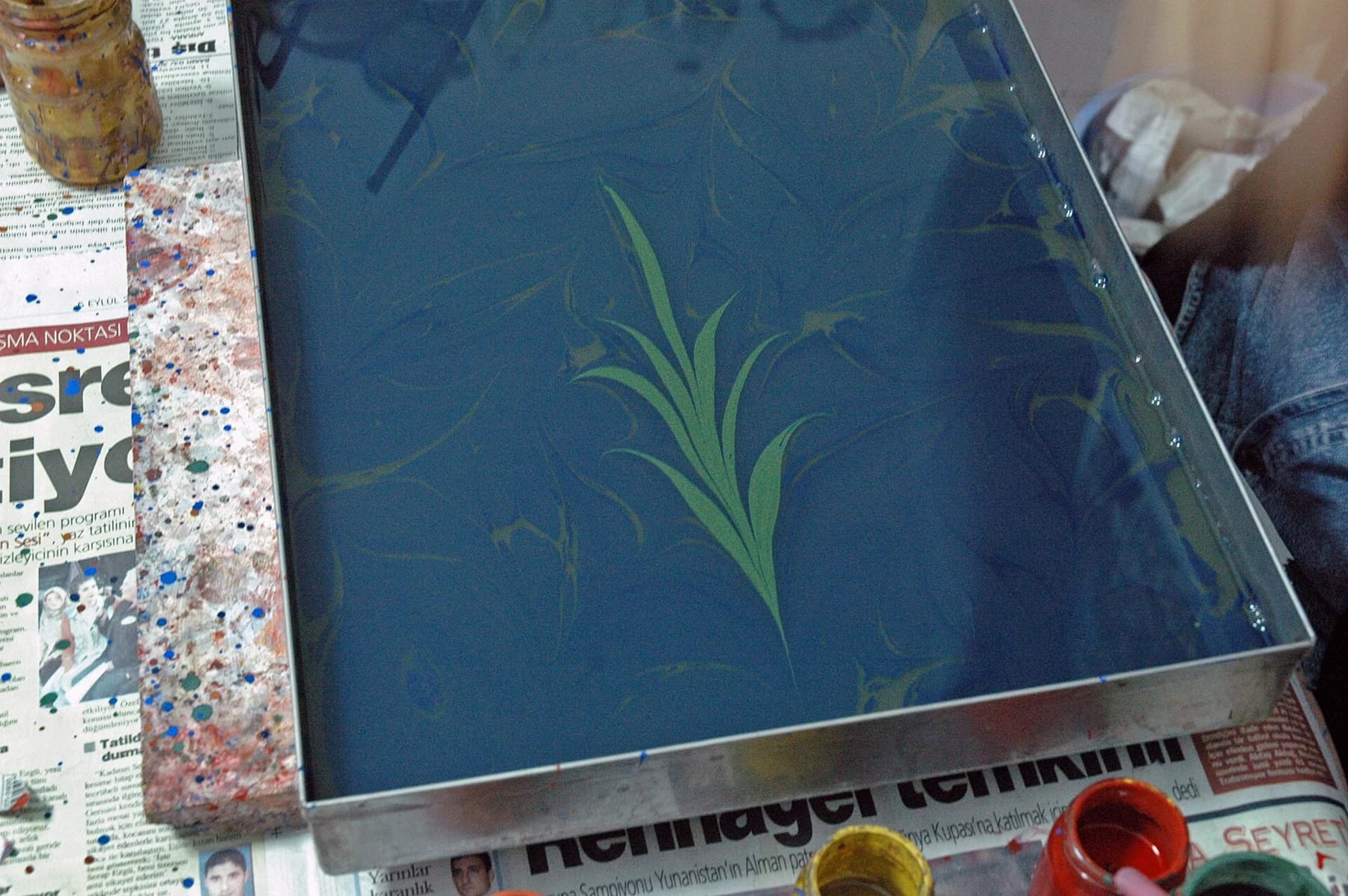
In ebru, a picture takes shape on a prepared liquid surface before it reaches paper. The lasting object preserves a fleeting arrangement and the knowledge that allowed it to happen.
Read the noteDiscovery
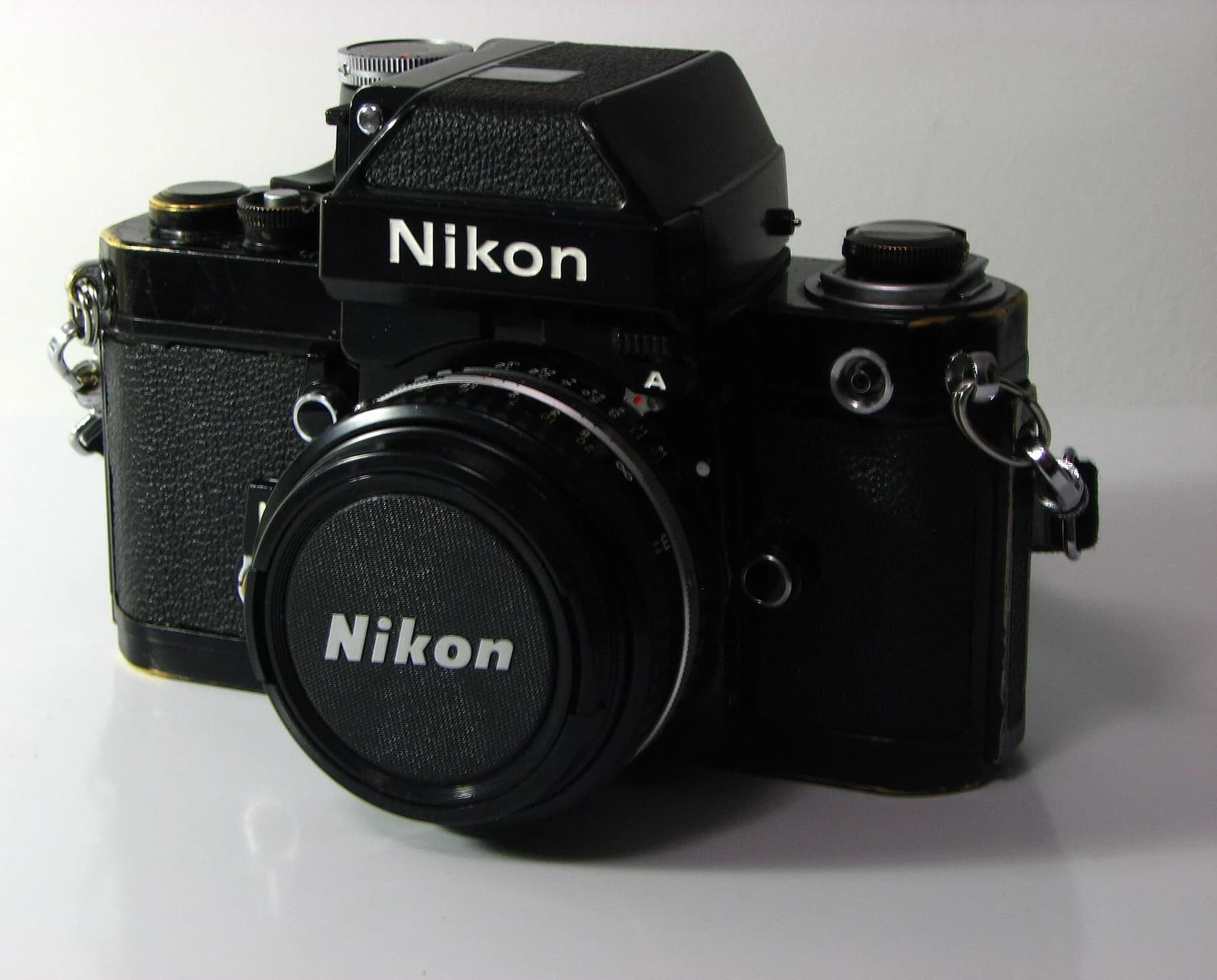
The Nikon F2 separates the camera body from the way a photographer looks and meters. A replaceable finder makes its system worth understanding, not merely collecting.
Read the noteDiscovery
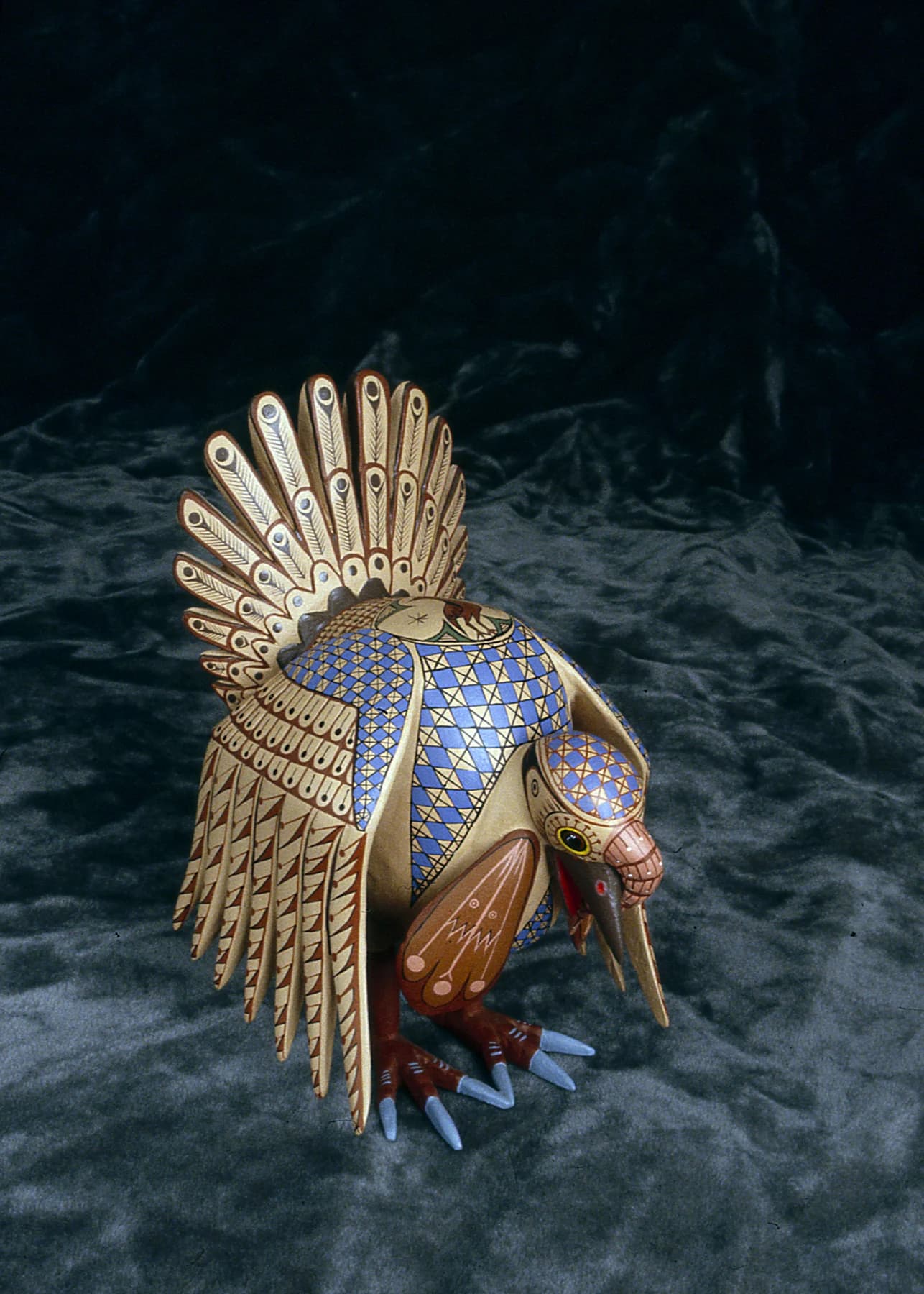
Jacobo and María Ángeles’ workshop turns copal wood into tonas and nahuales. Carving, painted pattern and shared knowledge make the work more than a colourful animal.
Read the noteDiscovery
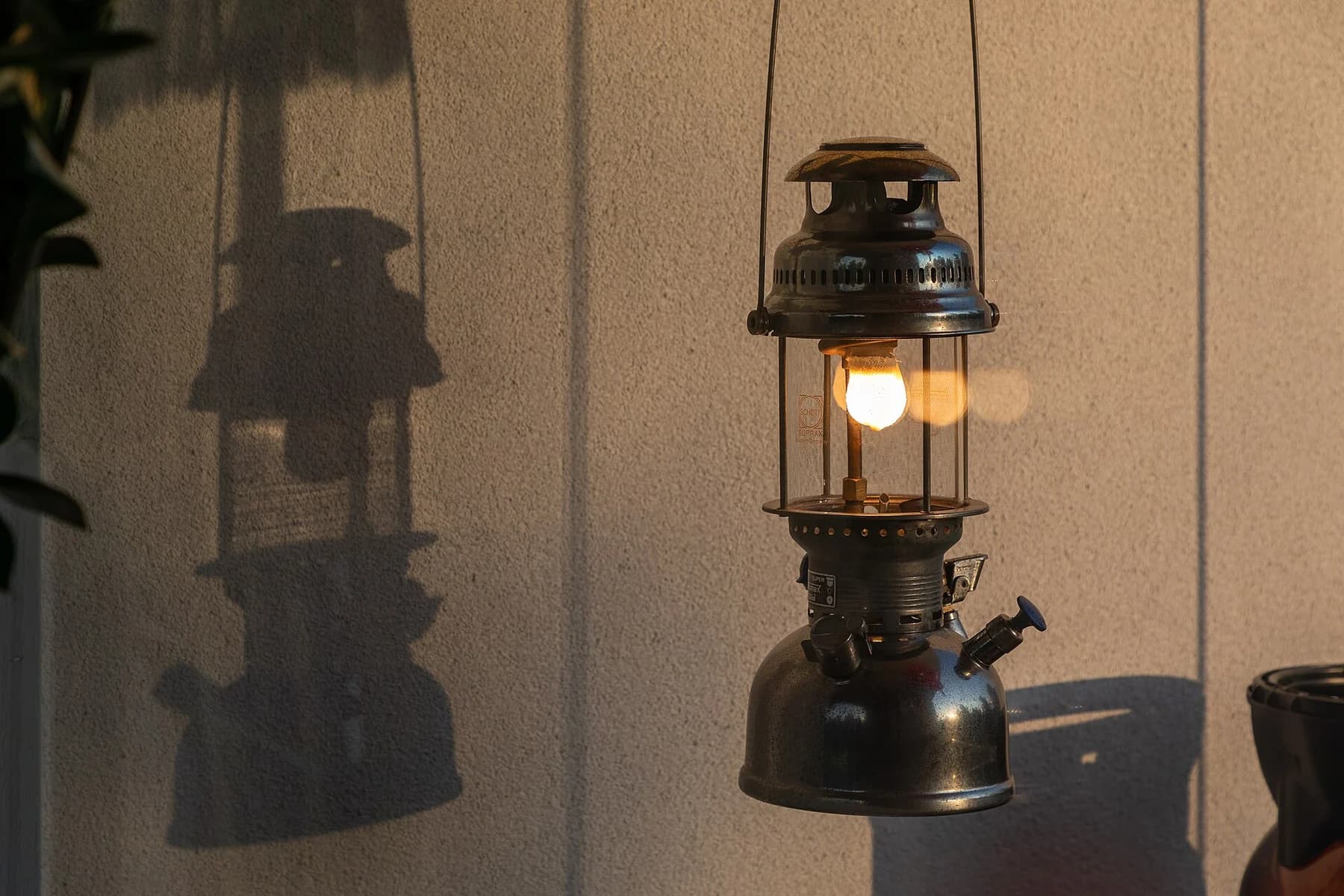
Petromax’s HK500 turns light into a visible mechanical process. Its named replacement components make continued use a more concrete proposition than nostalgia alone.
Read the noteDiscovery
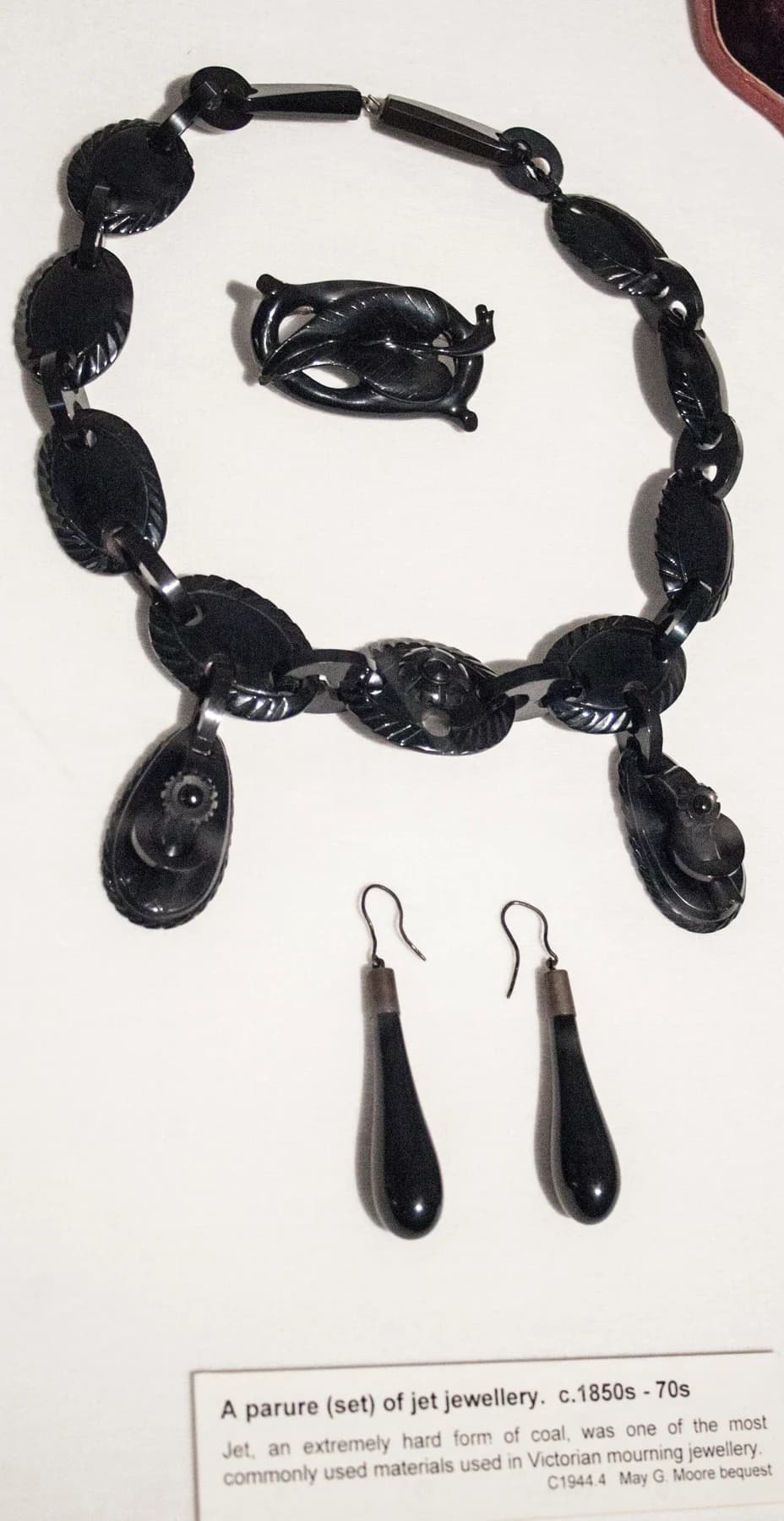
Jet opens an unexpected route into jewellery: a material with a history in ancient wood. Whitby’s museum explains why a black surface alone tells a buyer very little.
Read the noteDiscovery
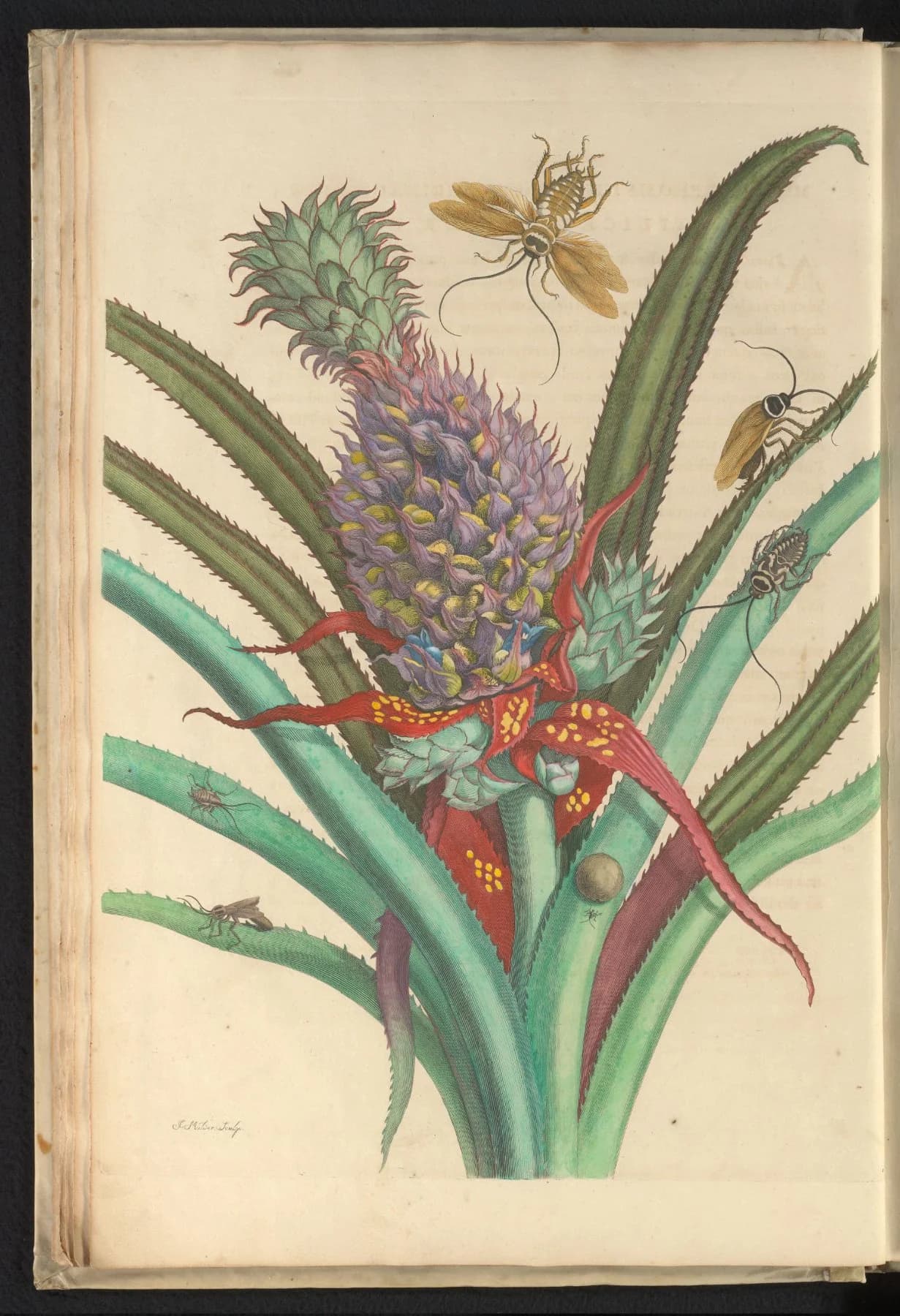
Maria Sibylla Merian’s 1705 Suriname book brings plants and insects into a shared visual world. A public-domain plate makes close study possible without owning an early edition.
Read the noteDiscovery
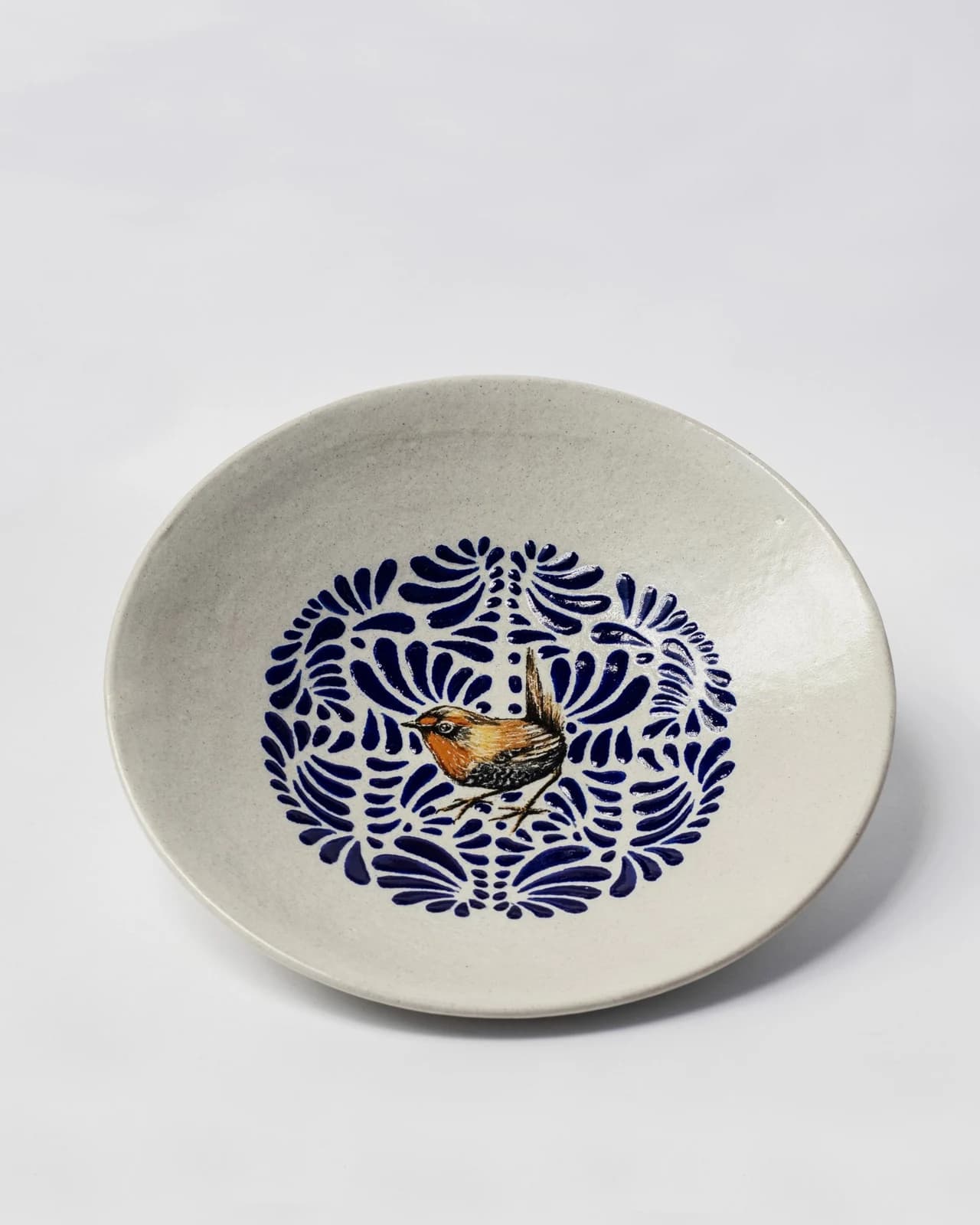
Uriarte’s bird plate is a modest entry into Puebla’s Talavera tradition. A current object can open a larger conversation about clay, painting and certification.
Read the noteDiscovery
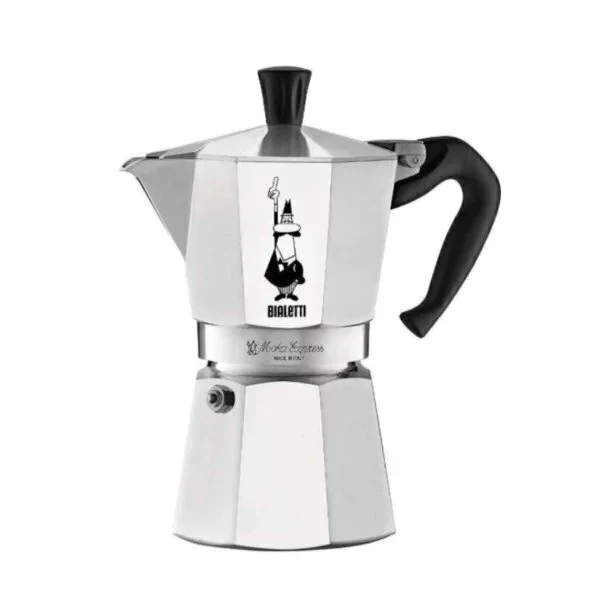
The familiar Moka Express keeps its place through use. A replaceable gasket and filter make its maintenance easier to understand.
Read the noteDiscovery
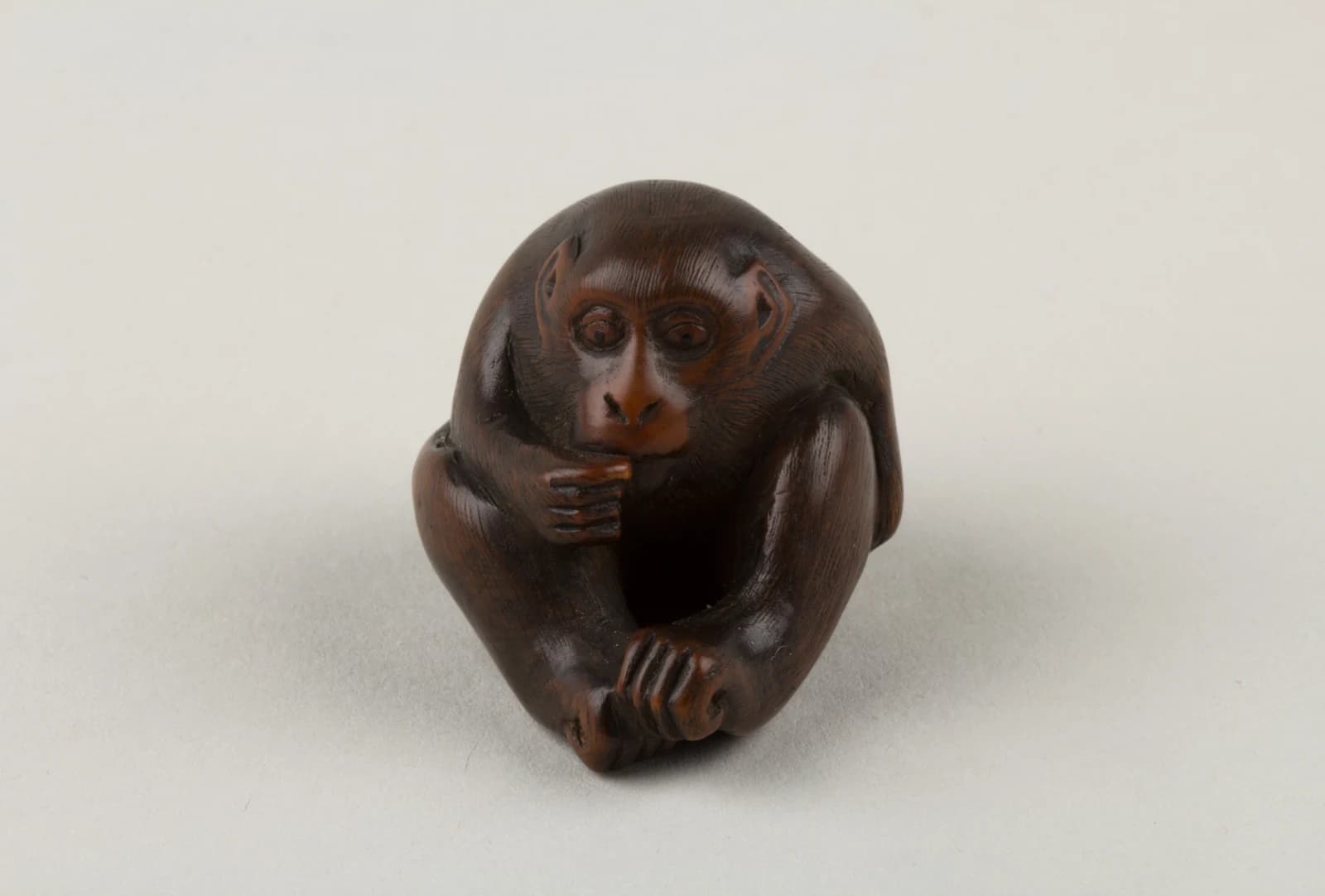
Masakazu’s small wooden monkey in The Met is a reminder that a netsuke began with a job. Function and invention can fit in one hand.
Read the noteDiscovery
The Curta makes calculation physical. Turn a crank and a remarkable compact mechanism does what a screen now hides.
Read the noteDiscovery
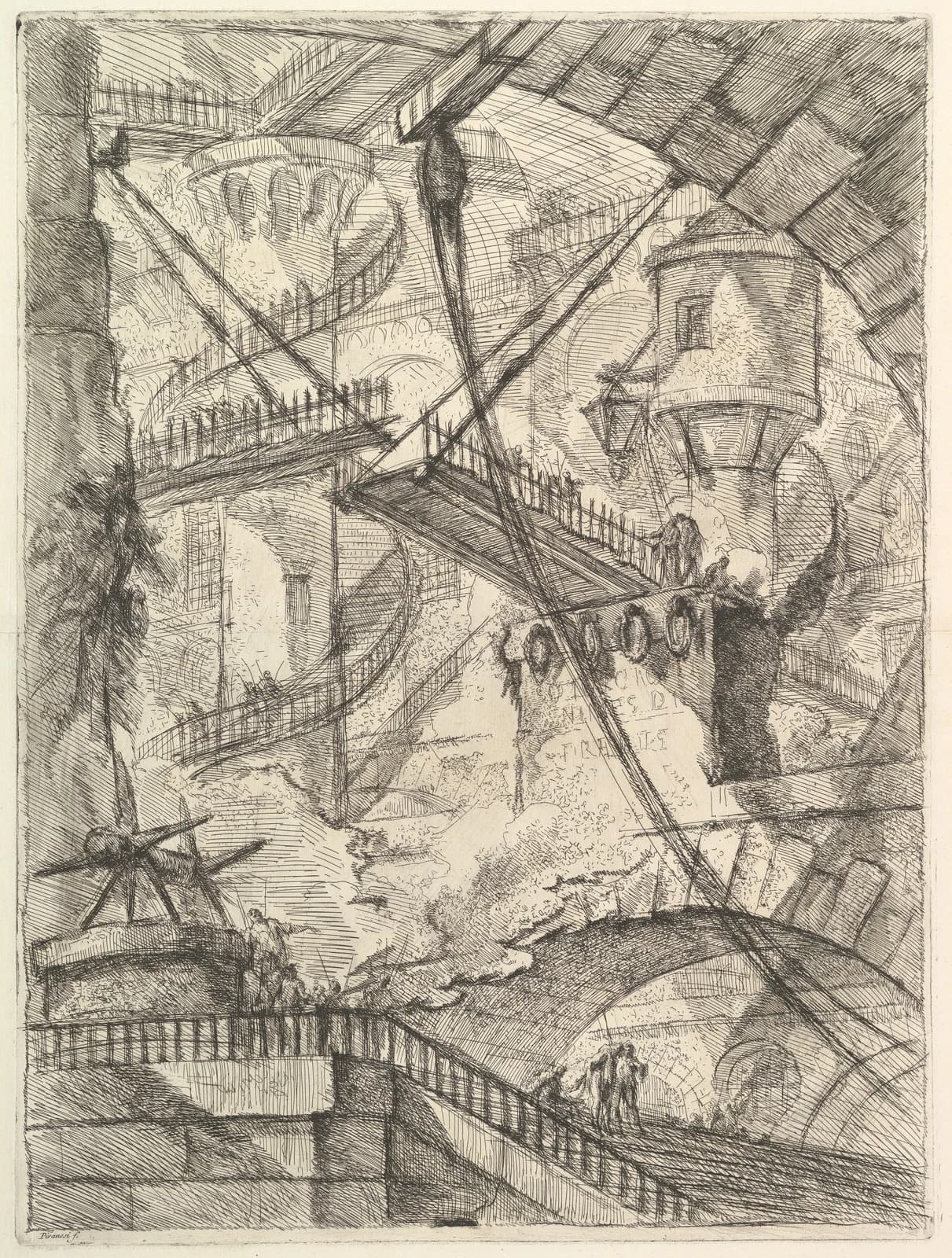
Piranesi’s imaginary prisons turn a sheet of paper into an impossible interior. They also teach a precise distinction between an image, a print and its state.
Read the noteDiscovery
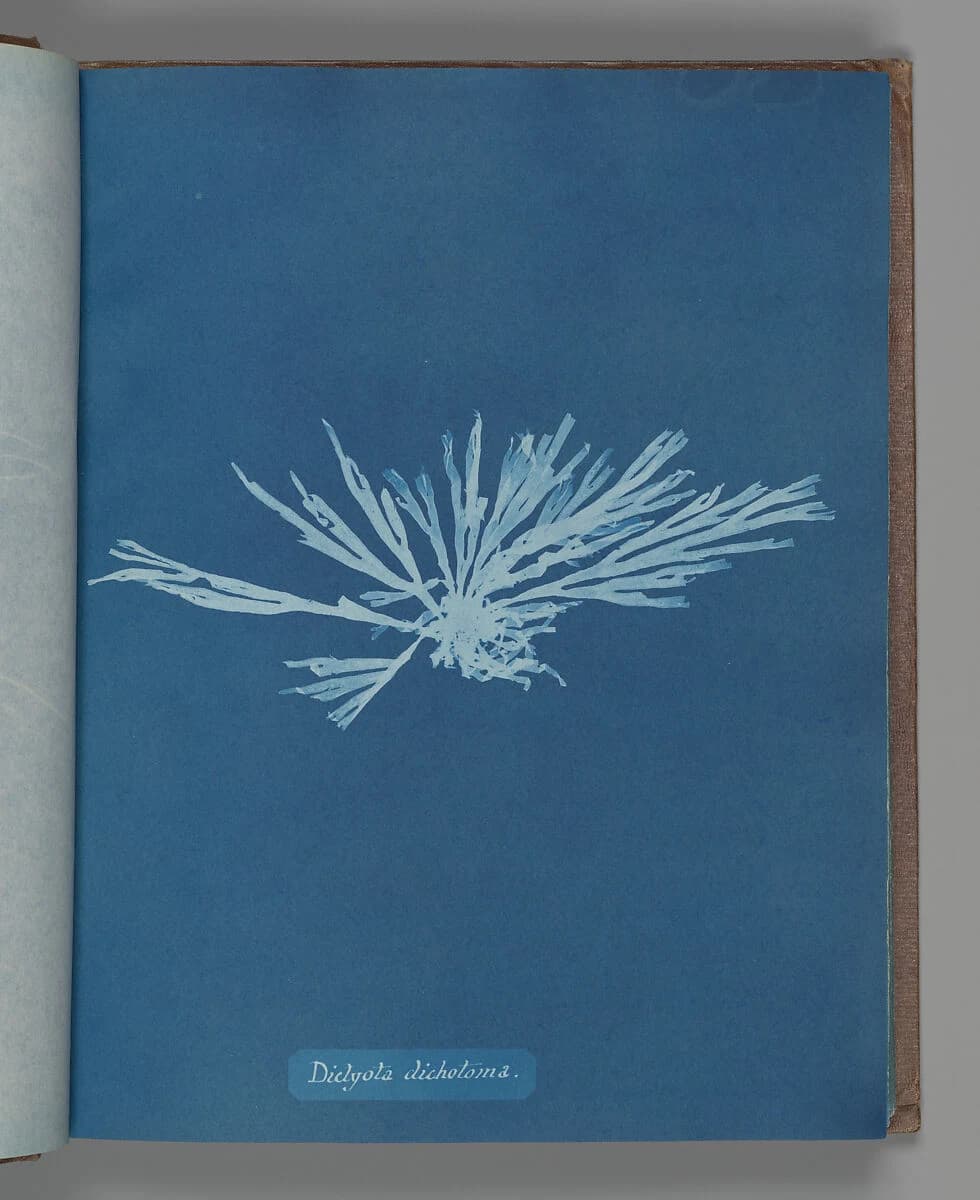
Anna Atkins made botanical evidence into an extraordinary blue book. Its most accessible value is still the way it teaches us to look.
Read the noteDiscovery
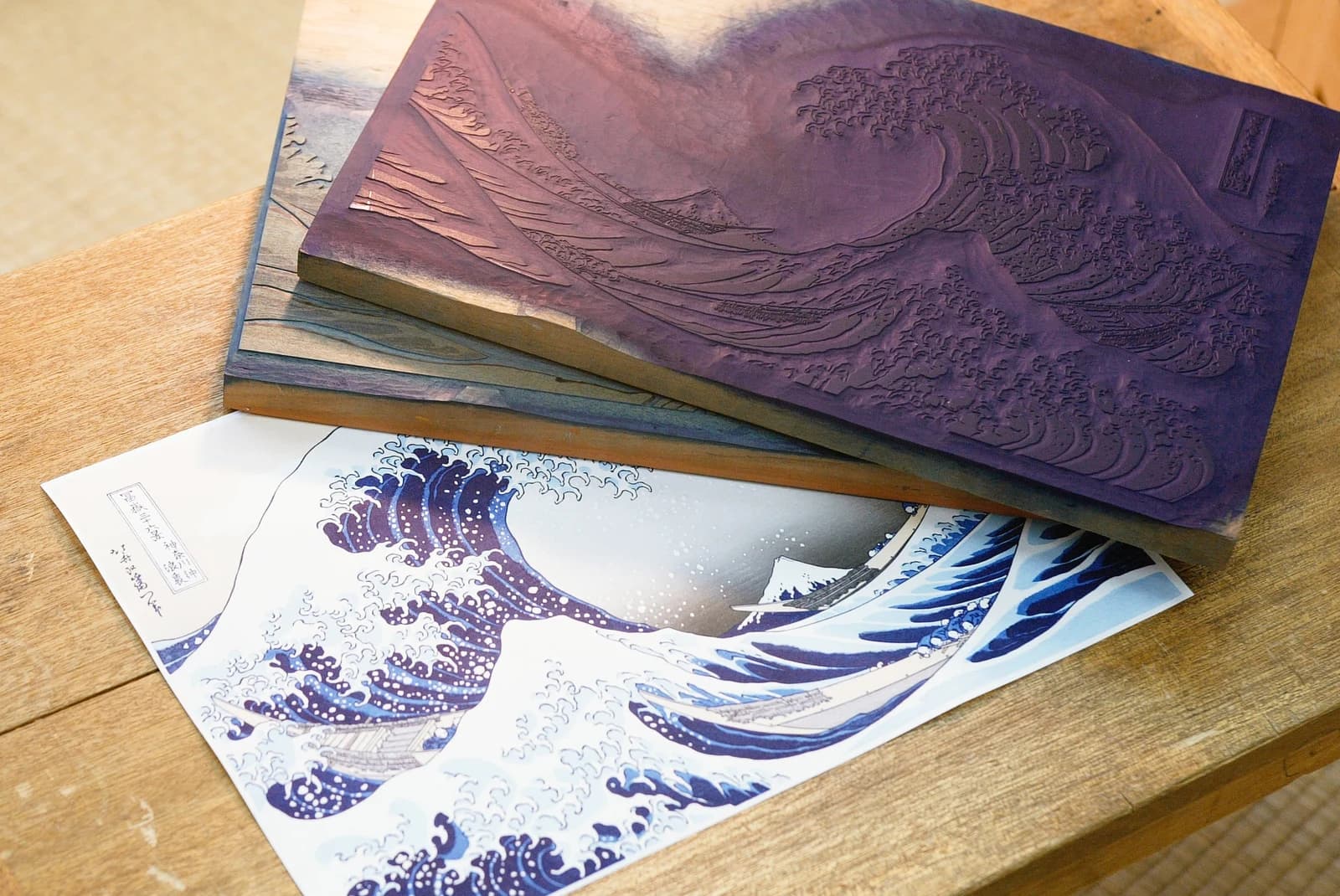
An Adachi reproduction of Hokusai’s Great Wave offers an honest route to owning the work of living carvers and printers, without pretending it is an Edo-period impression.
Read the noteDiscovery
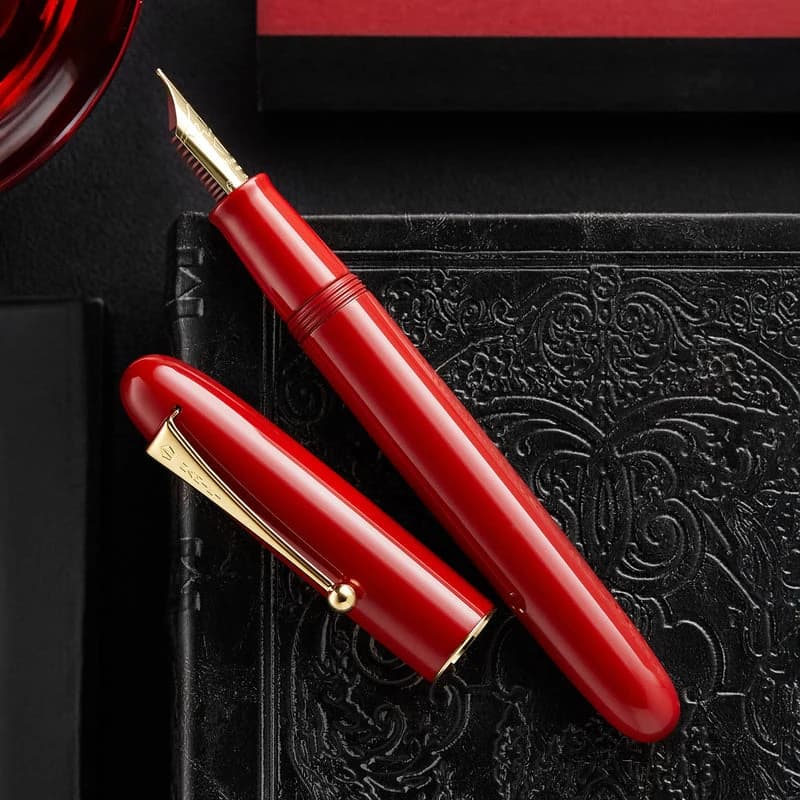
Namiki’s vermilion No.20 turns an everyday gesture into an encounter with Japanese lacquer.
Read the noteDiscovery
Real wheat, gold leaf and a mechanical musical movement make an unexpected contemporary automaton.
Read the noteDiscovery
A bronze smoothing plane earns its place through the surfaces it makes and the skill it invites.
Read the noteDiscovery
A handmade globe makes the familiar map strange again, without changing the planet.
Read the noteDiscovery
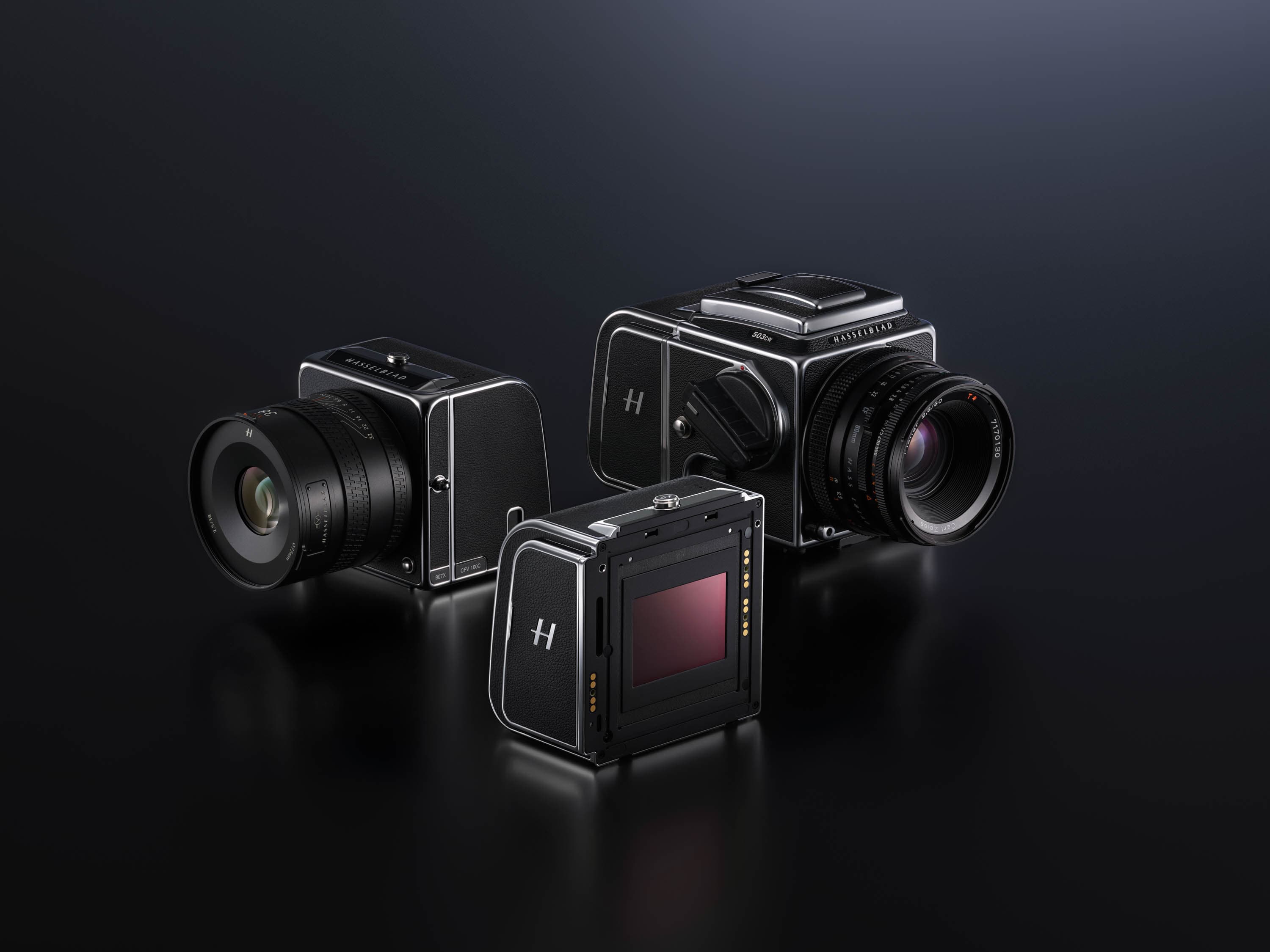
Hasselblad’s CFV 100C gives a classic V System camera a serious digital future without erasing what made it distinct.
Read the noteOn the calendar
Keiji Onihira’s small makie box makes a changing natural scene visible through layers of lacquer and metal powder.
Read the noteDiscovery
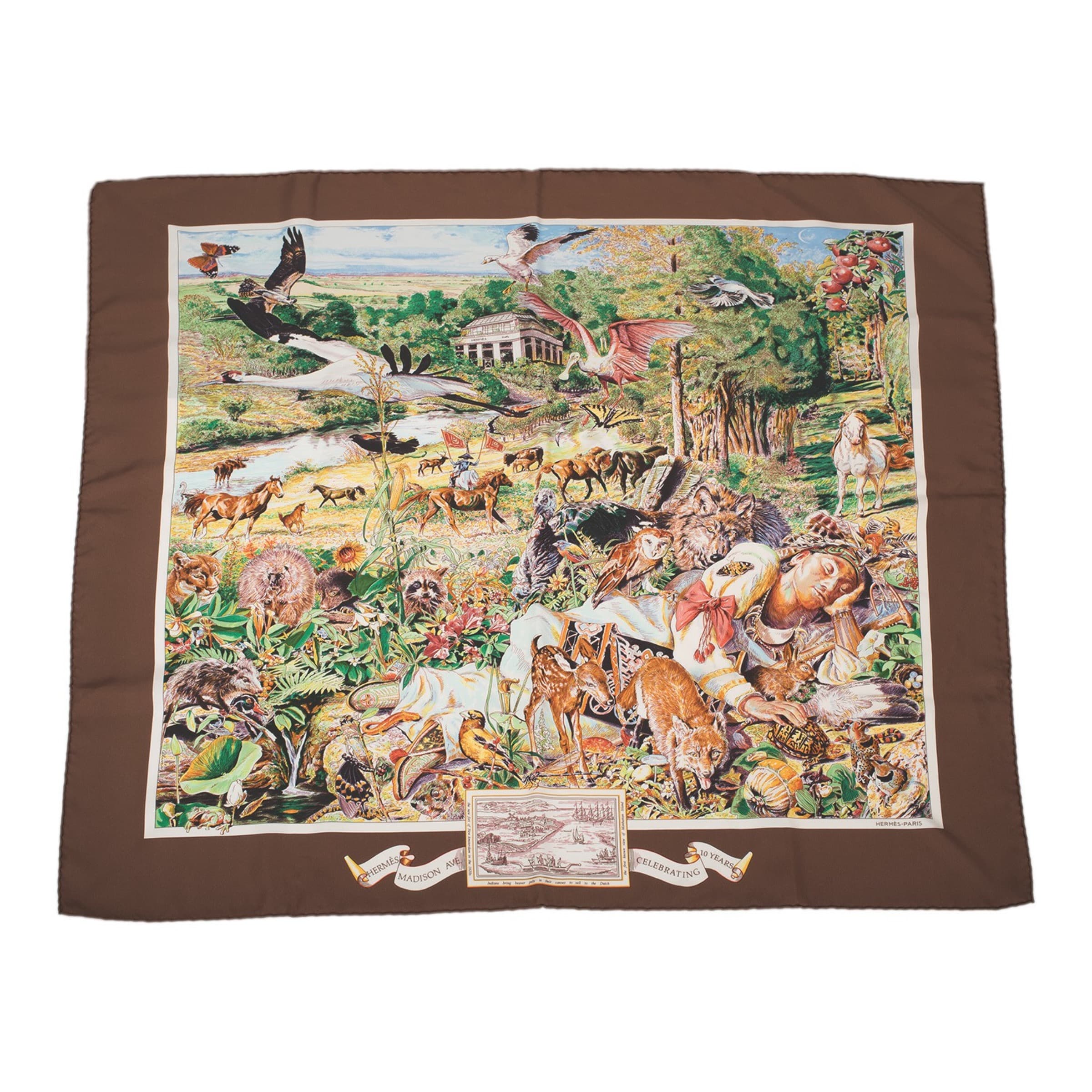
Kermit Oliver’s Madison Avenue scarf shows how an authored image can matter more than the familiar luxury name around it.
Read the noteDiscovery
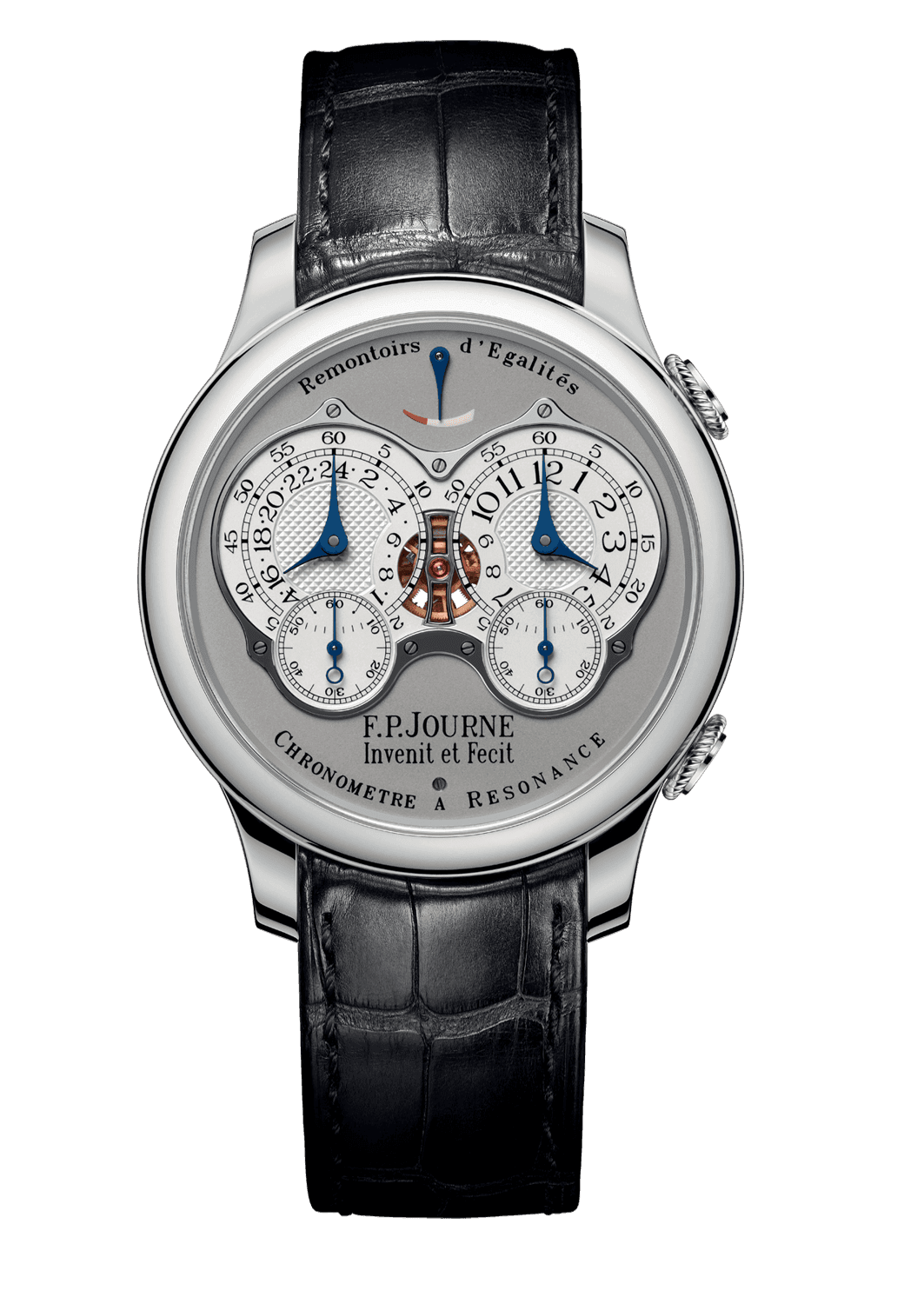
F.P. Journe’s current Chronomètre à Résonance turns the interaction between two regulators into the reason for the watch.
Read the noteDiscovery
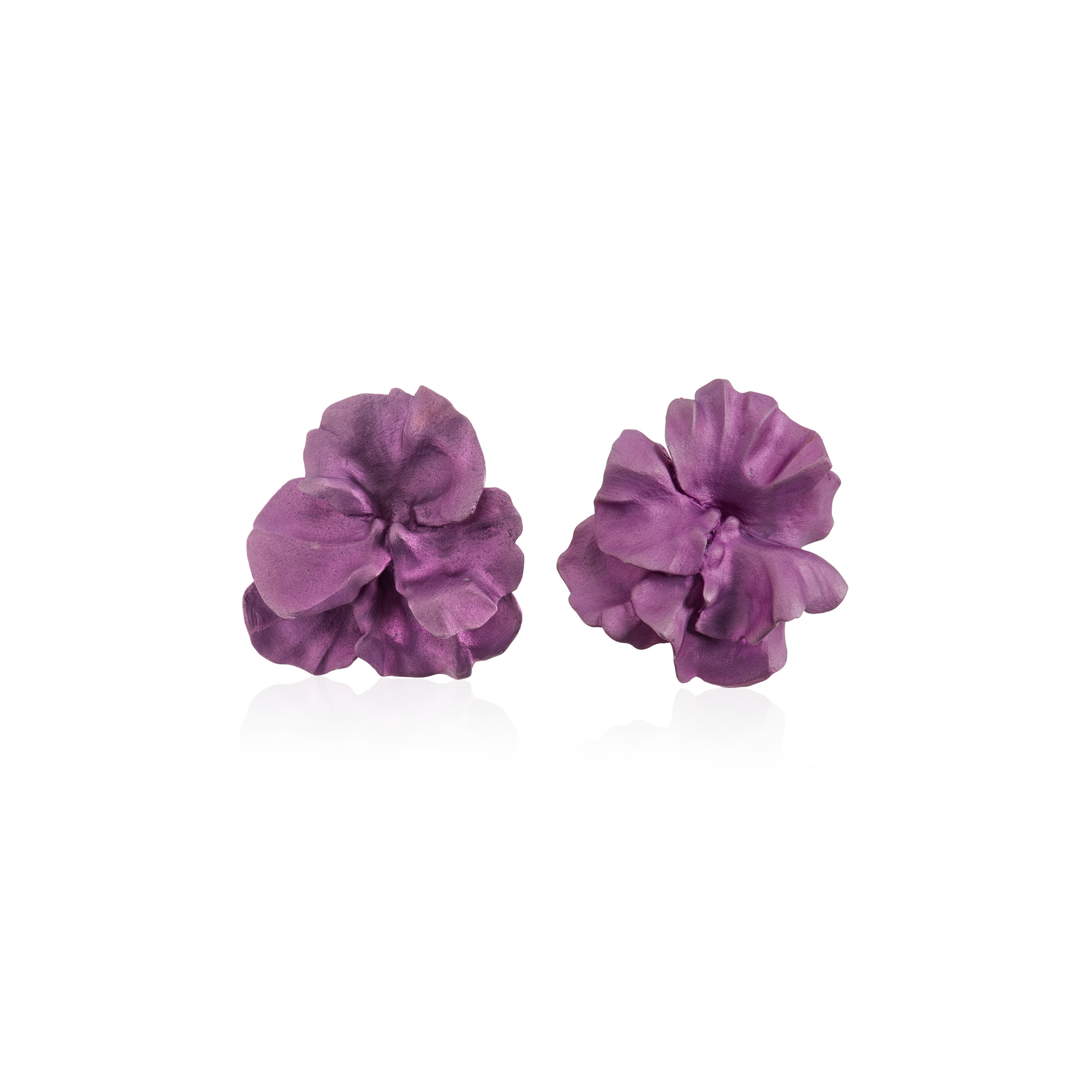
A pair of JAR earrings turns aluminium into a lesson about authorship, provenance and the limits of material value.
Read the noteDiscovery
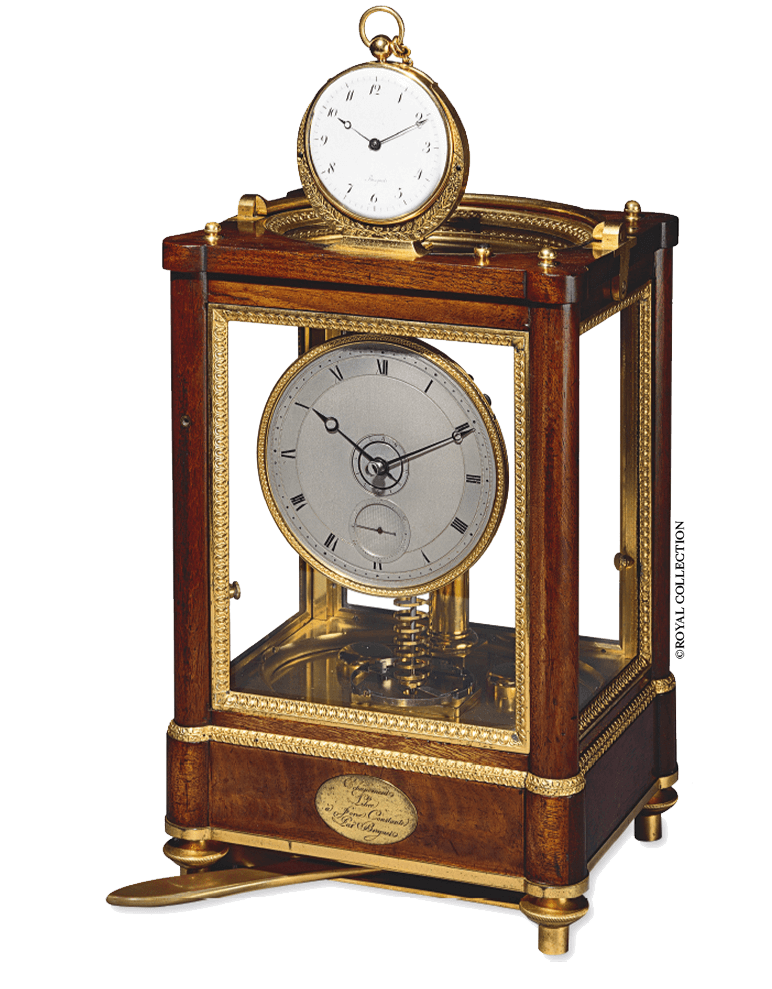
Breguet’s Sympathique paired a pocket watch with a clock that could correct its time mechanically.
Read the noteDiscovery
Ortelius’s 1570 atlas shows why an old map’s identity matters as much as its beauty.
Read the noteDiscovery
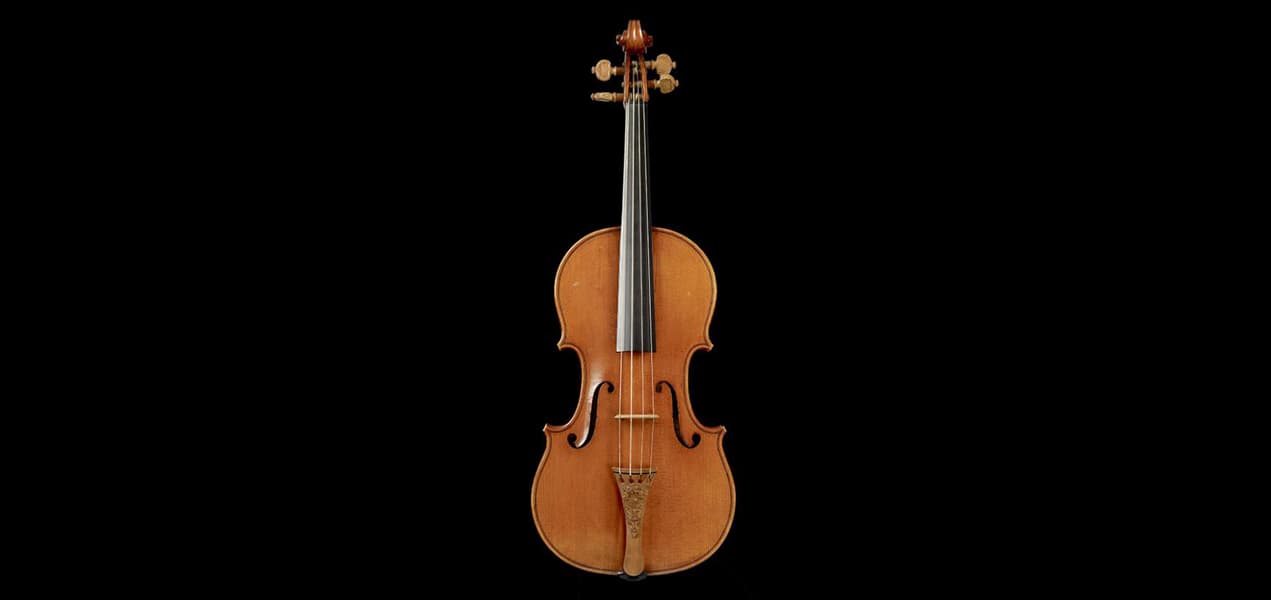
The Messiah’s extraordinary condition makes it a witness to its maker, without settling which violin sounds best.
Read the noteDiscovery
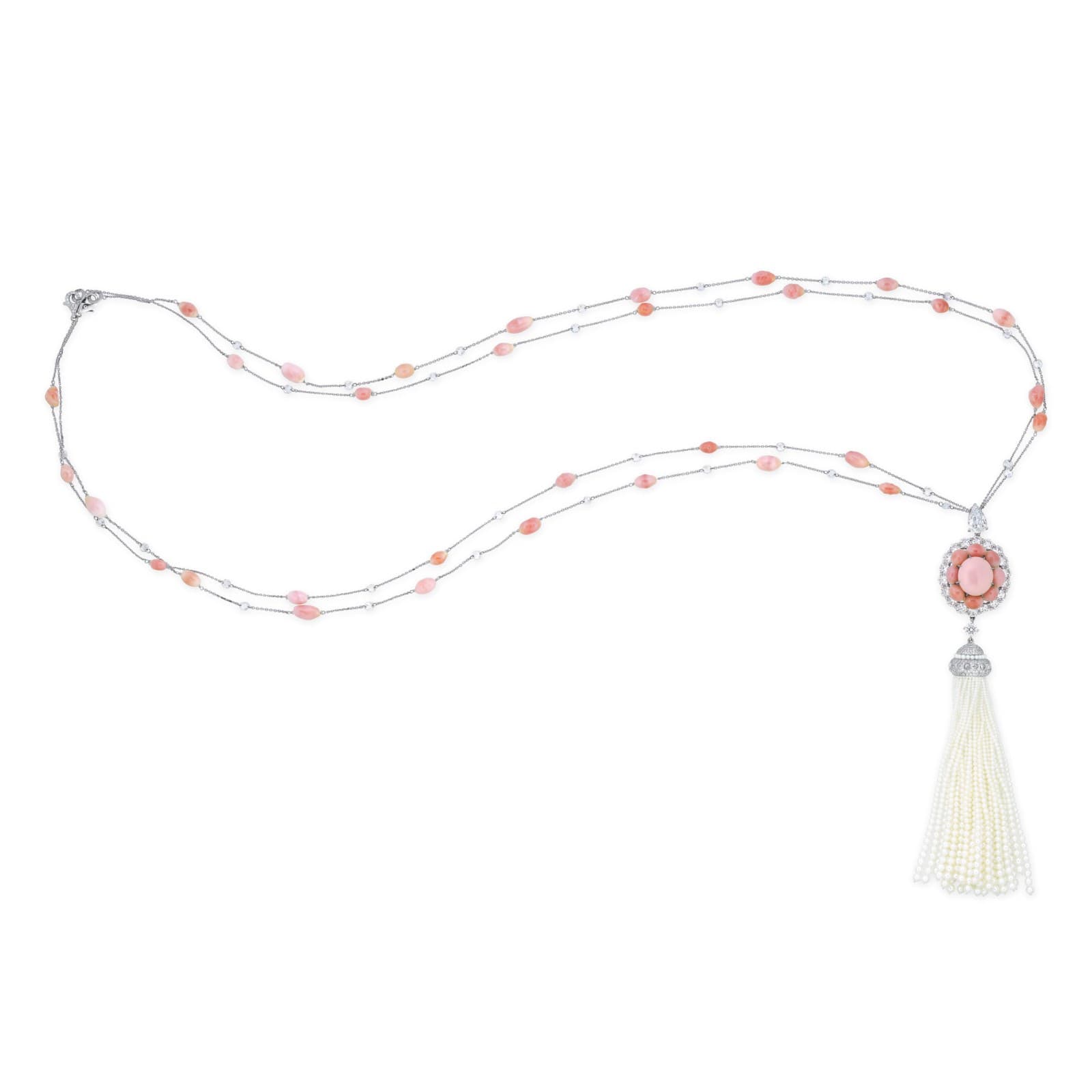
A conch pearl can carry a silky pattern that looks like fire beneath porcelain. The closer lesson is why beauty still needs a laboratory.
Read the noteDiscovery
The 2000GT changed what a Japanese sports car could mean. Its WHV case combines a small production run, technical ambition and an unusual route back to genuine parts.
Read the noteDiscovery
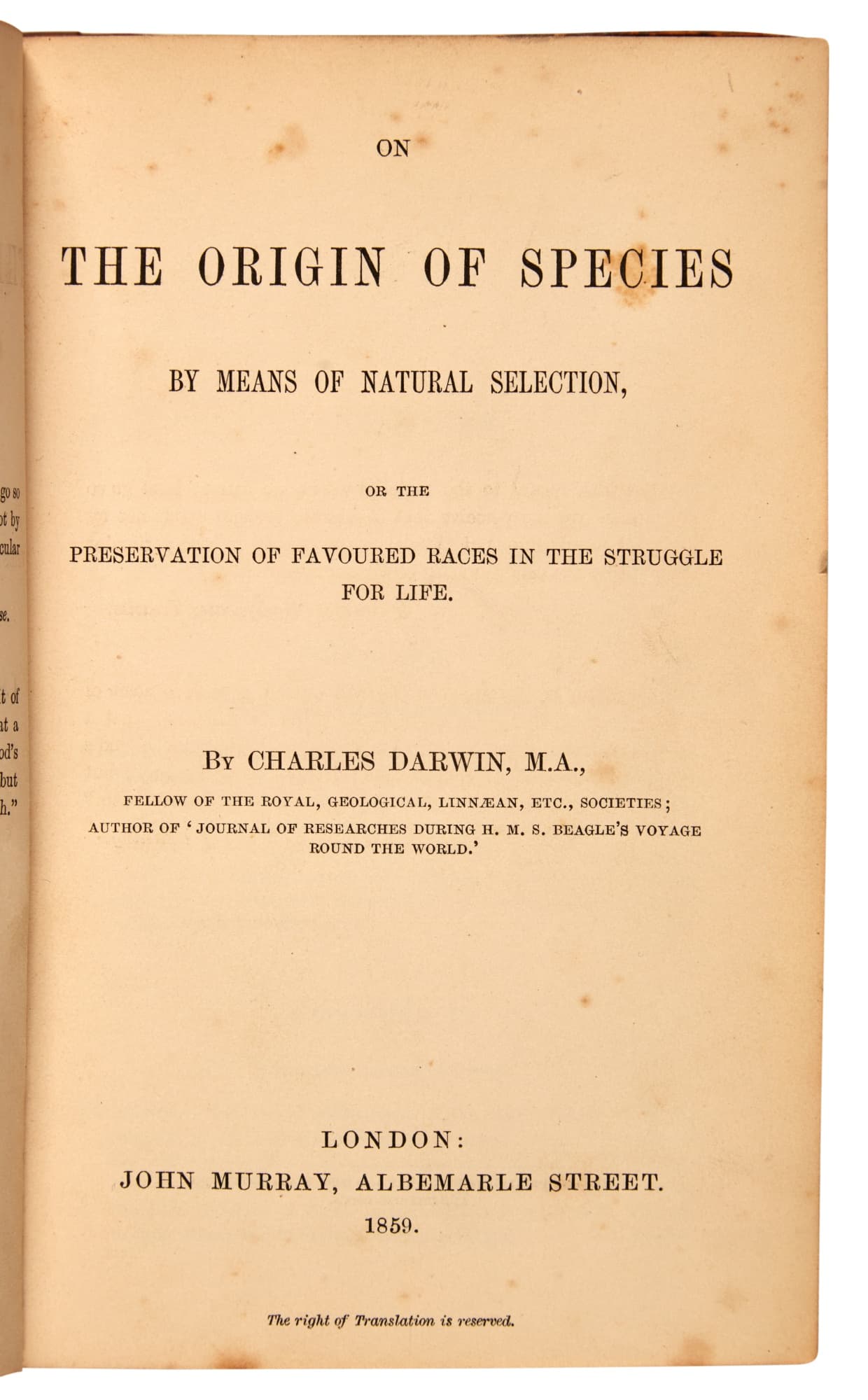
Darwin’s Origin of Species appeared in 1859. So did copies that are not the first edition. The book teaches us how bibliographic evidence works.
Read the noteDiscovery
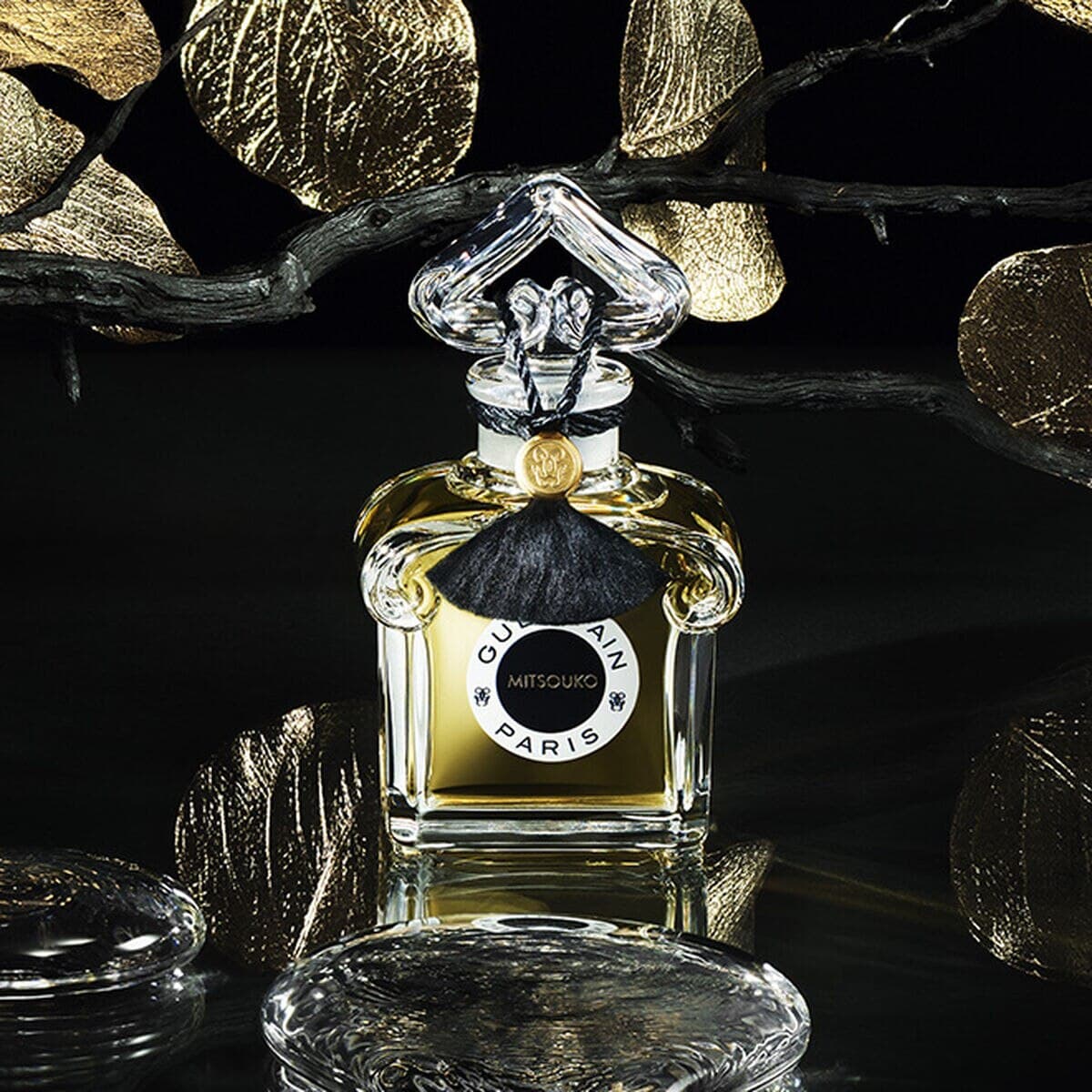
Guerlain’s Mitsouko began in 1919 and now exists through new bottles, materials and interpretations. Continuity in perfume is never as simple as an old name.
Read the noteDiscovery
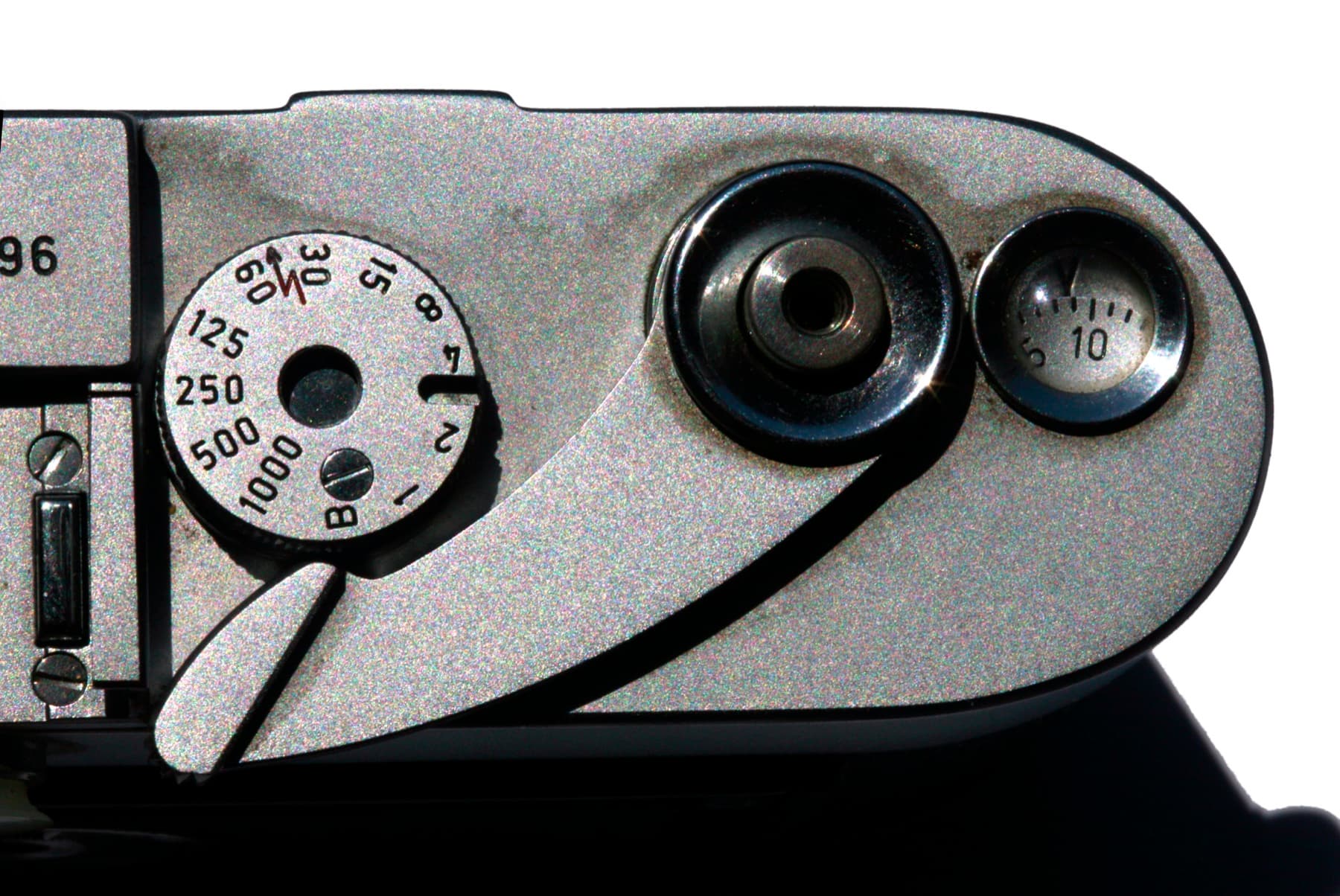
The Leica M3 arrived in 1954 with a new bayonet mount and rangefinder system. Its lasting importance lives in a working ecosystem, not a shelf.
Read the noteDiscovery
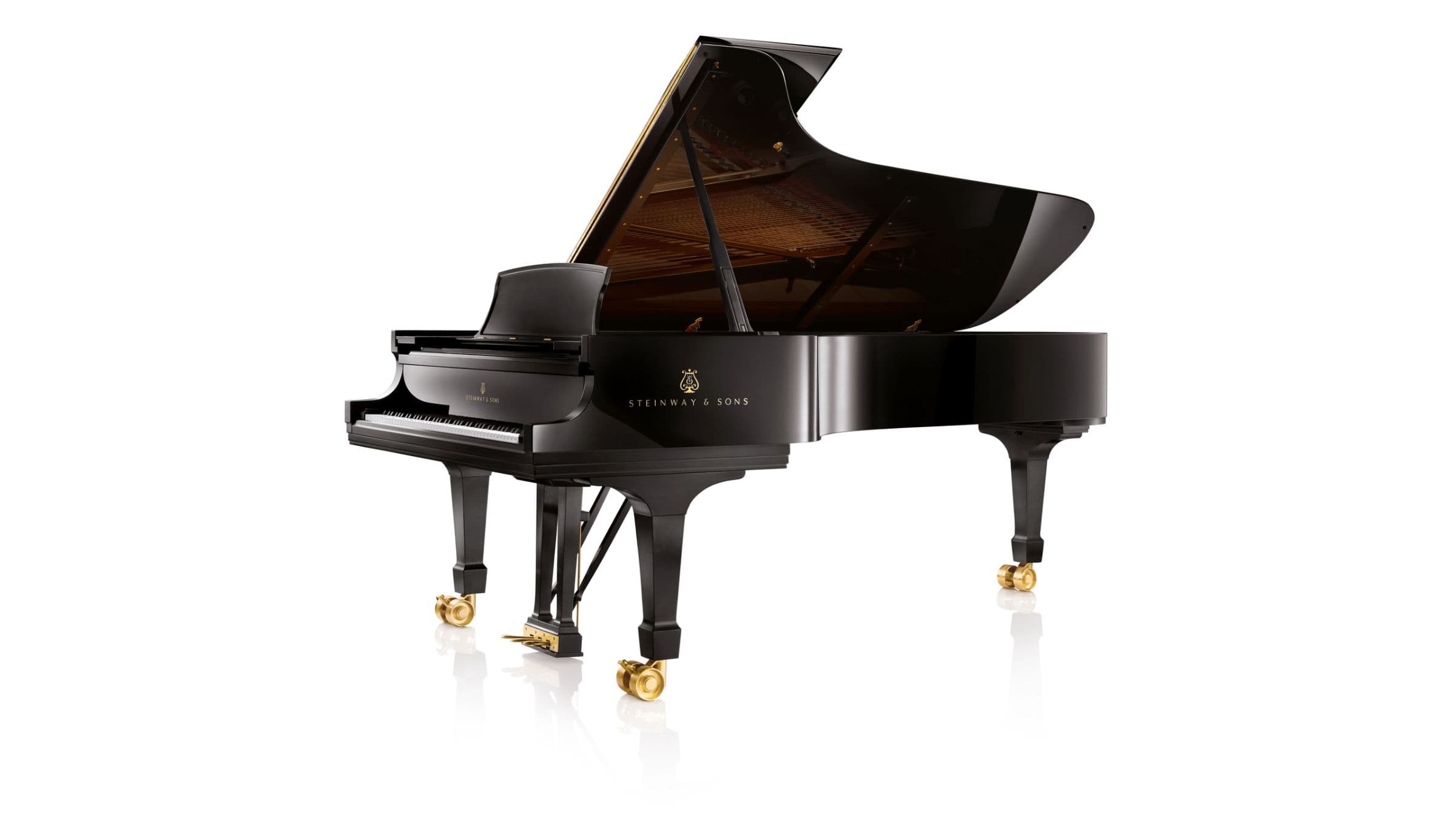
A Steinway Model D may dominate a room, but its value is decided at the keyboard, inside the action and through the care that keeps it responsive.
Read the noteDiscovery
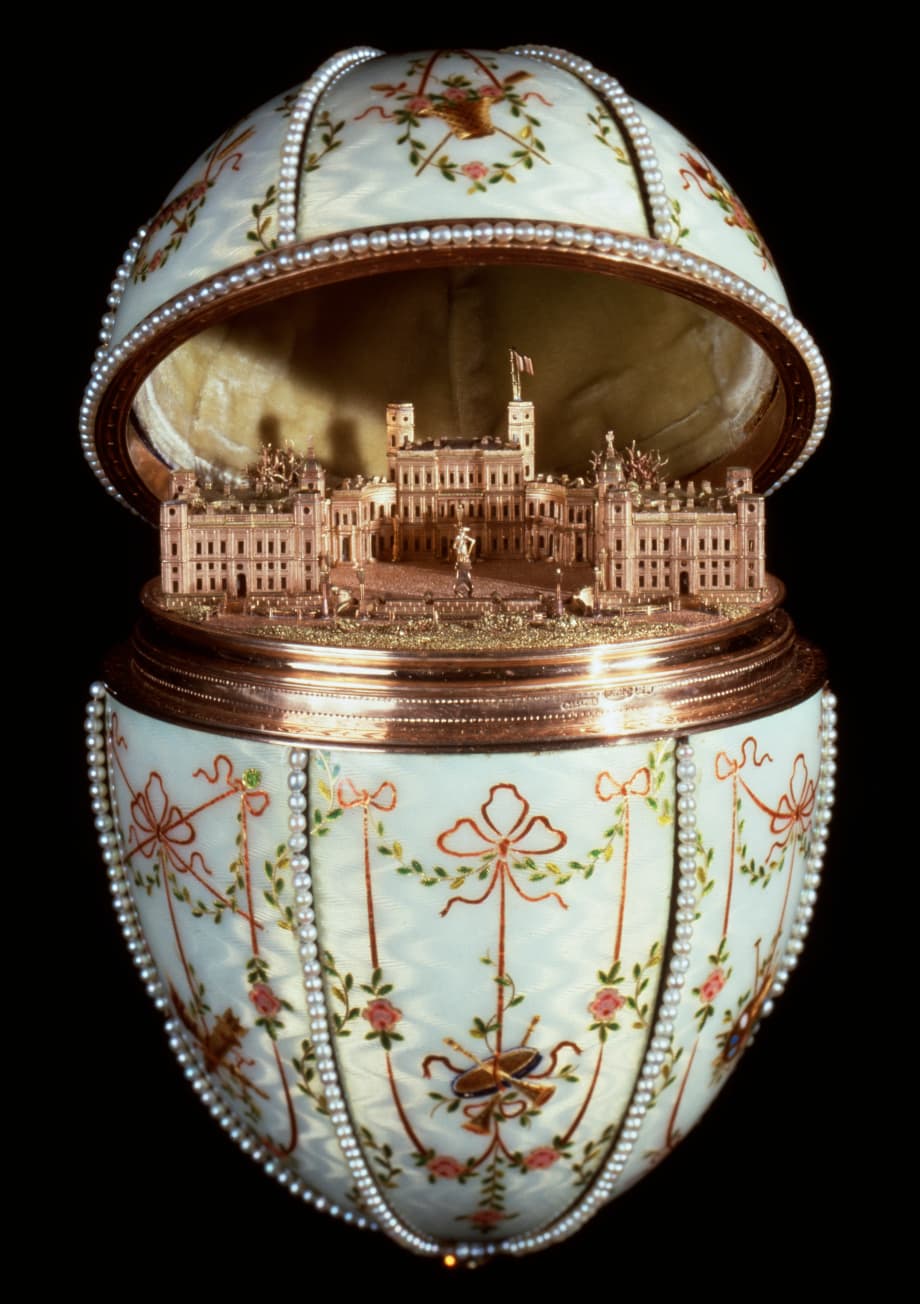
A gold palace, down to its cannons and trees, inside an egg just 12.7 centimetres high. What makes this Fabergé more than its precious materials?
Read the noteDiscovery
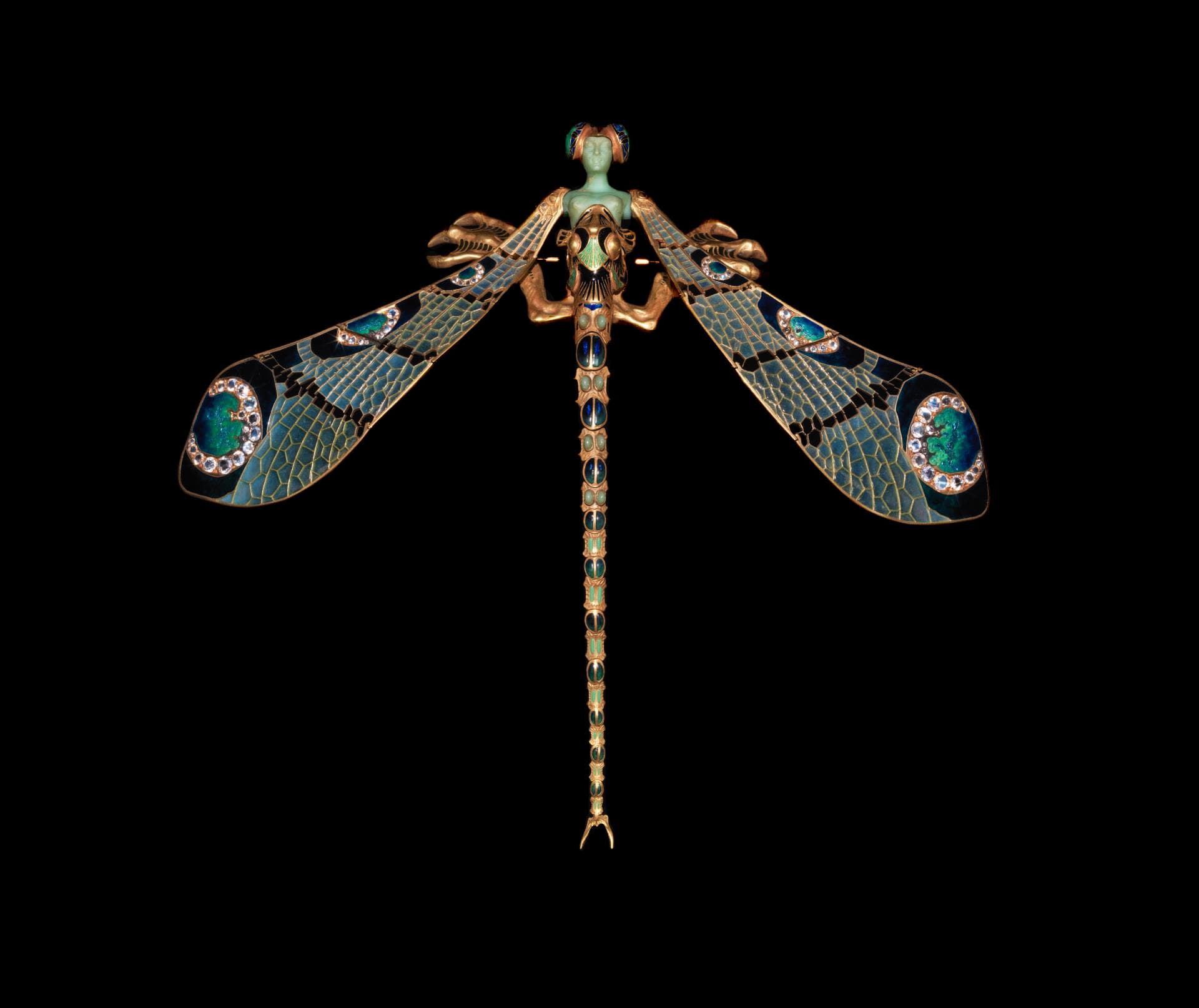
René Lalique’s dragonfly-woman makes a jewel feel closer to a small, unsettling work of theatre than a display of precious stones.
Read the noteDiscovery
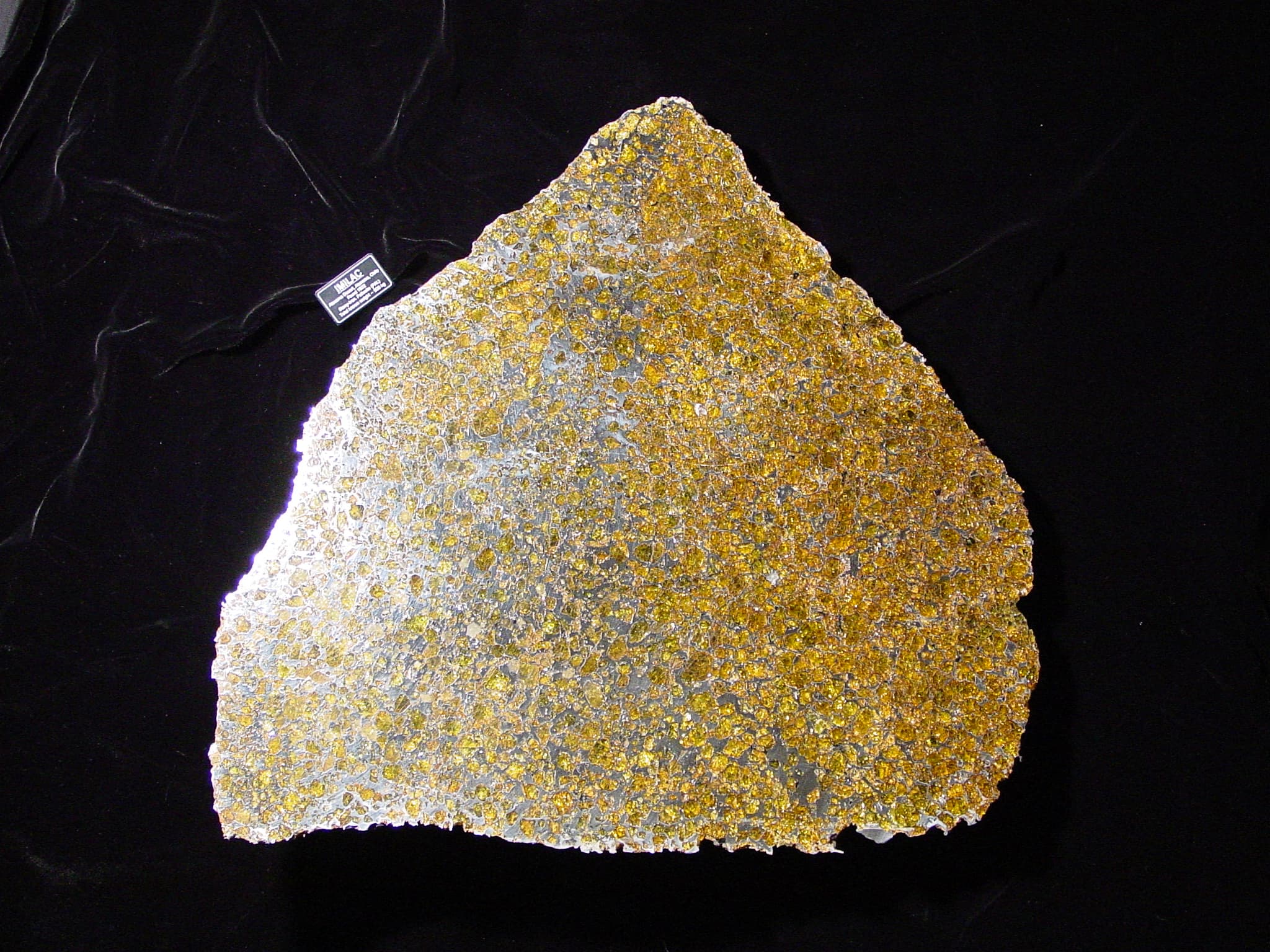
Olivine crystals suspended in metal: the Imilac meteorite makes deep time visible at the scale of an object.
Read the note