DISCOVERY / Furniture & Material Intelligence
Two pieces. One quietly radical stool.
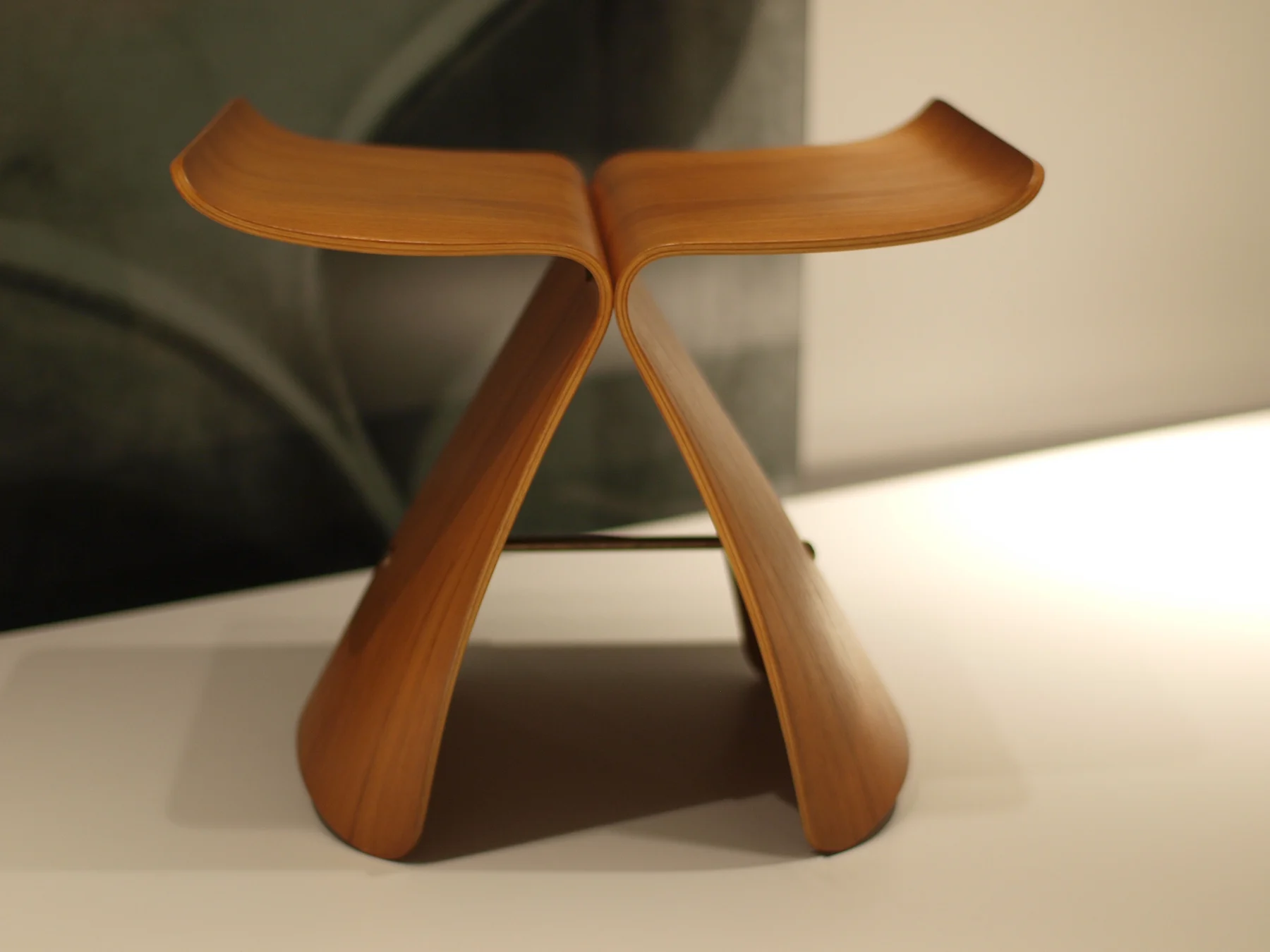
Sori Yanagi’s Butterfly Stool finds its character in two matching pieces of moulded plywood. Its lasting interest is how little is needed to make the idea complete.
Published 27 October 2026 · WHV · Public-source editorial note
The Butterfly Stool seems to open rather than stand. Its seat rises at either side, while two curved surfaces descend to the floor. There is no separate frame to explain away. The same pieces that carry a person also give the object its unmistakable outline.
A repeated part with two jobs
Sori Yanagi developed the design in the 1950s. The Met dates the design to 1954, while Japan’s design resource database records its public introduction in 1956. Tendo makes the stool from two matching moulded-plywood elements, joined with metal fittings. Repetition is not hidden. It is the central idea, turning a manufacturing decision into a distinctive piece of furniture.
What holds value is the correspondence between form, material and work. A small stool can communicate how it is made and still offer a sculptural presence when nobody is sitting on it. Continuing production lets someone encounter that argument through an ordinary purchase, rather than needing access to an early museum example. The age of the design and the age of an individual stool remain different facts.
Buy the construction, not the legend
Try the seat height and footprint before buying. For a used example, inspect the plywood edges, veneer, fittings and any repairs, and ask for manufacturing or purchase records. Compare it with the current maker’s specification. A familiar silhouette alone establishes neither authenticity nor condition, and museum recognition does not establish the resale prospects of the stool in front of you.
Source and context.
Japan Design Resource Database: Butterfly Stool and Tendo’s production account ↗
The Met: Butterfly Stool, designed 1954, this example manufactured 1987 ↗
Tendo: current Butterfly Stool product page ↗
The museum example dates from 1987, not the design’s first production. Neither the archival photograph nor the design’s reputation authenticates a stool offered for sale.
Source checked 27 October 2026. WHV interpretation is distinct from the source’s account.
Explore Furniture & Material IntelligenceFOLLOW YOUR CURIOSITY
Where this leads.
Different subjects. A reason to connect them.
Continue the idea
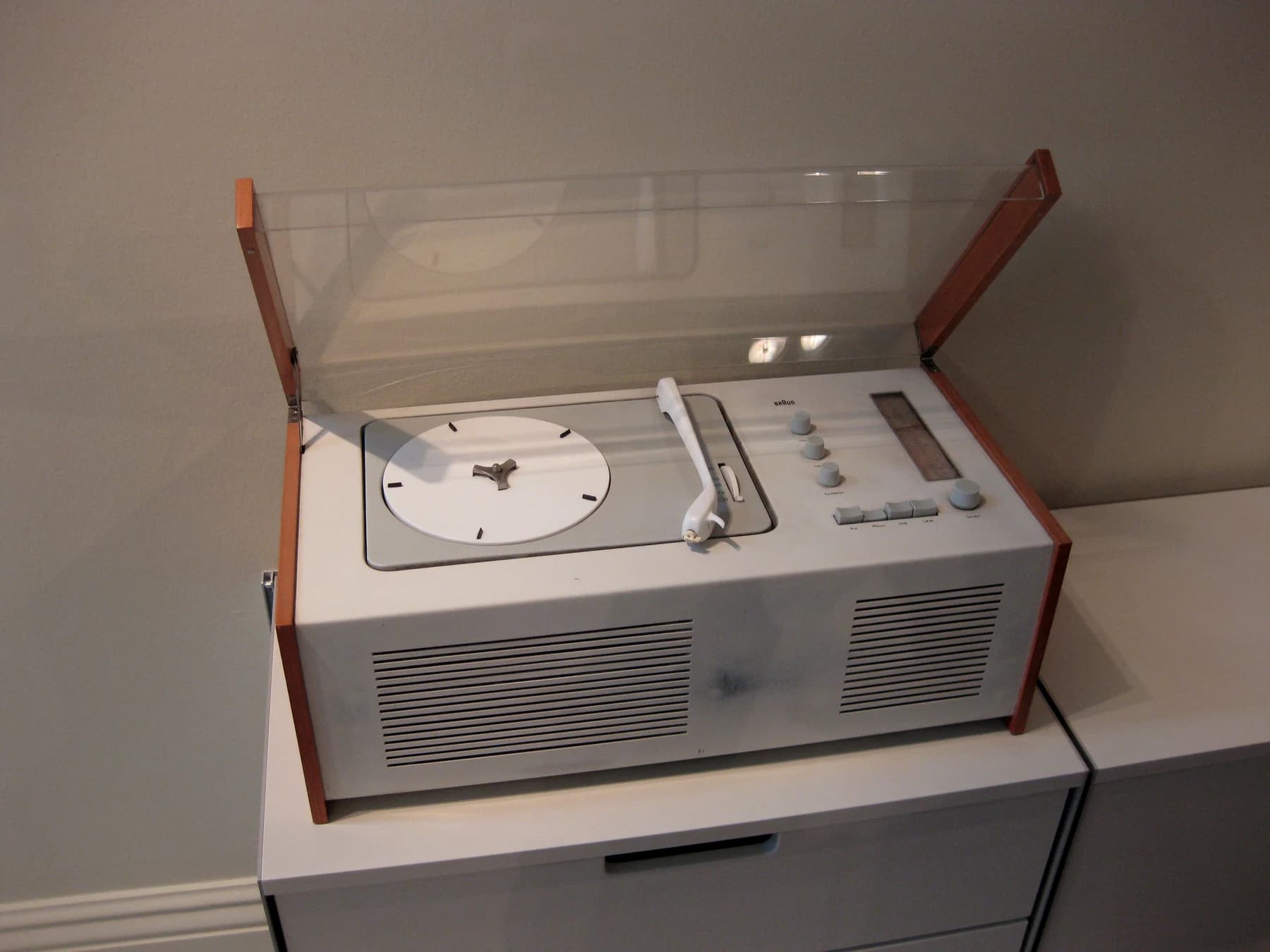
The machine that stopped hiding.
Stay with post-war design that lets construction and the arrangement of parts explain the object.
Industrial Design & Domestic Audio
Read the story
Across the WHV world
A laptop with a next chapter.
Move from two repeated furniture parts to a computer whose separate components can have different working lives.
Repairable Technology & Useful Lifespans
Read the story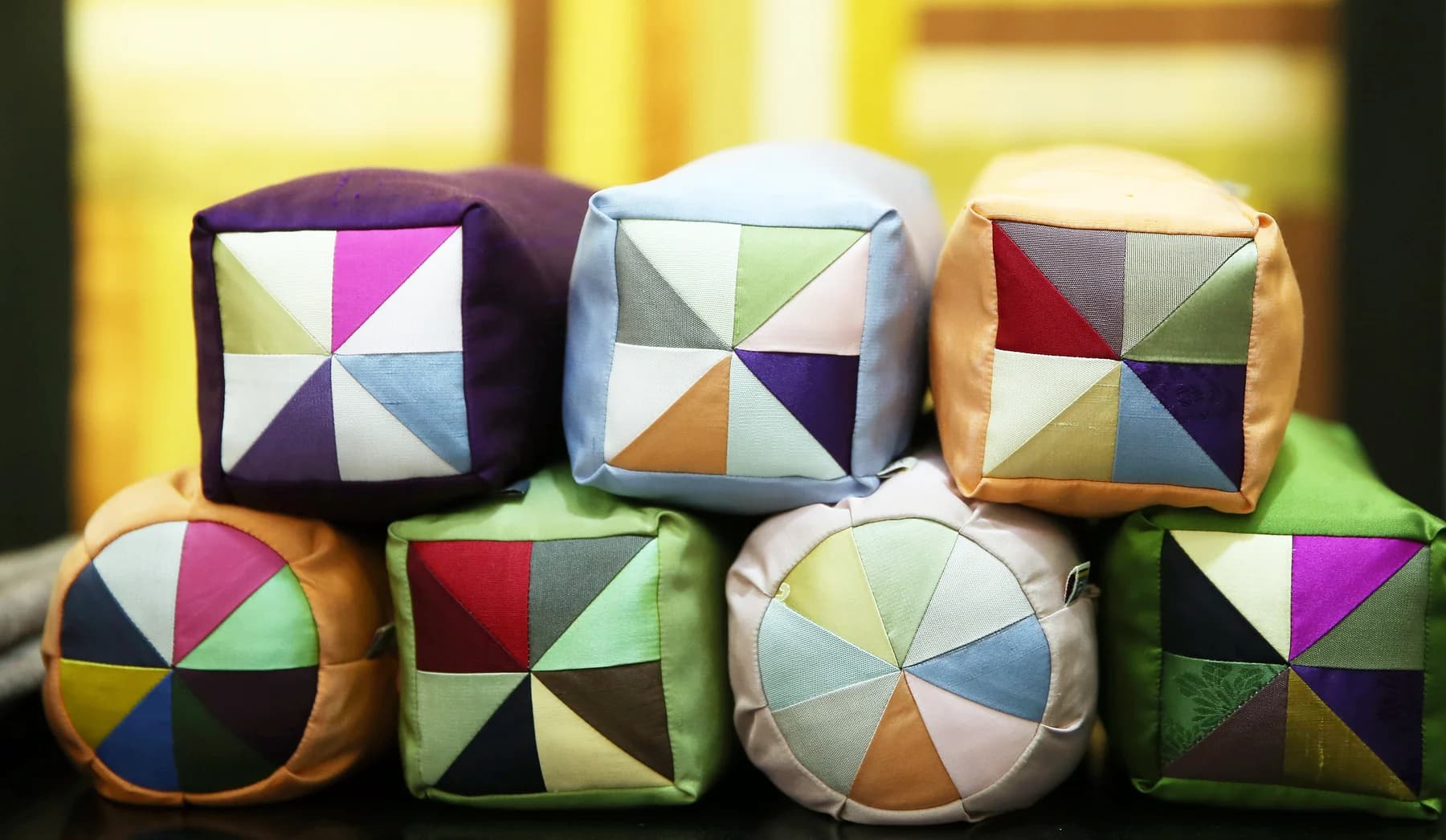
An unexpected connection
The pieces become the composition.
Another kind of assembly makes the relationship between individual pieces part of the finished object’s beauty.
Korean Textile Art & Everyday Use
Read the story