DISCOVERY / Korean Textile Art & Everyday Use
The pieces become the composition.
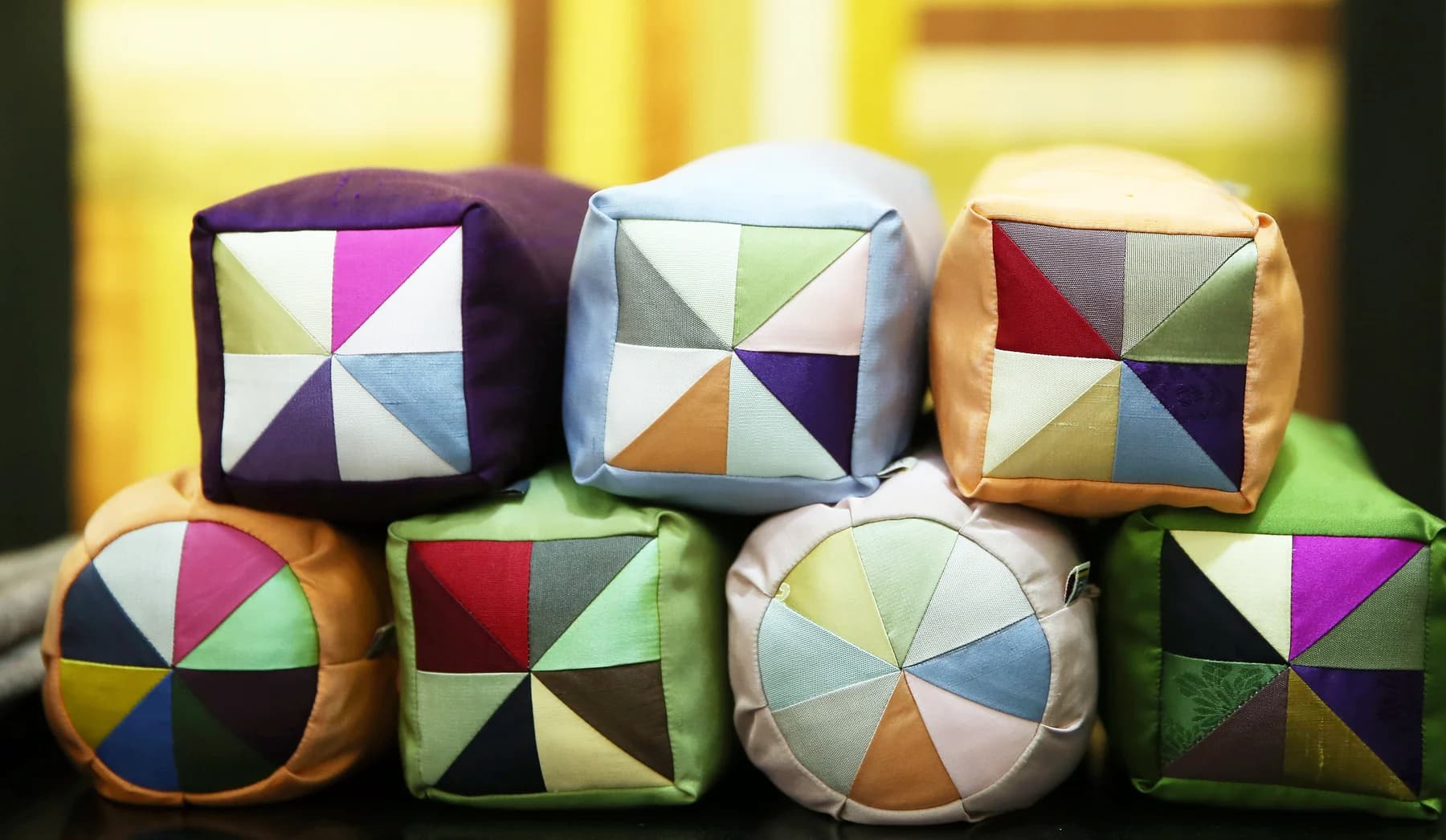
Jogakbo turns joined pieces of cloth into a deliberate arrangement of colour and seams. Kang Keum Seong’s documented work shows how that language can enter everyday objects.
Published 27 October 2026 · WHV · Public-source editorial note
The joining lines are not something to disguise. In jogakbo, pieces of cloth become a composition through their proportions, colours and seams. A practical way of working with fabric can produce a surface that rewards the same close attention often reserved for a painting.
The seam belongs in the picture
Bojagi is a broader term for Korean wrapping cloths. Jogakbo identifies patchwork, rather than every embroidered or decorated example. A 2015 Korea.net report documents designer Kang Keum Seong of ViiN Collection applying that inherited language to bedding, scarves and other everyday textiles. The archival photographs record that body of work, not a current collection or a live sales offer.
What holds value is the move between material economy and intentional design. Small pieces need not remain leftovers when the arrangement gives them a new role. Museum examples provide historical context, but the idea is not confined to collecting old cloth. Contemporary makers can continue it through objects that are worn, used and cared for, with their own authorship clearly recognised.
Look at how the pieces meet
Examine the construction as well as the colours. Ask who made a piece, which fibres it contains, how the seams are finished and what care it needs. Distinguish handwork, machine sewing and printed imitation without assuming that appearance settles the question. The historical report is a starting point for learning, not verification that a particular workshop still trades or that any textile offered under the name is authentic.
Source and context.
Korea.net: Kang Keum Seong, ViiN Collection and jogakbo, January 2015 ↗
Asian Art Museum: nineteenth-century patchwork wrapping cloth, 2004.94 ↗
Cleveland Museum of Art: Korean textile makers and wrapping cloth traditions ↗
The ViiN Collection material is documented in 2015 and is not presented as current stock. Bojagi and jogakbo are not interchangeable terms, and a patchwork appearance alone does not establish handwork or provenance.
Source checked 27 October 2026. WHV interpretation is distinct from the source’s account.
Explore Korean Textile Art & Everyday UseFOLLOW YOUR CURIOSITY
Where this leads.
Different subjects. A reason to connect them.
Continue the idea
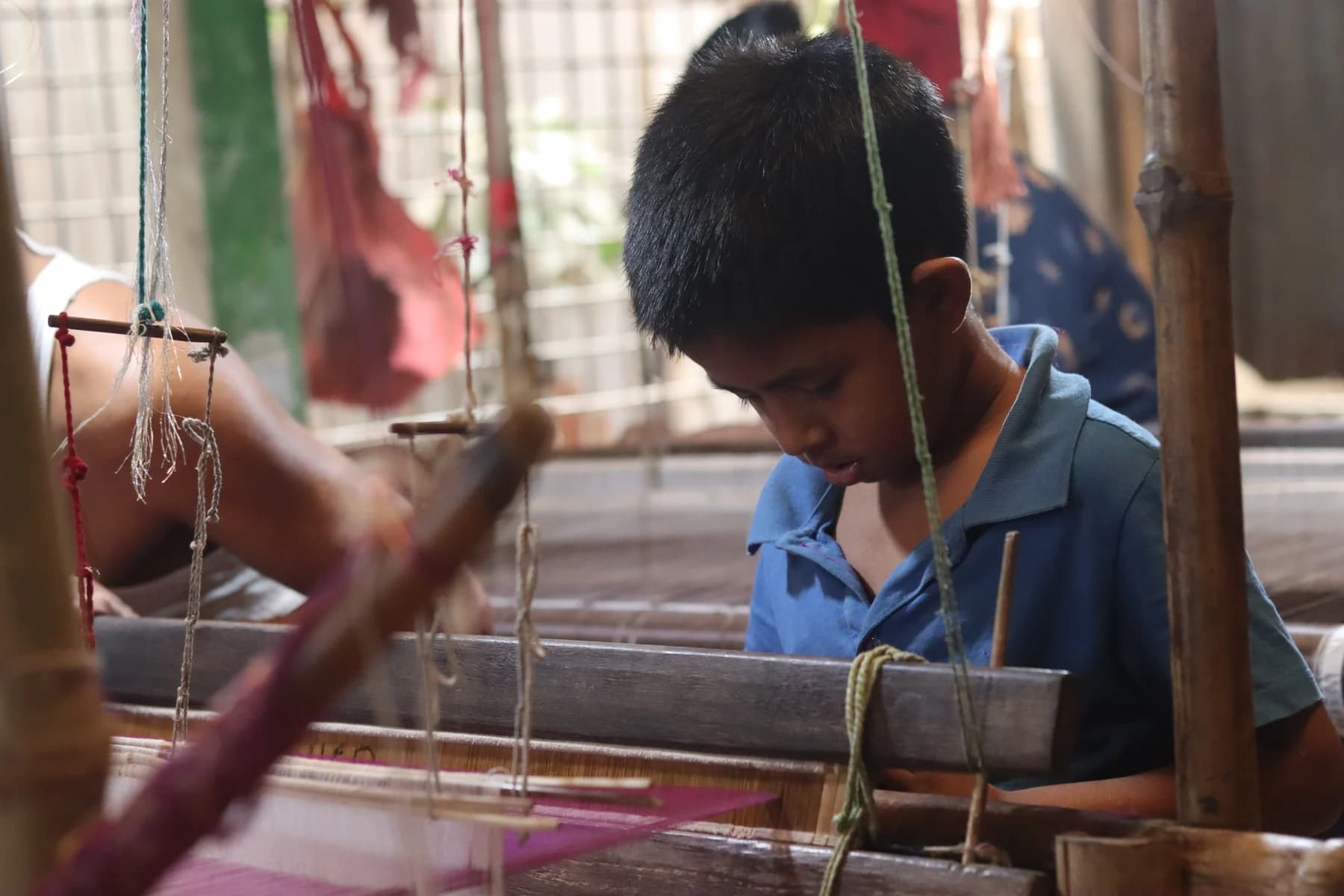
The pattern is part of the cloth.
Compare assembled patchwork with motifs introduced directly into cloth during weaving.
Handwoven Textiles & Living Knowledge
Read the story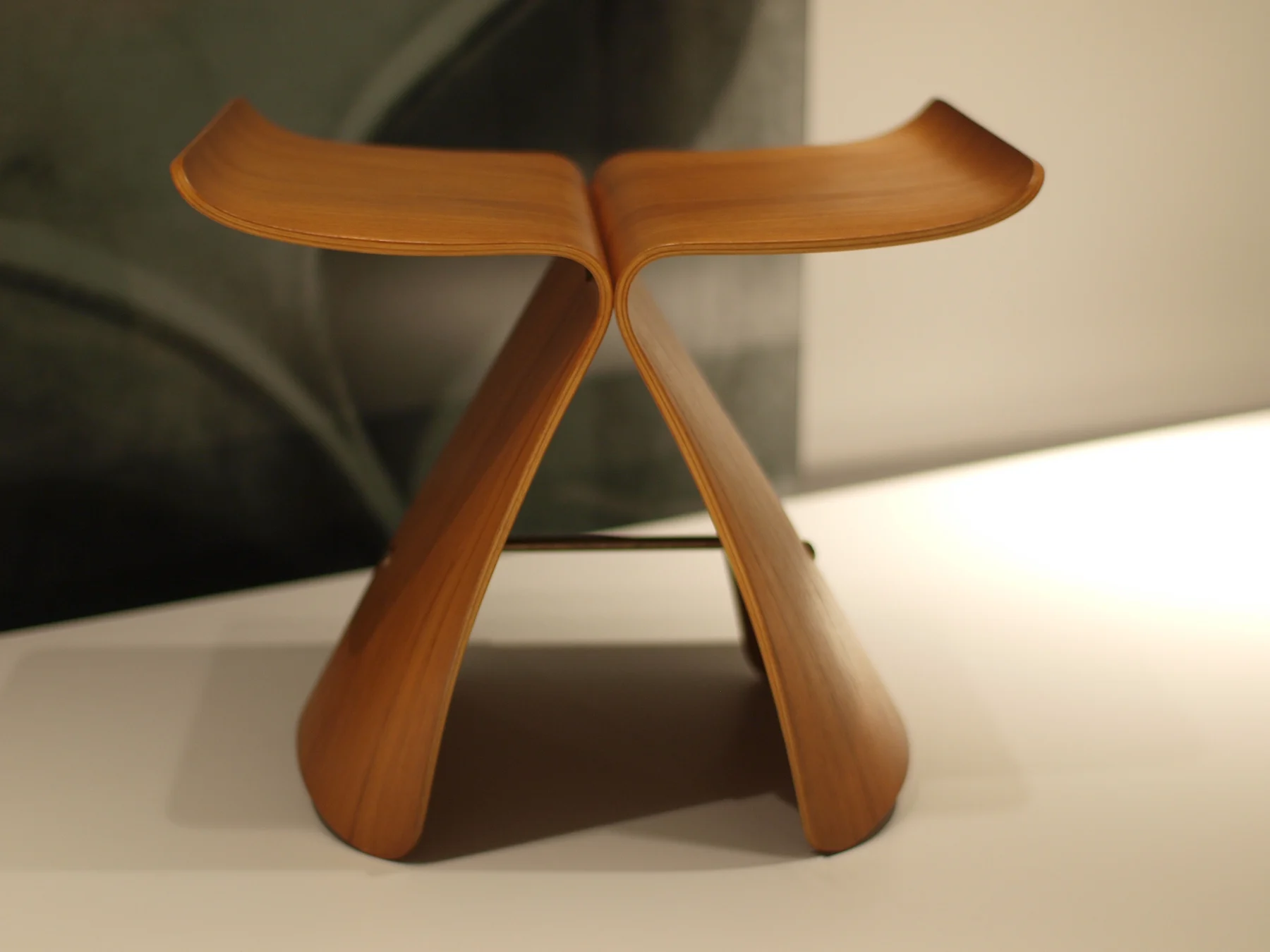
Across the WHV world
Two pieces. One quietly radical stool.
A stool demonstrates another way of turning the relationship between parts into a recognisable form.
Furniture & Material Intelligence
Read the story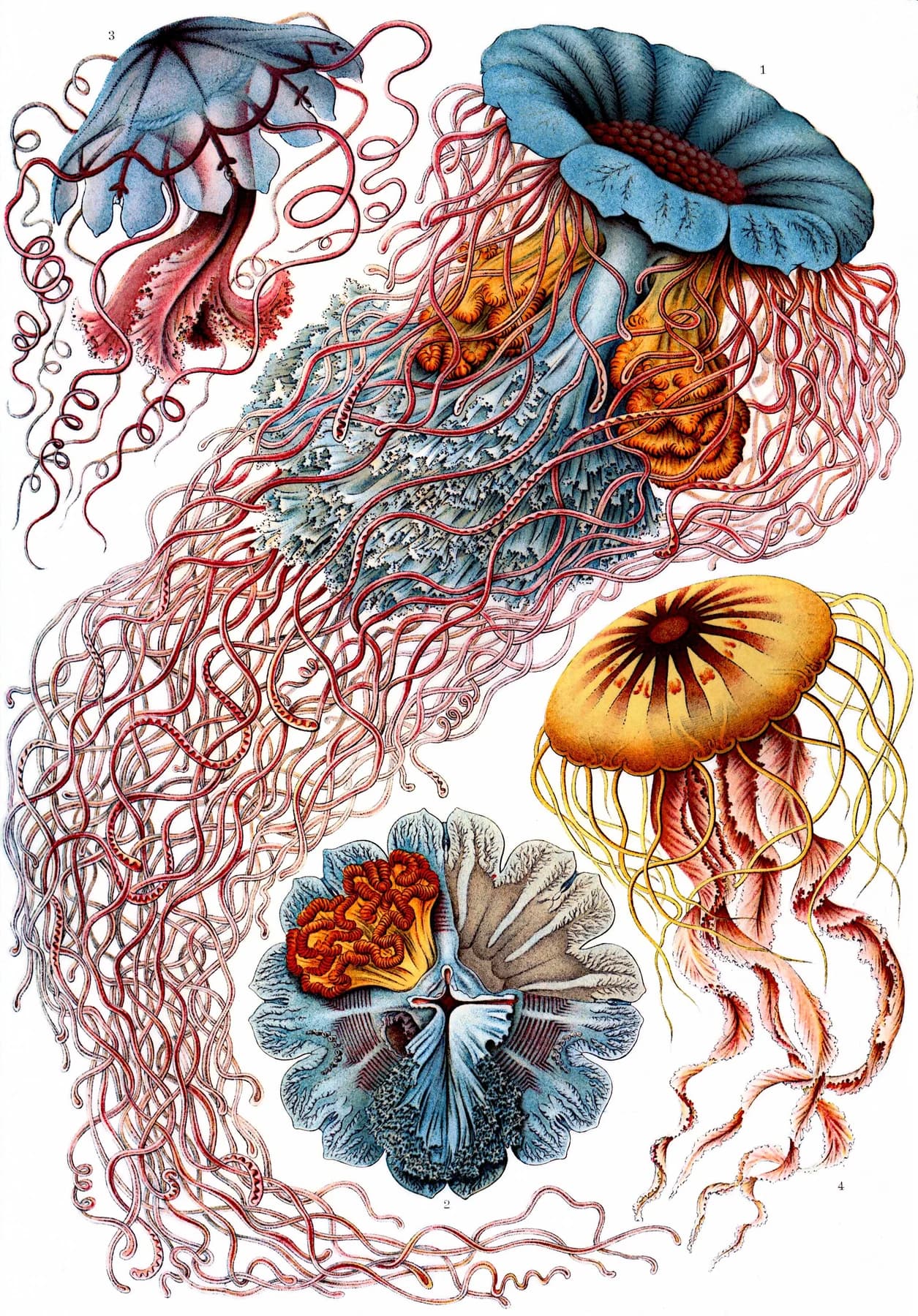
An unexpected connection
A book that changes the scale of looking.
Continue looking at how a deliberate arrangement can make familiar materials or unfamiliar forms newly visible.
Natural-History Books & Visual Culture
Read the story