DISCOVERY / Handwoven Textiles & Living Knowledge
The pattern is part of the cloth.
In the Jamdani weaving communities around Dhaka, ornament is made as the cloth is woven. Understanding that difference changes how a sari is seen and chosen.
Published 27 October 2026 · WHV · Public-source editorial note
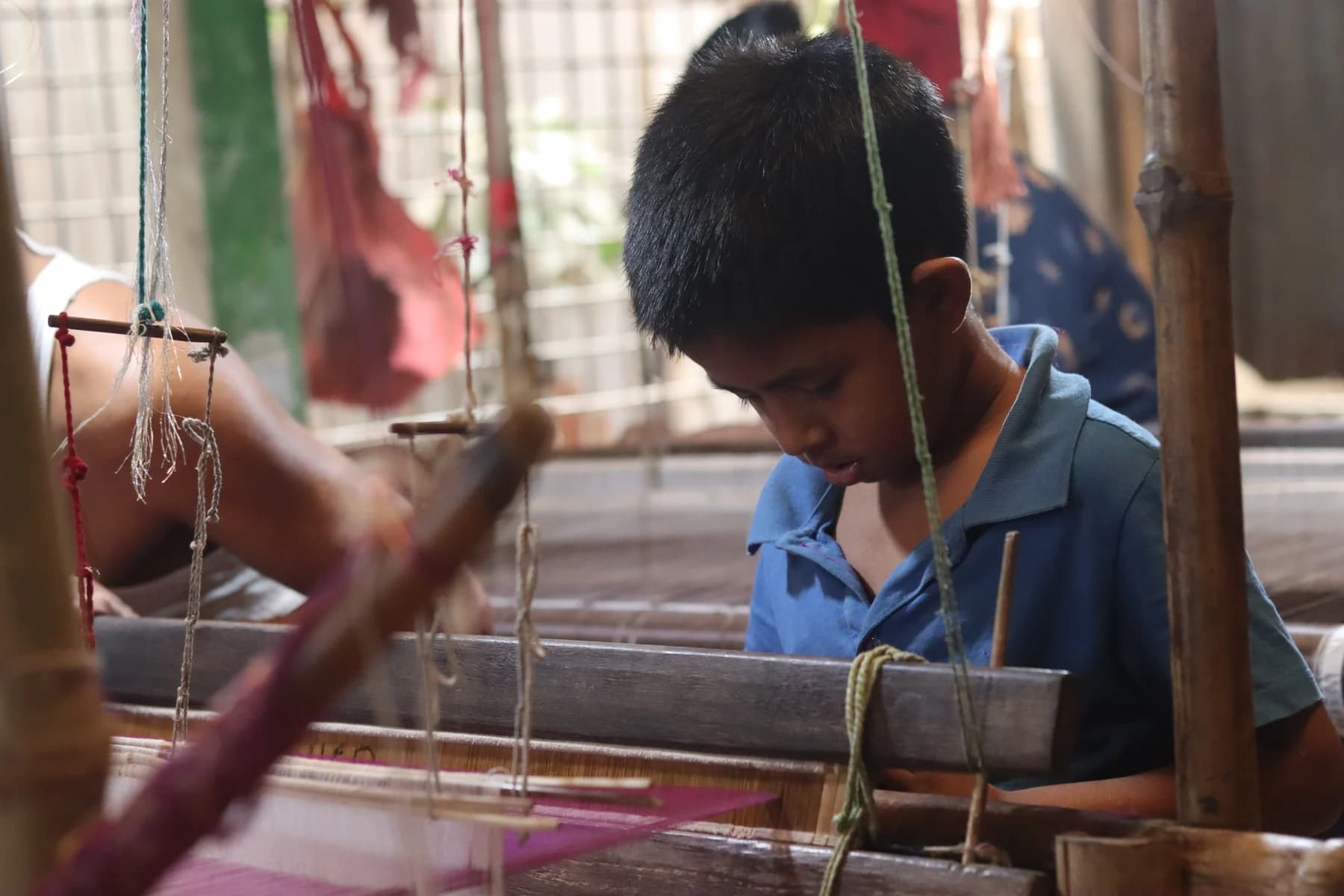
From a distance, the small motifs seem to float over a translucent ground. Come closer and the distinction becomes more interesting. In handwoven Jamdani, the pattern is not printed onto a finished cloth. Extra threads are introduced into particular areas while the fabric itself is being made.
Decoration made at the loom
UNESCO inscribed the traditional art of Jamdani weaving in 2013. Its documentation describes communities around Dhaka and the transmission of knowledge between experienced weavers and apprentices. At a loom, the continuous ground and the individually worked motifs have to develop together. A sari records repeated acts of judgement, not just the selection of a decorative pattern.
That is the reason it belongs here. The textile can be worn, handled and cared for, while its construction gives a specific form to inherited knowledge. Its value does not require presenting every handmade piece as flawless or every seller’s heritage story as reliable. The meaningful distinction is between a demonstrable technique and a visual resemblance that may have been produced in another way.
Ask who wove it
When buying, ask for the weaving location, maker or workshop, fibre composition and care instructions. Examine the fabric in person where possible and distinguish a handwoven pattern from printing or other production methods. Named provenance is more informative than an expensive presentation box. UNESCO recognition concerns a living practice, not certification of an individual sari, a labour arrangement or a future resale price.
Source and context.
UNESCO: traditional art of Jamdani weaving ↗
UNESCO nomination documentation: Jamdani technique and fieldwork ↗
Goethe-Institut: Jamdani craft and weaving communities ↗
UNESCO recognition is not product authentication or a guarantee about working conditions. The photograph documents weaving at Narayanganj, not a specific sari currently offered for sale.
Source checked 27 October 2026. WHV interpretation is distinct from the source’s account.
Explore Handwoven Textiles & Living KnowledgeFOLLOW YOUR CURIOSITY
Where this leads.
Different subjects. A reason to connect them.
Continue the idea
The pieces become the composition.
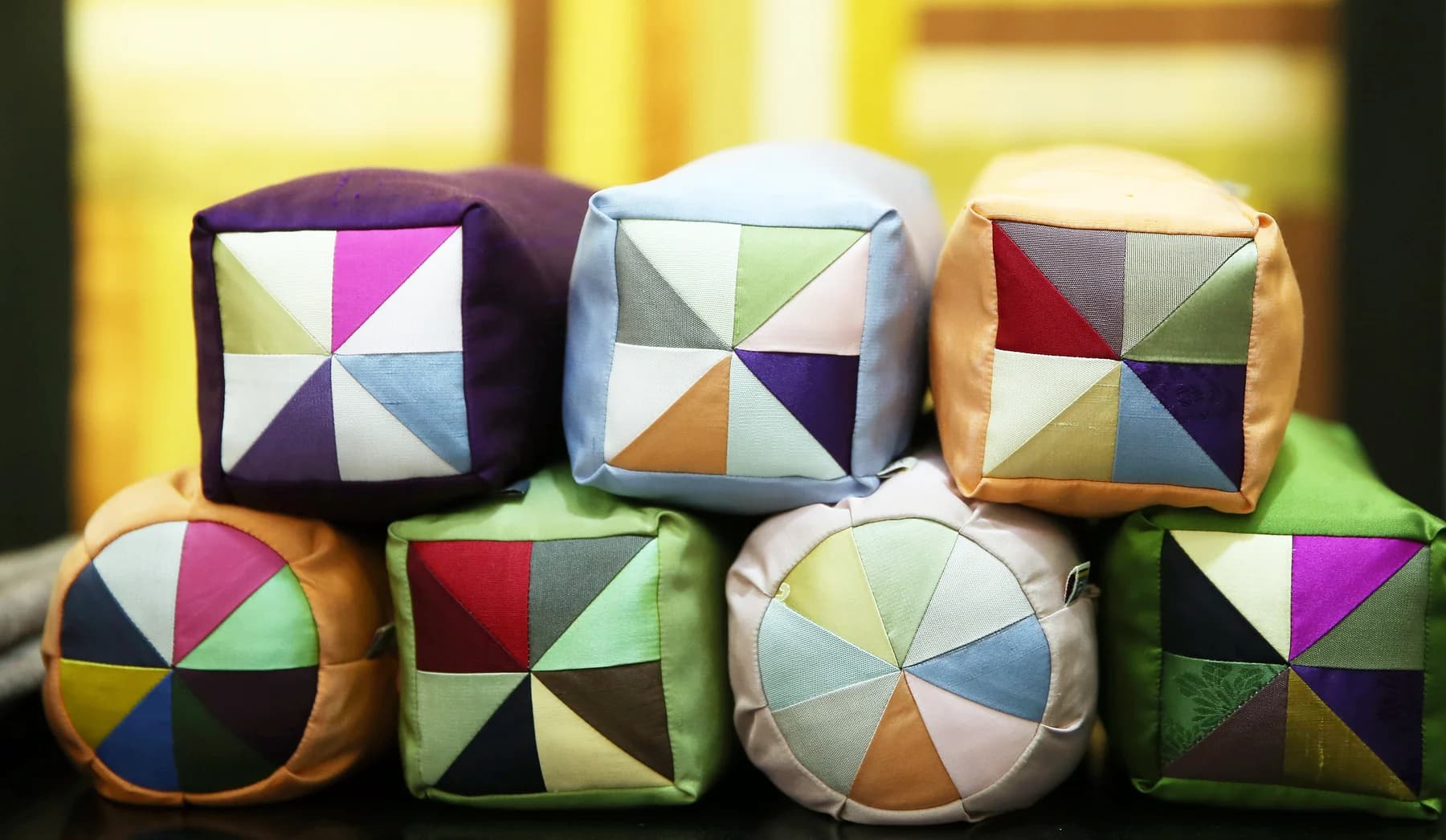
Compare a pattern created while weaving with a composition made by joining already woven pieces.
Korean Textile Art & Everyday Use
Read the story
Across the WHV world
The return of the hum.
Two wearable objects reward asking how the visible result was made, not just recognising its appearance.
Electronic Watchmaking & Technical Revivals
Read the story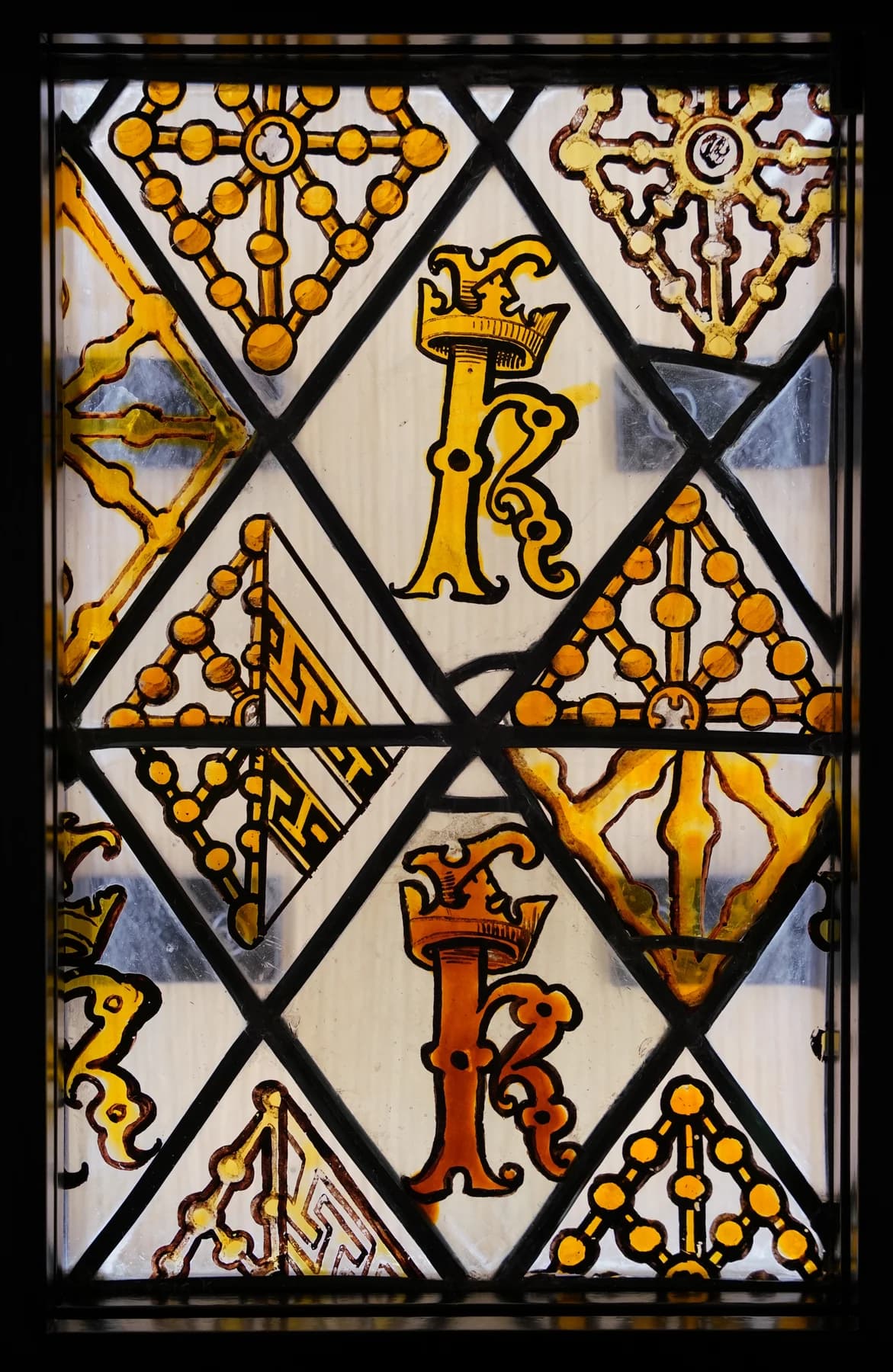
An unexpected connection
Colour brought within reach.
Glass offers another craft in which the arrangement of small elements becomes both structure and image.
Stained Glass & Learning to Look
Read the story