DISCOVERY / Natural-History Books & Visual Culture
A book that changes the scale of looking.
Kunstformen der Natur gives unfamiliar organisms an extraordinary graphic presence. Its plates invite close looking, while its historical authority requires a more critical eye.
Published 27 October 2026 · WHV · Public-source editorial note
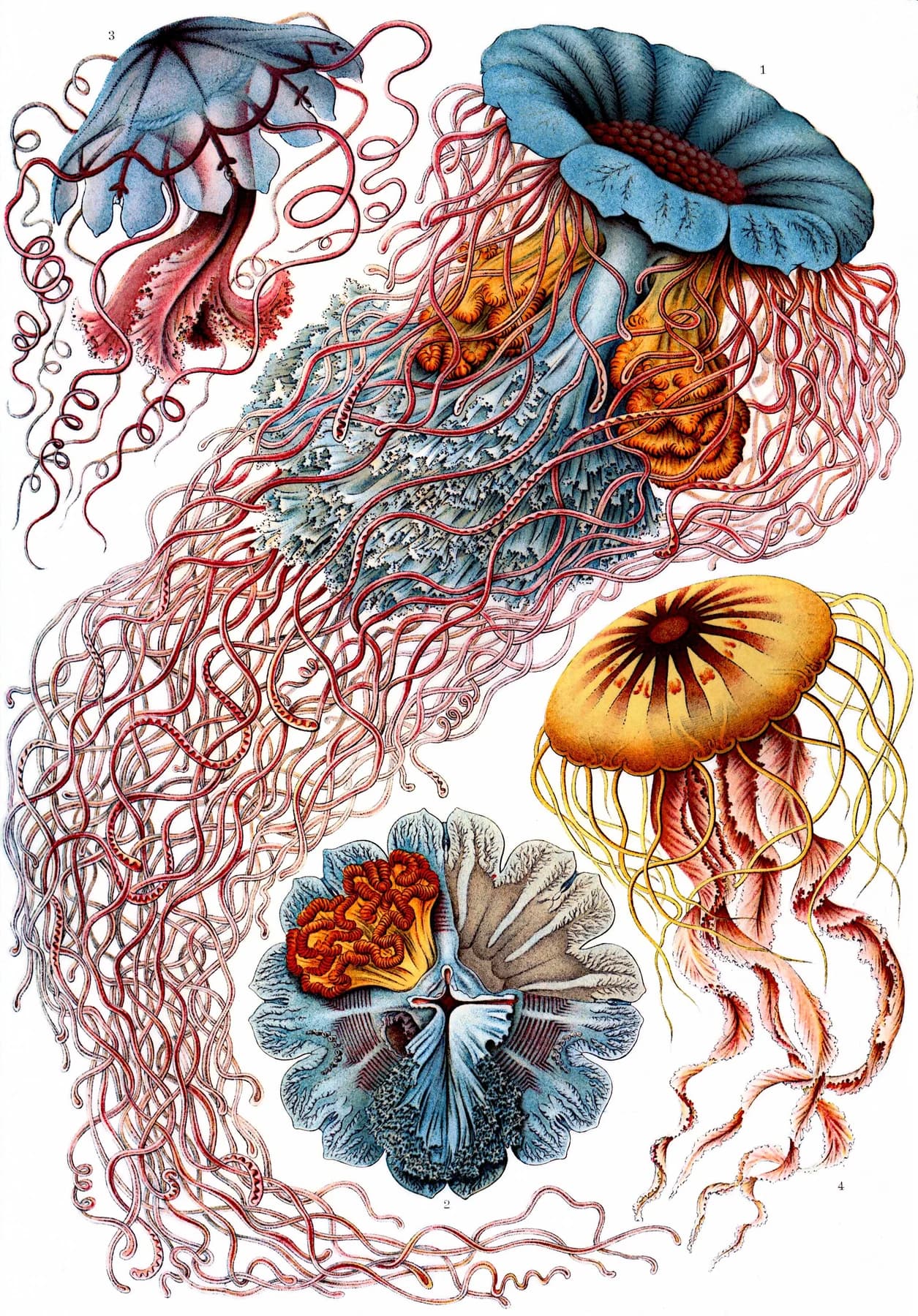
The jellyfish appear almost architectural. Their bells, frills and trailing forms turn a page into a field of intricate relationships. Ernst Haeckel’s Kunstformen der Natur invites a reader to notice structures that everyday vision usually misses. The image is an interpretation arranged for study, not an underwater photograph.
A plate is a way of arranging attention
The Library of Congress records the 1904 publication with one hundred plates. Public digitisation makes the book available without buying an antique copy. Plate eight, shown here, is devoted to Discomedusae. Colour and placement allow forms to be compared, giving the page an interest that extends beyond identifying a particular organism.
Its visual achievement needs historical context. Haeckel also promoted racist human classifications, a legacy explicitly confronted by the University of Jena’s declaration. Admiring this plate is not endorsing that worldview or treating historical taxonomy as current science. The useful value is a resource for looking critically, with the beauty and the limitations of its author’s authority kept in view.
Separate the image from the edition
Begin with the digitised volume, then decide whether a modern reproduction would satisfy your interest. If considering an antiquarian copy, verify the edition, plate count, completeness, binding, repairs and provenance with a specialist. A detached print may have a different history from a complete book. Decorative appeal does not establish originality, and a rare-book asking price is not evidence of a dependable investment return.
Source and context.
Library of Congress: Kunstformen der Natur, 1904 ↗
Biodiversity Heritage Library: digitised 1904 volume ↗
University of Jena: Jena Declaration and Haeckel’s racial classifications ↗
The plate is a historical illustration, not current scientific authority. Haeckel’s racist classifications are not endorsed. Digital images, modern reproductions, detached plates and complete original volumes are distinct objects.
Source checked 27 October 2026. WHV interpretation is distinct from the source’s account.
Explore Natural-History Books & Visual CultureFOLLOW YOUR CURIOSITY
Where this leads.
Different subjects. A reason to connect them.
Continue the idea
The pieces become the composition.
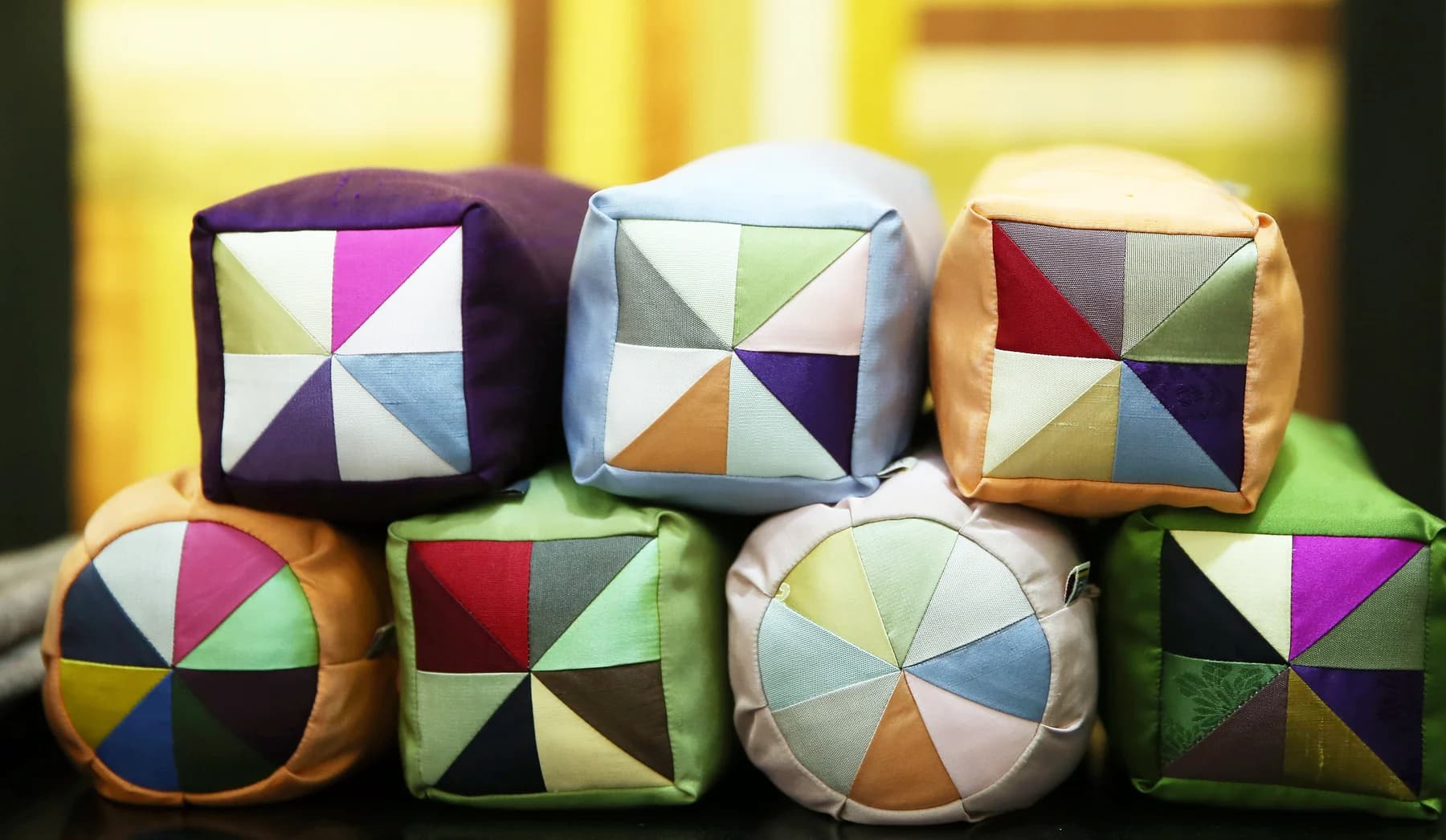
Move from biological forms arranged on a page to colour and geometry arranged through textile seams.
Korean Textile Art & Everyday Use
Read the story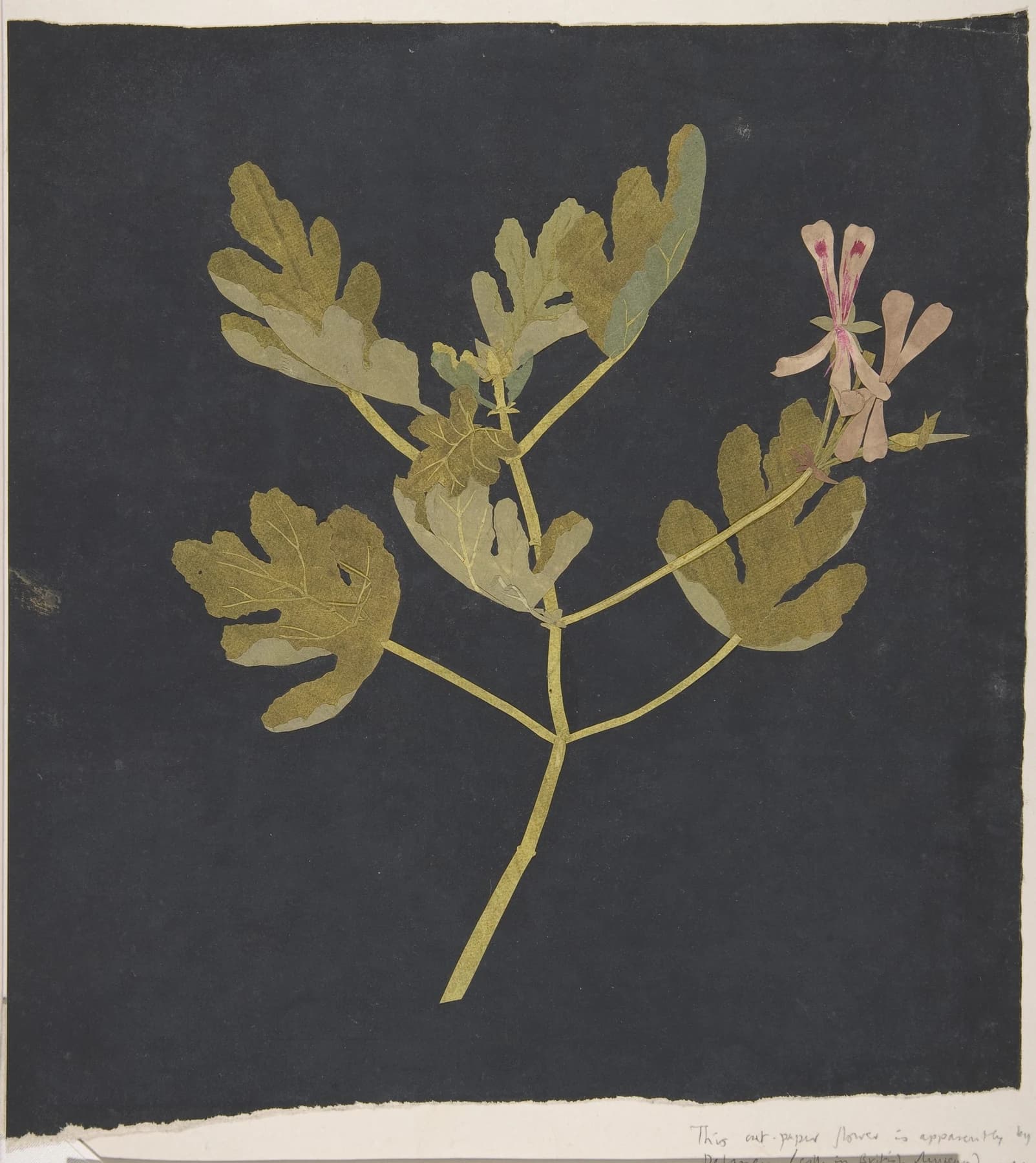
Across the WHV world
She built the flower from paper.
Another botanical image reveals a very different material process when examined at close range.
Botanical Art & Close Observation
Read the story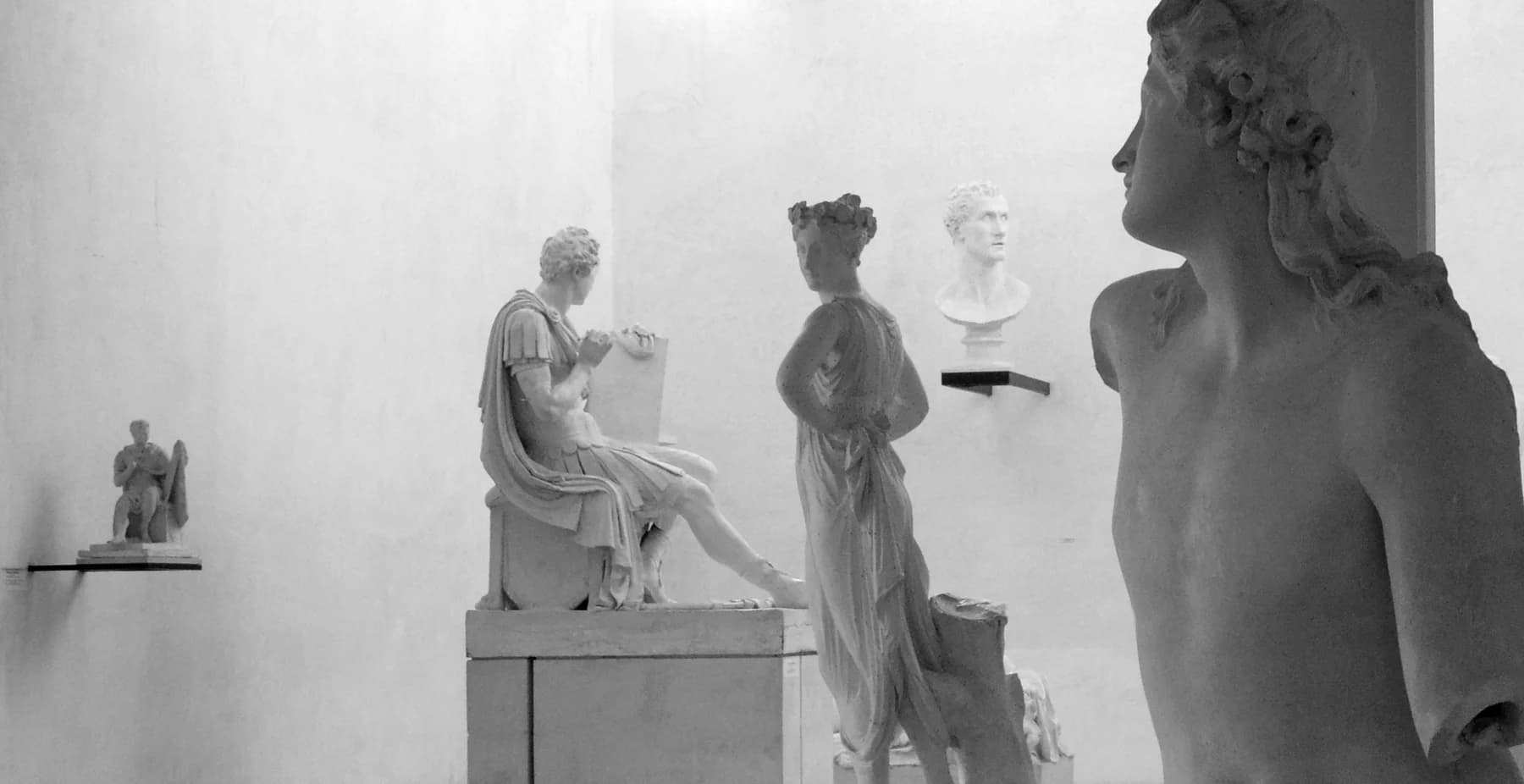
An unexpected connection
A room that teaches you to see.
A museum room provides a spatial counterpart to the book’s ability to direct and sharpen attention.
Museum Architecture & Natural Light
Read the story