DISCOVERY / Museum Architecture & Natural Light
A room that teaches you to see.
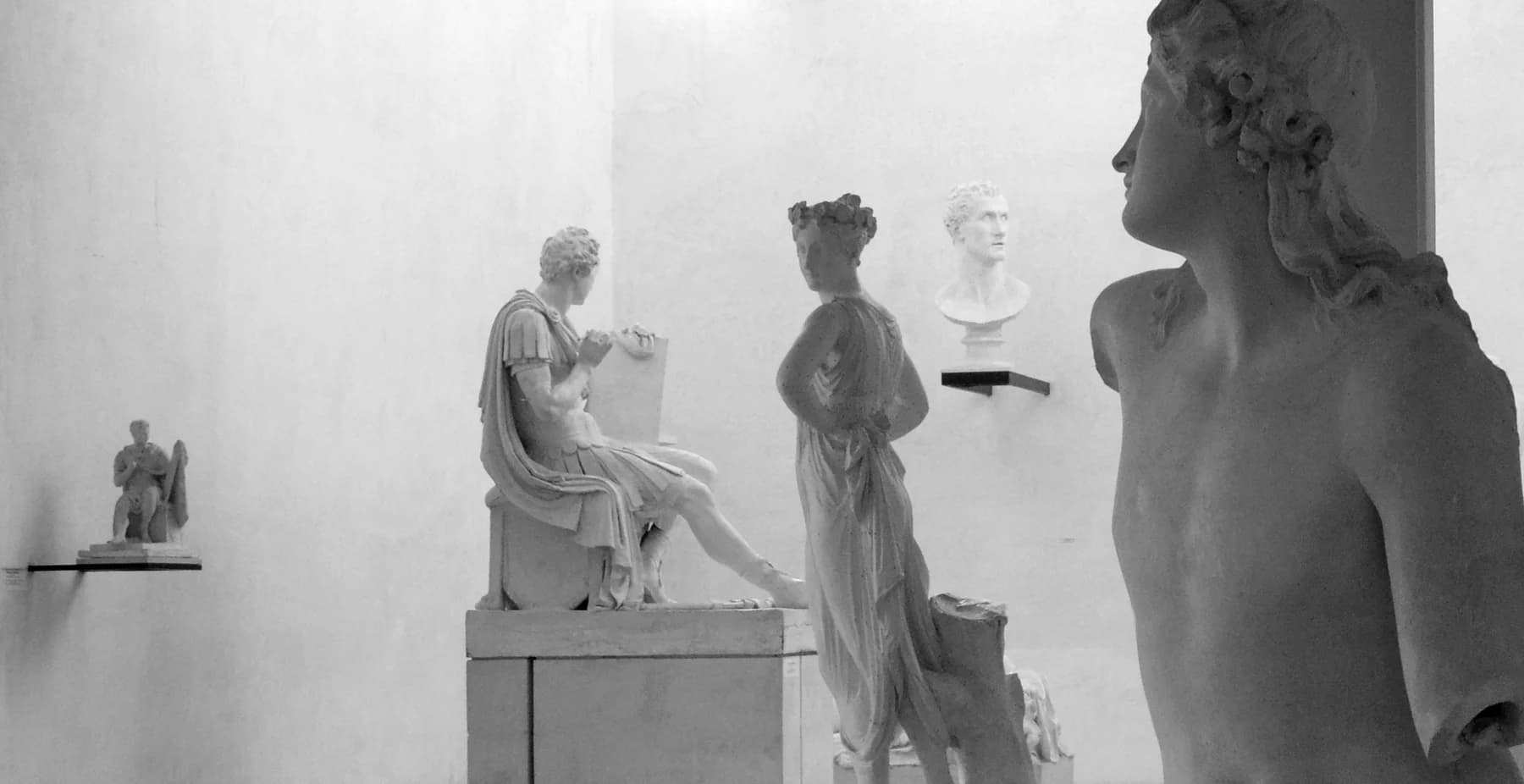
At Canova’s Gypsotheca in Possagno, Carlo Scarpa made daylight part of the collection. The building changes how the plaster sculptures can be understood.
Published 27 October 2026 · WHV · Public-source editorial note
White sculpture in a white room might sound like an exercise in disappearance. At Possagno, the opposite happens. Shoulders, folds and faces emerge through differences in light. The building does not compete with Antonio Canova’s plaster models. It helps a visitor notice more of them.
Light is doing the curating
Carlo Scarpa’s extension was built between 1955 and 1957 beside the older Gypsotheca. The museum records further adjustments after its formal inauguration. High corner windows admit daylight, and a narrowing space directs attention towards The Graces. Water beside the group adds reflected light. These are working relationships between an opening, a surface and an object, not decoration applied after the architecture.
The value is the capacity of a setting to renew something already present. Canova’s original plaster models hold evidence of sculptural work, while Scarpa’s rooms make their volumes unusually legible. A visitor can carry that lesson home: the position of one object and the direction of light can matter more than adding another possession. The building offers a way to look, not a style to purchase.
Give the room more than one viewpoint
Check the museum’s current access arrangements and leave time to move around the sculptures. Notice how the older gallery and Scarpa’s wing differ. Daylight varies with the weather and hour, so no photograph represents a fixed experience. The pale figures are plaster models, not interchangeable marble versions of the same subjects. Their material identity is part of what the architecture was designed to reveal.
Source and context.
Museo Canova: Scarpa wing, construction and arrangement ↗
Museo Canova: the original plaster collection and Gypsotheca ↗
Museo Canova: visit, access and reservations ↗
The pictured collection contains plaster models. Lighting varies, and the archive image is not a promise of a particular display arrangement or current access.
Source checked 27 October 2026. WHV interpretation is distinct from the source’s account.
Explore Museum Architecture & Natural LightFOLLOW YOUR CURIOSITY
Where this leads.
Different subjects. A reason to connect them.
Continue the idea
The work behind an open room.
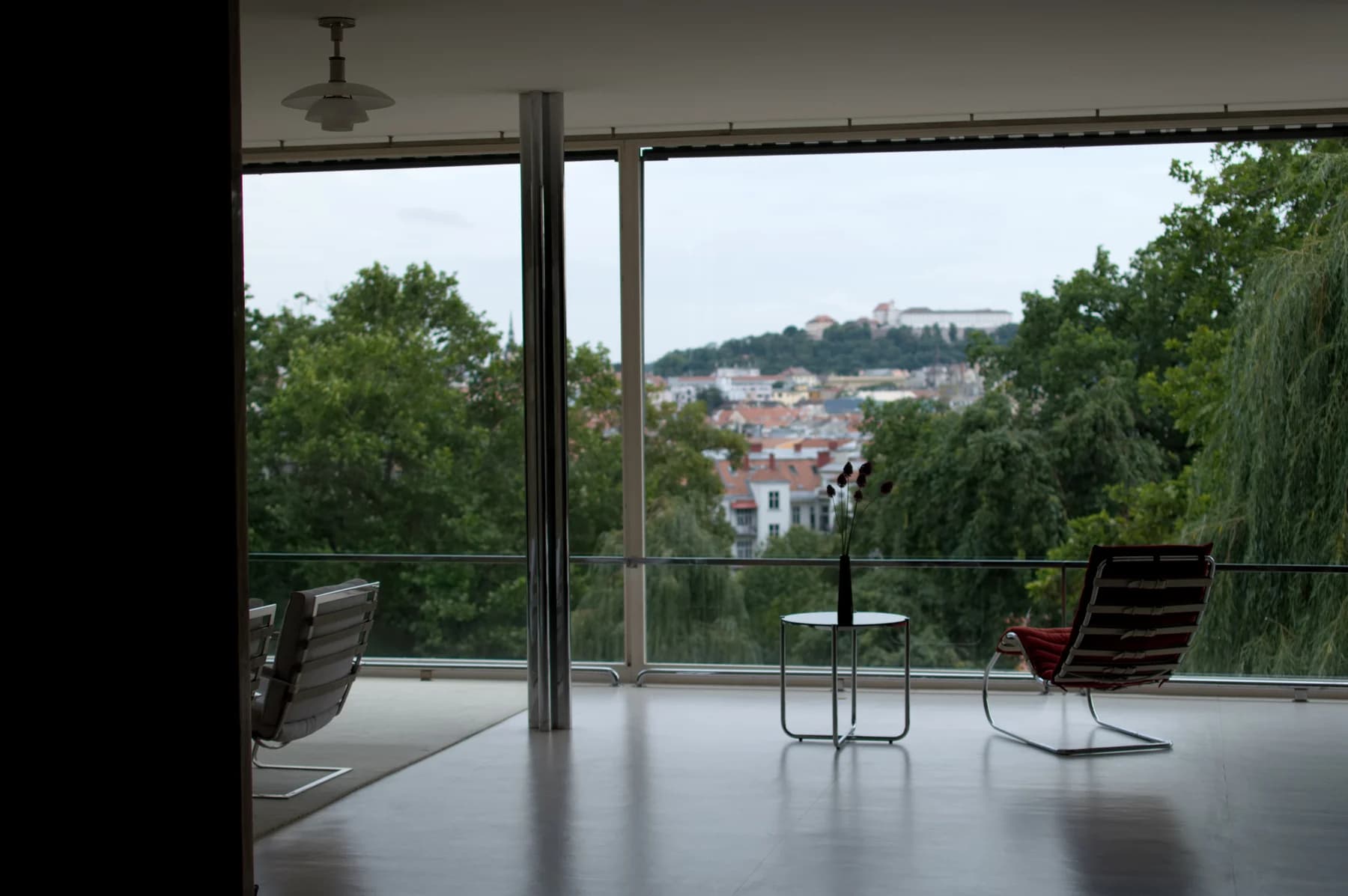
Compare two buildings that make light and openness central, then look for the physical work behind the effect.
Domestic Architecture & Technical Heritage
Read the story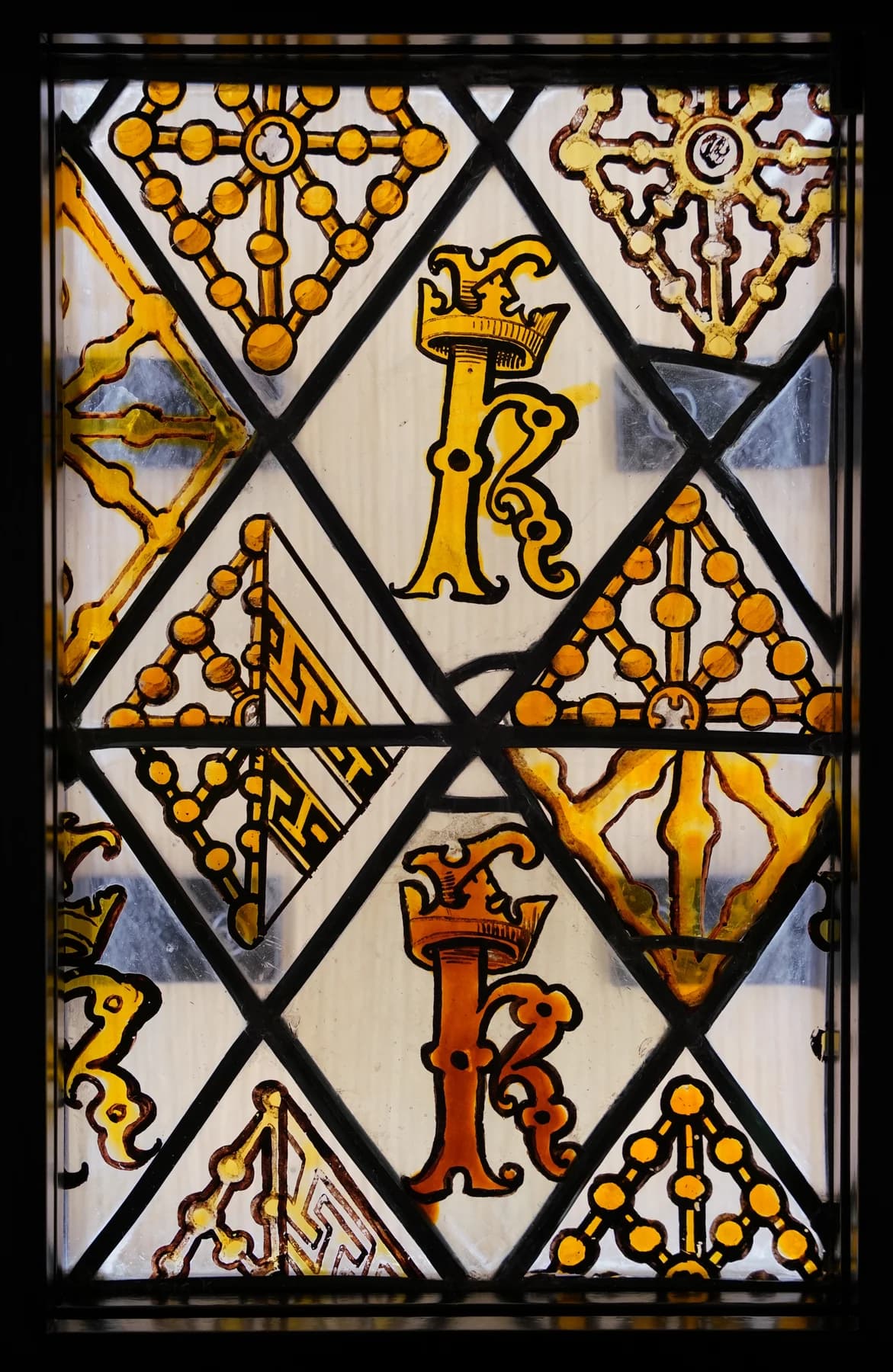
Across the WHV world
Colour brought within reach.
Follow daylight into a different craft, where coloured glass changes what a room can make visible.
Stained Glass & Learning to Look
Read the story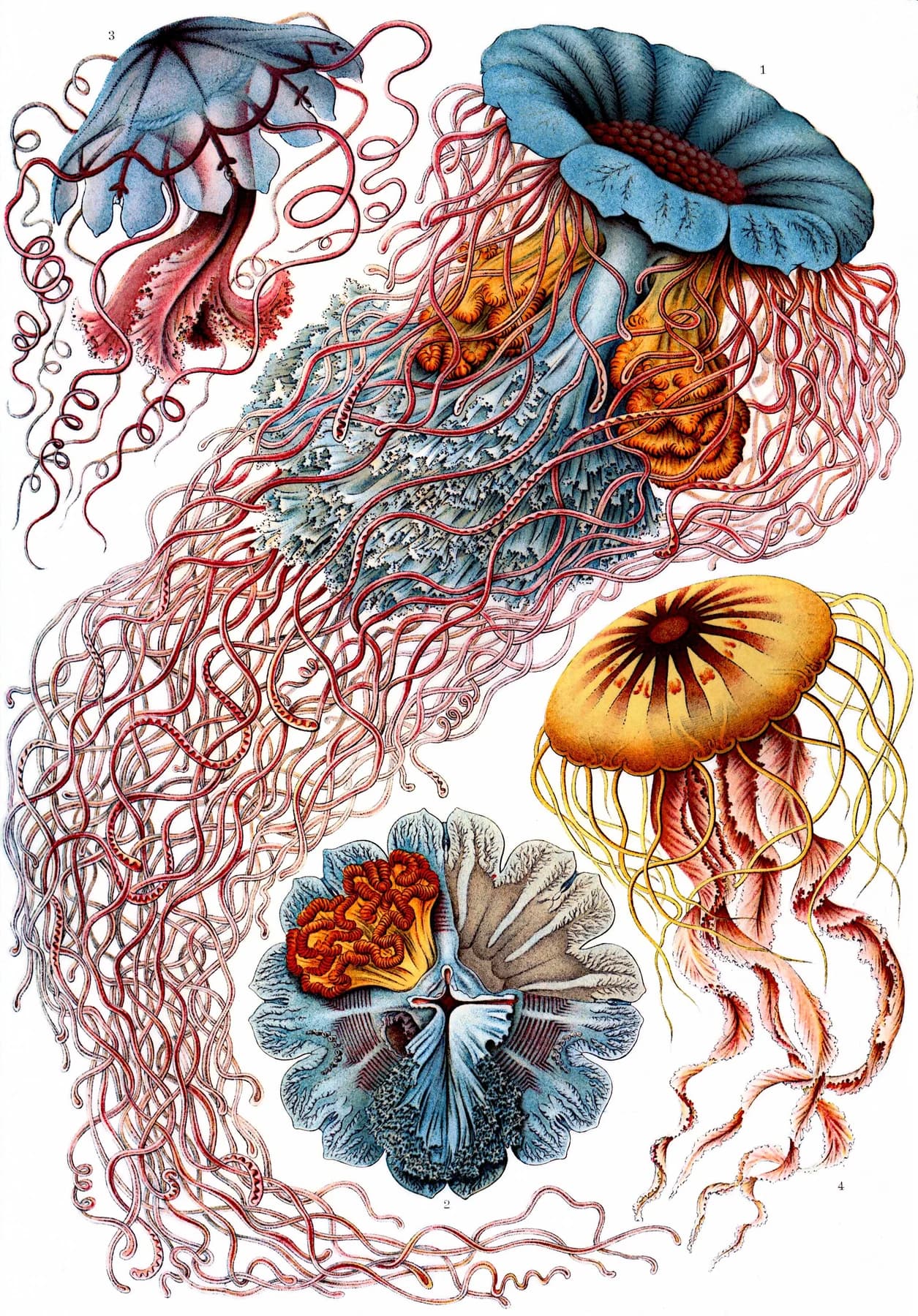
An unexpected connection
A book that changes the scale of looking.
A carefully arranged page can reorganise attention just as decisively as a carefully arranged room.
Natural-History Books & Visual Culture
Read the story