DISCOVERY / Lighting & Optical Design
The light is not where you expect.
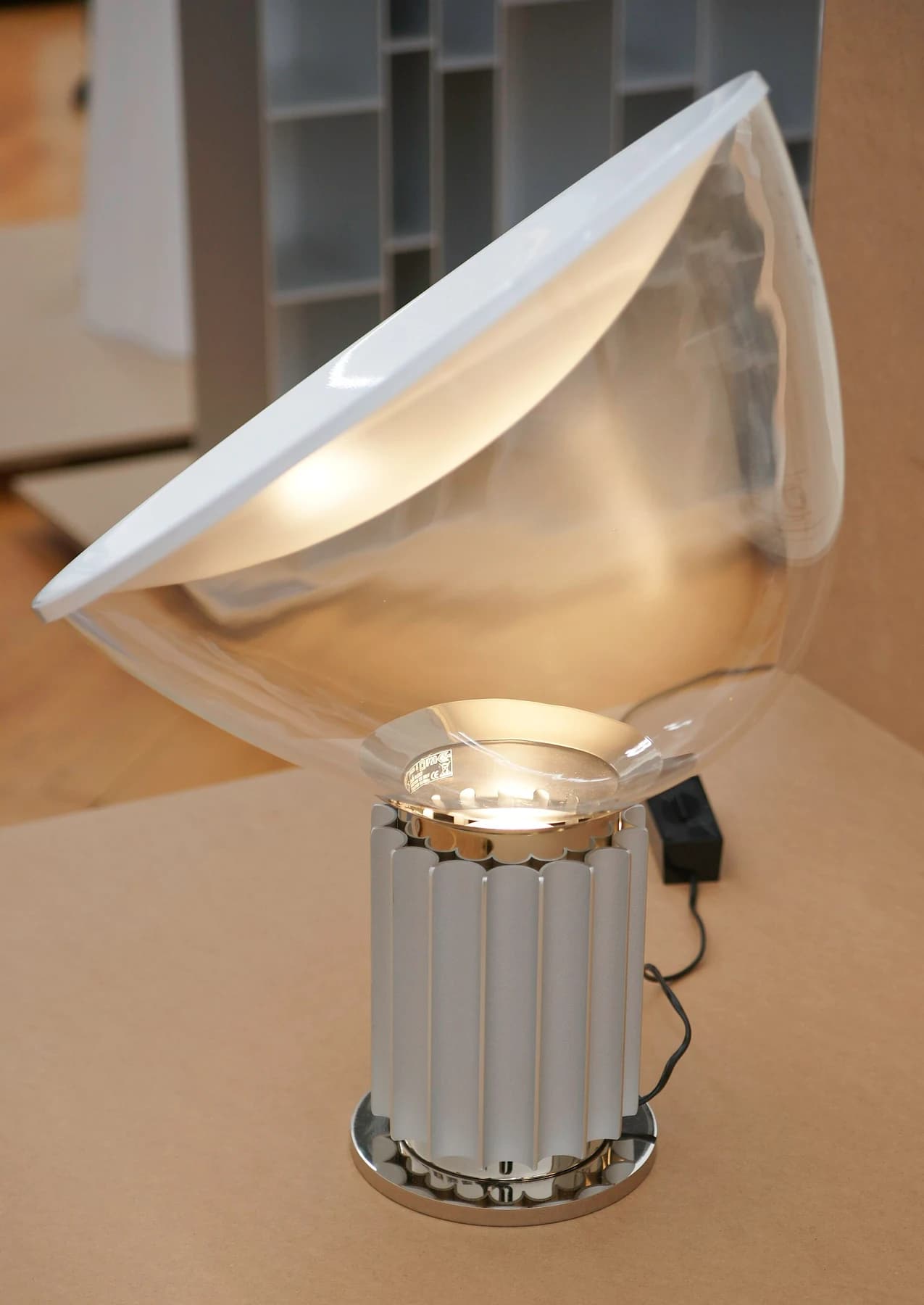
The Castiglioni brothers’ Taccia looks like an oversized glass bowl on a column. Its real intelligence is the route light takes through it.
Published 21 October 2026 · WHV · Public-source editorial note
The large glass bowl seems to contain the light. In Taccia, the source is actually concealed in the base. Light travels upwards to a white reflector, then returns to the room. Achille and Pier Giacomo Castiglioni made a table lamp whose most conspicuous part is also an explanation of what it does.
Follow the light
The Castiglioni foundation traces the development to 1958 and production by Flos to 1962. The bowl can be turned on its support to direct the reflected light. The ribbed base also had a practical purpose in managing heat, rather than simply borrowing the dignity of a classical column. The apparent monument is a collection of useful decisions.
That distinction is what makes the design worth revisiting. Taccia does not depend on an app or a hidden sequence of gestures to change its relationship with a room. You move a physical part and understand the result. Its continuing life also shows that an enduring design need not preserve every technical component unchanged as lighting technology develops.
Choose the version, not just the silhouette
See a working example before deciding where it belongs. Current versions and older lamps differ in light source, materials and electrical requirements. Check the exact specification and replacement-part support with Flos, and have vintage wiring assessed by a qualified specialist. The value is an intelligible way of shaping light, not a promise that every old example is safe, original or financially valuable.
Source and context.
Fondazione Achille Castiglioni: Taccia and its construction ↗
Flos: current Taccia specification ↗
Historic construction and current LED specifications are not interchangeable. Vintage condition, electrical safety and parts availability require separate checks.
Source checked 21 October 2026. WHV interpretation is distinct from the source’s account.
Explore Lighting & Optical DesignFOLLOW YOUR CURIOSITY
Where this leads.
Different subjects. A reason to connect them.
Continue the idea
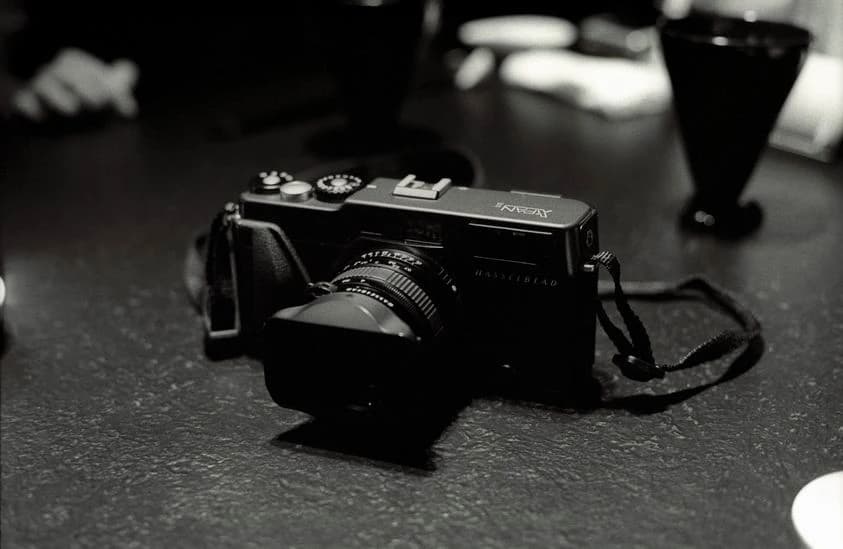
More film, not less picture.
A camera changes the shape of a photograph through physical construction, offering another intelligible way to redirect light.
Cameras & Ways of Seeing
Read the story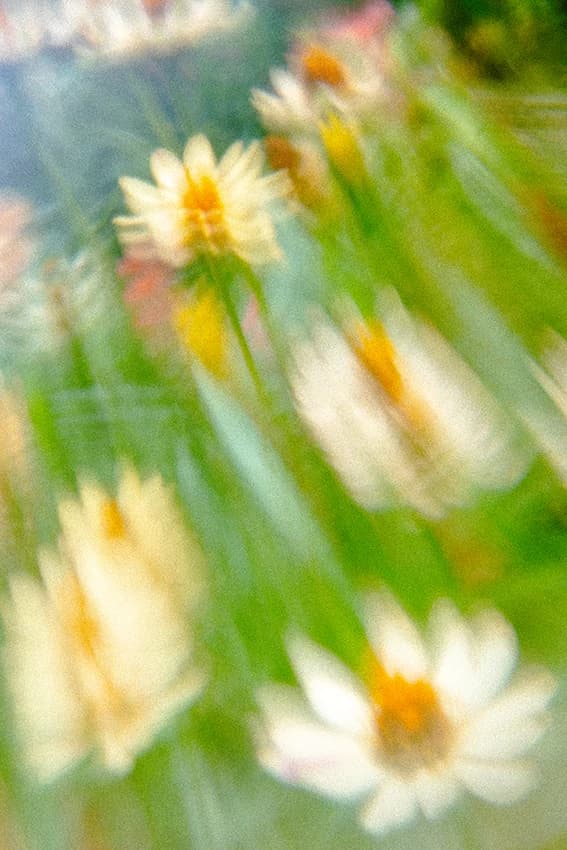
Across the WHV world
A photograph through someone else’s glass.
Follow light through an artist’s glass, where a material object becomes an instrument for making another image.
Photography & Artistic Collaboration
Read the story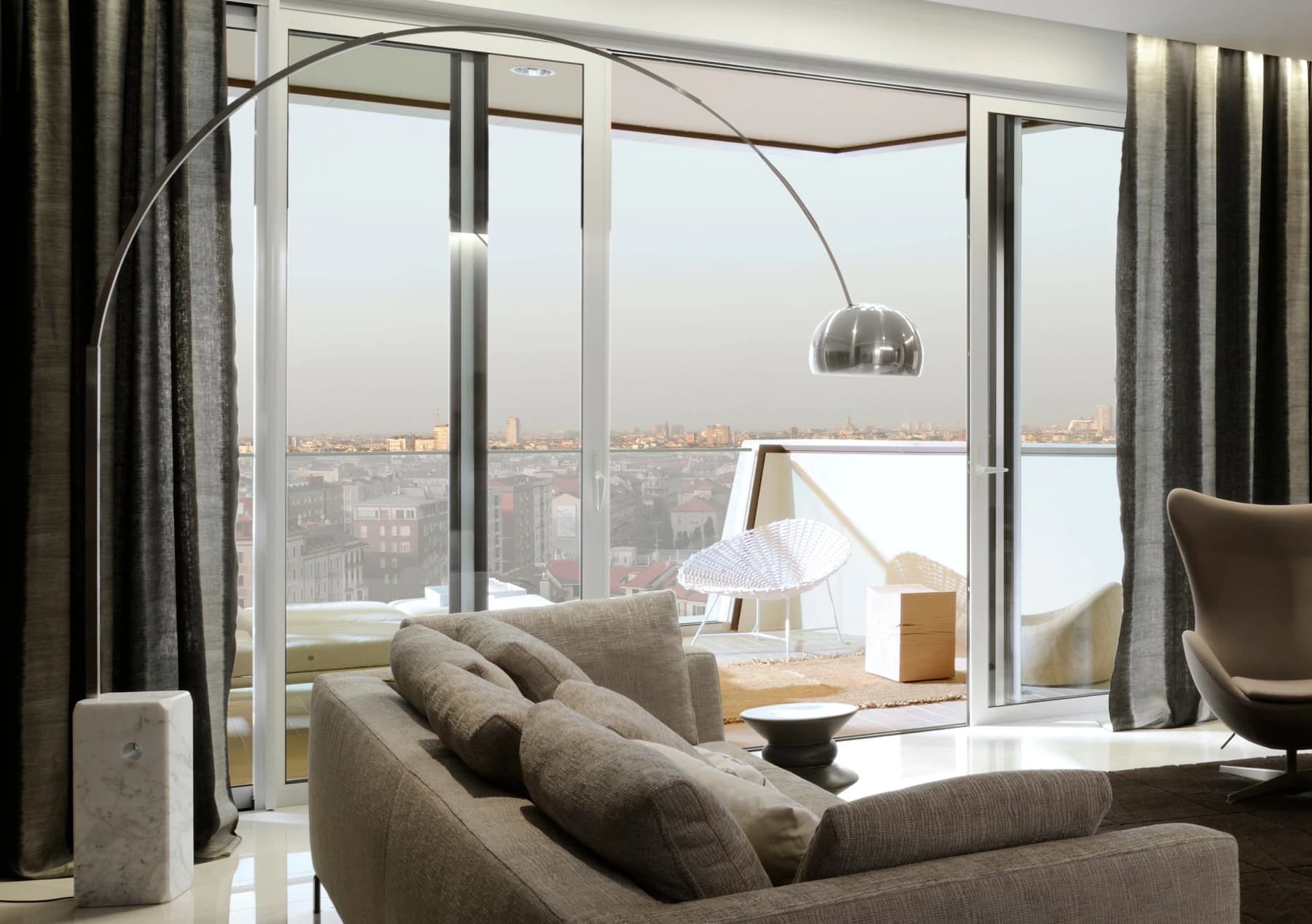
An unexpected connection
The hole in the marble.
Another Castiglioni lamp turns a simple physical detail into an unusually clear lesson in practical design.
Lighting & Practical Ingenuity
Read the story