DISCOVERY / Cameras & Ways of Seeing
More film, not less picture.
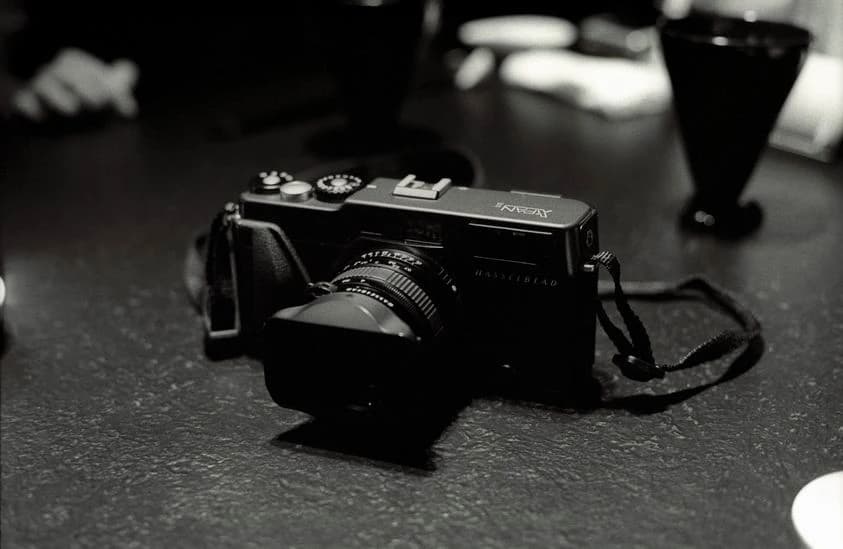
Hasselblad’s XPan makes a panorama by exposing a wider area of film. It offers a different proposition from cropping the top and bottom of a conventional frame.
Published 21 October 2026 · WHV · Public-source editorial note
A panoramic picture can be made by throwing away part of a normal frame. The Hasselblad XPan does something more interesting. Its wide setting exposes a 24 by 65 millimetre area of ordinary 35mm film, rather than masking a conventional 24 by 36 millimetre image. The negative itself becomes wider.
The panorama occupies more material
Introduced in 1998 through a partnership with Fuji, the camera allows those two formats to share a roll. Its dedicated lenses cover the larger image area. This is a physical decision about the picture, made when photographing, rather than simply a presentation choice applied afterwards. A wide frame invites relationships between people, objects and empty space that a narrower one may leave outside.
That creative possibility is the lasting attraction. It is not an argument that film is inherently better than digital, or that a scarce camera makes better photographs. The XPan gives a particular constraint a coherent form. A contemporary camera with a panoramic crop can help explore similar compositions before committing to older equipment and a film workflow.
Buy a working tool, not a reputation
If an original appeals, ask for a recent test roll and specialist assessment of the transport, shutter, rangefinder, displays and lenses. Establish repair options before purchase rather than assuming the manufacturer still supports every component. Also check that a laboratory can scan the full panoramic negative. A functioning photographic practice matters more than an impressive camera that cannot reliably complete a roll.
Source and context.
Hasselblad: XPan history and dual-format operation ↗
Hasselblad: original XPan user manual ↗
No current factory repair guarantee or resale forecast is implied. This entry concerns the original XPan, not the later XPan II.
Source checked 21 October 2026. WHV interpretation is distinct from the source’s account.
Explore Cameras & Ways of SeeingFOLLOW YOUR CURIOSITY
Where this leads.
Different subjects. A reason to connect them.
Continue the idea
The light is not where you expect.
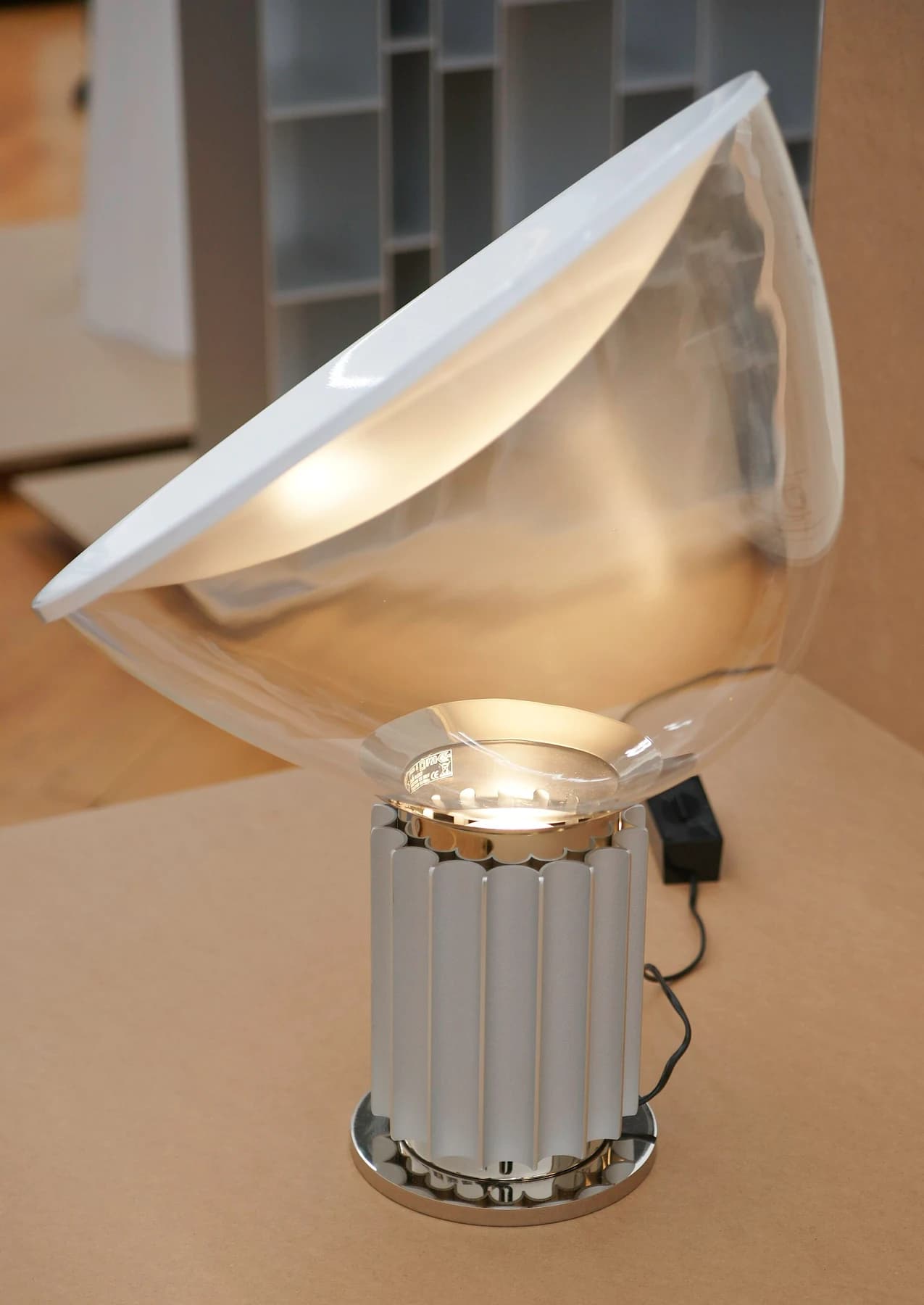
An adjustable glass bowl offers another object whose optical behaviour can be understood by looking at its construction.
Lighting & Optical Design
Read the story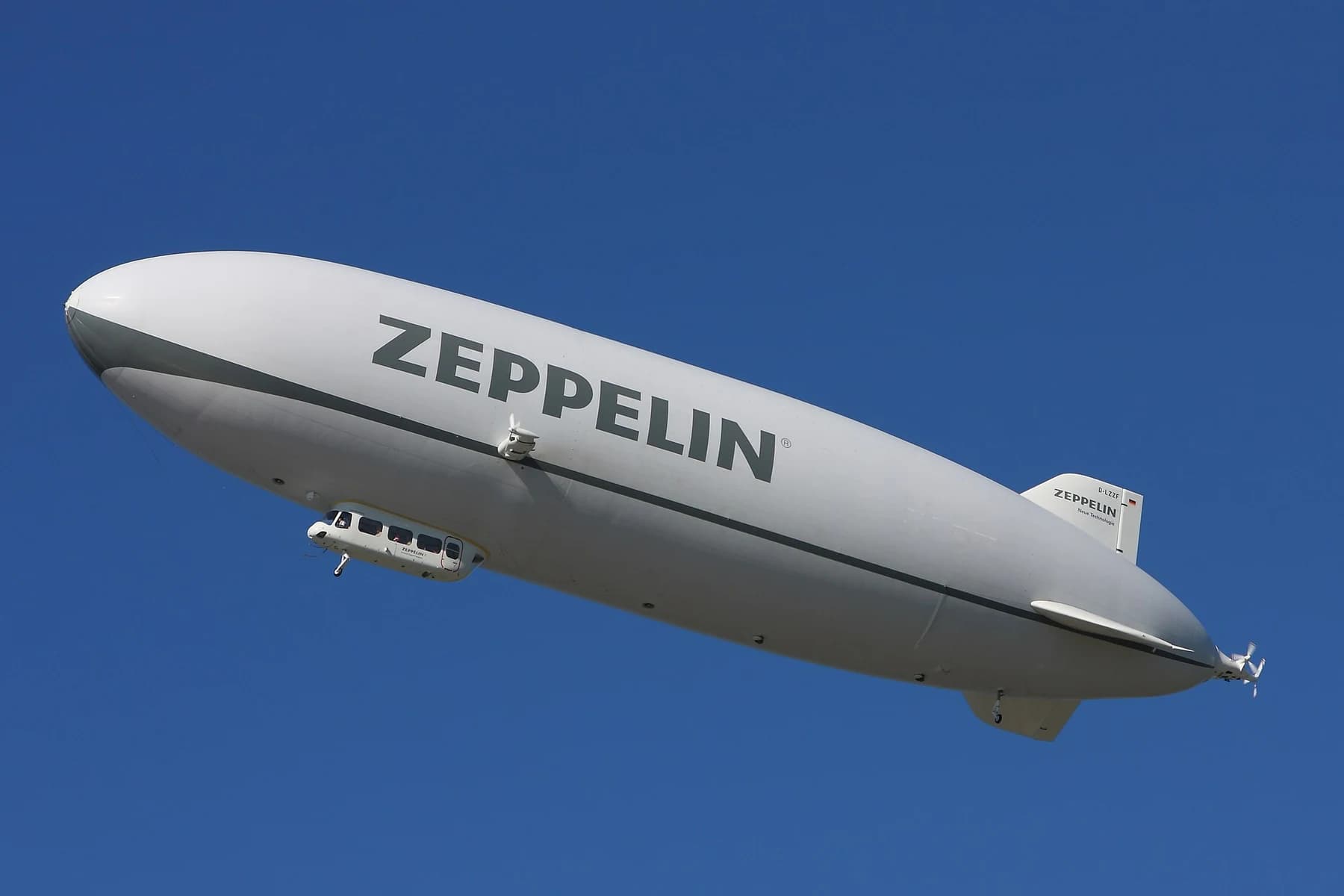
Across the WHV world
A different speed of looking.
An airship changes your viewing position and pace, extending the question of perspective beyond a photographic format.
Airship Flights & Perspective
Read the story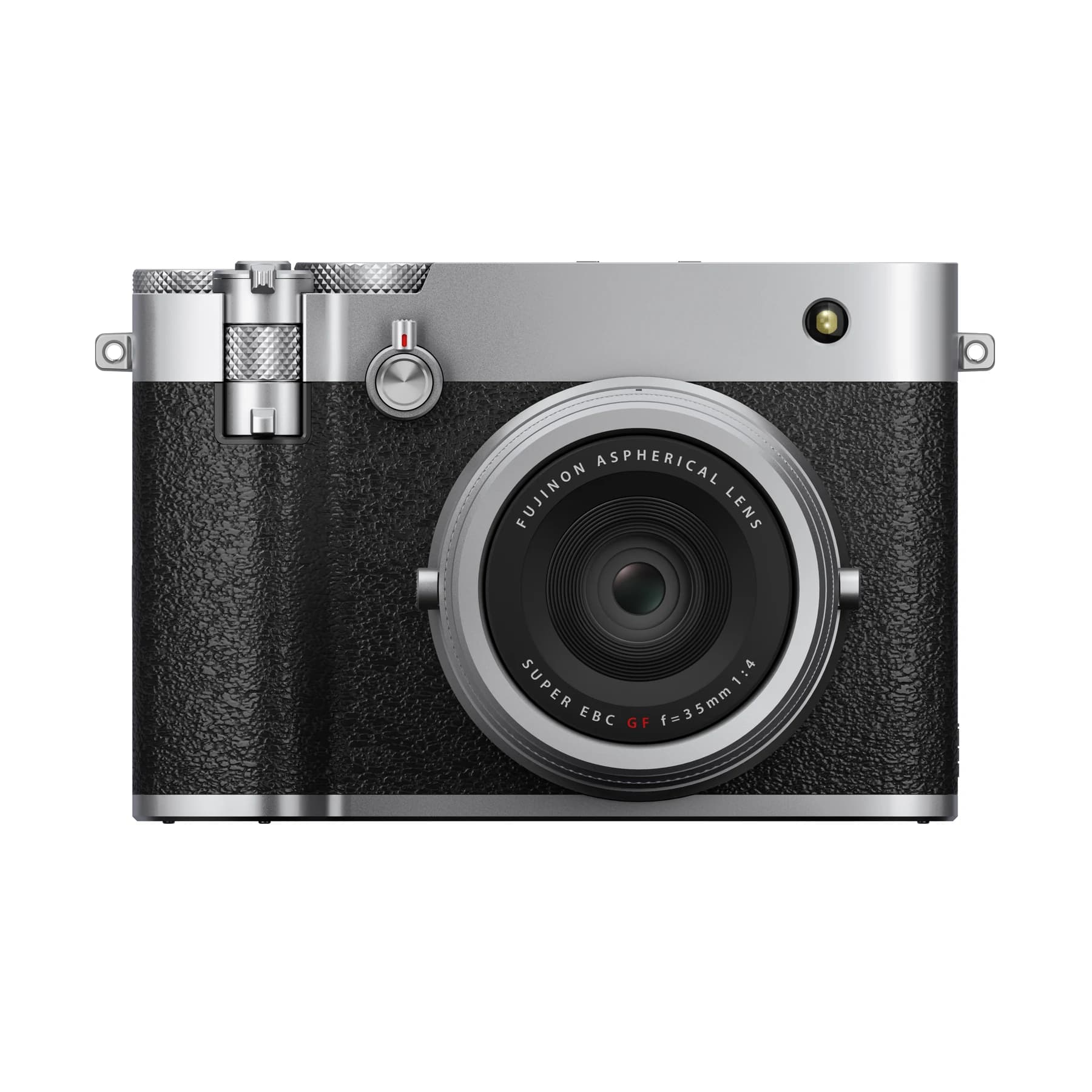
An unexpected connection
Change the shape of what you see.
Compare a film panorama with a contemporary digital camera that makes aspect ratio an active compositional choice.
Large-Sensor Cameras & Physical Controls
Read the story