DISCOVERY / Jaipur Blue Pottery & Material Knowledge
The blue pottery that starts with quartz.
Jaipur blue pottery begins with a surprising material recipe. Beneath the painted surface is a quartz-rich body and a sequence of skilled decisions worth knowing.
Published 20 October 2026 · WHV · Public-source editorial note
Blue decoration is the first thing you notice. The more surprising discovery lies underneath it. Jaipur blue pottery uses a quartz-rich mixture rather than the familiar image of a potter simply throwing a lump of clay. Its painted surface belongs to a different material sequence, and understanding that sequence changes the way a small vessel looks.
Look beneath the colour
India’s CBSE blue-pottery manual documents quartz powder, powdered glass, Multani mitti, gum and other ingredients being prepared for the body. Its practical sequence follows moulding, finishing, decoration, glazing and firing. Multani mitti, or fuller’s earth, is part of this particular recipe. Quartz gives the process its distinctive starting point, while the preparation and handling turn a list of ingredients into something that can hold a painted surface.
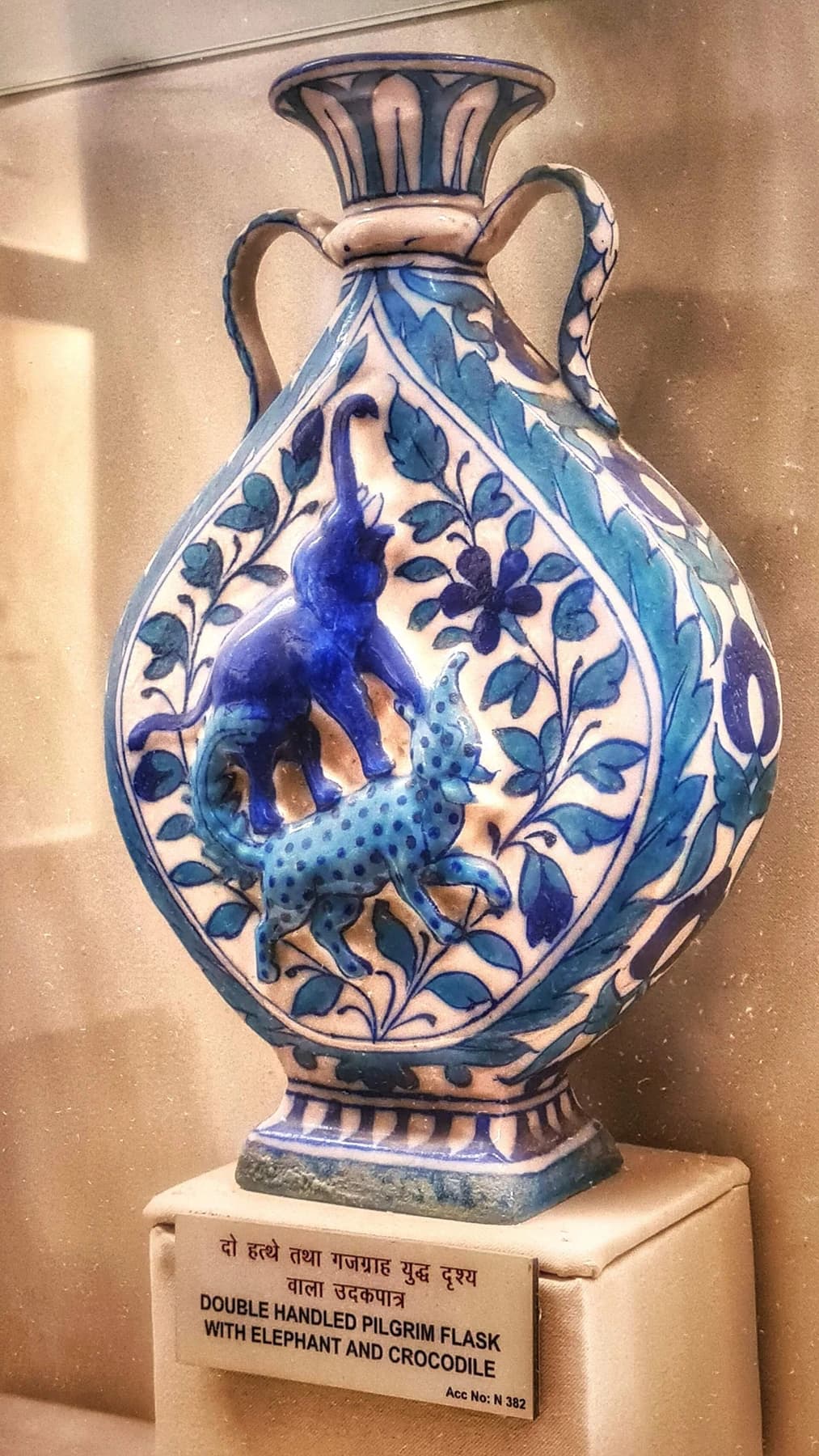
The museum flask in the photograph offers historical context for form and ornament. It is not a Neerja product or a certification of the materials in a contemporary purchase. Today, makers such as Neerja apply the tradition across tiles, decorative plates, knobs and other domestic objects. That breadth provides a practical route beyond admiring one inaccessible historical piece.
Meet the work still being made
Choose a specific maker and ask about the actual object’s process, intended use and handling. A decorative finish should not be treated as evidence of food safety, dishwasher suitability or architectural durability. Start with something whose purpose you understand. The enduring value is a recognisable local body of knowledge continuing through work people can live with, with enough individuality to reward attention beyond the colour alone.
Source and context.
CBSE: Blue Pottery Manual Grade VII, materials and making process ↗
Neerja International: current Jaipur blue pottery objects and workshop contacts ↗
The Albert Hall Museum flask is historical context, not work attributed to the linked living maker. WHV has not visited a workshop or tested a product. Suitability and glaze safety require product-specific confirmation.
Source checked 20 October 2026. WHV interpretation is distinct from the source’s account.
Explore Jaipur Blue Pottery & Material KnowledgeFOLLOW YOUR CURIOSITY
Where this leads.
Different subjects. A reason to connect them.
Continue the idea
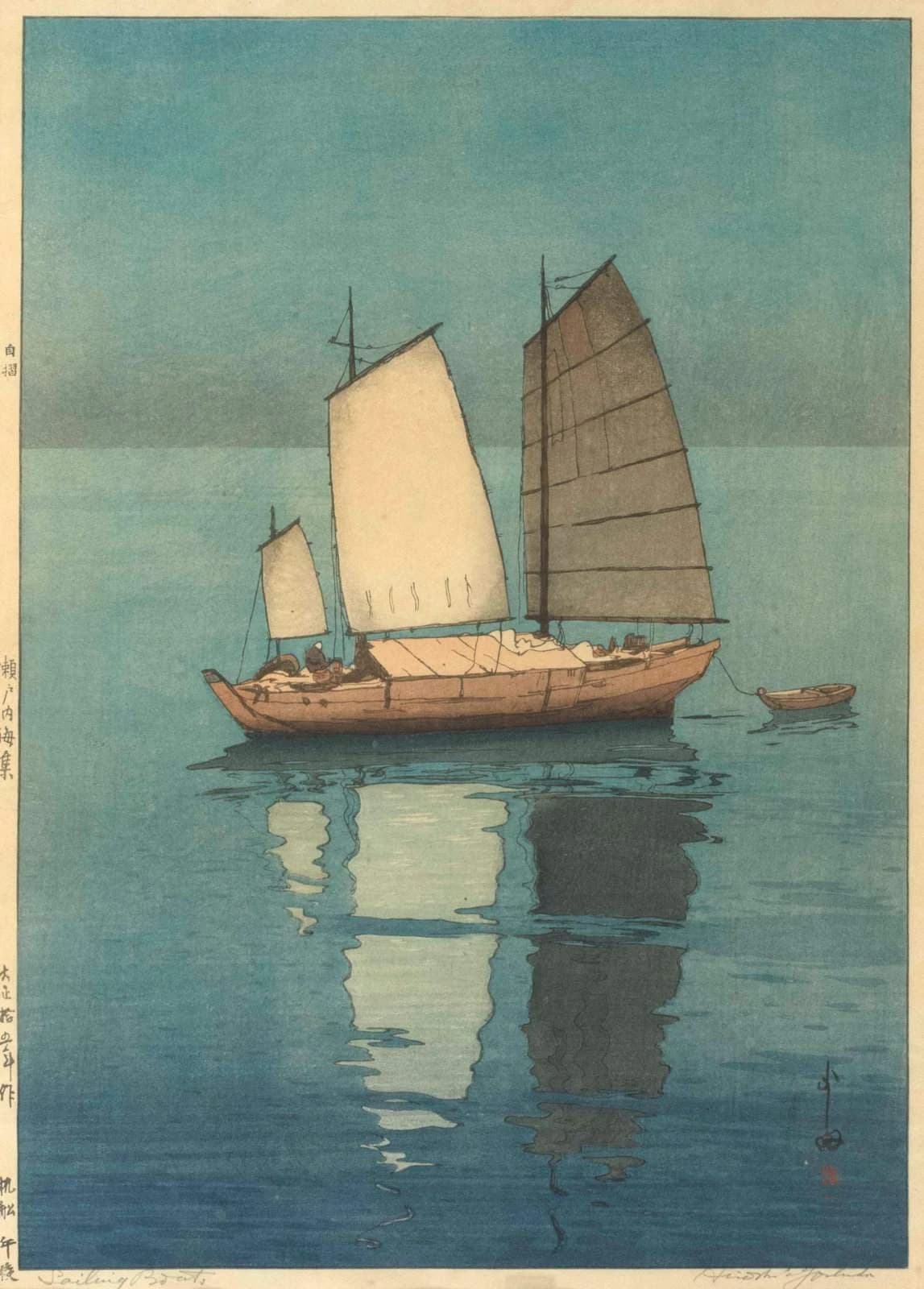
The same boats in a different light.
Two decorated surfaces reveal very different material processes, each requiring more than recognition of a visual style.
Japanese Prints & The Art of Looking
Read the story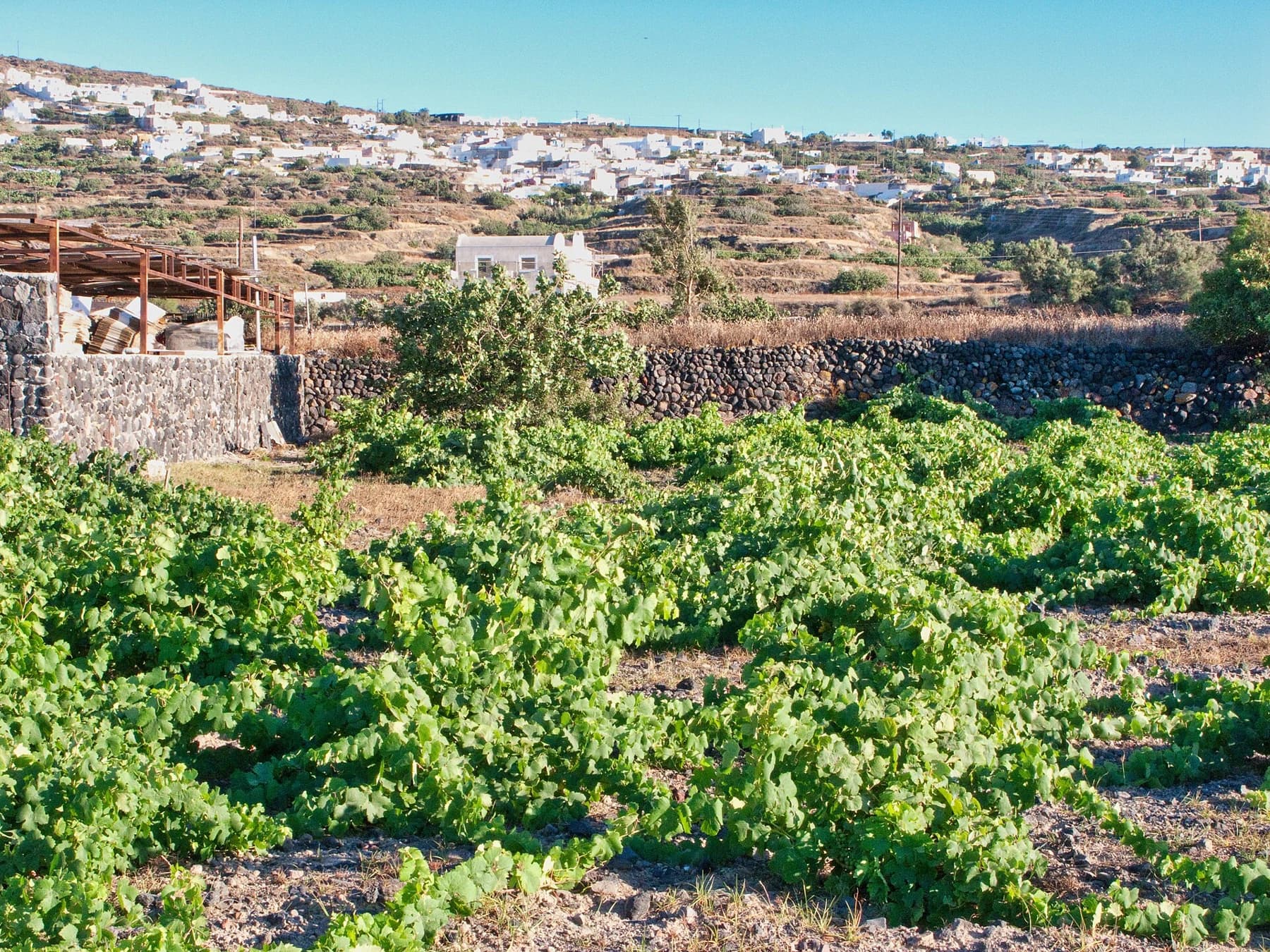
Across the WHV world
The vineyard woven against the wind.
A living vineyard shows another way local knowledge can remain visible in something people can experience today.
Assyrtiko & Agricultural Knowledge
Read the story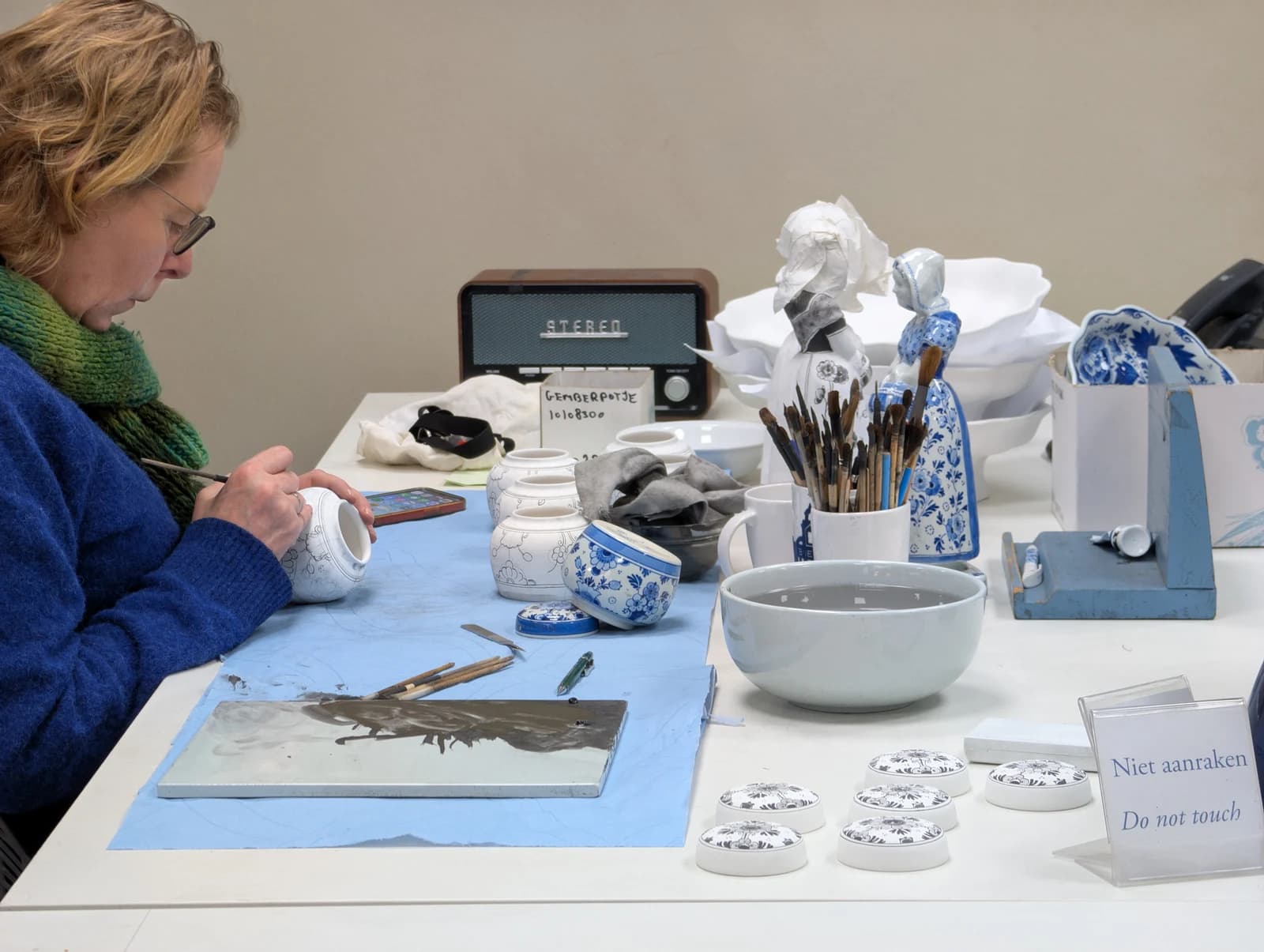
An unexpected connection
The blue begins in black.
Compare another blue ceramic tradition without assuming a similar colour means the same body or making process.
Painted Ceramics & Living Craft
Read the story