DISCOVERY / Rare Books & Maps
When the world became a book.
Ortelius’s 1570 atlas shows why an old map’s identity matters as much as its beauty.
Published 13 September 2026 · WHV · Public-source editorial note
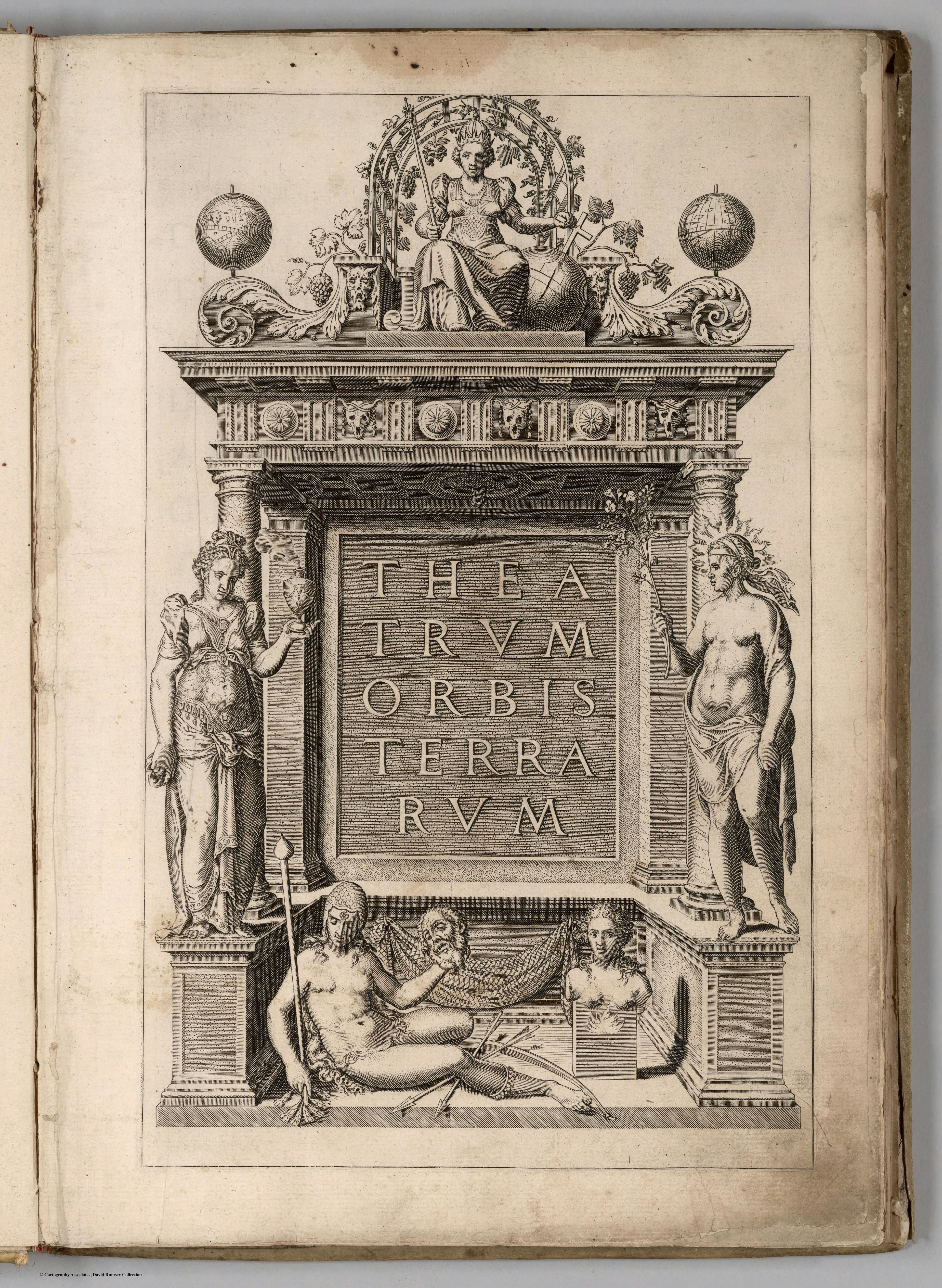
The title page promises a theatre of the world. Open the volume and the promise becomes a system: maps made to a consistent format, arranged with accompanying text and gathered into a designed book. Geography could now be encountered as a coherent sequence.
A world made consistent
The Library of Congress catalogues this Theatrum orbis terrarum as published in Antwerp in 1570. Its record describes 53 map sheets with text on their reverse and a colophon dated 20 May. The copy also carries the name and arms of Jean, Count of Hoya, giving this particular book its own material history.
The institution calls Ortelius’s work the first true atlas in the modern sense. The distinction is not that no maps existed before it. Ortelius and his collaborators turned maps into a uniform, purpose-made collection that could be expanded, translated and read as a whole.
The difference between a map and the atlas
What holds value is the meeting of an important intellectual form and an honestly identified survivor. An attractive detached map may be worth studying. It is not the same object as a complete 1570 atlas. A later edition, modern facsimile and period book with missing sheets each asks a different question.
Begin with edition, language, collation, maps, text, binding and provenance. Identify repairs, supplied leaves and the date of any hand colouring. Compare like with like. Beauty is visible immediately. Bibliographic integrity takes time to establish and is often where the most useful information begins.
Source and context.
Library of Congress: Theatrum orbis terrarum, 1570 ↗
Library of Congress: map of Denmark from the atlas ↗
A reading of Library of Congress catalogue records, not a collation or valuation of a private atlas. WHV has not examined every digitised leaf, and no claim is made about the originality of colour in another copy.
Source checked 13 September 2026. WHV interpretation is distinct from the source’s account.
Explore Rare Books & MapsFOLLOW YOUR CURIOSITY
Where this leads.
Different subjects. A reason to connect them.
Continue the idea
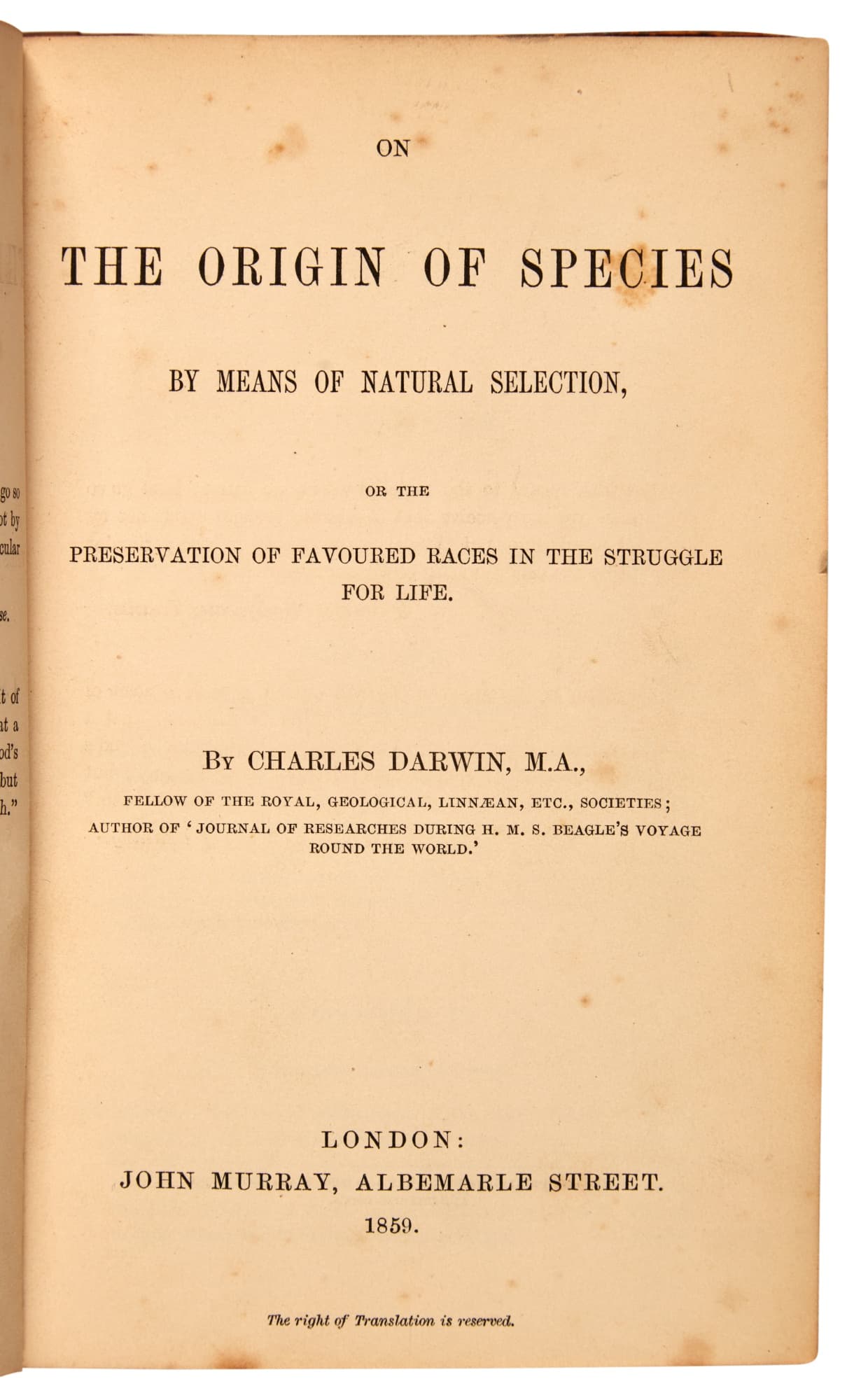
Before you call it a first edition.
Both stories show why edition, completeness and an honest collation come before visual attraction.
Rare Books
Read the story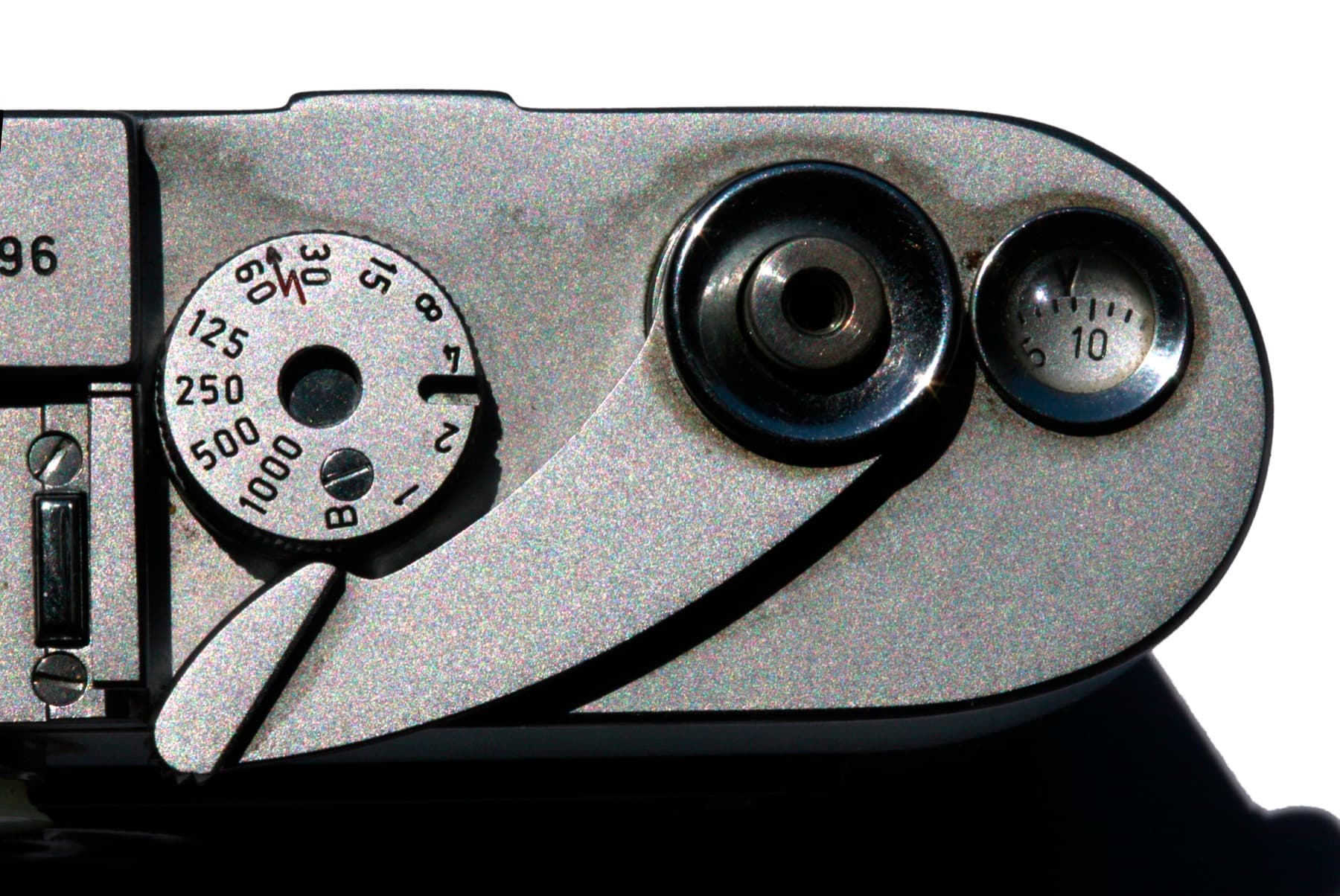
Across the WHV world
The camera built around a mount.
A book and a camera system organise a way of seeing through carefully related components.
Rare Objects
Read the story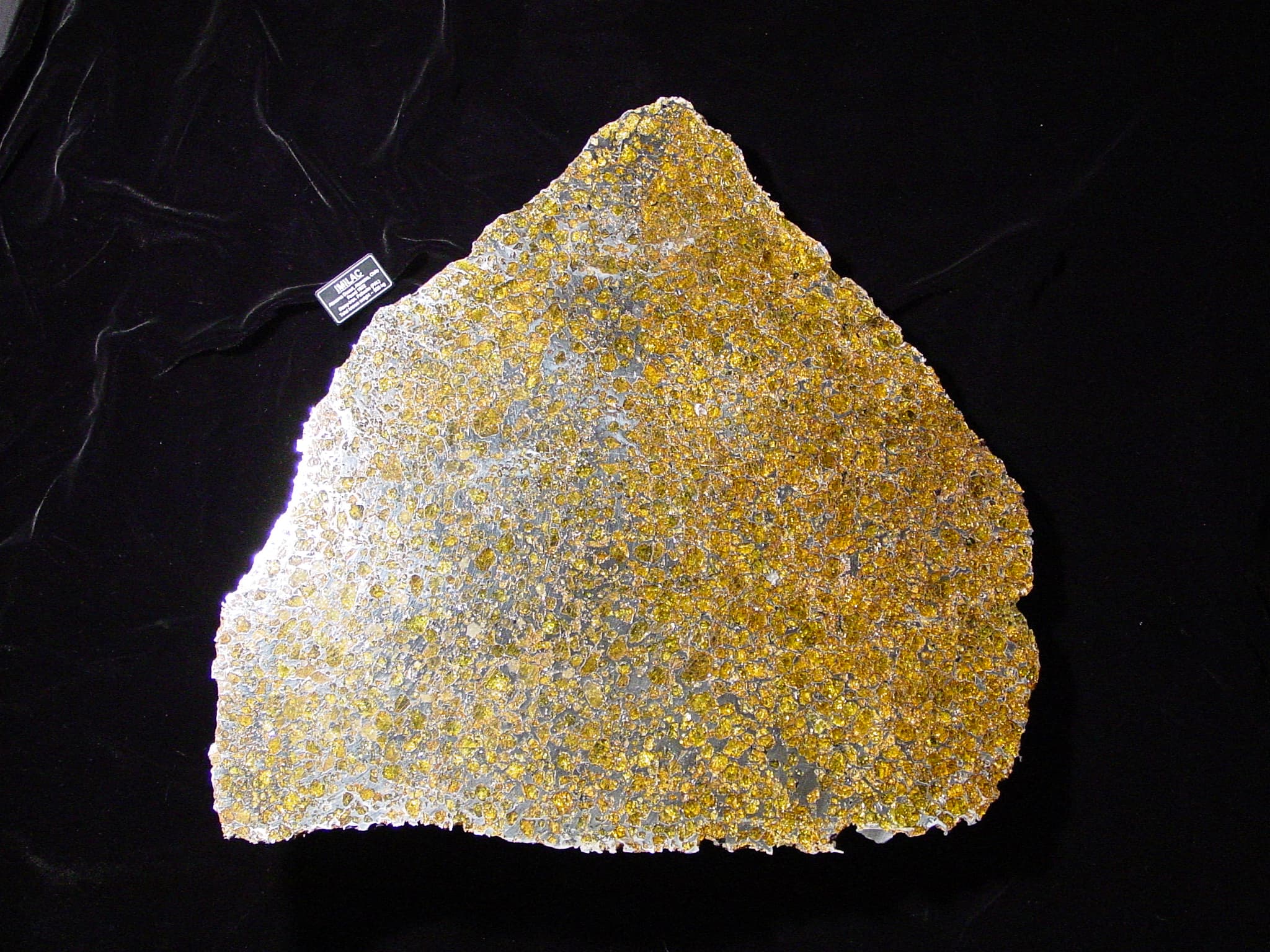
An unexpected connection
A window into an asteroid.
Move from a historical picture of the world to a material fragment that changed planetary knowledge.
Rare Objects
Read the story