DISCOVERY / Lighting & Mechanical Intelligence
The arms are also the wires.
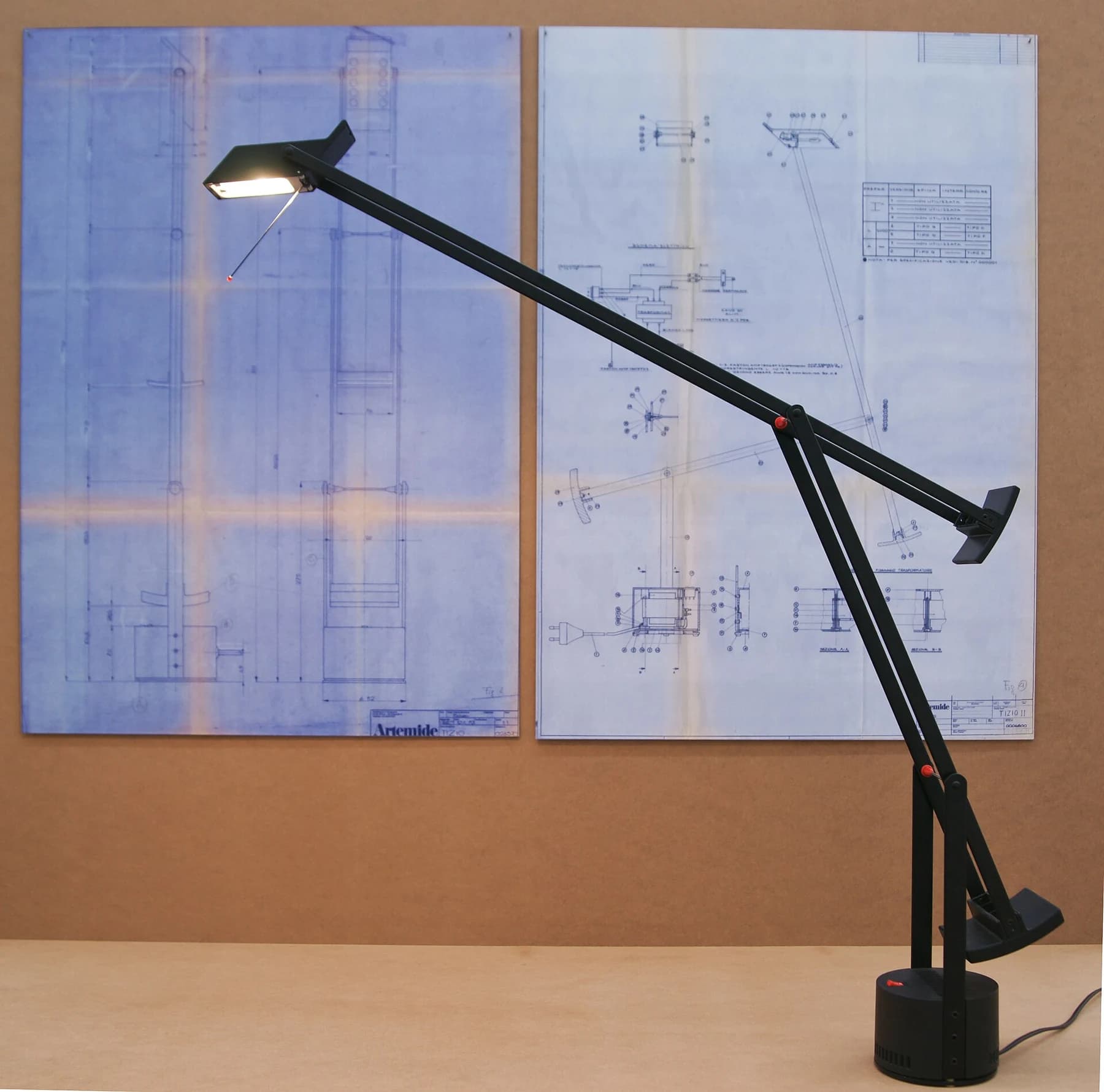
Richard Sapper’s Tizio turns balance, structure and electrical conduction into one spare silhouette. The clever part is not what was added, but what became unnecessary.
Published 21 October 2026 · WHV · Public-source editorial note
Follow the black arms of a Tizio lamp and something appears to be missing. There is no loose cable tracing their movement up to the head. Richard Sapper’s 1972 design makes the structure itself part of the electrical circuit, so an engineering decision becomes the reason for its unusually clear outline.
One part can do more than one job
The original arrangement uses a transformer in the base to supply low-voltage current through the arms and their connections. Counterweights allow the head to move without a conventional spring mechanism. These are not decorative references to machinery. They explain how the lamp directs light and why it can remain visually light even when extended across a desk.
Its continuing interest is the economy of that solution. A familiar object becomes more intelligible when several demands are resolved together. Museum recognition provides historical context, while Artemide’s continuing Tizio range keeps the idea connected to everyday use. Neither fact tells us that every old example is electrically sound or that the newest variant is identical to the original.
Choose the working lamp, not just the silhouette
Compare the exact size, light source and controls before ordering. For a used lamp, check joints, counterweights, transformer and electrical condition through a competent specialist. Confirm compatible components rather than assuming an LED substitution is straightforward. The reward is a useful piece of design reasoning on the desk, not a prediction about collectible prices.
Source and context.
Richard Sapper archive: Tizio and its electrical construction ↗
The Metropolitan Museum of Art: Tizio collection record ↗
The electrical description refers to the original Tizio concept. Light sources and specifications vary across versions, and older electrical equipment requires condition assessment.
Source checked 21 October 2026. WHV interpretation is distinct from the source’s account.
Explore Lighting & Mechanical IntelligenceFOLLOW YOUR CURIOSITY
Where this leads.
Different subjects. A reason to connect them.
Continue the idea
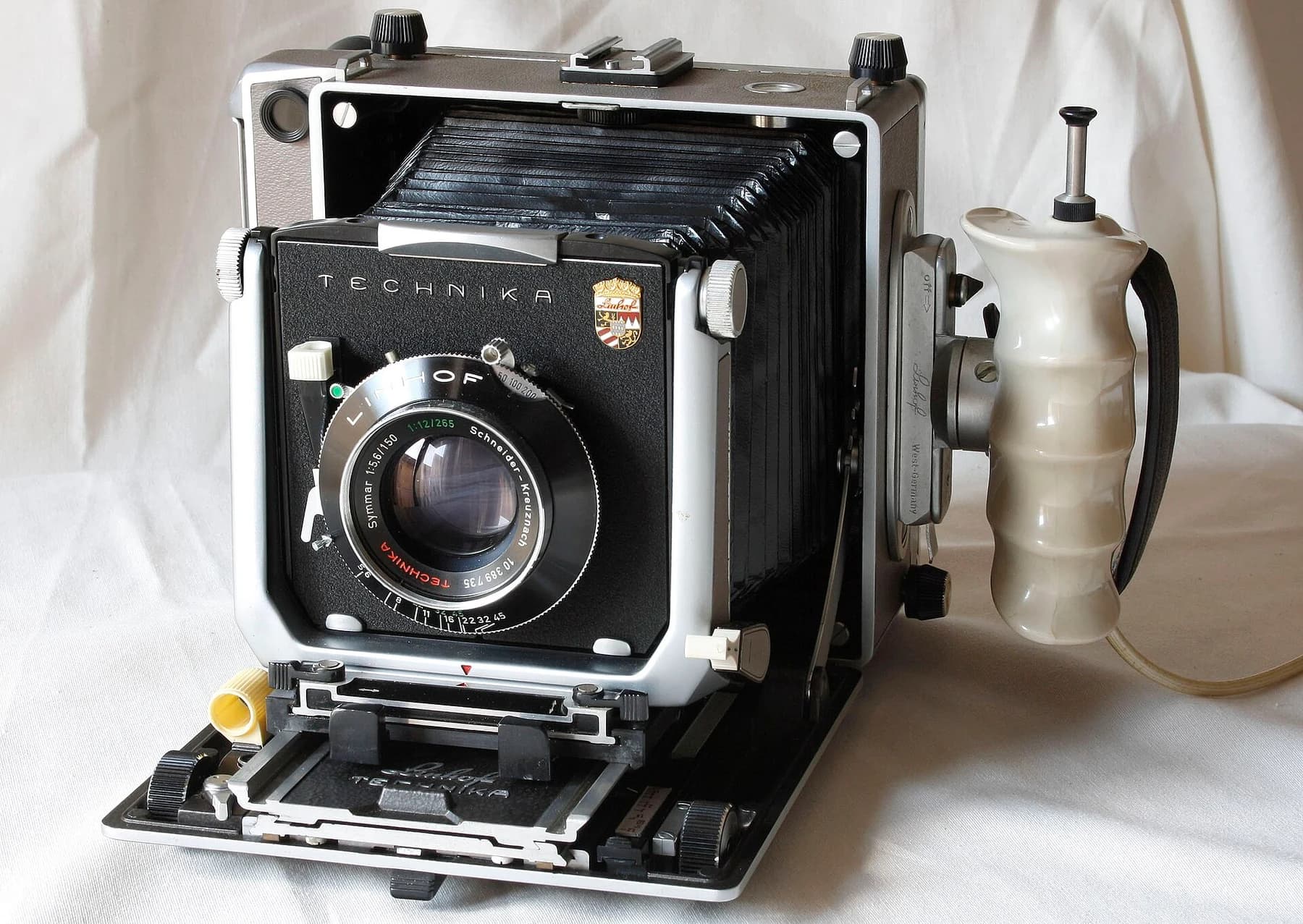
The camera that moves the plane.
A camera also makes its unusual form understandable through the physical adjustments it allows its user to make.
Cameras & Optical Instruments
Read the story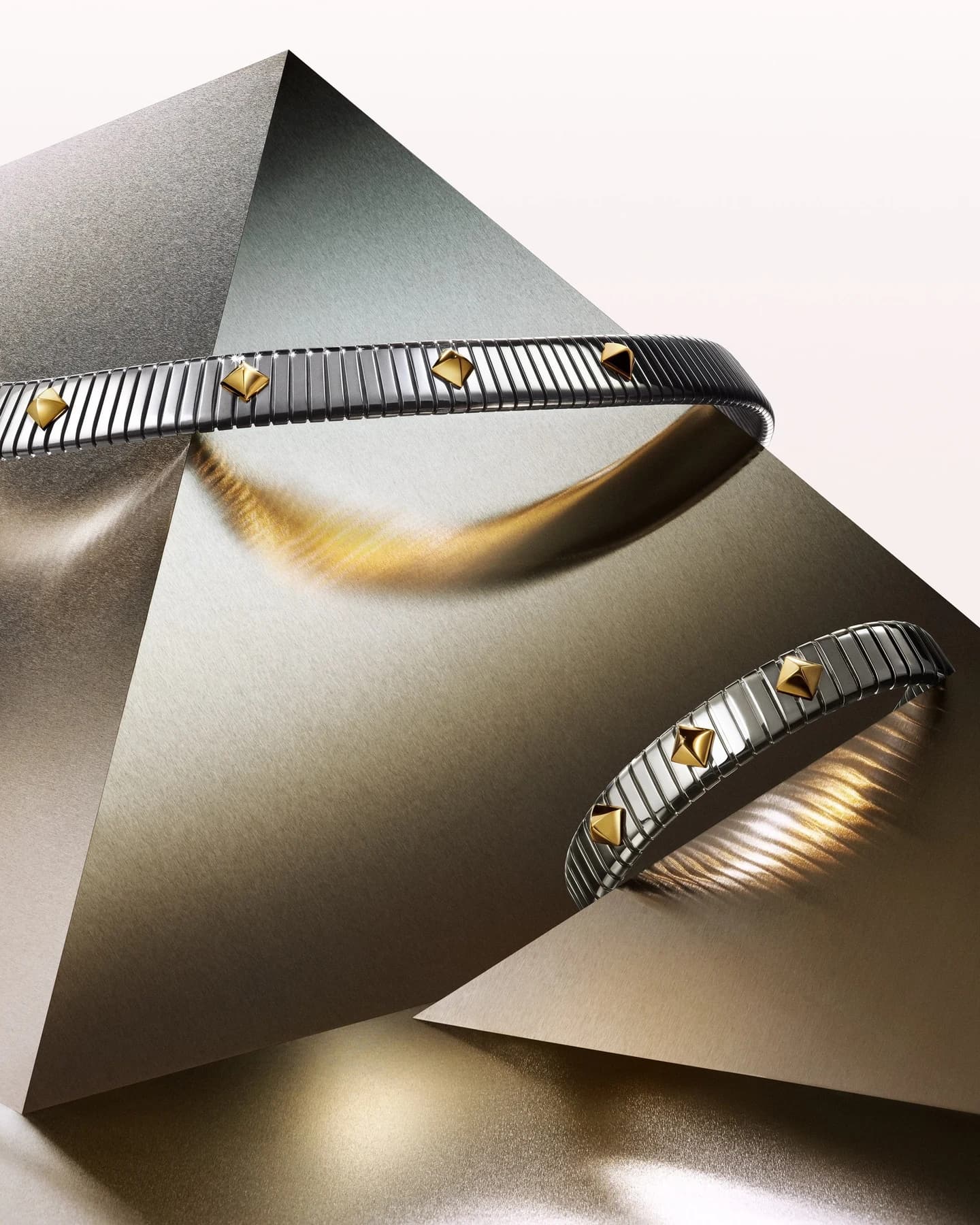
Across the WHV world
When steel belongs in the jewel.
Move from conducting arms to flexible metal coils, where construction likewise becomes the object’s visual identity.
Jewellery & Industrial Techniques
Read the story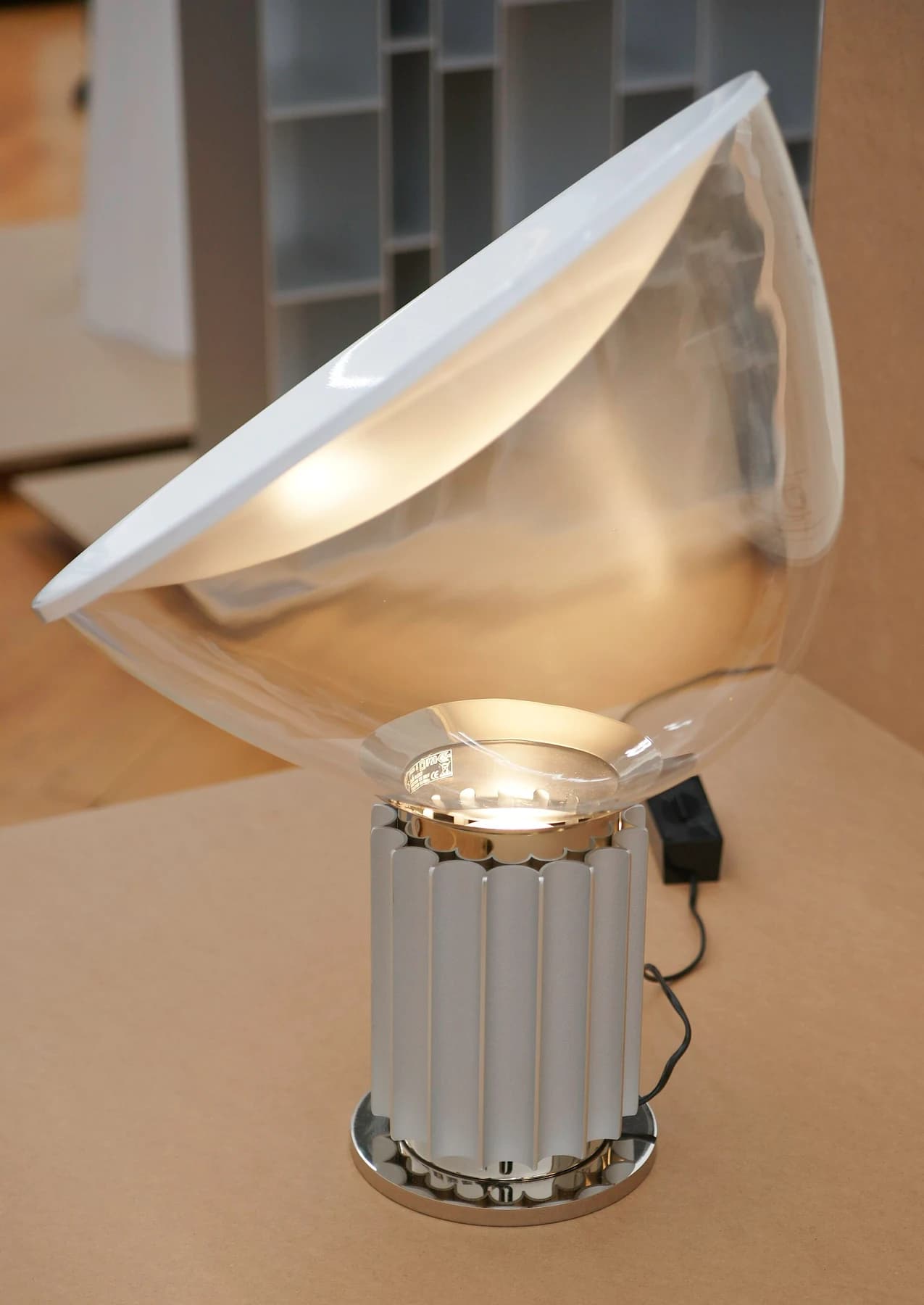
An unexpected connection
The light is not where you expect.
Another lamp reveals how a familiar lighting problem can produce a very different and equally legible solution.
Lighting & Optical Design
Read the story