DISCOVERY / Furniture & Structural Elegance
The weight that is not there.
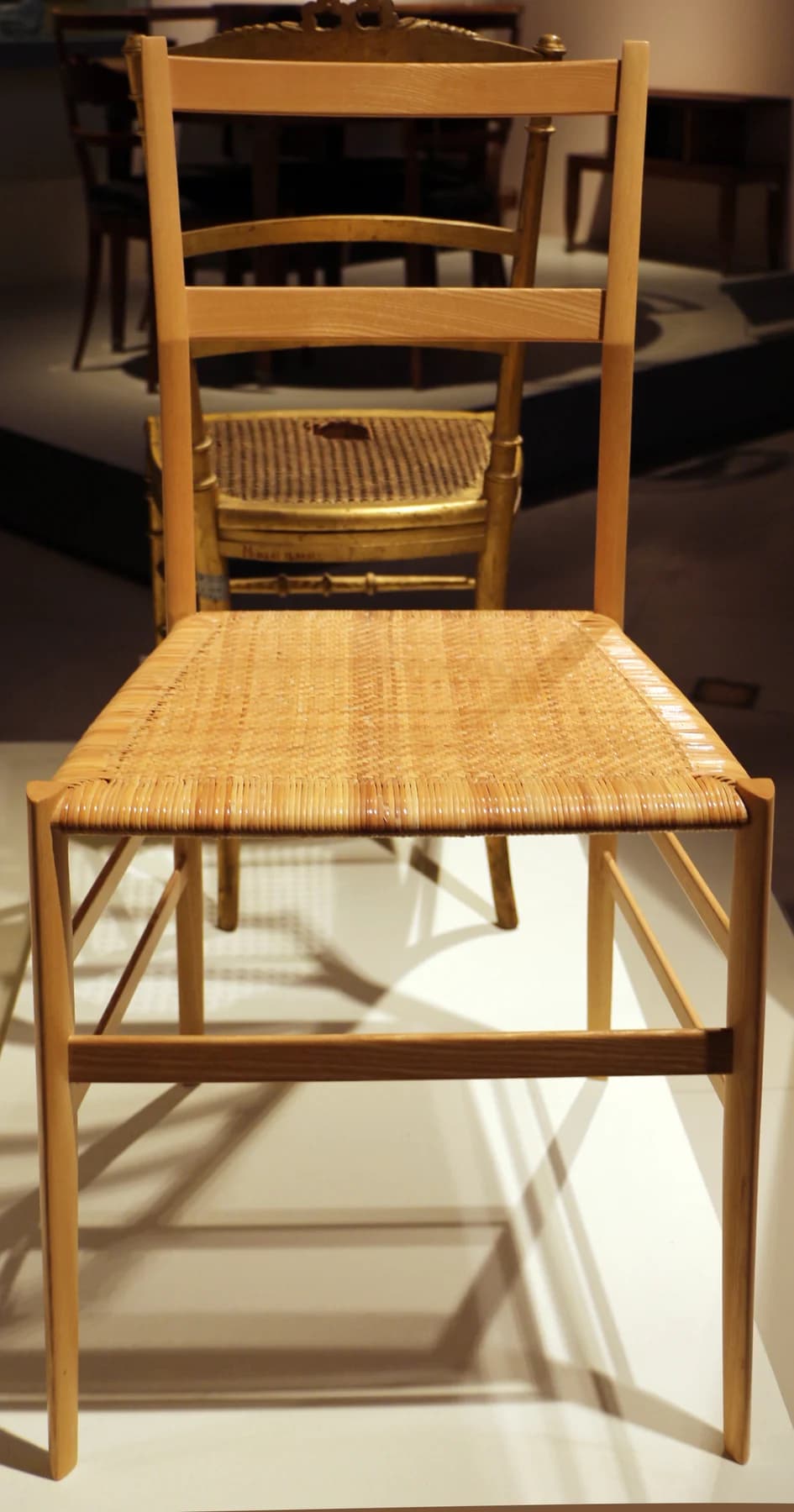
Gio Ponti’s Superleggera makes lightness a construction problem. Its slender frame is the result of material choices and joints, not simply a thin outline.
Published 27 October 2026 · WHV · Public-source editorial note
Some chairs announce themselves by occupying a room. The Superleggera does almost the opposite. A fine wooden outline, a woven seat and four slim legs make its presence feel precise rather than substantial. The surprise is that so little visual mass can still read as a complete chair.
Lightness begins inside the joint
Gio Ponti’s design entered Cassina production in 1957, drawing on the light chairs of Chiavari. Cassina describes an ash structure, a beech seat surround and leg sections reduced to eighteen millimetres. Components are mechanically made, then finished and assembled by hand. The maker’s celebrated 1.7-kilogram figure belongs to the light woven-seat version, not every upholstered configuration sold under the name.
What holds value is the discipline behind that reduction. The chair asks each material to do an appropriate job instead of relying on bulk to suggest quality. Continuing production makes the idea available beyond historical collections, while MoMA’s record gives an independent point of reference for the design. A museum acquisition is evidence of institutional interest, not a valuation of another example.
The particular chair still matters
Sit in the version you would actually use and consider its seat material, proportions and setting. On an older chair, examine joints, repairs and the condition of the woven surface with a qualified restorer. Distinguish a recent production chair from an attributed early example. Neither a familiar silhouette nor a story about remarkable lightness establishes the identity or safe condition of the chair offered to you.
Source and context.
Cassina: 699 Superleggera, materials and manufacture ↗
MoMA: Gio Ponti, Superleggera chair, designed 1957 ↗
Cassina’s 1.7-kilogram claim is not a measured weight for every finish or seat variant. The archival museum photograph does not date or authenticate another chair.
Source checked 27 October 2026. WHV interpretation is distinct from the source’s account.
Explore Furniture & Structural EleganceFOLLOW YOUR CURIOSITY
Where this leads.
Different subjects. A reason to connect them.
Continue the idea
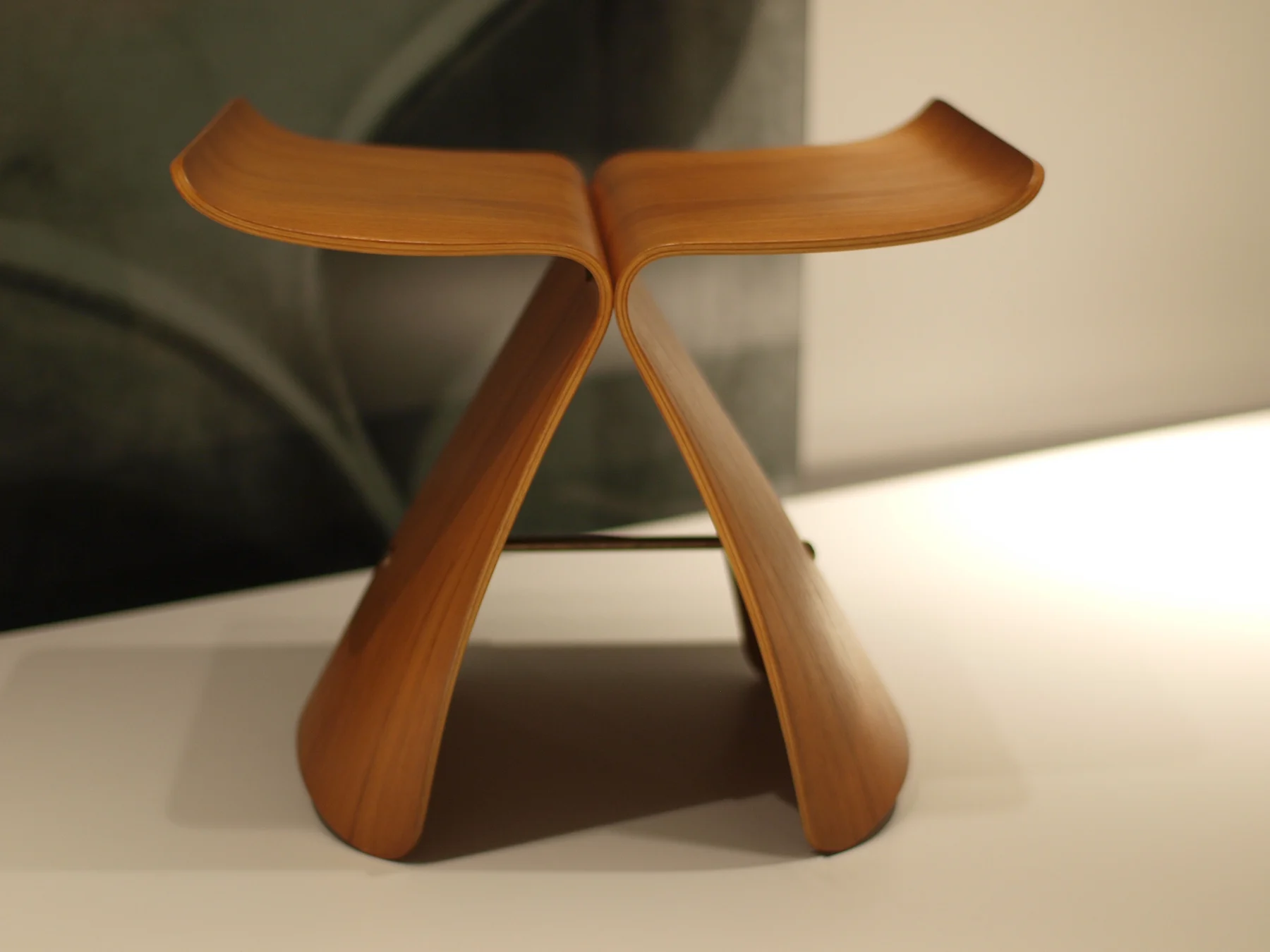
Two pieces. One quietly radical stool.
Compare Ponti’s slender frame with Yanagi’s two matching plywood elements and their different structural economy.
Furniture & Material Intelligence
Read the story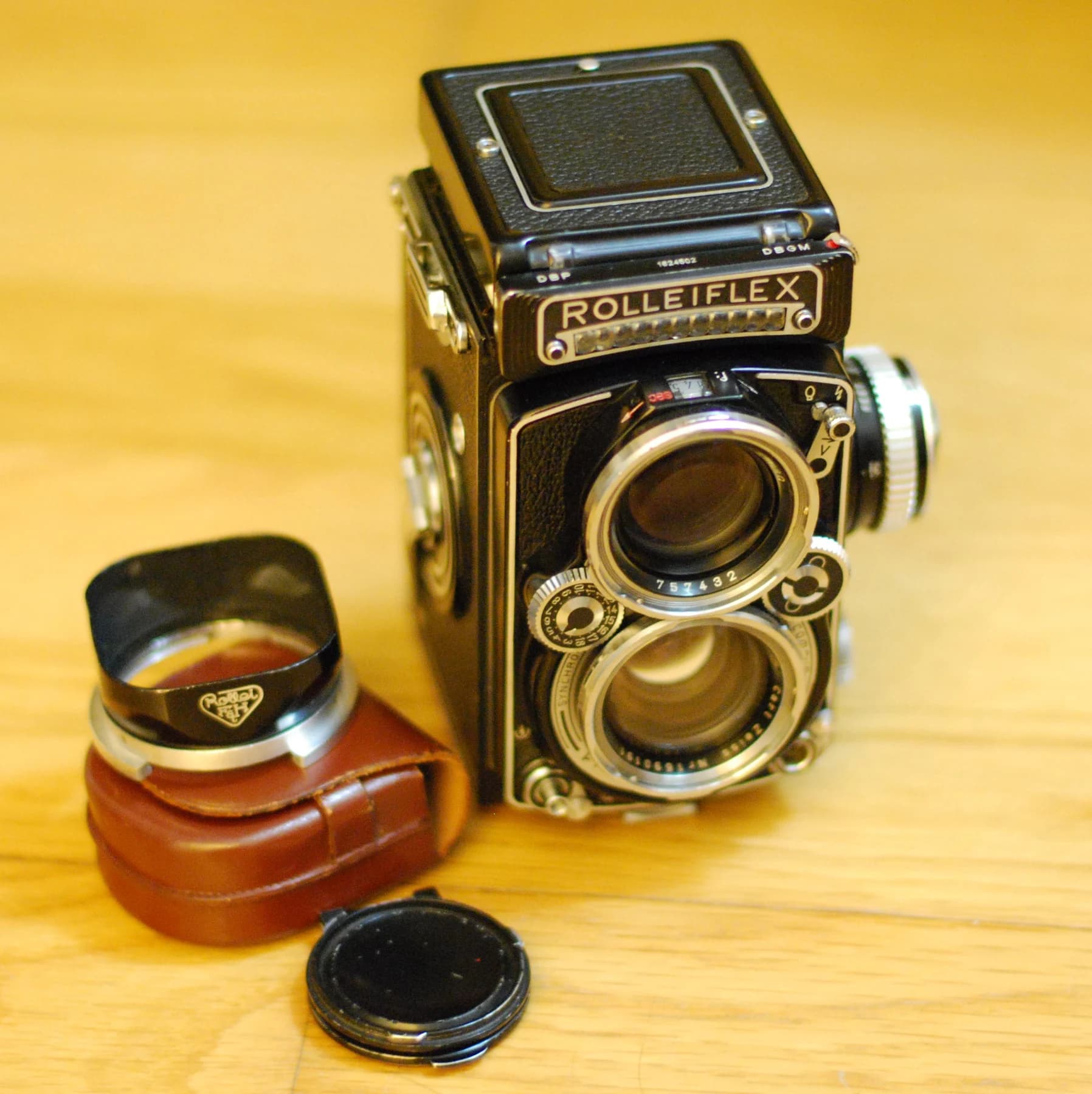
Across the WHV world
Two lenses. Another way of looking.
Another twentieth-century instrument makes its distinctive arrangement of parts central to its lasting appeal.
Photographic Instruments & Ways of Seeing
Read the story
An unexpected connection
An aircraft that explains its shape.
At the scale of an aircraft, another unusual outline reveals a demanding engineering brief.
Aircraft Architecture & Mission
Read the story