DISCOVERY / Aircraft Architecture & Mission
An aircraft that explains its shape.
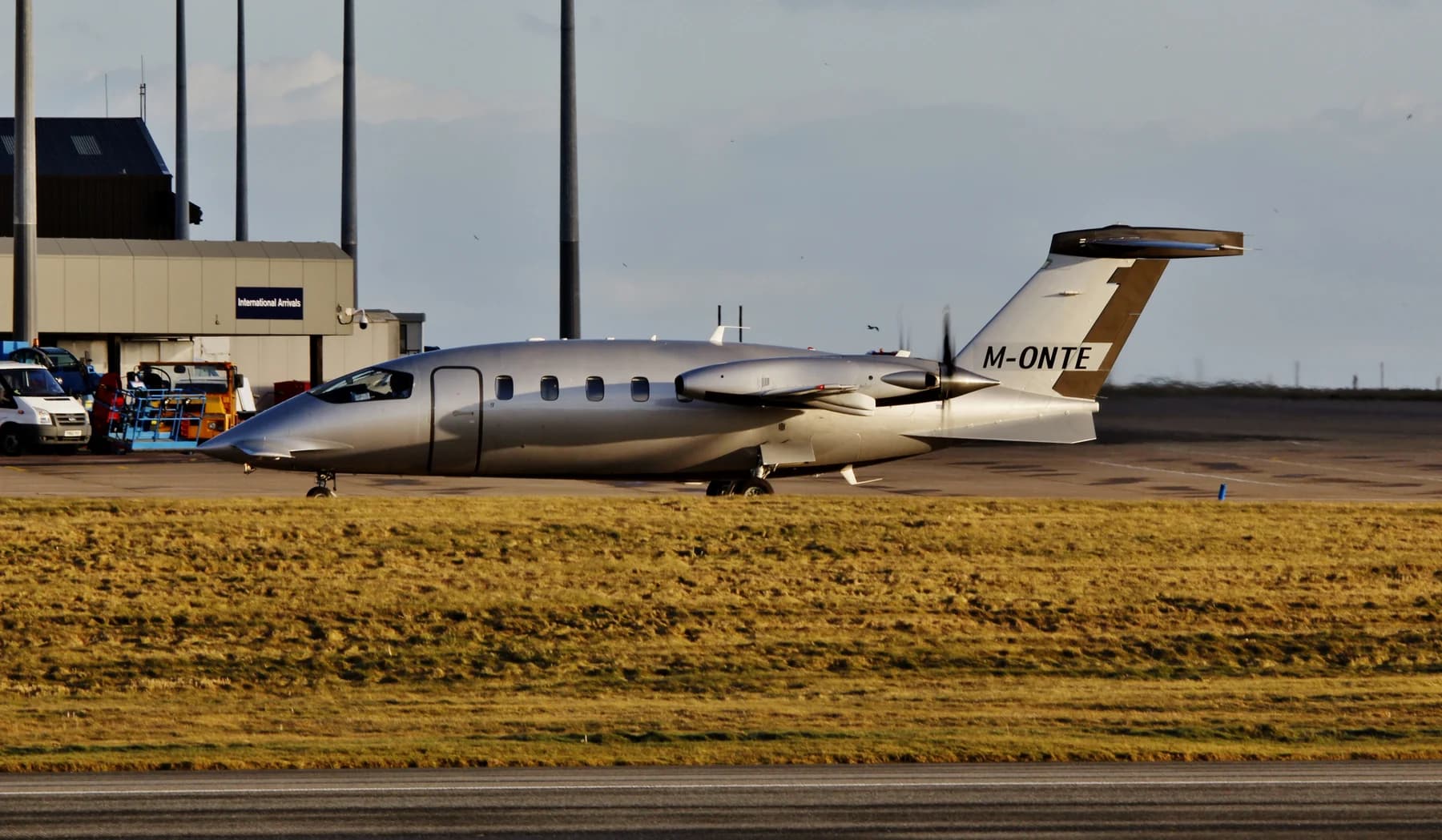
The Piaggio P.180 Avanti looks unusual because its designers rearranged the aircraft. Three lifting surfaces and rear-facing propellers make the engineering visible.
Published 27 October 2026 · WHV · Public-source editorial note
A Piaggio Avanti looks as though familiar aircraft elements have been moved into unfamiliar places. Small forward surfaces sit ahead of the main wings, while propellers work behind the engine nacelles. It is an arresting silhouette, but the reason to remember it is the engineering question beneath the shape.
The unusual outline has a brief
The P.180 uses a three-lifting-surface arrangement and pusher propellers. Piaggio describes the architecture as a way to reconcile cabin space with aerodynamic performance. The company’s historical account identifies Alessandro Mazzoni with the design and places its development in the early 1980s. Later Avanti variants are not interchangeable specifications, even when the family resemblance is strong.
The enduring interest is an alternative way of organising a useful machine. An aircraft can be distinctive because its form follows a difficult set of requirements, rather than because decoration signals exclusivity. For a traveller, the relevant question is whether a particular aircraft and qualified operator suit the route, passenger needs and operating conditions. Experiencing the design does not require becoming its owner.
Start with the journey, not ownership
Discuss an actual journey with an appropriately authorised operator and confirm which variant is offered. For ownership research, use current maintenance, support and regulatory documentation with qualified advisers. EASA’s type certificate identifies the certified design, not the present airworthiness of a photographed aircraft. The image shows P.180 M-ONTE in 2020. It is not evidence of a new EVO configuration, current availability, low running costs or future resale performance.
Source and context.
Piaggio Aerospace: P.180 architecture and current manufacturer ↗
Piaggio Aerospace: P.180 fleet history and one-million-hour milestone ↗
EASA: P.180 type certificate data sheet A.059, issue 19 ↗
Manufacturer performance claims have not been independently tested by WHV. The photograph identifies a P.180 in 2020, not a current charter offer or a verified EVO specification. Type certification does not establish individual airworthiness.
Source checked 27 October 2026. WHV interpretation is distinct from the source’s account.
Explore Aircraft Architecture & MissionFOLLOW YOUR CURIOSITY
Where this leads.
Different subjects. A reason to connect them.
Continue the idea
The character beneath the profile.
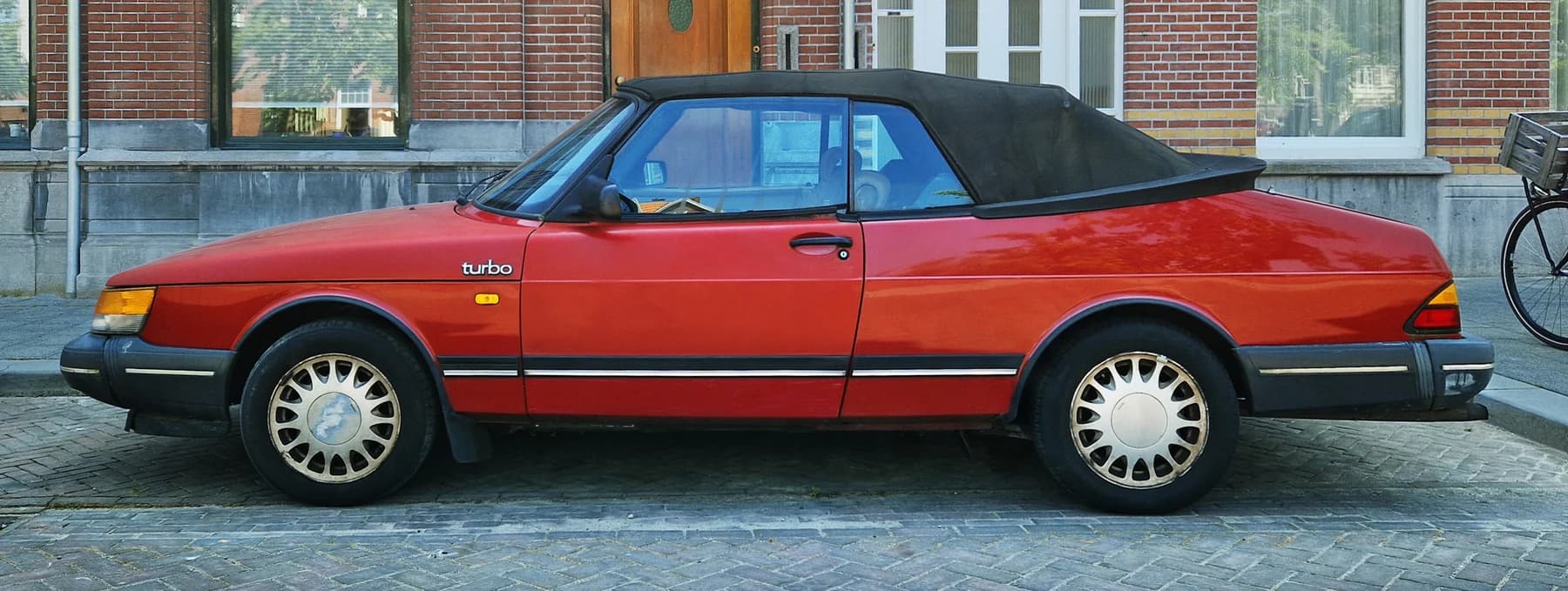
Return to road transport and another machine whose unusual character must be matched by a realistic support route.
Distinctive Road Cars & Ownership
Read the story
Across the WHV world
The weight that is not there.
A very light chair makes the same invitation to understand an elegant outline through construction.
Furniture & Structural Elegance
Read the story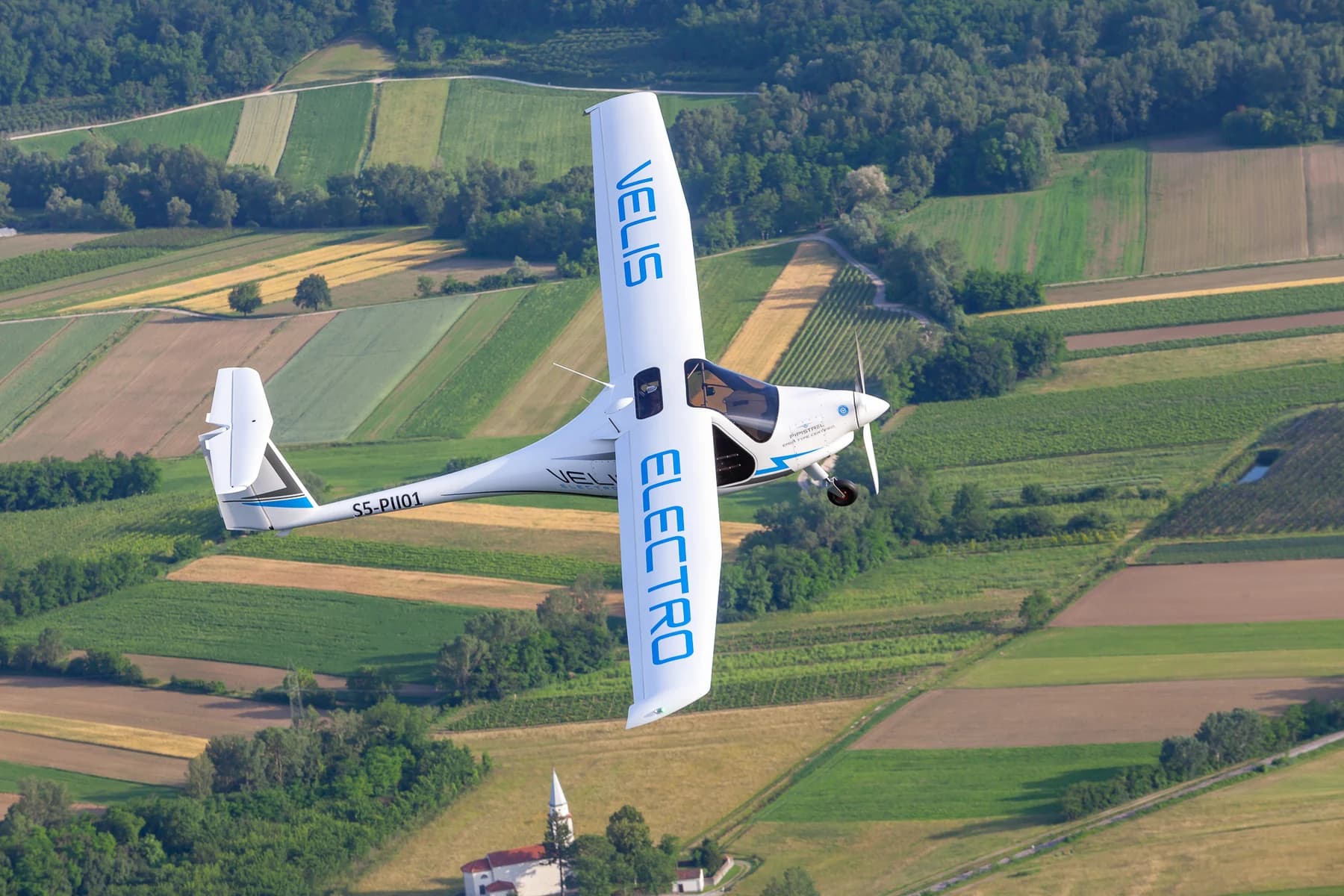
An unexpected connection
An electric aircraft with a specific job.
Compare the Avanti’s transport brief with an electric aircraft designed around a much narrower mission.
Certified Electric Flight & Pilot Training
Read the story