DISCOVERY / Photographic Instruments & Ways of Seeing
Two lenses. Another way of looking.
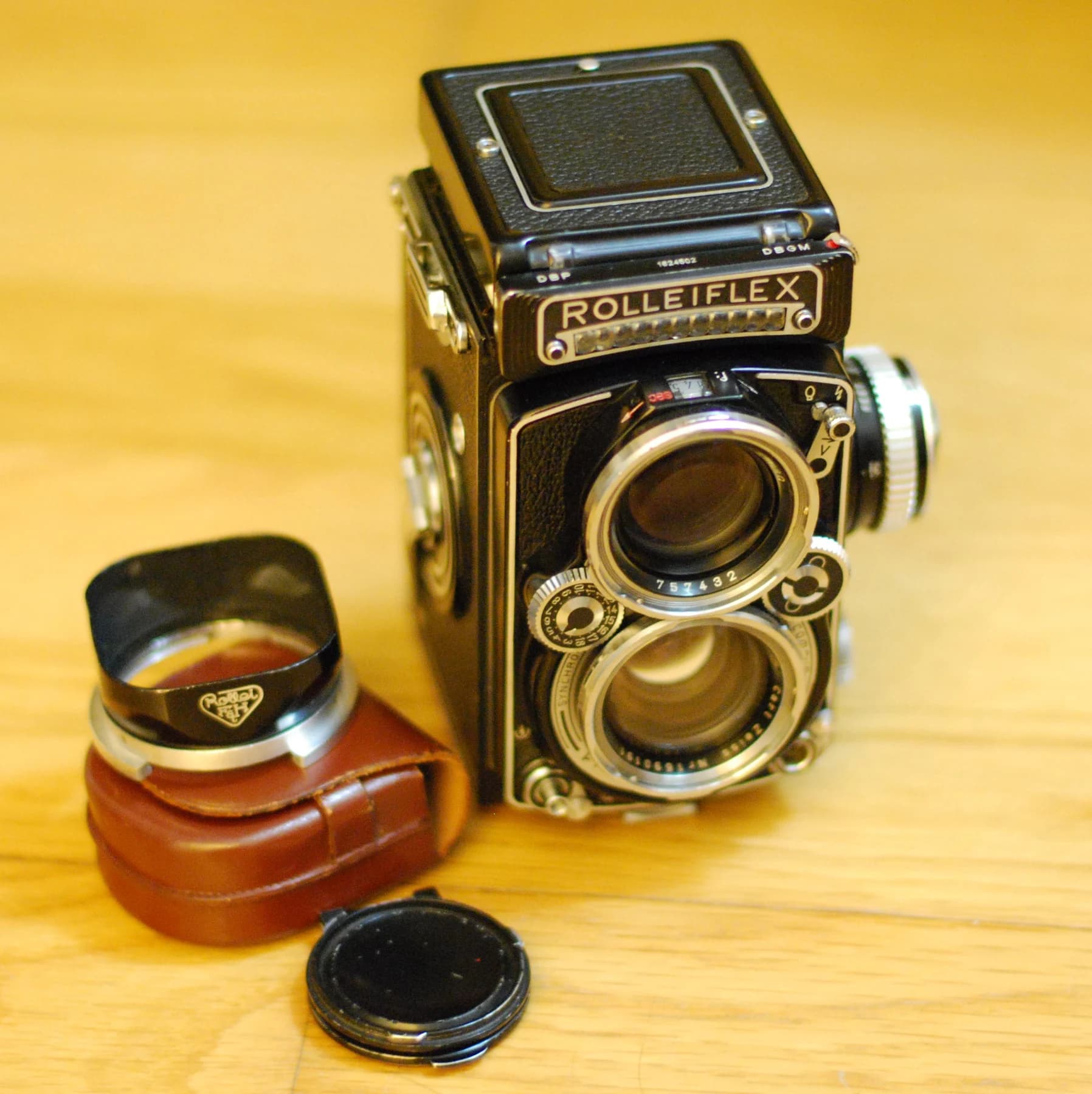
A Rolleiflex twin-lens camera separates looking from exposing the film. The lasting attraction is not simply the image it makes, but the attention its design asks of you.
Published 27 October 2026 · WHV · Public-source editorial note
Look down into a Rolleiflex and the world becomes a small, luminous square. The camera is not pressed against your face. Composition happens at a different distance from your body, inviting an unusually deliberate relationship with the person, room or landscape in front of you.
One lens looks, the other records
The two lenses have different jobs. The upper lens directs a view through a mirror to the focusing screen. The lower lens exposes the film. Preus Museum traces the Rolleiflex twin-lens design to 1929. The pictured 2.8 E is a later model, whose original manual describes twelve square exposures on a standard roll of 120 film. This is an optical arrangement, not a digital filter applied afterwards.
Its enduring value is a way of working that remains available to a contemporary photographer. A finite roll, an unfamiliar viewpoint and the separation of viewing from exposure can make decisions more conscious. None guarantees better photographs. The interest lies in whether this instrument helps you see something your usual camera lets you pass over.
Choose a camera with a working future
Before buying, have the exact example assessed for shutter operation, focus, film transport and optical condition. Ask a specialist whether that generation is accepted for repair. Paepke’s published Rollei service scope starts in 1960 and must not be read as coverage for the earlier 2.8 E pictured here. A beautiful camera without an agreed service route may be an object to admire rather than the instrument you intended to use.
Source and context.
Preus Museum: twin lenses and the Rolleiflex ↗
Rolleiflex 2.8 E: original manufacturer instruction manual ↗
Paepke Fototechnik: current service acceptance by camera generation ↗
The photograph shows a Rolleiflex 2.8 E with a Planar lens. The cited workshop’s post-1960 service scope does not establish support for this earlier model. No individual camera has been inspected.
Source checked 27 October 2026. WHV interpretation is distinct from the source’s account.
Explore Photographic Instruments & Ways of SeeingFOLLOW YOUR CURIOSITY
Where this leads.
Different subjects. A reason to connect them.
Continue the idea
More film, not less picture.
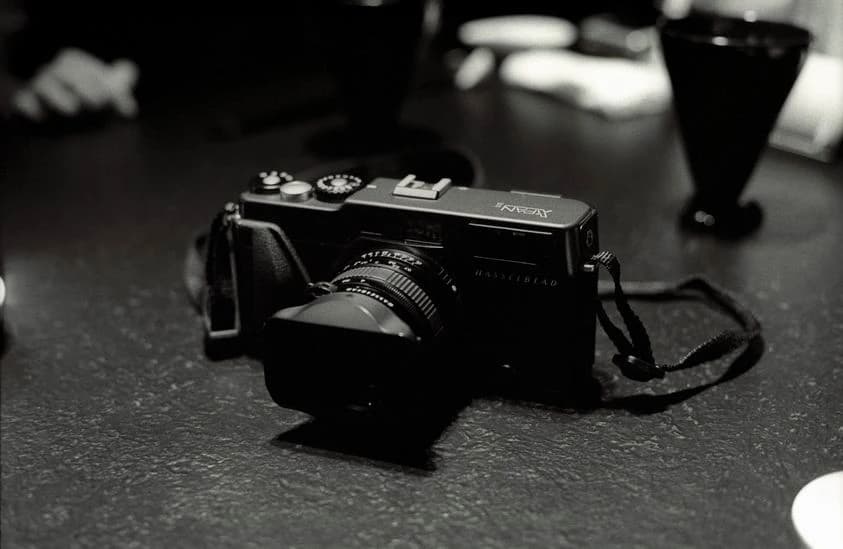
Compare the square Rolleiflex image with a camera that gives film a very different horizontal field.
Cameras & Ways of Seeing
Read the story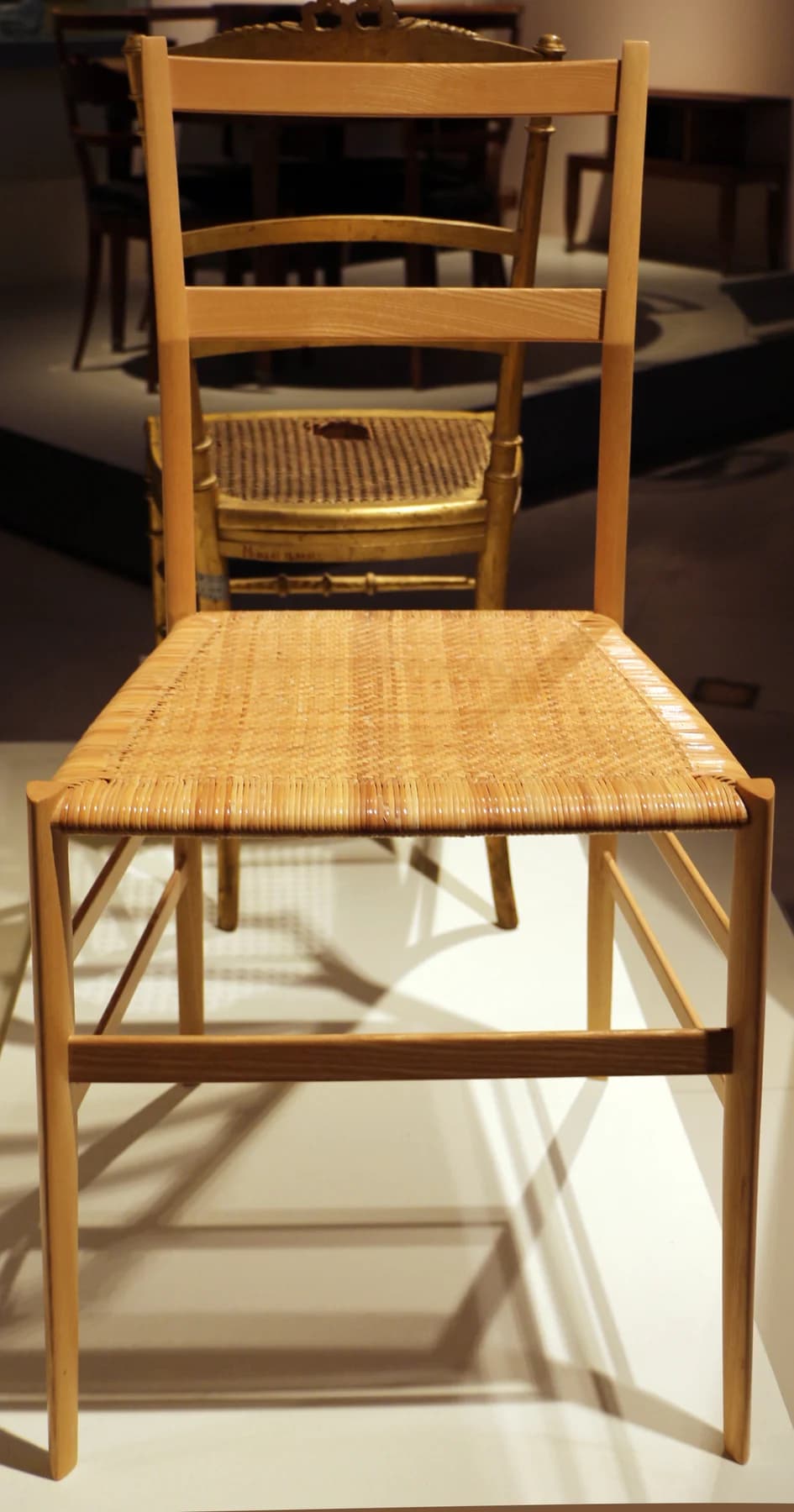
Across the WHV world
The weight that is not there.
A camera and a chair show how a precise arrangement of parts can make an everyday action feel different.
Furniture & Structural Elegance
Read the story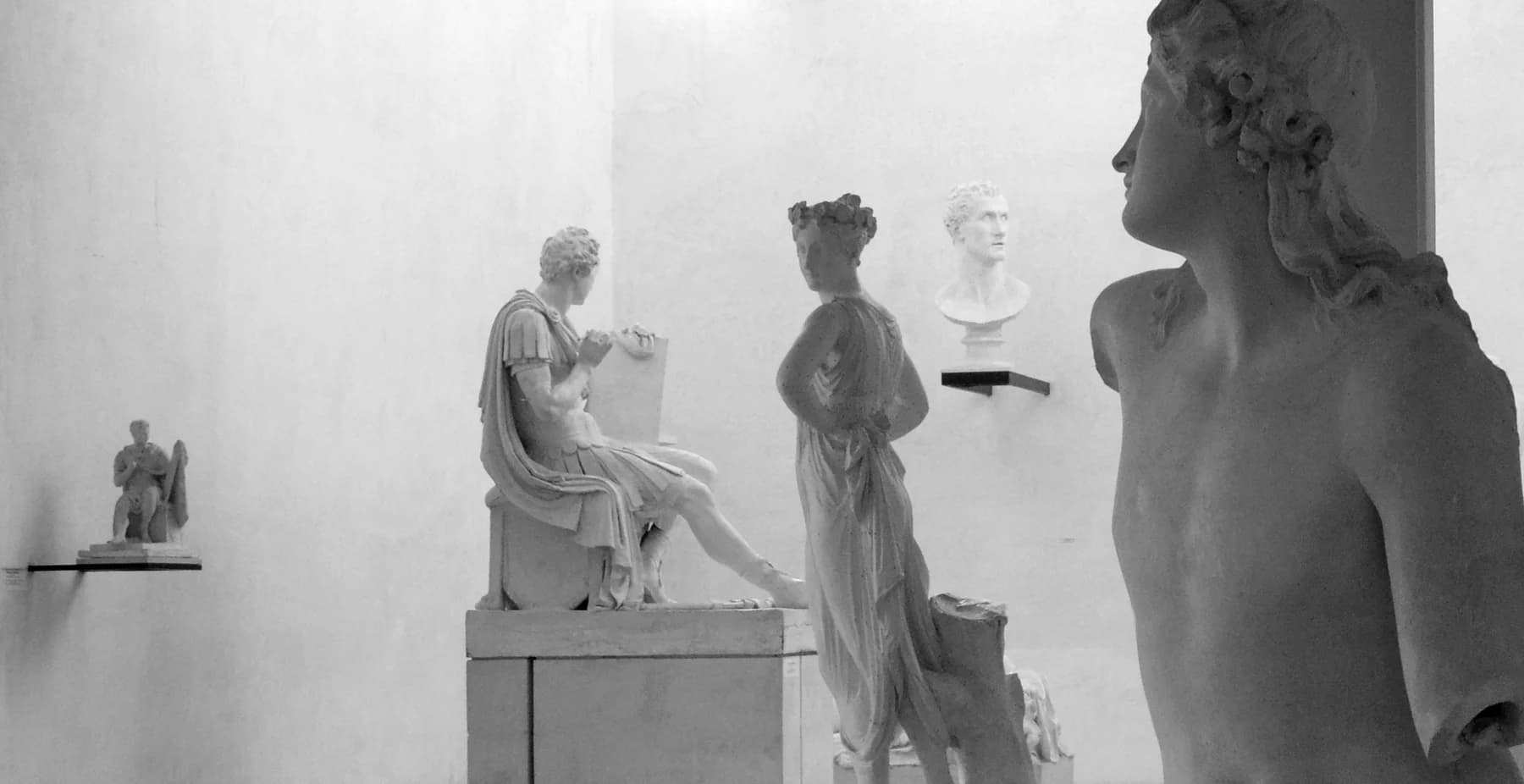
An unexpected connection
A room that teaches you to see.
Move from an optical instrument to architecture that changes the way a viewer notices light and form.
Museum Architecture & Natural Light
Read the story