DISCOVERY / Crystal Sculpture & Living Manufacture
The dance still being made.
René Lalique’s Bacchantes began in 1927 and remains a living design. The revealing part is how a ring of figures moves between mould, handwork, satin surface and light.
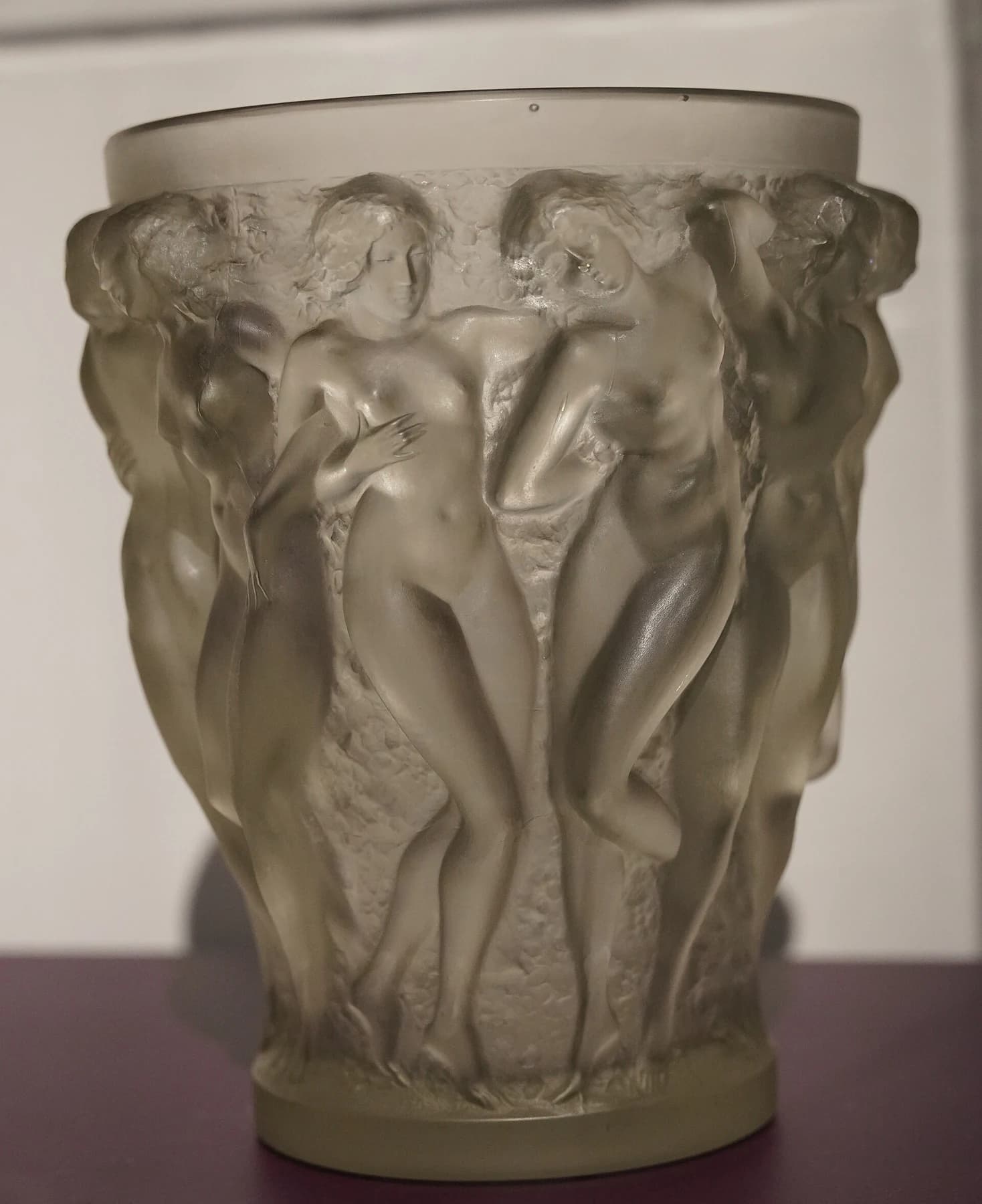
Published 20 October 2026 · WHV · Public-source editorial note
The figures do not simply sit on the vase. Their repeating bodies turn its circumference into a continuous dance, while satin and polished surfaces make the relief change with the light. René Lalique’s Bacchantes offers a particularly clear way to see how decoration can become the structure of looking at an object.
The surface does the storytelling
The design dates to 1927. Musée Lalique distinguishes the original glass version from crystal production introduced in 1947, an important difference when the same familiar name spans many decades. A current example can carry the design’s authorship without being an interwar object. Neither identity needs to borrow the other’s age to become interesting.
Lalique’s present manufacturing account describes a sequence of hot shaping followed by cold-working operations including sandblasting, cutting, polishing and satin finishing. The surface is not a single decorative effect arriving fully resolved from a mould. Specialist interventions give the figures their contrasting textures and readable volumes. The continuity worth noticing is the coordinated knowledge needed to make the design convincing again.
A design date is not an object date
Compare a historical example with the maker’s current collection and the museum’s production explanation. If buying, identify the material, dimensions, signature, production period and condition of that particular vase. Contemporary manufacture and a documented older object are different choices, not points on an automatic hierarchy. The inspiring possibility is that a design can remain available through living craft, allowing close attention to form and light without requiring ownership of the rarest surviving early example.
Source and context.
Musée Lalique: Bacchantes, the 1927 glass design and later crystal production ↗
Lalique press office: current Bacchantes hot- and cold-working stages ↗
Lalique: the continuing Bacchantes collection ↗
A 1927 design date does not date every Bacchantes vase. Historical glass, later crystal, sizes and colour versions differ. The museum photograph records a specific object, not a current sale example or an appraisal of condition.
Source checked 20 October 2026. WHV interpretation is distinct from the source’s account.
Explore Crystal Sculpture & Living ManufactureFOLLOW YOUR CURIOSITY
Where this leads.
Different subjects. A reason to connect them.
Continue the idea
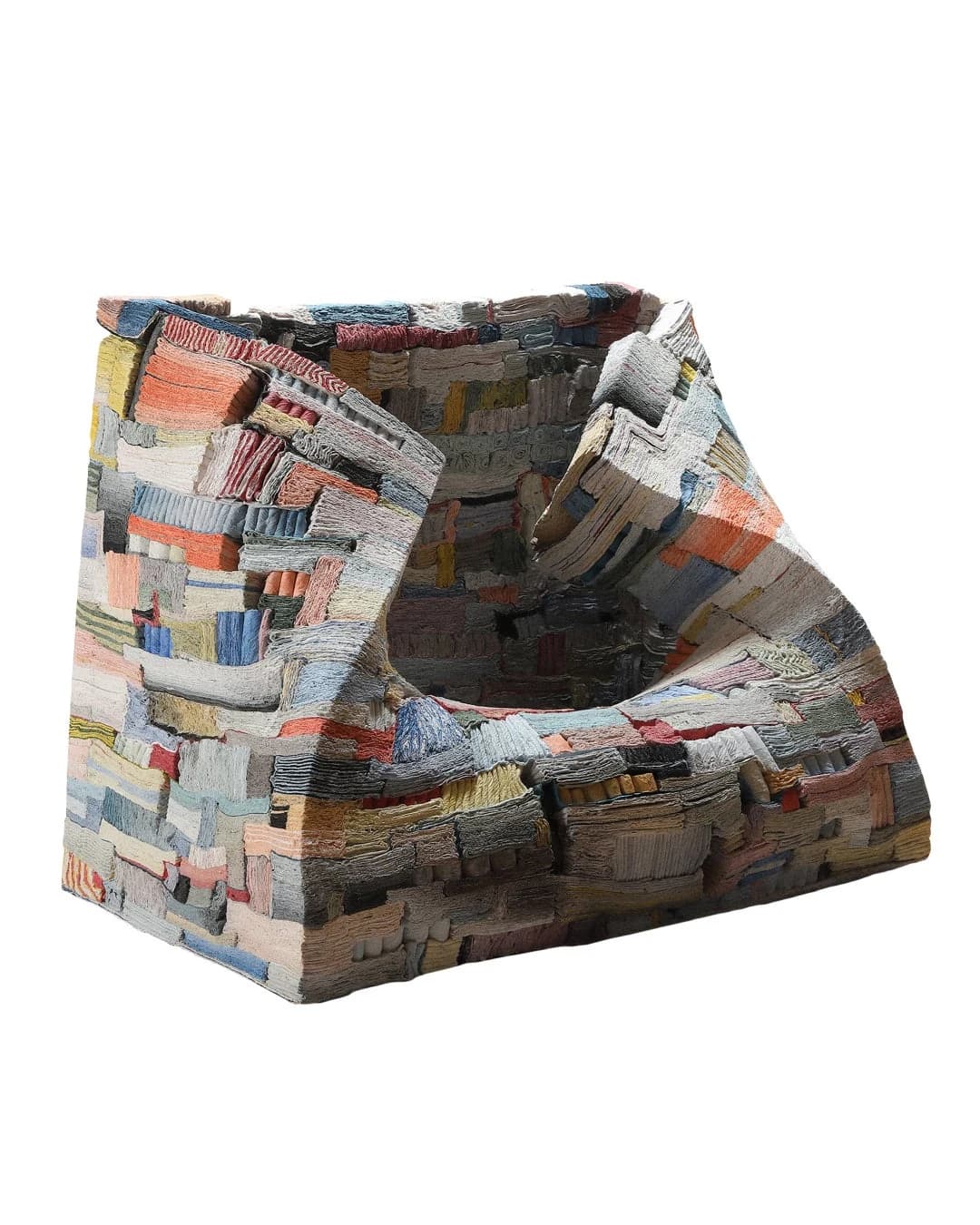
Porcelain with the memory of paper.
A living ceramic practice offers a contemporary counterpoint to a long-established form, with material transformation central to both.
Experimental Ceramics & Collectible Craft
Read the story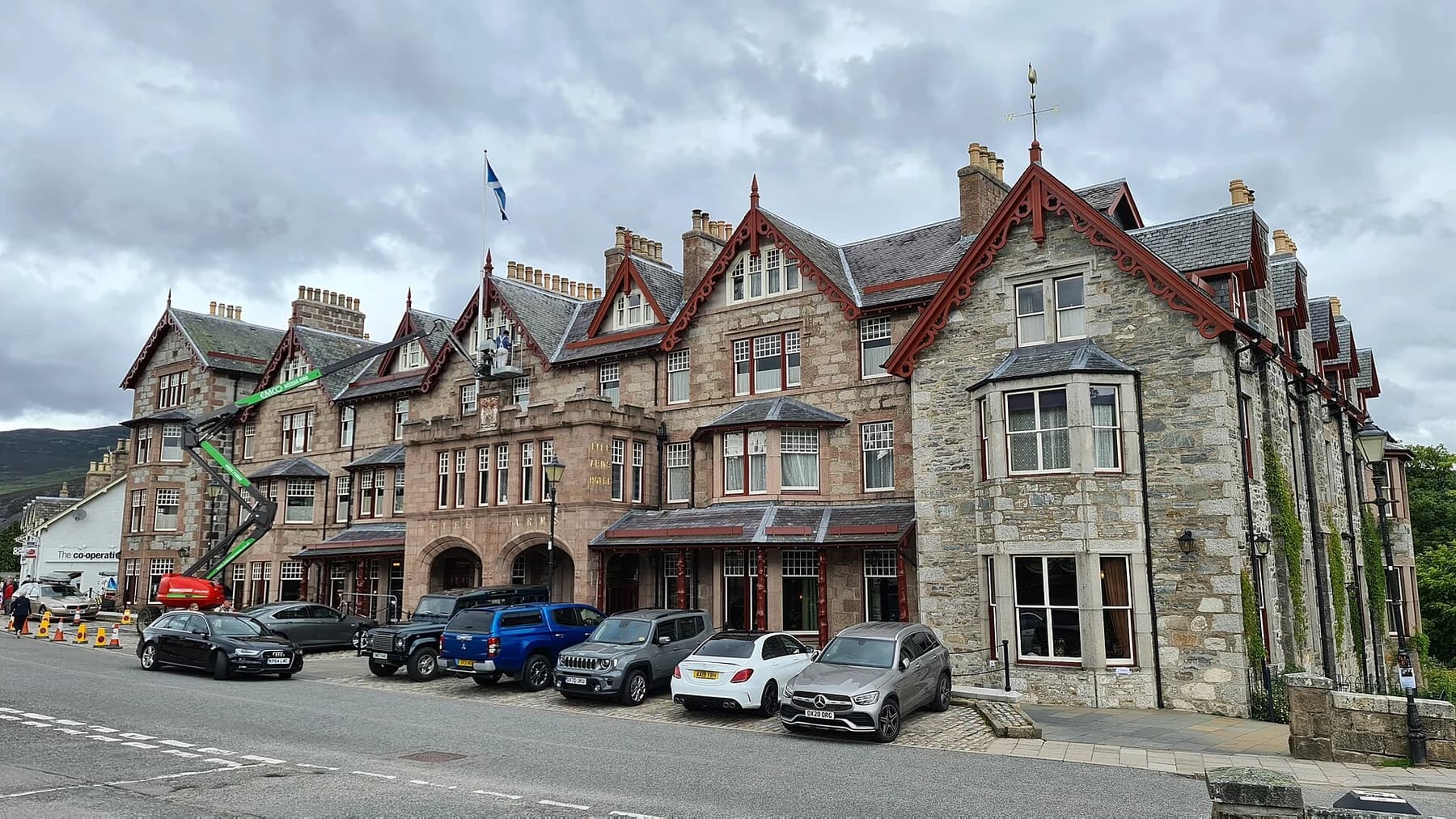
Across the WHV world
An art collection you can spend the night in.
Consider how a designed object can be encountered within a room and a period of attention rather than only as an isolated photograph.
Art-Led Hospitality & Cultural Encounters
Read the story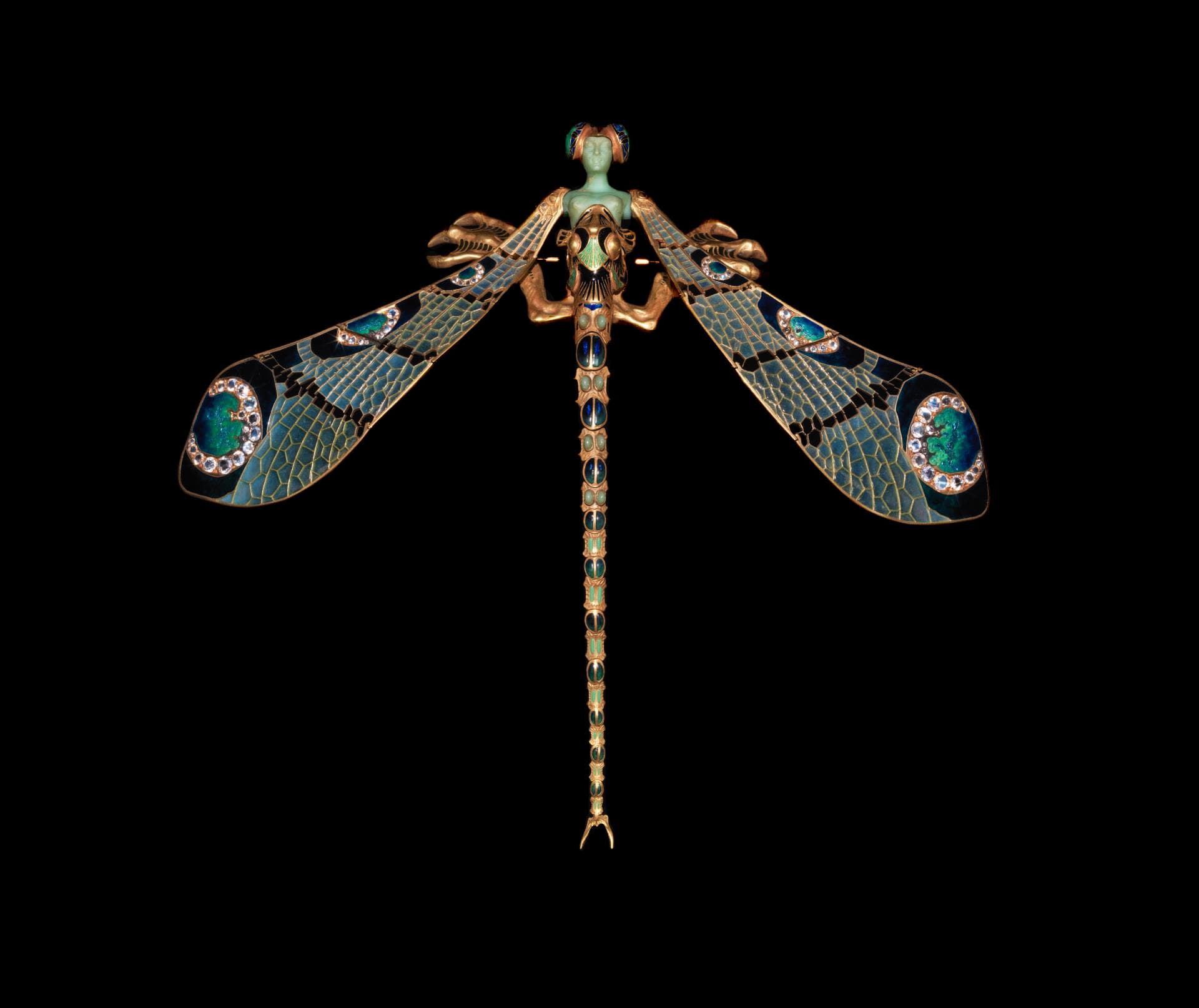
An unexpected connection
When a jewel becomes a creature.
An earlier Lalique jewel reveals a different relationship between material, the human figure and an authored decorative imagination.
Jewellery & Art
Read the story