DISCOVERY / Ebru & Marbling Traditions
The picture before the paper.
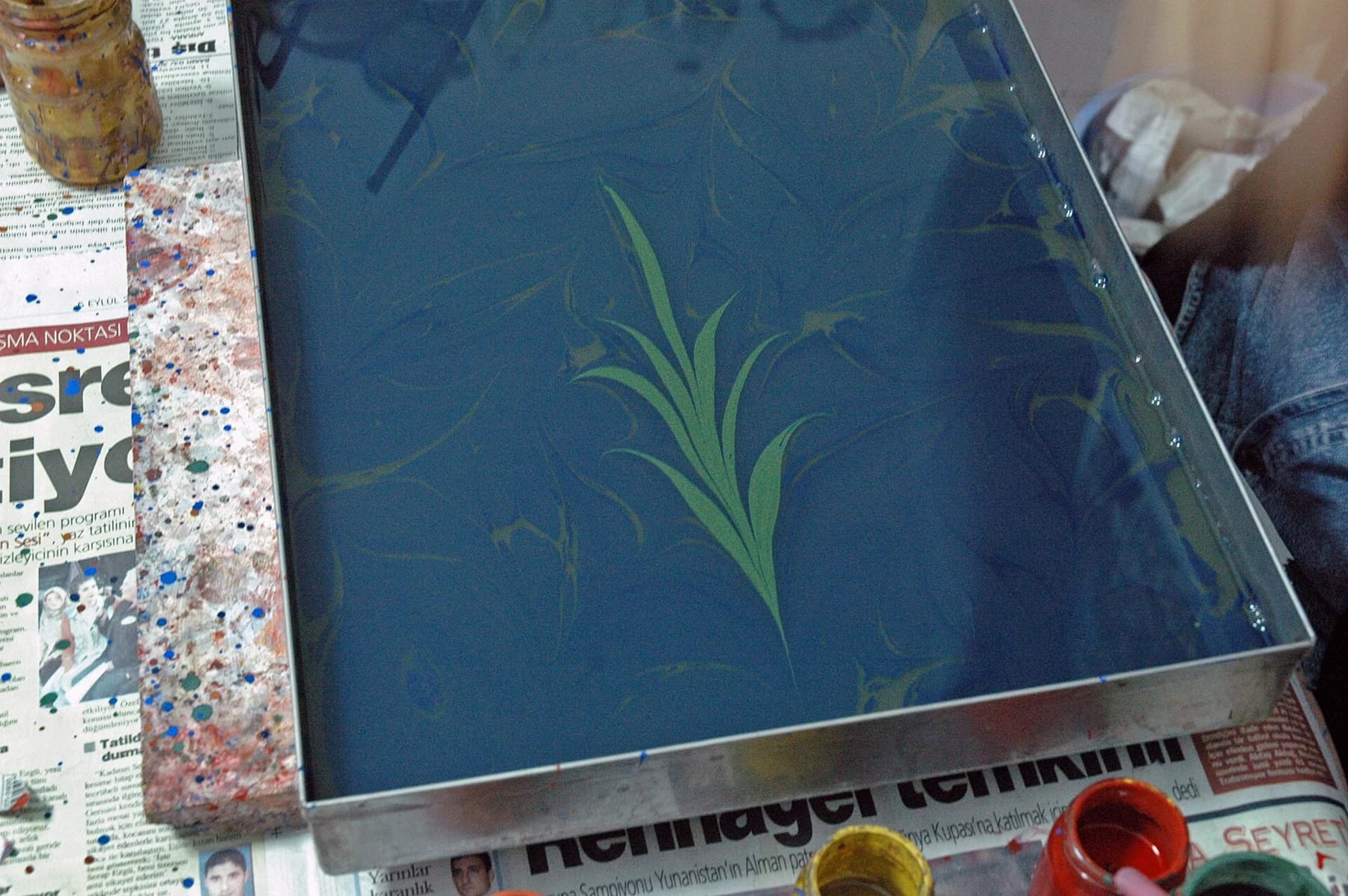
In ebru, a picture takes shape on a prepared liquid surface before it reaches paper. The lasting object preserves a fleeting arrangement and the knowledge that allowed it to happen.
Published 17 October 2026 · WHV · Public-source editorial note
Imagine a picture that exists before its paper does. In ebru, colours are floated and worked on a prepared liquid surface. A sheet is then laid onto the arrangement and lifted away with the pattern. The finished paper keeps something that had only a temporary physical existence in the tray.
The paper arrives after the drawing
Türkiye’s Ministry of Culture explains the relationship between the thickened bath, prepared pigments, tools and absorbent paper. It also places marbling within bookbinding and calligraphy. The apparently free movement of colour depends on material choices and learned control. It is not simply paint poured into ordinary water, nor evidence that an appealing result happened without skill.
UNESCO records ebru as a living Turkish marbling tradition, sustained through makers and teaching. That recognition is not an authentication service for every decorative sheet bearing the word. Marbling has a wider, connected history, and a generic marbled pattern should not automatically be assigned to a Turkish master or an Ottoman date. The author and context of the actual work still matter.
Look for a maker, not just a pattern
Begin by observing a documented maker’s process or looking closely at an identified sheet. Ask how it was made, who made it and whether you are viewing an original paper or a printed reproduction. A guided introduction can also make the transfer from liquid to paper intelligible without implying instant mastery. What holds value is the meeting of a fleeting physical event and sustained human knowledge. It can reward attention well before a collector’s market enters the room.
Source and context.
Türkiye Ministry of Culture and Tourism: marbling methods and history ↗
UNESCO: ebru, Turkish art of marbling ↗
The image is identified in its own caption and does not authenticate another sheet, teacher or workshop. WHV has not handled or dated a work. Heritage recognition does not establish authorship, age, originality or a resale value.
Source checked 17 October 2026. WHV interpretation is distinct from the source’s account.
Explore Ebru & Marbling TraditionsFOLLOW YOUR CURIOSITY
Where this leads.
Different subjects. A reason to connect them.
Continue the idea
The kiln that makes the surface.
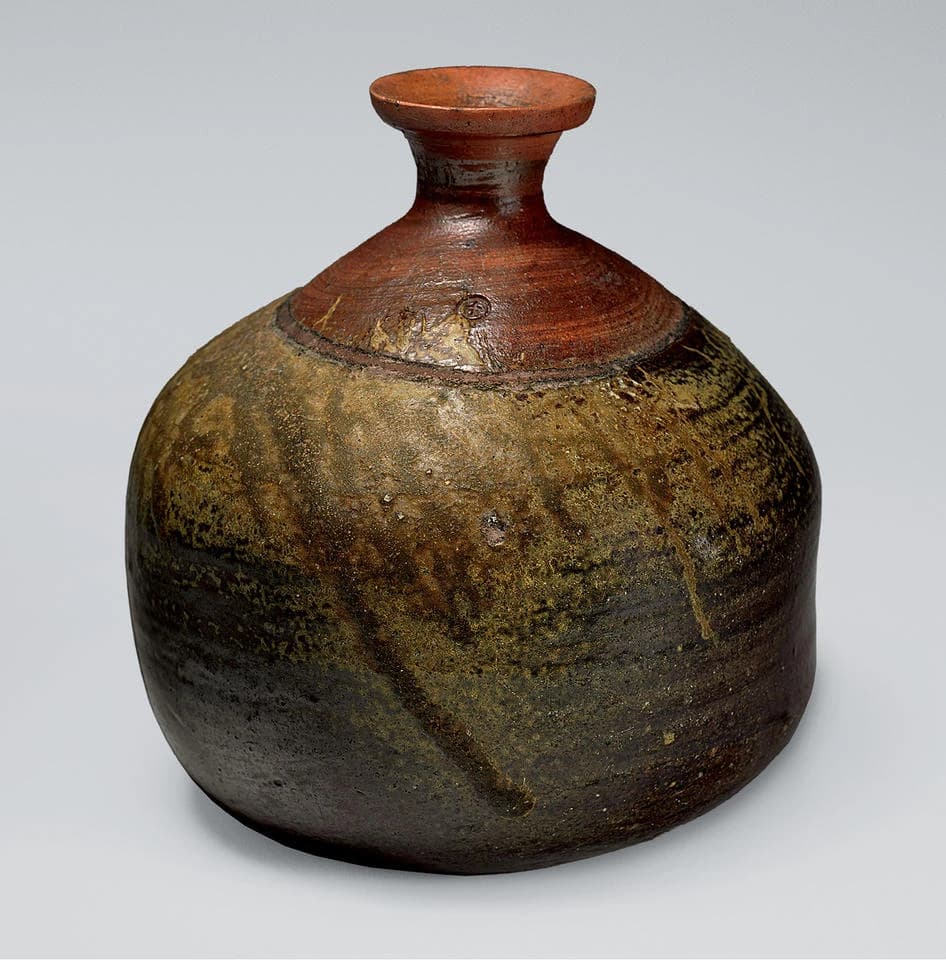
Clay and fire offer another surface whose appearance preserves the consequences of a skilled process.
Bizen Ceramics & Firing Knowledge
Read the story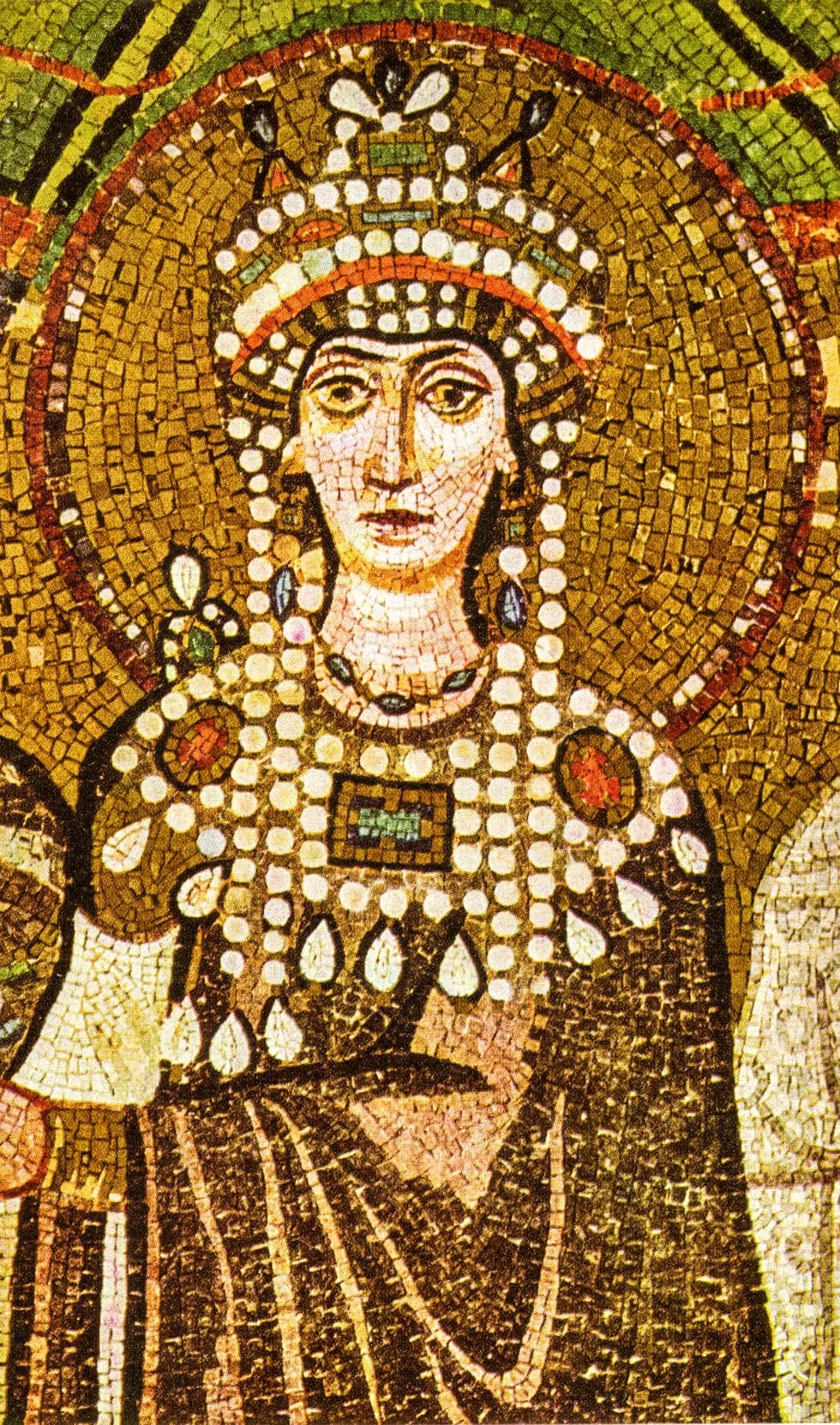
Across the WHV world
The mosaic you learn to see.
Move from watching colour become paper to learning how individual pieces can become an image.
Mosaic Making & Participatory Learning
Read the story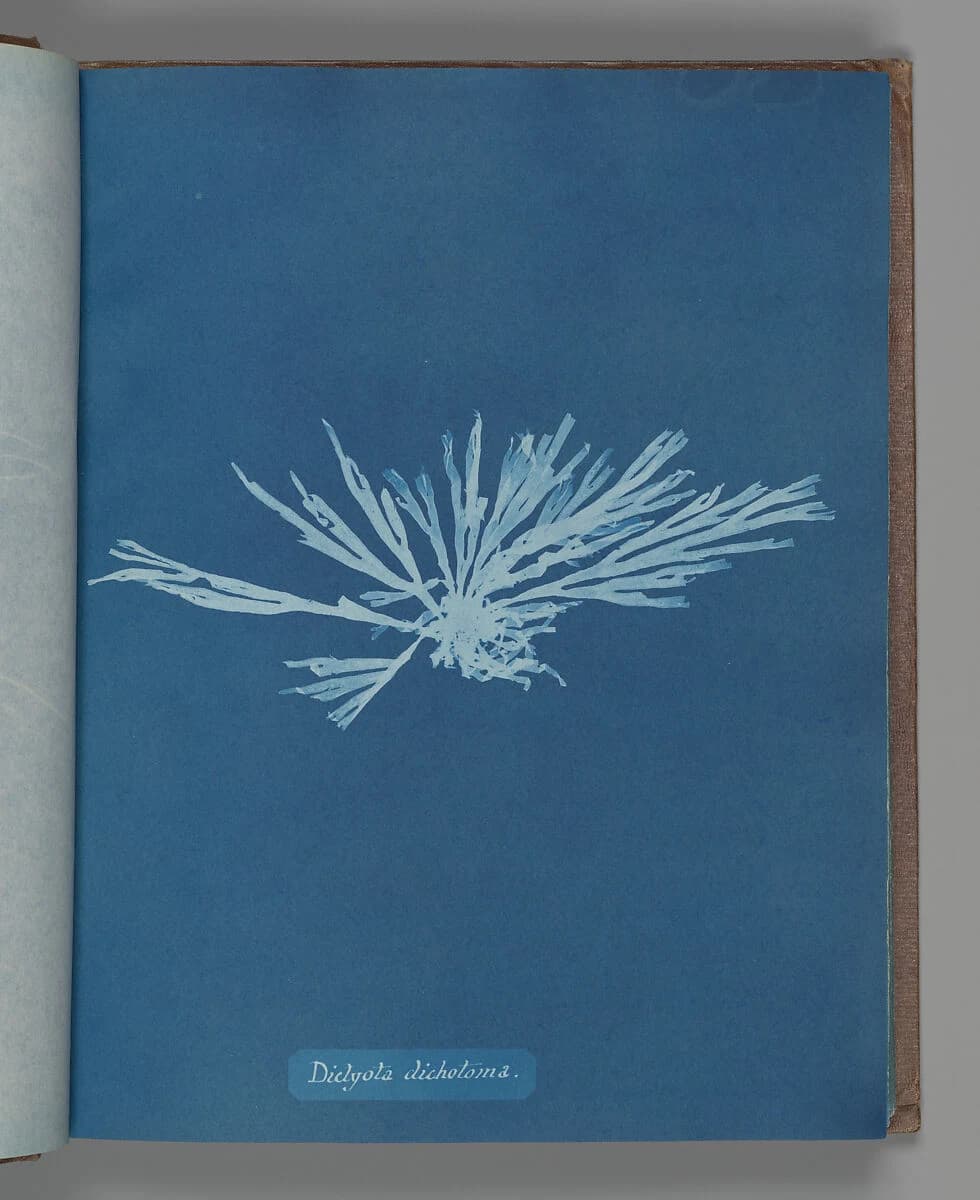
An unexpected connection
A seaweed album made with sunlight.
Another image-making process lets a fleeting physical encounter leave a lasting record on paper.
Photography & Scientific Archives
Read the story