DISCOVERY / Bizen Ceramics & Firing Knowledge
The kiln that makes the surface.
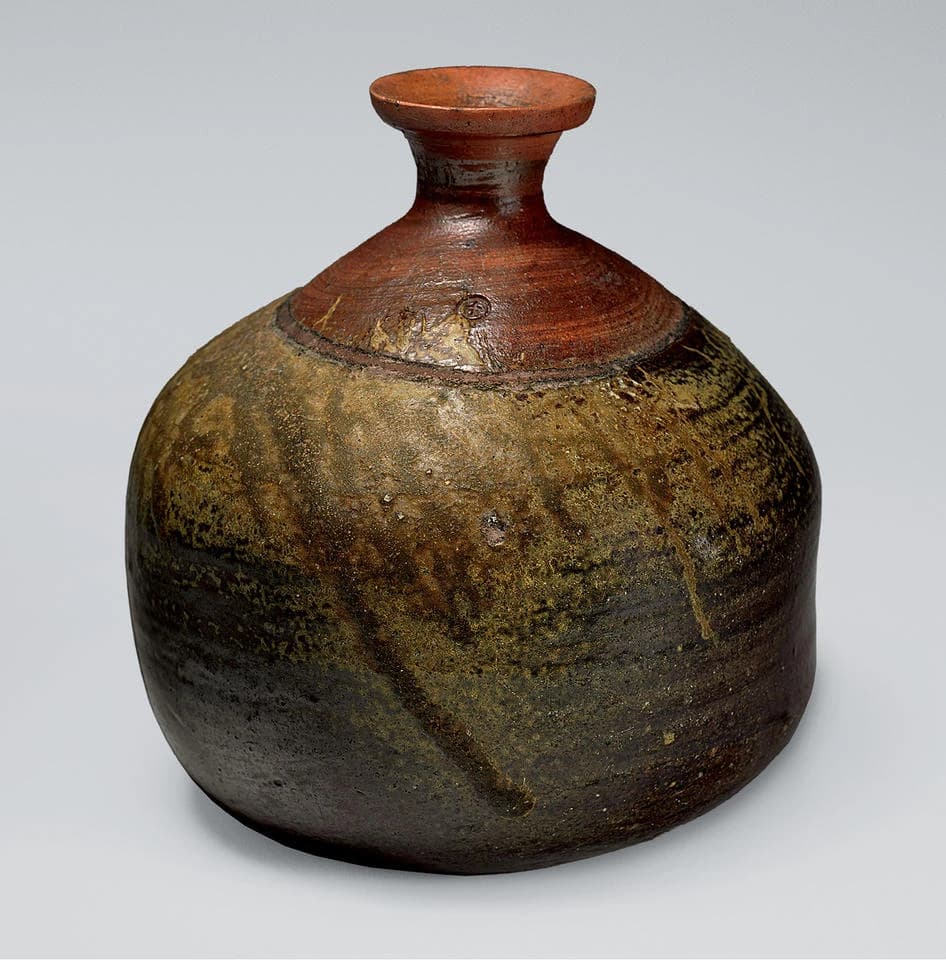
Bizen pottery offers another way to read a vessel. Clay and firing can create a complex surface without applied glaze, making the kiln part of the work rather than just its final destination.
Published 17 October 2026 · WHV · Public-source editorial note
A vessel does not always need a painted surface to carry a complicated story. Bizen pottery can draw its colour and texture from the meeting of clay and fire. The surface is evidence of a process rather than an illustration laid over it. Looking becomes more rewarding when the kiln is understood as part of the making.
Colour without an applied glaze
The Japan Kogei Association explains firing effects through named Bizen works, including the shifting surfaces described as kiln change. In Inbe, the living Konishi Touko workshop describes its own unglazed clay and red-pine firing. Its account connects the tradition to present craftspeople rather than treating Bizen as a style that ended with a museum’s oldest vessel.
There is room here for a usable cup, a contemporary artist’s work and a historical sake bottle, but they are not interchangeable purchases. A regional name alone cannot establish authorship, age or quality. Nor does a pleasing firing mark prove that a seller’s account is correct. The pictured historical vessel is a way into material observation, not a substitute for identifying a contemporary piece.
A tradition is not a single signature
Visit a gallery or investigate a living workshop’s current work. Compare shape, weight and the relation between the surface and the vessel’s purpose. Ask for the maker and care guidance for the actual object, especially if it will hold food or drink. What remains valuable can be the daily encounter with a well-considered form and the knowledge that makes its surface possible. A convincing ceramic need not come with a promise of auction appreciation.
Source and context.
Japan Kogei Association: ceramics and Bizen kiln effects ↗
Konishi Touko: a living Bizen workshop, gallery and store ↗
The museum vessel pictured is historical context, not a work by the contemporary workshop linked here. WHV has not handled or authenticated a ceramic. Age, maker, use suitability and condition need object-specific evidence.
Source checked 17 October 2026. WHV interpretation is distinct from the source’s account.
Explore Bizen Ceramics & Firing KnowledgeFOLLOW YOUR CURIOSITY
Where this leads.
Different subjects. A reason to connect them.
Continue the idea
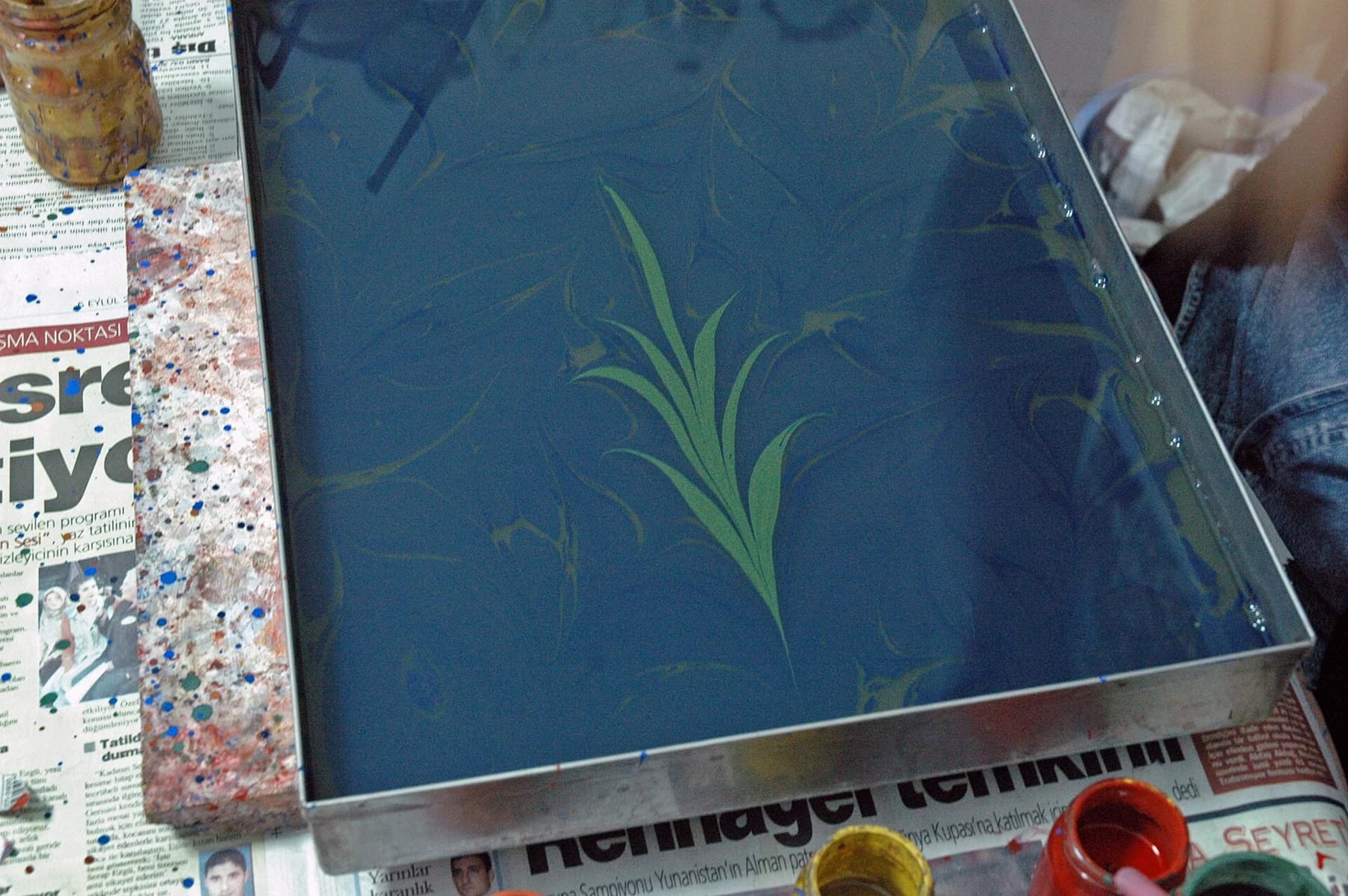
The picture before the paper.
Two surfaces record a material process whose apparent spontaneity depends on learned control.
Ebru & Marbling Traditions
Read the story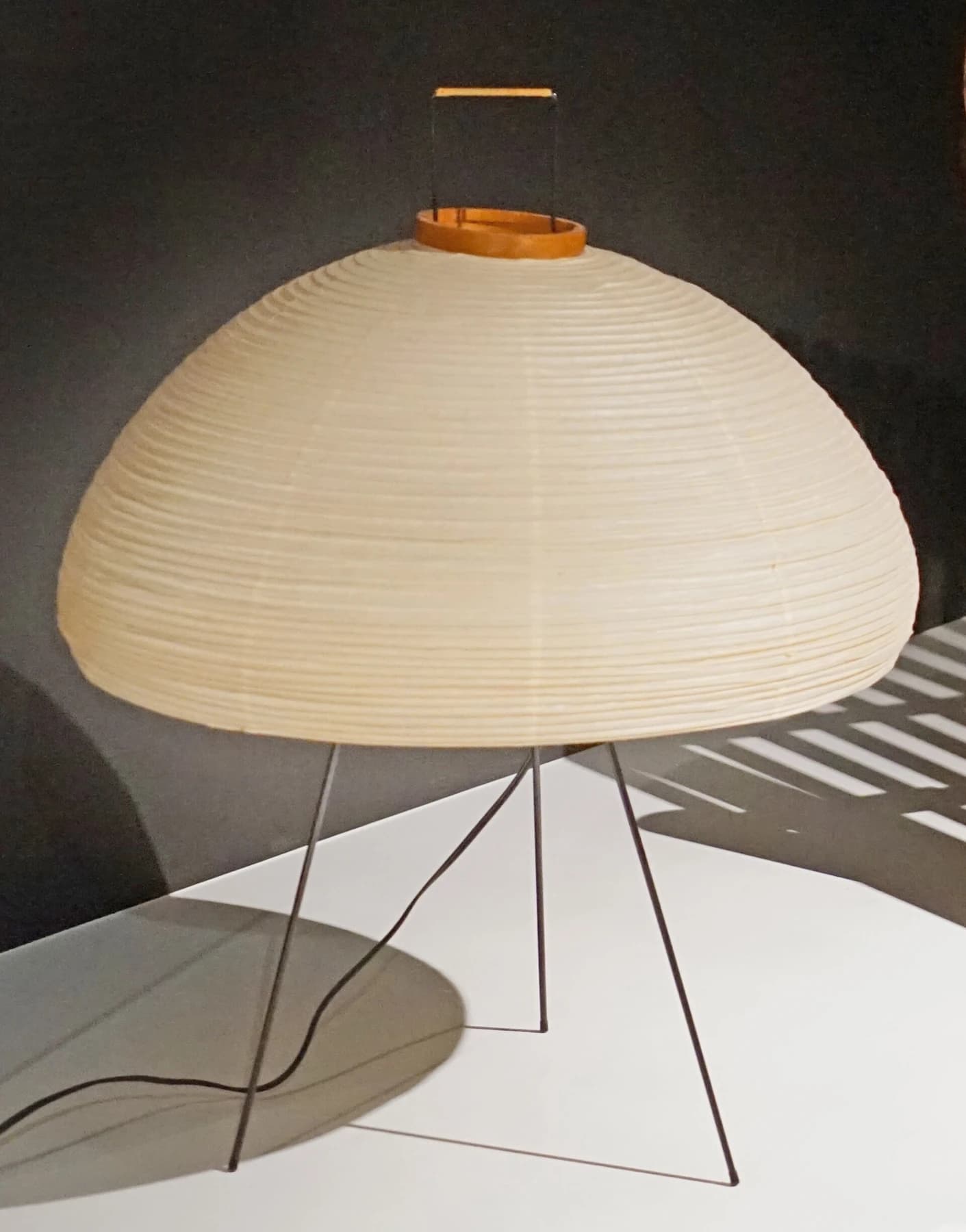
Across the WHV world
The sculpture that lights a room.
Paper and light offer another way for a living craft tradition to enter a contemporary room.
Lighting & Living Sculpture
Read the story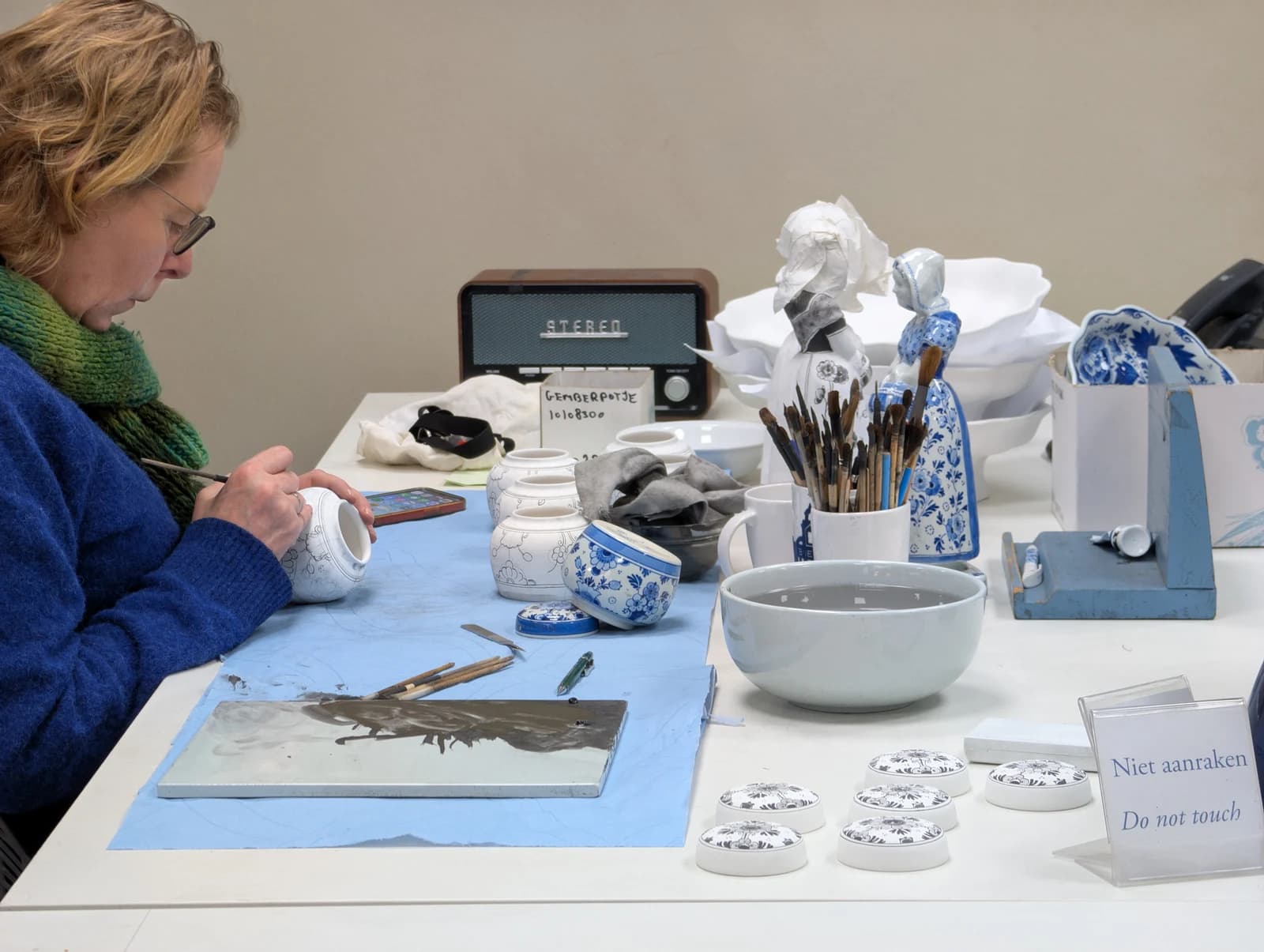
An unexpected connection
The blue begins in black.
Compare a very different ceramic surface, keeping the named maker and the actual production method in view.
Painted Ceramics & Living Craft
Read the story