DISCOVERY / Natural History & Illustrated Books
The living world on a printed page.
Maria Sibylla Merian’s 1705 Suriname book brings plants and insects into a shared visual world. A public-domain plate makes close study possible without owning an early edition.
Published 14 October 2026 · WHV · Public-source editorial note
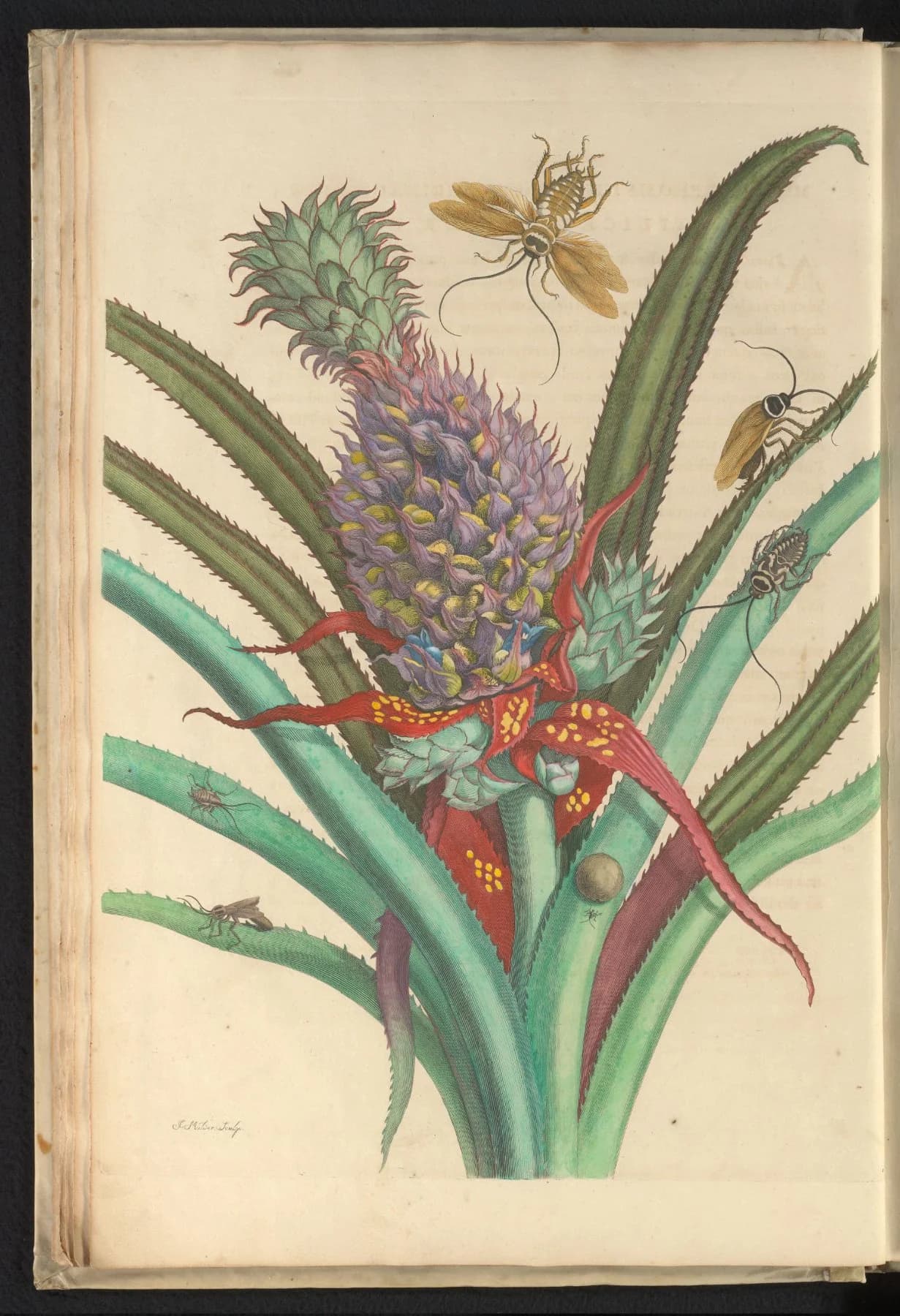
The pineapple in this plate is not alone. Leaves, fruit and cockroaches share a carefully composed page. Maria Sibylla Merian’s Metamorphosis insectorum Surinamensium asks the eye to consider living things together, while giving an illustrated book enough visual presence to keep rewarding close attention centuries after publication.
Look at the relationships
The Rijksmuseum dates this hand-coloured etching to 1705 and identifies Joseph Mulder as printmaker after Merian’s drawing. It attributes the colouring to Merian rather than treating that role as certain. The wider book contains sixty plates. The museum also explains that its knowledge drew on Merian’s observations and on the original inhabitants and enslaved people of Suriname. A compelling image does not make that colonial context disappear.
This is a historical way of observing and presenting nature, not a substitute for present-day biology. Its value for a reader includes composition, attention and the questions raised by authorship. The museum marks the plate as public domain and provides a detailed digital image. That access matters: someone can study the work or use a faithful reproduction without pursuing a scarce original volume.
You do not need to own the first edition
Begin with the high-resolution record. Follow the edges of the leaves and the placement of each creature, then read the museum’s account of how the book came into being. If collecting an early print, distinguish edition, paper, colouring and provenance from the image alone. The surprise is how much a page can teach us about seeing relationships. Its intellectual and visual value is available before any ownership decision.
Source and context.
Rijksmuseum: pineapple and cockroaches, 1705, BI-2024-2536-3 ↗
Rijksmuseum: Merian’s first edition and the knowledge behind it ↗
The image is one documented museum plate, not authentication of another print or confirmation of current display. Mulder’s engraving and Merian’s drawing are distinguished, with colouring attributed. WHV has not handled or valued an early edition.
Source checked 14 October 2026. WHV interpretation is distinct from the source’s account.
Explore Natural History & Illustrated BooksFOLLOW YOUR CURIOSITY
Where this leads.
Different subjects. A reason to connect them.
Continue the idea
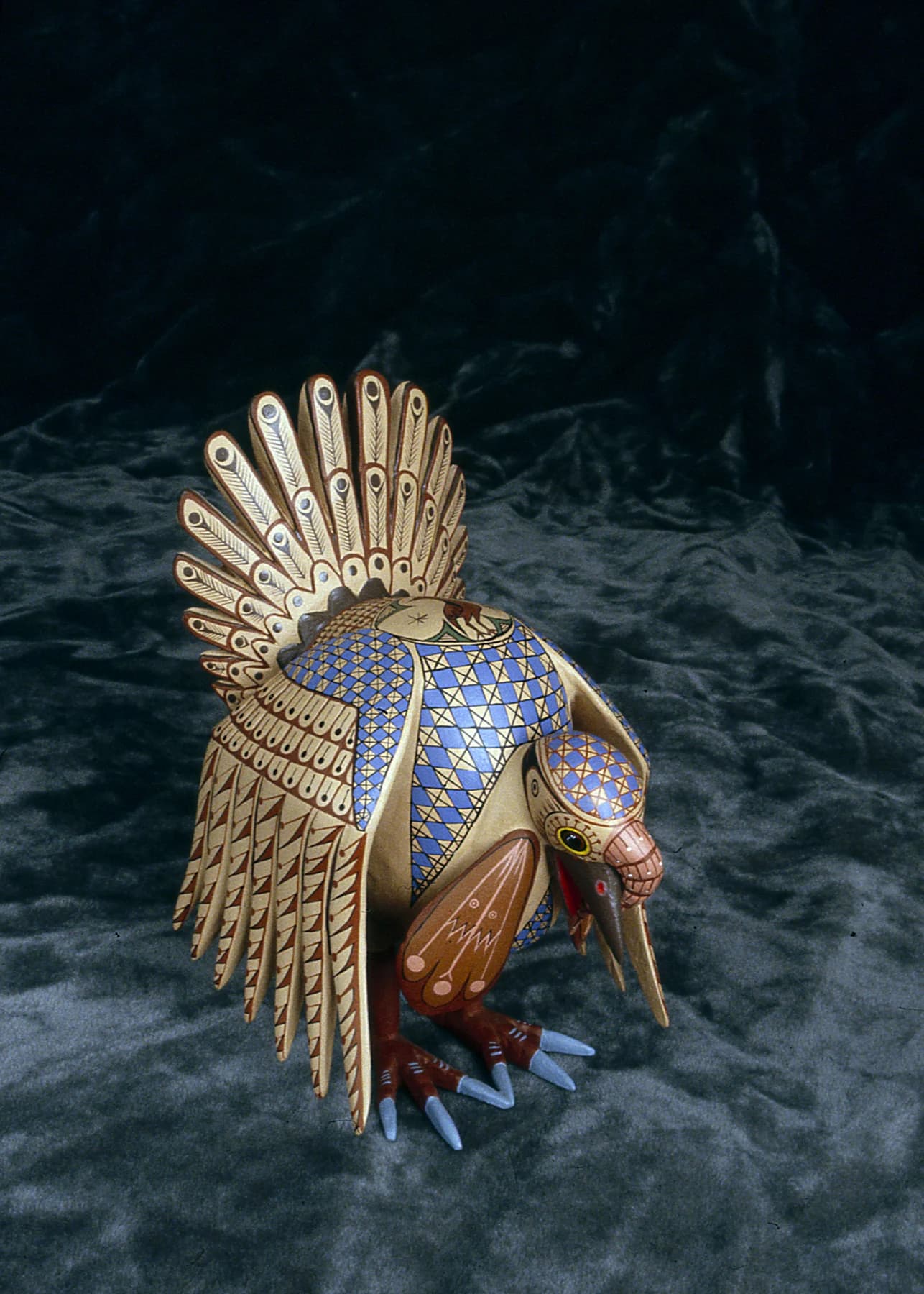
A world carved in copal.
An animal in a living workshop also becomes a considered visual work rather than an anonymous decorative category.
Oaxacan Woodcarving & Living Workshops
Read the story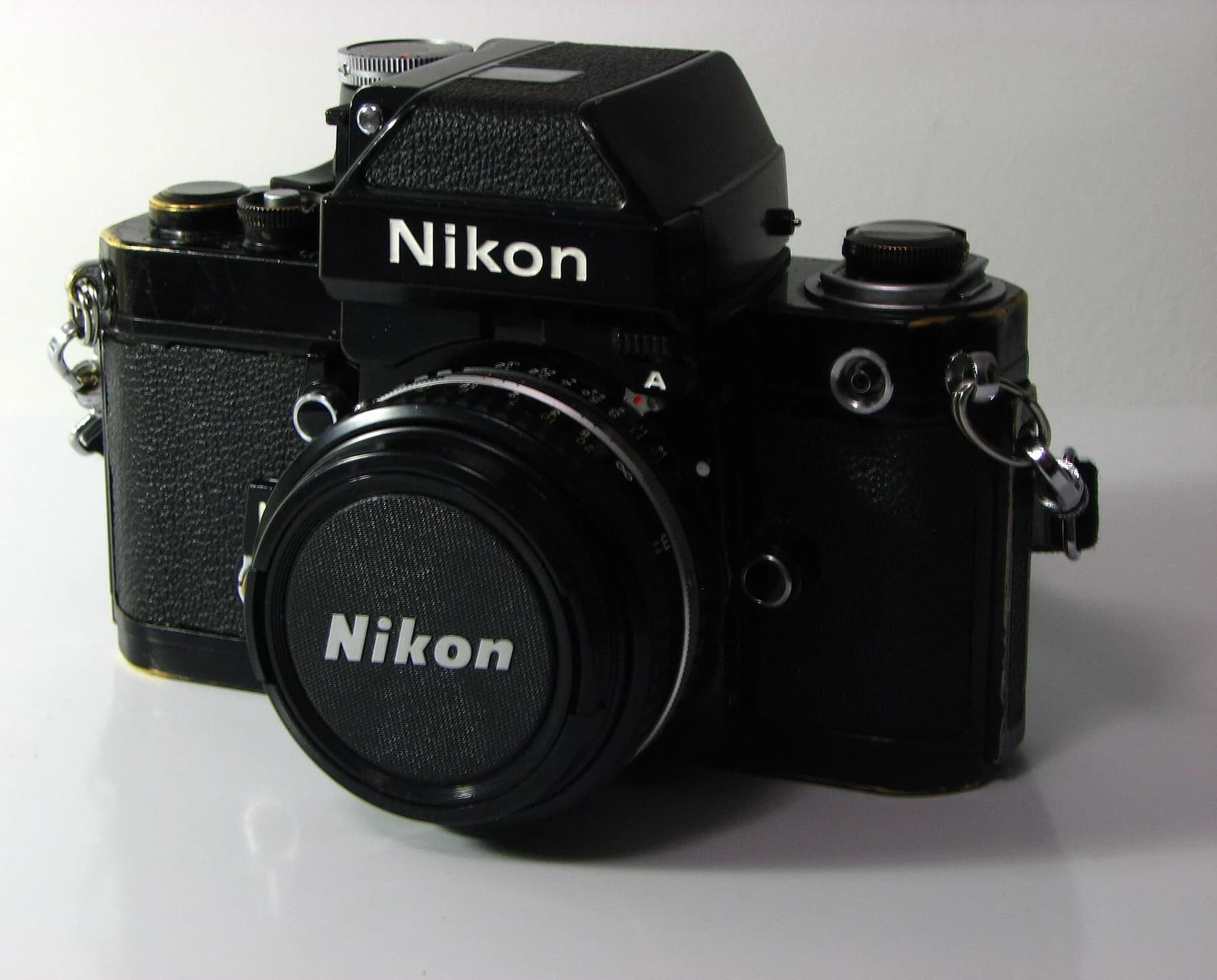
Across the WHV world
The viewfinder you can change.
A photographic tool opens another question about how a way of seeing is built into an object.
Film Cameras & Modular Tools
Read the story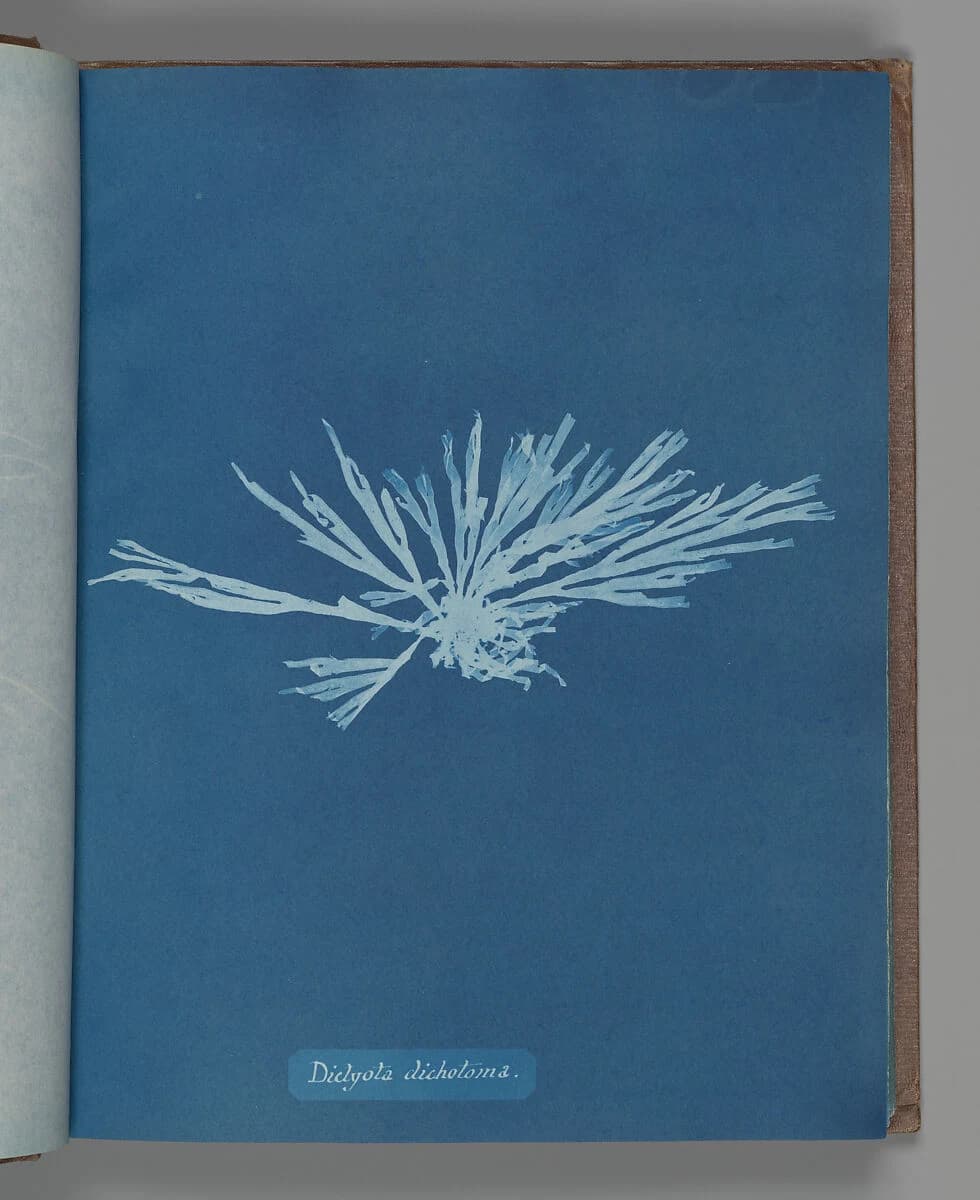
An unexpected connection
A seaweed album made with sunlight.
Another natural-history work lets a reader study observation and visual invention through accessible museum images.
Photography & Scientific Archives
Read the story