DISCOVERY / Furniture & Adaptable Interiors
The shelf that leaves the next move open.
Kajsa and Nisse Strinning’s String shelving makes its supports part of its identity. The enduring idea is a room that can change without starting again.
Published 21 October 2026 · WHV · Public-source editorial note
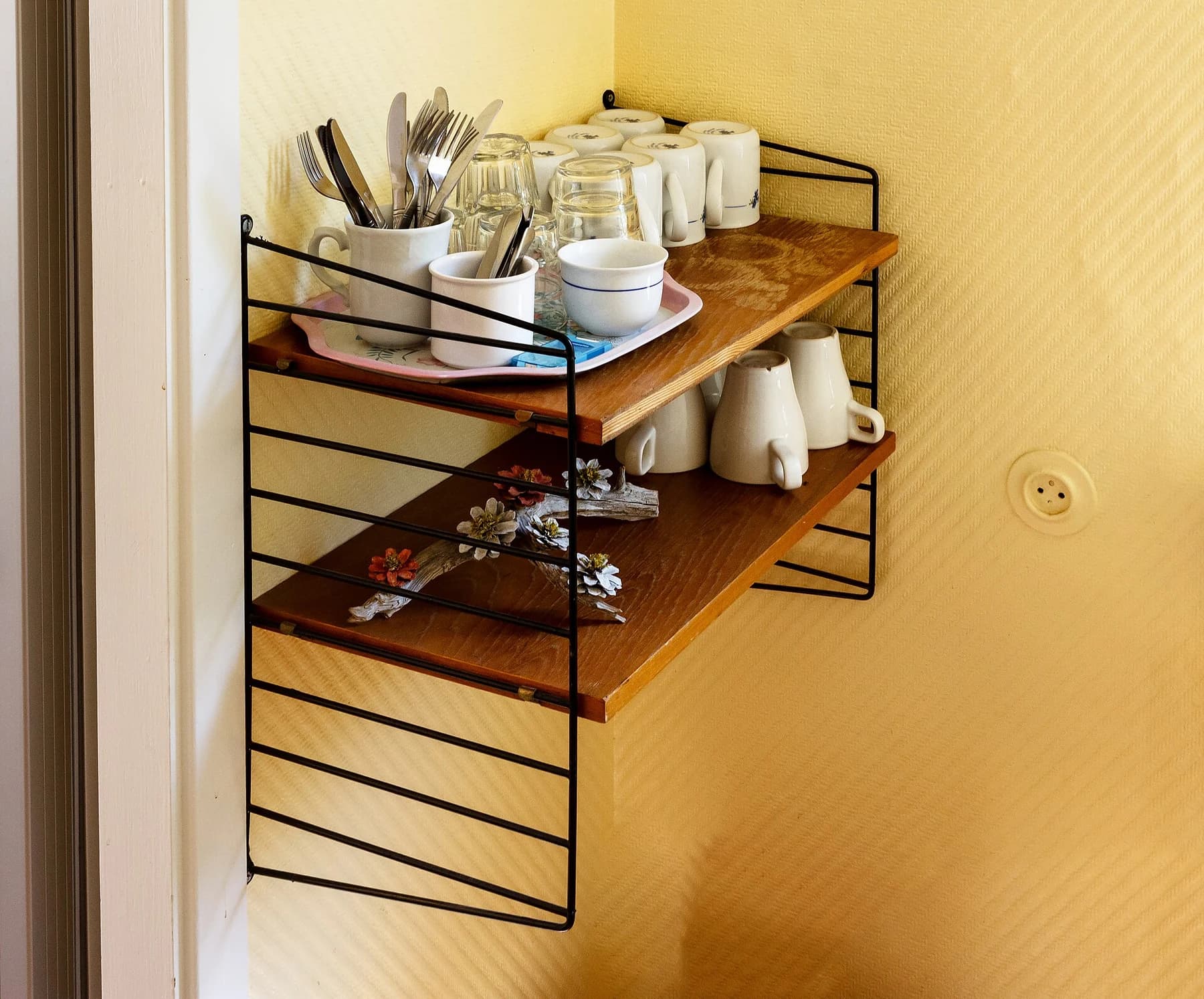
Some furniture asks a room to accommodate it. String shelving suggests a lighter negotiation. Thin wire side panels establish a rhythm, while shelves settle between them. Books and everyday objects remain the visual substance of the arrangement rather than disappearing inside a large, self-contained cabinet.
Storage as a set of possibilities
Kajsa and Nisse Strinning designed the original shelf in 1949. Today’s String Furniture continues that vocabulary through a modular range. The attraction is not simply that an old design remains fashionable. Shelf positions and configurations can respond to changing contents, allowing the same organising idea to move between a study, kitchen or living space.
That flexibility has a quieter kind of value than a dramatic makeover. A reader acquires more books, a household rearranges a room, or a collection needs a different interval between shelves. A system can absorb those changes without requiring every element to be replaced. It also asks the owner to think about the whole arrangement, not merely buy an isolated attractive object.
Measure the wall and the parts
Plan around actual dimensions, loads and wall construction. Confirm the compatibility of panel depths, shelf widths and any older components before mixing purchases. Appropriate fixings and competent installation matter more than the apparent lightness of the frame. An authentic vintage shelf is not automatically compatible with every current accessory. The useful inheritance is a clear, adaptable design logic, not a promise that every configuration will suit every home.
Source and context.
String Furniture: Kajsa and Nisse Strinning and the 1949 design ↗
String Furniture: current systems and planning ↗
Archiproducts: the system at its seventy-fifth anniversary ↗
The photographed shelf is an archival example, not a specification for a current kit. Compatibility, load limits and wall fixing must be established for the exact components.
Source checked 21 October 2026. WHV interpretation is distinct from the source’s account.
Explore Furniture & Adaptable InteriorsFOLLOW YOUR CURIOSITY
Where this leads.
Different subjects. A reason to connect them.

Continue the idea
The camera that is already with you.
A compact camera provides a contrasting example of designing around a repeated habit rather than a spectacular occasion.
Cameras & Everyday Creative Practice
Read the story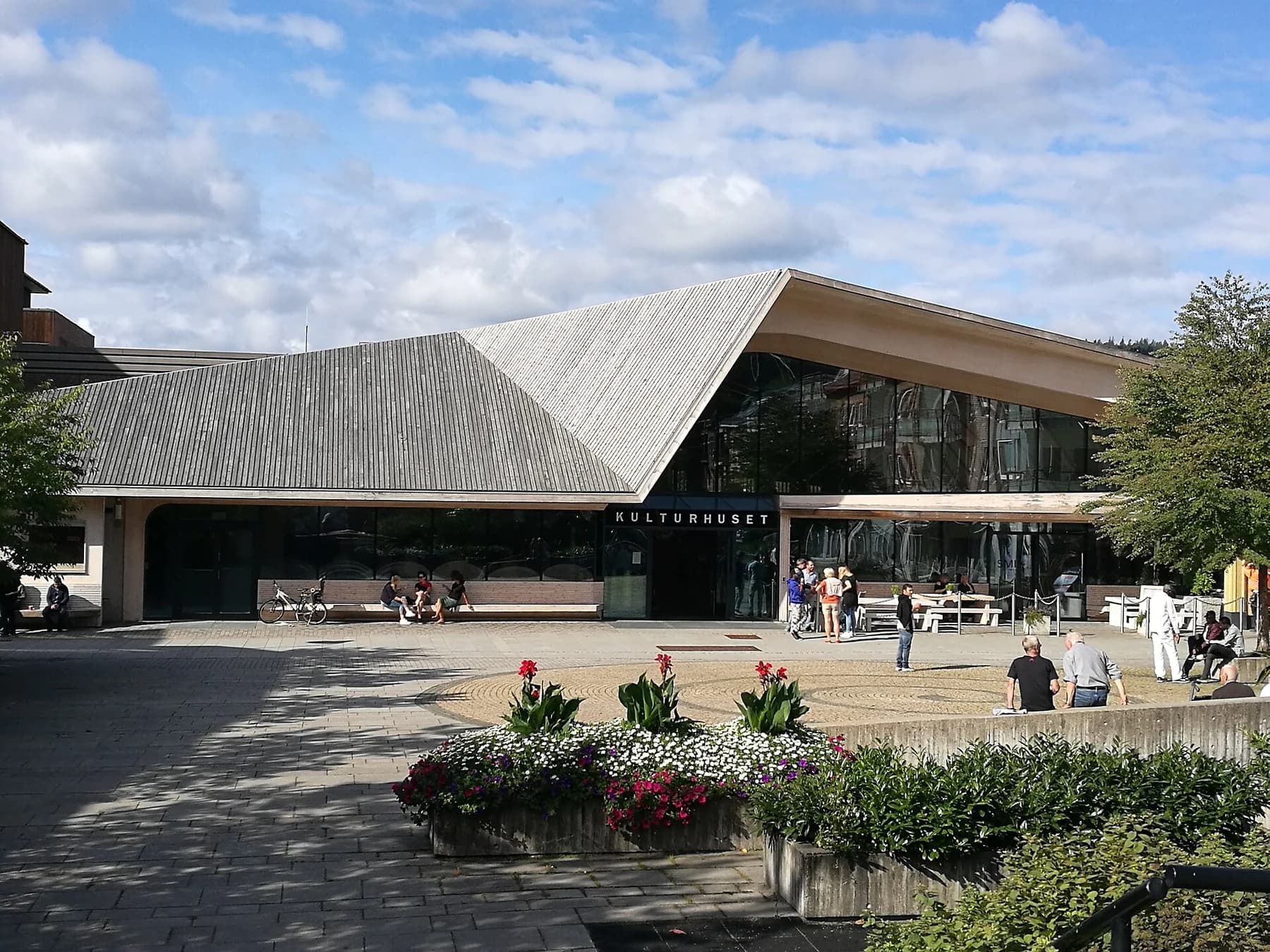
Across the WHV world
The library that makes room to stay.
Move from shelves at home to a public library where the structure also gives books and readers a place to belong.
Civic Architecture & Shared Resources
Read the story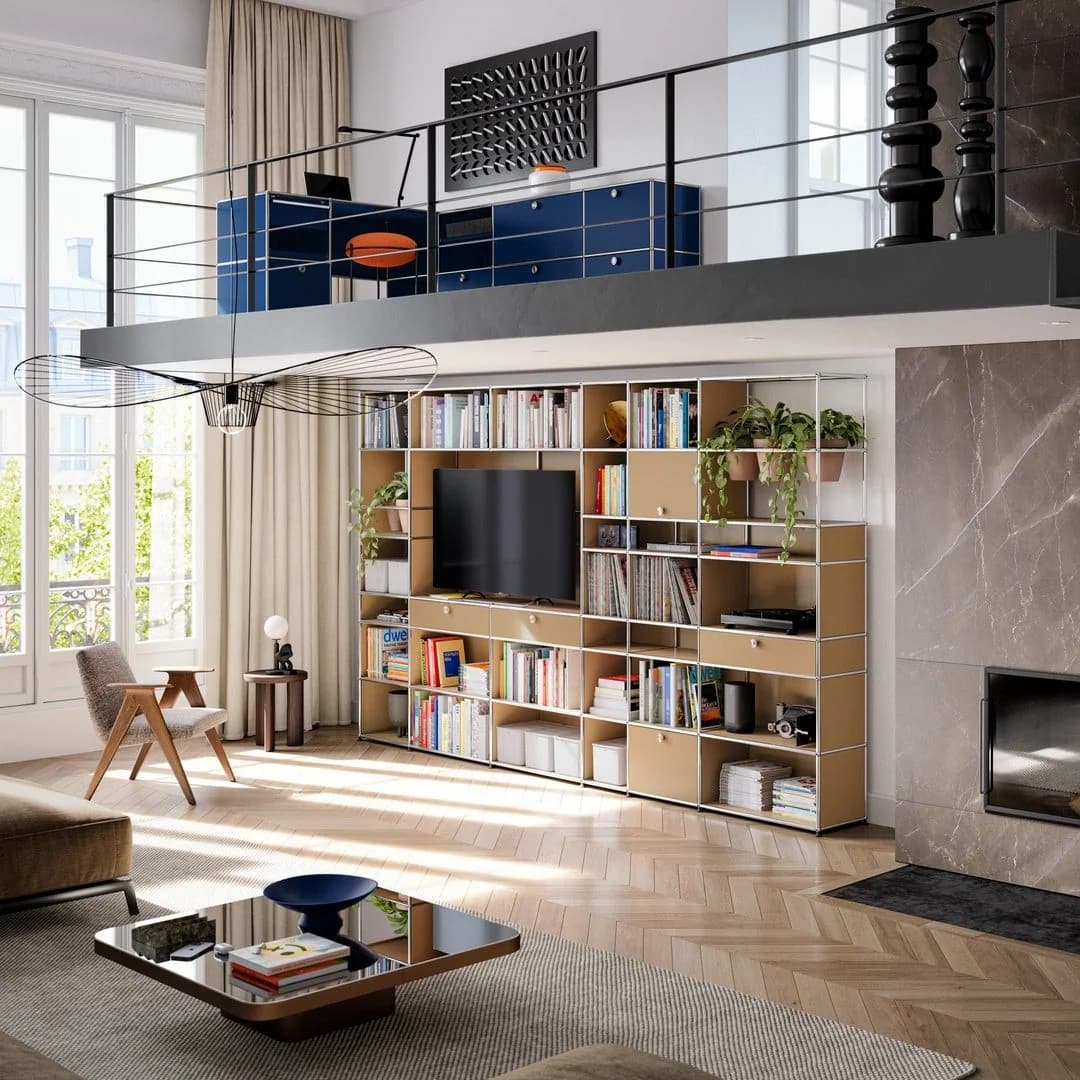
An unexpected connection
Furniture that can change its mind.
A different modular furniture system helps clarify what adaptation requires from parts, planning and continued support.
Modular Furniture & Adaptable Interiors
Read the story