DISCOVERY / Civic Architecture & Shared Resources
The library that makes room to stay.
At Vennesla, twenty-seven timber ribs do more than shape a roof. Helen & Hard’s library turns a public service into a place people can inhabit together.
Published 21 October 2026 · WHV · Public-source editorial note
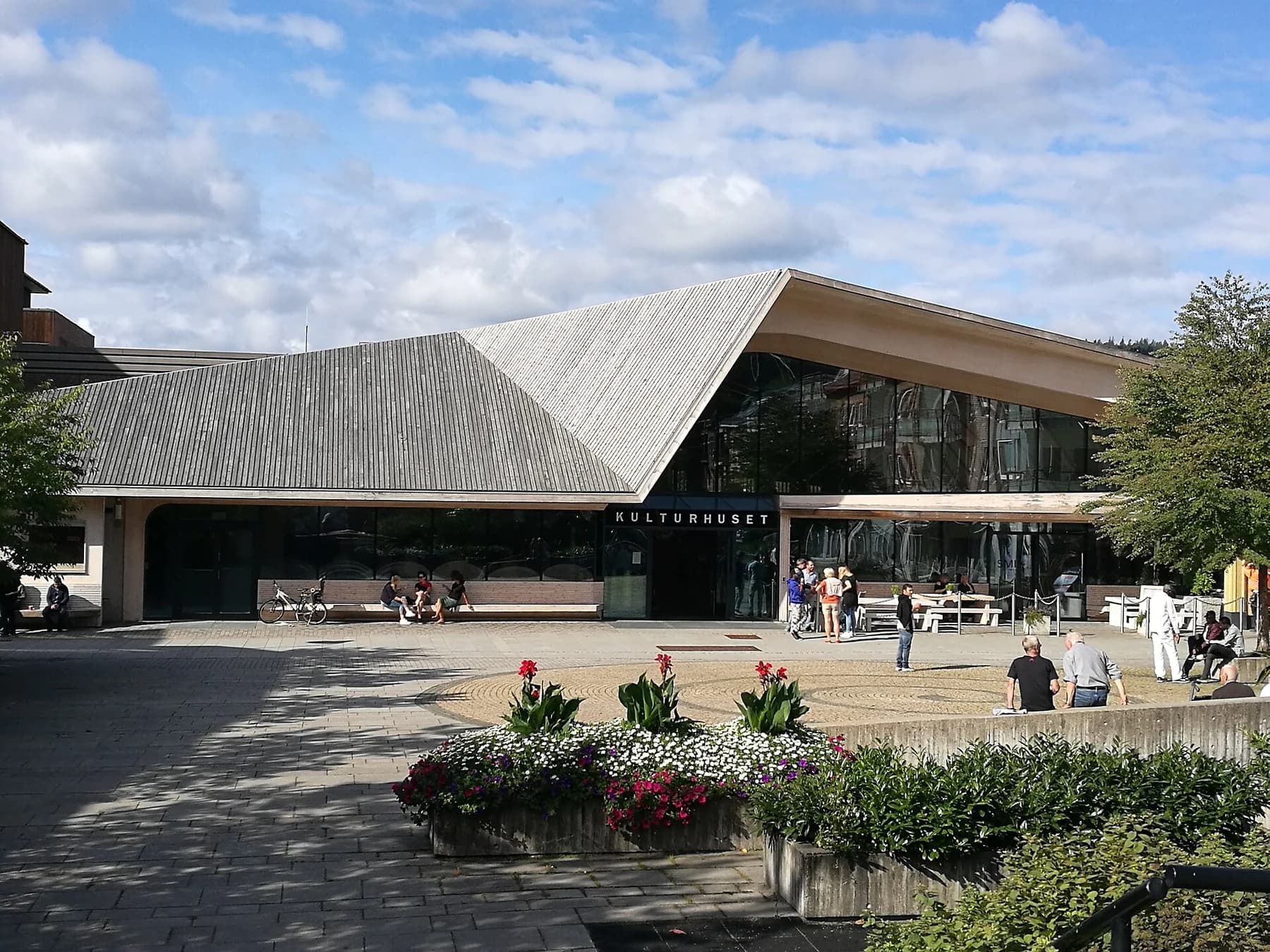
A good library gives people permission to remain without buying anything. In Vennesla, Norway, that invitation has an unusually tangible form. The building’s timber ribs draw the eye inward, turning a municipal institution into a generous interior that looks worth entering before a visitor has chosen a book.
The structure becomes an invitation
Completed in 2011 by Helen & Hard, the library sits between existing buildings on the town square. Twenty-seven ribs establish the roof geometry and the changing outline of the main space, with individual study areas around its edges. The programme includes cultural activity as well as reading. A projecting entrance connects the interior to the public space outside.
Its enduring interest lies in treating shared resources as something deserving care and imagination. The architecture is not an expensive wrapper around an obsolete service. Current municipal information still describes library and civic functions here. A useful place can support learning, informal encounters and access to information while also making those activities feel welcome.
Visit a working place, not just a building
Go during public opening hours and allow time to use the place rather than only photograph it. Check the culture programme if you want to see how the room changes for an event. Respect readers and any restrictions on photography. We have not measured the building’s social impact or whole-life environmental performance. The defensible case is simpler: an ordinary civic function has been given a memorable, continuing public home.
Source and context.
Helen & Hard: Vennesla Library ↗
Vennesla municipality: library and civic information services ↗
Visit Vennesla: the culture house and practical visitor information ↗
The architectural account establishes design intentions and continuing use, not quantified social outcomes or a verified whole-life sustainability assessment.
Source checked 21 October 2026. WHV interpretation is distinct from the source’s account.
Explore Civic Architecture & Shared ResourcesFOLLOW YOUR CURIOSITY
Where this leads.
Different subjects. A reason to connect them.
Continue the idea
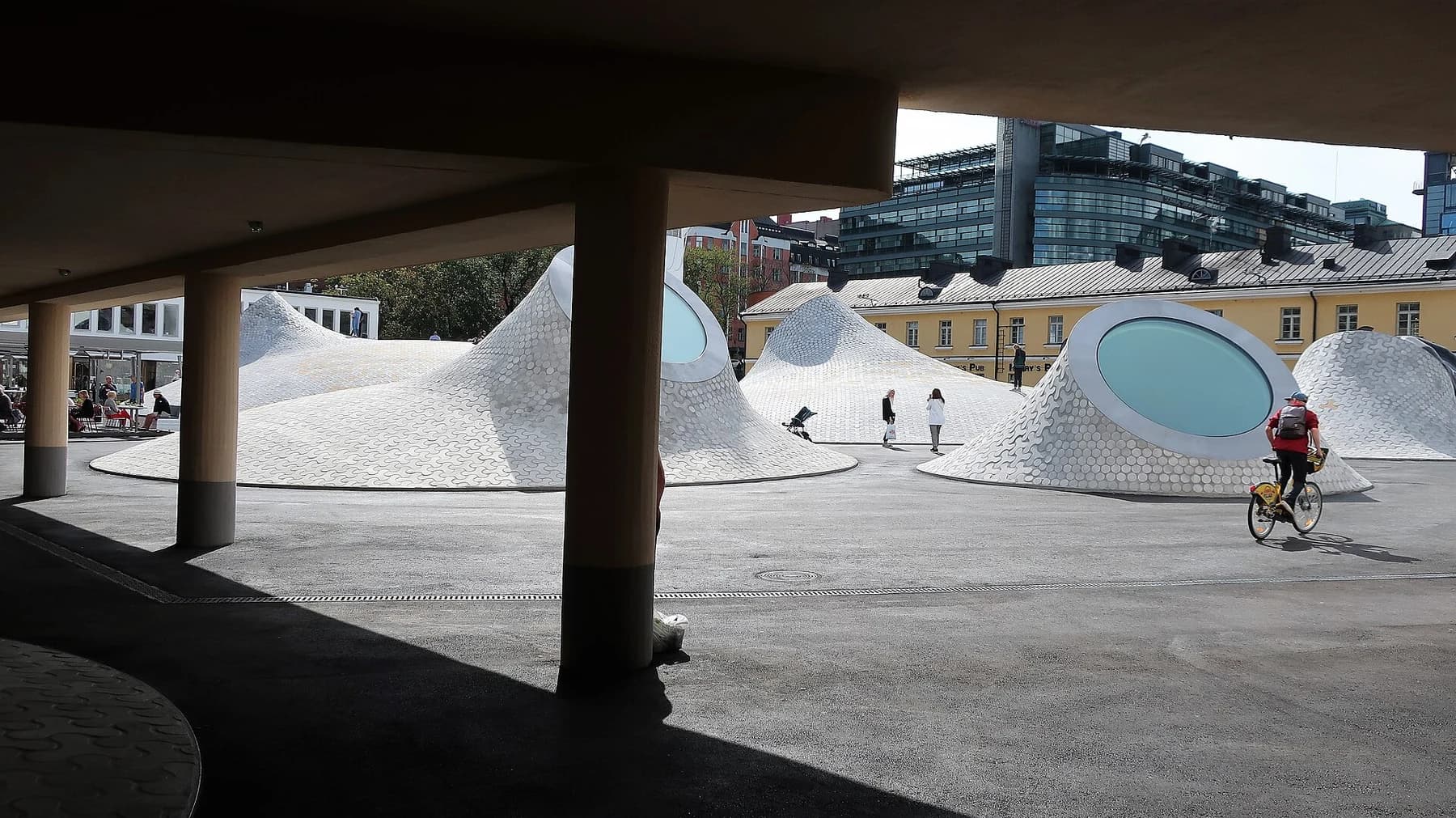
The museum that gives the roof to the city.
Another Nordic cultural building makes its public contribution through the relationship between structure and everyday use.
Architecture & Public Ground
Read the story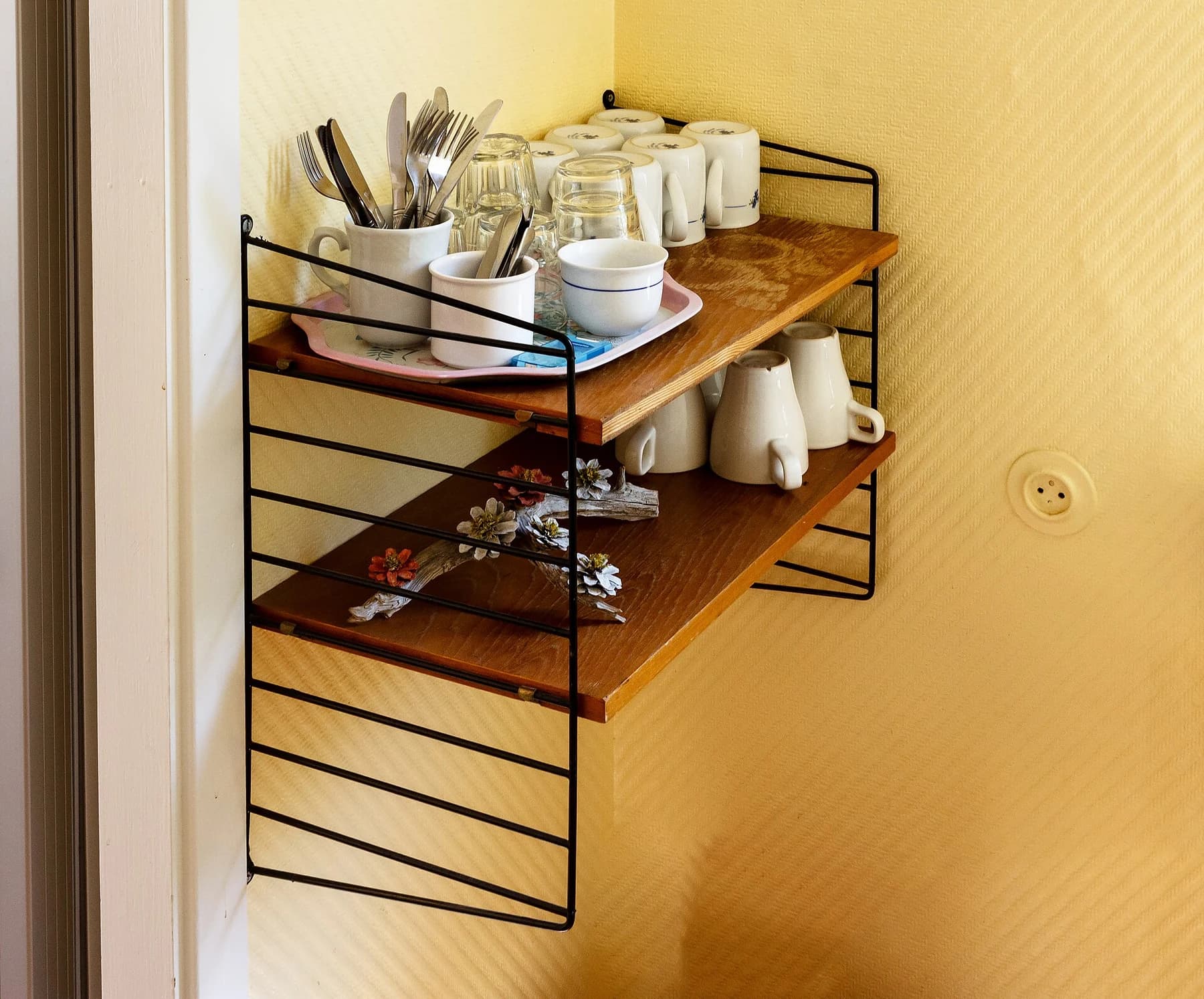
Across the WHV world
The shelf that leaves the next move open.
At a smaller scale, wire panels and shelves demonstrate how a visible organising structure can remain adaptable.
Furniture & Adaptable Interiors
Read the story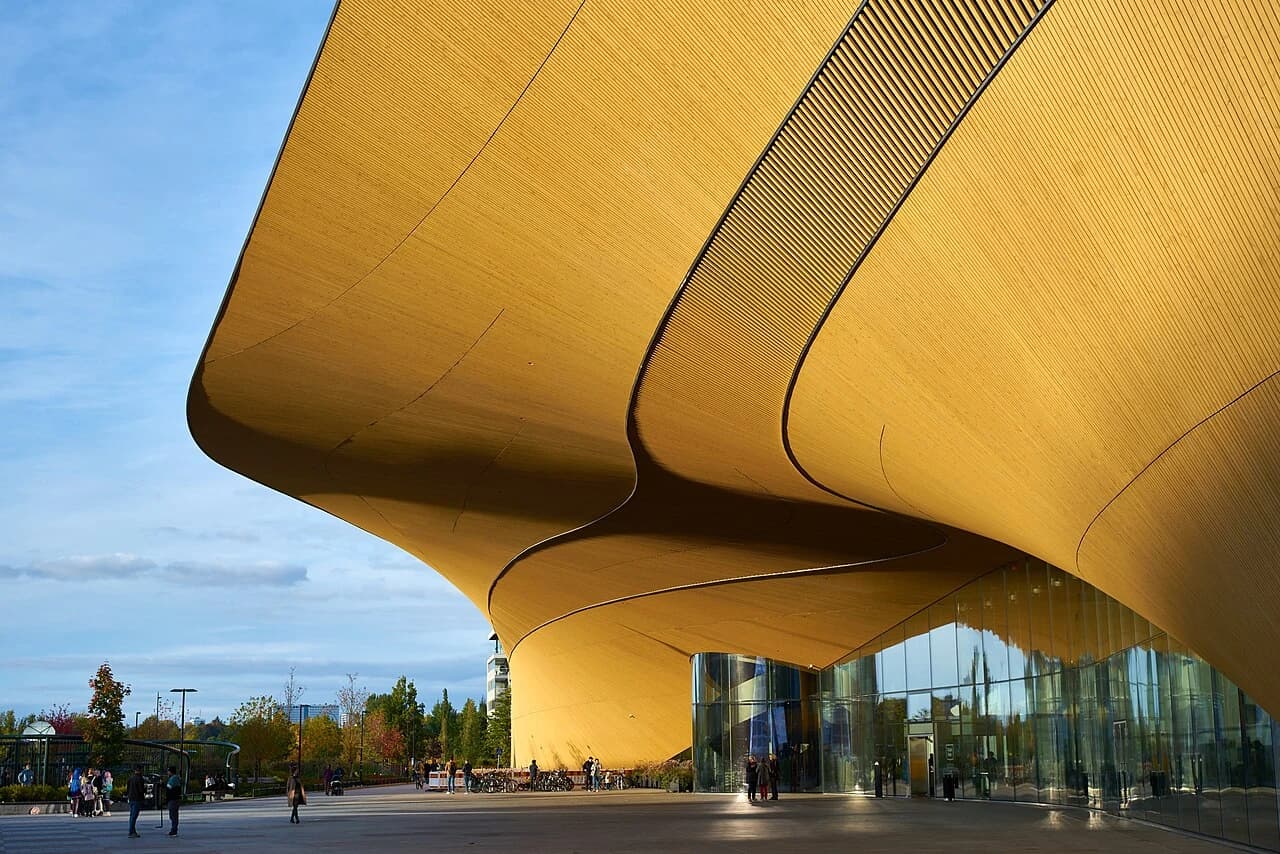
An unexpected connection
The library that lets you make.
Continue to a library that expands the idea of shared resources through equipment, skills and opportunities to make things.
Public Architecture & Shared Tools
Read the story