DISCOVERY / Public Architecture & Shared Tools
The library that lets you make.
Helsinki’s Oodi offers books, workshops, studios and public rooms. The unusual value is how much a city lets people do without owning the building or equipment.
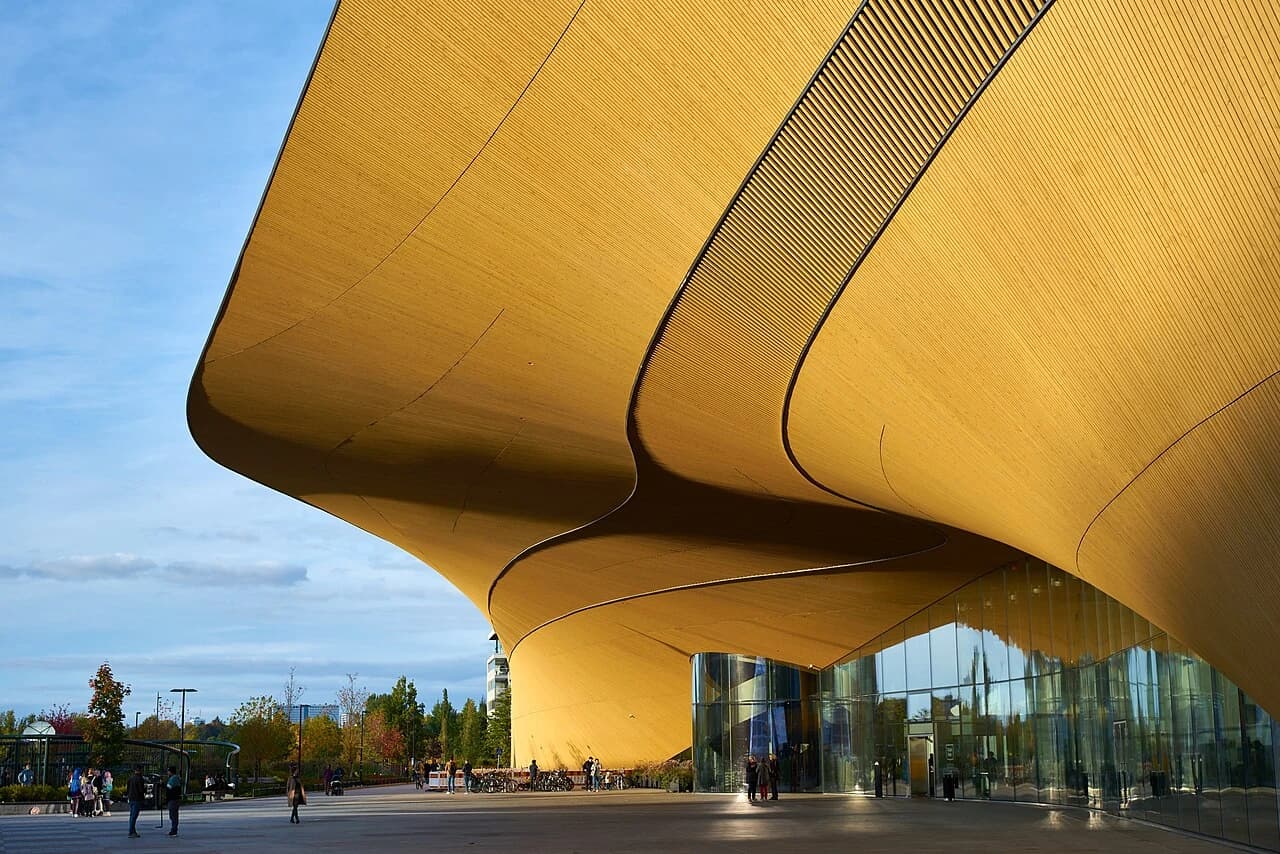
Published 7 October 2026 · WHV · Public-source editorial note
The generous curve of Oodi’s timber exterior is a reason to stop in Helsinki. What happens inside is the more durable idea. A library can be a place to read, certainly, but also a place to make, record, learn, meet and spend time without buying a seat at a table.
A library is also a verb
Oodi divides those possibilities across three floors. The city library lists a cinema and public venues below, workshops and studios in the middle, and books and quieter space above. Its studio page describes facilities for music, voice, video and photography, with reservations made through the city system. The building opened in 2018 after a design process in which the public could respond to competition proposals.
This is not a claim that every visitor can walk into every studio. Some facilities require advance booking, identification and a valid library card, and a tourist will not have all the same borrowing rights as a local cardholder. That distinction matters because public value is strongest when its conditions are explained clearly, not merely photographed as frictionless generosity.
Use it on its own terms
A visitor can still arrive for the rooms, the books and the way the building meets the city. A Helsinki resident can investigate the tools and reservations that fit a real project. Then ask what your own town treats as a library: a store of books alone, or an invitation to grow a skill together? Oodi’s most compelling asset may be capability shared among people who never need to own it.
Source and context.
Oodi: the three floors and their uses ↗
Oodi: studio access and booking rules ↗
City of Helsinki: Oodi design and public participation ↗
WHV has not visited or booked Oodi. Programmes, opening hours, card eligibility and equipment access should be checked directly before travel. The building is presented as public infrastructure, not an asset offered for purchase or a measurable financial return.
Source checked 7 October 2026. WHV interpretation is distinct from the source’s account.
Explore Public Architecture & Shared ToolsFOLLOW YOUR CURIOSITY
Where this leads.
Different subjects. A reason to connect them.
Continue the idea
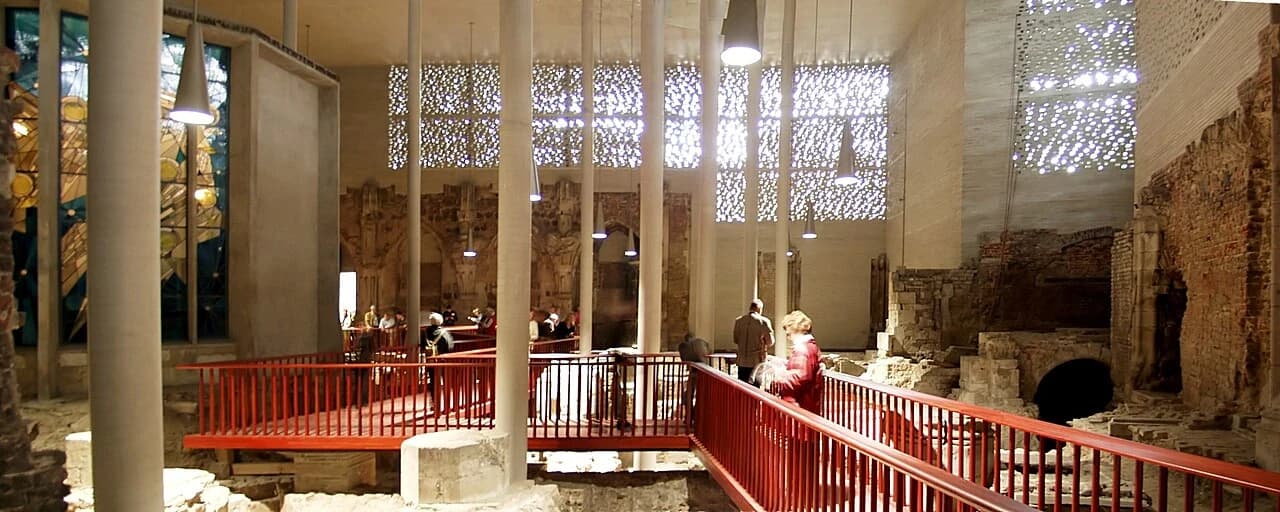
The building that keeps its ruins.
Two public buildings create value through what visitors can encounter, not what they can own.
Layered Architecture & Public Memory
Read the story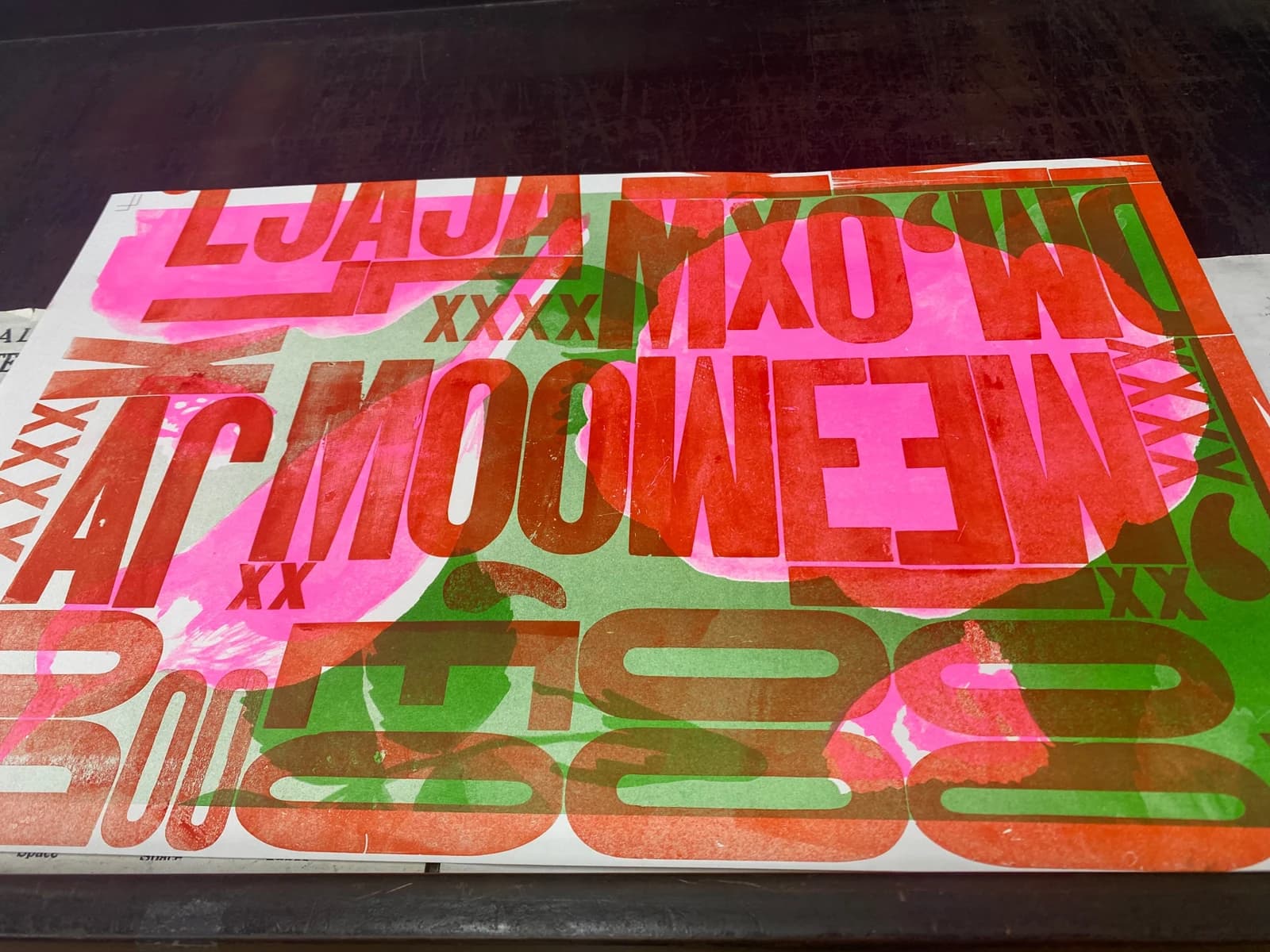
Across the WHV world
The type you can rearrange.
Take the invitation to make into a print workshop, where shared tools become a practical method.
Letterpress & Shared Making
Read the story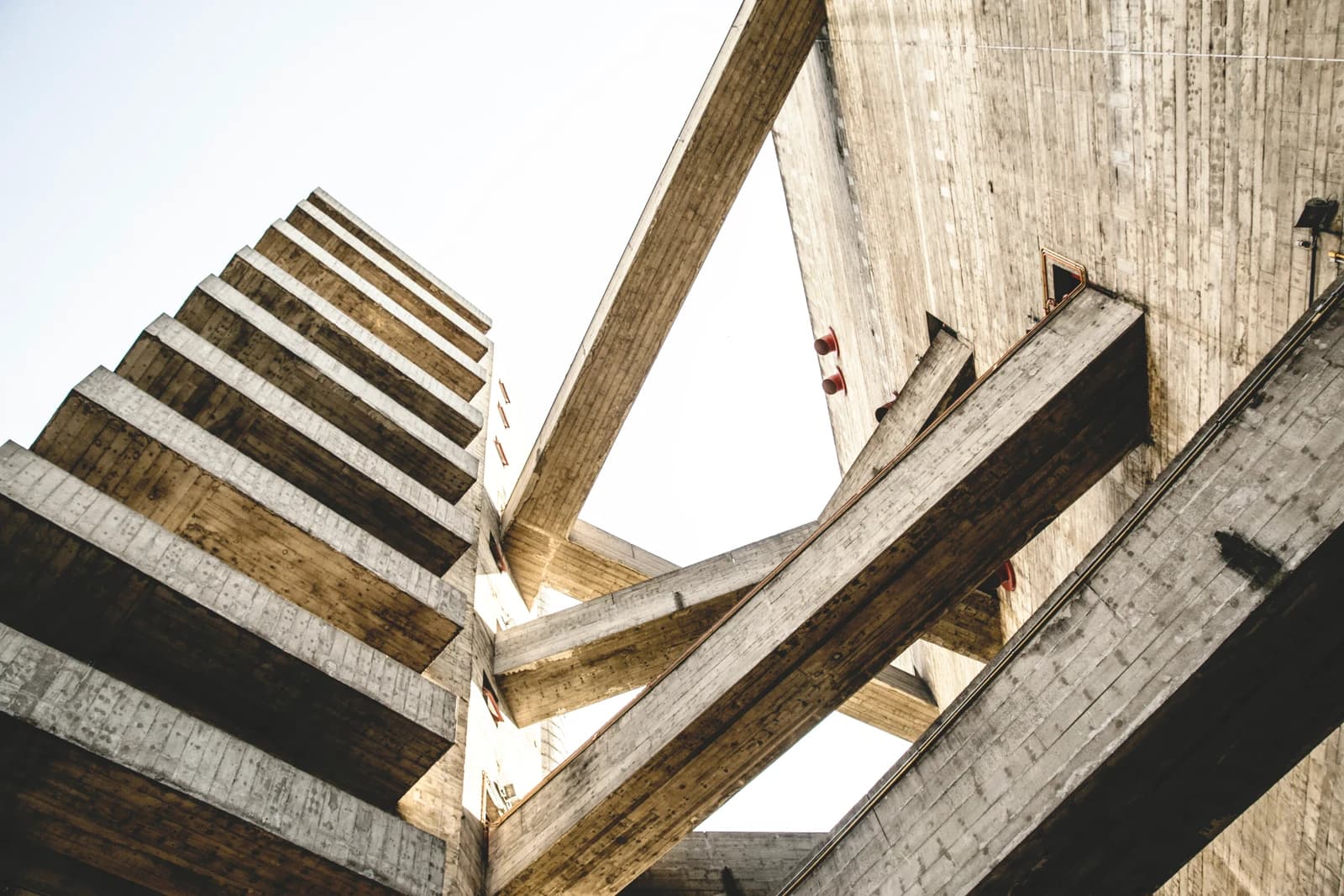
An unexpected connection
A factory that learned to make public life.
An older industrial place also becomes civic infrastructure through a generous change of purpose.
Adaptive Reuse & Public Architecture
Read the story