DISCOVERY / Adaptive Reuse & Public Architecture
A factory that learned to make public life.
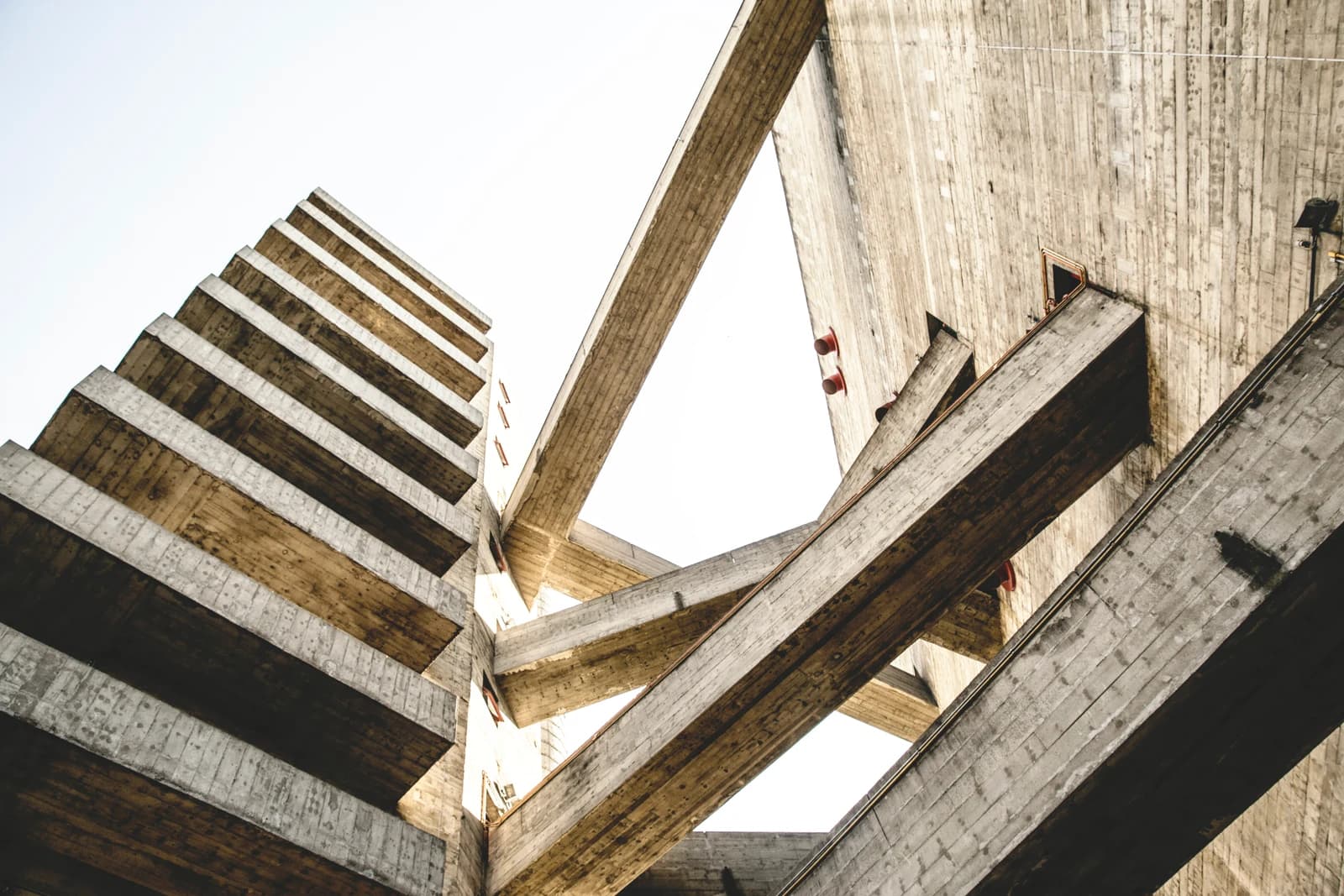
At Sesc Pompeia in São Paulo, Lina Bo Bardi made an existing industrial structure useful to an entirely different kind of city life.
Published 23 September 2026 · WHV · Public-source editorial note
The spectacular part is easy to photograph: heavy concrete towers linked by bridges in the air. The more important question is what those structures allow people to do together.
A building is more than its first job
Sesc Pompeia occupies a former factory in São Paulo. Sesc’s history identifies the original industrial building as dating from 1938 and describes Lina Bo Bardi’s task as retaining and recovering it for cultural use. Her intervention extended from architecture to furniture for the theatre, reading area and places to eat. The old building was not treated as an empty wrapper for a new image.
This is a different kind of architectural value from rarity or private ownership. Existing fabric carries memory, while a new programme gives people reasons to return. In our reading, the achievement is not simply that a factory survived. It is that preservation became compatible with a generous next use.
Visit the life, not just the landmark
Sesc continues to offer heritage visits that place the architecture in its urban and institutional context. Check the programme and any booking requirements before travelling. Look at how people occupy the complex, not only its famous bridges. A building that remains useful to many people can hold value without ever becoming something they own.
Source and context.
Sesc São Paulo: Lina Bo Bardi and the transformation of Pompeia ↗
Sesc Pompeia: current heritage visits ↗
A reading of architectural and civic value, not a measured claim about social outcomes or property appreciation. Access to particular facilities and organised visits follows Sesc’s current programme and eligibility rules.
Source checked 23 September 2026. WHV interpretation is distinct from the source’s account.
Explore Adaptive Reuse & Public ArchitectureFOLLOW YOUR CURIOSITY
Where this leads.
Different subjects. A reason to connect them.
Continue the idea
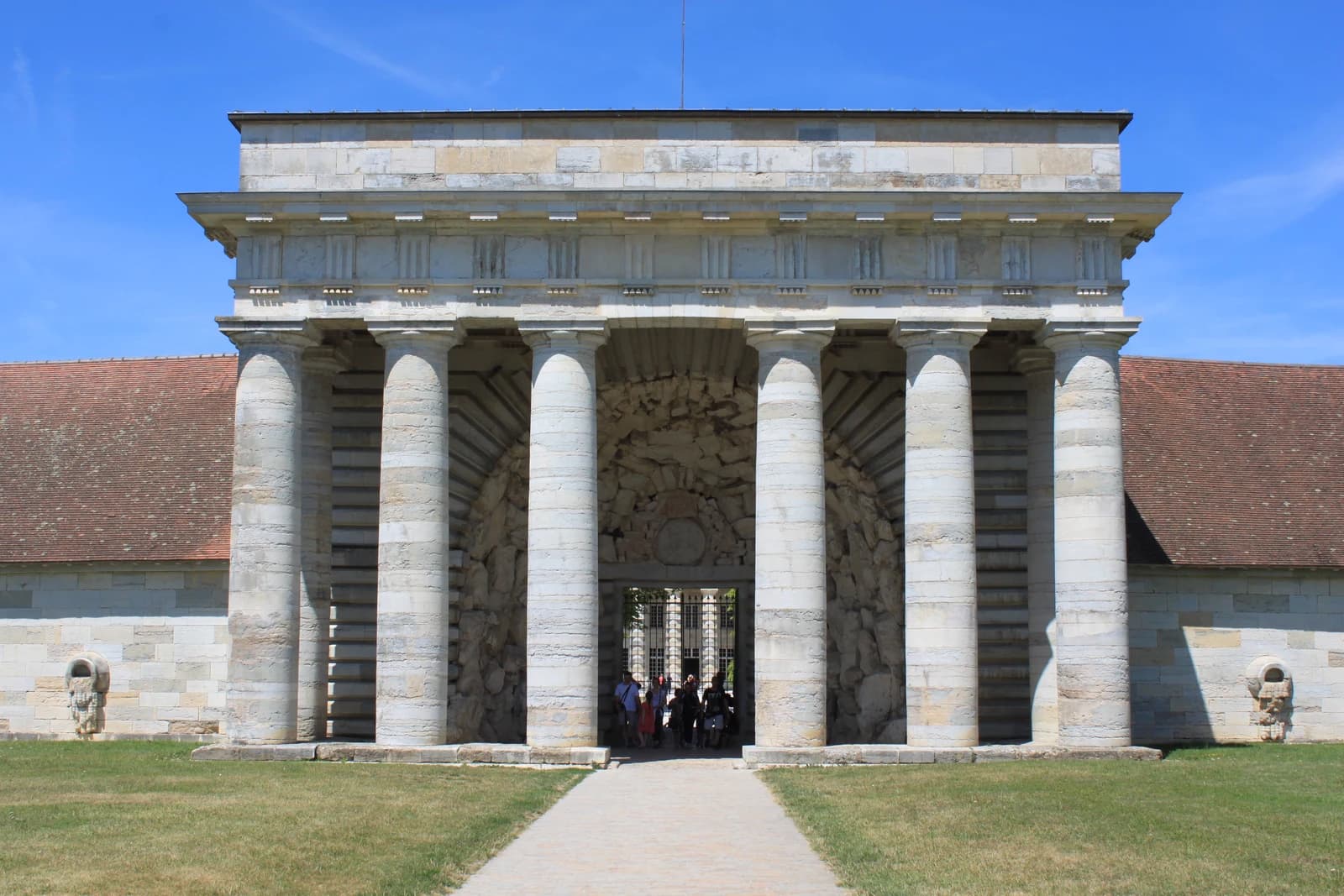
A salt factory with a second life.
Two former factories reveal different ideas of work, public access and architectural afterlife.
Industrial Heritage & Gardens
Read the story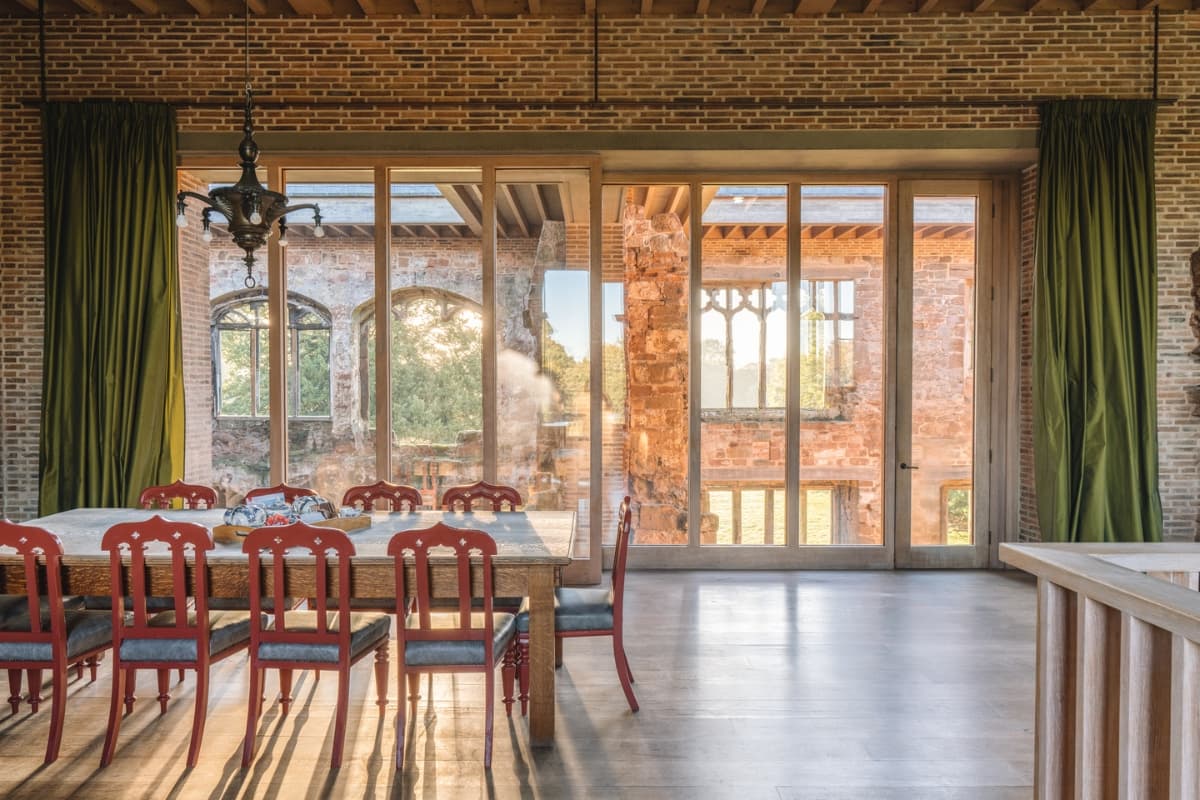
Across the WHV world
A ruin made room for living.
Compare a public industrial conversion with a new inhabitable structure inside a domestic ruin.
Architecture and Stays
Read the story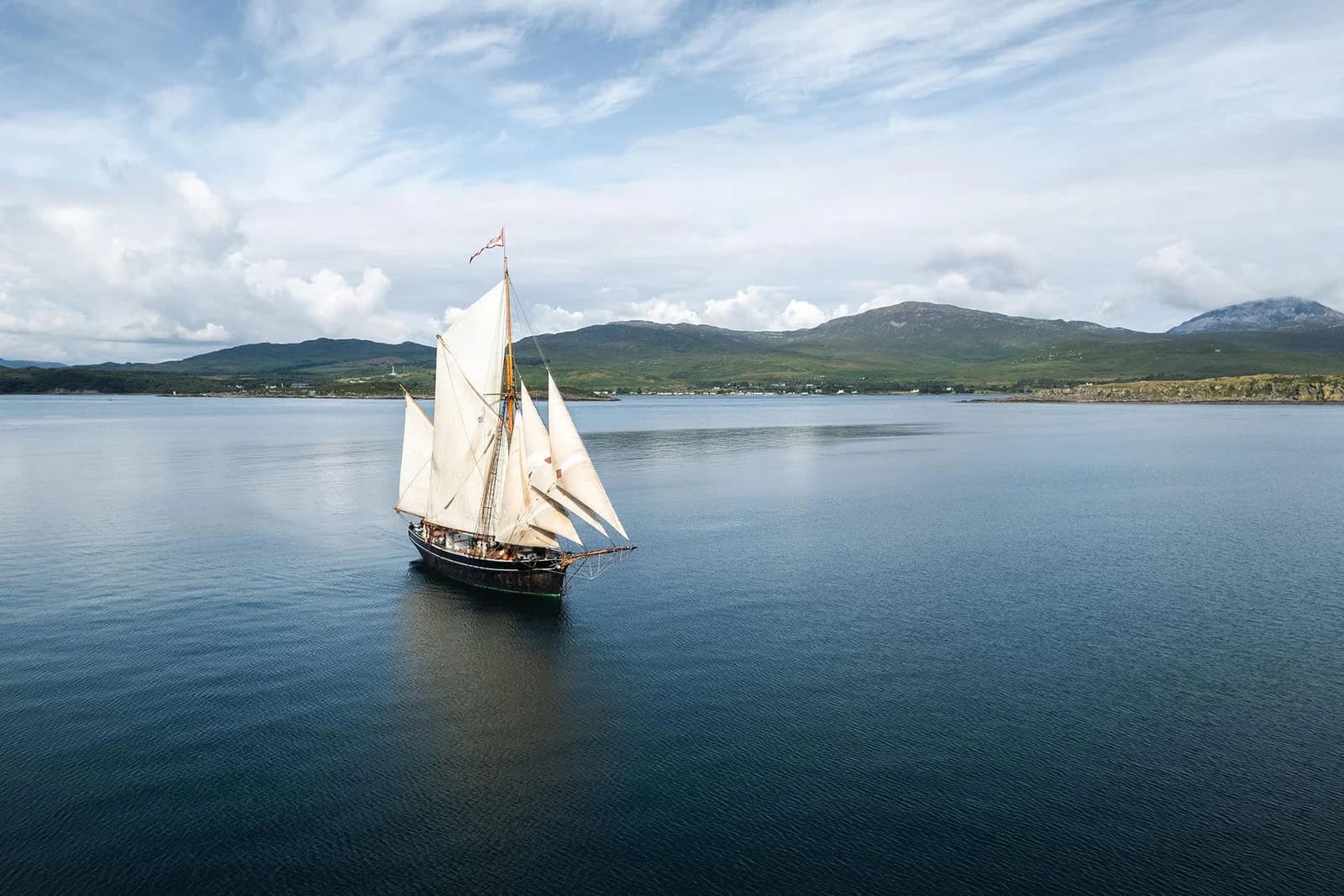
An unexpected connection
Step aboard a working piece of history.
A working ship also needs a new programme of use if preserved material is to remain more than a static exhibit.
Traditional Sailing & Seamanship
Read the story