DISCOVERY / Industrial Heritage & Gardens
A salt factory with a second life.
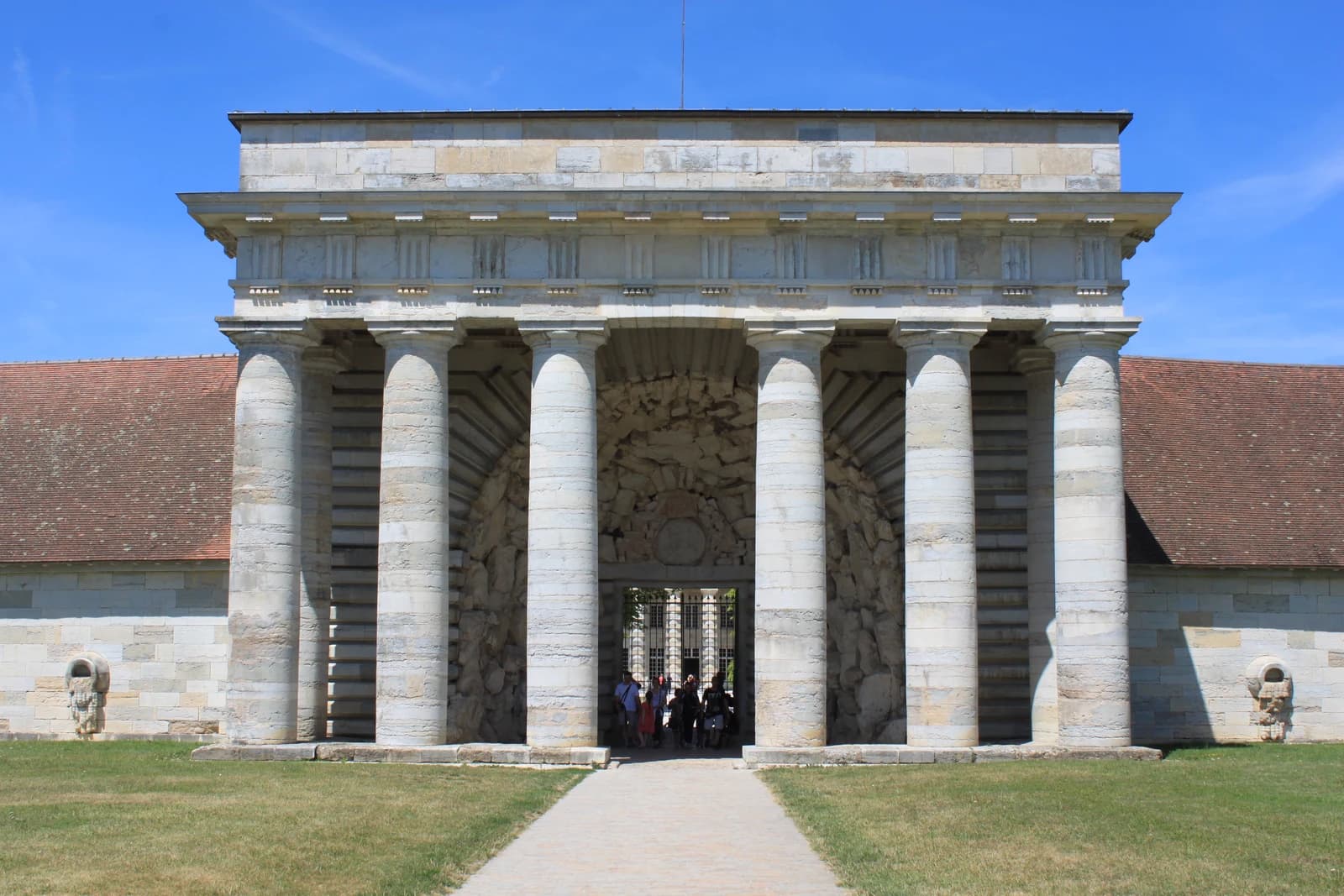
At Arc-et-Senans, Claude Nicolas Ledoux gave salt production the presence of a monumental civic project. Today you can walk into its unfinished argument.
Published 23 September 2026 · WHV · Public-source editorial note
The entrance looks too ceremonious for a factory. That is part of the point. At Arc-et-Senans in eastern France, industrial work was given an architectural ambition usually associated with palaces and civic monuments.
A factory with an idea of society
Construction of Claude Nicolas Ledoux’s Royal Saltworks began in 1775. UNESCO describes a semicircular complex organised around a rational and hierarchical arrangement of work. The wider ideal city imagined around it was never completed. Brine reached the works from Salins-les-Bains through a long wooden pipeline, with the nearby forest supplying fuel.
It is worth resisting the temptation to turn this into an uncomplicated story of progress. Order can serve production and control at the same time. The surviving architecture allows that tension to be examined rather than erased. Its value includes the ideas it makes visible, not only the stone it preserves.
Enter it as a place, not a picture
Today the site offers exhibitions, gardens and a hotel, with practical information for independent visits. Allow time to understand both the work and living arrangements instead of stopping at the monumental gate. The WHV lesson is an afterlife built around access and interpretation. A place can remain culturally productive when it no longer produces the thing for which it was built.
Source and context.
UNESCO: the saltworks of Salins-les-Bains and Arc-et-Senans ↗
Saline royale: current visit information ↗
This is a publicly visitable heritage site, not a property opportunity or a claim about the profitability of adaptive reuse. The ideal city remained unrealised. Current exhibitions, garden conditions and hotel availability must be checked before travel.
Source checked 23 September 2026. WHV interpretation is distinct from the source’s account.
Explore Industrial Heritage & GardensFOLLOW YOUR CURIOSITY
Where this leads.
Different subjects. A reason to connect them.
Continue the idea
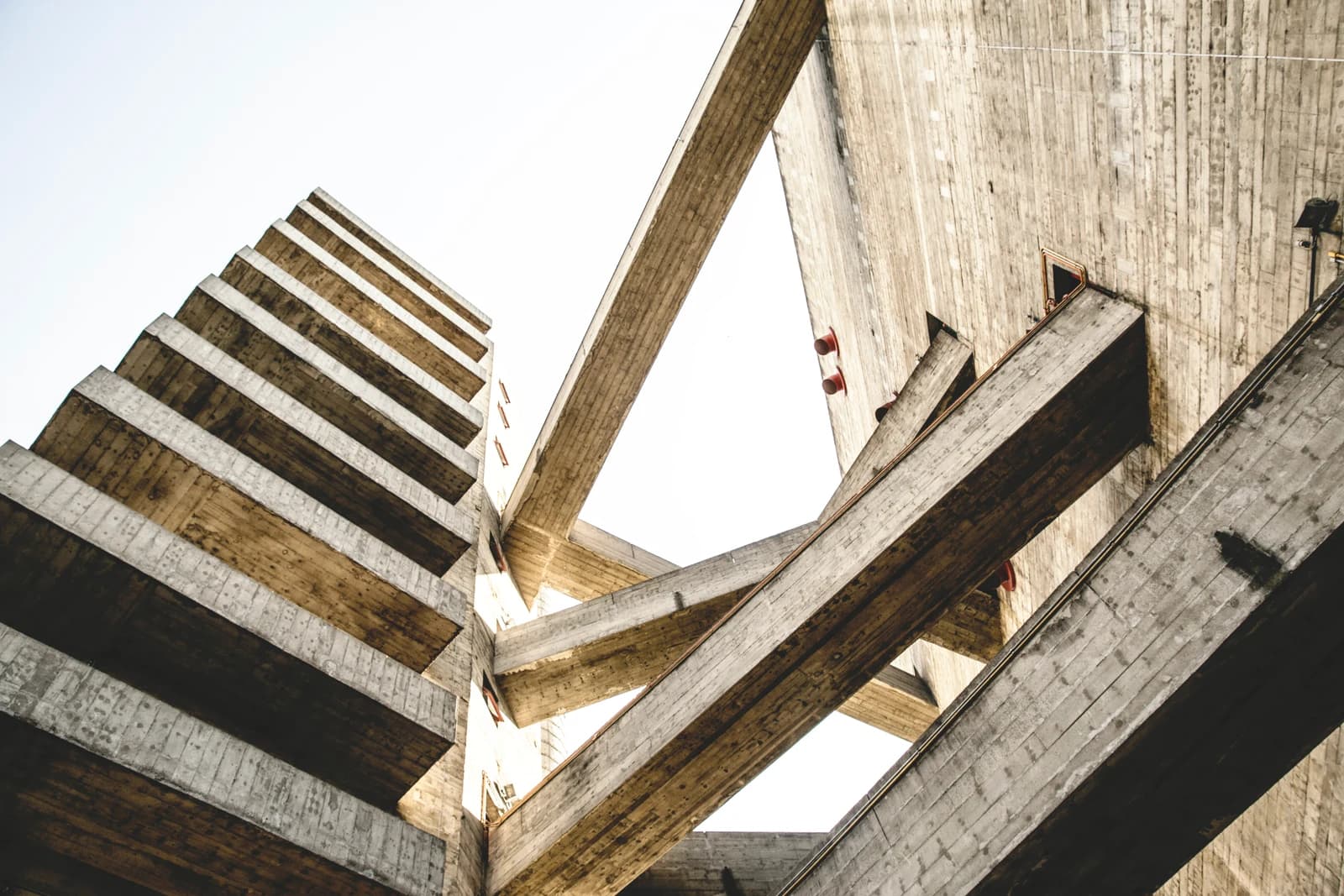
A factory that learned to make public life.
A different factory conversion makes public life, rather than industrial output, the centre of the programme.
Adaptive Reuse & Public Architecture
Read the story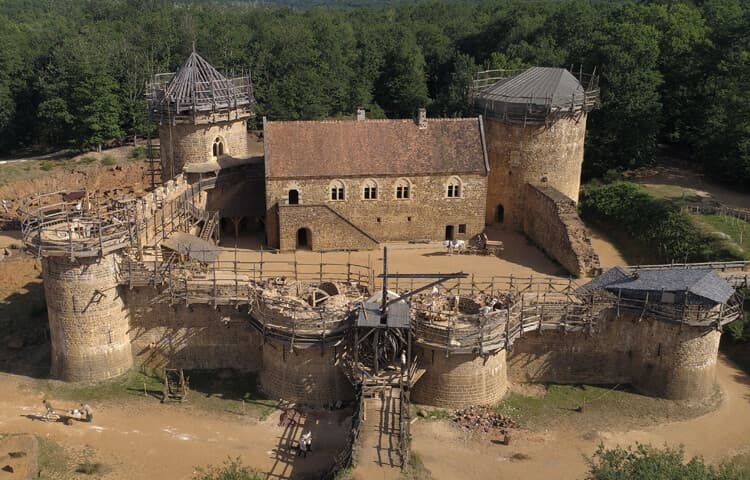
Across the WHV world
A castle built to understand.
Both places make architecture a way to investigate systems of work rather than simply admire old walls.
Experiences & Living Craft
Read the story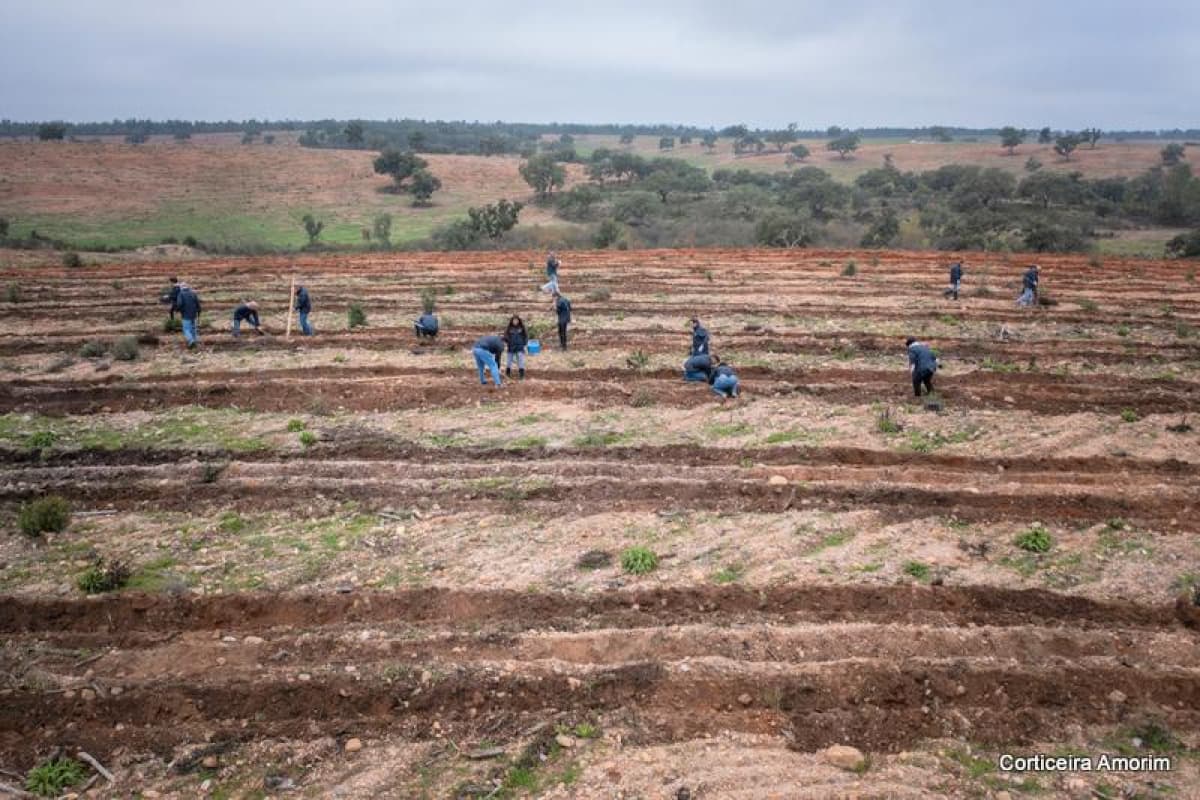
An unexpected connection
The value beneath the bark.
The forest around an industrial site leads to another story about material, landscape and long cycles of care.
Productive Land and Cork
Read the story