DISCOVERY / Productive Land and Cork
The value beneath the bark.
Herdade da Baliza shows why productive land should be read through ecology, operating decisions and public scrutiny, not acreage alone.
Published 13 September 2026 · WHV · Public-source editorial note
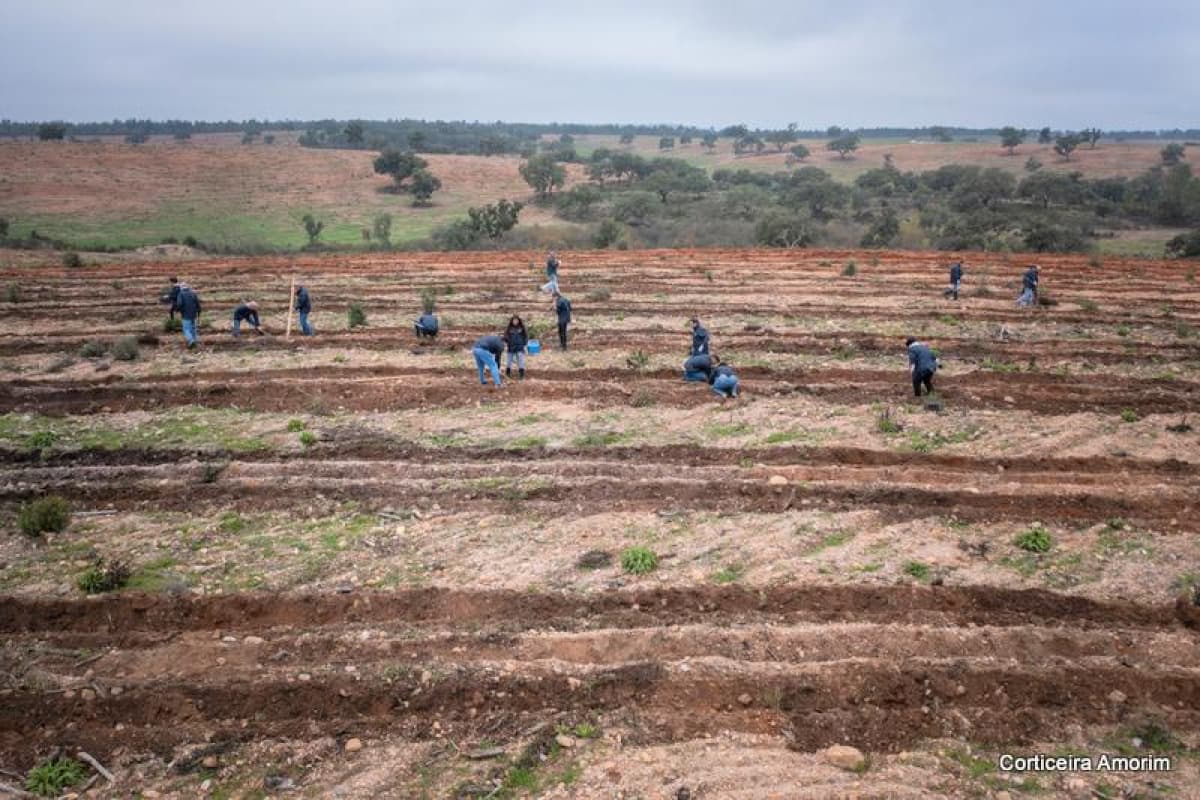
A cork oak estate produces through patience. Bark is harvested without cutting down the tree, then the owner waits years before returning. Portuguese authorities regulate the cycle because excessive harvesting can weaken the tree and compromise future cork.
A harvest measured in years
Corticeira Amorim acquired Herdade da Baliza in 2018 as a large productive landscape. Its 2024 sustainability report describes a 2,799 hectare property and the continuing conversion of eucalyptus areas toward a cork oak system. The company presents the project as a source of future raw material and applied forestry knowledge.
That account should not be read alone. In 2024, the Portuguese Environment Agency found the submitted environmental impact study for proposed dams and reforestation nonconforming because important information was missing, including material concerning water resources. Productive ambition remains subject to environmental evidence and public process.
Ownership does not remove scrutiny
What holds value is not acreage or corporate ownership by itself. It is the capacity of soil, water, trees and people to keep producing without consuming the basis of the next harvest. A serious ownership case must include ecological condition, permits, labour, fire risk, biodiversity and the time before income.
For another cork estate, establish the tree inventory and age profile, harvesting records, water rights, soil and fire plans, protected habitats and every pending approval. Model several poor seasons and long periods without harvest. The landscape is an operating system before it is an alternative asset.
Source and context.
Corticeira Amorim: acquisition of Herdade da Baliza ↗
Corticeira Amorim: 2024 Sustainability Report ↗
Portuguese Environment Agency: Herdade da Baliza conformity analysis ↗
ICNF: cork oak and holm oak protection ↗
A case study assembled from company, regulator and forestry-authority sources, not environmental due diligence, a current project approval or financial assessment of the estate. Reported area figures vary by source and the ownership is not presented as available to readers.
Source checked 13 September 2026. WHV interpretation is distinct from the source’s account.
Explore Productive Land and CorkFOLLOW YOUR CURIOSITY
Where this leads.
Different subjects. A reason to connect them.
Continue the idea
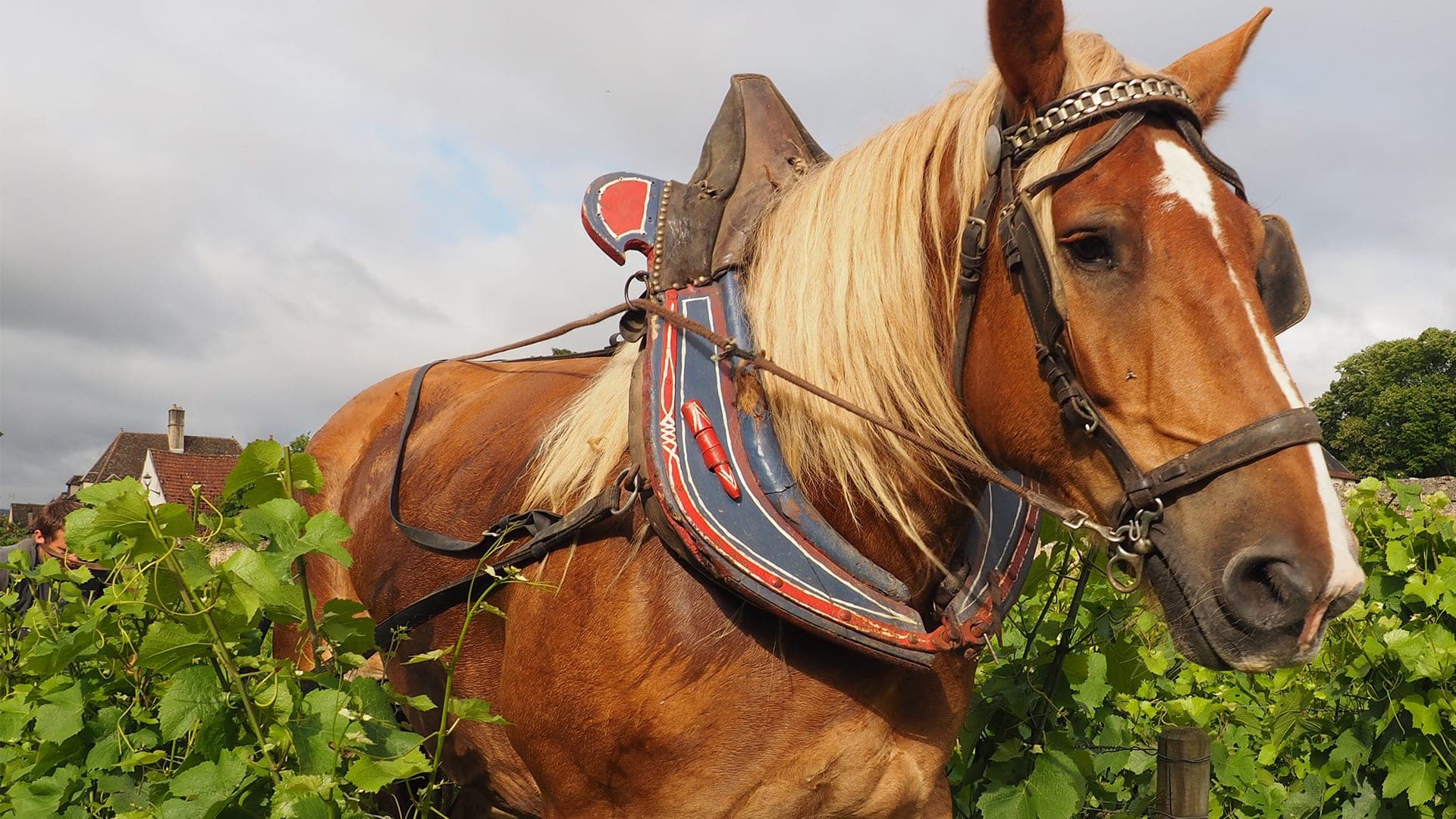
When an entrepreneur buys a vineyard.
Two productive-land stories ask what ownership requires after the appealing acquisition narrative ends.
Vineyards & Ownership
Read the story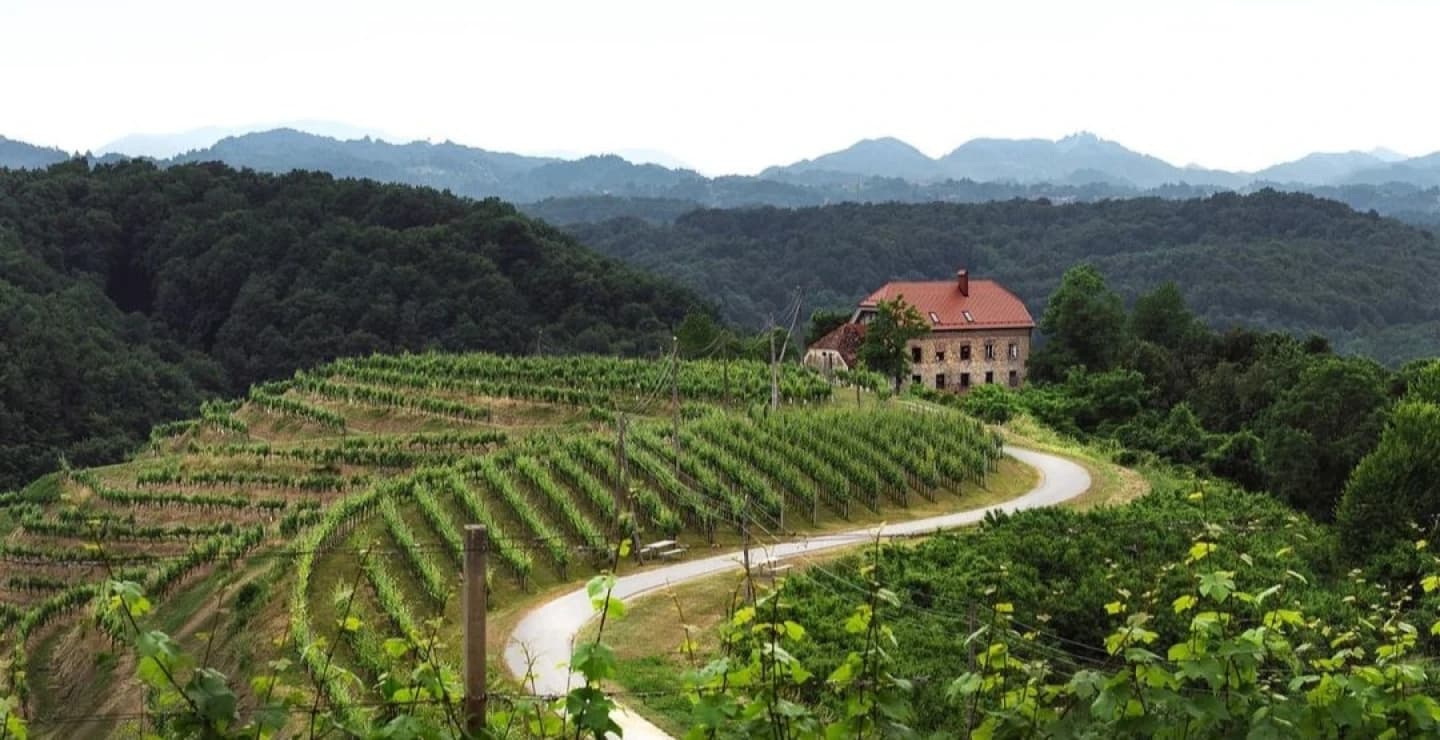
Across the WHV world
The land behind the bottle.
Move from a named estate to the ecology, labour and long decisions behind a finished product.
Vineyards & Productive Places
Read the story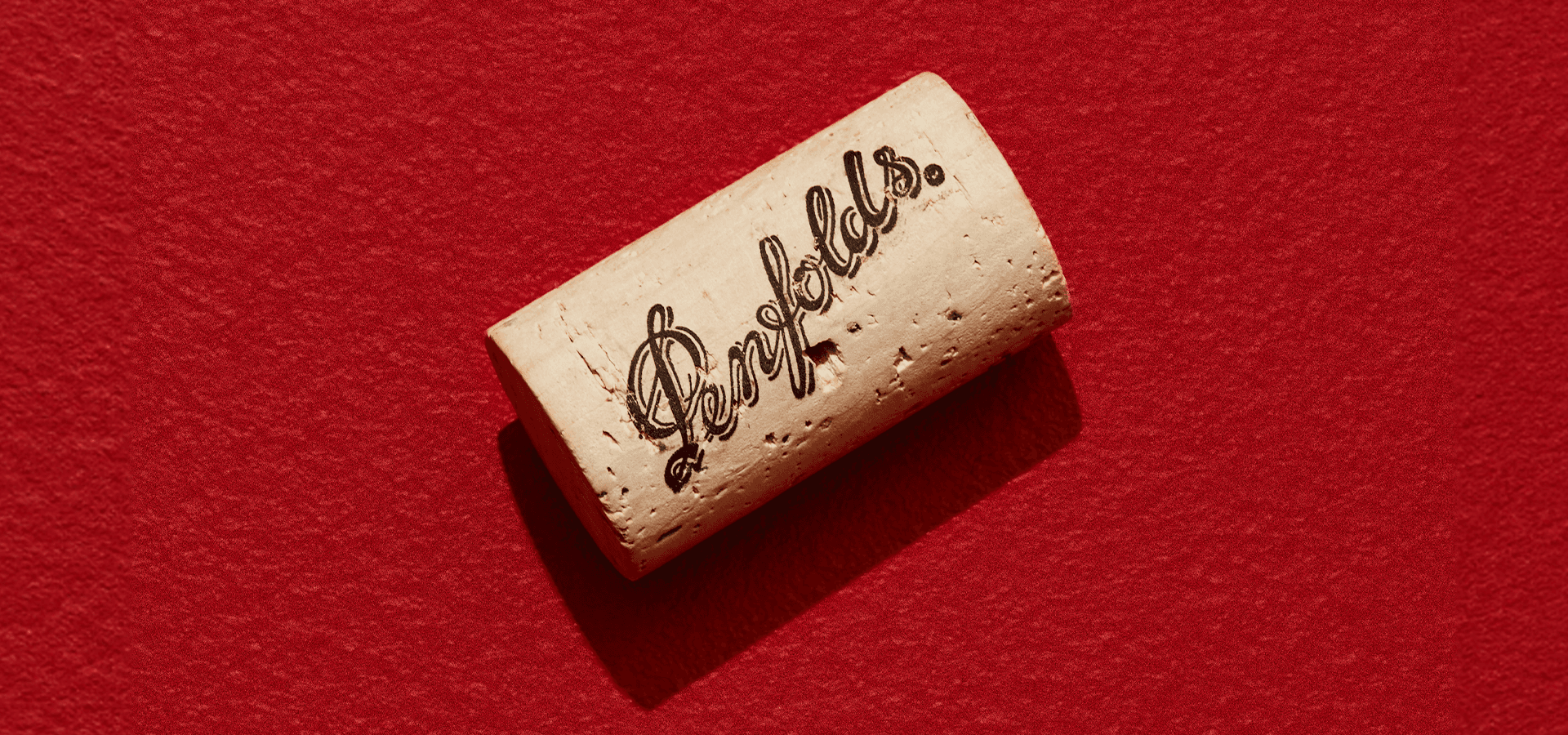
An unexpected connection
What an old bottle needs.
Care over time becomes visible at the scale of one mature bottle and its condition.
Wine and Cellar Stewardship
Read the story